Tag: Market Analysis

  • Bitcoin’s Correction: Whales Close Shorts, Signaling Potential Bullish Reversal Amidst Market Reset

    Bitcoin’s Correction: Whales Close Shorts, Signaling Potential Bullish Reversal Amidst Market Reset

    October 23, 2025 – The cryptocurrency market is currently gripped by a significant Bitcoin (BTC) correction, challenging investor conviction and prompting widespread reevaluation. Amidst this volatility, a crucial development has emerged: large institutional investors, commonly known as "whales," are strategically closing their short positions. This calculated maneuver by market titans is sending ripples through the ecosystem, with many analysts interpreting it as a potential precursor to a bullish reversal or, at the very least, a strategic accumulation phase signaling the possible end of the recent crypto downturn.

    The immediate market reaction to this whale activity has been a complex mix of cautious optimism and lingering anxiety. While the broader crypto community remains divided, the actions of these influential players are drawing considerable attention, underscoring their power to shape market sentiment and price action. This strategic repositioning by whales is particularly significant, as it suggests a shift in their outlook, potentially signaling that the worst of the correction may be behind us and laying the groundwork for future upward momentum in the broader crypto ecosystem.

    Market Impact and Price Action

    Bitcoin's current correction, often termed a "mid-cycle reset," has been marked by pronounced volatility. Following a robust rally in early October that saw BTC briefly touch highs around $122,500, a swift "flash crash" between October 10-11 sent prices plummeting to approximately $104,600. This sharp decline was exacerbated by an unprecedented $19.1 billion in leveraged liquidations, wiping out high-risk positions across exchanges. As of October 23, 2025, Bitcoin has found some stability, trading around the $108,000 to $109,789 range, attempting to reclaim crucial support levels. The cryptocurrency has slipped roughly 3% over the past week and experienced its worst two-week period in 13 months.

    Trading volume during this correction has been substantial, with daily Bitcoin trading volumes reaching $104 billion on some days, representing a more than 60% increase. This surge indicates renewed engagement from institutional investors, even as U.S. spot Bitcoin ETFs (such as those offered by BlackRock (NYSE:BLK)) recorded net outflows of $101.29 million on October 22, following a brief day of inflows. Liquidity remains healthy, supported by institutional interest, but balances on centralized exchanges have tended lower since June, contributing to a tighter supply.

    Technically, the $108,000-$110,000 zone is a critical support and resistance level that the market is intently watching. Bitcoin is currently trading below the short-term holder cost basis of approximately $113,100, which Glassnode analysts suggest indicates "demand exhaustion and fading momentum." Key immediate support levels are identified at $107,000 to $108,000, with a decisive break below potentially leading to a retest of the psychological $100,000 mark. Conversely, immediate resistance is seen around $114,000, with a sustained breakout above $116,505 signaling a potential cancellation of the downward trend and a move towards $125,605.

    Historically, the closing of large short positions, especially when forced through liquidations, has often preceded bullish momentum. A recent example from early October 2025 saw a $330 million Bitcoin short liquidation successfully propel BTC above $120,000, demonstrating how a "short squeeze" can trigger significant upward price movements. While some whales like "BitcoinOG" profited by shorting before the crash and closing positions afterward, the current trend of whales voluntarily closing shorts at current levels, sometimes alongside opening new long positions, suggests a strategic accumulation phase, setting the stage for a potential rebound.

    Community and Ecosystem Response

    The "Great Crash" of October 2025 and the subsequent whale activity have generated a vibrant, albeit polarized, discussion across the crypto community. On platforms like Crypto Twitter (X) and Reddit, immediate sentiment after the crash was dominated by "fear, uncertainty, and doubt (FUD)," with trending hashtags like #CryptoCrash. The Crypto Fear & Greed Index plummeted to "extreme fear" levels, reflecting widespread anxiety over portfolio losses and liquidations. However, a resilient "HODL" mentality also emerged, with many long-term holders viewing the correction as a "buy the dip" opportunity, emphasizing Bitcoin's long-term bullish outlook.

    Crypto influencers and thought leaders have offered diverse perspectives. Arthur Hayes, a prominent figure, maintains an optimistic outlook, seeing the current drop as a buying opportunity. Analysts from VanEck (NYSE:VNE) characterize the pullback as a "liquidity-driven mid-cycle reset" rather than a bear market, noting normalized leverage and rising on-chain activity. Copper Research suggests the market aligns with Bitcoin's historical fear cycle, anticipating a recovery towards $125,000-$130,000 by mid-December. Conversely, Timothy Misir, head of research at BRN, warned of increased volatility and a deeper correction if Bitcoin fails to hold $108,000. Notorious gold bug Peter Schiff, a long-time Bitcoin skeptic, continues to predict a plunge to zero, calling it a "gigantic pump-and-dump."

    The effects on the broader crypto ecosystem have been noticeable. Decentralized Finance (DeFi) protocols experienced a surge in liquidations as collateral values dropped, leading to a decline in Total Value Locked (TVL). Stablecoins saw increased trading volume as users sought safety. NFT projects initially saw floor prices depreciate, particularly for speculative collections, with trading volumes dwindling on marketplaces like OpenSea. However, a partial recovery has been observed for projects with strong fundamentals and utility. Web3 applications, while their associated altcoins faced pressure, have continued core development, with a renewed focus on projects offering genuine utility and sustainable growth. Projects addressing Bitcoin's scalability, like Bitcoin Hyper ($HYPER), are attracting speculative interest despite some "scam controversies."

    What's Next for Crypto

    The current Bitcoin correction and the strategic maneuvers of whales carry significant short-term and long-term implications for the crypto market. In the short term (Q4 2025 – Early 2026), continued volatility is expected, but signs of stabilization are emerging. A decisive move above $114,000 could attract more buyers, potentially pushing Bitcoin towards $115,000-$118,000 by early November. Some optimistic forecasts even project a reach of $150,000 by year-end 2025 or $200,000 by early 2026, largely driven by sustained institutional inflows.

    Looking at the long term (2026-2030 and beyond), the outlook remains overwhelmingly bullish. Analysts foresee Bitcoin's price targets ranging from $100,000 to $230,000 by 2026, and potentially $300,000 to over $1 million by 2030. This optimism is rooted in Bitcoin's scarcity, its halving cycles, increasing global adoption, and deepening institutional integration. Institutional investors, including firms like T. Rowe Price (NASDAQ:TROW), are increasingly viewing Bitcoin as a strategic asset, with substantial allocation increases expected through 2025 and 2026.

    Several potential catalysts and developments warrant close monitoring. Spot Bitcoin ETF inflows remain a primary driver of demand. Regulatory clarity and policy shifts, particularly in the U.S. with potential repeal of SAB 121 and a more permissive environment under a new administration, could provide significant boosts. Ethereum's Pectra upgrade and a resurgence in thematic sectors like AI-integrated blockchain projects could ignite an "AltSeason." Furthermore, global liquidity trends, potential easing of interest rates by central banks, and technological innovations enhancing Bitcoin's scalability and security are crucial factors.

    Strategic considerations for investors include robust risk management, maintaining a long-term investment horizon, and selective exposure to altcoins based on strong fundamentals and utility. Projects, in turn, must prioritize regulatory compliance, foster innovation, and develop real-world use cases to attract sustained interest. Possible scenarios for Bitcoin's price action include a bullish recovery (high likelihood long-term, moderate short-term), a deeper correction (moderate short-term, low long-term), or an extended sideways consolidation (moderate short-term). The overall consensus leans towards a recovery and continued upward trend, with short-term dips representing accumulation opportunities.

    Bottom Line

    Bitcoin's current correction, while a test of conviction for many, appears to be a strategic recalibration rather than the onset of a prolonged bear market. The actions of whales, specifically their observed closing of short positions and, in some cases, opening new long positions, underscore a sophisticated re-positioning. This suggests that large investors are either locking in profits from bearish bets or strategically accumulating at current levels, signaling a potential bullish reversal or at least a significant support floor for the market.

    The long-term significance for crypto adoption remains profoundly optimistic. Bitcoin is increasingly integrated into traditional finance, with institutional demand through ETFs and corporate treasuries expected to surge. Regulatory clarity is improving globally, fostering a more mature and accessible market. Retail adoption continues to grow, with a significant portion of the population owning or planning to acquire cryptocurrencies. Experts anticipate Bitcoin to potentially outperform traditional safe-haven assets by year-end, driven by its fixed supply and role as an inflation hedge.

    Investors and enthusiasts should closely monitor key technical levels, particularly the $108,000-$110,000 support zone and resistance around $114,000. Whale activity, ETF flow data, and macroeconomic indicators (such as the Consumer Price Index (CPI) and central bank interest rate decisions) will be crucial. Important upcoming events include quantum security milestones by BTQ Technologies (testnet launch Q4 2025, mainnet Q2 2026), and mining operations by Canaan Inc. (NASDAQ:CAN) and Soluna in late 2025 and early 2026. This period, though volatile, is shaping up to be a pivotal phase that could define Bitcoin's trajectory into a new era of mainstream financial integration.


    This article is for informational purposes only and does not constitute financial or investment advice. Cryptocurrency investments carry significant risk.

  • Ethereum Stablecoin Usage Explodes by 400%, Fueling Speculation of a $5K ETH Future

    Ethereum Stablecoin Usage Explodes by 400%, Fueling Speculation of a $5K ETH Future

    October 23, 2025 – The Ethereum ecosystem has been set ablaze by an astonishing 400% surge in stablecoin usage over the past 30 days, pushing the total value transferred to an unprecedented $580.9 billion across more than 12.5 million individual transactions. This monumental increase, which concluded around mid-October 2025, marks a new all-time high for stablecoin activity on the network, sending ripples of excitement and analytical scrutiny across the crypto landscape.

    The immediate reaction from the market and community has been overwhelmingly bullish, with analysts quickly flagging the surge as a potential precursor to significant price action for Ethereum (ETH). Many are now openly speculating about ETH's imminent ascent to the $5,000 mark and beyond, viewing the massive influx of stablecoin liquidity as "dry powder" poised to be deployed into the broader market. This event underscores Ethereum's rapidly solidifying role as the premier settlement layer for the digital economy, a critical development for the entire crypto ecosystem.

    Market Impact and Price Action

    The unprecedented surge in Ethereum stablecoin usage has been a powerful catalyst for ETH's market dynamics. While real-time data for the immediate aftermath of this specific surge (late October 2025) is still unfolding, historical trends and theoretical analysis suggest profound impacts. The increased stablecoin activity directly translates to a heightened demand for ETH, primarily for gas fees to process the millions of transactions. This demand, coupled with Ethereum's EIP-1559 upgrade which burns a portion of these fees, creates significant deflationary pressure on ETH's supply, further bolstering its price potential.

    Trading volumes for ETH against major stablecoins like USDT and USDC have reportedly seen a substantial uptick, indicating robust market participation and enhanced liquidity. Analysts are observing key support levels around the $3,700-$3,800 range, with aggressive accumulation by large holders ("whales") at these points. The breaking of previous resistance levels, particularly around the psychological $4,000 mark, on the back of such massive stablecoin inflows, would signal strong bullish momentum. Comparisons to past bull runs, such as the DeFi Summer of 2020 and the 2021 bull market, reveal a consistent correlation: periods of significant stablecoin growth often precede or accompany upward price movements for major cryptocurrencies, as stablecoins provide the essential liquidity for market expansion.

    The market's anticipation of ETH potentially reaching $5,000 is not without precedent, given the historical significance of stablecoin liquidity as a leading indicator. The sheer scale of this recent surge, however, suggests an even more accelerated trajectory. If sustained, this level of stablecoin activity could push ETH into uncharted territory, with technical indicators pointing towards an expansion beyond its previous all-time highs as new capital continues to flow into the ecosystem.

    Community and Ecosystem Response

    The Ethereum stablecoin surge has ignited a vibrant discussion across social media platforms and within the broader crypto community. On platforms like X (formerly Twitter) and Reddit, sentiment is largely optimistic, with users celebrating the network's growing utility and the potential for a new ETH bull run. Many view the surge as a validation of Ethereum's foundational role in decentralized finance (DeFi) and the wider Web3 space.

    Crypto influencers and thought leaders have been quick to weigh in, with many emphasizing the long-term implications of Ethereum's deepening liquidity. Prominent analysts are highlighting on-chain data, pointing to the increased stablecoin supply as a clear signal of capital entering the ecosystem, rather than merely rotating within it. While some voices express caution, questioning the sustainability or underlying drivers of such rapid growth, the prevailing sentiment leans towards a recognition of stablecoins as a critical bridge between traditional finance and the burgeoning digital economy.

    The effects on related DeFi protocols, NFT projects, and Web3 applications have been immediate and profound. Decentralized exchanges (DEXs) like Uniswap and Curve Finance are experiencing significantly deeper liquidity pools, leading to reduced slippage and more efficient trading. Lending protocols such as Aave and Compound are seeing increased Total Value Locked (TVL) as stablecoins are deployed for yield generation. For NFT projects, while sales are often denominated in ETH, the enhanced stablecoin liquidity facilitates easier on-ramps and off-ramps for fiat, potentially boosting overall purchasing power and market activity. Across the Web3 landscape, stablecoins are increasingly becoming the preferred medium for payments, remittances, and in-game economies, solidifying their role as the stable backbone of digital commerce and innovation on Ethereum.

    What's Next for Crypto

    The 400% surge in Ethereum stablecoin usage heralds significant short-term and long-term implications for both Ethereum and the broader crypto market. In the short term, the massive injection of liquidity is expected to continue fueling bullish momentum for ETH, potentially propelling it past its previous all-time highs. The amplified ETH burn rate from increased transaction activity will further tighten supply, reinforcing its deflationary characteristics. For the broader market, this signals a robust influx of capital and heightened institutional confidence, potentially setting the stage for a broader altcoin rally once Bitcoin consolidates its gains.

    Looking long-term, this event solidifies Ethereum's position as the "internet of money," a critical global settlement layer for digital assets and traditional finance. It underscores the vital role of Layer 2 (L2) scaling solutions in handling increased demand and maintaining network efficiency. Potential catalysts to watch include further regulatory clarity (such as the US GENIUS Act and the EU's MiCA regulation), continued institutional product offerings (e.g., spot Ethereum ETFs by asset managers like BlackRock (NYSE: BLK)), and ongoing Ethereum network upgrades (e.g., the upcoming "Fusaka" upgrade in November). Strategic considerations for projects involve prioritizing regulatory compliance, building on L2s, and innovating in DeFi and tokenized real-world assets (RWAs). Investors should consider diversifying stablecoin holdings, wisely evaluating yield opportunities, and monitoring regulatory developments closely.

    Regarding ETH's price action, the likelihood of ETH reaching $5,000-$6,000+ in the short to mid-term (late 2025 – early 2026) is now considered very high. The unprecedented stablecoin surge acts as a powerful catalyst, backed by strong institutional inflows and the network's deflationary mechanics. A sustained bull run extending into 2026, potentially pushing ETH towards $7,000-$10,000+, is a moderate to high likelihood scenario, contingent on continued institutional adoption, widespread RWA tokenization, and favorable macroeconomic conditions. While temporary pullbacks are always possible, the fundamental strength indicated by this stablecoin growth suggests any dips would likely be viewed as buying opportunities.

    Bottom Line

    The 400% surge in Ethereum stablecoin usage is a watershed moment for the crypto industry. For investors and enthusiasts, the key takeaway is clear: Ethereum's utility and market dominance as the premier stablecoin settlement layer are unequivocally cemented. This event signifies an unprecedented level of capital inflow and liquidity, bolstering the entire DeFi ecosystem and accelerating the deflationary pressure on ETH's supply. It further highlights stablecoins as the crucial bridge between traditional finance and the decentralized world, driving real-world utility beyond mere speculation.

    In the long term, this surge positions Ethereum as a foundational pillar of the global digital economy, enhancing its network effects and security. It underscores the critical importance of Layer 2 scaling solutions in sustaining this growth and maintaining accessibility. For overall crypto adoption, this event is a strong indicator of mainstream acceptance, with stablecoins becoming an integral part of daily financial activities, attracting both retail and institutional users. The increasing integration by major payment providers like PayPal (NASDAQ: PYPL), Visa (NYSE: V), and Stripe further solidifies this trend.

    Moving forward, important metrics to monitor include Ethereum's stablecoin market cap and transaction volume, ETH gas fees, Layer 2 stablecoin activity, and the ETH burn rate. Key events to watch are ongoing Ethereum network upgrades, the progress of global stablecoin regulatory frameworks (e.g., US GENIUS Act), and the expansion of stablecoin initiatives by traditional financial institutions. This monumental surge suggests that the crypto market, with Ethereum at its core, is entering a new phase of maturity and widespread adoption.


    This article is for informational purposes only and does not constitute financial or investment advice. Cryptocurrency investments carry significant risk.

  • BNB’s US Breakthrough: Robinhood Listing, Coinbase Announcement Signal New Era for Binance Coin Accessibility and Legitimacy

    BNB’s US Breakthrough: Robinhood Listing, Coinbase Announcement Signal New Era for Binance Coin Accessibility and Legitimacy

    New York, NY – October 22, 2025 – In a landmark development for the cryptocurrency market, Binance Coin (BNB) has achieved a significant milestone in its journey towards mainstream adoption in the United States. Today, retail trading giant Robinhood Markets (NASDAQ: HOOD) officially launched BNB trading, instantly expanding its availability to millions of American investors. Simultaneously, Coinbase Global (NASDAQ: COIN), a leading US-based crypto exchange, confirmed its plans to support BNB trading, following its inclusion on the exchange's listing roadmap just days prior on October 16, 2025. This dual embrace by two of the most prominent US trading platforms marks a pivotal moment, signaling increased legitimacy and accessibility for the native token of the Binance ecosystem.

    The immediate market reaction to the news was a mix of anticipation and a somewhat muted price response for BNB. While the token, which had already seen a substantial rally from $500 to over $1,350 earlier in the year, saw its price inch up from intraday lows around $1,054 to highs of $1,096, analysts noted that much of the positive sentiment might have already been priced into the asset. Despite the modest immediate price surge, the crypto community widely celebrated the listings as a critical step towards broader U.S. adoption, highlighting the potential for enhanced liquidity, regulatory clarity, and a strategic shift in the competitive landscape of major exchanges. This move is expected to democratize access for retail investors and could serve as a significant catalyst for the growth of decentralized finance (DeFi) within the Binance Smart Chain ecosystem.

    Market Impact and Price Action

    The highly anticipated listings of Binance Coin (BNB) on Robinhood (NASDAQ: HOOD) and the subsequent announcement from Coinbase (NASDAQ: COIN) on October 22, 2025, triggered a somewhat subdued, yet strategically important, response in the market. BNB, which had already demonstrated a formidable rally from approximately $500 in February to an all-time high exceeding $1,350 earlier in October, was trading in the range of $1,070 to $1,077 as the news broke. While the token did experience a modest intraday bounce, inching up to highs of $1,096 from lows of $1,054, the overall price movement was largely characterized by analysts as "muted," "anemic," or "stable," with increases barely exceeding 0.2% to 2%. This suggests that much of the positive sentiment surrounding these major integrations had already been factored into BNB's price during its preceding bullish run.

    Despite the modest immediate price action, the long-term implications for BNB's trading volume and liquidity are expected to be substantial. Robinhood, with its vast user base of 27 million funded accounts, instantly provides a massive new conduit for American retail investors to access BNB. Coinbase's commitment, even with trading contingent on liquidity conditions, further solidifies this expanded reach. While specific comprehensive volume data for the entire day across all platforms is still emerging, initial reports indicated only a slight increase in BNB's 24-hour trading volume, rising just over 1%. However, the sheer scale of these platforms ensures that new capital inflows and increased trading activity are highly probable over the coming weeks and months, leading to more robust and stable market conditions for BNB.

    From a technical analysis perspective, BNB's all-time high of over $1,350 (reaching up to $1,370) earlier in October now stands as a critical resistance level. On October 22, 2025, the token was actively contesting the $1,100 mark, a level it had recently broken below, suggesting it had transitioned from support to immediate resistance. The rebound from $1,054 lows, with trading settling around the $1,070-$1,077 range, establishes this area as a crucial immediate support zone. Should bullish momentum gather steam from these new listings, a sustained push above $1,110 would be the next target for traders to watch.

    Historically, listings on major exchanges like Coinbase and Robinhood have often ignited explosive "listing effects," driving significant price surges for smaller cryptocurrencies. However, BNB's reaction deviates from this pattern. As the fourth-largest cryptocurrency globally with a market capitalization nearing $150 billion, BNB is an established asset. Its substantial pre-listing rally, fueled by strong on-chain activity, robust usage of Binance Smart Chain's decentralized applications, and a burgeoning memecoin market, indicates that speculative interest had already largely accumulated. This event is less about an immediate speculative pump and more about a fundamental shift in market accessibility and perceived legitimacy, particularly given the historical regulatory caution surrounding Binance-linked assets in the US.

    Community and Ecosystem Response

    The crypto community's reaction to Binance Coin (BNB)'s simultaneous entry onto Robinhood (NASDAQ: HOOD) and the announced support from Coinbase (NASDAQ: COIN) on October 22, 2025, was overwhelmingly positive, albeit with an understanding that much of the immediate market impact had been pre-digested. On platforms like X (formerly Twitter), Binance co-founder Changpeng "CZ" Zhao promptly acknowledged the dual listings, underscoring the significance of BNB's broadened availability. Robinhood's official announcement of BNB trading also generated considerable buzz, with retail investor sentiment surrounding Robinhood's stock reportedly turning "bullish" due to the strategic move, even as the company's share price saw a slight dip. Discussions across various crypto forums and social media threads reflected a prevailing sentiment of validation for BNB, especially following a period of heightened regulatory scrutiny for Binance-linked assets.

    Prominent crypto influencers and thought leaders largely echoed this positive outlook. Robinhood CEO Vlad Tenev, in particular, framed the expansion into digital assets as an unstoppable "freight train of tokenization," emphasizing BNB's role in providing US users access to high-demand altcoins. Coinbase CEO Brian Armstrong's confirmation of the asset's integration further cemented BNB's enhanced visibility and perceived legitimacy. Industry observers widely interpreted these listings as a turning point, signaling a softening of regulatory risk perceptions in the US market towards exchange-backed tokens and a potential shift in the competitive dynamics between major exchanges. Analysts are now keenly observing whether BNB's long-term performance will mirror the significant liquidity increases seen by other altcoins, such as Cardano (ADA), after their Coinbase listings.

    The most tangible impact of these listings, particularly Robinhood's, is anticipated within the Binance Smart Chain (BSC) ecosystem. Reports from Messari indicate a significant correlation between Robinhood's BNB listing and a substantial surge in decentralized exchange (DEX) volume on BSC. The network reportedly saw a 79.3% quarter-over-quarter increase in DEX volume, reaching an average daily trading volume of $2.3 billion. This surge is attributed to Robinhood's commission-free model and user-friendly interface, which are expected to funnel new retail liquidity directly into BSC's DeFi protocols. The preceding "BNB SZN" rally was already fueled by robust usage of BNB-based decentralized applications and a flourishing memecoin market on BSC, with PancakeSwap, the chain's leading DEX, experiencing record transaction volumes. The increased accessibility on major US platforms is expected to amplify these trends, fostering a more vibrant environment for associated DeFi protocols, NFT projects, and Web3 applications within the Binance ecosystem.

    Across crypto Twitter and Reddit, the broader sentiment remains cautiously optimistic, with a strong focus on the long-term implications. While the absence of an immediate, explosive price pump was noted, the community views the coordinated listings as a monumental step towards greater mainstream adoption and regulatory acceptance for exchange-backed tokens in the US. This strategic move is seen as breaking down traditional rivalries between exchanges and fostering a more open industry landscape. The prevailing sentiment is that these listings, especially Robinhood's continued foray into tokenization, position BNB and its ecosystem for sustained growth and broader participation from US investors, even as the long-term impacts on specific projects within the ecosystem will be closely monitored.

    What's Next for Crypto

    The integration of Binance Coin (BNB) into major US trading platforms marks a pivotal moment, with both short-term and long-term ramifications for BNB, the broader crypto market, and the expansive Binance ecosystem. In the short term, the immediate impact is a significant surge in accessibility for millions of US retail investors via Robinhood (NASDAQ: HOOD) and, imminently, Coinbase (NASDAQ: COIN). This expansion is expected to bolster BNB's liquidity and trading volume, while also serving as a powerful validation for Binance-linked assets in the US, suggesting a softening of regulatory risk perceptions following past enforcement actions. This shift could potentially pave the way for other exchange tokens to gain traction on US platforms, fostering a more crypto-friendly regulatory environment. While BNB's initial price reaction was notably muted, indicating the news was largely priced in, the underlying potential for increased price volatility and a "listing pump" remains as new capital flows in.

    Looking further ahead, the long-term implications are profound. BNB's presence on these mainstream platforms signals its deeper integration into US financial services, making it as accessible as traditional securities. This increased retail exposure often acts as a precursor to or runs in parallel with growing institutional interest. With proposals for a US-listed BNB Treasury company and the potential for an ETF approval, these listings could unlock billions in new institutional capital, contributing to greater market stability and maturity. Furthermore, enhanced interoperability and ecosystem growth for the BNB Smart Chain (BSC) are expected, intensifying competition with other Layer 1 blockchains like Ethereum and Solana, particularly in the burgeoning DeFi and NFT sectors.

    Several catalysts and developments will be crucial to watch for BNB and the Binance ecosystem. Technologically, BSC's 2025 roadmap aims for sub-second block times and up to 100 million transactions per day, alongside expanded "Megafuel initiative" for gasless transactions and robust AI integration for security and efficiency. Security enhancements, such as combating Maximal Extractable Value (MEV) attacks, and continued investment in cross-chain compatibility are also paramount. From a utility perspective, the continued growth of the Binance exchange, coupled with innovation in DeFi, GameFi, and NFT projects on BSC, will drive demand for BNB. Binance's ongoing quarterly token burns, which reduce circulating supply, and the potential for Real-World Asset (RWA) tokenization, which Robinhood's CEO views as a major growth engine, could further bolster BNB's value. Finally, sustained regulatory clarity in the US and the potential approval of a BNB ETF would be significant bullish catalysts.

    For projects building on BNB Smart Chain, the strategic imperative is to leverage this increased exposure by focusing on core utility, innovation (especially in DeFi 2.0, GameFi, and AI-driven applications), and robust security. Embracing EVM compatibility and cross-chain interoperability will also be key to attracting new users and capital. For investors holding BNB, a long-term thesis centered on the growth of the Binance ecosystem is essential. Monitoring the evolving regulatory landscape, understanding BNB's utility and deflationary mechanics, and practicing sound risk management for inherent crypto volatility are crucial. Watching for significant institutional inflows and potential ETF approvals will also provide valuable insights.

    Regarding possible scenarios for BNB's market position and adoption, a moderate-case scenario appears most likely: BNB maintains its position as a top-five cryptocurrency, benefiting from steady growth fueled by these US listings, while navigating ongoing competition from other Layer 1s. Price appreciation would be steady, with expected periods of volatility. A best-case scenario, where BNB solidifies its position as a dominant global Web3 ecosystem, potentially challenging Ethereum and achieving new all-time highs above $1,500-$2,000, holds a moderately high likelihood, given current institutional adoption and record DEX volumes on BSC. The perceived "crypto-friendly" US regulatory environment is a key enabler here. Conversely, a worst-case scenario involving renewed regulatory backlash or significant market share erosion, while possible in the dynamic crypto landscape, is considered to have a low to moderate likelihood given the current positive developments.

    Bottom Line

    The dual developments of Binance Coin (BNB)'s official listing on Robinhood (NASDAQ: HOOD) and the impending support from Coinbase (NASDAQ: COIN) on October 22, 2025, represent a watershed moment for crypto investors and enthusiasts. These integrations fundamentally enhance BNB's accessibility and legitimacy within the crucial US market. For BNB holders, this signifies a powerful endorsement, solidifying the token's position as a core digital asset. Its remarkable market performance throughout 2025, surging from approximately $500 to an all-time high exceeding $1,350 and maintaining a market capitalization near $150 billion, underscores its established presence. The decisions by two of America's largest retail trading platforms also reflect a notable shift towards a more "crypto-friendly regulatory environment," a welcome change from previous years of caution surrounding Binance-linked assets. Coinbase's "Blue Carpet" initiative, aimed at more transparent and fair token listings, further highlights an evolving industry landscape.

    In the long term, these integrations are nothing short of a "turning point" for Binance-linked assets in the US. They bestow enhanced credibility upon BNB, facilitating greater interoperability and liquidity beyond the immediate Binance ecosystem. This expanded market reach is expected to attract a broader investor base, cementing BNB's status as a major player in the global crypto landscape. Crucially, the increased exposure and liquidity are poised to act as a significant catalyst for the continued growth of the BNB Smart Chain (BSC) ecosystem, invigorating its already thriving DeFi protocols, NFT projects, and the burgeoning memecoin market.

    For broader crypto adoption in the US, these listings are highly indicative of a maturing market that is increasingly open to a diverse range of digital assets, even those historically viewed with regulatory apprehension. The willingness of prominent US platforms to onboard BNB, despite Binance's past regulatory challenges, signals growing confidence in the overall regulatory clarity and stability within the US crypto space. This could very well pave the way for other exchange tokens and international assets to gain similar traction, fostering greater liquidity, innovation, and ultimately, accelerating the mainstream acceptance of cryptocurrencies across the country. As Robinhood CEO Vlad Tenev emphatically states, "Tokenization is like a freight train — it can't be stopped," underscoring the irreversible trend towards digital assets and their expanding role in financial markets.

    As we look ahead, several key dates, events, and metrics warrant close monitoring. Robinhood's official launch of BNB trading on October 22, 2025, marks the immediate start. The immediate future will see Coinbase's official launch of BNB-USD trading pairs, contingent on liquidity conditions and regulatory permissions. Investors should continuously track BNB's price movements (currently around $1,070, after an ATH of over $1,350) and its market capitalization. Trading volumes on both Robinhood and, once live, Coinbase, will be crucial indicators of sustained investor appetite. Furthermore, any new regulatory pronouncements from US authorities, the expansion and listing of other BNB Chain projects on US platforms, and whether other major US brokers and exchanges follow suit by listing BNB or similar exchange tokens like OKB and CRO, will all provide vital insights into the evolving crypto landscape.


    This article is for informational purposes only and does not constitute financial or investment advice. Cryptocurrency investments carry significant risk.

  • Whale Watch: Bitmine-Linked Wallets Pull 45,814 ETH from FalconX, Signaling Potential Market Shift

    Whale Watch: Bitmine-Linked Wallets Pull 45,814 ETH from FalconX, Signaling Potential Market Shift

    October 22, 2025 – The cryptocurrency market is abuzz today following a significant on-chain event: wallets identified as linked to Bitmine have withdrawn a massive 45,814 Ethereum (ETH) from the institutional trading platform FalconX. Valued at approximately $184 million, this substantial outflow, executed over roughly nine hours, represents one of the largest single movements of ETH from a centralized exchange in recent memory, immediately drawing the attention of analysts and investors alike.

    Such large-scale movements, often referred to as "whale" activity, are critical indicators within the crypto ecosystem. They frequently signal shifts in market sentiment, institutional strategies, or preparations for future market positioning. While the immediate implications are still unfolding, this move by a major holder like Bitmine-linked entities suggests a deliberate strategic maneuver that could influence Ethereum's supply dynamics and broader market trajectory in the coming days and weeks.

    Market Impact and Price Action

    As of October 22, 2025, the immediate, real-time market reaction to Bitmine-linked wallets withdrawing 45,814 ETH from FalconX is still developing. Comprehensive data on specific price movements, trading volume, and liquidity changes typically requires more time to be collected and analyzed by market participants and financial news outlets. However, the theoretical implications of such a significant outflow are well-understood within the crypto community.

    Historically, large withdrawals of cryptocurrency from exchanges often indicate a bullish sentiment, as it suggests a reduction in the "available to buy" supply on these platforms. This accumulation behavior, particularly by major holders, can precede upward price pressure if demand remains constant or increases. Conversely, if these funds are moved to other platforms for immediate selling, it could introduce selling pressure. Analysts will be closely monitoring Ethereum's price action throughout the day and in the coming 24-48 hours for any discernible trends, looking for shifts in trading volume and liquidity on major exchanges. Key support and resistance levels for ETH will be critically watched as the market digests this institutional-scale movement.

    The market's response will also be compared to similar past events where significant ETH outflows have occurred. While each event has unique contextual factors, previous large institutional withdrawals have sometimes led to short-term volatility before a more sustained trend emerges, either due to long-term holding strategies or strategic deployment in decentralized finance (DeFi) protocols. The true impact will become clearer as more data becomes available and the intentions behind Bitmine-linked entities' actions are further revealed or speculated upon.

    Community and Ecosystem Response

    The crypto community, particularly on platforms like Crypto Twitter (X) and Reddit, is already buzzing with speculation and discussion surrounding the Bitmine-linked ETH outflow. While specific, fully-formed reactions to an event happening today are still coalescing, the typical response to such a significant "whale" movement provides insight into current sentiment. On Crypto Twitter, blockchain analytics accounts and influential traders are likely highlighting the transaction, attempting to trace the destination wallets and infer the motives behind the move. Initial sentiment often swings between bullish interpretations (long-term holding) and cautious concern (potential future selling).

    Crypto influencers and thought leaders are expected to weigh in, offering their analyses of on-chain data and market implications. If the funds are moved to cold storage or staking addresses, influencers will likely interpret this as a bullish signal for long-term accumulation. Conversely, if the ETH finds its way to other exchanges or known selling addresses, it could trigger warnings of potential downward pressure. The lack of immediate clarity on Bitmine's exact intentions will fuel robust debate and "whale watching" strategies among retail and institutional participants.

    The broader Ethereum ecosystem, including related DeFi protocols, NFT projects, and Web3 applications, will also be indirectly affected by the sentiment generated. If the outflow is perceived as a long-term hold, it could reinforce confidence in Ethereum's underlying value, potentially stabilizing or boosting activity in DeFi and NFT markets. However, any uncertainty or perceived selling intent could lead to a temporary dip in risk appetite across these sectors, possibly causing increased volatility in DeFi lending platforms or a slowdown in NFT trading volumes. The resilience of Ethereum's robust developer community and ongoing network upgrades will be crucial in counterbalancing any short-term market jitters.

    What's Next for Crypto

    The significant 45,814 ETH outflow from FalconX, linked to Bitmine, carries both short-term volatility and potentially profound long-term implications for the crypto market. In the immediate future, market participants will be watching for follow-up movements from these Bitmine-linked wallets. Are the funds moving to staking contracts, indicating a commitment to Ethereum's long-term security and yield generation? Are they being distributed to multiple new addresses for enhanced security or to prepare for strategic deployment in DeFi? Or, less favorably, are they being transferred to other exchanges, signaling an intent to liquidate a portion of their holdings? The answers to these questions will heavily influence short-term price action and market sentiment.

    In the long term, such institutional-scale withdrawals, particularly if they represent a shift towards self-custody or staking, can contribute to a supply squeeze on exchanges. With less ETH readily available for trading, sustained demand could lead to significant upward price pressure. Potential catalysts to watch include further developments in Ethereum's network upgrades (such as Fusaka and Pectra), continued growth in ETH staking (which already accounts for over 25% of the total supply), and the performance of spot Ethereum ETFs. Consistent net inflows into these ETFs, especially those offering staking yields, could provide a stable source of demand and bolster ETH's "blue-chip" status.

    Strategic considerations for investors include monitoring on-chain metrics, understanding the nuances of whale movements, and potentially employing dollar-cost averaging strategies during periods of volatility. Projects built on Ethereum should continue to focus on utility, innovation, and transparent communication to maintain community trust. Possible scenarios for Ethereum's price range from a sustained bullish recovery, driven by institutional adoption and network enhancements, to prolonged consolidation with intermittent volatility if macroeconomic uncertainties persist. A significant downturn, while always a possibility in volatile markets, appears less likely without a major global economic shock or severe regulatory crackdown, given Ethereum's strong fundamentals and growing ecosystem.

    Bottom Line

    The withdrawal of 45,814 ETH by Bitmine-linked wallets from FalconX on October 22, 2025, is a compelling event that underscores the increasing influence of institutional players in the cryptocurrency market. For crypto investors and enthusiasts, the key takeaway is the importance of "whale watching" and understanding that large on-chain movements can be precursors to significant market shifts. While immediate price reactions are still unfolding, the move broadly signals either a long-term holding strategy or a tactical redeployment, both of which have substantial implications for Ethereum's supply dynamics.

    The long-term significance of this event hinges on the ultimate destination and purpose of the withdrawn ETH. If it moves to cold storage or staking, it reinforces a bullish narrative of reduced exchange supply and increased network security. This could accelerate crypto adoption by demonstrating institutional confidence in Ethereum's enduring value proposition. Important metrics to monitor in the coming days include ETH's price action, trading volumes, and further on-chain movements from the Bitmine-linked wallets. Any official statements from Bitmine or FalconX regarding the nature of the transaction would also be crucial.

    Ultimately, this event serves as a reminder of the evolving maturity of the crypto market, where institutional actions increasingly shape sentiment and price. While short-term volatility may ensue, the underlying strength of the Ethereum ecosystem and its continuous development remain powerful forces. Investors should remain vigilant, conduct thorough research, and consider the broader market context when interpreting such significant on-chain activities.


    This article is for informational purposes only and does not constitute financial or investment advice. Cryptocurrency investments carry significant risk.

  • Altcoins Defy Volatility: Top Performers in Earnings and Development Emerge Amidst Market Recovery

    Altcoins Defy Volatility: Top Performers in Earnings and Development Emerge Amidst Market Recovery

    October 22, 2025 – The cryptocurrency market, still reeling from a dramatic flash crash earlier this month, is showing nascent signs of recovery and resilience, with several altcoins demonstrating remarkable strength in both price appreciation and sustained developer activity. While Bitcoin (BTC-USD) has navigated its own choppy waters, a select group of alternative cryptocurrencies have carved out significant gains, capturing investor attention and highlighting areas of robust innovation. This dynamic period, characterized by a shift from "Extreme Fear" to cautious "Greed" on the market sentiment index, underscores a critical juncture for the altcoin ecosystem, revealing which projects are not only attracting capital but also fostering genuine technological advancement.

    The past 30 days, particularly the period following the market's mid-October downturn, have seen a clear bifurcation in altcoin performance. Projects like SynFutures (SYF), Hajimi, and Aster (ASTER) have delivered impressive short-term earnings, often surging by double-digit percentages in a matter of hours or days. Simultaneously, established players such as Chainlink (LINK), Ethereum (ETH), and Cardano (ADA) have maintained exceptionally high levels of developer engagement, signaling long-term commitment and continuous innovation. This dual-pronged success story, though with little overlap between the top earning and top developing coins, provides crucial insights into the evolving landscape of digital assets, where both speculative interest and foundational progress are driving the narrative. The market's ability to rebound and identify these strong performers, even after a significant external shock, speaks volumes about its underlying maturity and the selective nature of capital allocation in this complex environment.

    Market Impact and Price Action

    The month of October 2025 has been a rollercoaster for the crypto market, marked by a significant flash crash around October 10-11, reportedly triggered by US President Donald Trump's announcement of escalated tariffs on Chinese imports. This event saw the total crypto market capitalization plummet by over $370 billion, with Bitcoin (BTC-USD) dropping over 10% and Ethereum (ETH-USD) roughly 20%. However, as of October 22, 2025, the market is exhibiting signs of stabilization and a nascent recovery, with the global crypto market capitalization seeing a 2.17% rise on this day.

    Amidst this volatile backdrop, several altcoins have defied the broader market's struggles to post impressive short-term gains. SynFutures (SYF) led the charge with an astonishing 50.9% surge in the 24 hours leading up to October 21, demonstrating significant speculative interest and liquidity. Following closely, Hajimi recorded a 41.2% rise in the same period, indicating a strong influx of buying pressure. Earlier in the month, Aster (ASTER) experienced a substantial 64% price appreciation in just 48 hours, highlighting its ability to attract significant investor attention during specific windows. BinanceLife also saw a respectable 30% increase in price within 24 hours as of October 21.

    Beyond these rapid, high-percentage movers, some more established altcoins also showed robust weekly performance as of October 17, 2025. Dogecoin (DOGE-USD), a perennial favorite, posted a 7-day gain of 27.44%. Other notable weekly performers included Cardano (ADA-USD) with a 24.67% gain, XRP (XRP-USD) with 19.96%, and Solana (SOL-USD) with 18.60%. These gains, while not as explosive as the daily surges of newer tokens, indicate sustained buying interest and a degree of resilience for these larger-cap altcoins even as the market navigated uncertainty. The trading volumes for these top earners likely saw corresponding spikes during their respective rallies, reflecting increased market participation and liquidity.

    Technically, the market's recovery from the flash crash has seen many altcoins attempt to reclaim key support levels that were breached during the downturn. The shift in the Fear & Greed Index from "Extreme Fear" back towards "Greed" suggests that investor confidence is slowly returning, albeit cautiously. The fact that these altcoins could post such significant gains amidst a "Bitcoin Season" (Altcoin Season Index at 25/100) indicates that capital is selectively rotating into projects perceived as having strong short-term catalysts or undervalued positions, even when Bitcoin (BTC-USD) typically dominates market performance. The comparison to similar past events, such as the May 2021 correction or the Terra (LUNA-USD) collapse, suggests that while recovery can be swift, the market remains highly sensitive to macro-economic news and regulatory developments.

    Community and Ecosystem Response

    The recent altcoin surges and sustained developer activity have generated a mixed but generally optimistic sentiment across crypto social media and community forums. Following the mid-October flash crash, a wave of "extreme fear" gripped the market, leading to widespread discussions about potential further downturns. However, as altcoins like SynFutures (SYF), Hajimi, and Aster (ASTER) began to show significant price recovery, the narrative quickly shifted. Crypto Twitter became abuzz with discussions around these specific tokens, with many users speculating on the catalysts behind their rapid appreciation. The sentiment moved from panic selling to a renewed hunt for "the next big gainer," reflecting the market's quick pivot from fear to cautious optimism.

    Influencers and thought leaders have largely echoed this cautious optimism, highlighting the resilience of the crypto market and the selective strength of certain altcoins. While some cautioned against chasing pumps, many pointed to the underlying technology and ongoing development as a long-term indicator of health. Projects with high developer activity, such as Chainlink (LINK-USD), Ethereum (ETH-USD), and Cardano (ADA-USD), continue to receive strong endorsements for their foundational work. The consistent stream of GitHub commits and new feature implementations from these ecosystems often translates into positive sentiment, even if their short-term price action isn't as explosive as some of the newer, smaller-cap tokens. This sustained development is seen as a bulwark against market volatility, providing a sense of stability and future potential.

    The impact on related DeFi protocols, NFT projects, and Web3 applications has been varied. For projects directly associated with the top-earning altcoins, there's likely been an increase in user engagement and transaction volume, driven by the speculative interest. However, the broader ecosystem, particularly DeFi and NFTs, remains highly sensitive to Ethereum's (ETH-USD) performance and overall market stability. While Ethereum's (ETH-USD) consistent developer activity provides a strong foundation for its dApps, the market's recent volatility has likely led to some users exercising caution in engaging with more experimental or less liquid protocols. Broader crypto Twitter and Reddit sentiment reflects a community that is still highly reactive to price movements, but increasingly aware of the importance of fundamental development and ecosystem health beyond mere speculation. The ongoing debate between "fundamentals vs. hype" continues to shape community discussions, especially in light of the disparate performance between high-earning and high-development altcoins.

    What's Next for Crypto

    The current landscape, marked by significant altcoin performance amidst broader market recovery, sets the stage for several short-term and long-term implications for the crypto market. In the immediate future, we can expect continued volatility as the market digests the recent flash crash and attempts to establish new support levels. The impressive gains seen in tokens like SynFutures (SYF) and Hajimi suggest that speculative capital is still actively seeking high-return opportunities, which could lead to further rapid price swings in specific altcoins. Short-term, the focus will remain on Bitcoin's (BTC-USD) ability to hold its current price range (around $108,000-$113,000) and Ethereum's (ETH-USD) stability above $3,800-$4,100, as these often dictate the broader altcoin market's direction.

    Long-term, the sustained high developer activity in projects like Chainlink (LINK-USD), Ethereum (ETH-USD), and Cardano (ADA-USD) is a profoundly positive indicator. This continuous innovation, particularly in areas like Real World Assets (RWA) for Chainlink (LINK-USD) and the overall expansion of the Ethereum (ETH-USD) and Solana (SOL-USD) ecosystems, suggests a robust pipeline of technological advancements. These developments are crucial for attracting new users, expanding use cases, and ultimately driving wider adoption of Web3 technologies. Potential catalysts to watch include major protocol upgrades, successful mainnet launches of new features, and continued institutional interest, especially as capital rotation from traditional assets into cryptocurrencies is observed.

    Strategic considerations for projects and investors will revolve around balancing speculative opportunities with foundational strength. Projects must continue to prioritize genuine development and community building to ensure long-term viability, rather than solely relying on fleeting hype. For investors, a diversified approach that includes both established, actively developed assets and carefully researched speculative plays might be prudent. Possible scenarios include a continued, albeit slow, market recovery driven by institutional inflows and technological progress, or a potential pullback if macro-economic factors (like further tariff escalations) or regulatory uncertainties resurface. The likelihood of a sustained bull run hinges heavily on global economic stability and clear regulatory frameworks emerging in key jurisdictions.

    Bottom Line

    The recent performance of altcoins, showcasing both explosive short-term earnings and unwavering developer commitment, paints a nuanced picture of the crypto market in October 2025. For crypto investors and enthusiasts, the key takeaway is the market's inherent resilience and its ability to identify value, whether it's through rapid price appreciation or consistent foundational development, even in the face of significant external shocks. While speculative gains can be enticing, the long-term significance lies in the continuous innovation fostered by projects like Chainlink (LINK-USD), Ethereum (ETH-USD), and Cardano (ADA-USD), which are building the infrastructure for the next generation of Web3 applications.

    The assessment of long-term significance points towards a maturing ecosystem where fundamental development increasingly underpins value, even if short-term pumps are driven by other factors. The observed capital rotation from precious metals into cryptocurrencies, coupled with growing institutional interest, suggests a broader acceptance of digital assets as a legitimate asset class. This trend is crucial for crypto adoption, moving beyond niche speculation towards mainstream integration.

    Important dates, events, or metrics to monitor include the ongoing recovery of the total crypto market capitalization, the stability of Bitcoin (BTC-USD) and Ethereum (ETH-USD) at key price levels, and any further developments regarding US-China trade relations or other geopolitical events that could impact global markets. Additionally, keeping an eye on the Altcoin Season Index will provide insights into whether capital begins to flow more broadly into altcoins, signaling a potential shift from the current "Bitcoin Season." The consistent tracking of GitHub commits and unique developer counts for leading projects will remain a vital metric for gauging the health and future potential of the underlying technology.


    This article is for informational purposes only and does not constitute financial or investment advice. Cryptocurrency investments carry significant risk.

  • Asian Regulators Clamp Down on Corporate Crypto Holdings, Reshaping Institutional Investment Landscape

    Asian Regulators Clamp Down on Corporate Crypto Holdings, Reshaping Institutional Investment Landscape

    Hong Kong, Singapore, and South Korea Lead the Charge with Stricter Rules as Japan Offers Tax Incentives

    Across Asia, a significant regulatory shift is underway, with major financial hubs and exchanges implementing stringent measures to limit corporate digital-asset holdings. This concerted effort, which has intensified throughout 2024 and 2025, aims to mitigate risks associated with crypto volatility, enhance investor protection, and integrate digital assets more responsibly into the traditional financial ecosystem. The move marks a pivotal moment for institutional crypto investment in the region, steering it towards more regulated pathways and away from direct, speculative corporate treasuries.

    The tightening grip by regulators, particularly evident in Hong Kong, India, Australia, South Korea, and Singapore, signals a maturing, albeit more restrictive, environment for corporate engagement with cryptocurrencies. While some jurisdictions like Japan are offering tax incentives to foster Web3 growth, the overarching trend is one of increased scrutiny and compliance. This divergence highlights a fragmented but evolving landscape, forcing companies and investors to navigate a complex web of rules that prioritize stability and transparency over unchecked speculation. The immediate market reaction has been a cautious recalibration, with institutions seeking clarity and adapting their strategies to align with the new regulatory realities.

    Market Impact and Price Action

    The tightening regulatory landscape in Asia, particularly the resistance to direct corporate digital-asset treasury (DAT) models, has had a nuanced but discernible impact on the crypto market throughout 2024 and 2025. While specific price movements directly attributable solely to these regulations are difficult to isolate amidst broader market dynamics, the overarching sentiment has been one of increased institutional caution and a shift towards regulated investment vehicles.

    Major cryptocurrencies like Bitcoin (BTC) and Ethereum (ETH) have experienced periods of volatility, but the regulatory announcements, such as Hong Kong Exchanges and Clearing Ltd. (HKEX) blocking companies with extensive crypto holdings or South Korea's phased opening of corporate crypto trading, have contributed to a more measured institutional approach. Trading volumes on exchanges in regulated jurisdictions like Singapore and Hong Kong have seen a gradual shift, with an emphasis on compliant trading pairs and institutional-grade products. This has led to a potential increase in liquidity for regulated offerings, while less regulated, direct corporate holdings might see a decrease in new capital inflows. Technical analysis suggests that while long-term bullish trends for major assets remain, the regulatory uncertainties have at times created resistance levels, forcing a consolidation phase as the market digests these new rules.

    Comparing this to past events, such as China's blanket ban on crypto trading, the current Asian regulatory trend is more granular and adaptive. Instead of outright prohibition (except for mainland China), the focus is on how companies can hold and trade crypto, rather than if. This has prevented a sharp, dramatic market downturn akin to previous FUD (fear, uncertainty, doubt) events. Instead, the market is undergoing a structural adjustment, with a gradual flow of capital into more compliant channels. The approval of spot Bitcoin and Ether ETFs in Hong Kong, for instance, serves as a counter-narrative, showing that while direct corporate treasuries are being curtailed, regulated pathways for institutional exposure are actively being developed and embraced.

    The long-term effect is expected to foster greater market stability and confidence, attracting a more traditional institutional investor base that prioritizes regulatory certainty. However, in the short term, this means that companies seeking to list with significant crypto on their balance sheets, especially in Hong Kong, will face an uphill battle, potentially limiting the direct corporate demand for digital assets as a treasury reserve.

    Community and Ecosystem Response

    The crypto community's response to Asia's tightening regulations has been a mix of apprehension and cautious optimism, reflecting the region's diverse regulatory approaches. On social media platforms like X (formerly Twitter) and Reddit, discussions frequently revolve around the implications for decentralization and the future of institutional participation. While some purists express concern that increased regulation stifles innovation and centralizes control, a growing segment acknowledges the necessity of clear rules for mainstream adoption and investor protection.

    Crypto influencers and thought leaders have largely echoed this sentiment, emphasizing the "maturation" of the market. Figures like Arthur Hayes, co-founder of BitMEX, have often highlighted the push and pull between regulatory oversight and market freedom. Many see the development of robust regulatory frameworks in jurisdictions like Singapore and Hong Kong as a crucial step towards attracting traditional finance, even if it means higher compliance costs. The narrative is shifting from "wild west" speculation to a more structured financial ecosystem.

    The effects on related DeFi protocols, NFT projects, and Web3 applications are particularly interesting. While direct corporate crypto holdings are being limited, the focus on regulated stablecoins and tokenized assets, as seen in Singapore's Project Guardian, suggests a strategic pivot. DeFi protocols are increasingly exploring ways to become compliant or operate within regulated perimeters, recognizing that institutional capital will demand such assurances. NFT projects and Web3 applications, especially those seeking broader corporate partnerships or integration, are also starting to factor regulatory compliance into their development roadmaps, moving towards more transparent and auditable frameworks. The broader crypto Twitter and Reddit sentiment, while still valuing decentralization, appears to be gradually accepting that a degree of regulation is inevitable for widespread adoption and sustained growth.

    What's Next for Crypto

    The short-term implications of Asia's tightening crypto regulations are likely to include continued scrutiny on corporate digital-asset holdings and a preference for regulated investment vehicles. Projects and companies operating in the region will face heightened compliance demands, potentially leading to increased operational costs and a need for robust legal and risk management frameworks. We can expect a continued flow of institutional capital into regulated products like spot Bitcoin and Ether ETFs, particularly in jurisdictions that have approved them, such as Hong Kong. This suggests a more cautious, but potentially more stable, period for institutional engagement.

    In the long term, these regulatory shifts are poised to fundamentally reshape the crypto market in Asia. The establishment of clear rules, while initially restrictive, is likely to foster greater confidence among traditional financial institutions, potentially unlocking a new wave of institutional investment that prioritizes regulatory certainty. Potential catalysts to watch include further clarity on stablecoin regulations, the expansion of corporate crypto trading pilot programs in South Korea, and Japan's continued efforts to incentivize corporate crypto holdings through tax reforms. The ongoing development of tokenized assets and CBDCs (Central Bank Digital Currencies) across the region will also play a significant role in defining the future landscape.

    Strategic considerations for projects and investors must center on adaptability and compliance. Projects should focus on building robust, auditable, and regulatory-compliant solutions, especially if they aim for institutional adoption or operate in regulated jurisdictions. Investors, particularly institutional ones, will need to conduct thorough due diligence on the regulatory standing of crypto assets and service providers. Possible scenarios include a "two-tiered" market where highly regulated assets and services thrive, while less compliant, more speculative ventures face increasing pressure. Another scenario could see a continued divergence in regulatory approaches across Asian nations, creating opportunities for regulatory arbitrage but also demanding sophisticated jurisdictional strategies from market participants. The likelihood of a fully unrestricted "wild west" crypto market in Asia is diminishing rapidly, replaced by a future defined by structured innovation and regulated growth.

    Bottom Line

    The wave of tightening cryptocurrency regulations across Asia, particularly concerning corporate digital-asset holdings, represents a critical juncture for the global crypto ecosystem. For crypto investors and enthusiasts, the key takeaway is a clear signal that the era of unfettered corporate speculation in digital assets is giving way to a more structured and regulated environment. While this might temper some of the rapid, speculative gains seen in previous cycles, it lays the groundwork for greater long-term stability and institutional acceptance.

    The long-term significance of these changes cannot be overstated. By imposing stricter disclosure requirements, limiting direct speculative holdings, and fostering regulated investment products, Asian regulators are aiming to build a more resilient and trustworthy digital asset market. This shift is crucial for crypto adoption, as it addresses core concerns around market integrity, investor protection, and financial stability, which have historically deterred mainstream institutions. The ongoing development of regulated stablecoins and the phased opening of corporate crypto trading in some nations indicate a nuanced approach that seeks to harness the benefits of blockchain technology while mitigating its inherent risks.

    Important dates and metrics to monitor include the implementation dates of new regulations, such as Hong Kong's Stablecoins Ordinance taking effect on August 1, 2025, and South Korea's phased corporate crypto trading rollout throughout 2025. Investors should also closely watch trading volumes and institutional inflows into regulated crypto ETFs, as these will be key indicators of how capital is reallocating within the new regulatory framework. Ultimately, Asia's regulatory trajectory suggests a future where crypto plays a significant, but carefully controlled, role in the broader financial landscape.


    This article is for informational purposes only and does not constitute financial or investment advice. Cryptocurrency investments carry significant risk.
  • Polymarket Embraces Multi-Chain Future with Binance Coin (BNB) Integration, Expanding Prediction Market Accessibility

    Polymarket Embraces Multi-Chain Future with Binance Coin (BNB) Integration, Expanding Prediction Market Accessibility

    In a significant move poised to reshape the landscape of decentralized prediction markets, Polymarket has officially integrated Binance Coin (BNB) deposits and withdrawals. Reports from October 2025 confirm the recent rollout of this crucial functionality, marking a pivotal moment for both the platform and the broader Web3 ecosystem. This integration is not merely an addition of another cryptocurrency; it represents a strategic leap towards a more accessible, scalable, and interconnected future for prediction markets, leveraging the robust infrastructure of the BNB Chain.

    The immediate implications of this development are overwhelmingly positive, ushering in an era of enhanced multi-chain access for users worldwide. By welcoming BNB, Polymarket (POLY) is broadening its appeal to the vast user base within the BNB Chain ecosystem, allowing more participants to engage with their preferred digital asset. This strategic expansion positions Polymarket as a versatile and user-friendly hub, significantly reducing friction for both retail and institutional users eager to participate in the burgeoning world of decentralized forecasting.

    Market Impact and Price Action

    The integration of Binance Coin (BNB) into Polymarket’s (POLY) ecosystem unfolds against a backdrop of significant strategic expansion for the prediction market giant. In October 2025, Polymarket secured a staggering $2 billion investment from Intercontinental Exchange (NYSE: ICE), the parent company of the New York Stock Exchange, catapulting its valuation to an estimated $8-9 billion. Further solidifying its regulatory standing, Polymarket also acquired QCEX, a CFTC-licensed derivatives exchange, enabling legal operations within the United States. This aggressive growth strategy has fueled an impressive surge in activity, with weekly trading volumes on Polymarket surpassing $2 billion in mid-October 2025, capturing over half of the total prediction market volume.

    Despite Polymarket's robust expansion and the inherent positive implications of the BNB integration, Binance Coin (BNB) has experienced some downward pressure in the immediate aftermath. As of October 22, 2025, BNB was trading around $1,072, reflecting a 10% decrease over the preceding seven days. The token recently achieved an all-time high of $1,375 but has since encountered sell-side pressure. Market analysts are closely watching the critical support level of $1,000, as a failure to maintain this could lead to a more significant correction towards $845. While some forecasts for October 2025 anticipated a moderate upward trajectory for BNB under favorable market conditions, the current sentiment leans towards caution, highlighting that even positive platform news can be overshadowed by broader market forces.

    The integration is expected to yield several long-term positive impacts on BNB’s market dynamics, primarily by increasing its utility and demand. Users participating in Polymarket’s prediction markets via the BNB Chain will require BNB to cover transaction fees, directly boosting the token's inherent value proposition. This enhanced utility is anticipated to drive up trading volumes for BNB as more users acquire and transfer the cryptocurrency to engage with Polymarket. Furthermore, the ability to seamlessly move BNB to and from Polymarket's platform could influence liquidity, potentially increasing BNB's presence within the decentralized application's ecosystem.

    Historically, the growth of decentralized applications on major blockchains like Ethereum (ETH) has consistently driven up the price of their native tokens due to increased demand for gas fees and ecosystem participation. Similarly, successful multi-chain integrations and cross-chain functionality are crucial for expanding a dApp's reach and fostering a more interconnected Web3 environment. While initial integration announcements might generate a burst of positive sentiment, the sustained market impact on BNB will ultimately hinge on the actual user adoption and the consistent utility derived from Polymarket's presence on the BNB Chain, reinforcing the long-term network effect.

    Community and Ecosystem Response

    Polymarket's integration of Binance Coin (BNB) has been met with a largely enthusiastic and strategic reception across the crypto community and ecosystem, particularly in the current climate of October 2025. This move is widely perceived as a crucial step in Polymarket’s aggressive multi-chain expansion and a significant validation of BNB Chain’s strategic pivot into the burgeoning prediction market sector. The timing aligns perfectly with Polymarket's recent institutional backing, including a substantial $2 billion investment from Intercontinental Exchange (NYSE: ICE), which has injected unprecedented credibility and bridged traditional finance with decentralized finance. The BNB Chain's reputation for speed, low transaction costs, and robust oracle integrations makes it an inherently attractive platform for high-throughput applications like prediction markets, further bolstered by Binance's (BNB) proactive efforts to position its chain as a foundational layer for such innovative startups.

    While specific, granular social media posts directly addressing the BNB integration are still emerging, the overarching sentiment surrounding both Polymarket and BNB in October 2025 is overwhelmingly positive and bullish. BNB has recently demonstrated significant market strength, notably surpassing XRP in market capitalization, with analysts forecasting further upward movement. This bullish outlook for BNB is underpinned by strong fundamentals and increasing DeFi activity on the BNB Chain. Concurrently, Polymarket continues to dominate discussions within the prediction market sphere, frequently cited for its groundbreaking institutional investments, regulatory clarity in the U.S., and innovative partnerships, such as with the NHL. Terms like "bullish sentiment," "optimism," and "growing social proof" are frequently used across crypto Twitter and Reddit, indicating a widespread favorable community response to the platform's strategic moves.

    The integration is not only enhancing Polymarket's capabilities but is also catalyzing significant innovation and expansion within the broader DeFi and Web3 ecosystems. The BNB Chain has issued an "open invitation" to developers to build prediction markets on its platform, signaling a strategic push to diversify beyond its traditional strengths in DeFi and gaming. Initiatives like the Seedify Prediction Markets Hackathon, powered by BNB, offer substantial rewards and mentorship, specifically encouraging the development of new tools, analytics, and even AI-powered decision-making applications that can leverage Polymarket's API or create new DeFi primitives on the BNB Chain. Furthermore, Polymarket's expansion as a Mini App within Sam Altman’s World App, facilitating WLD and USDC-based prediction bets, exemplifies a broader trend towards enhanced accessibility and simplified user experiences within Web3. This strategic collaboration is expected to drive increased on-chain activity, boost liquidity demand for BNB, and potentially amplify its deflationary tokenomics, contributing to the "prediction market gold rush" that is now fostering new infrastructure, tools, and aggregation platforms across the ecosystem.

    What's Next for Crypto

    Polymarket's strategic integration of Binance Coin (BNB) deposits and withdrawals, effective as of October 2025, represents a pivotal moment with far-reaching implications for the crypto market, prediction markets, and the BNB Chain ecosystem. This development, coupled with Polymarket’s recent $2 billion investment from Intercontinental Exchange (NYSE: ICE) and key partnerships with platforms like World App and MetaMask, positions the platform for accelerated growth and highlights the increasing maturity of prediction markets as a financial instrument.

    In the short term, from late 2025 onwards, we anticipate an immediate expansion of Polymarket's user base and liquidity. By directly tapping into BNB Chain's vast and active network, which boasts over 2.2 million daily active users on Binance Smart Chain (BSC) and nearly 2 million on opBNB, Polymarket stands to gain a rapid influx of new participants and capital—a critical factor for the efficiency and accuracy of prediction markets. BNB Chain's renowned low transaction fees and fast processing times will offer a more cost-effective and efficient user experience, appealing to those previously deterred by higher gas fees or slower transactions on other networks. This move will also significantly boost BNB Chain's decentralized finance (DeFi) ecosystem, drawing in more diverse dApps and strengthening BNB Chain's position as a hub for on-chain trading and scalability. Furthermore, Polymarket's enhanced multi-chain capabilities will strengthen its competitive edge, while ongoing speculation around a potential Polymarket native token and airdrop, possibly leveraging this BNB integration, could generate immediate interest and activity.

    Looking ahead, the long-term implications are even more profound. This integration, alongside Polymarket’s institutional backing, pushes prediction markets further into the mainstream, potentially shedding their "gambling" stigma and gaining recognition as legitimate tools for information aggregation and risk management. Prediction markets are evolving beyond mere speculation to become valuable instruments for real-time intelligence gathering, assisting even crypto SMEs with anticipating policy shifts. This move also strengthens BNB Chain's strategic role as a foundational layer for DeFi, attracting a more diverse array of decentralized applications and solidifying its infrastructure-backed growth through continuous technological upgrades like the Lorenz/Maxwell hardforks and gasless transactions. However, increased visibility on a major chain like BNB could also attract renewed regulatory scrutiny globally, necessitating careful compliance strategies. Crucially, Polymarket's recent partnership with Chainlink (LINK), enabling 15-minute crypto markets and automated, oracle-powered resolution, is a critical long-term development that enhances accuracy, speeds up settlement, and builds trust within the ecosystem.

    Several catalysts could significantly accelerate the impact of Polymarket's BNB integration. An eagerly anticipated official Polymarket token launch and airdrop, especially if targeted at active users on integrated chains like BNB, could provide an immense boost. Further regulatory clarity and approvals, particularly for Polymarket's re-entry into the U.S. market, would unlock massive growth potential. Expanding market offerings, particularly those leveraging Chainlink's enhanced oracle capabilities for more complex questions, and major global events (such as upcoming elections) that historically drive volume, will also fuel interest. Finally, continued strategic integrations with major crypto wallets, DeFi platforms, and even Web2 applications will be key to onboarding millions of new users by simplifying access.

    For projects, embracing interoperability, leveraging reliable oracle solutions, focusing on user experience, proactive regulatory engagement, and deep ecosystem integration are paramount. Investors, meanwhile, should conduct thorough due diligence, assess the potential impact on BNB and related ecosystem tokens, evaluate Polymarket's growth trajectory and potential token launch, and consider using prediction markets as a valuable sentiment gauge. While an optimistic scenario foresees exponential growth and mainstream adoption, a moderate scenario suggests steady growth and niche expansion. A pessimistic outlook, however, warns of potential regulatory headwinds and stifled innovation, underscoring the dynamic and often unpredictable nature of the crypto landscape.

    Bottom Line

    Polymarket's integration of Binance Coin (BNB) deposits and withdrawals, unfolding in October 2025, is a seminal event that underscores a profound maturation in the crypto ecosystem. For investors and enthusiasts, the key takeaways are multifaceted. This move significantly enhances accessibility and reduces costs, leveraging BNB Chain's efficient infrastructure to make participation in prediction markets more affordable. It diversifies funding options beyond USDC and Bitcoin, broadening Polymarket’s appeal to the vast Binance ecosystem. Crucially, the $2 billion strategic investment from Intercontinental Exchange (NYSE: ICE), the parent company of the New York Stock Exchange, announced in October 2025, provides unprecedented institutional validation, signaling a strong endorsement of decentralized prediction markets and their potential to bridge traditional finance (TradFi) and decentralized finance (DeFi). Adding to the excitement, Polymarket's CEO has hinted at a potential $POLY token launch, fueling speculation about a significant airdrop for early users based on platform activity. Furthermore, Polymarket's newly unveiled Accuracy Dashboard, showcasing a 95.2% predictive precision, along with integrations into MetaMask and World App, solidifies its credibility and simplifies user onboarding.

    The long-term significance of these developments cannot be overstated. The confluence of institutional investment, regulatory advancements (including CFTC approval for U.S. re-entry in September 2025), and multi-chain expansion is propelling prediction markets like Polymarket into the mainstream financial toolkit. They are increasingly being recognized as a legitimate asset class, where collective intelligence is monetized for real-time market sentiment and probability data, potentially leading to new financial products. The BNB Chain's role as a robust, low-cost, and scalable DeFi infrastructure is further cemented by this integration, with its ambitious roadmap targeting 20,000 transactions per second by 2026 and a dedicated $1 billion builder fund. This multi-chain support is expected to drive increased liquidity and network effects, crucial for the stability and efficiency of prediction markets.

    Ultimately, Polymarket's recent trajectory exemplifies a significant maturation in the crypto space. The convergence of decentralized technology with traditional finance, alongside concerted efforts to enhance user experience and regulatory compliance, points towards an accelerated pace of crypto adoption. Prediction markets, by providing a tangible utility for aggregating information and forecasting real-world events, demonstrate how blockchain can offer valuable services beyond purely financial speculation. This transition from niche crypto applications to tools attracting institutional capital and broader user bases highlights a growing understanding and acceptance of blockchain's potential to redefine financial intelligence and capital allocation. The future of finance, as suggested by these developments, increasingly appears to be a hybrid ecosystem where traditional and decentralized systems coexist and mutually enhance each other.

    As we navigate the remainder of 2025 and beyond, several important dates, events, and metrics warrant close monitoring. Key dates include October 2, 2025, for Polymarket's anticipated listing of new sports and election contracts for its U.S. return; October 7, 2025, marking ICE's strategic investment announcement; October 8, 2025, when Polymarket CEO Shayne Coplan hinted at a $POLY token and YZi Labs launched a $1 billion BNB Builder Fund; October 14, 2025, for MetaMask's partnership announcement; October 16, 2025, for the Accuracy Dashboard launch; and October 22, 2025, for World App's integration. Investors should also watch ICE's third-quarter earnings call on October 30, 2025, for further details on the Polymarket investment. Ongoing monitoring should focus on the evolving regulatory landscape, the official $POLY token launch and airdrop criteria, Polymarket's platform metrics (trading volume, active users, liquidity, especially on BNB Chain), BNB Chain's performance (TPS targets), the impact of ICE's data distribution on traditional financial markets, and any further strategic integrations that expand Polymarket's reach and utility.


    This article is for informational purposes only and does not constitute financial or investment advice. Cryptocurrency investments carry significant risk.
  • Kraken’s Robust 2025 Performance and Employee-Centric Culture Signal Crypto Industry’s Maturation and Talent Focus

    Kraken’s Robust 2025 Performance and Employee-Centric Culture Signal Crypto Industry’s Maturation and Talent Focus

    October 22, 2025 – In an industry often characterized by volatility and rapid shifts, the well-being of its workforce and the financial health of its leading institutions are critical indicators of maturity. Recent discussions around cryptocurrency exchange Kraken's (KRAK:PRIVATE) alleged staff Caribbean retreat and substantial one-off bonuses have sparked conversations about the company's financial prowess and its commitment to employee welfare. While specific details regarding a recent Caribbean retreat or widespread, extraordinary one-off bonuses for 2025 remain unconfirmed in public records, Kraken's established reputation for fostering a remote-first, employee-centric culture, coupled with its exceptionally strong financial performance throughout 2025, paints a vivid picture of a thriving entity within a recovering and expanding crypto ecosystem.

    This focus on employee experience, whether through annual retreats, competitive compensation, or robust benefits, suggests a strategic investment in human capital—a vital move in the highly competitive and innovation-driven Web3 space. For the broader crypto ecosystem, Kraken's ability to maintain such a culture and demonstrate significant financial growth in 2025 offers a powerful testament to the industry's resilience and its increasing focus on sustainable business practices and talent retention. This matters immensely, as it signals a shift from purely speculative ventures to established companies building long-term value and attracting top-tier talent.

    Market Impact and Price Action

    While Kraken (KRAK:PRIVATE) is a privately held company, meaning its actions do not directly influence token price movements in the same way a publicly traded entity might, its financial health and operational decisions serve as significant bellwethers for the broader crypto market. The company's reported financial performance in 2025 has been remarkably robust, underscoring a strong recovery and expansion within the digital asset sector. In Q2 2025, Kraken posted $412 million in revenue, an 18% year-over-year increase, and saw its platform assets surge by 47% year-over-year to $43.2 billion. Although adjusted EBITDA experienced a 7% year-over-year decrease and a sharp 57% quarter-over-quarter decline in Q2 due to market volatility, the company quickly rebounded.

    The true standout performance came in Q3 2025, where Kraken achieved a record revenue of $648 million, more than double the figure from the previous year. Adjusted EBITDA also saw a substantial turnaround, jumping to $178.6 million, a significant improvement from a loss in the prior year. This impressive financial growth culminated in a valuation of $15 billion following a Series C financing round in September 2025, a substantial increase from its $5.5 billion valuation in 2020. These figures paint a picture of a company not just surviving but thriving, indicating a healthy influx of capital and user activity into the crypto market throughout 2025.

    Kraken's financial strength, therefore, contributes to an overall positive market sentiment, suggesting that well-managed and established crypto exchanges are consolidating their positions and attracting significant investment. This contrasts sharply with the downturns experienced in 2022, demonstrating a clear upward trend in market confidence and institutional participation. The ability of a major player like Kraken to generate such significant revenue and secure a higher valuation provides a strong, positive signal for investors and projects across the crypto landscape, reinforcing the narrative of a maturing industry capable of sustained growth despite intermittent volatility.

    Community and Ecosystem Response

    The crypto community generally views companies that prioritize employee welfare and offer competitive benefits in a positive light. While specific social media buzz around a recent "Caribbean retreat" or "one-off bonuses" for Kraken (KRAK:PRIVATE) employees in 2025 has been limited due to the unconfirmed nature of these specific recent events, the broader sentiment on platforms like Crypto Twitter and Reddit often champions companies that invest in their human capital. Influencers and thought leaders frequently highlight the importance of sustainable business practices and a healthy work environment as crucial for the long-term success of the Web3 ecosystem.

    Kraken's established reputation for its remote-first culture, annual retreats (even if not always lavish Caribbean ones), flexible time off, and wellness benefits aligns with the growing demand for progressive workplace policies within the tech sector. This commitment to employee well-being is particularly critical in the crypto industry, which is known for its intense pace and demanding environment. Companies that attract and retain top talent through competitive compensation, equity opportunities, and a supportive culture are seen as more resilient and innovative.

    The emphasis on talent retention extends beyond individual companies to the entire ecosystem. As DeFi protocols, NFT projects, and other Web3 applications continue to evolve, the demand for skilled developers, researchers, and operational staff intensifies. Companies like Kraken, by demonstrating financial stability and a commitment to their workforce, set a benchmark for the industry, influencing other projects to consider similar investments in their teams. This fosters a healthier, more competitive environment for talent, ultimately benefiting the innovation and growth of the entire crypto space.

    What's Next for Crypto

    Kraken's (KRAK:PRIVATE) robust financial performance and its continued commitment to employee welfare in 2025 bear significant implications for the short and long-term trajectory of the crypto market. In the short term, Kraken's record revenues and increased valuation serve as a powerful catalyst for positive market sentiment, reinforcing the narrative of a strong rebound and sustained growth in the digital asset space. This financial strength can instill greater confidence among investors, potentially leading to increased capital inflows into various cryptocurrencies and related projects. It suggests that despite macroeconomic headwinds, the core infrastructure of the crypto economy, represented by major exchanges, is not only resilient but thriving.

    Looking further ahead, Kraken's strategy of investing in its workforce through competitive compensation, equity, and a supportive culture—including the idea of impactful retreats—highlights a critical trend for the industry: the intensifying war for talent. As the crypto ecosystem matures, the ability to attract and retain top-tier professionals will become an even greater differentiator for projects and companies. This will likely spur other major players to enhance their employee benefit packages and workplace cultures, leading to a more professionalized and sustainable industry. We can anticipate an increased focus on human resources, training, and talent development across the Web3 landscape.

    Strategic considerations for projects and investors should include closely monitoring the financial health of key infrastructure providers like exchanges, as their performance often correlates with overall market activity. Furthermore, observing trends in employee satisfaction and talent migration within the crypto space will offer insights into the long-term viability and innovation potential of various companies. Possible scenarios include a continued influx of institutional capital, driving further market expansion, or a period of consolidation where well-capitalized and employee-centric firms solidify their market dominance. The likelihood of sustained growth appears high, provided regulatory clarity and technological advancements continue to progress.

    Bottom Line

    Kraken's (KRAK:PRIVATE) impressive financial results in 2025, characterized by record revenues and a significant valuation increase, are key takeaways for crypto investors and enthusiasts. These figures underscore the resilience and growth potential of the digital asset market, demonstrating that established exchanges are not only weathering market cycles but emerging stronger. While the specifics of a recent Caribbean retreat or widespread one-off bonuses remain unconfirmed, Kraken's general approach to employee welfare—including its remote-first culture, annual retreats, and competitive compensation—serves as a crucial indicator of its commitment to human capital.

    The long-term significance of this lies in the evolving maturity of the crypto industry. Companies that prioritize both financial stability and employee well-being are better positioned for sustainable growth and innovation. This dual focus is essential for attracting and retaining the best talent, which in turn fuels technological advancements and broader adoption. It signifies a shift from a nascent, speculative market to a more established sector with robust business practices and a focus on long-term value creation.

    For crypto adoption, the success of companies like Kraken in building strong, healthy organizations is paramount. It inspires confidence in the infrastructure supporting digital assets and demonstrates that the industry can offer stable and rewarding career paths. Investors and enthusiasts should monitor key metrics such as exchange trading volumes, user growth, and, importantly, the talent acquisition and retention strategies of leading crypto firms. Future events to watch include further financial reports from major exchanges, regulatory developments that impact hiring and operational costs, and ongoing trends in employee benefits across the tech and crypto sectors.


    This article is for informational purposes only and does not constitute financial or investment advice. Cryptocurrency investments carry significant risk.
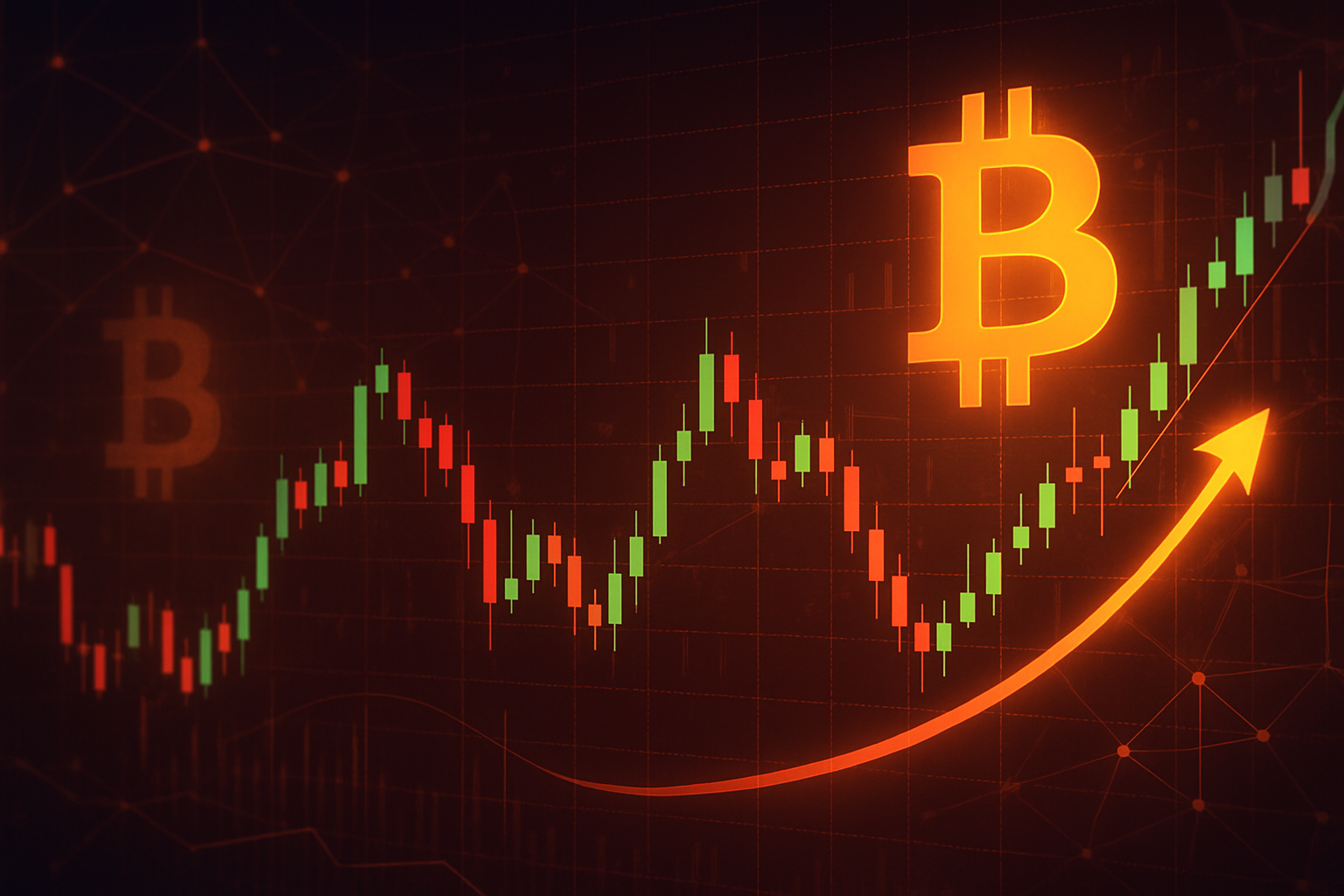
  • Crypto Whales Unleash Volatility: Bitcoin, Ethereum, XRP, and Dogecoin Grapple with Massive Price Swings

    Crypto Whales Unleash Volatility: Bitcoin, Ethereum, XRP, and Dogecoin Grapple with Massive Price Swings

    October 22, 2025 – The cryptocurrency market has been reeling from a series of significant "whale movements" over the past few weeks, culminating in a dramatic market crash on October 11, 2025. These large-scale transactions by influential holders have sent shockwaves through Bitcoin (BTC), Ethereum (ETH), XRP, and Dogecoin (DOGE), triggering substantial price drops and igniting fierce debates about market stability and the immense power wielded by a select few.

    The immediate aftermath of the October 11 crash saw Bitcoin plummet to $105,262, with Ethereum experiencing similar turbulence. This sudden downturn, reportedly catalyzed by news of new tariffs, was exacerbated by strategic actions from an unidentified crypto whale who allegedly profited over $160 million by opening massive short positions on BTC and ETH just hours before the market capitulated. This incident has vividly underscored the outsized influence of large holders, demonstrating their capacity to trigger widespread panic and fundamentally alter market trajectories, impacting not just price but also investor confidence and the broader perception of crypto's maturity.

    Market Impact and Price Action

    The period leading up to and following October 11, 2025, has been a rollercoaster for major cryptocurrencies. Bitcoin, after reaching record highs earlier in the year, saw its price sharply corrected to $105,262 on October 11. This was partly driven by a surge in inflows from whale wallets (holding over 1,000 BTC) to exchanges, with 17,184 BTC sent on October 15 alone—the highest daily inflow for the month. Such movements typically signal an intent to sell or hedge, adding significant selling pressure. On October 22, 2025, further pressure mounted as a prominent whale transferred 5,252 BTC (approximately $588 million) to major exchanges like Coinbase (NASDAQ: COIN), Binance, and Kraken, hinting at potential liquidation.

    Ethereum's price action mirrored Bitcoin's volatility. While mid-July to early October saw aggressive whale accumulation, propelling ETH from $2,600 to over $4,700, the October 11 crash halted this momentum. Recent data from October 21-22, 2025, shows a net inflow of 2,000 ETH ($7.70 million) to Binance, alongside a significant sale of 6,237 ETH (approximately $23.95 million) by a whale at an average price of $3,840. These movements highlight the delicate balance between accumulation-driven rallies and panic-induced sell-offs, with large transactions capable of swiftly altering short-term liquidity and price direction.

    XRP has also been under considerable pressure. Following consistent whale outflows exceeding $50 million daily since late September, its price declined from $3.40 to around $2.71. The period from October 1st to 17th, 2025, witnessed a sharp rise in XRP deposits to Binance, peaking on October 11th with 43,000 whale-to-exchange transactions. These large-scale transfers, indicating whales preparing to liquidate holdings or mitigate risk, directly correlated with XRP's drop from above $3 to the $2.3-$2.6 range. Despite this, a silver lining emerged as the number of addresses holding over 10,000 XRP reached an all-time high, suggesting a long-term accumulation strategy by some large investors.

    Dogecoin, despite experiencing intense whale accumulation in late summer and early October—with billions of tokens amassed and 910 million DOGE (worth $250 million) added after a 30% correction in late September—has not been immune to whale-driven volatility. While sustained buying by whales between 10 million and 100 million DOGE wallets provided a price floor, the high DOGE balance on exchanges (a large portion of supply readily available for sale) served as a warning. Historical patterns from April and December 2024, where similar peaks preceded significant corrections of 55% and 65% respectively, indicate that even strong accumulation can be offset by large sell-offs when whales decide to take profits, leading to substantial price drops for retail investors.

    Community and Ecosystem Response

    The recent whale movements and subsequent market downturn have ignited a firestorm across crypto social media platforms and forums. On Crypto Twitter, the sentiment has been a mix of frustration, fear, and cautious optimism. Many retail investors expressed anger at the perceived manipulation by whales, with hashtags like #WhaleWatch and #CryptoCrash trending. Influencers and thought leaders have weighed in, with some warning against panic selling and advocating for a long-term perspective, while others have criticized the lack of transparency and regulation around large-scale market movements.

    Reddit communities, particularly r/CryptoCurrency and subreddits dedicated to specific coins, saw extensive discussions about the market's vulnerability. There's a palpable sense of unease regarding the concentration of wealth and its potential for destabilization. While some users highlighted the "buy the dip" strategy adopted by certain whales post-October 11 as a sign of underlying strength, others voiced concerns about the fairness of a market so heavily influenced by a few players. The broader Web3 ecosystem, including DeFi protocols and NFT projects, has also felt the ripple effects. Liquidations in DeFi lending platforms increased, and trading volumes for NFTs saw a temporary dip as investors pulled back from riskier assets, underscoring the interconnectedness of the crypto market.

    What's Next for Crypto

    The short-term implications of these whale movements suggest continued volatility. The strategic "buy the dip" behavior by some whales post-October 11, coupled with significant inflows into cold storage and the creation of new whale wallets for Bitcoin, could indicate a belief in a potential market bottom and future appreciation. However, the consistent exchange inflows for XRP and recent ETH sales suggest that selling pressure might persist for these assets as whales continue to rebalance portfolios or take profits.

    In the long term, these events highlight the ongoing maturation of the crypto market. Potential catalysts to watch include further institutional adoption, particularly with the continued absorption of ETH by institutional ETFs, which could provide more stable demand. Regulatory developments, especially concerning market manipulation and transparency, will also be crucial. For projects and investors, strategic considerations should include diversifying portfolios, understanding on-chain metrics to anticipate large movements, and focusing on projects with strong fundamentals that can withstand whale-induced volatility. Possible scenarios range from a sustained recovery driven by renewed institutional and whale accumulation to further consolidation if selling pressure outweighs buying interest, with the latter being more likely if global economic uncertainties persist.

    Bottom Line

    The recent whale movements, particularly around the October 11, 2025 market crash, serve as a potent reminder of the inherent volatility and concentrated power within the cryptocurrency ecosystem. For crypto investors and enthusiasts, the key takeaway is the necessity of vigilance and a deep understanding of market dynamics beyond just price charts. Whale activities, whether accumulation or distribution, are powerful indicators of market sentiment and potential future direction.

    The long-term significance of these events lies in their contribution to the ongoing narrative of crypto market maturity. While the influence of large holders remains undeniable, the market's resilience, demonstrated by the "buy the dip" strategies, suggests an underlying strength and belief in the technology. As crypto adoption continues to grow, increased liquidity and broader participation might dilute the impact of individual whales over time. Investors should closely monitor on-chain metrics, exchange flows, and significant wallet movements. Key dates and events, such as upcoming regulatory announcements or major institutional investment reports, will be crucial metrics to watch as the market navigates these powerful currents.


    This article is for informational purposes only and does not constitute financial or investment advice. Cryptocurrency investments carry significant risk.

  • Standard Chartered’s Bold Bitcoin Call: A Dive Below $100K – Last Chance or Lingering Bear?

    Standard Chartered’s Bold Bitcoin Call: A Dive Below $100K – Last Chance or Lingering Bear?

    In a move that sent ripples through the cryptocurrency markets, Standard Chartered (LON: STAN), a prominent multinational banking and financial services company, predicted in mid-October 2025 that Bitcoin (BTC) could briefly dip below the psychological $100,000 mark. This forecast, delivered by the bank's head of digital assets research, Geoff Kendrick, came on the heels of Bitcoin's impressive ascent to an all-time high of $126,000 on October 6, 2025, before a sharp downturn saw it trade around $108,000, having briefly touched $104,000.

    The prediction, while seemingly bearish in the short term, was notably framed as a significant "buying opportunity" and potentially "the last time Bitcoin is EVER below 100k." This nuanced stance immediately sparked intense debate across the crypto ecosystem, highlighting the delicate balance between short-term volatility and long-term conviction that characterizes the digital asset space. For many, it underscored Bitcoin's growing maturity and its increasing susceptibility to traditional macroeconomic headwinds, even as institutional players like Standard Chartered continued to project aggressive long-term price targets.

    Market Impact and Price Action

    The period leading up to and immediately following Standard Chartered's prediction was characterized by extreme volatility. Bitcoin's journey from its October 6 peak of $126,000 to the $104,000-$108,000 range by mid-October was swift and brutal. This sharp correction was primarily triggered by escalating U.S.-China trade tensions, with U.S. President Donald Trump's threat of 100% tariffs on Chinese imports sparking a broad sell-off across global risk assets. This culminated in a historic $19 billion market liquidation event around October 10-11, the largest in crypto history, dwarfing previous crashes.

    Trading volumes surged during this tumultuous period. While a massive $19 billion liquidation occurred over two days, Bitcoin's 24-hour trading volume on October 22 still registered a significant $61.34 billion, reflecting persistent market engagement despite the price dip. Liquidity conditions tightened around the liquidation event due to major providers withdrawing capital, exacerbating the sell-off. U.S. Bitcoin spot Exchange-Traded Funds (ETFs) initially experienced net outflows, with $94 million on October 16 and $40.47 million on October 20. However, a significant rebound in institutional confidence was observed, with Bitcoin ETFs recording $266 million in inflows on October 22, indicating that institutional investors were actively "buying the dip."

    From a technical analysis perspective, Bitcoin found crucial buying interest near key support levels, particularly around $108,000, $107,500, and $103,500, with the $100,000 and $93,000 marks identified as stronger psychological and structural supports. Resistance levels were noted between $111,000-$113,000 and $114,000. While Bitcoin dipped below its 50-day Exponential Moving Average (EMA), signaling a short-term lack of bullish momentum, it had successfully reclaimed the 200-day EMA and the crucial 50-week moving average, which has historically acted as a robust support since early 2023. The Market Value to Realized Value (MVRV) ratio dipping below its 365-day moving average also historically points to a potential price bottom, setting the stage for future rallies. This pattern echoes past events, such as the September 2017 dip, which preceded strong Q4 rallies, and other MVRV ratio drops that consistently led to significant upward trends.

    Community and Ecosystem Response

    The crypto community's reaction to Standard Chartered's prediction and the subsequent market correction was a fascinating blend of caution and conviction. The broader market sentiment, as gauged by the Fear and Greed Index, plummeted to 29, indicating "fear" among traders. This reflected a natural apprehension as Bitcoin approached the critical $100,000 threshold.

    However, a dominant "buy the dip" narrative quickly permeated social media platforms like Twitter and Reddit. Many users, echoing Standard Chartered's long-term optimism, viewed a sub-$100,000 Bitcoin as a rare, potentially once-in-a-lifetime accumulation opportunity. Community polls, such as those on CoinMarketCap, revealed that a substantial 82% of investors maintained a bullish outlook for Bitcoin despite the immediate price volatility. Crypto influencers largely aligned with this sentiment. Prominent figures like Michael Saylor, CEO of MicroStrategy (NASDAQ: MSTR), whose company recently acquired 168 BTC at an average price of $112,051, publicly advocated for accumulating Bitcoin during such dips. Mike Novogratz, CEO of Galaxy Digital (TSX: GLXY), also suggested Bitcoin would likely hold above the $100k support level. Influencers frequently contextualized the market movements within broader macroeconomic factors, such as the U.S.-China trade tensions and anticipated Federal Reserve rate cuts, which were seen as future catalysts for recovery. The observation of capital rotation from gold to Bitcoin during market uncertainty further solidified the view of Bitcoin as a high-beta alternative hedge.

    While the $19 billion liquidation event likely led to increased liquidations within DeFi lending protocols and a temporary slowdown in the highly speculative NFT market, the broader Web3 ecosystem remained largely resilient. The underlying confidence in Bitcoin's long-term trajectory, evidenced by sustained institutional interest and ETF inflows, prevented widespread panic or a fundamental questioning of Web3 initiatives. The prevailing sentiment was that this was a temporary shake-out rather than a structural flaw in the digital asset space.

    What's Next for Crypto

    Standard Chartered's prediction, despite its short-term bearish tone, ultimately reinforced a profoundly bullish long-term outlook for Bitcoin. The bank's head of digital assets research, Geoff Kendrick, firmly maintained his year-end 2025 target of $200,000 for Bitcoin, with an even more ambitious long-term projection of $500,000 by 2028. This suggests that any dip below $100,000 would be fleeting, serving as a transient phase before a significant rebound.

    Several potential catalysts are expected to fuel this recovery and subsequent rallies. Continued robust inflows into Bitcoin spot ETFs are seen as a primary driver, indicating sustained institutional adoption and demand. Expectations of the Federal Reserve lowering interest rates in the near future are anticipated to create a more favorable macroeconomic environment for risk assets like Bitcoin. Furthermore, the observed "gold-to-Bitcoin" rotations, where investors pivot from traditional safe-havens to Bitcoin during market shifts, could provide additional tailwinds. Technically, the consistent holding of the 50-week moving average as a strong support since early 2023 provides a solid foundation for upward momentum.

    For investors, the strategic consideration is clear: a dip below $100,000 would represent a significant buying opportunity. The most likely scenario involves a brief period of price consolidation or a quick wick below $100,000, followed by a strong rebound driven by institutional accumulation and improving macroeconomic conditions. The market's increasing maturity and institutional influence, as evidenced by the changing dynamics compared to the 2024 halving cycle, suggest a more measured but potentially stronger recovery.

    Bottom Line

    Standard Chartered's prediction of Bitcoin briefly dropping below $100,000 in mid-October 2025 served as a potent reminder of the inherent volatility in the cryptocurrency markets, even as it highlighted Bitcoin's growing integration into traditional finance. For crypto investors and enthusiasts, the key takeaway is the consistent long-term bullish outlook from major financial institutions, despite short-term price corrections driven by macroeconomic factors like U.S.-China trade tensions.

    The long-term significance of this event lies in Bitcoin's continued journey towards becoming a mature asset class. The "buy the dip" mentality, coupled with strong institutional ETF inflows and reaffirmations of high price targets, indicates a deep-seated confidence in Bitcoin's fundamental value and future appreciation. This resilience, even in the face of a historic $19 billion liquidation event, underscores Bitcoin's growing robustness and its role as an alternative store of value.

    Looking ahead, important metrics to monitor include the volume of Bitcoin ETF inflows, announcements from the Federal Reserve regarding interest rates, and Bitcoin's ability to hold key technical support levels, particularly around the $100,000 mark and its 50-week moving average. While short-term fluctuations are inevitable, the prevailing sentiment from both traditional finance giants and crypto thought leaders points towards a continued trajectory of adoption and significant price appreciation for Bitcoin in the coming months and years.


    This article is for informational purposes only and does not constitute financial or investment advice. Cryptocurrency investments carry significant risk.