
Tag: blockchain

  • Reserve and CF Benchmarks Unveil LCAP: An On-Chain Index Token Revolutionizing Crypto Market Access

    Reserve and CF Benchmarks Unveil LCAP: An On-Chain Index Token Revolutionizing Crypto Market Access

    San Francisco, CA – September 30, 2025 – In a landmark development for the cryptocurrency ecosystem, Reserve, a pioneering force in decentralized finance, has officially partnered with CF Benchmarks, a leading provider of cryptocurrency benchmark indices, to launch LCAP (Large Cap Index DTF). This innovative on-chain index token, which debuted on September 24, 2025, is designed to offer ETF-like exposure to approximately 90% of the total investable cryptocurrency market capitalization. The launch, marked by its immediate availability on Kraken, one of the world's largest digital asset platforms, represents a significant stride towards democratizing diversified crypto investment and attracting a new wave of institutional capital.

    LCAP's introduction is poised to reshape how investors interact with the crypto market. By consolidating exposure to a diversified basket of ten large-cap cryptocurrencies into a single, transparent, and liquid token, it drastically simplifies the investment process. This move is particularly critical for bridging the gap between traditional finance and the burgeoning world of decentralized assets, offering a familiar, regulated, and easily accessible pathway for both retail and institutional investors to gain broad market exposure without the complexities of managing multiple individual crypto holdings.

    Market Impact and Price Action

    The debut of LCAP on September 24, 2025, while too recent for a definitive analysis of long-term price action, immediately signaled a maturation of the crypto investment landscape. As an index token, LCAP itself is designed to track its underlying assets, rather than exhibit independent speculative price movements. Its value is 1:1 backed by actual cryptocurrencies held in smart contracts, with its composition benchmarked against the CF Benchmarks Large Cap Index (Diversified Weight) and rebalanced quarterly. This structure inherently provides a level of stability and transparency that is highly appealing to risk-averse investors and institutions.

    While direct price movements of LCAP are reflective of its underlying basket, the mere existence of such a product on a major exchange like Kraken is expected to positively impact overall market sentiment, particularly for the large-cap assets it tracks, including Bitcoin (BTC) and Ether (ETH). Increased accessibility through LCAP could lead to a gradual influx of new capital into these foundational cryptocurrencies. The partnership with MEV Capital, serving as the institutional trading partner, further ensures robust liquidity and efficient execution, crucial factors for large-scale investments. In the short term, increased trading volumes for LCAP on Kraken will be a key metric to watch, indicating initial investor uptake. This event can be compared to the launch of traditional financial ETFs for new asset classes, which often precede broader market acceptance and sustained capital inflows, albeit with crypto's inherent volatility.

    Community and Ecosystem Response

    The crypto community's initial response to LCAP has been overwhelmingly positive, resonating with a long-held desire for simpler, more regulated investment vehicles. Social media channels, including Crypto Twitter and various Reddit forums, are abuzz with discussions highlighting LCAP's potential to onboard mainstream investors and traditional financial institutions. Influencers and thought leaders within the space have lauded the initiative as a critical step towards legitimacy and widespread adoption, particularly appreciating the institutional-grade methodology provided by UK FCA-regulated CF Benchmarks.

    The transparent, on-chain nature of LCAP, coupled with its 1:1 backing by real assets, addresses common concerns about synthetic products, fostering greater trust within the decentralized finance (DeFi) community. This development is seen as a validation of the Reserve Protocol's mission to create a more accessible financial system through decentralized index technology. While LCAP itself is a tokenized index, its success could inspire other DeFi protocols to explore similar regulated, asset-backed index solutions, potentially leading to a new wave of innovation in structured crypto products and further integrating traditional finance principles into the Web3 ecosystem. The general sentiment points towards LCAP being a catalyst for broader market confidence and a reduction in perceived entry barriers.

    What's Next for Crypto

    The introduction of LCAP has significant short and long-term implications for the cryptocurrency market. In the short term, it is expected to drive increased interest and potentially capital flows from both retail investors seeking simplified diversification and institutional players looking for regulated entry points. The immediate availability on Kraken ensures a broad reach. Over the long term, LCAP could serve as a blueprint for future on-chain financial products that blend the robustness of traditional finance with the innovation of blockchain. This trend could accelerate the tokenization of a wider array of assets and the development of more sophisticated, regulated DeFi instruments.

    Potential catalysts to watch include further listings of LCAP on other major exchanges, the expansion of its underlying index to include other emerging large-cap assets, and the development of derivative products based on LCAP. Strategic considerations for projects and investors will revolve around how to best leverage these new regulated pathways. Projects may focus on building interoperability with such index tokens, while investors might re-evaluate their portfolio diversification strategies to include LCAP as a core holding for broad market exposure. Possible scenarios range from LCAP becoming a standard institutional entry vehicle, similar to traditional ETFs, to inspiring a new wave of regulated, on-chain financial products that fundamentally alter how capital interacts with crypto.

    Bottom Line

    For crypto investors and enthusiasts, LCAP represents a pivotal moment, offering a sophisticated yet simple tool for diversified exposure to the large-cap cryptocurrency market. Its 1:1 asset backing, quarterly rebalancing, and benchmarking by a UK FCA-regulated entity (CF Benchmarks, known for powering BlackRock's Bitcoin ETF) instill a level of confidence and regulatory alignment previously unseen in on-chain index products. This significantly de-risks broad crypto exposure for new entrants and provides a streamlined option for existing participants.

    The long-term significance of LCAP lies in its potential to accelerate crypto adoption by lowering barriers to entry for institutional capital and making diversified investment accessible to a wider retail audience. It signifies a maturation of the crypto market, where regulated, transparent, and institutionally palatable products are becoming a reality. As LCAP gains traction, monitoring its trading volume, the growth of its underlying assets, and any regulatory responses to this new class of on-chain products will be crucial. This initiative by Reserve and CF Benchmarks is not just about a new token; it's about setting a new standard for how traditional finance can seamlessly integrate with the decentralized future.

    This article is for informational purposes only and does not constitute financial or investment advice. Cryptocurrency investments carry significant risk.


  • Premier League’s Deep Dive into Blockchain: Crypto Sponsorships Surge Amidst Regulatory Shifts

    Premier League’s Deep Dive into Blockchain: Crypto Sponsorships Surge Amidst Regulatory Shifts

    The professional sports landscape, particularly the English Premier League, is witnessing a significant resurgence and deepening of cryptocurrency sponsorships, marking a pivotal moment for both the digital asset industry and global sports marketing. From late 2024 into mid-2025, the influx of crypto firms into sports partnerships has accelerated, driven by a recovering crypto market and a strategic shift by sports organizations looking to diversify revenue streams. This renewed engagement is evidenced by a substantial financial commitment, with crypto companies pouring nearly $170 million (approximately £130 million) into Premier League sponsorship deals for the 2024/2025 season alone—a 30% increase from the previous year.

    This surge comes after a cautious period following the 2022 crypto market downturn and the high-profile collapse of entities like FTX, which led to numerous canceled deals. The current rebound signifies a maturing relationship, where both crypto brands and sports clubs are approaching partnerships with greater strategic intent and a focus on long-term value. For the crypto ecosystem, this matters immensely as it translates directly into unparalleled brand visibility, enhanced credibility, and a powerful pathway towards mainstream adoption, reaching a global audience of billions through the world's most-watched football league. It signals a growing confidence in the stability and future of digital assets, moving beyond speculative trading to tangible real-world applications in marketing and fan engagement.

    Market Impact and Price Action

    While direct, immediate price pumps of specific cryptocurrencies solely due to sponsorship announcements are rare and not the primary objective of these partnerships, the overall market impact is significant in terms of sentiment and long-term valuation. The increasing institutional involvement of crypto brands in high-profile sports leagues like the Premier League signals a growing mainstream acceptance that can subtly influence investor confidence. This sustained commitment, especially after a bear market, suggests a more robust and resilient industry.

    For tokens associated with sponsoring platforms, such as Floki (FLOKI) or Crypto.com's CRO, increased brand visibility on a global stage can contribute to greater awareness, potential user acquisition, and a stronger brand narrative, which are all underlying factors for long-term value appreciation rather than short-term speculative movements. The sheer volume of these deals—14 out of 20 Premier League clubs having crypto partnerships for the 2024/2025 season—underscores a broad industry trend rather than isolated events. This widespread adoption of sports marketing by crypto firms suggests a collective belief in the power of traditional advertising to reach new demographics, thereby expanding the total addressable market for digital assets. The consistency in spending, which globally saw crypto brands increase their sports sponsorship spend by 20% year-on-year to US$565 million during 2024/25, further reinforces this trend, positioning crypto as a significant and recurring player in the global sponsorship market, second only to its peak in 2022/23.

    The market reaction is less about volatile price swings and more about a steady accumulation of legitimacy. As major exchanges like OKX and Kraken (private companies, not publicly traded, but significant industry players) align with top-tier clubs like Manchester City and Tottenham Hotspur, respectively, it lends an air of professionalism and stability to the broader crypto market. This institutional validation helps to erode skepticism and can attract more conservative investors who perceive these partnerships as a sign of the industry's maturation. While technical analysis of specific tokens might not directly reflect sponsorship news, the macro trend of increasing visibility and strategic partnerships contributes to a more positive long-term outlook for the crypto market, potentially setting higher support levels as mainstream integration continues.

    Community and Ecosystem Response

    The crypto community's response to the escalating involvement in professional sports is largely a mix of excitement, pride, and cautious optimism. On social media platforms like X (formerly Twitter) and Reddit, discussions often highlight the thrill of seeing crypto logos prominently displayed on team kits, stadium hoardings, and training apparel, such as Tezos (XTZ) on Manchester United's training gear or Bitpanda's (BEST) branding at Emirates Stadium for Arsenal. This visibility is celebrated as a tangible sign of mainstream adoption, fulfilling a long-held ambition within the community to see digital assets move beyond niche tech circles into everyday life.

    Crypto influencers and thought leaders have largely echoed this sentiment, emphasizing the strategic importance of these partnerships in demystifying blockchain technology and digital currencies for a broader audience. They often point to the innovative fan engagement initiatives, such as blockchain-based fan tokens offered by platforms like Socios.com, which empower supporters with voting rights on minor club decisions (e.g., kit designs, stadium music). These initiatives are seen as a practical application of Web3 principles, fostering a deeper sense of community and ownership among fans. Furthermore, metaverse experiences, exemplified by OKX's collaboration with Manchester City, are viewed as pioneering efforts to leverage Web3 technologies for immersive fan interaction, encouraging the creation of crypto wallets and participation in the digital economy.

    However, a degree of caution persists within the community, particularly concerning regulatory oversight and consumer protection. Given the industry's past volatility and the potential for new users to be unfamiliar with crypto risks, there's an ongoing dialogue about the responsibility of both crypto firms and sports clubs to educate fans and ensure ethical practices. Despite these concerns, the overwhelming sentiment is that these sponsorships are a net positive, driving awareness, fostering innovation in fan engagement, and solidifying crypto's place as a significant player in the global economy.

    What's Next for Crypto

    The surge in crypto sponsorships in professional sports, particularly within the Premier League, heralds a new era of mainstream integration for the digital asset ecosystem. In the short term, we can expect to see a continued expansion of these partnerships across various sports and leagues globally. As the Premier League moves towards a ban on front-of-shirt gambling sponsorships by mid-2026, crypto firms are strategically positioning themselves to fill this financial void, indicating that the trend is likely to intensify rather than wane. This will lead to even greater brand visibility for a diverse range of crypto projects, from exchanges to specialized Web3 platforms.

    Looking further ahead, the long-term implications are profound. These sponsorships are not merely about logo placement; they are foundational steps towards deeper operational integration of blockchain technology within sports. We could see scenarios where clubs explore paying players or staff in cryptocurrency, utilizing NFTs for ticketing or merchandise authentication, and developing more sophisticated blockchain-based fan engagement platforms that go beyond current fan tokens. Potential catalysts for these developments include clearer regulatory frameworks, which would provide greater certainty for both crypto companies and sports organizations, and continued innovation in Web3 technologies that offer compelling new ways for fans to interact with their favorite teams.

    Strategic considerations for crypto projects and investors will revolve around identifying partnerships that offer genuine utility and long-term value, rather than just superficial branding. Projects that can demonstrate real-world applications and enhance fan experiences will likely garner more sustainable success. For investors, monitoring the quality and longevity of these partnerships, as well as the underlying technology and regulatory compliance of the sponsoring crypto firms, will be crucial. Possible scenarios range from a continued, steady integration of crypto into sports, leading to widespread adoption and normalized use cases, to potential regulatory hurdles that might slow down the pace. However, given the significant financial commitments and the strategic benefits for both parties, the trajectory points towards an increasingly intertwined future between crypto and professional sports.

    Bottom Line

    The escalating presence of cryptocurrency sponsorships in professional sports, exemplified by the Premier League's robust engagement with blockchain firms, marks a critical inflection point for the digital asset industry. The key takeaway for crypto investors and enthusiasts is that mainstream adoption is not just a theoretical concept but a rapidly accelerating reality. These partnerships are not fleeting marketing stunts; they represent substantial, strategic investments by crypto companies aimed at building brand recognition, fostering trust, and expanding their user base among a global, highly engaged audience. For sports clubs, they offer vital new revenue streams and innovative ways to connect with fans, especially as traditional sponsorship categories face increasing regulatory scrutiny.

    The long-term significance of this trend cannot be overstated. By aligning with established and beloved sports institutions, cryptocurrency is shedding its image as a niche, speculative asset and moving towards becoming a recognized and integrated component of the global economy. This shift helps to normalize digital assets, making them more accessible and understandable to a broader public. The innovative fan engagement strategies, from blockchain-based fan tokens to metaverse experiences, are pioneering new models for digital interaction and community building, demonstrating the tangible utility of Web3 technologies beyond financial speculation.

    As we move forward, important dates, events, and metrics to monitor include the continued growth in the number and financial value of new crypto sponsorship deals, the evolution of regulatory frameworks governing crypto advertising and consumer protection, and the adoption rates of fan tokens and other blockchain-powered fan engagement initiatives. The success of these partnerships in converting brand visibility into genuine user acquisition and sustained engagement will be a key indicator of their ultimate impact. While challenges remain, particularly around regulatory clarity and managing public perception, the current trajectory suggests that the symbiotic relationship between crypto and professional sports is set to deepen, paving the way for unprecedented levels of mainstream crypto adoption.

    This article is for informational purposes only and does not constitute financial or investment advice. Cryptocurrency investments carry significant risk.
  • The New Arena: How Crypto is Reshaping the Esports Landscape

    The New Arena: How Crypto is Reshaping the Esports Landscape

    September 30, 2025 – The competitive gaming world is undergoing a profound transformation as cryptocurrency and blockchain technology increasingly integrate into its core. This ongoing evolution, accelerating through 2025, is redefining everything from player monetization and fan engagement to the fundamental infrastructure of esports transactions. The convergence is driven by the shared demographics of young, tech-savvy audiences and a mutual pursuit of digital innovation, blurring the lines between entertainment, finance, and community ownership.

    While initial reactions from the broader gaming community were mixed, often marked by skepticism regarding volatility and scams, a growing understanding of blockchain's practical benefits is fostering more positive sentiment. This shift matters immensely for both ecosystems: for esports, it offers solutions to long-standing challenges like slow international payments and limited monetization; for crypto, it provides a massive, digitally native audience eager to embrace real-world applications of decentralized technology, cementing its utility beyond speculative trading.

    Market Impact and Price Action

    The financial implications of crypto's integration into esports are staggering, signaling a multi-billion dollar investment opportunity. The global blockchain gaming market, a key component of this synergy, is valued at an estimated $13.97 billion in 2025 and is projected to skyrocket to $259.48 billion by 2032, boasting an impressive compound annual growth rate (CAGR) of 51.8%. This expansion is fueled by novel crypto-economic models that fundamentally alter how value is created, owned, and exchanged within the gaming sphere.

    Broader cryptocurrency market trends have provided a robust backdrop for this growth. Bitcoin (BTC) achieved a historic milestone in mid-2025, surpassing $100,000 and reaching an all-time high of $122,000, largely propelled by institutional demand from U.S. spot Bitcoin Exchange-Traded Funds (ETFs). Ethereum (ETH) has also garnered substantial interest, with analysts projecting it could test the $15,000 level by the end of 2025. The total cryptocurrency market capitalization reached approximately $4.2 trillion in 2025, indicating a strong underlying bullish sentiment, despite some quarterly fluctuations in trading volume.

    Within this broader market, GameFi tokens and esports-related crypto assets have exhibited mixed but ultimately growing trends. While the total market cap of major GameFi projects saw some decline in late 2024, the sector as a whole recorded a 9.51% increase in market capitalization that year, reaching $23.646 billion, before settling around $15.4 billion. Projects like Echelon Prime (+31.86%), GALA (+6.06%), Notcoin (+8.53%), and Wilder World (+96.81%) have demonstrated resilience and significant growth. Infrastructure plays like Immutable (IMX), a Layer-2 scaling solution for NFTs and gaming on Ethereum, and Ronin, known for its strong network effect in gaming ecosystems, are pivotal to this growth, facilitating faster, cheaper, and more scalable transactions. Predictions for specialized tokens such as Esport (ESPT) suggest potential rises of over 228% by June 2025.

    The gaming NFT market is another rapidly expanding segment, valued at $6.14 billion in 2025 and projected to reach $83.26 billion by 2035. In-game assets represent the largest share, estimated at 42% in 2025, with quarterly NFT sales within blockchain gaming reaching $2.32 billion in 2025. This robust activity highlights the increasing value and liquidity flowing into digital ownership within esports. Overall, global crypto trading volume consistently exceeds $2.8 trillion per month, with the first half of 2025 seeing exchange trading volume surge to $9.36 trillion. Investor sentiment, while largely bullish due to institutional adoption, remains cautiously optimistic, reflecting a maturing market that balances innovation with a keen awareness of macroeconomic factors. This cycle mirrors past tech innovation adoptions in crypto, moving from initial hype and correction towards utility-driven growth and institutional acceptance.

    Community and Ecosystem Response

    The integration of crypto in esports has sparked a dynamic and often polarized response across various communities and platforms. On traditional gaming subreddits like r/leagueoflegends and r/eSports, skepticism often prevails. Many gamers voice concerns over the perceived lack of genuine use cases for blockchain, the prevalence of "pump and dump" schemes, and the environmental impact of certain cryptocurrencies. There's a strong sentiment against what's viewed as another form of aggressive monetization, with NFTs sometimes seen as worse than traditional microtransactions.

    However, on platforms like Twitter (X) and within dedicated Web3 gaming communities on Telegram, the sentiment is more enthusiastic. Crypto influencers actively promote the benefits of true digital ownership, new fundraising avenues for teams, transparent tournament payouts, and enhanced fan loyalty through verifiable digital memorabilia. Esports personalities and organizations have also shown varied reactions. Joseph Turner, co-founder of Gaimin Gladiators, expresses a belief that Web3 games will become the norm, offering solutions to transparency and profit distribution. Many organizations are leveraging NFTs for exclusive experiences and digital collectibles, and some players are accepting portions of their salaries in cryptocurrencies. Yet, caution persists due to past incidents involving questionable crypto promotions, leading to increased scrutiny and calls for greater due diligence from industry figures like Ryan Wyatt, CEO of Polygon Studios (who acknowledges the strong anti-NFT sentiment among many gamers).

    The impact on related DeFi protocols, NFT projects, and Web3 applications is significant. While direct integration with core DeFi protocols like lending is less common, the underlying principles of decentralized finance – fast, low-cost, and transparent transactions – are fundamental. Stablecoins facilitate quick international prize payouts, and decentralized betting platforms offer greater transparency in esports wagering. NFTs have found strong use cases in digital collectibles, memorabilia, and true in-game asset ownership, creating real-world value for virtual possessions. Web3 applications are driving new forms of engagement through decentralized tournament platforms, fan tokens that allow voting rights and rewards, and even crypto-powered esports scholarships that offer faster, more transparent payouts globally.

    Key community discussions revolve around the balance between blockchain's promise of transparency and the lingering skepticism due to past scams. The evolution from "play-to-earn" (P2E) to "play-and-earn" (P&E), prioritizing engaging gameplay over pure speculation, is a critical shift aimed at overcoming skepticism. Accessibility and user onboarding remain significant barriers, with efforts focused on simplifying wallet integration and user experiences. Environmental concerns and increasing regulatory scrutiny, particularly around betting platforms and investor protection, are also central to ongoing debates, pushing the industry towards more sustainable practices and clearer legal frameworks.

    What's Next for Crypto

    As of September 2025, the future of cryptocurrency and blockchain integration in esports appears overwhelmingly positive and transformative, poised for deeper integration and mainstream acceptance.

    In the short term (remainder of 2025), we can anticipate a surge in true digital ownership via NFTs, allowing players to genuinely own and trade in-game assets. The industry will firmly establish "play-and-earn" models, where engaging gameplay is paramount, and earnings serve as secondary rewards. Mobile blockchain gaming is set for significant growth, especially in emerging markets, supported by improved mobile wallets and streamlined onboarding. Fan engagement will be revolutionized through the continued rise of fan tokens, granting exclusive access and voting rights, and the increasing prominence of Decentralized Autonomous Organizations (DAOs) for player governance. Crypto esports betting is also projected for substantial growth, with global crypto gambling volume already soaring and esports accounting for 41% of total activity. Critical to this short-term outlook are improved onboarding experiences and continued institutional investment and strategic partnerships, such as the multi-year deal between Coinbase (NASDAQ: COIN) and Riot Games as the exclusive blockchain and cryptocurrency partner for League of Legends and VALORANT esports events.

    Long-term, beyond 2025, blockchain gaming is expected to become an indispensable part of the gaming industry, blurring the lines between gaming, investment, and wealth creation. We will see advanced interoperability, allowing players to carry achievements, skills, and reputations across diverse platforms and game IPs. AI is set to play a crucial role in managing in-game economies, ensuring fairness, and creating adaptive opponents and dynamic storylines. The vision of decentralized esports, with shared fan ownership and governance, will grow, fostering inclusivity. Furthermore, real-world integration and "gamified DeFi" will expand, allowing gamers to earn and directly utilize tokens within DeFi protocols like staking and lending.

    Several potential catalysts will drive this future. New technologies, including more efficient Layer 2 scaling solutions and the convergence of AI with blockchain, will enhance gameplay, security, and economic stability. Simplified NFT APIs, like those offered by OrdinalX, will accelerate developer adoption. Regulatory shifts are also crucial, with regions like the UK, US, Germany, and South Korea moving towards clearer, crypto-friendly licenses and robust AML/KYC protocols, fostering innovation within a structured environment. Major partnerships between Web2 and Web3 ecosystems, exemplified by initiatives like the Esports World Cup building strong partner networks, will continue to inject capital and expertise. Strategic considerations for projects include prioritizing engaging gameplay, simplifying user onboarding, designing sustainable tokenomics, ensuring compliance, and leveraging AI. Investors should conduct due diligence on tokenomics and compliance, favor "play-and-earn" models, consider infrastructure projects, and diversify their portfolios.

    Possible scenarios for this convergence range from a Mainstream Dominance (likely) where crypto becomes an integral, almost invisible part of esports, to a Niche but Thriving (moderate) presence in specific genres, or a Regulatory Stifling (less likely) due to fragmented global rules. An Accelerated Scenario could also occur with a major technological breakthrough in scalability or user experience.

    Bottom Line

    The integration of cryptocurrency and blockchain into the esports landscape is not merely a trend but a fundamental paradigm shift. For crypto investors and enthusiasts, the key takeaway is the validation of blockchain's real-world utility in a high-growth, digitally native industry. The long-term significance lies in the creation of more transparent, equitable, and economically empowering ecosystems for players, teams, and fans alike.

    As of September 2025, we are witnessing a maturation of the space, moving past speculative hype towards sustainable models like "play-and-earn" and genuine digital ownership through NFTs. This convergence promises to redefine player-game and fan-team relationships, fostering deeper engagement and new revenue streams. Important metrics to monitor include the growth of the blockchain gaming market cap, trading volumes of GameFi and esports-related tokens, the adoption rates of fan tokens, and the progress in regulatory clarity across major jurisdictions. The continued influx of institutional investment and strategic partnerships will also be crucial indicators of sustained growth and mainstream acceptance. The future of esports is undeniably intertwined with the decentralized revolution, promising an exciting and dynamic evolution for both industries.

    This article is for informational purposes only and does not constitute financial or investment advice. Cryptocurrency investments carry significant risk.
  • Visa Direct Ignites Stablecoin Revolution: Pilot Program Poised to Transform Global Payments

    Visa Direct Ignites Stablecoin Revolution: Pilot Program Poised to Transform Global Payments

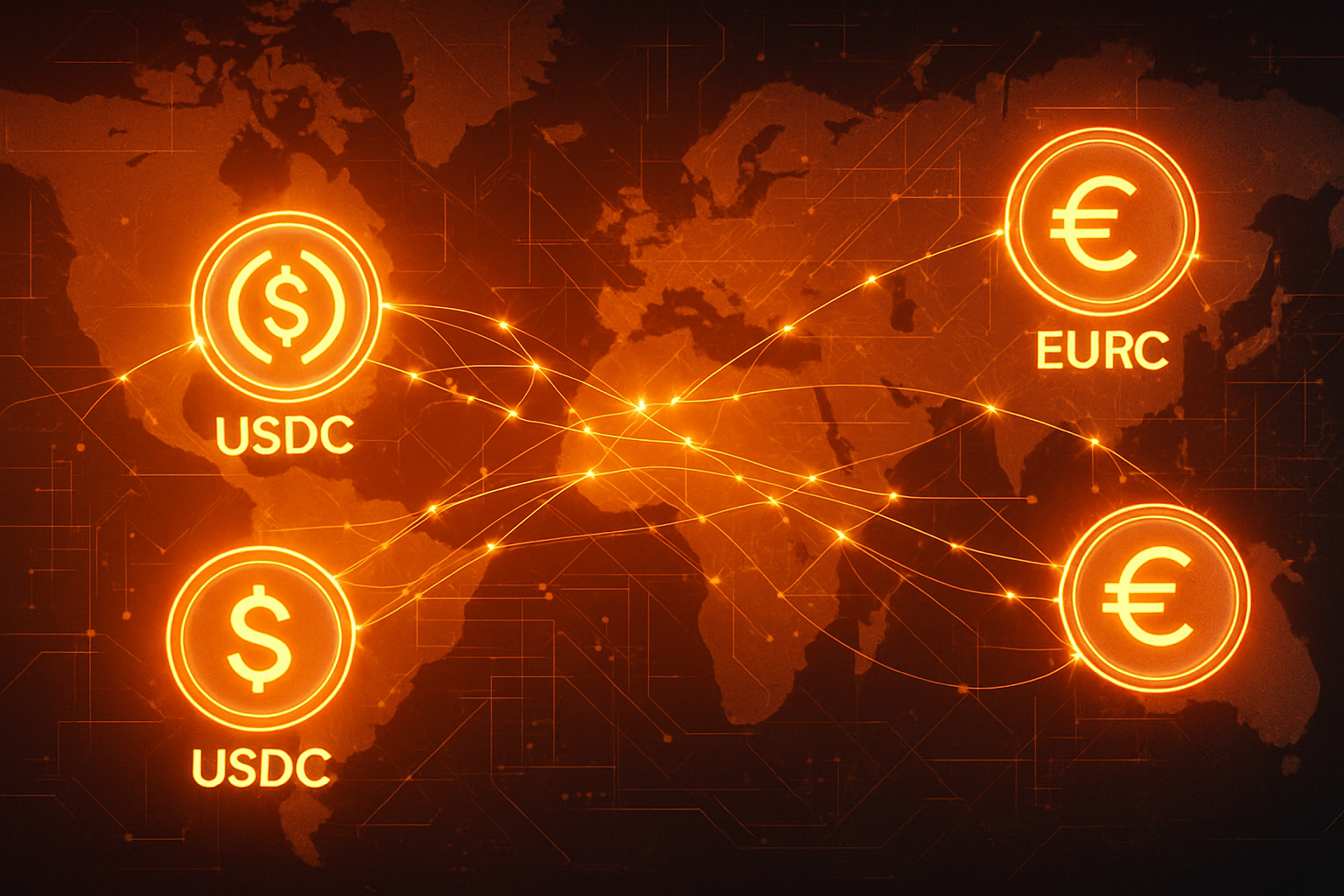
    SIBOS 2025, September 30, 2025 – In a landmark announcement at the prestigious SIBOS conference today, Visa (NYSE: V) unveiled a groundbreaking pilot program for its Visa Direct service, integrating USD Coin (USDC) and Euro Coin (EURC) stablecoins to facilitate instant cross-border transfers. This pivotal initiative marks a significant leap forward in bridging the gap between traditional finance and the burgeoning digital asset ecosystem, promising to revolutionize how businesses and financial institutions manage global payouts.

    The pilot, revealed on September 30, 2025, is a direct response to the inefficiencies plaguing conventional international payment systems, which are often characterized by slow settlement times, high costs, and complex liquidity management. By leveraging the speed and transparency of blockchain-based stablecoins for pre-funding, Visa is setting the stage for a new era of global money movement. While recipients will still receive funds in their local fiat currency, the underlying use of stablecoins for settlement aims to dramatically accelerate the process and unlock significant working capital for participating institutions. The crypto ecosystem has reacted with cautious optimism, viewing this as a powerful validation of stablecoins' utility and a strong signal of increasing institutional adoption.

    Market Impact and Price Action

    The immediate market impact on the stablecoins themselves, USDC and EURC, is unlikely to manifest in significant price fluctuations, given their peg to fiat currencies. However, the announcement's profound implications lie in the validation and legitimization it brings to the broader stablecoin market. This move by a global payments giant like Visa is expected to bolster confidence in stablecoins as reliable and efficient instruments for financial transactions, potentially leading to increased demand and market capitalization over the long term.

    While direct price action for USDC and EURC will remain stable, the news is anticipated to positively influence the valuations of other major stablecoins and potentially even the underlying blockchain networks that support them. This institutional embrace could drive up trading volumes for stablecoin pairs against various cryptocurrencies, as more financial entities look to stablecoins for efficient treasury management and cross-border operations. The comparison to past events, such as PayPal's (NASDAQ: PYPL) entry into crypto or institutional adoption of Bitcoin (BTC) by major corporations, suggests a long-term bullish sentiment for the digital asset space, particularly for assets with clear utility and regulatory compliance.

    The move also subtly shifts the narrative around stablecoins from a speculative asset class to a foundational layer for global financial infrastructure. This could attract more institutional capital into the stablecoin ecosystem, increasing liquidity and fostering deeper integration with traditional financial markets. While technical analysis on stablecoin price is irrelevant, the overall sentiment shift could be a significant bullish signal for the broader crypto market, indicating a growing acceptance and utility of digital assets beyond speculative trading.

    Community and Ecosystem Response

    The crypto community's response to Visa's stablecoin pilot is largely enthusiastic, reflecting a widespread belief that such initiatives are crucial for mainstream adoption. Social media platforms like Crypto Twitter and Reddit are buzzing with discussions highlighting the significance of a global payments behemoth integrating digital assets into its core services. Influencers and thought leaders are championing the move as a monumental step towards legitimizing stablecoins and showcasing their real-world utility beyond decentralized finance (DeFi).

    Many in the community see this as a powerful endorsement of blockchain technology's potential to solve real-world problems. The fact that Visa is treating USDC and EURC as "money in the bank" for pre-funding purposes resonates strongly, underscoring the trust being placed in these digital assets. While some purists may lament the focus on centralized stablecoins over decentralized alternatives, the pragmatic view is that this institutional gateway will ultimately pave the way for broader acceptance and innovation across the entire Web3 ecosystem. The long-term implications for DeFi protocols that rely on stablecoin liquidity and for various Web3 applications that could benefit from faster, cheaper global payments are overwhelmingly positive, signaling a future where digital and traditional finance are increasingly intertwined.

    What's Next for Crypto

    Visa's stablecoin pilot is a harbinger of significant short-term and long-term implications for the crypto market. In the short term, it is expected to accelerate the trend of institutional interest in stablecoins and blockchain-based payment solutions. We can anticipate more financial institutions exploring similar integrations, potentially leading to a "stablecoin race" among payment providers and banks. The pilot's limited availability by April 2026 and broader rollout later in 2026 will be crucial milestones to watch, as successful implementation could trigger a cascade of similar initiatives.

    Longer term, this development could fundamentally reshape global remittances and cross-border trade. The reduction in settlement times and costs, coupled with improved liquidity management, offers a compelling alternative to SWIFT and other legacy systems. Potential catalysts to watch include further partnerships between stablecoin issuers and payment networks, clearer regulatory frameworks for stablecoins in major jurisdictions, and the expansion of the pilot to include other stablecoins or even central bank digital currencies (CBDCs). Projects and investors should strategically consider stablecoin-centric solutions and infrastructure, as the demand for compliant, efficient digital payment rails is set to soar. The most likely scenario involves a gradual but steady integration of stablecoins into mainstream financial services, with Visa's pilot serving as a powerful proof of concept.

    Bottom Line

    Visa Direct's stablecoin pilot program represents a pivotal moment for the cryptocurrency industry. For crypto investors and enthusiasts, the key takeaway is the undeniable validation of stablecoins as a critical component of the future financial landscape. This initiative moves stablecoins beyond speculative trading instruments and firmly into the realm of practical, institutional-grade payment infrastructure. The long-term significance cannot be overstated: it signals a convergence of traditional finance and blockchain technology, where the efficiencies of digital assets are harnessed to solve real-world payment challenges.

    As the pilot progresses, important metrics to monitor will include the volume of stablecoin transactions processed, the number of participating financial institutions, and any feedback regarding efficiency gains and cost reductions. The date of broader rollout in late 2026 will be a key event, marking a potential inflection point for stablecoin adoption on a global scale. This is not just a pilot; it's a blueprint for the future of money movement.

    This article is for informational purposes only and does not constitute financial or investment advice. Cryptocurrency investments carry significant risk.
  • Abu Dhabi Cracks Down: AED 100,000 Fine Imposed for Crypto Mining on Farms as Emirate Prioritizes Agricultural Integrity

    Abu Dhabi Cracks Down: AED 100,000 Fine Imposed for Crypto Mining on Farms as Emirate Prioritizes Agricultural Integrity

    Abu Dhabi, UAE – September 30, 2025 – In a significant move reinforcing its commitment to agricultural sustainability and responsible land use, the Abu Dhabi Agriculture and Food Safety Authority (ADAFSA) has today officially implemented stringent new penalties against cryptocurrency mining on farms. Violators now face a hefty fine of AED 100,000, with repeat offenses incurring double the penalty, alongside the suspension of services, electricity disconnection, and confiscation of equipment. This decisive action, building on an advisory issued in May 2024, underscores the emirate's unwavering focus on preserving agricultural land for its intended purpose of food production and safeguarding critical resources.

    The ban, which took full effect today, targets the misuse of agricultural properties for energy-intensive crypto mining operations, activities deemed incompatible with the core functions of a farm. This regulatory clarity from ADAFSA highlights a growing global trend among authorities to address the environmental and resource implications of cryptocurrency activities, particularly mining. While direct, immediate market reactions to this localized ban may be subtle, its implications for the broader narrative around sustainable crypto development and regulatory oversight in key economic hubs like Abu Dhabi are profound.

    Market Impact and Price Action

    The direct impact of ADAFSA's ban on global cryptocurrency market prices and trading volumes is anticipated to be minimal, given its localized scope and focus on agricultural land use rather than a blanket ban on crypto activities. Unlike macroeconomic policy shifts or major exchange regulations, a prohibition on farm-based mining in Abu Dhabi is unlikely to trigger specific price movements for major cryptocurrencies like Bitcoin (BTC) or Ethereum (ETH). Trading volumes and liquidity changes are also not expected to be significantly affected by this particular regulation.

    However, the ban contributes to a broader, evolving narrative that does influence investor sentiment and long-term market trends: the sustainability and energy consumption of cryptocurrency mining. As governments worldwide increasingly scrutinize the environmental footprint of digital assets, regulations like ADAFSA's add to the cumulative pressure on the crypto industry to adopt greener practices. This ongoing discussion could indirectly influence investor preference towards more energy-efficient proof-of-stake (PoS) protocols over energy-intensive proof-of-work (PoW) systems. While no specific technical analysis or key support/resistance levels are directly impacted by this agricultural ban, the overarching regulatory environment around energy use remains a critical factor for the crypto market's long-term health and public perception. Comparison to similar past events, such as China's comprehensive ban on crypto mining, reveals that while localized bans can initially cause market jitters, their long-term impact on global prices depends on their scale and the broader regulatory landscape they represent.

    Community and Ecosystem Response

    The crypto community's response to ADAFSA's ban is likely to be multifaceted, reflecting ongoing debates surrounding the environmental impact of cryptocurrency mining. On social media platforms like X (formerly Twitter) and Reddit, discussions will probably center on the increasing scrutiny of mining operations and the need for sustainable solutions. While this specific ban on farms might not ignite widespread outrage directed at Abu Dhabi, it will undoubtedly fuel the ongoing conversation about the energy consumption of PoW cryptocurrencies.

    Crypto influencers and thought leaders have consistently highlighted the importance of environmental, social, and governance (ESG) factors in the industry's future. Regulations like ADAFSA's could be cited as further evidence of the necessity for mining operations to seek renewable energy sources and more efficient technologies. Projects focused on green blockchain initiatives, such as those promoting carbon neutrality or leveraging renewable energy, might see this as an affirmation of their mission. Effects on related DeFi protocols, NFT projects, or Web3 applications are unlikely to be direct, as these sectors are not typically involved in energy-intensive mining. However, the broader sentiment on crypto's environmental responsibility could indirectly influence investor confidence and adoption rates across the entire Web3 ecosystem, pushing for more eco-conscious development and investment choices.

    What's Next for Crypto

    The Abu Dhabi ban serves as another indicator of the short and long-term implications for the crypto market, particularly regarding regulatory oversight and the push for sustainability. In the short term, this specific regulation reinforces the trend of national and regional authorities asserting control over various aspects of the crypto ecosystem, especially where it intersects with critical national resources like agricultural land and energy grids. While not a direct threat to the global crypto market, it signals a tightening of the regulatory net, requiring projects and investors to be increasingly aware of local laws and their potential impact.

    In the long term, this move strengthens the global narrative around sustainable crypto. Potential catalysts to watch include further innovations in energy-efficient mining hardware, the continued transition of major networks to less energy-intensive consensus mechanisms (like Ethereum's move to PoS), and the development of robust regulatory frameworks that balance innovation with environmental responsibility. Strategic considerations for projects and investors will increasingly involve due diligence on the environmental footprint of crypto assets and the regulatory landscape of their operational locations. Possible scenarios include a future where only sustainable mining operations are permissible in many jurisdictions, driving capital towards green crypto initiatives. The likelihood of such a future appears to be increasing, as evidenced by actions from authorities like ADAFSA.

    Bottom Line

    ADAFSA's decision to enforce a Dh100,000 fine for cryptocurrency mining on farms is a clear and decisive statement from a major global hub, emphasizing the critical importance of responsible land use and resource management. For crypto investors and enthusiasts, the key takeaway is that regulatory scrutiny, particularly concerning energy consumption and environmental impact, is here to stay and will likely intensify. This event, effective today, September 30, 2025, underscores the long-term significance of integrating sustainability into the core of crypto operations.

    The move reinforces the idea that jurisdictions will protect their strategic assets—in this case, agricultural land and energy grids—from activities deemed counterproductive to national goals like food security and sustainable development. While this specific ban may not cause market tremors, it contributes to a broader trend that demands the crypto industry to mature and address its environmental challenges proactively. Final thoughts on what this means for crypto adoption suggest that future growth will increasingly depend on the industry's ability to demonstrate environmental responsibility and align with global sustainability objectives. Important metrics to monitor include the adoption rate of renewable energy in mining, the success of PoS networks, and the evolution of international regulatory standards for digital assets.

    This article is for informational purposes only and does not constitute financial or investment advice. Cryptocurrency investments carry significant risk.
  • Reliance Global Group (RELI) Adds XRP to Digital Asset Treasury, Signaling Major Institutional Validation

    Reliance Global Group (RELI) Adds XRP to Digital Asset Treasury, Signaling Major Institutional Validation

    New York, NY – September 30, 2025 – In a significant move set to reverberate across the cryptocurrency landscape, Reliance Global Group (NASDAQ: RELI), a diversified financial services and insurance holding company, today announced the strategic addition of XRP to its burgeoning Digital Asset Treasury. This decision follows earlier acquisitions of Bitcoin, Ethereum, and Cardano, solidifying the company's commitment to a diversified portfolio of digital assets with real-world utility.

    The announcement, made on September 30, 2025, has immediately ignited discussions within the crypto community, positioning Reliance Global Group at the forefront of institutional blockchain adoption. This landmark decision is not merely an investment; it represents a profound validation of XRP's technological capabilities and its critical role in the future of global finance, especially in the wake of its recent regulatory clarity. For the broader crypto ecosystem, it signals a accelerating trend of traditional financial entities embracing digital assets as strategic tools, moving beyond speculative interest into fundamental integration.

    Market Impact and Price Action

    The news of Reliance Global Group's (NASDAQ: RELI) institutional adoption of XRP is expected to trigger a robust and immediate positive reaction in the market. Given the announcement's timing on September 30, 2025, initial market indicators will likely show a sharp upward trajectory for XRP's price, fueled by a surge in buying pressure from both institutional and retail investors. This move builds upon the existing bullish momentum surrounding XRP, particularly after its significant regulatory advancements.

    Trading volumes for XRP are anticipated to dramatically increase, reflecting heightened market activity and liquidity. With the legal overhang of the U.S. Securities and Exchange Commission (SEC) lawsuit largely resolved—XRP officially classified as a non-security for secondary market transactions—and the recent launch of several spot XRP Exchange-Traded Funds (ETFs), institutional confidence in XRP has been at an all-time high. This latest adoption by a publicly traded company will likely push XRP towards or even beyond the higher end of short-term price forecasts, which for October 2025 have hovered around $3.25-$3.62.

    Technical analysis will likely point to a breach of immediate resistance levels as the market digests this news, with key support levels solidifying amidst increased institutional backing. Comparing this to similar past events, such as the initial influx of institutional capital into Bitcoin and Ethereum following ETF approvals, suggests that XRP could experience a sustained upward trend, albeit with some short-term volatility as profit-takers emerge. The scale and nature of Reliance Global Group's integration, emphasizing XRP's utility for global payments, could further differentiate this price movement from purely speculative pumps.

    The move will also bolster the overall crypto market sentiment, potentially creating a ripple effect that benefits other institutional-favored cryptocurrencies like Bitcoin (BTC) and Ethereum (ETH). Increased capital inflow into XRP will underscore the growing legitimacy of digital assets as a diversified investment vehicle, encouraging other traditional financial institutions to explore similar treasury initiatives.

    Community and Ecosystem Response

    The crypto community's response to Reliance Global Group's (NASDAQ: RELI) adoption of XRP is expected to be overwhelmingly positive and effusive, especially across social media platforms like Twitter (X) and Reddit. The #XRPArmy, XRP's dedicated and vocal community, will likely erupt in celebration, viewing this as a monumental vindication of their long-held belief in the asset's potential, particularly after years of regulatory uncertainty.

    On Twitter, hashtags like #XRP, #XRPArmy, #RelianceGlobalGroup, and #XRPRally are anticipated to trend rapidly, filled with celebratory messages, optimistic price predictions, and analyses from crypto influencers. Thought leaders will likely amplify the news, highlighting it as further proof of XRP's real-world utility and its increasing legitimacy in global finance. The sentiment will largely be one of triumph, with many pointing to the resolution of the SEC lawsuit as the key unlock for such institutional interest.

    Reddit forums, including r/CryptoCurrency and r/XRP, will host in-depth discussions dissecting the implications of Reliance Global Group's decision. Users will engage in detailed analyses of XRP's technology, its role in Ripple's On-Demand Liquidity (ODL) solutions, and the potential for other financial institutions to follow suit. While some discussions might touch upon concerns about centralization—a recurring theme in the crypto space—the prevailing sentiment will be one of collective optimism and validation. The news will likely attract new retail investors, eager to join what is perceived as a rapidly maturing and institutionally supported asset.

    What's Next for Crypto

    Reliance Global Group's (NASDAQ: RELI) decision to integrate XRP into its Digital Asset Treasury marks a pivotal moment, signaling profound short-term and long-term implications for XRP and the broader crypto market. In the short term, the immediate impact will be a surge in positive sentiment and potential price appreciation for XRP, reinforcing its position as a leading asset for institutional adoption. This event will likely accelerate the approval and launch of additional XRP-based Exchange-Traded Products (ETPs), providing even greater accessibility for traditional investors.

    Looking ahead, this move contributes to the long-term trend of mainstream financial integration of digital assets. It underscores the growing recognition of cryptocurrencies, particularly those with established utility like XRP, as viable tools for treasury management, cross-border payments, and diversification. Potential catalysts to watch include further regulatory clarity globally, especially regarding stablecoins and Central Bank Digital Currencies (CBDCs), which could synergize with XRP's payment infrastructure. Additionally, advancements in blockchain interoperability and the continued development of institutional-grade custody solutions will facilitate greater institutional capital inflow.

    Strategic considerations for projects and investors will shift towards a greater emphasis on compliance, real-world utility, and robust security. Projects that can demonstrate clear problem-solving capabilities and navigate regulatory landscapes effectively will attract more institutional partners. Investors, in turn, should focus on diversified portfolios, robust risk management strategies, and thorough due diligence, prioritizing assets with strong fundamentals and a clear path to institutional adoption. The ongoing integration of AI-driven analytics will also play a crucial role in optimizing trading strategies and risk assessment for institutional players.

    Bottom Line

    Reliance Global Group's (NASDAQ: RELI) adoption of XRP into its Digital Asset Treasury is a significant milestone, underscoring the growing legitimacy and utility of cryptocurrencies in traditional finance. For crypto investors and enthusiasts, the key takeaway is the continued validation of XRP's role in global payments and its increasing appeal to institutional players, particularly now that regulatory clarity has largely de-risked the asset.

    The long-term significance of this event lies in its contribution to the broader institutionalization of the crypto market. It reinforces the narrative that digital assets are evolving beyond speculative instruments into fundamental components of global financial infrastructure. This move by a publicly traded company serves as a powerful testament to the maturity of the crypto ecosystem and its readiness for widespread adoption.

    As the market progresses, important dates and metrics to monitor include the approval timelines for pending XRP ETFs, updates on Ripple's partnerships and On-Demand Liquidity (ODL) corridors, and further corporate announcements regarding digital asset treasury initiatives. This event solidifies the idea that the convergence of traditional finance and crypto is not just inevitable but rapidly accelerating, with XRP positioned at its forefront.

    This article is for informational purposes only and does not constitute financial or investment advice. Cryptocurrency investments carry significant risk.

  • Brazil’s Green Energy Bonanza: A New Frontier for Sustainable Crypto Mining

    Brazil’s Green Energy Bonanza: A New Frontier for Sustainable Crypto Mining

    Brazil is rapidly solidifying its position as a global powerhouse for cryptocurrency mining, driven by an immense surplus of clean, renewable energy. This burgeoning trend, which has seen significant acceleration throughout 2025, is reshaping the landscape of the energy-intensive crypto industry, offering both profound environmental benefits and complex economic implications for the South American nation and the global Web3 ecosystem. The strategic pivot towards Brazil's abundant hydroelectric, wind, solar, and biomass resources marks a critical juncture for an industry often scrutinized for its environmental footprint.

    The influx of mining operations, including major players like Tether, capitalizing on Brazil's underutilized green power, represents a significant shift in the global energy-crypto nexus. This movement is not merely about finding cheaper electricity; it's a strategic embrace of sustainable practices that could redefine the public perception and operational viability of Proof-of-Work (PoW) cryptocurrencies. The immediate response from energy providers in Brazil has been largely positive, viewing crypto miners as flexible, high-demand clients capable of monetizing otherwise wasted energy. This development is crucial for the crypto ecosystem, as it directly addresses a core criticism of its energy consumption, paving the way for a greener, more decentralized future.

    Market Impact and Price Action

    While the direct, immediate price movements of specific cryptocurrencies are not solely attributable to Brazil's emerging role in green mining, the overarching trend contributes significantly to the broader market sentiment surrounding sustainable practices in the crypto industry. The increased adoption of clean energy for mining operations, particularly for Bitcoin (BTC) and other PoW coins, helps alleviate environmental concerns that have historically weighed on investor perception and regulatory scrutiny. This positive narrative can indirectly bolster investor confidence, potentially reducing long-term FUD (Fear, Uncertainty, Doubt) related to crypto's carbon footprint.

    The shift towards green mining in Brazil could influence the market for mining hardware and infrastructure. As more companies seek to establish operations in regions with cheap, renewable energy, demand for efficient mining rigs suitable for such environments could see a localized surge. Furthermore, the ability of miners to secure stable, low-cost energy inputs can improve their profit margins, potentially leading to more consistent mining difficulty adjustments and a more predictable supply side for newly minted coins. This stability, in turn, can contribute to a more robust and resilient network, which is a positive fundamental for the underlying assets.

    From a technical analysis perspective, the long-term trend of increasing sustainable mining could act as a macro-level support for Bitcoin's price, establishing a stronger fundamental floor by mitigating environmental risks. While specific price actions would still be dictated by broader market dynamics, liquidity, and global economic factors, the ongoing narrative of a "greener Bitcoin" originating from places like Brazil could attract a new wave of institutional investors and environmentally conscious funds. This could lead to increased trading volumes for BTC and other PoW assets as more capital flows into the sector, seeking assets with demonstrably reduced environmental impact. The comparison to past events, such as China's mining crackdown, highlights the industry's resilience and its capacity to relocate and adapt, with Brazil now emerging as a key player in this ongoing evolution.

    Community and Ecosystem Response

    The crypto community's response to Brazil's emergence as a green mining hub has been largely enthusiastic, particularly among advocates for sustainable blockchain technology. Social media platforms like Crypto Twitter and Reddit are abuzz with discussions highlighting Brazil as a model for how nations can leverage their natural resources to foster innovation while addressing environmental concerns. Influencers and thought leaders within the space are pointing to Brazil as a testament to the industry's commitment to evolving towards more eco-friendly practices, often citing it as a counter-narrative to traditional media criticisms of crypto's energy consumption.

    Beyond the general sentiment, the move towards sustainable mining in Brazil has direct implications for related Web3 applications and DeFi protocols. Projects focused on carbon credits, green NFTs, or decentralized energy markets could find new synergies and use cases, leveraging the verifiable green energy sources powering Brazilian mining operations. For instance, protocols aiming to prove the "greenness" of mined coins could benefit from the transparent and abundant renewable energy sources in Brazil. However, concerns from local communities persist, with some reports of increased strain on local infrastructure and water resources, and instances of illegal mining operations leading to power outages and noise pollution. These challenges underscore the need for robust regulatory frameworks and responsible corporate practices to ensure that the benefits of green mining are shared equitably and sustainably.

    The broader sentiment within the crypto ecosystem is one of cautious optimism. While the environmental benefits are clear, the industry is closely watching Brazil's legislative efforts to regulate crypto mining. A bill introduced in June 2025 proposes a National Bitcoin Miner License and provisions for various energy sources, including renewables, which could further legitimize and streamline operations. This proactive regulatory approach, if implemented effectively, could set a precedent for other nations looking to attract green crypto investment, fostering a more mature and responsible global mining industry.

    What's Next for Crypto

    The long-term implications of Brazil's clean energy glut attracting cryptocurrency mining companies are significant for the entire crypto market. In the short term, we can expect a continued migration of mining operations to Brazil, further decentralizing the global hash rate and reducing reliance on regions with less sustainable energy mixes. This shift will likely lead to increased investment in Brazil's energy infrastructure, particularly in grid improvements and renewable energy projects, as utilities seek to capitalize on this new demand. The integration of flexible crypto mining loads can also enhance grid stability and make renewable energy projects more financially viable, acting as a "buyer of last resort" for excess power.

    Looking ahead, Brazil could emerge as a leading model for "green crypto economies," demonstrating how countries can transform energy surpluses into digital assets. This could spur other nations with similar renewable energy potential to explore attracting crypto mining, fostering a global competition for sustainable mining hubs. Key catalysts to watch include the finalization and implementation of Brazil's proposed cryptocurrency regulations, particularly those pertaining to mining licenses and tax incentives for renewable energy use. The success of pilot projects by companies like Eletrobras (BM&FBOVESPA: ELET3) and the expansion of initiatives like Tether's green Bitcoin mining operations will also serve as critical indicators.

    Strategic considerations for projects and investors will involve evaluating the energy mix of mining operations. Projects that can demonstrably prove their reliance on clean energy sources, potentially through partnerships with Brazilian utilities, may gain a competitive advantage in attracting environmentally conscious capital. Investors will increasingly scrutinize the sustainability credentials of mining companies, making Brazil's green energy narrative a powerful differentiator. Possible scenarios range from a continued, steady growth of green mining in Brazil, solidifying its status as a sustainable mining leader, to a rapid acceleration if regulatory clarity and incentives prove highly effective, potentially attracting a massive influx of capital and operations.

    Bottom Line

    Brazil's strategic embrace of cryptocurrency mining, powered by its vast clean energy resources, represents a pivotal moment for the crypto industry. For investors and enthusiasts, the key takeaway is the tangible progress being made towards a more sustainable and environmentally responsible blockchain ecosystem. This trend not only addresses a major criticism leveled against Proof-of-Work cryptocurrencies but also demonstrates the industry's adaptability and potential to drive positive change in energy markets.

    The long-term significance of this development cannot be overstated. Brazil is not just attracting miners; it is pioneering a model for monetizing excess renewable energy, enhancing grid stability, and fostering economic growth through digital assets. This means a greener future for crypto adoption, potentially opening doors to broader institutional acceptance and reducing regulatory headwinds driven by environmental concerns. Important metrics to monitor include the growth in Brazil's share of the global hash rate, the progress of its crypto regulatory framework, and the volume of investments flowing into green mining infrastructure within the country. The success of this endeavor could inspire a global paradigm shift, proving that economic innovation and environmental stewardship can indeed go hand-in-hand in the digital age.

    This article is for informational purposes only and does not constitute financial or investment advice. Cryptocurrency investments carry significant risk.
  • Nodepay Unveils Crypto’s Largest Prediction Intelligence Platform, Promising a New Era for AI-Driven Trading

    Nodepay Unveils Crypto’s Largest Prediction Intelligence Platform, Promising a New Era for AI-Driven Trading

    San Francisco, CA – September 30, 2025 – Nodepay, a leading innovator in decentralized AI infrastructure, today officially launched its groundbreaking Prediction Intelligence platform, a move poised to redefine crypto trading and market analysis. Boasting an impressive claim of over 2 million global downloads and a real-time prediction signal marketplace, Nodepay's new offering is designed to leverage collective intelligence and advanced AI to navigate the notoriously volatile cryptocurrency markets.

    This pivotal launch marks Nodepay's evolution from a decentralized bandwidth-sharing network to a sophisticated provider of structured sentiment and predictive signals. The platform, backed by prominent investors like OKX Ventures, Animoca Brands, and Jump Crypto, aims to empower both retail and institutional traders with dynamic insights and personalized notifications, promising to resolve challenges posed by fragmented information and rapid market shifts. The immediate market reaction has been a mix of anticipation for the platform's utility and a nuanced sentiment surrounding its native token, $NC, which has seen significant price fluctuations since its initial listings earlier this year. This development is significant for the crypto ecosystem as it further blurts the lines between artificial intelligence and blockchain, offering tangible utility that could drive broader adoption and more efficient market operations.

    Market Impact and Price Action

    The journey of Nodepay's native token, $NC, has been characterized by considerable volatility, reflecting the high expectations surrounding the project and the inherent risks of the crypto market. The token's pre-market performance in early January 2025 showed robust growth, with prices reaching $0.6008 by January 2, indicating strong investor interest and optimistic projections for its official listing. However, despite these bullish forecasts, the $NC token's All-Time High (ATH) upon its Token Generation Event (TGE) on January 17, 2025, was recorded at $0.3299. This discrepancy suggests a significant sell-off immediately after public trading commenced, or that pre-market valuations did not fully translate into sustained public market prices.

    Following its ATH in January, the $NC token experienced a dramatic decline. As of late September 2025, around the time of the Prediction Intelligence platform's full launch, the price of $NC was hovering between $0.015 and $0.016. This represents a staggering drop of over 95% from its peak, with the token hitting an All-Time Low (ATL) of $0.01562 on September 30, 2025. This persistent price weakness is attributed to a combination of factors, including technical breakdowns, fading momentum around its "Signals" product (Season 3 engagement dip), and broader altcoin market headwinds.

    Trading volumes for $NC have seen significant fluctuations. While initial listings on exchanges like Bitget, MEXC, and OKX aimed to enhance liquidity, post-launch trading volume in late September 2025 ranged from $1.56 million to $2.81 million. However, some analyses suggest that a substantial portion of this volume represents "speculative churn" rather than organic growth, with the 24-hour volume being 65% of its market cap. Technically, $NC currently presents a bearish picture, trading below its 7-day and 30-day Simple Moving Averages. The 7-day Relative Strength Index (RSI) is deeply oversold at 28.66, and the Moving Average Convergence Divergence (MACD) histogram is negative, indicating strong bearish momentum. The previous support zone of $0.017–$0.019 has been invalidated, and failure to close above the 7-day SMA could lead to a retest of the $0.012–$0.014 range observed in June 2025.

    Compared to other AI-related tokens like Fetch.ai (FET) and SingularityNET (AGIX), Nodepay's $NC has notably underperformed since its initial hype. While the broader AI crypto market has shown considerable investor interest, $NC's substantial depreciation indicates it has struggled to maintain momentum, especially during periods of altcoin headwinds and high Bitcoin dominance. The prevailing market sentiment for $NC is largely bearish, with traders remaining risk-averse, despite the project's reported 1.8 million nodes and live infrastructure.

    Community and Ecosystem Response

    The launch of Nodepay's Prediction Intelligence platform, particularly its "Signals" feature, has elicited a varied response across the crypto community and ecosystem. While there's a clear segment of enthusiastic adopters, particularly those interested in passive income opportunities, a critical undercurrent of skepticism also exists.

    On social media, particularly Twitter, Nodepay's official announcements (e.g., @nodepay_ai) have successfully generated buzz, sparking interest among crypto traders and highlighting the growing intersection of AI narratives and cryptocurrency markets. The "Signals Season 3" launch in August 2025, with its tiered rewards system and streak bonuses tied to $NC token holdings, was promoted as a bullish development aimed at boosting contributor incentives and token utility. However, alongside this positive sentiment, some community discussions on platforms like Reddit have expressed disappointment, with users labeling Nodepay as a "scam" due to perceived low earnings from bandwidth sharing and issues with airdrop eligibility. ScamAdviser also assigned nodepay.ai a low trust score, citing negative reviews and hidden ownership details. CoinMarketCap's analysis in late September 2025 succinctly captured the dichotomy, noting the Nodepay community is "split between bullish bets on its Signals ecosystem and bearish price action," partly due to "Signals Season 3 fatigue."

    Nodepay has attracted significant investment and support from influential entities in the crypto space, including OKX Ventures, Animoca Brands, Jump Crypto, IDG Capital, and angel investors like Matthew Tan (founder of Etherscan) and Yusho Liu (CoinHako Co-founder and CEO). These high-profile backers lend credibility to the project's long-term vision. Crypto influencers on Twitter, such as @MemeStrategy, have flagged $NC as an "undervalued Solana DePIN play," while @CryptoChartist has discussed its technical indicators, observing an "Ichimoku Cloud Breakout" that hinted at a potential reversal. These mentions indicate that Nodepay is on the radar of prominent analysts, though their reactions to the platform's predictive efficacy are often integrated into broader market analyses.

    The platform's blend of DeFi and AI positions it to impact several Web3 sectors. Nodepay's AI upgrades and "Signals" platform announcements have demonstrably influenced other AI-focused cryptocurrencies like Render (RNDR) and Fetch.ai (FET), leading to price increases and volume spikes for these assets. This highlights Nodepay's role as a catalyst within the AI-crypto niche. Furthermore, Nodepay's Web3-focused features, such as Node Search (a decentralized AI answer engine), Node Force (reinforcement learning for AI models), and Node Play (gamified human verification), directly contribute to and interact with the broader Web3 application landscape. The project's upcoming launch on the Solana blockchain is also expected to enhance its scalability and efficiency, potentially further impacting the Solana ecosystem. While not directly an NFT project, Nodepay's community shows interest in the NFT market, with a poll revealing anticipation for NFTs expanding into new use cases.

    What's Next for Crypto

    Nodepay's Prediction Intelligence platform is poised to significantly influence the crypto market in both the short and long term, particularly at the intersection of AI and blockchain technology. In the immediate future, the platform's real-time, AI-driven insights are expected to increase market activity and trading volumes, especially for AI-related tokens. By offering more precise and actionable intelligence, Nodepay aims to enhance the capabilities of both retail and institutional traders, potentially leading to faster identification of profitable opportunities and more efficient price discovery. This could, however, also contribute to increased short-term volatility as market participants react swiftly to new signals. The "Signals" feature, which rewards users for accurate predictions, further incentivizes participation and data generation, fostering a decentralized stream of actionable information.

    Looking ahead, Nodepay's long-term implications are more profound. The platform has the potential to significantly improve market efficiency and price discovery by aggregating vast amounts of sentiment, social, and quantitative data. Its broader mission to decentralize the AI economy, allowing users to contribute bandwidth and data for AI training, could lead to more robust, community-owned AI models, reducing reliance on centralized corporate control. As Nodepay expands its "Intelligence Infrastructure" to integrate with enterprise-grade AI models for institutional clients in Q4 2025, it could act as a catalyst for further capital inflows from traditional finance into both AI and crypto assets. The evolution of its prediction market model, moving beyond simple binary outcomes, could also lead to more sophisticated forecasting tools within crypto.

    Several catalysts and developments warrant close observation. Successful implementation of roadmap milestones, such as the "Intelligence Infrastructure Expansion" in Q4 2025 and the "Phase 3 Data Cleaning Rollout" in 2026, will be critical for enhancing AI model accuracy and attracting institutional clients. Concrete partnerships with major financial institutions or crypto projects leveraging Nodepay's intelligence platform would significantly boost its credibility and adoption. Furthermore, favorable regulatory clarity in both AI and crypto could reduce uncertainties and encourage wider investment. Continuous improvements in Nodepay's AI models and sustained user growth and engagement within the "Signals" ecosystem will be paramount for its long-term success.

    For crypto projects, strategic considerations include leveraging Nodepay's predictive insights to inform development and marketing strategies, utilizing its data distribution tools for growth campaigns, and exploring integration with its decentralized AI infrastructure. Investors should use Nodepay's signals to inform their trading decisions, evaluate the long-term potential of the $NC token based on ecosystem growth and institutional adoption, and consider diversifying within the AI-crypto sector. Possible scenarios range from high adoption and significant market efficiency enhancement (moderate to high likelihood) to a more niche impact primarily influencing AI tokens (moderate likelihood), or even limited adoption due to competitive pressures (low to moderate likelihood). The most optimistic scenario sees Nodepay becoming a widely recognized tool for market analysis, driving $NC token utility and demand.

    Bottom Line

    Nodepay's launch of its Prediction Intelligence platform on September 30, 2025, represents a significant stride towards integrating advanced AI with decentralized blockchain technology. For crypto investors and enthusiasts, the platform offers tangible benefits, including opportunities for passive income through bandwidth sharing, and access to AI-driven market insights that can help navigate the complexities of crypto trading. By allowing users to contribute to decentralized AI development, Nodepay also fosters a more equitable and community-owned AI ecosystem, moving beyond the traditional centralized models.

    The long-term significance of Nodepay lies in its potential to drive broader crypto adoption through utility. By providing practical use cases like passive income generation and sophisticated market intelligence, it lowers the barrier to entry for newcomers and offers valuable tools for seasoned traders. Its efforts to decentralize AI infrastructure could lead to more resilient and ethically developed AI models, powered by a global network. Furthermore, by enhancing market efficiency through predictive intelligence and attracting institutional interest with its sophisticated data analytics, Nodepay could play a crucial role in the maturation of the crypto market.

    Final thoughts suggest that Nodepay is well-positioned to shape the future of decentralized AI and crypto market intelligence. Its success will be a testament to the power of combining collective intelligence with advanced technology. Key metrics and events to monitor include the performance and utility of the $NC token, particularly with the planned "Intelligence Infrastructure Expansion" and "Token Buyback Program" in Q4 2025. The "Phase 3 Data Cleaning Rollout" in 2026 will be vital for AI model accuracy. Continued growth in active nodes and user base, strategic partnerships, and revenue generation from enterprise adoption will be critical indicators of its long-term success. Investors should also pay close attention to social media sentiment and overall market conditions as Nodepay continues to evolve within the dynamic crypto landscape.

    This article is for informational purposes only and does not constitute financial or investment advice. Cryptocurrency investments carry significant risk.
  • Beyond the Hype: Unpacking Crypto’s Transformative Trends in Late 2025

    Beyond the Hype: Unpacking Crypto’s Transformative Trends in Late 2025

    As the cryptocurrency market navigates late 2025, a profound evolution is underway, shifting its narrative far beyond speculative price movements. The ecosystem is experiencing a powerful convergence of advanced technological developments, the emergence of groundbreaking real-world use cases, and a significant maturation in investor behavior. This transformative period, marked by a deepening integration of blockchain technology into various facets of the digital and physical worlds, signals a pivotal moment for the industry, laying the groundwork for unprecedented mainstream adoption and utility.

    This comprehensive reorientation is driven by innovations such as robust Layer 2 scaling solutions, increasingly seamless cross-chain interoperability, and the burgeoning synergy between AI and blockchain. Concurrently, novel applications like Real-World Asset (RWA) tokenization, Decentralized Physical Infrastructure Networks (DePINs), and Decentralized Science (DeSci) are demonstrating tangible utility, bridging traditional sectors with decentralized systems. The collective response from the market and community reflects an ecosystem maturing at an accelerated pace, moving towards greater legitimacy, stability, and integration into global finance, underscoring why these developments are critical for the sustained growth and future potential of Web3.

    Market Impact and Future Price Action

    While the current narrative emphasizes utility over pure speculation, these emerging trends are undeniably shaping the future market landscape and influencing long-term price potential. The significant advancements in Layer 2 (L2) scaling solutions, particularly Zero-Knowledge Rollups (ZK-Rollups) from projects like zkSync, Starknet, and Polygon zkEVM, are directly addressing scalability limitations. With over $42 billion secured on Layer 2 chains as of February 2025, and Ethereum's proto-danksharding (EIP-4844) further reducing data costs, these efficiencies are making dApps more accessible and affordable, fostering an environment ripe for sustained growth and increased transaction volume, which historically correlates with upward price pressure over time.

    The burgeoning market for Real-World Asset (RWA) tokenization, which surged to over $25 billion in Q2 2025, represents a direct pipeline for institutional capital into the crypto space. Major financial players like Goldman Sachs (NYSE: GS), BNY Mellon (NYSE: BK), DBS (SGX: D05), and Franklin Templeton (NYSE: BEN) are actively building tokenized money-market funds, signaling a profound shift in how traditional finance views and interacts with digital assets. This influx of institutional capital, coupled with digital asset AUM among institutions surpassing $235 billion by mid-2025, is not just adding liquidity but also enhancing market stability and acting as a significant catalyst for anticipated bull runs, integrating digital assets more deeply into traditional financial systems.

    Similarly, the rapid growth of Decentralized Physical Infrastructure Networks (DePINs), with a market capitalization exceeding $16 billion in late 2025 and projections to reach $3.5 trillion by 2028, showcases blockchain's ability to create real-world value. Projects like Helium (DEWI), Filecoin (FIL), and Render Token (RNDR) are attracting investment by demonstrating tangible utility and robust economic models. This focus on utility and infrastructure-building is fostering a more resilient market, less susceptible to purely speculative swings and more driven by fundamental value creation, which can lead to more sustainable and significant price appreciation in the long term.

    Community and Ecosystem Response

    The crypto community's response to these evolving trends is overwhelmingly positive, reflecting a collective shift towards utility, innovation, and sustainable growth. Social media platforms, particularly Crypto Twitter and Reddit, are abuzz with discussions about the practical applications of blockchain, with a noticeable decline in purely speculative "moon" talk. Influencers and thought leaders are increasingly championing projects focused on solving real-world problems, from DePINs creating decentralized internet infrastructure to DeSci initiatives democratizing scientific research.

    This sentiment is echoed across the broader Web3 ecosystem. DeFi protocols are integrating RWA tokenization, offering new yield opportunities backed by tangible assets and attracting a more diverse pool of investors. NFT projects are moving beyond profile pictures to embrace utility, offering memberships, exclusive access, and real-world benefits, reflecting a maturing market demand. Decentralized Autonomous Organizations (DAOs) are playing a crucial role in governing DeSci initiatives like VitaDAO and ResearchHub, fostering collaborative and transparent research environments. The overall shift indicates a community that is increasingly sophisticated, prioritizing projects with robust technology, clear use cases, and a path to long-term value creation.

    What's Next for Crypto

    The short-term implications for the crypto market suggest a continued focus on infrastructure development and integration. The ongoing optimization of Layer 2 solutions and cross-chain interoperability protocols will further enhance user experience, driving greater adoption of dApps and expanding the reach of decentralized finance. We can expect to see more traditional financial institutions exploring and launching tokenized products, blurring the lines between TradFi and DeFi. Regulatory clarity, particularly in the US with legislative progress like the Guiding and Establishing National Innovation for U.S. Stablecoins Act (GENIUS Act) in July 2025, will continue to de-risk the sector, paving the way for even greater institutional and enterprise participation.

    Long-term, these trends point towards a future where blockchain technology is seamlessly integrated into everyday life, largely operating in the background. The growth of DePINs will lead to more resilient and decentralized global infrastructure for everything from wireless networks to energy grids. DeSci will revolutionize how scientific research is funded, conducted, and shared, fostering unprecedented collaboration and transparency. Strategic considerations for projects and investors will revolve around building sustainable economic models, ensuring regulatory compliance, and focusing on genuine utility. Potential scenarios include a significant portion of global financial assets being tokenized, and a widespread adoption of decentralized services, leading to a truly interconnected and efficient digital economy, with a high likelihood of continued innovation driving new, unforeseen use cases.

    Bottom Line

    For crypto investors and enthusiasts, the key takeaway from late 2025 is clear: the market's fundamental value proposition is deepening. The era of pure speculation is giving way to one defined by technological innovation, practical utility, and institutional validation. This shift underscores the importance of looking beyond immediate price charts and understanding the underlying advancements driving long-term growth. Projects focused on robust Layer 2 scaling, seamless interoperability, RWA tokenization, and decentralized infrastructure (DePINs, DeSci) are likely to be the bedrock of future market cycles.

    The long-term significance of these trends cannot be overstated. They are propelling cryptocurrency from a niche, speculative asset class into a foundational technology for a more efficient, transparent, and equitable global economy. The increasing institutional adoption, coupled with a maturing retail investor base focused on utility, is crucial for crypto's journey towards mainstream acceptance. Important metrics to monitor include the Total Value Locked (TVL) on Layer 2 networks, the market capitalization and adoption rates of RWA tokenization and DePIN projects, and ongoing regulatory developments worldwide. These indicators will provide insights into the continued maturation and integration of the crypto ecosystem into the global financial and technological landscape.

    This article is for informational purposes only and does not constitute financial or investment advice. Cryptocurrency investments carry significant risk.

  • SEC Cracks Down on Crypto Market Manipulation: QMMM Case Signals Intensified Oversight

    SEC Cracks Down on Crypto Market Manipulation: QMMM Case Signals Intensified Oversight

    September 29, 2025 – The U.S. Securities and Exchange Commission (SEC) has sent a clear and resounding message to the cryptocurrency markets: manipulation will not be tolerated. In a move that underscores the agency's escalating vigilance, the SEC today suspended trading in QMMM Holdings Ltd. (NASDAQ: QMMM), a Hong Kong-based firm, following an astonishing 959% surge in its stock price over just three weeks. The regulatory body cited grave concerns over potential social media-driven manipulation by "unknown persons," spotlighting the inherent risks posed by speculative hype in crypto-linked equities.

    This decisive action against QMMM is not an isolated incident but rather a potent case study in a broader, intensified regulatory crackdown on deceptive practices within the digital asset ecosystem. Coming on the heels of major enforcement actions against "market-manipulation-as-a-service" firms in late 2024 and the establishment of a dedicated Cross-Border Task Force in September 2025, the SEC's intervention signals a new era of oversight. It firmly establishes that traditional securities laws are being rigorously applied to the often-unruly crypto space, aiming to safeguard investors and preserve market integrity amidst rapid innovation and widespread speculation.

    Market Impact and Price Action

    The immediate market reaction to the SEC's suspension of QMMM Holdings Ltd. (NASDAQ: QMMM) was a sharp halt in its meteoric rise, leaving investors in a state of uncertainty. While QMMM is a publicly traded company rather than a pure crypto asset, its significant crypto treasury investment and the suspected social media-fueled pump-and-dump scheme have sent ripples throughout the broader crypto-linked stock market and, by extension, the sentiment around digital assets themselves. The dramatic 959% price surge preceding the halt illustrates the extreme volatility and susceptibility to speculative bubbles that continue to characterize parts of the crypto ecosystem.

    Historically, similar regulatory interventions, even against traditional equities with crypto exposure, tend to induce a flight to quality or, in some cases, a broader market correction as investors de-risk. While specific price movements for individual tokens directly linked to QMMM are not immediately apparent, the general atmosphere of heightened regulatory scrutiny often leads to increased caution among traders. This can manifest as reduced trading volumes in smaller, less liquid altcoins, as well as a preference for established, larger-cap cryptocurrencies like Bitcoin and Ethereum, which are perceived as more resilient to such shocks.

    The QMMM incident echoes past events where social media hype, often orchestrated, led to unsustainable price pumps, only to be followed by significant corrections or regulatory halts. Technical analysts might point to the prior exponential growth as a classic "blow-off top" pattern, indicating an unsustainable rally fueled by speculation rather than fundamentals. Key support levels for broader crypto indices could be tested as the market digests the implications of stricter enforcement. This event serves as a stark reminder that even in the decentralized world of crypto, the actions of centralized regulators can significantly influence market dynamics and investor behavior, often leading to a temporary contraction in risk appetite across the board.

    Community and Ecosystem Response

    The SEC's assertive stance against QMMM Holdings Ltd. has ignited a flurry of discussion across crypto social media platforms, with sentiment ranging from cautious optimism to outright frustration. On platforms like Crypto Twitter and Reddit, the immediate reaction saw a mix of "I told you so" from long-time skeptics of meme-driven pumps and genuine concern from retail investors caught in the crossfire. Many community members expressed relief that regulators are finally addressing blatant manipulation, viewing it as a necessary step towards legitimizing the industry. However, a vocal segment also decried the intervention as an overreach, arguing that it stifles organic market movements and innovation, particularly in the more speculative corners of the market.

    Crypto influencers and thought leaders have largely echoed the sentiment that while regulation can be a double-edged sword, curbing outright manipulation is crucial for the long-term health and adoption of Web3. Several prominent figures have used the QMMM case to advocate for stronger self-regulation within decentralized finance (DeFi) protocols and NFT projects, emphasizing the need for robust transparency mechanisms and community-driven governance to prevent similar abuses. There's a growing consensus that projects must prioritize genuine utility and sustainable growth over fleeting speculative pumps to avoid regulatory ire.

    The broader crypto ecosystem, including DeFi protocols and NFT marketplaces, is likely to feel the indirect effects of this increased regulatory scrutiny. While not directly targeted, the crackdown on market manipulation can lead to a more conservative investment climate, potentially impacting funding for new projects or reducing liquidity in highly speculative assets. Projects with clear use cases, strong fundamentals, and transparent operations may benefit from increased investor confidence, while those perceived as opaque or prone to manipulation could face greater headwinds. This shift in focus could catalyze a maturation of the Web3 space, pushing it towards more robust and compliant frameworks.

    What's Next for Crypto

    The SEC's intensified focus on market manipulation, exemplified by the QMMM suspension, portends a significant evolution in the crypto landscape, with both short-term adjustments and long-term implications. In the immediate future, we can expect a chilling effect on overtly speculative and social media-driven "pump" schemes, particularly those involving publicly traded companies with crypto exposure. This will likely lead to a period of increased caution among retail investors and a potential shift in capital towards more fundamentally sound or regulated crypto assets. Projects with weak tokenomics, opaque operations, or a history of volatile, hype-driven price action may find it increasingly difficult to attract new capital or maintain existing liquidity.

    Looking further ahead, this regulatory push is a catalyst for greater compliance and institutionalization within the crypto market. The SEC's motivations — investor protection, market integrity, and fraud prevention — will continue to drive its enforcement agenda. This means projects, exchanges, and even individual traders will need to prioritize adherence to anti-manipulation frameworks, potentially leading to more sophisticated monitoring tools and stricter listing requirements across centralized and decentralized platforms. Strategic considerations for projects now include robust legal counsel, proactive engagement with regulators, and a clear communication strategy that emphasizes transparency and long-term value over short-term gains.

    Possible scenarios include a continued expansion of regulatory mandates, potentially leading to more explicit rules governing social media promotion of crypto assets or even direct oversight of certain DeFi protocols. Conversely, a more regulated environment could pave the way for increased institutional adoption, as clearer guidelines reduce perceived risks for traditional financial players. The ongoing development of robust market surveillance technologies and the potential for international regulatory harmonization will be critical developments to watch. The likelihood is a hybrid model, where innovation continues but within increasingly defined guardrails, ultimately pushing the crypto industry towards greater maturity and mainstream acceptance.

    Bottom Line

    The SEC's decisive action against QMMM Holdings Ltd. (NASDAQ: QMMM) on September 29, 2025, serves as a pivotal moment for the cryptocurrency markets, underscoring a deepening commitment from regulators to combat market manipulation. For crypto investors and enthusiasts, the key takeaway is clear: the era of unfettered, hype-driven speculation is rapidly giving way to an environment demanding greater transparency, accountability, and adherence to established financial regulations. This shift, while potentially dampening the wild west appeal for some, is ultimately crucial for fostering a more secure and sustainable digital asset ecosystem.

    The long-term significance of this increased regulatory scrutiny cannot be overstated. By targeting practices like wash trading, pump-and-dump schemes, and insider trading, the SEC aims to instill confidence, protect vulnerable investors, and legitimize the crypto space in the eyes of mainstream finance. This ongoing effort, which includes specialized task forces and cross-border collaborations, is an essential step towards unlocking broader institutional adoption and integrating digital assets into the global financial fabric. While some argue it stifles innovation, the consensus is that a foundation of integrity is paramount for crypto to achieve its full potential.

    Ultimately, what this means for crypto adoption is a maturation process. As the market sheds its more egregious manipulative elements, it becomes a safer and more attractive proposition for a wider range of participants, from institutional investors to everyday users. Important metrics to monitor in the coming months include the volume of enforcement actions, the development of new regulatory frameworks, and the industry's response in terms of self-regulation and compliance. Investors should prioritize projects with strong fundamentals, clear utility, and a demonstrated commitment to ethical practices.

    This article is for informational purposes only and does not constitute financial or investment advice. Cryptocurrency investments carry significant risk.