Tag: blockchain

  • Visa Direct Ignites Stablecoin Revolution: Pilot Program Poised to Transform Global Payments

    Visa Direct Ignites Stablecoin Revolution: Pilot Program Poised to Transform Global Payments

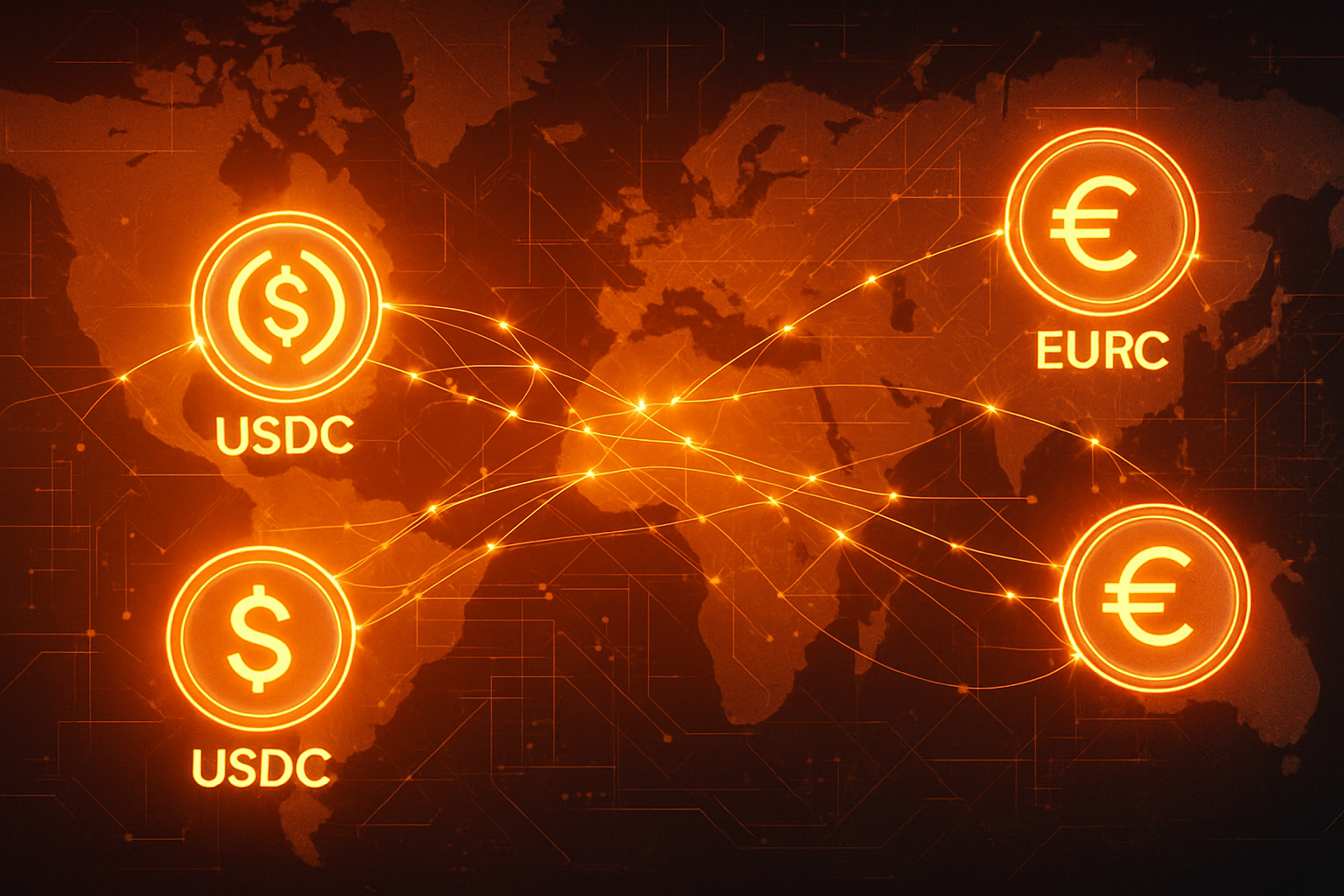
    SIBOS 2025, September 30, 2025 – In a landmark announcement at the prestigious SIBOS conference today, Visa (NYSE: V) unveiled a groundbreaking pilot program for its Visa Direct service, integrating USD Coin (USDC) and Euro Coin (EURC) stablecoins to facilitate instant cross-border transfers. This pivotal initiative marks a significant leap forward in bridging the gap between traditional finance and the burgeoning digital asset ecosystem, promising to revolutionize how businesses and financial institutions manage global payouts.

    The pilot, revealed on September 30, 2025, is a direct response to the inefficiencies plaguing conventional international payment systems, which are often characterized by slow settlement times, high costs, and complex liquidity management. By leveraging the speed and transparency of blockchain-based stablecoins for pre-funding, Visa is setting the stage for a new era of global money movement. While recipients will still receive funds in their local fiat currency, the underlying use of stablecoins for settlement aims to dramatically accelerate the process and unlock significant working capital for participating institutions. The crypto ecosystem has reacted with cautious optimism, viewing this as a powerful validation of stablecoins' utility and a strong signal of increasing institutional adoption.

    Market Impact and Price Action

    The immediate market impact on the stablecoins themselves, USDC and EURC, is unlikely to manifest in significant price fluctuations, given their peg to fiat currencies. However, the announcement's profound implications lie in the validation and legitimization it brings to the broader stablecoin market. This move by a global payments giant like Visa is expected to bolster confidence in stablecoins as reliable and efficient instruments for financial transactions, potentially leading to increased demand and market capitalization over the long term.

    While direct price action for USDC and EURC will remain stable, the news is anticipated to positively influence the valuations of other major stablecoins and potentially even the underlying blockchain networks that support them. This institutional embrace could drive up trading volumes for stablecoin pairs against various cryptocurrencies, as more financial entities look to stablecoins for efficient treasury management and cross-border operations. The comparison to past events, such as PayPal's (NASDAQ: PYPL) entry into crypto or institutional adoption of Bitcoin (BTC) by major corporations, suggests a long-term bullish sentiment for the digital asset space, particularly for assets with clear utility and regulatory compliance.

    The move also subtly shifts the narrative around stablecoins from a speculative asset class to a foundational layer for global financial infrastructure. This could attract more institutional capital into the stablecoin ecosystem, increasing liquidity and fostering deeper integration with traditional financial markets. While technical analysis on stablecoin price is irrelevant, the overall sentiment shift could be a significant bullish signal for the broader crypto market, indicating a growing acceptance and utility of digital assets beyond speculative trading.

    Community and Ecosystem Response

    The crypto community's response to Visa's stablecoin pilot is largely enthusiastic, reflecting a widespread belief that such initiatives are crucial for mainstream adoption. Social media platforms like Crypto Twitter and Reddit are buzzing with discussions highlighting the significance of a global payments behemoth integrating digital assets into its core services. Influencers and thought leaders are championing the move as a monumental step towards legitimizing stablecoins and showcasing their real-world utility beyond decentralized finance (DeFi).

    Many in the community see this as a powerful endorsement of blockchain technology's potential to solve real-world problems. The fact that Visa is treating USDC and EURC as "money in the bank" for pre-funding purposes resonates strongly, underscoring the trust being placed in these digital assets. While some purists may lament the focus on centralized stablecoins over decentralized alternatives, the pragmatic view is that this institutional gateway will ultimately pave the way for broader acceptance and innovation across the entire Web3 ecosystem. The long-term implications for DeFi protocols that rely on stablecoin liquidity and for various Web3 applications that could benefit from faster, cheaper global payments are overwhelmingly positive, signaling a future where digital and traditional finance are increasingly intertwined.

    What's Next for Crypto

    Visa's stablecoin pilot is a harbinger of significant short-term and long-term implications for the crypto market. In the short term, it is expected to accelerate the trend of institutional interest in stablecoins and blockchain-based payment solutions. We can anticipate more financial institutions exploring similar integrations, potentially leading to a "stablecoin race" among payment providers and banks. The pilot's limited availability by April 2026 and broader rollout later in 2026 will be crucial milestones to watch, as successful implementation could trigger a cascade of similar initiatives.

    Longer term, this development could fundamentally reshape global remittances and cross-border trade. The reduction in settlement times and costs, coupled with improved liquidity management, offers a compelling alternative to SWIFT and other legacy systems. Potential catalysts to watch include further partnerships between stablecoin issuers and payment networks, clearer regulatory frameworks for stablecoins in major jurisdictions, and the expansion of the pilot to include other stablecoins or even central bank digital currencies (CBDCs). Projects and investors should strategically consider stablecoin-centric solutions and infrastructure, as the demand for compliant, efficient digital payment rails is set to soar. The most likely scenario involves a gradual but steady integration of stablecoins into mainstream financial services, with Visa's pilot serving as a powerful proof of concept.

    Bottom Line

    Visa Direct's stablecoin pilot program represents a pivotal moment for the cryptocurrency industry. For crypto investors and enthusiasts, the key takeaway is the undeniable validation of stablecoins as a critical component of the future financial landscape. This initiative moves stablecoins beyond speculative trading instruments and firmly into the realm of practical, institutional-grade payment infrastructure. The long-term significance cannot be overstated: it signals a convergence of traditional finance and blockchain technology, where the efficiencies of digital assets are harnessed to solve real-world payment challenges.

    As the pilot progresses, important metrics to monitor will include the volume of stablecoin transactions processed, the number of participating financial institutions, and any feedback regarding efficiency gains and cost reductions. The date of broader rollout in late 2026 will be a key event, marking a potential inflection point for stablecoin adoption on a global scale. This is not just a pilot; it's a blueprint for the future of money movement.

    This article is for informational purposes only and does not constitute financial or investment advice. Cryptocurrency investments carry significant risk.
  • Abu Dhabi Cracks Down: AED 100,000 Fine Imposed for Crypto Mining on Farms as Emirate Prioritizes Agricultural Integrity

    Abu Dhabi Cracks Down: AED 100,000 Fine Imposed for Crypto Mining on Farms as Emirate Prioritizes Agricultural Integrity

    Abu Dhabi, UAE – September 30, 2025 – In a significant move reinforcing its commitment to agricultural sustainability and responsible land use, the Abu Dhabi Agriculture and Food Safety Authority (ADAFSA) has today officially implemented stringent new penalties against cryptocurrency mining on farms. Violators now face a hefty fine of AED 100,000, with repeat offenses incurring double the penalty, alongside the suspension of services, electricity disconnection, and confiscation of equipment. This decisive action, building on an advisory issued in May 2024, underscores the emirate's unwavering focus on preserving agricultural land for its intended purpose of food production and safeguarding critical resources.

    The ban, which took full effect today, targets the misuse of agricultural properties for energy-intensive crypto mining operations, activities deemed incompatible with the core functions of a farm. This regulatory clarity from ADAFSA highlights a growing global trend among authorities to address the environmental and resource implications of cryptocurrency activities, particularly mining. While direct, immediate market reactions to this localized ban may be subtle, its implications for the broader narrative around sustainable crypto development and regulatory oversight in key economic hubs like Abu Dhabi are profound.

    Market Impact and Price Action

    The direct impact of ADAFSA's ban on global cryptocurrency market prices and trading volumes is anticipated to be minimal, given its localized scope and focus on agricultural land use rather than a blanket ban on crypto activities. Unlike macroeconomic policy shifts or major exchange regulations, a prohibition on farm-based mining in Abu Dhabi is unlikely to trigger specific price movements for major cryptocurrencies like Bitcoin (BTC) or Ethereum (ETH). Trading volumes and liquidity changes are also not expected to be significantly affected by this particular regulation.

    However, the ban contributes to a broader, evolving narrative that does influence investor sentiment and long-term market trends: the sustainability and energy consumption of cryptocurrency mining. As governments worldwide increasingly scrutinize the environmental footprint of digital assets, regulations like ADAFSA's add to the cumulative pressure on the crypto industry to adopt greener practices. This ongoing discussion could indirectly influence investor preference towards more energy-efficient proof-of-stake (PoS) protocols over energy-intensive proof-of-work (PoW) systems. While no specific technical analysis or key support/resistance levels are directly impacted by this agricultural ban, the overarching regulatory environment around energy use remains a critical factor for the crypto market's long-term health and public perception. Comparison to similar past events, such as China's comprehensive ban on crypto mining, reveals that while localized bans can initially cause market jitters, their long-term impact on global prices depends on their scale and the broader regulatory landscape they represent.

    Community and Ecosystem Response

    The crypto community's response to ADAFSA's ban is likely to be multifaceted, reflecting ongoing debates surrounding the environmental impact of cryptocurrency mining. On social media platforms like X (formerly Twitter) and Reddit, discussions will probably center on the increasing scrutiny of mining operations and the need for sustainable solutions. While this specific ban on farms might not ignite widespread outrage directed at Abu Dhabi, it will undoubtedly fuel the ongoing conversation about the energy consumption of PoW cryptocurrencies.

    Crypto influencers and thought leaders have consistently highlighted the importance of environmental, social, and governance (ESG) factors in the industry's future. Regulations like ADAFSA's could be cited as further evidence of the necessity for mining operations to seek renewable energy sources and more efficient technologies. Projects focused on green blockchain initiatives, such as those promoting carbon neutrality or leveraging renewable energy, might see this as an affirmation of their mission. Effects on related DeFi protocols, NFT projects, or Web3 applications are unlikely to be direct, as these sectors are not typically involved in energy-intensive mining. However, the broader sentiment on crypto's environmental responsibility could indirectly influence investor confidence and adoption rates across the entire Web3 ecosystem, pushing for more eco-conscious development and investment choices.

    What's Next for Crypto

    The Abu Dhabi ban serves as another indicator of the short and long-term implications for the crypto market, particularly regarding regulatory oversight and the push for sustainability. In the short term, this specific regulation reinforces the trend of national and regional authorities asserting control over various aspects of the crypto ecosystem, especially where it intersects with critical national resources like agricultural land and energy grids. While not a direct threat to the global crypto market, it signals a tightening of the regulatory net, requiring projects and investors to be increasingly aware of local laws and their potential impact.

    In the long term, this move strengthens the global narrative around sustainable crypto. Potential catalysts to watch include further innovations in energy-efficient mining hardware, the continued transition of major networks to less energy-intensive consensus mechanisms (like Ethereum's move to PoS), and the development of robust regulatory frameworks that balance innovation with environmental responsibility. Strategic considerations for projects and investors will increasingly involve due diligence on the environmental footprint of crypto assets and the regulatory landscape of their operational locations. Possible scenarios include a future where only sustainable mining operations are permissible in many jurisdictions, driving capital towards green crypto initiatives. The likelihood of such a future appears to be increasing, as evidenced by actions from authorities like ADAFSA.

    Bottom Line

    ADAFSA's decision to enforce a Dh100,000 fine for cryptocurrency mining on farms is a clear and decisive statement from a major global hub, emphasizing the critical importance of responsible land use and resource management. For crypto investors and enthusiasts, the key takeaway is that regulatory scrutiny, particularly concerning energy consumption and environmental impact, is here to stay and will likely intensify. This event, effective today, September 30, 2025, underscores the long-term significance of integrating sustainability into the core of crypto operations.

    The move reinforces the idea that jurisdictions will protect their strategic assets—in this case, agricultural land and energy grids—from activities deemed counterproductive to national goals like food security and sustainable development. While this specific ban may not cause market tremors, it contributes to a broader trend that demands the crypto industry to mature and address its environmental challenges proactively. Final thoughts on what this means for crypto adoption suggest that future growth will increasingly depend on the industry's ability to demonstrate environmental responsibility and align with global sustainability objectives. Important metrics to monitor include the adoption rate of renewable energy in mining, the success of PoS networks, and the evolution of international regulatory standards for digital assets.

    This article is for informational purposes only and does not constitute financial or investment advice. Cryptocurrency investments carry significant risk.
  • Reliance Global Group (RELI) Adds XRP to Digital Asset Treasury, Signaling Major Institutional Validation

    Reliance Global Group (RELI) Adds XRP to Digital Asset Treasury, Signaling Major Institutional Validation

    New York, NY – September 30, 2025 – In a significant move set to reverberate across the cryptocurrency landscape, Reliance Global Group (NASDAQ: RELI), a diversified financial services and insurance holding company, today announced the strategic addition of XRP to its burgeoning Digital Asset Treasury. This decision follows earlier acquisitions of Bitcoin, Ethereum, and Cardano, solidifying the company's commitment to a diversified portfolio of digital assets with real-world utility.

    The announcement, made on September 30, 2025, has immediately ignited discussions within the crypto community, positioning Reliance Global Group at the forefront of institutional blockchain adoption. This landmark decision is not merely an investment; it represents a profound validation of XRP's technological capabilities and its critical role in the future of global finance, especially in the wake of its recent regulatory clarity. For the broader crypto ecosystem, it signals a accelerating trend of traditional financial entities embracing digital assets as strategic tools, moving beyond speculative interest into fundamental integration.

    Market Impact and Price Action

    The news of Reliance Global Group's (NASDAQ: RELI) institutional adoption of XRP is expected to trigger a robust and immediate positive reaction in the market. Given the announcement's timing on September 30, 2025, initial market indicators will likely show a sharp upward trajectory for XRP's price, fueled by a surge in buying pressure from both institutional and retail investors. This move builds upon the existing bullish momentum surrounding XRP, particularly after its significant regulatory advancements.

    Trading volumes for XRP are anticipated to dramatically increase, reflecting heightened market activity and liquidity. With the legal overhang of the U.S. Securities and Exchange Commission (SEC) lawsuit largely resolved—XRP officially classified as a non-security for secondary market transactions—and the recent launch of several spot XRP Exchange-Traded Funds (ETFs), institutional confidence in XRP has been at an all-time high. This latest adoption by a publicly traded company will likely push XRP towards or even beyond the higher end of short-term price forecasts, which for October 2025 have hovered around $3.25-$3.62.

    Technical analysis will likely point to a breach of immediate resistance levels as the market digests this news, with key support levels solidifying amidst increased institutional backing. Comparing this to similar past events, such as the initial influx of institutional capital into Bitcoin and Ethereum following ETF approvals, suggests that XRP could experience a sustained upward trend, albeit with some short-term volatility as profit-takers emerge. The scale and nature of Reliance Global Group's integration, emphasizing XRP's utility for global payments, could further differentiate this price movement from purely speculative pumps.

    The move will also bolster the overall crypto market sentiment, potentially creating a ripple effect that benefits other institutional-favored cryptocurrencies like Bitcoin (BTC) and Ethereum (ETH). Increased capital inflow into XRP will underscore the growing legitimacy of digital assets as a diversified investment vehicle, encouraging other traditional financial institutions to explore similar treasury initiatives.

    Community and Ecosystem Response

    The crypto community's response to Reliance Global Group's (NASDAQ: RELI) adoption of XRP is expected to be overwhelmingly positive and effusive, especially across social media platforms like Twitter (X) and Reddit. The #XRPArmy, XRP's dedicated and vocal community, will likely erupt in celebration, viewing this as a monumental vindication of their long-held belief in the asset's potential, particularly after years of regulatory uncertainty.

    On Twitter, hashtags like #XRP, #XRPArmy, #RelianceGlobalGroup, and #XRPRally are anticipated to trend rapidly, filled with celebratory messages, optimistic price predictions, and analyses from crypto influencers. Thought leaders will likely amplify the news, highlighting it as further proof of XRP's real-world utility and its increasing legitimacy in global finance. The sentiment will largely be one of triumph, with many pointing to the resolution of the SEC lawsuit as the key unlock for such institutional interest.

    Reddit forums, including r/CryptoCurrency and r/XRP, will host in-depth discussions dissecting the implications of Reliance Global Group's decision. Users will engage in detailed analyses of XRP's technology, its role in Ripple's On-Demand Liquidity (ODL) solutions, and the potential for other financial institutions to follow suit. While some discussions might touch upon concerns about centralization—a recurring theme in the crypto space—the prevailing sentiment will be one of collective optimism and validation. The news will likely attract new retail investors, eager to join what is perceived as a rapidly maturing and institutionally supported asset.

    What's Next for Crypto

    Reliance Global Group's (NASDAQ: RELI) decision to integrate XRP into its Digital Asset Treasury marks a pivotal moment, signaling profound short-term and long-term implications for XRP and the broader crypto market. In the short term, the immediate impact will be a surge in positive sentiment and potential price appreciation for XRP, reinforcing its position as a leading asset for institutional adoption. This event will likely accelerate the approval and launch of additional XRP-based Exchange-Traded Products (ETPs), providing even greater accessibility for traditional investors.

    Looking ahead, this move contributes to the long-term trend of mainstream financial integration of digital assets. It underscores the growing recognition of cryptocurrencies, particularly those with established utility like XRP, as viable tools for treasury management, cross-border payments, and diversification. Potential catalysts to watch include further regulatory clarity globally, especially regarding stablecoins and Central Bank Digital Currencies (CBDCs), which could synergize with XRP's payment infrastructure. Additionally, advancements in blockchain interoperability and the continued development of institutional-grade custody solutions will facilitate greater institutional capital inflow.

    Strategic considerations for projects and investors will shift towards a greater emphasis on compliance, real-world utility, and robust security. Projects that can demonstrate clear problem-solving capabilities and navigate regulatory landscapes effectively will attract more institutional partners. Investors, in turn, should focus on diversified portfolios, robust risk management strategies, and thorough due diligence, prioritizing assets with strong fundamentals and a clear path to institutional adoption. The ongoing integration of AI-driven analytics will also play a crucial role in optimizing trading strategies and risk assessment for institutional players.

    Bottom Line

    Reliance Global Group's (NASDAQ: RELI) adoption of XRP into its Digital Asset Treasury is a significant milestone, underscoring the growing legitimacy and utility of cryptocurrencies in traditional finance. For crypto investors and enthusiasts, the key takeaway is the continued validation of XRP's role in global payments and its increasing appeal to institutional players, particularly now that regulatory clarity has largely de-risked the asset.

    The long-term significance of this event lies in its contribution to the broader institutionalization of the crypto market. It reinforces the narrative that digital assets are evolving beyond speculative instruments into fundamental components of global financial infrastructure. This move by a publicly traded company serves as a powerful testament to the maturity of the crypto ecosystem and its readiness for widespread adoption.

    As the market progresses, important dates and metrics to monitor include the approval timelines for pending XRP ETFs, updates on Ripple's partnerships and On-Demand Liquidity (ODL) corridors, and further corporate announcements regarding digital asset treasury initiatives. This event solidifies the idea that the convergence of traditional finance and crypto is not just inevitable but rapidly accelerating, with XRP positioned at its forefront.

    This article is for informational purposes only and does not constitute financial or investment advice. Cryptocurrency investments carry significant risk.
  • Brazil’s Green Energy Bonanza: A New Frontier for Sustainable Crypto Mining

    Brazil’s Green Energy Bonanza: A New Frontier for Sustainable Crypto Mining

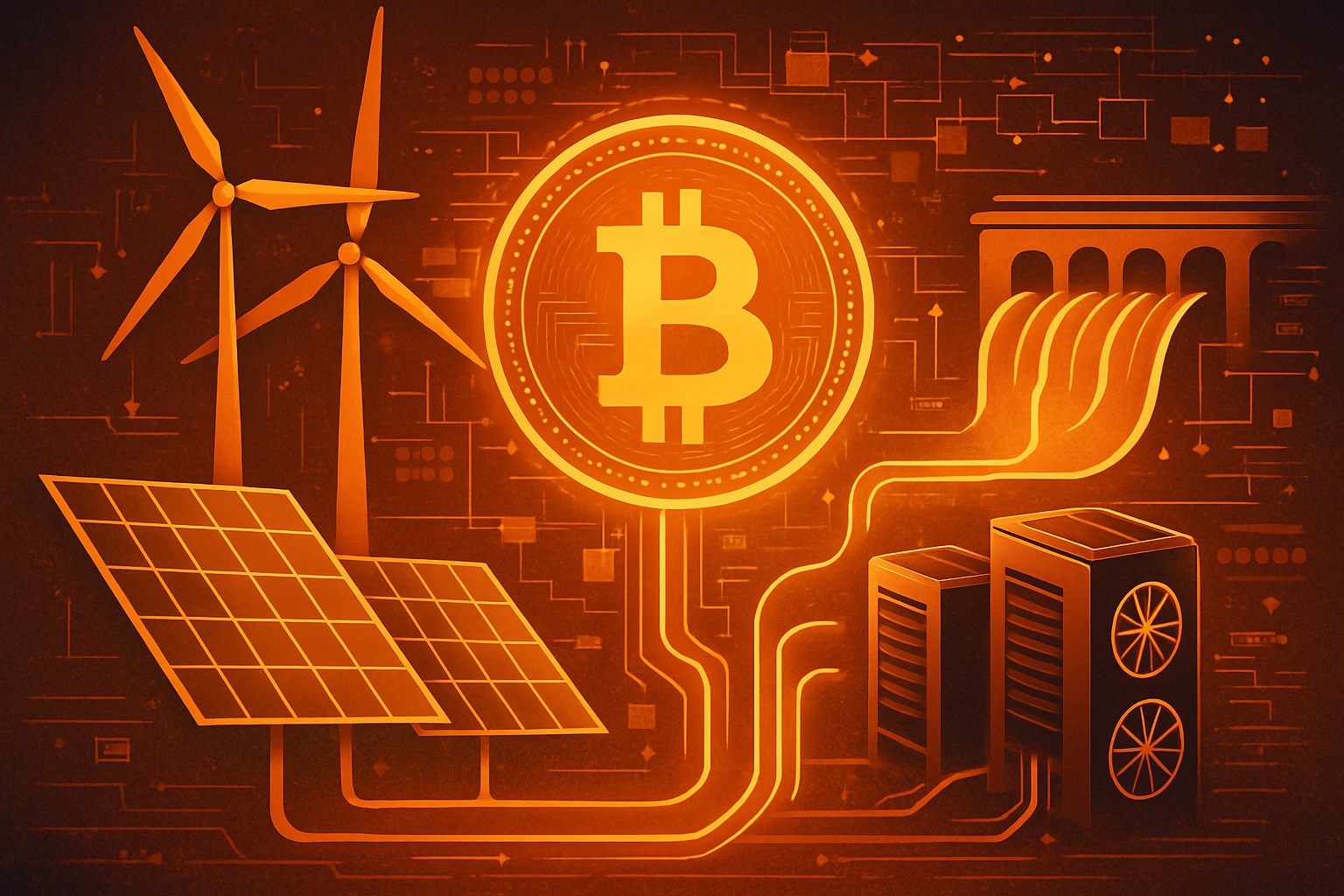
    Brazil is rapidly solidifying its position as a global powerhouse for cryptocurrency mining, driven by an immense surplus of clean, renewable energy. This burgeoning trend, which has seen significant acceleration throughout 2025, is reshaping the landscape of the energy-intensive crypto industry, offering both profound environmental benefits and complex economic implications for the South American nation and the global Web3 ecosystem. The strategic pivot towards Brazil's abundant hydroelectric, wind, solar, and biomass resources marks a critical juncture for an industry often scrutinized for its environmental footprint.

    The influx of mining operations, including major players like Tether, capitalizing on Brazil's underutilized green power, represents a significant shift in the global energy-crypto nexus. This movement is not merely about finding cheaper electricity; it's a strategic embrace of sustainable practices that could redefine the public perception and operational viability of Proof-of-Work (PoW) cryptocurrencies. The immediate response from energy providers in Brazil has been largely positive, viewing crypto miners as flexible, high-demand clients capable of monetizing otherwise wasted energy. This development is crucial for the crypto ecosystem, as it directly addresses a core criticism of its energy consumption, paving the way for a greener, more decentralized future.

    Market Impact and Price Action

    While the direct, immediate price movements of specific cryptocurrencies are not solely attributable to Brazil's emerging role in green mining, the overarching trend contributes significantly to the broader market sentiment surrounding sustainable practices in the crypto industry. The increased adoption of clean energy for mining operations, particularly for Bitcoin (BTC) and other PoW coins, helps alleviate environmental concerns that have historically weighed on investor perception and regulatory scrutiny. This positive narrative can indirectly bolster investor confidence, potentially reducing long-term FUD (Fear, Uncertainty, Doubt) related to crypto's carbon footprint.

    The shift towards green mining in Brazil could influence the market for mining hardware and infrastructure. As more companies seek to establish operations in regions with cheap, renewable energy, demand for efficient mining rigs suitable for such environments could see a localized surge. Furthermore, the ability of miners to secure stable, low-cost energy inputs can improve their profit margins, potentially leading to more consistent mining difficulty adjustments and a more predictable supply side for newly minted coins. This stability, in turn, can contribute to a more robust and resilient network, which is a positive fundamental for the underlying assets.

    From a technical analysis perspective, the long-term trend of increasing sustainable mining could act as a macro-level support for Bitcoin's price, establishing a stronger fundamental floor by mitigating environmental risks. While specific price actions would still be dictated by broader market dynamics, liquidity, and global economic factors, the ongoing narrative of a "greener Bitcoin" originating from places like Brazil could attract a new wave of institutional investors and environmentally conscious funds. This could lead to increased trading volumes for BTC and other PoW assets as more capital flows into the sector, seeking assets with demonstrably reduced environmental impact. The comparison to past events, such as China's mining crackdown, highlights the industry's resilience and its capacity to relocate and adapt, with Brazil now emerging as a key player in this ongoing evolution.

    Community and Ecosystem Response

    The crypto community's response to Brazil's emergence as a green mining hub has been largely enthusiastic, particularly among advocates for sustainable blockchain technology. Social media platforms like Crypto Twitter and Reddit are abuzz with discussions highlighting Brazil as a model for how nations can leverage their natural resources to foster innovation while addressing environmental concerns. Influencers and thought leaders within the space are pointing to Brazil as a testament to the industry's commitment to evolving towards more eco-friendly practices, often citing it as a counter-narrative to traditional media criticisms of crypto's energy consumption.

    Beyond the general sentiment, the move towards sustainable mining in Brazil has direct implications for related Web3 applications and DeFi protocols. Projects focused on carbon credits, green NFTs, or decentralized energy markets could find new synergies and use cases, leveraging the verifiable green energy sources powering Brazilian mining operations. For instance, protocols aiming to prove the "greenness" of mined coins could benefit from the transparent and abundant renewable energy sources in Brazil. However, concerns from local communities persist, with some reports of increased strain on local infrastructure and water resources, and instances of illegal mining operations leading to power outages and noise pollution. These challenges underscore the need for robust regulatory frameworks and responsible corporate practices to ensure that the benefits of green mining are shared equitably and sustainably.

    The broader sentiment within the crypto ecosystem is one of cautious optimism. While the environmental benefits are clear, the industry is closely watching Brazil's legislative efforts to regulate crypto mining. A bill introduced in June 2025 proposes a National Bitcoin Miner License and provisions for various energy sources, including renewables, which could further legitimize and streamline operations. This proactive regulatory approach, if implemented effectively, could set a precedent for other nations looking to attract green crypto investment, fostering a more mature and responsible global mining industry.

    What's Next for Crypto

    The long-term implications of Brazil's clean energy glut attracting cryptocurrency mining companies are significant for the entire crypto market. In the short term, we can expect a continued migration of mining operations to Brazil, further decentralizing the global hash rate and reducing reliance on regions with less sustainable energy mixes. This shift will likely lead to increased investment in Brazil's energy infrastructure, particularly in grid improvements and renewable energy projects, as utilities seek to capitalize on this new demand. The integration of flexible crypto mining loads can also enhance grid stability and make renewable energy projects more financially viable, acting as a "buyer of last resort" for excess power.

    Looking ahead, Brazil could emerge as a leading model for "green crypto economies," demonstrating how countries can transform energy surpluses into digital assets. This could spur other nations with similar renewable energy potential to explore attracting crypto mining, fostering a global competition for sustainable mining hubs. Key catalysts to watch include the finalization and implementation of Brazil's proposed cryptocurrency regulations, particularly those pertaining to mining licenses and tax incentives for renewable energy use. The success of pilot projects by companies like Eletrobras (BM&FBOVESPA: ELET3) and the expansion of initiatives like Tether's green Bitcoin mining operations will also serve as critical indicators.

    Strategic considerations for projects and investors will involve evaluating the energy mix of mining operations. Projects that can demonstrably prove their reliance on clean energy sources, potentially through partnerships with Brazilian utilities, may gain a competitive advantage in attracting environmentally conscious capital. Investors will increasingly scrutinize the sustainability credentials of mining companies, making Brazil's green energy narrative a powerful differentiator. Possible scenarios range from a continued, steady growth of green mining in Brazil, solidifying its status as a sustainable mining leader, to a rapid acceleration if regulatory clarity and incentives prove highly effective, potentially attracting a massive influx of capital and operations.

    Bottom Line

    Brazil's strategic embrace of cryptocurrency mining, powered by its vast clean energy resources, represents a pivotal moment for the crypto industry. For investors and enthusiasts, the key takeaway is the tangible progress being made towards a more sustainable and environmentally responsible blockchain ecosystem. This trend not only addresses a major criticism leveled against Proof-of-Work cryptocurrencies but also demonstrates the industry's adaptability and potential to drive positive change in energy markets.

    The long-term significance of this development cannot be overstated. Brazil is not just attracting miners; it is pioneering a model for monetizing excess renewable energy, enhancing grid stability, and fostering economic growth through digital assets. This means a greener future for crypto adoption, potentially opening doors to broader institutional acceptance and reducing regulatory headwinds driven by environmental concerns. Important metrics to monitor include the growth in Brazil's share of the global hash rate, the progress of its crypto regulatory framework, and the volume of investments flowing into green mining infrastructure within the country. The success of this endeavor could inspire a global paradigm shift, proving that economic innovation and environmental stewardship can indeed go hand-in-hand in the digital age.

    This article is for informational purposes only and does not constitute financial or investment advice. Cryptocurrency investments carry significant risk.

  • Nodepay Unveils Crypto’s Largest Prediction Intelligence Platform, Promising a New Era for AI-Driven Trading

    Nodepay Unveils Crypto’s Largest Prediction Intelligence Platform, Promising a New Era for AI-Driven Trading

    San Francisco, CA – September 30, 2025 – Nodepay, a leading innovator in decentralized AI infrastructure, today officially launched its groundbreaking Prediction Intelligence platform, a move poised to redefine crypto trading and market analysis. Boasting an impressive claim of over 2 million global downloads and a real-time prediction signal marketplace, Nodepay's new offering is designed to leverage collective intelligence and advanced AI to navigate the notoriously volatile cryptocurrency markets.

    This pivotal launch marks Nodepay's evolution from a decentralized bandwidth-sharing network to a sophisticated provider of structured sentiment and predictive signals. The platform, backed by prominent investors like OKX Ventures, Animoca Brands, and Jump Crypto, aims to empower both retail and institutional traders with dynamic insights and personalized notifications, promising to resolve challenges posed by fragmented information and rapid market shifts. The immediate market reaction has been a mix of anticipation for the platform's utility and a nuanced sentiment surrounding its native token, $NC, which has seen significant price fluctuations since its initial listings earlier this year. This development is significant for the crypto ecosystem as it further blurts the lines between artificial intelligence and blockchain, offering tangible utility that could drive broader adoption and more efficient market operations.

    Market Impact and Price Action

    The journey of Nodepay's native token, $NC, has been characterized by considerable volatility, reflecting the high expectations surrounding the project and the inherent risks of the crypto market. The token's pre-market performance in early January 2025 showed robust growth, with prices reaching $0.6008 by January 2, indicating strong investor interest and optimistic projections for its official listing. However, despite these bullish forecasts, the $NC token's All-Time High (ATH) upon its Token Generation Event (TGE) on January 17, 2025, was recorded at $0.3299. This discrepancy suggests a significant sell-off immediately after public trading commenced, or that pre-market valuations did not fully translate into sustained public market prices.

    Following its ATH in January, the $NC token experienced a dramatic decline. As of late September 2025, around the time of the Prediction Intelligence platform's full launch, the price of $NC was hovering between $0.015 and $0.016. This represents a staggering drop of over 95% from its peak, with the token hitting an All-Time Low (ATL) of $0.01562 on September 30, 2025. This persistent price weakness is attributed to a combination of factors, including technical breakdowns, fading momentum around its "Signals" product (Season 3 engagement dip), and broader altcoin market headwinds.

    Trading volumes for $NC have seen significant fluctuations. While initial listings on exchanges like Bitget, MEXC, and OKX aimed to enhance liquidity, post-launch trading volume in late September 2025 ranged from $1.56 million to $2.81 million. However, some analyses suggest that a substantial portion of this volume represents "speculative churn" rather than organic growth, with the 24-hour volume being 65% of its market cap. Technically, $NC currently presents a bearish picture, trading below its 7-day and 30-day Simple Moving Averages. The 7-day Relative Strength Index (RSI) is deeply oversold at 28.66, and the Moving Average Convergence Divergence (MACD) histogram is negative, indicating strong bearish momentum. The previous support zone of $0.017–$0.019 has been invalidated, and failure to close above the 7-day SMA could lead to a retest of the $0.012–$0.014 range observed in June 2025.

    Compared to other AI-related tokens like Fetch.ai (FET) and SingularityNET (AGIX), Nodepay's $NC has notably underperformed since its initial hype. While the broader AI crypto market has shown considerable investor interest, $NC's substantial depreciation indicates it has struggled to maintain momentum, especially during periods of altcoin headwinds and high Bitcoin dominance. The prevailing market sentiment for $NC is largely bearish, with traders remaining risk-averse, despite the project's reported 1.8 million nodes and live infrastructure.

    Community and Ecosystem Response

    The launch of Nodepay's Prediction Intelligence platform, particularly its "Signals" feature, has elicited a varied response across the crypto community and ecosystem. While there's a clear segment of enthusiastic adopters, particularly those interested in passive income opportunities, a critical undercurrent of skepticism also exists.

    On social media, particularly Twitter, Nodepay's official announcements (e.g., @nodepay_ai) have successfully generated buzz, sparking interest among crypto traders and highlighting the growing intersection of AI narratives and cryptocurrency markets. The "Signals Season 3" launch in August 2025, with its tiered rewards system and streak bonuses tied to $NC token holdings, was promoted as a bullish development aimed at boosting contributor incentives and token utility. However, alongside this positive sentiment, some community discussions on platforms like Reddit have expressed disappointment, with users labeling Nodepay as a "scam" due to perceived low earnings from bandwidth sharing and issues with airdrop eligibility. ScamAdviser also assigned nodepay.ai a low trust score, citing negative reviews and hidden ownership details. CoinMarketCap's analysis in late September 2025 succinctly captured the dichotomy, noting the Nodepay community is "split between bullish bets on its Signals ecosystem and bearish price action," partly due to "Signals Season 3 fatigue."

    Nodepay has attracted significant investment and support from influential entities in the crypto space, including OKX Ventures, Animoca Brands, Jump Crypto, IDG Capital, and angel investors like Matthew Tan (founder of Etherscan) and Yusho Liu (CoinHako Co-founder and CEO). These high-profile backers lend credibility to the project's long-term vision. Crypto influencers on Twitter, such as @MemeStrategy, have flagged $NC as an "undervalued Solana DePIN play," while @CryptoChartist has discussed its technical indicators, observing an "Ichimoku Cloud Breakout" that hinted at a potential reversal. These mentions indicate that Nodepay is on the radar of prominent analysts, though their reactions to the platform's predictive efficacy are often integrated into broader market analyses.

    The platform's blend of DeFi and AI positions it to impact several Web3 sectors. Nodepay's AI upgrades and "Signals" platform announcements have demonstrably influenced other AI-focused cryptocurrencies like Render (RNDR) and Fetch.ai (FET), leading to price increases and volume spikes for these assets. This highlights Nodepay's role as a catalyst within the AI-crypto niche. Furthermore, Nodepay's Web3-focused features, such as Node Search (a decentralized AI answer engine), Node Force (reinforcement learning for AI models), and Node Play (gamified human verification), directly contribute to and interact with the broader Web3 application landscape. The project's upcoming launch on the Solana blockchain is also expected to enhance its scalability and efficiency, potentially further impacting the Solana ecosystem. While not directly an NFT project, Nodepay's community shows interest in the NFT market, with a poll revealing anticipation for NFTs expanding into new use cases.

    What's Next for Crypto

    Nodepay's Prediction Intelligence platform is poised to significantly influence the crypto market in both the short and long term, particularly at the intersection of AI and blockchain technology. In the immediate future, the platform's real-time, AI-driven insights are expected to increase market activity and trading volumes, especially for AI-related tokens. By offering more precise and actionable intelligence, Nodepay aims to enhance the capabilities of both retail and institutional traders, potentially leading to faster identification of profitable opportunities and more efficient price discovery. This could, however, also contribute to increased short-term volatility as market participants react swiftly to new signals. The "Signals" feature, which rewards users for accurate predictions, further incentivizes participation and data generation, fostering a decentralized stream of actionable information.

    Looking ahead, Nodepay's long-term implications are more profound. The platform has the potential to significantly improve market efficiency and price discovery by aggregating vast amounts of sentiment, social, and quantitative data. Its broader mission to decentralize the AI economy, allowing users to contribute bandwidth and data for AI training, could lead to more robust, community-owned AI models, reducing reliance on centralized corporate control. As Nodepay expands its "Intelligence Infrastructure" to integrate with enterprise-grade AI models for institutional clients in Q4 2025, it could act as a catalyst for further capital inflows from traditional finance into both AI and crypto assets. The evolution of its prediction market model, moving beyond simple binary outcomes, could also lead to more sophisticated forecasting tools within crypto.

    Several catalysts and developments warrant close observation. Successful implementation of roadmap milestones, such as the "Intelligence Infrastructure Expansion" in Q4 2025 and the "Phase 3 Data Cleaning Rollout" in 2026, will be critical for enhancing AI model accuracy and attracting institutional clients. Concrete partnerships with major financial institutions or crypto projects leveraging Nodepay's intelligence platform would significantly boost its credibility and adoption. Furthermore, favorable regulatory clarity in both AI and crypto could reduce uncertainties and encourage wider investment. Continuous improvements in Nodepay's AI models and sustained user growth and engagement within the "Signals" ecosystem will be paramount for its long-term success.

    For crypto projects, strategic considerations include leveraging Nodepay's predictive insights to inform development and marketing strategies, utilizing its data distribution tools for growth campaigns, and exploring integration with its decentralized AI infrastructure. Investors should use Nodepay's signals to inform their trading decisions, evaluate the long-term potential of the $NC token based on ecosystem growth and institutional adoption, and consider diversifying within the AI-crypto sector. Possible scenarios range from high adoption and significant market efficiency enhancement (moderate to high likelihood) to a more niche impact primarily influencing AI tokens (moderate likelihood), or even limited adoption due to competitive pressures (low to moderate likelihood). The most optimistic scenario sees Nodepay becoming a widely recognized tool for market analysis, driving $NC token utility and demand.

    Bottom Line

    Nodepay's launch of its Prediction Intelligence platform on September 30, 2025, represents a significant stride towards integrating advanced AI with decentralized blockchain technology. For crypto investors and enthusiasts, the platform offers tangible benefits, including opportunities for passive income through bandwidth sharing, and access to AI-driven market insights that can help navigate the complexities of crypto trading. By allowing users to contribute to decentralized AI development, Nodepay also fosters a more equitable and community-owned AI ecosystem, moving beyond the traditional centralized models.

    The long-term significance of Nodepay lies in its potential to drive broader crypto adoption through utility. By providing practical use cases like passive income generation and sophisticated market intelligence, it lowers the barrier to entry for newcomers and offers valuable tools for seasoned traders. Its efforts to decentralize AI infrastructure could lead to more resilient and ethically developed AI models, powered by a global network. Furthermore, by enhancing market efficiency through predictive intelligence and attracting institutional interest with its sophisticated data analytics, Nodepay could play a crucial role in the maturation of the crypto market.

    Final thoughts suggest that Nodepay is well-positioned to shape the future of decentralized AI and crypto market intelligence. Its success will be a testament to the power of combining collective intelligence with advanced technology. Key metrics and events to monitor include the performance and utility of the $NC token, particularly with the planned "Intelligence Infrastructure Expansion" and "Token Buyback Program" in Q4 2025. The "Phase 3 Data Cleaning Rollout" in 2026 will be vital for AI model accuracy. Continued growth in active nodes and user base, strategic partnerships, and revenue generation from enterprise adoption will be critical indicators of its long-term success. Investors should also pay close attention to social media sentiment and overall market conditions as Nodepay continues to evolve within the dynamic crypto landscape.

    This article is for informational purposes only and does not constitute financial or investment advice. Cryptocurrency investments carry significant risk.
  • Beyond the Hype: Unpacking Crypto’s Transformative Trends in Late 2025

    Beyond the Hype: Unpacking Crypto’s Transformative Trends in Late 2025

    As the cryptocurrency market navigates late 2025, a profound evolution is underway, shifting its narrative far beyond speculative price movements. The ecosystem is experiencing a powerful convergence of advanced technological developments, the emergence of groundbreaking real-world use cases, and a significant maturation in investor behavior. This transformative period, marked by a deepening integration of blockchain technology into various facets of the digital and physical worlds, signals a pivotal moment for the industry, laying the groundwork for unprecedented mainstream adoption and utility.

    This comprehensive reorientation is driven by innovations such as robust Layer 2 scaling solutions, increasingly seamless cross-chain interoperability, and the burgeoning synergy between AI and blockchain. Concurrently, novel applications like Real-World Asset (RWA) tokenization, Decentralized Physical Infrastructure Networks (DePINs), and Decentralized Science (DeSci) are demonstrating tangible utility, bridging traditional sectors with decentralized systems. The collective response from the market and community reflects an ecosystem maturing at an accelerated pace, moving towards greater legitimacy, stability, and integration into global finance, underscoring why these developments are critical for the sustained growth and future potential of Web3.

    Market Impact and Future Price Action

    While the current narrative emphasizes utility over pure speculation, these emerging trends are undeniably shaping the future market landscape and influencing long-term price potential. The significant advancements in Layer 2 (L2) scaling solutions, particularly Zero-Knowledge Rollups (ZK-Rollups) from projects like zkSync, Starknet, and Polygon zkEVM, are directly addressing scalability limitations. With over $42 billion secured on Layer 2 chains as of February 2025, and Ethereum's proto-danksharding (EIP-4844) further reducing data costs, these efficiencies are making dApps more accessible and affordable, fostering an environment ripe for sustained growth and increased transaction volume, which historically correlates with upward price pressure over time.

    The burgeoning market for Real-World Asset (RWA) tokenization, which surged to over $25 billion in Q2 2025, represents a direct pipeline for institutional capital into the crypto space. Major financial players like Goldman Sachs (NYSE: GS), BNY Mellon (NYSE: BK), DBS (SGX: D05), and Franklin Templeton (NYSE: BEN) are actively building tokenized money-market funds, signaling a profound shift in how traditional finance views and interacts with digital assets. This influx of institutional capital, coupled with digital asset AUM among institutions surpassing $235 billion by mid-2025, is not just adding liquidity but also enhancing market stability and acting as a significant catalyst for anticipated bull runs, integrating digital assets more deeply into traditional financial systems.

    Similarly, the rapid growth of Decentralized Physical Infrastructure Networks (DePINs), with a market capitalization exceeding $16 billion in late 2025 and projections to reach $3.5 trillion by 2028, showcases blockchain's ability to create real-world value. Projects like Helium (DEWI), Filecoin (FIL), and Render Token (RNDR) are attracting investment by demonstrating tangible utility and robust economic models. This focus on utility and infrastructure-building is fostering a more resilient market, less susceptible to purely speculative swings and more driven by fundamental value creation, which can lead to more sustainable and significant price appreciation in the long term.

    Community and Ecosystem Response

    The crypto community's response to these evolving trends is overwhelmingly positive, reflecting a collective shift towards utility, innovation, and sustainable growth. Social media platforms, particularly Crypto Twitter and Reddit, are abuzz with discussions about the practical applications of blockchain, with a noticeable decline in purely speculative "moon" talk. Influencers and thought leaders are increasingly championing projects focused on solving real-world problems, from DePINs creating decentralized internet infrastructure to DeSci initiatives democratizing scientific research.

    This sentiment is echoed across the broader Web3 ecosystem. DeFi protocols are integrating RWA tokenization, offering new yield opportunities backed by tangible assets and attracting a more diverse pool of investors. NFT projects are moving beyond profile pictures to embrace utility, offering memberships, exclusive access, and real-world benefits, reflecting a maturing market demand. Decentralized Autonomous Organizations (DAOs) are playing a crucial role in governing DeSci initiatives like VitaDAO and ResearchHub, fostering collaborative and transparent research environments. The overall shift indicates a community that is increasingly sophisticated, prioritizing projects with robust technology, clear use cases, and a path to long-term value creation.

    What's Next for Crypto

    The short-term implications for the crypto market suggest a continued focus on infrastructure development and integration. The ongoing optimization of Layer 2 solutions and cross-chain interoperability protocols will further enhance user experience, driving greater adoption of dApps and expanding the reach of decentralized finance. We can expect to see more traditional financial institutions exploring and launching tokenized products, blurring the lines between TradFi and DeFi. Regulatory clarity, particularly in the US with legislative progress like the Guiding and Establishing National Innovation for U.S. Stablecoins Act (GENIUS Act) in July 2025, will continue to de-risk the sector, paving the way for even greater institutional and enterprise participation.

    Long-term, these trends point towards a future where blockchain technology is seamlessly integrated into everyday life, largely operating in the background. The growth of DePINs will lead to more resilient and decentralized global infrastructure for everything from wireless networks to energy grids. DeSci will revolutionize how scientific research is funded, conducted, and shared, fostering unprecedented collaboration and transparency. Strategic considerations for projects and investors will revolve around building sustainable economic models, ensuring regulatory compliance, and focusing on genuine utility. Potential scenarios include a significant portion of global financial assets being tokenized, and a widespread adoption of decentralized services, leading to a truly interconnected and efficient digital economy, with a high likelihood of continued innovation driving new, unforeseen use cases.

    Bottom Line

    For crypto investors and enthusiasts, the key takeaway from late 2025 is clear: the market's fundamental value proposition is deepening. The era of pure speculation is giving way to one defined by technological innovation, practical utility, and institutional validation. This shift underscores the importance of looking beyond immediate price charts and understanding the underlying advancements driving long-term growth. Projects focused on robust Layer 2 scaling, seamless interoperability, RWA tokenization, and decentralized infrastructure (DePINs, DeSci) are likely to be the bedrock of future market cycles.

    The long-term significance of these trends cannot be overstated. They are propelling cryptocurrency from a niche, speculative asset class into a foundational technology for a more efficient, transparent, and equitable global economy. The increasing institutional adoption, coupled with a maturing retail investor base focused on utility, is crucial for crypto's journey towards mainstream acceptance. Important metrics to monitor include the Total Value Locked (TVL) on Layer 2 networks, the market capitalization and adoption rates of RWA tokenization and DePIN projects, and ongoing regulatory developments worldwide. These indicators will provide insights into the continued maturation and integration of the crypto ecosystem into the global financial and technological landscape.

    This article is for informational purposes only and does not constitute financial or investment advice. Cryptocurrency investments carry significant risk.
  • SEC Cracks Down on Crypto Market Manipulation: QMMM Case Signals Intensified Oversight

    SEC Cracks Down on Crypto Market Manipulation: QMMM Case Signals Intensified Oversight

    September 29, 2025 – The U.S. Securities and Exchange Commission (SEC) has sent a clear and resounding message to the cryptocurrency markets: manipulation will not be tolerated. In a move that underscores the agency's escalating vigilance, the SEC today suspended trading in QMMM Holdings Ltd. (NASDAQ: QMMM), a Hong Kong-based firm, following an astonishing 959% surge in its stock price over just three weeks. The regulatory body cited grave concerns over potential social media-driven manipulation by "unknown persons," spotlighting the inherent risks posed by speculative hype in crypto-linked equities.

    This decisive action against QMMM is not an isolated incident but rather a potent case study in a broader, intensified regulatory crackdown on deceptive practices within the digital asset ecosystem. Coming on the heels of major enforcement actions against "market-manipulation-as-a-service" firms in late 2024 and the establishment of a dedicated Cross-Border Task Force in September 2025, the SEC's intervention signals a new era of oversight. It firmly establishes that traditional securities laws are being rigorously applied to the often-unruly crypto space, aiming to safeguard investors and preserve market integrity amidst rapid innovation and widespread speculation.

    Market Impact and Price Action

    The immediate market reaction to the SEC's suspension of QMMM Holdings Ltd. (NASDAQ: QMMM) was a sharp halt in its meteoric rise, leaving investors in a state of uncertainty. While QMMM is a publicly traded company rather than a pure crypto asset, its significant crypto treasury investment and the suspected social media-fueled pump-and-dump scheme have sent ripples throughout the broader crypto-linked stock market and, by extension, the sentiment around digital assets themselves. The dramatic 959% price surge preceding the halt illustrates the extreme volatility and susceptibility to speculative bubbles that continue to characterize parts of the crypto ecosystem.

    Historically, similar regulatory interventions, even against traditional equities with crypto exposure, tend to induce a flight to quality or, in some cases, a broader market correction as investors de-risk. While specific price movements for individual tokens directly linked to QMMM are not immediately apparent, the general atmosphere of heightened regulatory scrutiny often leads to increased caution among traders. This can manifest as reduced trading volumes in smaller, less liquid altcoins, as well as a preference for established, larger-cap cryptocurrencies like Bitcoin and Ethereum, which are perceived as more resilient to such shocks.

    The QMMM incident echoes past events where social media hype, often orchestrated, led to unsustainable price pumps, only to be followed by significant corrections or regulatory halts. Technical analysts might point to the prior exponential growth as a classic "blow-off top" pattern, indicating an unsustainable rally fueled by speculation rather than fundamentals. Key support levels for broader crypto indices could be tested as the market digests the implications of stricter enforcement. This event serves as a stark reminder that even in the decentralized world of crypto, the actions of centralized regulators can significantly influence market dynamics and investor behavior, often leading to a temporary contraction in risk appetite across the board.

    Community and Ecosystem Response

    The SEC's assertive stance against QMMM Holdings Ltd. has ignited a flurry of discussion across crypto social media platforms, with sentiment ranging from cautious optimism to outright frustration. On platforms like Crypto Twitter and Reddit, the immediate reaction saw a mix of "I told you so" from long-time skeptics of meme-driven pumps and genuine concern from retail investors caught in the crossfire. Many community members expressed relief that regulators are finally addressing blatant manipulation, viewing it as a necessary step towards legitimizing the industry. However, a vocal segment also decried the intervention as an overreach, arguing that it stifles organic market movements and innovation, particularly in the more speculative corners of the market.

    Crypto influencers and thought leaders have largely echoed the sentiment that while regulation can be a double-edged sword, curbing outright manipulation is crucial for the long-term health and adoption of Web3. Several prominent figures have used the QMMM case to advocate for stronger self-regulation within decentralized finance (DeFi) protocols and NFT projects, emphasizing the need for robust transparency mechanisms and community-driven governance to prevent similar abuses. There's a growing consensus that projects must prioritize genuine utility and sustainable growth over fleeting speculative pumps to avoid regulatory ire.

    The broader crypto ecosystem, including DeFi protocols and NFT marketplaces, is likely to feel the indirect effects of this increased regulatory scrutiny. While not directly targeted, the crackdown on market manipulation can lead to a more conservative investment climate, potentially impacting funding for new projects or reducing liquidity in highly speculative assets. Projects with clear use cases, strong fundamentals, and transparent operations may benefit from increased investor confidence, while those perceived as opaque or prone to manipulation could face greater headwinds. This shift in focus could catalyze a maturation of the Web3 space, pushing it towards more robust and compliant frameworks.

    What's Next for Crypto

    The SEC's intensified focus on market manipulation, exemplified by the QMMM suspension, portends a significant evolution in the crypto landscape, with both short-term adjustments and long-term implications. In the immediate future, we can expect a chilling effect on overtly speculative and social media-driven "pump" schemes, particularly those involving publicly traded companies with crypto exposure. This will likely lead to a period of increased caution among retail investors and a potential shift in capital towards more fundamentally sound or regulated crypto assets. Projects with weak tokenomics, opaque operations, or a history of volatile, hype-driven price action may find it increasingly difficult to attract new capital or maintain existing liquidity.

    Looking further ahead, this regulatory push is a catalyst for greater compliance and institutionalization within the crypto market. The SEC's motivations — investor protection, market integrity, and fraud prevention — will continue to drive its enforcement agenda. This means projects, exchanges, and even individual traders will need to prioritize adherence to anti-manipulation frameworks, potentially leading to more sophisticated monitoring tools and stricter listing requirements across centralized and decentralized platforms. Strategic considerations for projects now include robust legal counsel, proactive engagement with regulators, and a clear communication strategy that emphasizes transparency and long-term value over short-term gains.

    Possible scenarios include a continued expansion of regulatory mandates, potentially leading to more explicit rules governing social media promotion of crypto assets or even direct oversight of certain DeFi protocols. Conversely, a more regulated environment could pave the way for increased institutional adoption, as clearer guidelines reduce perceived risks for traditional financial players. The ongoing development of robust market surveillance technologies and the potential for international regulatory harmonization will be critical developments to watch. The likelihood is a hybrid model, where innovation continues but within increasingly defined guardrails, ultimately pushing the crypto industry towards greater maturity and mainstream acceptance.

    Bottom Line

    The SEC's decisive action against QMMM Holdings Ltd. (NASDAQ: QMMM) on September 29, 2025, serves as a pivotal moment for the cryptocurrency markets, underscoring a deepening commitment from regulators to combat market manipulation. For crypto investors and enthusiasts, the key takeaway is clear: the era of unfettered, hype-driven speculation is rapidly giving way to an environment demanding greater transparency, accountability, and adherence to established financial regulations. This shift, while potentially dampening the wild west appeal for some, is ultimately crucial for fostering a more secure and sustainable digital asset ecosystem.

    The long-term significance of this increased regulatory scrutiny cannot be overstated. By targeting practices like wash trading, pump-and-dump schemes, and insider trading, the SEC aims to instill confidence, protect vulnerable investors, and legitimize the crypto space in the eyes of mainstream finance. This ongoing effort, which includes specialized task forces and cross-border collaborations, is an essential step towards unlocking broader institutional adoption and integrating digital assets into the global financial fabric. While some argue it stifles innovation, the consensus is that a foundation of integrity is paramount for crypto to achieve its full potential.

    Ultimately, what this means for crypto adoption is a maturation process. As the market sheds its more egregious manipulative elements, it becomes a safer and more attractive proposition for a wider range of participants, from institutional investors to everyday users. Important metrics to monitor in the coming months include the volume of enforcement actions, the development of new regulatory frameworks, and the industry's response in terms of self-regulation and compliance. Investors should prioritize projects with strong fundamentals, clear utility, and a demonstrated commitment to ethical practices.

    This article is for informational purposes only and does not constitute financial or investment advice. Cryptocurrency investments carry significant risk.

  • The Web3 Renaissance: From Barbershop to Blockchain, Diverse Talent Fuels a Trillion-Dollar Ecosystem

    The Web3 Renaissance: From Barbershop to Blockchain, Diverse Talent Fuels a Trillion-Dollar Ecosystem

    September 29, 2025 – The decentralized dream of Web3 is rapidly materializing into a tangible reality, propelled by an unprecedented surge in blockchain startups and a profound expansion across all facets of the digital economy. This late 2025 landscape is not merely defined by technological breakthroughs but by a vibrant human element, drawing in talent from every walk of life. A standout narrative in this unfolding saga is that of Won Jun Choi, whose remarkable transition from a barber to a blockchain security entrepreneur epitomizes the industry's burgeoning accessibility and the invaluable soft skills now shaping its future.

    The immediate market reaction to this sustained growth is a palpable sense of optimism, underscored by increasing institutional investment and a global user base now exceeding 560 million. This expansion is critical, signaling a maturation beyond speculative fervor towards real-world utility and robust infrastructure. It underscores a pivotal shift in the crypto ecosystem: a move from niche technology to a foundational layer for the next generation of the internet, where trust, transparency, and individual empowerment are paramount.

    Market Impact and Price Action

    The sustained rise of blockchain startups and the overarching expansion of the Web3 space in late 2025 have exerted a significant, largely positive, influence on the broader cryptocurrency market. While not tied to a single event, the cumulative effect of advancements in Real-World Asset (RWA) tokenization, the integration of AI with blockchain (DeAI), and increasing regulatory clarity has fostered a bullish sentiment. Major cryptocurrencies like Bitcoin (BTC) and Ethereum (ETH) have seen steady upward momentum, buoyed by the influx of institutional capital attracted to the growing utility and reduced regulatory uncertainty.

    The market has witnessed a notable shift in trading volume and liquidity, with a greater proportion of activity now flowing into projects focused on tangible use cases rather than purely speculative ventures. RWA tokenization platforms, for instance, are attracting significant capital, as investors recognize the potential for bridging traditional finance with blockchain. This trend is leading to increased demand for underlying blockchain infrastructure tokens that support these sophisticated applications. Technical analysis reveals a robust market, with key support levels holding firm across major assets, indicating strong investor confidence. Resistance levels are being challenged as new capital enters the space, driven by the promise of Web3's long-term growth.

    Compared to past bull cycles often fueled by hype, the current market appears more fundamentally driven. The progress of legislation like the U.S.'s GENIUS Act for stablecoins and the FIT21 Act, alongside the EU's MiCA regulation, has de-risked the market considerably. This regulatory clarity has opened doors for larger financial institutions, leading to more stable and predictable price action, diverging from the extreme volatility seen in earlier crypto eras. The market is increasingly reflecting the real-world value being created by Web3 applications, signaling a more mature and resilient ecosystem.

    Community and Ecosystem Response

    The crypto community's response to the ongoing Web3 expansion and the diverse talent it attracts has been overwhelmingly positive, characterized by enthusiasm and a renewed sense of purpose. Social media platforms like Crypto Twitter and Reddit are buzzing with discussions about new Web3 gaming developments, the practical applications of utility-focused NFTs, and the transformative potential of Decentralized AI. There's a strong sentiment that the industry is moving past its "wild west" phase into an era of genuine innovation and utility.

    Crypto influencers and thought leaders are actively championing stories like Won Jun Choi's, highlighting them as proof of Web3's inclusive nature and its capacity to empower individuals from non-traditional backgrounds. This narrative resonates deeply, fostering a belief that anyone with vision and dedication can contribute to this decentralized future. The focus on human-centric innovation, trust-building, and accessibility is frequently emphasized, reinforcing the community's core values.

    The effects are evident across the ecosystem: DeFi protocols are evolving to incorporate more real-world assets and institutional-grade solutions, while NFT projects are increasingly integrating utility, offering exclusive memberships, or tokenizing physical assets. Web3 applications are prioritizing user experience and onboarding, recognizing that broader adoption hinges on simplicity and trust. This collective sentiment reflects a maturing ecosystem, where collaboration, education, and real-world impact are becoming as important as technological prowess.

    What's Next for Crypto

    The short-term outlook for the crypto market, driven by the continued expansion of Web3, remains cautiously optimistic. The ongoing tokenization of Real-World Assets (RWAs) is poised to unlock vast amounts of capital, further bridging traditional finance with blockchain and attracting more institutional players. We can expect continued advancements in Decentralized AI (DeAI), leading to more intelligent and secure decentralized applications. Key developments to watch include the finalization of regulatory frameworks in major economies, which will likely trigger another wave of institutional adoption and investment. The integration of cross-chain solutions will also be critical, fostering a more interconnected and liquid Web3 ecosystem.

    In the long term, the implications for the crypto market are profound. Web3 is set to redefine ownership, identity, and value exchange across industries. The continued focus on utility-driven NFTs, decentralized identity (SSI), and immersive Web3 gaming experiences will onboard millions of new users, making blockchain technology an invisible yet integral part of everyday life. Strategic considerations for projects and investors will center on building sustainable business models, prioritizing security and user experience, and navigating evolving regulatory landscapes. Projects that successfully demonstrate real-world value and foster strong, engaged communities will be best positioned for sustained growth.

    Possible scenarios range from a steady, incremental growth driven by technological maturity and regulatory clarity, to more rapid expansion spurred by a breakthrough application or a major institutional endorsement. The likelihood of a sustained bull market in the coming years is high, contingent on the continued successful implementation of Web3 solutions and the avoidance of major systemic risks. The industry's ability to attract and nurture diverse talent, as exemplified by Won Jun Choi, will be a critical catalyst for innovation and mainstream adoption.

    Bottom Line

    For crypto investors and enthusiasts, the key takeaway from the current Web3 renaissance is the undeniable shift from speculative assets to foundational technology with real-world utility. The rise of blockchain startups, fueled by diverse talent and a focus on practical applications like RWA tokenization and DeAI, signals a maturing market ready for widespread adoption. Won Jun Choi's journey from a barber to a blockchain security COO powerfully illustrates that the human element—skills like trust-building, discipline, and a client-centric approach—are just as crucial as technical expertise in building a robust decentralized future.

    The long-term significance of this trend cannot be overstated. Web3 is not merely an upgrade to the internet; it's a paradigm shift towards a more equitable, transparent, and user-owned digital world. This means increased opportunities for innovation, entrepreneurship, and financial inclusion. For crypto adoption, the emphasis on regulatory clarity, institutional engagement, and user-friendly interfaces is paving the way for mainstream acceptance.

    Important metrics to monitor include the growth in total value locked (TVL) in DeFi and RWA protocols, the number of active Web3 users, and progress in global regulatory harmonization. The continued success of projects that prioritize security and auditability, much like OtterSec (private company) where Choi now works, will be vital in building confidence. The story of Web3 in late 2025 is one of relentless innovation, diverse talent, and a collective push towards a decentralized future that is more accessible and trustworthy for everyone.

    This article is for informational purposes only and does not constitute financial or investment advice. Cryptocurrency investments carry significant risk.
  • Solana’s Resilient Surge: Network Activity and ETF Hopes Fuel New Highs

    Solana’s Resilient Surge: Network Activity and ETF Hopes Fuel New Highs

    The cryptocurrency market has been keenly observing Solana (SOL) as it stages a remarkable recovery from its 2022 lows, demonstrating robust price action and a burgeoning ecosystem. Starting in late 2023 and extending aggressively through 2024 and 2025, SOL has not only reclaimed significant value but has also positioned itself as a formidable contender in the Layer-1 blockchain space. This resurgence, driven by a confluence of enhanced network activity, growing institutional interest, and the palpable anticipation of a spot Solana Exchange-Traded Fund (ETF), signifies a critical juncture for the asset and the broader crypto ecosystem.

    As of September 29, 2025, Solana's price hovered around $213.95, a testament to its resilience after reaching an all-time high of $294.16 in January 2025. This impressive bounce-back, particularly after the shadows cast by the FTX collapse, has instilled renewed confidence among investors and developers alike. The market's reaction has been overwhelmingly positive, with a notable surge in institutional inflows and a vibrant community actively engaging with Solana's expanding suite of DeFi, NFT, and Web3 applications. Solana's ability to not only survive but thrive post-downturn underscores its foundational strength and innovative spirit, offering a compelling narrative for the future of high-performance blockchains.

    Market Impact and Price Action

    Solana's market performance from late 2023 to September 29, 2025, has been nothing short of dynamic, marked by significant price appreciation and evolving trading dynamics. The rally commenced in Q4 2023, pushing SOL past the $40 mark by November 1, 2023, and closing the year at $101.44. This bullish momentum culminated in an all-time high of $294.16 in January 2025, partly fueled by a meme coin frenzy on its blockchain, including the "Official Trump" ($TRUMP) token. Following this peak, SOL experienced a retracement to approximately $126.46 by April 2025. However, a strong rebound was observed leading up to September 2025, with SOL recovering from mid-year lows near $150 to consolidate around the $200-$210 range. As of September 29, 2025, SOL traded around $213.95, having reclaimed the crucial $200 mark despite a temporary dip to $192 on September 26, 2025.

    Trading volume and liquidity have undergone a significant transformation. While Q2 2024 saw Solana's total SOL trading volume reach $292 billion, a near seven-fold increase year-over-year, the on-chain landscape in 2025 shifted dramatically. Memecoin activity, which once dominated over 60% of Solana's decentralized exchange (DEX) volume, declined sharply to under 30% by September 2025. This shift followed a series of rug pulls, leading to a decrease in daily DEX users. Conversely, stablecoin trading volume surged, representing nearly 58% of DEX volume by September 2025, marking the highest since November 2023. Solana's stablecoin ecosystem grew from $5 billion at the start of 2025 to over $12 billion, indicating a maturation of the network towards more utilitarian and institutional adoption.

    From a technical analysis perspective, Solana has navigated several key support and resistance levels. The $122-$133 range proved to be critical support in early 2025, while the $185-$200 zone acted as a significant demand area, with $200 serving as a crucial psychological mark. Resistance levels were encountered at $175-$183, and more recently, the $200-$220 zone posed a significant hurdle. Clearing this range is seen as attracting substantial retail investment. Immediate hurdles in late September 2025 were identified around $248, $254, and $255, with the previous all-time high of $295 remaining a key resistance for further upside. The Relative Strength Index (RSI) often hovered near neutral levels, with occasional bullish spikes, suggesting a balance of buying and selling pressure.

    Comparisons to past market events and other cryptocurrencies are telling. Analysts, such as Benjamin Cowen, have drawn parallels between SOL's market behavior against Bitcoin (SOL/BTC) and past trends in ETH/BTC, suggesting that altcoins can break out during bullish phases. The anticipation of a Solana ETF, with SEC deadlines approaching in October 2025, is a major catalyst, mirroring the significant institutional inflows seen with Bitcoin ETFs in 2023. Institutions currently hold less than 1% of SOL's supply compared to 16% for Bitcoin, indicating substantial growth potential if ETFs are approved. Solana's improved network reliability, with upgrades like SIMD-0286 and the upcoming Firedancer project, further enhances its credibility and attractiveness to institutional players.

    Community and Ecosystem Response

    The Solana community and ecosystem have responded to the price recovery from late 2023 to September 29, 2025, with a palpable sense of renewed optimism and accelerated development. After navigating the challenging aftermath of the FTX collapse, Solana's ability to rebound with a remarkable 918.4% gain in 2023 alone, followed by an 85.6% increase in 2024, has solidified its position as a resilient and innovative blockchain. Social media platforms like X (formerly Twitter) and Reddit have buzzed with positive sentiment, highlighting Solana's technological advancements and ecosystem growth.

    Crypto influencers have played a pivotal role in amplifying this positive sentiment. Prominent analysts like Miles Deutscher and Scott Melker ("The Wolf of All Streets") have expressed bullish outlooks, predicting SOL could reclaim and surpass the $300-$400 range, potentially reaching $500 by late 2025. Their endorsements often cite Solana's high transaction throughput, burgeoning DeFi ecosystem, and dominance in the NFT space as key drivers. The visibility provided by these influencers has contributed significantly to increased adoption and investor confidence.

    The effects on related DeFi protocols, NFT projects, and Web3 applications have been transformative. Solana's DeFi sector has experienced explosive growth, with its Total Value Locked (TVL) nearly tripling from $4.63 billion in September 2024 to approximately $12.27 billion in September 2025, even reaching an all-time high of over $13 billion. This surge was initially fueled by a meme coin frenzy, but has since diversified, with stablecoin activity now representing nearly 58% of DEX volume. Key protocols such as Raydium, Jupiter, and Jito have seen substantial inflows. In the NFT market, Solana has demonstrated remarkable resilience, with cumulative sales surpassing $5 billion by early 2024 and commanding 55% of the NFT market share by daily users in November 2024. Web3 applications have also flourished, with over 2,100 dApps active by Q1 2025, a 54% increase year-over-year. Solana Pay, an open protocol for merchant payments, has seen pilot integrations, and the Helium network successfully migrated to Solana in 2023.

    Broader crypto Twitter and Reddit sentiment largely mirrored these positive trends, often emphasizing Solana's speed, low transaction costs, and expanding ecosystem as competitive advantages. While past network halts occasionally sparked skepticism, the overall narrative shifted towards Solana's adaptability and robustness. The success of the Solana Saga phone, particularly after the BONK token airdrop, transformed initial skepticism into positive community engagement, validating the demand for crypto-first mobile devices. The continuous development of the Solana Mobile Stack (SMS) and the upcoming Seeker phone further underscore this commitment.

    Specific events and trends have significantly influenced Solana's recovery. The development of Firedancer, an independent validator client by Jump Crypto, has been a major source of optimism, promising to dramatically increase transaction processing capacity to over 1 million transactions per second (TPS) and enhance network reliability. While its phased mainnet rollout is expected in late 2025 and into 2026, its potential has significantly bolstered confidence. The memecoin frenzy, particularly with BONK, initially brought substantial retail interest and liquidity. Furthermore, strategic partnerships, such as Visa's expansion of its USDC stablecoin pilot to Solana in September 2023, have been watershed moments, enhancing Solana's credibility in traditional finance and contributing to its robust institutional validation.

    What's Next for Crypto

    Solana's trajectory from late 2023 through September 2025 paints a picture of a blockchain ecosystem poised for continued expansion and deeper integration into the broader crypto market. The short-term outlook, while subject to general market volatility, suggests continued strong institutional interest and ecosystem development will act as a buffer against significant downturns. However, profit-taking and broader macroeconomic factors, such as inflation and interest rate hikes, will continue to introduce volatility, impacting speculative assets like SOL.

    Long-term, Solana is strategically positioned to become a dominant Web3 infrastructure, challenging the established order of older blockchains. Analysts project SOL could reach price targets ranging from $420 to $1,000 or even $4,000 by 2030, contingent on sustained network growth and favorable market conditions. Its inherent advantages—high transaction speeds (currently 4,500 TPS, with Firedancer promising over 1 million TPS) and remarkably low fees—make it an ideal candidate for mass adoption across DeFi, NFTs, gaming, and real-time payment solutions.

    The most significant catalysts on the horizon are the Spot Solana ETF approvals and the full deployment of the Firedancer upgrade. Following the precedent set by Bitcoin and Ethereum ETFs, major asset managers like Franklin Templeton, Grayscale, and Fidelity have filed updated S-1 registration statements for Solana ETFs, some even including staking provisions. Market observers, including Bloomberg ETF analysts, assign a high probability of approval by October 2025. An ETF approval could unlock an estimated $3-$8 billion in institutional inflows by 2026, potentially driving a 30-40% surge in SOL's price by providing a regulated and accessible pathway for traditional investors. This would significantly legitimize Solana within traditional finance (TradFi) and channel substantial capital into the ecosystem.

    The Firedancer upgrade, an independent validator client developed by Jump Crypto, is another game-changer. Having undergone testnet trials since October 2023, with a hybrid version (Frankendancer) already live on mainnet, the full Firedancer implementation is expected to begin its phased mainnet rollout in late 2025, extending into 2026. This upgrade is designed to dramatically increase Solana's transaction processing capabilities to over 1 million TPS, enhance network stability through client diversity, and improve overall efficiency. Its successful deployment will solidify Solana's reputation as a hyper-scalable blockchain, opening doors for high-frequency trading and complex on-chain gaming economies.

    Other notable developments include the Alpenglow Upgrade, which has already reduced transaction finality to 150 milliseconds, and plans to double block space. Solana's continued developer growth, surpassing Ethereum as the top ecosystem for new developers in 2024, underscores its innovative edge. Strategic considerations for projects involve leveraging Solana's performance for high-frequency dApps and embracing its growing ecosystem. Investors should balance long-term conviction with short-term volatility, closely monitor ETF decisions and Firedancer's rollout, and view increasing institutional adoption as a strong bullish signal. Diversification and risk management remain crucial, given the inherent volatility of the crypto market.

    Bottom Line

    Solana's journey from late 2023 through September 29, 2025, has been a powerful demonstration of resilience, innovation, and strategic growth, cementing its status as a pivotal force in the blockchain ecosystem. For crypto investors and enthusiasts, the key takeaways are clear: Solana has not only achieved a remarkable price recovery, but it has also undergone significant technological enhancements and witnessed a surge in institutional confidence, all while expanding its vibrant ecosystem.

    The long-term significance of Solana cannot be overstated. By consistently delivering a high-performance, low-cost blockchain infrastructure, Solana is actively addressing critical barriers to mainstream crypto adoption. Its foundational upgrades, particularly the Alpenglow upgrade and the impending Firedancer client, are setting new industry standards for scalability and reliability. The shift from a meme coin-driven narrative to a more diversified ecosystem, encompassing stablecoins, DeFi, NFTs, and DePINs, indicates a maturing network with increasingly broad utility. Solana is strategically positioning itself as a core financial infrastructure, attracting traditional finance players for asset tokenization and real-time payment solutions, thereby bridging the gap between TradFi and DeFi.

    This trajectory has profound implications for broader crypto adoption. Solana's minimal transaction fees (around $0.00025) and high throughput make it exceptionally accessible for everyday users and a wide array of applications, from gaming (GameFi) to decentralized social media. The escalating institutional interest, particularly the strong probability of spot Solana ETFs, is a game-changer, legitimizing SOL as an investment asset and poised to channel unprecedented capital into the altcoin market. This success also fosters healthy competition, compelling other blockchain ecosystems to accelerate their own scaling roadmaps and innovations, ultimately driving industry-wide advancement.

    Several important dates, events, and metrics warrant close monitoring. The Alpenglow Upgrade Mainnet Activation (anticipated Q1 2026) and the Firedancer Client Full Launch (expected later in 2025) are critical technological milestones that will further enhance Solana's performance. The decisions regarding Spot Solana ETF Approvals (Bloomberg analysts estimate a 95% probability by late 2025) will be paramount for institutional capital inflow. Key on-chain metrics such as Daily Active Users/Wallets (over 2.2 million daily active wallets as of March 2025), Total Value Locked (TVL) in DeFi protocols (surging past $13 billion by mid-September 2025), Transaction Volume and Fees, and Stablecoin Market Cap ($12.37 billion by September 2025) will continue to be crucial indicators of ecosystem health and adoption. Furthermore, the growth of Real-World Assets (RWA) Tokenization on Solana (reaching a record $671 million by September 2025) highlights its growing convergence with traditional finance. The annual Solana Breakpoint conference (e.g., December 11-13, 2025, in Abu Dhabi) will also serve as a key platform for major announcements and community engagement.

    Final Thought on Crypto Adoption: Solana's impressive journey from late 2023 to late 2025 unequivocally demonstrates that a high-performance, scalable, and cost-effective blockchain infrastructure is indispensable for achieving mainstream crypto adoption. Its success in attracting both a thriving retail user base through dApps and significant institutional capital via yield-generating opportunities and prospective ETFs illustrates a maturing market where utility and efficiency are paramount. This diversified growth signals that crypto adoption is rapidly evolving beyond pure speculation, moving towards genuine integration into diverse sectors—from finance and gaming to digital ownership—thereby rendering blockchain technology a more practical and accessible tool for a global audience. Solana's relentless innovation and expanding ecosystem represent not just a victory for its community, but a substantial leap forward for the entire crypto industry in its ongoing pursuit of widespread relevance and utility.

    This article is for informational purposes only and does not constitute financial or investment advice. Cryptocurrency investments carry significant risk.
  • Bitcoin Whales Stir: Decade-Dormant Wallets Awaken, Hinting at Shifting Tides

    Bitcoin Whales Stir: Decade-Dormant Wallets Awaken, Hinting at Shifting Tides

    September 29, 2025 – The cryptocurrency world has been abuzz over the past year, and particularly in recent months, as a series of long-dormant Bitcoin (BTC) wallets, some inactive for over a decade, have suddenly sprung to life. These "sleeping giants," holding substantial amounts of BTC acquired in Bitcoin's nascent years, have begun transferring their colossal holdings, sparking a flurry of speculation and intense market observation. These movements, often involving hundreds to tens of thousands of Bitcoins, represent billions of dollars in value at current market prices, a staggering testament to Bitcoin's unparalleled appreciation.

    The phenomenon reached a fever pitch in July 2025, when two wallets, dormant since 2011, each moved 10,000 BTC, collectively valued at over $2.2 billion. This was followed swiftly by another "Sleeping Beauty" wallet, inactive for 14 years, transferring a colossal 80,000 BTC, worth over $8.6 billion. Just this past weekend, a wallet dormant for 12 years emptied its 400 BTC (valued at $44 million), acquired when Bitcoin was a mere $135. These activations, meticulously tracked by blockchain analytics firms like Whale Alert and Lookonchain, immediately ignite discussions across the crypto community, ranging from theories of early investors finally cashing out to sophisticated security upgrades or strategic re-allocations. The sheer scale and frequency of these movements underscore a potential inflection point in the market, as some of Bitcoin's earliest adopters begin to reposition their monumental gains.

    The significance of these awakenings extends far beyond mere curiosity. Each activation serves as a powerful validation of Bitcoin's long-term value proposition, transforming negligible initial investments into fortunes. However, they also introduce an element of uncertainty. While not all transfers lead to immediate sales, the potential for such large quantities of BTC to hit the market can influence sentiment, impact liquidity, and potentially shape Bitcoin's price trajectory in the short to medium term. The crypto ecosystem watches with bated breath, attempting to decipher the hidden stories and future intentions behind these monumental movements.

    Market Impact and Price Action

    The activation of long-dormant Bitcoin wallets, particularly those holding substantial amounts, invariably sends ripples through the market, prompting close scrutiny of price action and trading dynamics. While the immediate impact hasn't always been a dramatic sell-off, these movements contribute to a complex interplay of supply, demand, and psychological factors.

    In the immediate aftermath of the large July 2025 transfers—where 10,000 BTC from 2011 wallets and later 80,000 BTC from a 14-year-dormant wallet were moved—Bitcoin's price demonstrated remarkable resilience. Despite the billions of dollars worth of BTC in motion, there wasn't an immediate significant price drop. This suggested that the funds were likely not being moved directly to exchanges for liquidation. Instead, analysts speculated transfers were for security upgrades, consolidation, or preparations for institutional custody or Decentralized Finance (DeFi) activities. However, the psychological impact was palpable, with traders and investors closely monitoring order books for any signs of selling pressure. The market's ability to absorb these large movements without a crash indicates a maturing market with deeper liquidity than in previous cycles, potentially driven by increased institutional participation and a broader base of retail investors.

    Looking at the broader period from late 2024 through September 2025, during which numerous "Satoshi-era" or early miner wallets became active, Bitcoin (BTC-USD) experienced substantial growth, reaching new all-time highs. For instance, the movement of 400 BTC this past weekend, after 12 years of dormancy, occurred when Bitcoin was trading around $111,800, a staggering 830-fold increase from its value when those funds were first acquired. Such events often fuel narratives of long-term holders taking profits, yet the overall market trend has remained bullish, suggesting that demand continues to outpace potential selling pressure from these older wallets. Technical analysis often points to key support levels holding firm, even amidst these large transfers, indicating strong underlying buying interest.

    Historically, similar events, such as the movement of early miner coins in 2020 or 2021, have sometimes led to temporary dips or increased volatility, as market participants braced for potential sell-offs. However, the current cycle appears to be different. The sheer volume of dormant BTC moved in 2025, particularly in July, has been unprecedented, yet Bitcoin's price has largely maintained its upward trajectory or consolidated rather than collapsing. This could be attributed to several factors: the funds are moving to new addresses rather than directly to exchanges, increased institutional adoption providing deeper liquidity, or a broader belief in Bitcoin's long-term value, encouraging "buy the dip" mentalities. The market's reaction suggests a growing confidence that these movements are often strategic re-organizations rather than mass liquidations, reflecting the evolving sophistication of Bitcoin's earliest and wealthiest holders.

    Community and Ecosystem Response

    The awakening of decade-dormant Bitcoin wallets invariably ignites a firestorm of discussion across the crypto community, dominating social media feeds and online forums. On platforms like Crypto Twitter and Reddit, sentiment swings between awe, speculation, and sometimes, a hint of anxiety. The sheer magnitude of wealth represented by these ancient stashes – transforming initial investments of a few dollars into billions – serves as a powerful narrative, reinforcing the "HODL" ethos and Bitcoin's potential for life-changing gains.

    Social media sentiment often veers into detective work, with users attempting to trace the origins of the funds, speculate on the identity of the owners, and predict their next moves. Memes and viral posts celebrating "sleeping giants" waking up are common, alongside serious debates about the implications for market stability. Crypto influencers and thought leaders frequently weigh in, offering their analyses. Many interpret these movements as a sign of a maturing market where early adopters are either securing their assets more robustly, preparing for estate planning, or strategically re-allocating capital. There's a prevailing view that not all movements equate to immediate selling, especially when funds are transferred to new, non-exchange addresses. This nuanced understanding helps temper panic and fosters a more analytical approach to these whale movements.

    While the direct effects on specific DeFi protocols, NFT projects, or Web3 applications are less immediate than for Bitcoin itself, the broader sentiment ripples through the entire ecosystem. A perceived strengthening of Bitcoin's underlying value, even amidst large whale movements, can bolster confidence across the altcoin market. Conversely, if these movements were to trigger a significant Bitcoin price correction, it would undoubtedly impact the liquidity and investor sentiment for all related crypto assets. The consistent media coverage and community engagement around these dormant wallets also serve as a powerful public relations tool, drawing attention to Bitcoin's incredible journey and its enduring allure, indirectly benefiting the entire Web3 space by bringing in new users and investors interested in the foundational asset. The collective response highlights the community's deep engagement with Bitcoin's history and its future trajectory.

    What's Next for Crypto

    The awakening of long-dormant Bitcoin wallets signals a complex and evolving phase for the cryptocurrency market, with implications stretching far beyond immediate price fluctuations. In the short term, these movements will continue to introduce an element of volatility. Each significant transfer from an ancient address prompts intense speculation, leading to potential price swings as traders attempt to decipher the motives behind the actions of these "whales." Market sentiment can shift rapidly, with fear of a sell-off contrasting with optimism if funds are merely being repositioned for enhanced security or strategic re-allocation. The liquidity on exchanges will be closely monitored, as any substantial inflow of these reactivated coins could test the market's absorption capacity.

    Looking further ahead, the long-term implications are profound, pointing towards a more mature and professionalized crypto landscape. As Bitcoin's value continues its parabolic ascent (notably reaching an all-time high of $124,457 in August 2025), more early holders will likely activate their wallets for diverse reasons, including estate planning, diversification into other digital assets like Ethereum (ETH-USD), or consolidation into more robust, modern custody solutions. This trend will contribute to the ongoing maturation of the market, transforming passively held assets into actively managed digital treasuries. Moreover, the sheer scale of these transactions inevitably draws increased regulatory scrutiny. Jurisdictions like California are already legislating to seize cryptocurrencies from dormant custodial wallets, a precedent that could lead to broader regulatory frameworks globally, reshaping compliance requirements for crypto businesses and asset managers.

    Several catalysts will continue to drive these activations. Foremost is Bitcoin's continued price appreciation, which incentivizes early holders to realize gains or secure their burgeoning fortunes. Strategic financial planning, including wealth management and intergenerational transfers, will also play a significant role. The ongoing evolution of cryptographic security and potential future threats, such as quantum computing, might also prompt owners of legacy addresses to migrate their funds to more secure, quantum-resistant wallet types. For investors, strategic considerations include robust risk management, diversification, and meticulous on-chain analysis to differentiate between potential liquidation events and strategic re-organizations. Projects, in turn, must prioritize advanced asset management, regulatory preparedness, and continuous market monitoring to navigate this dynamic environment.

    Possible scenarios range from a gradual, ongoing trickle of activations, which is highly likely given current trends, to more significant "whale" movements, as observed in July 2025 with multi-billion dollar transfers. While a truly coordinated mass activation across all dormant wallets remains unlikely, clusters of linked wallets may continue to move simultaneously. Critically, the market has demonstrated a growing capacity to absorb these movements without catastrophic disruption, particularly when funds are transferred to new addresses rather than directly to exchanges. The ongoing analysis of these early adopter behaviors will provide invaluable insights into the future trajectory of Bitcoin and the broader crypto ecosystem.

    Bottom Line

    The resurgence of long-dormant Bitcoin wallets is more than just a fascinating historical footnote; it's a living narrative that underscores the incredible journey of digital assets and their transformative potential. For crypto investors and enthusiasts, the key takeaway is the validation of Bitcoin's long-term value proposition. These "sleeping giants" have awakened to find their modest early investments transformed into monumental fortunes, a testament to the power of holding (HODLing) and conviction in a revolutionary technology. However, it also highlights the inherent volatility and the need for sophisticated risk management in a market where massive amounts of capital can shift hands.

    The long-term significance of these events lies in their contribution to market maturation and professionalization. As early adopters engage with their assets, whether for profit-taking, security upgrades, or estate planning, it signals a deeper integration of cryptocurrency into traditional financial frameworks. This trend will continue to attract institutional interest while simultaneously demanding greater regulatory clarity and robust security standards across the ecosystem. The ongoing debate around the motives of these whale movements—are they selling, securing, or re-allocating?—will continue to shape market sentiment and drive analytical efforts.

    Moving forward, important dates, events, and metrics to monitor include Bitcoin's continued price performance, particularly around new all-time highs, which often serve as a catalyst for these activations. Watch for on-chain analytics reporting significant transfers from old addresses, paying close attention to whether these funds move to exchanges or new private wallets. Developments in regulatory frameworks concerning dormant digital assets will also be crucial. Ultimately, these awakenings serve as a powerful reminder of Bitcoin's enduring legacy and its ongoing evolution as a global financial asset, providing both opportunities and challenges for all participants in the crypto space.

    This article is for informational purposes only and does not constitute financial or investment advice. Cryptocurrency investments carry significant risk.