
Tag: Web3

  • Ika and Human Tech Unveil Wallet-as-a-Protocol (WaaP): A New Era of Zero-Trust Decentralized Wallets Dawns

    Ika and Human Tech Unveil Wallet-as-a-Protocol (WaaP): A New Era of Zero-Trust Decentralized Wallets Dawns

    October 22, 2025 – In a landmark announcement poised to redefine the landscape of digital asset management, Ika and Human Tech today officially revealed their groundbreaking Wallet-as-a-Protocol (WaaP) as the first zero-trust decentralized wallet infrastructure. This pivotal development, which leverages Ika's breakthrough 2PC-MPC (Two-Party Computation Multi-Party Computation) cryptography on the Sui protocol, marks a fundamental shift from traditional Wallet-as-a-Service (WaaS) models, promising unprecedented levels of security, user sovereignty, and interoperability across the Web3 ecosystem.

    The immediate reaction across the crypto community is a blend of cautious optimism and eager anticipation. Industry observers are hailing WaaP as a potential game-changer, addressing long-standing issues of custodial risk, vendor lock-in, and complex user experiences that have hindered mainstream adoption. By decentralizing wallet logic, key management, and access control, WaaP aims to empower users with true ownership over their digital assets, aligning with the core ethos of Web3. The significance of this revelation cannot be overstated; it sets a new benchmark for how users will interact with decentralized applications, potentially ushering in an era of seamless, secure, and truly self-custodial digital finance.

    Market Impact and Price Action

    The unveiling of Ika and Human Tech's Wallet-as-a-Protocol (WaaP) today is expected to send positive ripples across the cryptocurrency market, particularly for projects aligned with decentralized identity, security, and core infrastructure. While direct, immediate price movements for a nascent protocol infrastructure might not be as dramatic as a token listing, the long-term implications are substantial, potentially attracting significant capital inflows and shifting market sentiment.

    Tokens associated with decentralized identity (DID) projects are prime candidates for a positive uplift. WaaP's emphasis on zero-trust and user-controlled digital identity provides a robust foundation for DID solutions, making them more practical and secure. As regulatory scrutiny increases, the integration of DIDs for KYC/AML compliance, balanced with user privacy, becomes crucial. WaaP could solidify the practical application of DIDs, driving increased demand and positive price action for relevant tokens. Similarly, security tokens, representing tokenized real-world assets, could see a boost. The mathematical guarantees for security offered by WaaP's zero-trust principles could make tokenized assets more appealing to institutional investors who prioritize transparency and immutability, potentially increasing liquidity and driving up the value of these tokens.

    Furthermore, tokens of underlying blockchain infrastructure projects, especially those focused on security, scalability, and interoperability, are likely to react positively. WaaP itself is a novel infrastructure play, enabling secure multi-chain interoperability. Projects providing similar foundational layers or those that could seamlessly integrate with WaaP's decentralized standard, particularly within the Sui ecosystem or those facilitating multi-chain transactions, could experience upward price momentum. Conversely, projects reliant on less robust security models or centralized wallet solutions might face downward pressure as the market pivots towards more decentralized and secure alternatives.

    Trading volume is also anticipated to increase as market optimism builds around this technological breakthrough. Enhanced security and a more user-friendly wallet infrastructure could attract new retail participants and institutional capital, thereby boosting overall market liquidity. There's also a potential for a gradual shift in trading behavior from centralized exchanges (CEXs) to decentralized exchanges (DEXs) as users gain greater confidence in managing their assets through a truly decentralized and zero-trust wallet. However, it's important to note that while initial hype can lead to short-term pumps, sustained impact on trading volume will depend on WaaP's actual adoption and seamless integration across the broader Web3 ecosystem.

    Community and Ecosystem Response

    The initial community and ecosystem response to Ika and Human Tech's WaaP announcement is expected to be a dynamic blend of excitement, rigorous technical scrutiny, and strategic re-evaluation across the Web3 landscape. On social media, particularly X (formerly Twitter), #WaaP, #Ika, #HumanTech, and #Web3 are likely to trend as users share the news and express enthusiasm for a solution that directly addresses prevalent pain points in crypto security and user experience. Influencers focused on cutting-edge Web3 innovation will likely offer positive endorsements and technical breakdowns, highlighting WaaP's potential to disrupt existing paradigms.

    However, the highly technical crypto community on platforms like Reddit (e.g., r/cryptocurrency, r/defi, r/ethdev) will quickly delve into the whitepaper and any available technical documentation. Discussions will center on the decentralization claims, the robustness of Ika's 2PC-MPC cryptography, smart contract audit status, and interoperability with various blockchain networks. Skepticism and FUD (Fear, Uncertainty, Doubt) are inevitable for a critical new protocol, with questions arising about potential attack vectors, true decentralization, and the long-term viability. Developers, in particular, will scrutinize the SDKs and APIs, assessing the ease of integration for their dApps and the potential for new architectural designs. Calls for AMAs (Ask Me Anything) with the Ika and Human Tech teams will undoubtedly emerge to address these in-depth questions.

    Beyond social discourse, the broader Web3 ecosystem will experience significant effects. Existing DeFi protocols, NFT marketplaces, and other Web3 applications will likely explore integration opportunities, recognizing WaaP's potential to offer superior security, gas efficiency, and a more streamlined user experience. Announcements of WaaP support could become a competitive advantage for these projects, attracting users who prioritize enhanced security and self-custody. This could also spur a new wave of developer activity, as WaaP's foundational protocol enables novel dApp functionalities previously constrained by centralized wallet limitations. Current wallet providers and Wallet-as-a-Service platforms will undoubtedly feel pressure to innovate or differentiate, potentially leading to a re-evaluation of security standards across the entire industry.

    What's Next for Crypto

    The introduction of Wallet-as-a-Protocol (WaaP) by Ika and Human Tech today marks a significant inflection point, promising both short-term shifts and profound long-term implications for the crypto market. In the immediate future, we can anticipate a heightened market buzz around self-custody and decentralized security. Projects relying on existing Wallet-as-a-Service solutions may begin a critical re-evaluation of their infrastructure, considering the enhanced security and decentralization WaaP offers. There might also be a speculative interest in the Ika and Sui tokens and their respective ecosystems, given their foundational role in WaaP's architecture.

    Looking further ahead, WaaP has the potential to fundamentally transform how users interact with digital assets. By simplifying secure self-custody and offering universal accounts that seamlessly operate across dApps, devices, and blockchain networks, WaaP could significantly lower the barrier to entry for mainstream users, accelerating crypto adoption. This true decentralization of wallet infrastructure, moving away from centralized service providers to an open protocol model, could foster a more interconnected and composable Web3 ecosystem. The elimination of vendor lock-ins and reliance on trusted intermediaries, coupled with zero-trust key management, directly addresses some of the most persistent risks in the crypto space, paving the way for more secure and user-empowered dApp development.

    Several catalysts and developments will be crucial to watch for WaaP's success. Foremost among these will be its successful implementation and real-world adoption by a significant user base, proving its scalability and security in live environments. The availability of comprehensive developer tooling (SDKs, APIs) and robust support will be essential to encourage dApps to integrate. Strategic partnerships with major blockchain networks and prominent dApps will expand its reach, while continuous and transparent security audits will build indispensable trust. From a strategic perspective, projects that swiftly integrate WaaP could gain a significant competitive edge, offering superior security and user experience. Investors, meanwhile, should conduct deep dives into the underlying Ika and Sui technologies, identify early adopters, and assess the competitive landscape, keeping a long-term investment horizon in mind.

    The most likely scenario is that WaaP becomes a foundational layer for the crypto ecosystem, gaining widespread adoption as a new standard for dApps and users. This is highly probable because WaaP directly addresses critical pain points—custodial risk, vendor lock-in, and interoperability—that have been major obstacles to mainstream crypto adoption. While niche adoption or even limited impact are possible, the strong alignment with core crypto values of user sovereignty and enhanced security positions WaaP to be a transformative force, uniting security, decentralization, and user experience at a protocol level.

    Bottom Line

    Today's announcement of Wallet-as-a-Protocol (WaaP) by Ika and Human Tech marks a watershed moment for the crypto industry, ushering in what could be the most secure and decentralized wallet infrastructure to date. For crypto investors and enthusiasts, the key takeaway is the profound shift towards true user sovereignty and zero-trust security. WaaP's reliance on Ika's 2PC-MPC cryptography means that no single entity, not even Human Tech, can access or reconstruct a user's full private key, fundamentally mitigating custodial risks and enhancing digital asset security to an unprecedented level. This innovation is not merely an incremental improvement; it's a paradigm shift that could set a new industry standard.

    The long-term significance of WaaP lies in its potential to accelerate mainstream crypto adoption. By offering universal accounts that are free for users, boast multi-chain compatibility, and eliminate complex seed phrases, WaaP drastically lowers the barrier to entry for new users. This frictionless experience, coupled with robust security, is precisely what the industry needs to move beyond early adopters and into widespread use. As the crypto ecosystem continues to mature, solutions that prioritize both security and ease-of-use will be paramount, and WaaP appears poised to lead this charge.

    Investors should monitor the adoption rates of WaaP among dApps and developers, as well as the growth of the underlying Ika and Sui ecosystems. Key metrics to watch include the number of integrated applications, active users, and transaction volumes processed through WaaP. The success of this protocol will not only hinge on its technical prowess but also on its ability to foster a vibrant developer community and achieve seamless integration across diverse blockchain networks. This development signals a clear future where decentralized security and user empowerment are not just ideals, but foundational realities.


    This article is for informational purposes only and does not constitute financial or investment advice. Cryptocurrency investments carry significant risk.

  • SpaceX’s Strategic Bitcoin Shuffle: A Deep Dive into Musk’s Evolving Crypto Play

    SpaceX’s Strategic Bitcoin Shuffle: A Deep Dive into Musk’s Evolving Crypto Play

    October 22, 2025 – In a move that sent ripples of speculation through the cryptocurrency world, Elon Musk's aerospace giant, SpaceX, executed a significant on-chain transfer of approximately 2,495 Bitcoin (BTC) on October 21, 2025. Valued at roughly $268 million, this marks the company's second major Bitcoin movement within three months, following a similar transfer of 1,308 BTC (approximately $153 million) on July 22, 2025. These transfers, widely interpreted as strategic internal reorganizations rather than outright sales, underscore SpaceX's ongoing commitment to Bitcoin as a treasury asset and offer a fresh perspective on Elon Musk's evolving crypto strategy.

    The immediate market reaction to the October transfer was relatively subdued, with Bitcoin experiencing a modest dip of about 3% around the time of the event, falling briefly below $108,000. However, analysts were quick to caution against alarm, suggesting that institutional shuffling rarely triggers widespread panic selling in the increasingly mature crypto market. The lack of outgoing activity from the receiving wallet addresses further bolstered the narrative of internal management, calming initial fears within the community. This sustained engagement by a high-profile corporation like SpaceX reinforces Bitcoin's growing legitimacy within the Web3 ecosystem and highlights a structured approach to digital asset management.

    Market Impact and Price Action

    The Bitcoin market exhibited a measured response to SpaceX's substantial on-chain movements in the latter half of 2025. On October 21, 2025, the transfer of 2,495 BTC coincided with Bitcoin's price slipping below $108,000, registering an approximate 3% decline. This followed a similar pattern in July 2025, around the 22nd, when SpaceX's 1,308 BTC transfer occurred, marking its first significant on-chain activity in three years. In both instances, the market's reaction was primarily one of cautious observation, rather than a dramatic sell-off.

    Trading volumes around these dates saw some fluctuations, but the overall liquidity remained stable, largely due to the prevailing expert consensus that these were internal transfers. If these had been interpreted as sales, a significant increase in selling pressure could have led to more pronounced price drops and liquidity shifts. However, the identification of receiving addresses as potential Coinbase Prime Custody accounts suggested a strategic move towards enhanced security or operational efficiency, rather than a liquidation.

    Technical analysis indicators around the October 2025 transfer showed Bitcoin consolidating near $106,800, with some bearish short-term signals like the Relative Strength Index (RSI) and a "death cross" indicating a potential correction. However, these broader market trends were not solely attributable to SpaceX's actions but were part of a more extensive market downturn characterized by thinning institutional support and macroeconomic tensions.

    Comparing these events to past corporate Bitcoin movements reveals a maturing market. Tesla's (NASDAQ: TSLA) decision to suspend Bitcoin payments in May 2021 caused an almost 6% price drop, and its sale of 75% of its holdings in mid-2022 had a more direct negative impact. In contrast, MicroStrategy's (NASDAQ: MSTR) consistent accumulation of Bitcoin has generally had a positive influence on market sentiment. SpaceX's recent transfers, being internal, elicited a less severe market reaction than actual corporate sales, underscoring the market's improved ability to differentiate between asset management and divestment.

    Community and Ecosystem Response

    The crypto community, particularly on platforms like X (formerly Twitter) and Reddit, was immediately set abuzz by SpaceX's Bitcoin transfers. In July 2025, the initial movement of 1,308 BTC, after a three-year dormancy, triggered widespread speculation about a potential liquidation by Elon Musk's company. Crypto influencers and commentators, such as Mario Nawfal, posed questions like, "SpaceX is moving bitcoin to new wallets, are they planning to sell?" This initial apprehension was largely driven by past instances of Tesla's Bitcoin sales impacting the market.

    However, blockchain analysts, including "Aunt Ai" (ai_9684xtpa) on X, quickly provided crucial on-chain insights. Their analysis suggested that the funds were being moved to new, unspent addresses, often linked to Coinbase Prime Custody, indicating an internal reorganization for security or operational enhancements rather than a sale. This expert clarification helped to temper initial "alarm bells" and shifted the community's discussion towards "strategic optimization" and "custodial security upgrade."

    The October 2025 transfer of 2,495 BTC followed a similar trajectory of initial speculation followed by analytical reassurance. While coinciding with a broader "brutal October slump" in the crypto market, the consensus among thought leaders was that these were internal treasury management moves. Elon Musk himself, though not directly commenting on the transfers, provided a significant bullish signal in October by publicly endorsing Bitcoin's energy-based proof-of-work model, calling it a "safeguard against fiat currency manipulation" and stating, "it is impossible to fake energy." This marked his first notable Bitcoin comment since November 2022 and was widely interpreted as a "bullish outlook," further reinforcing institutional confidence.

    While the transfers sparked considerable discussion around Bitcoin's institutional adoption, direct and specific impacts on DeFi protocols, NFT projects, or other Web3 applications were not prominently reported. The broader market experienced declining daily active addresses and protocol fees during this period, indicative of a general downturn rather than a direct consequence of SpaceX's specific Bitcoin movements. However, the overarching narrative of institutional engagement, bolstered by Musk's comments and the strategic nature of SpaceX's holdings, subtly contributes to the long-term legitimization and integration of digital assets across the Web3 ecosystem.

    What's Next for Crypto

    SpaceX's strategic Bitcoin transfers in July and October 2025, interpreted as internal treasury management, carry significant short and long-term implications for the crypto market, particularly for institutional adoption. In the short term, these moves reinforce the market's growing maturity, where large corporate on-chain activities no longer automatically trigger panic selling. The subdued market reaction suggests that sophisticated investors are increasingly capable of distinguishing between internal asset reallocation and actual liquidation. This nuanced understanding contributes to a more stable and predictable institutional engagement with Bitcoin.

    Looking ahead, the long-term implications are predominantly positive, signaling a deeper integration of Bitcoin into corporate finance. SpaceX's continued holding of a substantial Bitcoin stash (estimated at around 5,790 BTC after the October transfer) cements Bitcoin's role as a strategic treasury asset for high-profile corporations. This aligns with a broader trend in 2025 of businesses increasing their Bitcoin holdings, exceeding 247,000 BTC in corporate treasuries. This institutional commitment enhances Bitcoin's legitimacy as a hedge against inflation and a store of value, potentially reducing volatility over time as more supply is held by long-term strategic investors.

    Several catalysts and developments bear watching. The evolving regulatory landscape, particularly in the U.S. with initiatives like the Strategic Bitcoin Reserve established in March 2025 and improved accounting standards (FASB permitting fair value accounting), will be crucial. Continued inflows into Bitcoin Spot ETFs, such as BlackRock's (NYSE: BLK) IBIT managing $50 billion in assets, will also signal sustained institutional appetite. Furthermore, any future public statements or actions from Elon Musk regarding Bitcoin, beyond his recent bullish comments, could still exert significant influence due to his prominent voice in both tech and crypto.

    Possible scenarios for the future include continued strategic holding and gradual accumulation by SpaceX (most likely), a significant buying spree by the company (moderate likelihood, given Musk's past actions and the general institutional trend), or a partial/full divestment (low to moderate likelihood, as recent moves suggest internal management rather than sales). For crypto projects, the emphasis remains on building strong fundamentals and ensuring regulatory compliance to attract institutional capital. Investors should prioritize diversification, a long-term perspective, and robust risk management, while closely monitoring on-chain data for insights into institutional movements.

    Bottom Line

    SpaceX's recent Bitcoin transfers in July and October 2025 serve as a powerful testament to the deepening institutional integration of cryptocurrency, particularly Bitcoin, into corporate treasury strategies. These moves, widely understood as internal reorganizations for enhanced security and operational efficiency, rather than market liquidations, offer critical insights for crypto investors and enthusiasts.

    Key Takeaways for Investors: The primary takeaway is the confirmation of a long-term holding strategy by a leading innovative company. SpaceX's continued substantial Bitcoin holdings, alongside Tesla's, underscore a robust belief in Bitcoin as a durable store of value and a strategic asset for balance sheet optimization. This also highlights the growing sophistication of corporate crypto management, with a clear distinction being made between internal transfers and market sales. Investors should glean confidence from this institutional commitment, recognizing that high-profile corporate engagement can stabilize market sentiment even amidst broader volatility.

    Long-Term Significance: The actions of SpaceX contribute significantly to the long-term legitimization and maturation of the crypto market. When companies of this stature integrate Bitcoin into their financial portfolios with such strategic rigor, it moves Bitcoin further away from being perceived solely as a speculative asset and firmly establishes its role as an integral component of modern corporate finance. This trend is likely to influence other mid-sized and large corporations, encouraging further adoption and fostering a more robust, institutionally-backed crypto ecosystem.

    Implications for Crypto Adoption: SpaceX's sustained involvement, coupled with Elon Musk's recent bullish commentary, unequivocally boosts mainstream acceptance. It signals to a wider audience that cryptocurrencies are not just for early adopters or niche communities but are becoming a legitimate and strategically managed asset class for global enterprises. This enhanced credibility can accelerate mainstream integration, attracting more traditional finance players and capital, ultimately driving innovation and growth across the entire Web3 space.

    Important Metrics to Monitor: Going forward, investors should closely monitor any future official statements or actions from SpaceX or Elon Musk regarding their Bitcoin strategy. Key metrics include Bitcoin's overall price performance, institutional inflows into Bitcoin Spot ETFs (like BlackRock's IBIT, a significant indicator of institutional appetite), and ongoing reports from blockchain analytics firms tracking corporate Bitcoin holdings. Regulatory developments, particularly concerning accounting standards and institutional frameworks, will also continue to play a pivotal role in shaping the trajectory of corporate crypto adoption. The strategic decisions made by entities like SpaceX are powerful indicators of Bitcoin's evolving role in the global financial landscape.


    This article is for informational purposes only and does not constitute financial or investment advice. Cryptocurrency investments carry significant risk.

  • Ethereum Foundation’s $654 Million ETH Relocation Sparks Scrutiny and Strategic Reassurance

    Ethereum Foundation’s $654 Million ETH Relocation Sparks Scrutiny and Strategic Reassurance

    Geneva, Switzerland – October 22, 2025 – The Ethereum Foundation sent ripples through the cryptocurrency market yesterday, October 21, 2025, with a massive transfer of 160,000 ETH, valued at approximately $654 million. The substantial movement of funds, initially flagged by blockchain analytics firm Arkham Intelligence, immediately ignited widespread speculation across crypto social media, raising concerns of a potential market-moving liquidation. However, the Foundation was quick to clarify the nature of the transaction, stating it was a routine, pre-planned wallet migration rather than a sale.

    The colossal transfer, which is 16 times larger than the Foundation's most recent major sale, occurred amidst a backdrop of increasing internal scrutiny regarding the organization's transparency, governance, and developer compensation. While the immediate market reaction remained remarkably calm, with Ether (ETH) reclaiming the $4,000 level, the event has spotlighted the Ethereum Foundation's evolving treasury management strategy and its commitment to deeper engagement with the decentralized finance (DeFi) ecosystem. This move underscores the critical importance of clear communication from major entities in the crypto space, especially when dealing with such significant sums, to prevent undue market anxiety.

    Market Impact and Price Action

    The sheer scale of the Ethereum Foundation's 160,000 ETH transfer on October 21, 2025, naturally drew intense market attention. At the time of the transaction, ETH was trading around $4,326, representing a robust 23% increase over the preceding month. Despite initial fears of a potential "dump" fueled by the receiving wallet's historical association with transfers to centralized exchanges like Kraken (NASDAQ: KRKN), the market's immediate response was notably composed. There was no drastic price impact, and ETH managed to rebound, firmly holding above the $4,000 psychological support level after a brief dip earlier in the week.

    Trading volumes, while always susceptible to large whale movements, did not show an immediate, dramatic spike indicative of a massive sell-off directly following the transfer. This suggests that market participants either quickly absorbed the Foundation's clarification or had already priced in the possibility of such internal treasury adjustments. Liquidity, too, appeared resilient, avoiding significant widening of bid-ask spreads that would typically accompany a large-scale liquidation event. The Foundation's explicit statement that the transfer was a wallet migration, not a sale, effectively mitigated immediate negative pressure on market liquidity.

    From a technical analysis perspective, the fact that ETH maintained its upward momentum and held key support levels indicates underlying market strength and investor confidence, which was not fundamentally shaken by the transfer. While a precise real-time technical analysis would require granular chart data from the exact hours of the transfer, the overall calm suggests that existing support zones held firm.

    Comparing this event to past large transfers by the Ethereum Foundation reveals a varied history. For instance, a 35,000 ETH transfer to Kraken in August 2024 resulted in mixed price movements before stability, while a $30 million ETH transfer in May 2023 saw a minor 4.8% price dip. Interestingly, a 100,000 ETH sale in December 2020 actually preceded a massive 500%+ price surge for ETH. However, the Foundation has also faced criticism for selling ETH during price surges, such as 2,795 ETH for $13 million in August 2025. This latest event, however, distinguished itself by the Foundation's proactive communication and its stated intent to engage with DeFi protocols for yield, diverging from direct market sales.

    Community and Ecosystem Response

    The Ethereum Foundation's substantial ETH transfer on October 21, 2025, immediately ignited a firestorm of discussion across crypto social media platforms. Initial sentiment on X (formerly Twitter) was largely characterized by speculation and concern, fueled by blockchain analytics firm Arkham Intelligence's alert highlighting the transfer to a wallet with a history of selling activities. This quickly led to calls for transparency and intense monitoring of the Foundation's intentions.

    Hsiao-Wei Wang, Co-Executive Director of the Ethereum Foundation, swiftly stepped in as a crucial thought leader to address the burgeoning public attention. Her unequivocal statement on social media clarified that the transfer was a "planned wallet migration" to a new main EF Treasury multisig wallet (a Safe{Wallet}), not a token sale. This intervention was instrumental in calming market fears and attempting to control the narrative. Despite the clarification, discussions persisted, evolving to encompass broader issues of the Foundation's governance, funding strategies, and the implications of such large transfers on overall market stability.

    Adding another layer of complexity to the community's response was the recent resignation of Péter Szilágyi, a former lead developer at the Ethereum Foundation. Szilágyi's public letter, which emerged days prior to the ETH transfer, detailed concerns regarding developer compensation and alleged that the success of new Ethereum projects was overly reliant on proximity to the Foundation's leadership. This broader context meant that the 160,000 ETH transfer was viewed by some as further evidence contributing to the ongoing debate about the Foundation's management and resource allocation, with some online users reportedly siding with Szilágyi.

    While immediate, direct disruptions to specific DeFi protocols, NFT projects, or Web3 applications were not explicitly reported, the event occurred within a broader context impacting the perception of the Foundation's financial activities. This included weak demand for Ether ETFs, which had seen significant net outflows, adding pressure to ETH's price. The Foundation's long-term strategy, however, involves pivoting its treasury management by moving portions of its holdings into DeFi protocols like Morpho, Compound, Spark, and Aave to generate yield, thereby reducing reliance on direct ETH sell-offs. This strategic move, even if initially unsettling due to its size, ultimately aims to support the ecosystem's long-term health. Crypto Twitter (X) remained highly active, debating governance and funding, while Reddit (r/ethereum) likely mirrored these discussions, focusing on transparency and accountability.

    What's Next for Crypto

    The Ethereum Foundation's recent 160,000 ETH transfer, while clarified as a wallet migration, carries both short-term and long-term implications for the broader crypto market. In the short term, the incident highlighted the market's sensitivity to "whale" movements from significant entities. Despite the Foundation's reassurance, such large transfers can still trigger temporary speculation and minor volatility. However, the swift clarification and the market's calm reaction suggest a growing maturity in how the crypto ecosystem processes such events. The Foundation's stated intent to engage with DeFi protocols for yield generation, rather than direct sales, also aims to minimize future direct market selling pressure.

    Looking long-term, this event underscores the Ethereum Foundation's strategic pivot towards decentralized finance for its treasury management. This commitment to actively participating in DeFi, including using Safe{Wallet} for multisig security, could bolster confidence in DeFi protocols and encourage other large entities to explore similar yield-generating strategies. This, in turn, could drive further adoption and innovation within the DeFi ecosystem. By generating yield on its assets, the Foundation aims to secure operational funds and support Ethereum's ecosystem development sustainably, reducing its reliance on direct ETH sales and potentially contributing to a more stable or deflationary ETH supply.

    Several catalysts and developments will be crucial to watch. Foremost is the actual deployment of these 160,000 ETH funds within DeFi protocols or for grants and operational expenses, which the Foundation has yet to detail. Upcoming Ethereum network upgrades, such as the Fusaka upgrade slated for December 2025, are anticipated to enhance network capabilities and reduce gas fees, potentially boosting ETH's value. The ongoing regulatory environment, particularly regarding the classification of Ethereum and decisions on altcoin ETFs, will also continue to significantly influence market sentiment. Continued growth in DeFi and Layer-2 solutions, which the Foundation actively supports, remains vital for Ethereum's long-term value proposition.

    For investors, monitoring on-chain data for further movements of these funds, especially any transfers to centralized exchanges, will be key. Diversification and robust risk management strategies are always advisable. Projects, meanwhile, should consider aligning with the Foundation's vision for core development and innovation, focusing on scalability and transparency. The most likely scenario is a neutral to mildly bullish outcome, where the migration facilitates yield generation for ecosystem funding, with short-term volatility subsiding. A less likely scenario involves significant selling pressure, which would contradict the Foundation's stated policy.

    Bottom Line

    The Ethereum Foundation's transfer of 160,000 ETH, valued at $654 million, on October 21, 2025, served as a potent reminder of the intricate dynamics and constant scrutiny within the crypto ecosystem. For crypto investors and enthusiasts, the key takeaway is the critical distinction between initial market speculation and official clarification. While the immediate reaction to a large "whale" movement can be one of concern, the Foundation's swift communication that this was a planned wallet migration to a secure Safe{Wallet} for treasury management, rather than a sell-off, effectively tempered widespread panic. This highlights the growing importance of transparent communication from leading entities in maintaining market stability.

    The long-term significance of this event lies in several areas. Firstly, it underscores the Ethereum Foundation's commitment to enhanced security through multisig solutions and its strategic pivot towards active engagement with the DeFi ecosystem. By aiming to generate yield on its substantial holdings, the Foundation seeks a more sustainable funding model for research, development, and community initiatives, potentially reducing future reliance on direct ETH sales. Secondly, the controversy surrounding the transfer, intertwined with recent developer resignations and criticisms of internal governance, emphasizes the persistent calls for greater transparency and financial accountability from even the most prominent decentralized organizations. How the Foundation addresses these concerns and delivers on its promise of regular financial reports will be crucial for maintaining community trust.

    For crypto adoption, the implications are mixed. On one hand, the strategic focus on core infrastructure, scalability, and interoperability, coupled with the adoption of robust security solutions, builds a stronger, more accessible Ethereum ecosystem, which is vital for mainstream adoption. On the other hand, internal governance issues and perceived lack of transparency can erode trust, which is a foundational element for broader acceptance of decentralized technologies. A transparent, well-governed, and efficiently funded Ethereum Foundation is indispensable for the continued growth and mainstream integration of the Ethereum network.

    Important metrics and events to monitor include the Ethereum Foundation's upcoming quarterly and annual financial reports, which will provide detailed insights into the utilization of these funds. Any future transfers of significant ETH amounts from EF-controlled wallets to centralized exchanges should be closely watched. Additionally, track the progress of key Ethereum network upgrades (e.g., Fusaka in December 2025), Layer-1 scaling solutions, and the actual participation and yield generation of the Foundation's treasury within DeFi protocols. Finally, ongoing community and developer feedback regarding governance and funding will continue to be important indicators of the ecosystem's internal health.


    This article is for informational purposes only and does not constitute financial or investment advice. Cryptocurrency investments carry significant risk.
  • BitMine Immersion Technologies (BMNR) Eyes Breakout Above $54 Amidst Massive Ethereum Accumulation

    BitMine Immersion Technologies (BMNR) Eyes Breakout Above $54 Amidst Massive Ethereum Accumulation

    October 21, 2025 – BitMine Immersion Technologies Inc. (NASDAQ: BMNR) has sent ripples through the cryptocurrency market with its aggressive accumulation of Ethereum (ETH), reportedly acquiring over 200,000 ETH in a single tranche around October 13, 2025, and continuing its buying spree to push its total holdings well past 3 million ETH. This significant institutional investment has not only propelled BMNR's stock to staggering highs but also ignited a fresh wave of optimism for Ethereum, with the company’s stock now eyeing a breakout above the $54 mark.

    The news of such a substantial corporate treasury allocation into Ethereum has been met with considerable enthusiasm across the crypto ecosystem. It underscores a growing trend of large-scale corporate adoption of digital assets, signaling increased legitimacy and confidence in Ethereum's long-term value proposition. For the broader crypto market, this institutional influx is a powerful validator, potentially paving the way for more mainstream capital and accelerating the integration of blockchain technology into traditional finance.

    Market Impact and Price Action

    The immediate aftermath of BitMine's (NASDAQ: BMNR) significant ETH acquisitions saw a discernible positive reaction in both the company's stock and the Ethereum market. On October 13, 2025, BMNR shares surged by 4.5% in early trading, closing with a nearly 8% gain by October 21, 2025, after rebounding from a key support level of $50. This surge is part of a larger trend, with BMNR's stock experiencing gains exceeding 3,000% in recent months, largely driven by its strategic Ethereum accumulation, which began with its ETH Treasury program launch on June 30, 2025.

    While specific price movements for ETH directly attributable to each BitMine purchase are harder to isolate amidst broader market dynamics, the consistent large-scale buying by an entity of BitMine's caliber contributes to a bullish undercurrent. Such substantial purchases effectively remove a significant amount of ETH from the open market, tightening supply and potentially exerting upward pressure on prices. Analysts are increasingly optimistic, with some forecasting Ethereum to reach $10,000 by the end of 2025 and potentially $20,000 over the next year, fueled by sustained institutional inflows and favorable macroeconomic conditions.

    From a technical analysis perspective, BitMine's stock eyeing a breakout above $54 suggests strong upward momentum, with this level potentially acting as a crucial resistance point. A decisive breach could signal further gains, attracting more investors. For Ethereum, the consistent institutional demand helps solidify key support levels, making it more resilient to market downturns. The current environment mirrors past instances of significant corporate crypto acquisitions, such as MicroStrategy's (NASDAQ: MSTR) Bitcoin purchases, which historically correlated with periods of sustained market rallies and increased investor confidence, validating the asset class for a wider audience.

    Community and Ecosystem Response

    The crypto community has largely embraced BitMine's (NASDAQ: BMNR) aggressive Ethereum accumulation as a resounding vote of confidence in the network's future. Social media platforms like Crypto Twitter and Reddit are abuzz with discussions, with many hailing BitMine's strategy as a bullish indicator for ETH. Influencers and thought leaders have amplified the sentiment, pointing to the institutional buying as a sign of Ethereum's increasing maturity and its pivotal role in the evolving Web3 landscape.

    This positive sentiment extends beyond mere price speculation, impacting the broader Ethereum ecosystem. Increased institutional holding validates the fundamental utility of Ethereum, which underpins the vast majority of decentralized finance (DeFi) protocols, non-fungible token (NFT) projects, and a myriad of Web3 applications. The perceived stability and long-term potential brought by such large-scale investments can encourage further development, attract more users to DeFi platforms, and boost confidence in the longevity of NFT markets and other decentralized applications built on Ethereum.

    The consistent accumulation by a public company like BitMine also serves as a powerful signal to other corporations and traditional financial institutions. It normalizes the idea of holding significant crypto assets on corporate balance sheets, potentially inspiring a domino effect where more companies explore similar strategies. This broadens the investor base for Ethereum and strengthens its position as a foundational asset in the digital economy, fostering a more robust and interconnected crypto ecosystem.

    What's Next for Crypto

    The strategic moves by BitMine Immersion Technologies Inc. (NASDAQ: BMNR) to significantly accumulate Ethereum carry profound short and long-term implications for the entire crypto market. In the short term, continued institutional buying is likely to sustain bullish momentum for ETH, potentially driving its price toward new all-time highs as supply tightens and demand from both institutional and retail investors grows. The "supercycle" macro trade perspective championed by BitMine's Chairman, Tom Lee, suggests that Ethereum is currently undervalued and poised for a surge, especially as artificial intelligence (AI) and Wall Street increasingly integrate with blockchain technology, primarily leveraging the Ethereum network.

    Looking further ahead, BitMine's actions could serve as a significant catalyst for broader institutional adoption. As more companies witness the success of early movers like BitMine, they may be compelled to explore incorporating cryptocurrencies into their treasury strategies. This paradigm shift could lead to a more mature and stable crypto market, characterized by deeper liquidity and reduced volatility. Potential catalysts to watch include further regulatory clarity around digital assets, the approval of more spot Ethereum Exchange-Traded Funds (ETFs), and continued innovation within the Ethereum ecosystem, particularly in scaling solutions and enhanced security.

    For projects and investors, the strategic considerations are clear: the increasing institutionalization of crypto reinforces the importance of strong fundamentals and robust utility. Projects built on Ethereum that offer genuine value and address real-world problems are likely to benefit from this influx of capital and attention. Investors should monitor corporate treasury reports, ETF inflows, and key technical indicators for ETH. Possible scenarios range from a continued bullish run, driven by sustained institutional demand and positive macroeconomic factors, to periods of consolidation as the market digests these large investments, with the likelihood leaning towards a sustained growth trajectory given the current institutional appetite.

    Bottom Line

    BitMine Immersion Technologies Inc.'s (NASDAQ: BMNR) aggressive accumulation of over 200,000 ETH, pushing its total holdings into the millions, marks a pivotal moment for the Ethereum market and the broader cryptocurrency landscape. This significant institutional endorsement not only validates Ethereum's long-term potential but also signals a broader trend of corporate treasuries embracing digital assets as a strategic component of their balance sheets. For crypto investors and enthusiasts, the key takeaway is the increasing legitimacy and mainstream integration of Ethereum, which is likely to contribute to its stability and growth.

    The long-term significance of such moves cannot be overstated. By removing substantial amounts of ETH from the open market, BitMine is contributing to a supply squeeze that could drive prices higher, while simultaneously fostering a more robust and liquid market. This also underscores the growing belief among sophisticated investors that Ethereum, with its foundational role in DeFi, NFTs, and Web3, is an undervalued asset with immense future potential, particularly as it integrates further with AI and traditional finance.

    As we move forward, it will be crucial to monitor several key metrics and events. These include further announcements regarding corporate crypto acquisitions, the performance of BMNR stock as it aims for a breakout above $54, ongoing developments in Ethereum's scaling and security, and any regulatory shifts that could impact institutional participation. The current environment suggests a continued trajectory towards greater crypto adoption, with institutional players like BitMine leading the charge and reshaping the financial landscape.


    This article is for informational purposes only and does not constitute financial or investment advice. Cryptocurrency investments carry significant risk.

  • Bitcoin Battles $108,000 as Macroeconomic Headwinds Stir Crypto Volatility

    Bitcoin Battles $108,000 as Macroeconomic Headwinds Stir Crypto Volatility

    October 21, 2025 – The cryptocurrency market is grappling with significant volatility today, October 21, 2025, as Bitcoin (BTC) struggles to firmly hold its ground above the critical $108,000 mark. After a brief rebound above $111,200 yesterday, the flagship cryptocurrency has retreated, experiencing intraday declines and testing crucial support levels, as observed in today's European Wrap. This price action comes amidst a backdrop of escalating global macroeconomic tensions and shifting institutional sentiment, prompting a wave of caution across the digital asset ecosystem.

    The immediate market reaction has been one of de-risking, with traders unwinding speculative positions in anticipation of key geopolitical and economic events. Bitcoin's struggle to maintain its footing above $108,000 is not merely a technical blip; it signifies a pivotal moment where macro forces are exerting considerable pressure on crypto valuations. For the broader crypto ecosystem, this volatility underscores the asset class's continued sensitivity to external factors, challenging the narrative of complete decoupling from traditional markets and forcing investors to reassess their risk exposure.

    Market Impact and Price Action

    On October 21, 2025, Bitcoin has been trading with considerable intraday volatility, dipping below $108,000 to lows around $107,460-$107,700 before attempting to recover. This follows an earlier climb to highs near $111,500-$111,800, painting a picture of a market in flux. The cryptocurrency has seen its value decline by approximately 1.7% over the past 24 hours, with its 24-hour range spanning from $107,557 to $111,555. This current dip has pushed Bitcoin below its 200-day Exponential Moving Average (EMA) near $109,500, signaling potential medium-term weakness.

    Trading volume presents a mixed picture. While some reports suggest a significant 24-hour volume spike for Bitcoin, potentially driven by institutional interest, other analyses indicate that overall trading activity has been broadly lower across the market. The broader crypto market capitalization stands at $3.74 trillion, reflecting a 2% decline from the previous day, with total trading volume holding steady at $437 billion. This divergence in volume interpretation highlights the complex interplay of retail and institutional flows.

    Key support levels for Bitcoin are identified around $108,800, $108,000, $107,550, and $107,000, with a crucial zone between $101,000 and $104,000. The psychological $100,000 mark remains a significant technical and emotional barrier. Conversely, resistance levels are observed at $110,500, $111,200, and $111,500, with a strong cluster between $114,000-$116,000. A sustained break above $111,500 or $112,000 is deemed essential to reignite bullish momentum.

    This current struggle around $108,000 echoes a previous period of pressure on July 8, 2025, when Bitcoin also traded around this level. On that date, BTC dipped towards $107,500 before recovering, largely due to US President Donald Trump's announcement of substantial tariffs on 14 countries. The market then experienced short-term negative impact, though Bitcoin's resilience prevented a deeper pullback. The July 8th event demonstrated the market's sensitivity to geopolitical announcements, a factor that is once again at play today.

    Community and Ecosystem Response

    The crypto community is navigating a period of heightened uncertainty and mixed sentiment. The Crypto Fear and Greed Index has notably dropped to 33, signaling a clear return to "fear" territory after earlier optimism. Social media discussions are rife with attempts to decipher the market's direction, with many traders scrutinizing negative funding rates—a classic setup for a potential short squeeze if Bitcoin can reclaim higher levels. Comparisons to past market cycles, such as the January 2021 surge or a spring 2024 short squeeze, are frequent, as investors seek historical parallels.

    While specific real-time quotes from individual influencers on October 21, 2025, are still emerging, the broader sentiment from thought leaders and analysts reveals a bifurcated outlook. Some, like analysts at TD Cowen (NASDAQ: TDOC), maintain a bullish stance, predicting Bitcoin could reach $141,000 by year-end, viewing recent volatility as a sign of market maturity. Others, however, question if "Uptober" has morphed into "Deathtober" as prices fall short of earlier optimistic targets of $130,000 or even $150,000-$160,000 for Q4 2025. The strategic re-balancing of holdings by institutional players, such as BlackRock (NYSE: BLK) moving its BTC off-chain, is interpreted by some as a sign of sustained institutional interest, despite recent ETF outflows.

    The current Bitcoin price action has had discernible ripple effects across the broader crypto ecosystem:

    • DeFi Protocols: The total value locked (TVL) in DeFi protocols has seen a slight decline, standing at approximately $150.3 billion. This suggests a cautious approach, though the sector remains robust. The trend of users migrating to Layer 2 networks and competing Layer 1 blockchains like TRON and Solana (NASDAQ: SOL) indicates a continued search for efficiency and lower fees.
    • NFT Projects: The NFT market is evolving beyond speculative hype, with a growing emphasis on utility. NFT gaming now accounts for 38% of all transactions, and institutional investors contribute 15% of total NFT revenue, supported by clearer regulations. High-end collections continue to demonstrate resilience, with a CryptoPunk recently fetching over $218,000.
    • Web3 Applications: Developments like the Solana phone, designed for seamless integration of cryptocurrency and Web3 apps, highlight the ongoing efforts to bridge the gap between mobile users and the decentralized web. Projects such as Bitcoin Hyper ($HYPER), aiming to bring DeFi, AI, NFTs, and GameFi to the Bitcoin core layer via a Layer-2 protocol, showcase continued innovation and investment in Web3 infrastructure linked to Bitcoin's utility.

    What's Next for Crypto

    The immediate future for the crypto market is likely to be characterized by continued volatility and consolidation. Bitcoin's struggle to hold above $108,000 and its inability to break key resistance levels above $112,000 or $115,000 could lead to further downside. A sustained break below $107,000 or the 200-day Simple Moving Average (SMA) at around $108,026 might trigger a deeper correction towards $102,000, or even the $95,000-$98,000 range. Some analysts even warn of a potential crash to $70,000-$80,000 if the $108,000 support is definitively lost. The significant 20% drop in Bitcoin Futures Open Interest suggests a "leverage flush," which, while indicating bearish sentiment, could also set the stage for a "short squeeze" if key resistance levels are reclaimed.

    In the long term, the outlook remains a subject of intense debate. Many analysts maintain a bullish stance, viewing the current phase as a "healthy cooling" or a "mid-cycle correction" within a broader bull market. Factors such as ongoing institutional accumulation, declining Bitcoin supply on exchanges, and the resilience shown during recent liquidations fuel this optimism. TD Cowen analysts, for instance, project Bitcoin could still reach $141,000 by year-end. Conversely, some experts caution that the bull market may be nearing its end, or already over, predicting a prolonged bear market extending into late 2026 if critical support levels are decisively broken.

    Several potential catalysts and developments warrant close attention:

    • Macroeconomic Environment: The upcoming meeting between US President Trump and Chinese leader Xi Jinping at the end of October is a critical event. The US Federal Reserve's monetary policy, particularly the possibility of an interest rate cut and the October 24 CPI report, could significantly influence risk-on sentiment.
    • Regulatory Developments: The resolution of the ongoing US government shutdown is crucial, as it has halted regulatory functions, including approvals for pending altcoin ETFs. Pro-crypto comments from new SEC Chair Paul Atkins and discussions at the Fed's payments innovation conference could signal a more favorable regulatory environment.
    • Institutional Adoption: A return to consistent inflows into Bitcoin Exchange-Traded Funds (ETFs) is vital. The fact that CME's Bitcoin futures open interest has surpassed Binance's is seen as a positive sign for institutional credibility.
    • Technological Advancements: Innovations like Bitcoin Layer-2 solutions could enhance Bitcoin's scalability and utility, attracting significant liquidity and investor interest.

    For projects, strategic considerations include focusing on utility, robust infrastructure, and adapting to evolving regulatory landscapes. For investors, risk management is paramount, with strategies like dollar-cost averaging (DCA) and closely monitoring key support and resistance levels.

    Possible scenarios include:

    1. Short-Term Consolidation Followed by Q4 Rally (Moderate-to-High Likelihood): Bitcoin stabilizes around $107,000-$110,000, flushes out leverage, and then rallies in Q4 due to improved macro conditions and renewed institutional interest, potentially reaching $115,000-$195,000 by year-end or early 2026.
    2. Extended Correction/Bear Market (Moderate Likelihood): If Bitcoin decisively fails to hold critical support levels, particularly below $100,000, and macroeconomic headwinds persist, a deeper and more prolonged correction could ensue, potentially seeing BTC drop to $70,000-$80,000.
    3. Rapid Short Squeeze (Lower-Moderate Likelihood): The current market structure, with negative funding rates, could lead to a swift short squeeze if an unexpected positive catalyst emerges, causing a rapid upward price movement.

    Bottom Line

    Bitcoin's performance around $108,000 on October 21, 2025, serves as a potent reminder of the cryptocurrency market's sensitivity to global macroeconomic forces and the delicate balance between institutional interest and speculative trading. For investors and enthusiasts, the key takeaways are clear: heightened vigilance regarding geopolitical developments, careful monitoring of institutional capital flows, and a deep understanding of critical technical support and resistance levels. The current period of volatility, while unsettling in the short term, also presents opportunities for strategic accumulation for those with a long-term conviction.

    The long-term significance of this price action lies in its reflection of a maturing market. Despite aggressive liquidations and periods of fear, Bitcoin's resilience in holding above the $100,000 mark underscores a robust underlying structure. This consolidation phase is often viewed as a necessary precursor to the next major rally, supported by ongoing institutional adoption and a clearer regulatory framework. The fact that major exchanges largely remained operational during recent flash crashes also speaks to the market's increasing depth and stability.

    For crypto adoption, the implications are mixed but lean towards continued growth. The persistent engagement of institutional players, alongside regulatory progress like the passage of the GENIUS Act (allowing banks to issue fiat-backed stablecoins) and ongoing discussions at the Federal Reserve's crypto conference, suggests increasing integration into traditional finance. While retail sentiment shows caution (Fear and Greed Index at 33), the growth in mobile wallet users and stablecoin transaction volume indicates persistent underlying interest for practical use cases. The market appears to be shifting towards strategic allocation and utility-driven projects, rather than purely speculative frenzy.

    Important Dates, Events, or Metrics to Monitor:

    • US-China Meeting: The upcoming meeting between US President Trump and Chinese leader Xi Jinping in South Korea at the end of October.
    • Federal Reserve Decisions: The Fed's stance on interest rates (anticipated 25 basis point cut) and the October 24 CPI report.
    • Key Price Levels: Closely watch support at $107,000, $105,000, and $100,000. Monitor resistance at $110,000, $112,000, and $115,000.
    • ETF Inflows/Outflows: Continued tracking of net flows for spot Bitcoin and Ethereum ETFs.
    • Bitcoin Futures Open Interest (OI) and Funding Rates: Look for stabilization and a return to neutral funding rates.
    • Q4 2025 Macro and Regulatory Developments: Anticipate further clarity on regulations (e.g., CLARITY Act) and macroeconomic indicators.
    • On-chain Data: Observe exchange balances and long-term holder behavior.

    This article is for informational purposes only and does not constitute financial or investment advice. Cryptocurrency investments carry significant risk.
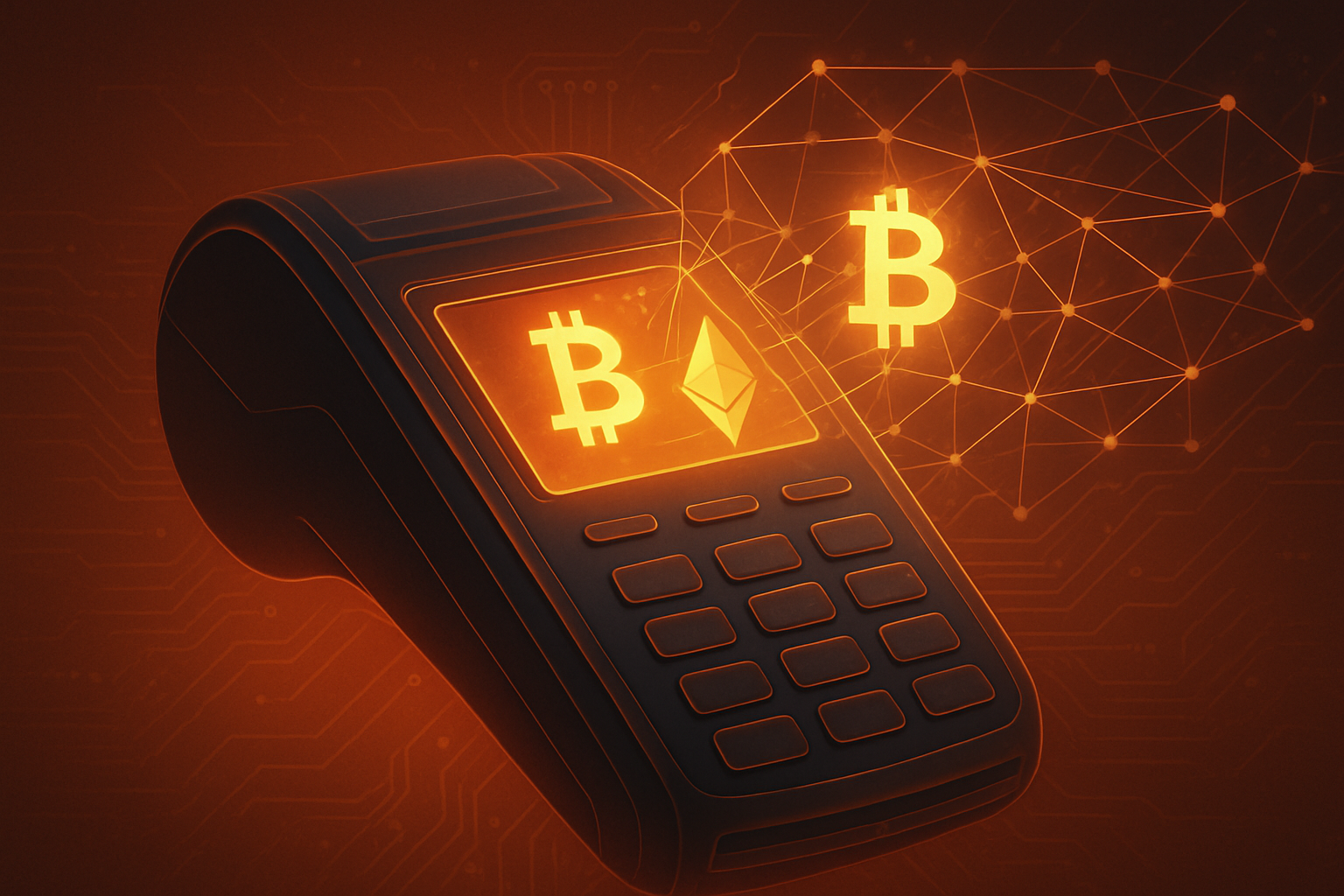
  • SpacePay’s Simple Upgrade: Turning Old Card Machines into Bitcoin Hubs, Paving the Way for Mass Crypto Adoption

    SpacePay’s Simple Upgrade: Turning Old Card Machines into Bitcoin Hubs, Paving the Way for Mass Crypto Adoption

    LONDON, UK – October 21, 2025 – A quiet revolution is underway in the world of retail payments, spearheaded by London-based fintech innovator, SpacePay. The company has introduced a groundbreaking software upgrade that promises to transform existing Android card machines into sophisticated cryptocurrency payment hubs, effectively enabling businesses to accept Bitcoin (BTC) and a multitude of other digital assets with unprecedented ease. This development, actively scaling throughout 2025 with its native $SPY token currently in a successful presale, marks a pivotal moment in bridging the chasm between traditional finance and the burgeoning digital asset economy.

    SpacePay's solution is elegant in its simplicity: a downloadable application that retrofits standard Android payment terminals. This eliminates the need for merchants to invest in expensive new hardware or undergo extensive staff training, addressing two of the most significant barriers to crypto adoption in commerce. The immediate reaction from the crypto community has been overwhelmingly positive, with significant investor interest pouring into the $SPY presale, underscoring the market's hunger for practical, real-world utility for digital currencies. This innovation isn't just about facilitating transactions; it's about making cryptocurrency an invisible, seamless part of everyday life, propelling mainstream adoption forward.

    Market Impact and Price Action

    While SpacePay's direct impact on the immediate price action of major cryptocurrencies like Bitcoin may be more gradual, its innovation is already creating ripples in the broader crypto market, particularly within the utility token and payment solution sectors. The company's native token, $SPY, is currently in a highly successful presale phase as of October 2025, having already raised over $1.3 million (some reports indicate closer to $1.419 million). This substantial investor interest signals strong confidence in SpacePay's business model and its potential to capture a significant share of the burgeoning crypto payment market.

    The structured presale of $SPY, with its tiered pricing model, has incentivized early participation, demonstrating a robust demand for tokens tied to tangible real-world applications. While specific trading volumes for $SPY are not yet public due to its presale status, the capital raised is a clear indicator of liquidity flowing into projects focused on practical utility. Analysts are comparing SpacePay's potential to past innovations that streamlined digital payments, such as early mobile payment solutions, predicting a similar trajectory for widespread integration. The emphasis on merchant protection from volatility through instant fiat conversion further de-risks crypto payments, a factor that could bolster institutional and merchant confidence, indirectly influencing the stability and perceived value of cryptocurrencies over the long term.

    Community and Ecosystem Response

    The crypto community has largely embraced SpacePay's initiative with enthusiasm, viewing it as a tangible step towards the "mass adoption" often discussed within Web3 circles. Social media platforms, particularly Crypto Twitter and Reddit, are abuzz with discussions highlighting the simplicity and potential reach of the upgrade. Influencers and thought leaders are increasingly featuring SpacePay in their analyses, often listing it among the "top crypto presales" for October 2025, praising its pragmatic approach to solving real-world payment friction.

    The sentiment generally revolves around the idea that by leveraging existing infrastructure, SpacePay bypasses many of the hurdles that have slowed down crypto's integration into daily commerce. This "low-friction" entry point for merchants is seen as a game-changer. While there are always critical assessments in the dynamic crypto market, particularly regarding tokenomics and comparative advantages, the prevailing view is that SpacePay's focus on utility and merchant benefits positions it strongly. This positive reception underscores a broader community desire for projects that deliver concrete value and move beyond speculative trading, fostering a healthier and more sustainable crypto ecosystem.

    What's Next for Crypto

    SpacePay's innovation carries profound short and long-term implications for the crypto market. In the short term, its successful presale and ongoing rollout will likely inspire further development in the crypto payment gateway sector, potentially leading to increased competition and more sophisticated solutions. This drive for real-world utility could shift investor focus from purely speculative assets to projects with clear revenue models and adoption pathways.

    Looking ahead, SpacePay represents a significant catalyst for mainstream crypto adoption. As more merchants adopt the system, the visibility and accessibility of cryptocurrency as a payment method will skyrocket, normalizing digital asset transactions for millions. Potential future developments include deeper integrations with e-commerce platforms, expansion into new geographical markets, and the addition of more advanced features for merchants. Strategic considerations for projects and investors should now heavily weigh a project's ability to demonstrate tangible utility and integrate seamlessly into existing global infrastructure. SpacePay's model, which protects merchants from volatility and offers lower transaction fees, presents a compelling scenario where crypto payments become not just an alternative, but a superior option to traditional methods, accelerating the convergence of traditional finance and digital assets.

    Bottom Line

    SpacePay's simple upgrade is more than just a technological advancement; it's a strategic maneuver that could fundamentally alter the landscape of retail payments and accelerate cryptocurrency adoption. For crypto investors and enthusiasts, the key takeaway is the validation of real-world utility. Projects like SpacePay demonstrate that the future of crypto isn't just in DeFi or NFTs, but in its practical application as a medium of exchange.

    The long-term significance lies in its potential to onboard millions of new users and businesses into the crypto ecosystem by removing traditional barriers. By making crypto payments as easy and secure as swiping a card, SpacePay is helping to demystify digital assets and integrate them into the global economy. Important metrics to monitor include the number of merchants adopting SpacePay, the total transaction volume processed, and the continued success of the $SPY token as it moves from presale to public trading. As of October 21, 2025, SpacePay stands as a testament to the ongoing evolution of cryptocurrency from a niche investment to a practical, everyday financial tool, solidifying its role in bridging the gap between digital innovation and traditional commerce.


    This article is for informational purposes only and does not constitute financial or investment advice. Cryptocurrency investments carry significant risk.
  • Coinbase Acquires Echo for $375 Million, Signaling a New Era for Onchain Fundraising

    Coinbase Acquires Echo for $375 Million, Signaling a New Era for Onchain Fundraising

    San Francisco, CA – October 21, 2025 – In a landmark move poised to reshape the landscape of crypto fundraising, Coinbase (NASDAQ: COIN) today announced its acquisition of Echo, a pioneering decentralized fundraising platform, in a deal valued at approximately $375 million, paid in a mix of cash and stock. This strategic acquisition, unveiled on October 21, 2025, positions Coinbase at the forefront of community-driven capital formation, aiming to democratize early-stage investing and significantly boost onchain community engagement.

    Echo, founded in 2024 by renowned crypto influencer Jordan Fish (aka Cobie), has rapidly emerged as a key player in the Web3 ecosystem. The platform specializes in facilitating private funding rounds and public token sales through its "Sonar" product, enabling individuals and communities to participate in investments previously reserved for institutional players. With over $200 million in funding facilitated across approximately 300 deals since its inception, Echo's integration into the Coinbase ecosystem is expected to inject unprecedented legitimacy, liquidity, and accessibility into decentralized fundraising models, potentially reviving a sector often criticized for its complexity and regulatory ambiguity.

    Market Impact and Price Action

    Given the breaking nature of this announcement, immediate, real-time market reactions are still unfolding. However, analysts and investors are keenly watching for the anticipated impact on Coinbase's stock (NASDAQ: COIN) and the broader crypto market. Historically, major acquisitions by publicly traded companies are scrutinized based on strategic rationale, acquisition price, and funding structure. For Coinbase, this move is likely to be viewed positively in the long term, as it diversifies its revenue streams beyond traditional trading fees and positions it as a leader in Web3 infrastructure.

    The $375 million valuation, comprising cash and stock, will be analyzed for its potential impact on Coinbase's balance sheet and shareholder dilution. While some initial volatility in COIN's stock price might occur as the market digests the news, the overarching sentiment is likely to lean bullish due to the clear strategic synergies. Echo, while not having a widely traded native token, impacts a network of projects and communities. Any projects that have leveraged Echo for their fundraising or are closely associated with its ecosystem may experience increased investor interest and potential token price appreciation, driven by the validation and broader reach offered by Coinbase.

    Comparing this to past events, major exchanges like Binance and Coinbase itself have consistently made strategic acquisitions to expand their ecosystems. Binance's acquisition of CoinMarketCap bolstered its data offerings, while Coinbase's past purchases like Bison Trails (blockchain infrastructure) and FairX (derivatives platform) aimed to diversify and enhance its services. These moves generally contributed to the acquirer's perceived growth and market dominance, attracting more users and capital to their respective ecosystems. The Echo acquisition fits this pattern, indicating Coinbase's commitment to building a comprehensive financial operating system for the digital asset economy.

    Community and Ecosystem Response

    The crypto community's response to Coinbase's acquisition of Echo is expected to be a vibrant mix of excitement and cautious skepticism, particularly across platforms like Crypto Twitter and Reddit.

    On one hand, proponents of mainstream adoption will likely hail the acquisition as a significant bullish signal for the entire crypto market. They will emphasize how Coinbase's robust regulatory framework, extensive user base, and institutional credibility can legitimize decentralized fundraising, making it more accessible and secure for a broader audience. Influencers aligned with institutional growth and user-friendly Web3 solutions will likely highlight the potential for simplified access to early-stage investments and increased liquidity for emerging projects.

    Conversely, a vocal segment of the Web3 community, deeply committed to the ethos of decentralization, will undoubtedly raise concerns. Questions about "selling out" and the potential for centralization of a previously decentralized platform under Coinbase's ownership will dominate discussions. "DeFi purists" and thought leaders advocating for censorship resistance and trustless systems may express skepticism about Echo's ability to maintain its decentralized spirit within a centralized corporate structure. They might warn of Coinbase gaining undue influence over capital allocation in the decentralized space, potentially stifling organic, permissionless innovation.

    The effects on related DeFi protocols, NFT projects, and other Web3 applications will be varied. For existing DeFi fundraising platforms, the Coinbase-Echo synergy could intensify competition, pushing them to innovate or specialize further. However, it could also lead to new integration opportunities if Coinbase-Echo becomes a primary on-ramp for compliant capital. NFT projects, which often rely on community-driven fundraising and DAO structures, might either gravitate towards the perceived legitimacy and reach of a Coinbase-backed platform or double down on truly decentralized launchpads to maintain community trust. For Web3 applications building DAO tooling and infrastructure, this acquisition could highlight the need for robust, open-source, and permissionless alternatives, while simultaneously setting a new standard for user-friendly, compliant DAO interfaces.

    What's Next for Crypto

    The Coinbase-Echo acquisition marks a significant inflection point, with both short-term and long-term implications for the crypto market, particularly for decentralized autonomous organizations (DAOs) and new models of crypto fundraising.

    In the short term (next 6-12 months), we can anticipate increased legitimacy for onchain fundraising, attracting a broader array of institutional and retail investors. Projects utilizing Echo's platform, now backed by Coinbase, are likely to benefit from enhanced liquidity and broader market access. This will undoubtedly intensify competitive pressure on other fundraising platforms. Crucially, Coinbase's involvement is expected to accelerate regulatory scrutiny and potentially lead to clearer guidelines for onchain fundraising, moving towards more compliant token offerings, such as Security Token Offerings (STOs) or hybrid models.

    Looking at the long term (beyond 12 months), this acquisition signals a continued hybridization of CeFi and DeFi fundraising, blending the security and user-friendliness of centralized finance with the transparency and community-driven aspects of decentralized finance. Coinbase could leverage Echo to develop standardized, compliant frameworks for DAO fundraising and governance, offering tools for treasury management, voting, and legal compliance. This could establish Coinbase-Echo as a primary gateway for institutional investors to participate in decentralized capital formation, reshaping the venture capital landscape in crypto by empowering community investors.

    For DAOs, this move could significantly accelerate their professionalization and mainstream adoption, providing robust, compliant tools for treasury management and secure onchain governance. Regarding new models of crypto fundraising, the acquisition reinforces the shift towards compliant, community-driven models, including real-world asset (RWA) tokenization and regulated DeFi fundraises, moving away from purely speculative launches.

    Several catalysts warrant close observation: the development of clear regulatory frameworks, particularly in the U.S., will be paramount. The speed and seamlessness of Echo's technological integration into Coinbase's ecosystem will determine user experience and security. Institutional adoption metrics, such as the volume of capital flowing into new token offerings and DAOs via Coinbase-Echo, will be key indicators of success. Furthermore, competitive responses from other major exchanges and the ongoing decentralization vs. centralization debate will shape the market's trajectory.

    Strategically, projects seeking funding will increasingly need to prioritize regulatory compliance and consider leveraging centralized on-ramps like Coinbase-Echo for broader reach. Investors will need to conduct thorough due diligence, evaluating not just technological innovation but also regulatory compliance and long-term business models. The emergence of a "Compliant Innovation Hub" is a highly likely scenario, where Coinbase-Echo attracts significant institutional capital. However, a "Decentralization Dilemma," leading to a bifurcation of compliant vs. permissionless DeFi, also remains a strong possibility.

    Bottom Line

    The acquisition of Echo by Coinbase for $375 million is a pivotal moment for the crypto industry, underscoring Coinbase's aggressive strategic expansion into the core infrastructure of Web3 fundraising. For crypto investors and enthusiasts, the key takeaway is Coinbase's commitment to building a comprehensive financial operating system for the digital asset economy, which now includes sophisticated onchain capital formation tools. This move promises to increase utility and simplify the on-ramping process for mainstream users seeking to participate in early-stage crypto projects and DAOs.

    The long-term significance for crypto adoption cannot be overstated. By bridging the gap between centralized exchanges and decentralized fundraising, Coinbase-Echo has the potential to enhance the user experience, standardize fundraising practices, and unlock new business models within the creator economy. It provides a more regulated and trusted avenue for capital deployment into the nascent Web3 space, potentially accelerating mainstream and institutional adoption.

    Final thoughts suggest that this acquisition will intensify the ongoing debate between centralized efficiency and decentralized ethos. While some purists may view it with skepticism, fearing a compromise of core decentralization principles, Coinbase's history indicates a focus on fostering responsible innovation and regulatory clarity. This will undoubtedly place competitive pressure on other exchanges to develop similar integrated fundraising solutions.

    Important dates, events, and metrics to monitor include the integration roadmap and product rollouts from Coinbase-Echo throughout Q4 2025 and 2026, focusing on new features for user profiles, fundraising mechanisms, and DAO tooling. User adoption metrics, specifically the number of new projects launched and capital raised through the platform, will be crucial. Regulatory developments from global bodies, especially regarding token classifications and DAO legal structures, will continue to shape the environment. Finally, competitor reactions and any new monetization strategies for the Coinbase-Echo platform will provide further insights into the evolving landscape of crypto fundraising.


    This article is for informational purposes only and does not constitute financial or investment advice. Cryptocurrency investments carry significant risk.

  • Solana Co-Founder Anatoly Yakovenko Unveils ‘Percolator’ DEX, Igniting DeFi Perpetual Wars

    Solana Co-Founder Anatoly Yakovenko Unveils ‘Percolator’ DEX, Igniting DeFi Perpetual Wars

    October 21, 2025 – Anatoly Yakovenko, the visionary co-founder and CEO of Solana Labs, has sent ripples through the decentralized finance (DeFi) landscape with the unveiling of 'Percolator,' an ambitious new decentralized perpetual futures exchange (DEX) slated for the Solana blockchain. Announced through GitHub documentation on October 19, 2025, and rapidly spreading across crypto news outlets by October 20th and 21st, Percolator aims to be a high-speed, self-custodial platform for trading perpetual futures contracts.

    This strategic move comes as a direct response to the significant growth of competing perpetual DEXs like Hyperliquid and Astar, which have seen considerable user and revenue migration, particularly from Solana, throughout 2025. Percolator is designed to leverage Solana's inherent speed and scalability through an innovative "sharded matching engine" architecture, promising CEX-level execution speeds and capital efficiency. While core data structures are "implementation-ready" and the project is "deep in testing," key features such as the liquidation engine are still under development. The immediate market and community response have been largely positive, with high expectations for its potential to revitalize Solana's DeFi sector and intensify the ongoing "DEX wars."

    Market Impact and Price Action

    The announcement of Percolator DEX by a figure as prominent as Anatoly Yakovenko has naturally spurred immediate, albeit nuanced, reactions across relevant crypto assets. Between October 19 and 21, 2025, the market observed distinct, yet largely anticipatory, price movements for Solana (SOL), Hyperliquid (HYPE), and Astar (ASTR) tokens. Given the nascent stage of Percolator's public disclosure, these initial reactions reflect speculative sentiment rather than fully realized impacts.

    Solana (SOL) experienced a mixed, yet generally stable to slightly positive, initial reaction. On October 19, SOL saw a modest gain of 0.17%, followed by a 0.95% increase on October 20. However, the token faced a downturn on October 21, declining by approximately 2.93% amidst broader market fluctuations. Despite this daily dip, the overall sentiment for SOL during this period suggested an underlying optimism, driven by the prospect of a new, high-performance native DeFi primitive. This positive outlook was further underscored by a surge in Solana's market activity, with on-chain data revealing a significant increase in trading volumes, and futures open interest surpassing $8 billion, indicating heightened investor participation and confidence in the ecosystem's future.

    In contrast, Hyperliquid's associated token, HYPE, which had been experiencing a downtrend prior to the Percolator announcement, showed signs of stabilization or a slight rebound within this narrow window. While HYPE had tumbled sharply from above $45 earlier in October, its price on October 21 hovered around $38.63, reflecting a modest 0.92% 24-hour increase. This suggests that while Percolator poses a long-term competitive threat, Hyperliquid's established liquidity and robust trading volumes (reported at approximately $295 million in 24-hour volume for its token, and $7.87 billion in 24-hour futures volume) allowed it to absorb the initial news without a dramatic immediate negative impact. Its significant market share and established user base provide a strong buffer against nascent competition.

    Astar's token (ASTR) exhibited a more immediate negative reaction. After a period of relative stability, ASTR experienced a notable dip on October 21, with expert predictions indicating a decline of over 12%. This suggests that Astar, despite its recent achievement of temporarily surpassing Hyperliquid in daily trading volume (reaching $14.5 billion in 24-hour trades at one point), is perceived as more vulnerable to a direct challenge from a well-backed, architecturally innovative platform like Percolator. Its 24-hour trading volume was reported around $5.81 million, indicating a lower liquidity depth compared to Hyperliquid, which might make it more susceptible to sentiment-driven price shifts. The intensified competition in the perpetual DEX sector is clearly impacting market participants' outlook on existing players.

    Community and Ecosystem Response

    The announcement of Percolator DEX by Anatoly Yakovenko has been met with a fervent and largely enthusiastic response across the crypto community, particularly within the Solana ecosystem. The news, initially shared via GitHub documentation and quickly amplified across social media, has sparked widespread discussion about Solana's renewed push into the decentralized perpetuals market.

    Social media sentiment has been overwhelmingly positive, with many Solana enthusiasts expressing excitement about Yakovenko's direct involvement. Community discussions highlight the potential for Percolator to address Solana's perceived lag in the perpetuals trading sector and attract significant liquidity back to the network. There was a brief, albeit notable, instance of speculative fervor when Solana users launched a meme coin named after "Percolator." This token's market capitalization briefly soared to $6.23 million before crashing by nearly 80% after Yakovenko clarified that the underlying code was an AI test and not an official Solana Labs launch. Despite this, the core concept continued to resonate, with community members expressing intent to build upon the idea themselves, viewing Yakovenko's invitation to "steal the idea" as an open call for innovation.

    Crypto influencers and thought leaders quickly weighed in, further amplifying the conversation. Andre Cronje, founder of Yearn Finance, humorously remarked, "Didn't read. Aped. If I lose my money, I am blaming you," signaling early, albeit lighthearted, enthusiasm. Mert Mumtaz of Helius Labs praised Yakovenko's hands-on approach, emphasizing that such active experimentation by network founders is vital for dynamic ecosystems. Other prominent voices on X (formerly Twitter) like Crypto Rover (@rovercrc) and DustyBC Crypto (@TheDustyBC) shared the news, underscoring the significance of a native, high-performance derivatives venue for Solana. These reactions collectively highlight the community's belief in Yakovenko's ability to deliver impactful solutions and the strategic importance of a robust perpetual DEX for Solana's DeFi aspirations.

    Percolator DEX is explicitly positioned as a direct challenger to established decentralized perpetual futures exchanges, notably Hyperliquid and Astar. Hyperliquid, in particular, has been successful in attracting "high-value users" and revenue away from Solana throughout 2025. Percolator aims to reverse this trend by leveraging Solana's high-throughput architecture and its novel "sharded matching engine" design to offer CEX-level execution speeds. If successful, Percolator could become one of Solana's most pivotal DeFi projects, demonstrating the network's capacity for sophisticated, exchange-grade workloads entirely on-chain. This is anticipated to attract fresh capital, boost Solana's Total Value Locked (TVL), and incentivize more developers and liquidity providers to engage with the network, especially following a recent downturn in Solana's meme coin market. The broader DeFi landscape is watching closely as this new entrant intensifies competition in a sector that saw over $1 trillion in trading volume in September 2025, further illustrating the heated "DEX wars" and Solana's ambition to solidify its position as a leading DeFi hub.

    What's Next for Crypto

    The emergence of Percolator DEX represents a pivotal moment for the crypto market, with both short-term and long-term implications for the decentralized finance sector, particularly within the perpetual futures trading landscape. As of October 21, 2025, the industry is keenly watching for the next developments from Anatoly Yakovenko's ambitious project.

    In the short term (next 6-12 months), Percolator is poised to significantly intensify competition within the Solana ecosystem for perpetual DEXs, potentially spurring innovation and leading to better offerings from existing platforms. A successful launch could trigger notable liquidity shifts, attracting substantial trading volume and capital back to Solana that had previously migrated to competitors like Hyperliquid. This enhanced visibility for Solana's DeFi capabilities, driven by Yakovenko's direct involvement and the advanced technical architecture, could serve as a crucial catalyst for overall ecosystem growth, especially after a period where meme coin activity on Solana had slowed. The initial rollout and attraction of liquidity providers will be critical indicators of its immediate impact.

    Looking further ahead (beyond 12 months), Percolator's innovative "sharded matching engine" design could establish a new benchmark for decentralized exchange architecture. By demonstrating CEX-level execution speeds and capital efficiency on-chain, it has the potential to accelerate the migration of derivatives trading from centralized platforms to decentralized ones, appealing particularly to institutional participants seeking transparent and self-custodial options. This could spur broader DeFi innovation, leading to the development of more complex financial primitives and institutional-grade applications on Solana and other high-performance blockchains. However, the growth of such sophisticated decentralized derivatives platforms may also attract increased regulatory scrutiny, potentially leading to new guidelines or restrictions for the broader DeFi market, a factor that investors and projects must consider.

    Several catalysts and developments bear watching. The successful completion and robust testing of critical modules, especially the liquidation engine, and a smooth public launch are paramount. The ability to attract a diverse and deep pool of liquidity providers to operate the independent "slabs" will be crucial for competitive pricing and efficient execution. Given its open-source nature, strong engagement from external developers contributing to and building upon Percolator's framework would signal robust growth. Furthermore, seamless integrations with other Solana DeFi protocols (lending, stablecoins, wallets) will enhance its utility and user experience. The continued stability and high throughput of the Solana blockchain, which has recently achieved 623 consecutive days without an outage, will also underpin Percolator's reliability.

    Strategic considerations for projects and investors are significant. Solana-based projects should explore integration opportunities with Percolator, leveraging its deep liquidity. Competing perpetual DEXs, such as Hyperliquid and Astar, will need to innovate rapidly, potentially adopting similar architectures or enhancing incentive programs to retain market share. For investors, a successful Percolator could significantly boost Solana's value proposition, making SOL an attractive investment. If Percolator introduces a native token (currently unannounced), early participation could offer upside, albeit with inherent risks. Investors must conduct thorough due diligence, weighing high return potential against execution risks, intense competition, and market volatility.

    Possible scenarios for Percolator range from dominant success, where it captures substantial market share from competitors, to becoming a niche leader within the Solana ecosystem, or even limited adoption. The likelihood of dominant success hinges on strong execution, robust security, and widespread adoption, leveraging its innovative architecture. The current market, with perpetual futures DEX volumes topping $1 trillion in September 2025, presents a massive opportunity for a high-performance entrant like Percolator.

    Bottom Line

    Anatoly Yakovenko's ambitious 'Percolator' DEX represents a significant strategic play for the Solana ecosystem and a potential game-changer for the broader decentralized perpetual futures market. As of October 21, 2025, the project is rapidly advancing, poised to deliver a high-performance, self-custodial trading experience directly on the Solana blockchain.

    For crypto investors and enthusiasts, the key takeaways are clear: Percolator aims to offer ultra-fast execution speeds and near-zero gas fees, a compelling advantage in the competitive DeFi landscape. Its innovative "sharded matching engine" architecture, with independent "slabs" managed by liquidity providers and a central "Router" program, promises enhanced efficiency, isolated risk, and CEX-level performance. This self-custodial design aligns with core DeFi principles, offering improved security. Yakovenko's direct involvement underscores a strong commitment from the Solana ecosystem, positioning Percolator as a crucial catalyst to reclaim market share from competitors like Hyperliquid and Astar, potentially driving increased on-chain activity and demand for the Solana (SOL) token. However, investors must acknowledge the competitive landscape and the inherent execution risks, as critical components like the liquidation engine are still under development. The experimental integration of AI tools like Claude in its development process also signals a forward-thinking approach to building robust DeFi infrastructure.

    The long-term significance of Percolator extends beyond Solana. It could profoundly strengthen Solana's DeFi infrastructure, attracting more traders, liquidity, and developers, especially as the network seeks to diversify beyond meme coin activity. Its novel architecture has the potential to set new industry standards for DEX design, pushing the boundaries of what's possible in decentralized trading and influencing future platforms across the industry. This intensified competition is expected to accelerate innovation, leading to better products and services for users across the entire DeFi space. Furthermore, Solana's improving technical stability, coupled with Percolator's focus on execution quality, could attract institutional capital, further legitimizing and maturing the decentralized derivatives market.

    Ultimately, Percolator DEX has the potential to significantly contribute to broader crypto adoption by lowering barriers to entry for decentralized perpetual futures trading, making it more accessible and appealing to a wider audience. By enhancing trust through its self-custodial and risk-isolated design, it can attract users accustomed to centralized platforms. Its ability to rival CEX performance could accelerate the ongoing migration of derivatives trading to decentralized platforms, fostering DeFi's continued growth and maturity. A successful launch would also showcase Solana's robust capabilities for hosting complex, high-throughput financial applications, solidifying its position as a leading blockchain for future innovation.

    Important dates, events, and metrics to monitor include the official public launch date (yet to be announced), the successful completion and robust security audits of critical modules like the liquidation engine, and initial performance metrics post-launch. Key metrics to track will be trading volume, Total Value Locked (TVL), user numbers, and the platform's ability to deliver on its promise of low fees and efficient execution. Any further announcements from Anatoly Yakovenko or the development team, along with the degree of integration within the broader Solana DeFi ecosystem and the continued health of the Solana network, will be crucial indicators of Percolator's long-term success and its impact on the evolving crypto landscape.


    This article is for informational purposes only and does not constitute financial or investment advice. Cryptocurrency investments carry significant risk.

  • Centralized Exchanges Remain Criminals’ Top Choice for Crypto Laundering Amidst Escalating Scrutiny

    Centralized Exchanges Remain Criminals’ Top Choice for Crypto Laundering Amidst Escalating Scrutiny

    October 21, 2025 – A recent surge in illicit cryptocurrency activity has cast a stark light on a persistent problem: centralized exchanges (CEXs) continue to be the primary conduit for money laundering in the digital asset space. Despite intensified global regulatory efforts and significant enforcement actions in 2024 and 2025, reports from leading blockchain analysis firms indicate that billions of dollars in illicit funds are still flowing through these platforms, posing a critical challenge to the integrity and security of the broader crypto ecosystem. This alarming trend underscores a crucial regulatory and security dilemma, demanding focused attention to safeguard legitimate users and foster responsible innovation.

    The revelation that CEXs, rather than more obscure methods like mixers, remain criminals' preferred tool for obfuscating illicit gains has sent ripples across the crypto community. While there hasn't been an immediate, dramatic market crash directly attributable to this ongoing issue, the consistent flow of illicit funds through regulated platforms fuels concerns about systemic risk, potential for increased regulatory overhead, and a chilling effect on institutional adoption. For an industry striving for mainstream acceptance, the continued exploitation of its core infrastructure by criminal elements presents a significant reputational and operational hurdle, potentially influencing future legislative actions and public perception.

    Market Impact and Price Action

    While no single token or coin experienced a direct, sharp price movement solely due to the ongoing reports of CEX money laundering, the cumulative effect of persistent illicit activity and subsequent regulatory crackdowns has contributed to a cautious market sentiment throughout 2024 and 2025. Major cryptocurrencies like Bitcoin (BTC) and Ethereum (ETH) have seen their price actions influenced by the broader narrative of regulatory uncertainty and security vulnerabilities within the centralized crypto landscape. Trading volumes on CEXs, while still substantial, have faced scrutiny, with some investors potentially shifting assets to self-custody or decentralized finance (DeFi) platforms to mitigate perceived risks associated with centralized intermediaries.

    The market has reacted to specific regulatory enforcement actions, such as the monumental $4.3 billion penalty levied against Binance (privately held) in November 2024 for AML failures, and KuCoin (privately held) pleading guilty in January 2025 to operating an unlicensed money-transmitting business, resulting in nearly $300 million in fines. These events, rather than the general reports of money laundering, have historically caused temporary dips in market confidence and trading activity on the affected exchanges, with users often withdrawing funds en masse. However, the broader market has shown resilience, often re-establishing key support levels as the industry adapts to stricter compliance requirements.

    Technical analysis reveals that the crypto market's overall trajectory in late 2024 and 2025 has been a complex interplay of macroeconomic factors, technological advancements, and regulatory developments. The ongoing issue of illicit finance on CEXs acts as a persistent headwind, preventing sustained bullish momentum by introducing an element of systemic risk. Comparison to similar past events, such as the 2022 FTX collapse, highlights that while direct money laundering isn't an exchange solvency issue, it erodes trust and invites more stringent oversight, which can indirectly impact market liquidity and investment appetite.

    Community and Ecosystem Response

    The crypto community's response to the enduring challenge of money laundering on centralized exchanges is multifaceted. On platforms like Crypto Twitter and Reddit, discussions often revolve around the tension between regulatory necessity and individual privacy. While many acknowledge the imperative for robust Anti-Money Laundering (AML) and Know Your Customer (KYC) protocols, there's also a vocal segment advocating for greater decentralization and self-custody solutions as a means to circumvent centralized points of failure and surveillance. The consistent reports of illicit funds flowing through CEXs often fuel the "not your keys, not your crypto" mantra, encouraging users to explore non-custodial wallets and DeFi protocols.

    Crypto influencers and thought leaders have largely echoed the sentiment that CEXs must enhance their security and compliance frameworks. Many point to the substantial fines and legal actions against major exchanges as evidence that regulators are serious, and that platforms failing to adapt risk severe consequences. There's a growing call for CEXs to invest more heavily in advanced on-chain analytics, AI-driven anomaly detection, and cross-platform intelligence sharing to proactively identify and block suspicious transactions. The ongoing hacks targeting CEXs, such as the $1.4 billion Bybit breach and incidents at CoinDCX and WOO X in 2025, further amplify concerns about the security vulnerabilities that criminals exploit.

    The persistent issues within CEXs have also inadvertently boosted interest in related DeFi protocols and Web3 applications that prioritize user anonymity and decentralized governance. While DeFi itself is not immune to illicit activity, its architecture often presents different challenges for law enforcement and offers users more control over their assets. However, the majority of fiat on-ramps and off-ramps still rely on centralized exchanges, meaning the broader crypto ecosystem remains heavily reliant on these platforms to bridge the gap between traditional finance and digital assets. This interdependence ensures that the security and regulatory health of CEXs will continue to be a paramount concern for the entire Web3 space.

    What's Next for Crypto

    The persistent use of centralized exchanges for money laundering points to several key developments on the horizon for the crypto market. In the short term, expect continued and intensified regulatory pressure on CEXs globally. Regulators like FinCEN in the US are likely to further lower reporting thresholds and mandate advanced on-chain monitoring solutions, building on the expanded record-keeping and travel rules implemented in 2024. European and Asian regulators will likely follow suit, creating a more harmonized yet stringent global compliance landscape. This could lead to increased operational costs for exchanges and potentially impact their profitability, which may indirectly affect trading fees and service offerings for users.

    In the long term, the industry faces a critical juncture. The ongoing cat-and-mouse game between criminals and compliance teams will drive significant innovation in blockchain forensics, AI-powered transaction monitoring, and identity verification technologies. Projects that can offer robust, scalable, and privacy-preserving AML/KYC solutions will be highly sought after. Strategic considerations for projects and investors will increasingly center on the regulatory posture of exchanges, their security track record, and their commitment to combating illicit finance. Exchanges operating in jurisdictions with lax oversight may find themselves isolated or subject to cross-border enforcement actions.

    Possible scenarios include a bifurcation of the crypto market: highly regulated, compliant CEXs catering to institutional and mainstream users, and a more niche, privacy-focused segment of DeFi and decentralized exchanges (DEXs for those prioritizing anonymity, albeit with higher inherent risks and less liquidity for fiat conversion. The likelihood of a complete eradication of illicit activity is low, but the continuous tightening of controls and technological advancements aims to make money laundering significantly more difficult and less profitable on centralized platforms, pushing criminals towards less efficient and more traceable methods.

    Bottom Line

    For crypto investors and enthusiasts, the enduring challenge of money laundering on centralized exchanges serves as a critical reminder of the industry's ongoing maturation process. Key takeaways include the imperative for due diligence when choosing a CEX, prioritizing platforms with strong regulatory compliance, robust security measures, and a transparent track record. The significant fines levied against major players like Binance and KuCoin underscore that regulatory bodies are not only watching but are prepared to act decisively.

    The long-term significance of this issue cannot be overstated; it directly impacts crypto adoption, institutional participation, and the industry's reputation. As digital assets become more integrated into the global financial system, the ability to prevent and prosecute illicit financial flows will be paramount. A failure to adequately address this issue risks stifling innovation through over-regulation or, worse, cementing crypto's image as a haven for criminals.

    Important metrics to monitor include the volume of illicit funds detected on CEXs (hopefully trending downwards), the effectiveness of new regulatory frameworks, and the rate of adoption of advanced compliance technologies by exchanges. Upcoming events, such as potential new FinCEN guidance in 2025 and further actions from FATF, will be crucial indicators of the evolving landscape. Ultimately, the crypto community's collective effort to champion security, transparency, and compliance will determine the future trajectory of digital assets as a legitimate and trusted financial paradigm.


    This article is for informational purposes only and does not constitute financial or investment advice. Cryptocurrency investments carry significant risk.