Tag: Web3

  • Standard Chartered CEO Declares: All Transactions Will Eventually Settle on Blockchain Rails, Signaling a Complete Rewiring of Global Finance

    Standard Chartered CEO Declares: All Transactions Will Eventually Settle on Blockchain Rails, Signaling a Complete Rewiring of Global Finance

    HONG KONG – November 8, 2025 – In a landmark declaration that reverberated through the global financial landscape, Standard Chartered (LSE: STAN) CEO Bill Winters asserted during Hong Kong FinTech Week on November 3, 2025, that "pretty much all transactions will settle on blockchains eventually, and that all money will be digital." This bold vision, shared with Hong Kong's leadership, signals nothing less than a "complete rewiring of the financial system," underscoring a fundamental shift from traditional financial infrastructures to a blockchain-native paradigm.

    Winters' pronouncement, coming from the head of a major international banking group, is a powerful validation of blockchain technology's inevitable role in the future of finance. It moves the conversation beyond speculative hype, firmly planting the flag for a future where digital assets and distributed ledger technology are the backbone of global commerce. For the burgeoning crypto ecosystem, this isn't just a nod of approval; it's a strategic roadmap from a traditional finance titan, suggesting that the lines between conventional banking and decentralized finance are set to blur dramatically, with blockchain emerging as the unifying layer.

    Market Impact and Price Action

    While Winters' statements are still fresh, having been made just five days ago, the long-term implications for the crypto market are profound, even if immediate, dramatic price action isn't yet fully quantifiable. Such a definitive stance from a global banking CEO typically injects a significant dose of institutional confidence into the digital asset space. While specific tokens might not have seen immediate, parabolic surges directly attributable to this single statement, the overarching sentiment it cultivates is undeniably bullish for the entire sector.

    The declaration reinforces the narrative of increasing institutional adoption, which has historically been a strong catalyst for market growth. It suggests a future where the total addressable market for blockchain-based solutions expands exponentially, potentially driving up demand for foundational cryptocurrencies like Bitcoin (BTC) and Ethereum (ETH), as well as utility tokens underpinning various DeFi protocols and enterprise blockchain solutions. Trading volumes for institutional-grade digital assets are likely to see sustained growth as more traditional players begin to build out their blockchain strategies, aligning with Winters' vision. This macro-level endorsement acts as a strong psychological support, potentially firming up key support levels across the market and mitigating downside risk in the long run. Comparisons to past events, such as major corporations adding Bitcoin to their balance sheets or large financial institutions launching crypto services, suggest that such institutional validation often precedes periods of sustained market appreciation, albeit with typical crypto market volatility.

    Community and Ecosystem Response

    The crypto community has largely welcomed Winters' comments as a significant milestone, interpreting it as further evidence of blockchain's inevitable triumph. Social media platforms like Crypto Twitter and Reddit have seen a surge in discussions, with many influencers and thought leaders highlighting the validation these statements bring to years of decentralized innovation. The sentiment is overwhelmingly positive, with many seeing it as a clear signal that traditional finance is not only acknowledging but actively planning for a blockchain-centric future.

    Reactions from prominent figures within the crypto space range from triumphant "we told you so" declarations to thoughtful analyses of the challenges and opportunities this "rewiring" presents. This institutional endorsement is expected to bolster confidence in related DeFi protocols, which are already building the decentralized infrastructure for a blockchain-native financial system. NFT projects and Web3 applications, which rely on the underlying blockchain rails, also stand to benefit from the broader acceptance and development of this foundational technology, potentially attracting more users and capital as the mainstream narrative shifts. The emphasis on experimentation and collaboration between traditional finance and crypto-native firms is particularly well-received, fostering a sense of a symbiotic future rather than an adversarial one.

    What's Next for Crypto

    The "complete rewiring" envisioned by Bill Winters implies a future where the very plumbing of global finance is fundamentally restructured. Short-term, this means an intensified focus on developing robust, scalable, and compliant blockchain infrastructure capable of handling the immense volume of global transactions. We can anticipate accelerated research and development in areas like interoperability, privacy solutions (e.g., zero-knowledge proofs), and regulatory frameworks tailored for digital assets. Hong Kong's leadership in balancing innovation with regulation, as praised by Winters, will likely serve as a model for other jurisdictions.

    Long-term, the implications are vast. Banks will need to rapidly evolve their business models, transforming into digital asset platforms, providers of advanced custodial and compliance services, or builders of end-to-end tokenized infrastructure for institutional clients. This represents both an "offensive" strategy to capture new markets and a "defensive" one to prevent disintermediation by decentralized alternatives. Potential catalysts to watch include the further development and adoption of central bank digital currencies (CBDCs), the proliferation of stablecoins for international trade (such as Hong Kong dollar stablecoins), and the tokenization of a wider array of real-world assets. Projects and investors should strategically consider protocols and platforms that prioritize security, scalability, regulatory compliance, and seamless integration with existing financial systems, as these will be crucial for facilitating this grand transition.

    Bottom Line

    Bill Winters' unequivocal assertion that all transactions will eventually settle on blockchain rails is a pivotal moment for the cryptocurrency and blockchain ecosystem. It underscores the long-term significance of this technology, moving it from a niche innovation to the very foundation of future global finance. For crypto investors and enthusiasts, the key takeaway is clear: institutional adoption is not a question of 'if' but 'when,' and major players are actively preparing for this shift.

    The assessment of long-term significance points to a future where traditional banking and decentralized finance converge on shared blockchain infrastructure, fostering greater efficiency, transparency, and accessibility. Investors should monitor developments in regulatory clarity, advancements in blockchain scalability solutions, and the pace of collaboration between traditional financial institutions and crypto-native firms. Key metrics to watch include the growth in institutional digital asset trading volumes, the expansion of tokenized asset markets, and the progress of pilot programs for CBDCs and stablecoins. Winters' vision paints a compelling picture of a future where digital money and blockchain-settled transactions are the norm, marking a new era for global finance.


    This article is for informational purposes only and does not constitute financial or investment advice. Cryptocurrency investments carry significant risk.


  • The Quantum Countdown: Bitcoin’s 2028 Doomsday Clock Ticks Louder

    The Quantum Countdown: Bitcoin’s 2028 Doomsday Clock Ticks Louder

    November 7, 2025 – The cryptocurrency world finds itself gazing at an increasingly ominous deadline: March 8, 2028. This is the date predicted by the "Quantum Doomsday Clock" for when quantum computers could become powerful enough to shatter the cryptographic foundations of Bitcoin and other major cryptocurrencies. With less than two and a half years remaining, this long-standing theoretical threat is rapidly transforming into an urgent reality, sending ripples of concern through the digital asset ecosystem.

    Developed by Dr. Richard Carback, founder of the quantum-resistant xx network, and Colton Dillion, co-founder of Gentlemen Labs, the Quantum Doomsday Clock aims to quantify the timeline for quantum machines to achieve "quantum supremacy" over current cryptographic systems. Their model, which analyzes qubit growth curves and error rate assumptions from industry giants like IBM (NYSE: IBM) and Google (NASDAQ: GOOGL), suggests that the 1,673 logical qubits needed to break Bitcoin's ECC-256 encryption could be achieved by the ominous 2028 date. The proximity of this deadline has already begun to manifest in theoretical market volatility and heightened community discussions around the existential threat of "Harvest Now, Decrypt Later" (HNDL) attacks, where adversaries collect public key data today to decrypt with future quantum computers. Indeed, a significant market downturn in October 2025 was partly catalyzed by the accelerated threat perception posed by quantum computing, demonstrating the market's fragility to such fundamental concerns.

    This looming deadline is not merely a technical curiosity; it represents a fundamental challenge to the security, decentralization, and very existence of Bitcoin and the broader crypto ecosystem. The integrity of billions of dollars in digital assets, secured by cryptographic principles currently considered unassailable by classical computers, hangs in the balance. The industry's response to this ticking clock will determine the future trajectory of decentralized finance.

    Market Impact and Price Action

    While the ultimate "Q-day" remains in the future, the increasing specificity and proximity of the Quantum Doomsday Clock's prediction are already fueling theoretical market reactions. The October 2025 market downturn, partly attributed to an accelerated quantum threat perception, served as a stark reminder of how deeply emotional and speculative the crypto market can be. This event saw a reported $16.6 billion long squeeze and a temporary collapse of confidence, illustrating that even the threat of quantum capabilities can trigger significant financial tremors long before any actual cryptographic breach occurs.

    In the lead-up to March 2028, the market is expected to exhibit heightened volatility, particularly around any news concerning quantum computing breakthroughs or setbacks. Rumors, legitimate or otherwise, about quantum computers nearing the threshold for breaking Bitcoin's encryption could trigger flash crashes, rapid sell-offs, and algorithmic liquidations. Such events would likely lead to a dramatic reduction in trading volume and liquidity for vulnerable assets, as investors rush to de-risk or migrate their holdings.

    The technical analysis of Bitcoin (BTC) and other cryptocurrencies would likely reflect this underlying anxiety. Key support levels could be tested repeatedly, and resistance levels would become harder to breach as quantum fears weigh on investor sentiment. Comparisons to past FUD (Fear, Uncertainty, Doubt) events, such as regulatory crackdowns or major exchange hacks, suggest that while markets often recover, the quantum threat is unique in its potential to undermine the very cryptographic bedrock of digital assets, making recovery more complex without fundamental protocol changes.

    Community and Ecosystem Response

    The crypto community is increasingly grappling with the urgency of the quantum threat. Social media platforms, particularly Crypto Twitter and Reddit, are abuzz with discussions ranging from panicked warnings to calls for immediate action and skeptical dismissals of the 2028 timeline. A predominant sentiment is the intensified call for users to migrate their Bitcoin holdings to quantum-resistant addresses, acknowledging the growing concern over HNDL attacks.

    Crypto influencers and thought leaders are actively engaging in the debate, with many emphasizing the need for proactive measures rather than reactive panic. Discussions often revolve around the viability and timeline of implementing post-quantum cryptography (PQC) solutions. There's a heightened focus on Bitcoin Improvement Proposals (BIPs) like BIP 360, which aims to introduce new address types incorporating quantum-resistant signature algorithms such as Dilithium, Falcon, or SPHINCS+. Another controversial proposal, BIP-QShield, drafted in July 2025, suggests isolating "quantum vulnerable" Bitcoins—including Satoshi Nakamoto's holdings—by permanently excluding them from on-chain transactions to prevent potential quantum theft. Such drastic measures underscore the severity of the perceived threat and the community's willingness to consider radical solutions.

    Beyond Bitcoin, the entire ecosystem of related DeFi protocols, NFT projects, and Web3 applications built upon similar cryptographic primitives faces the same existential threat. Projects are beginning to explore their own pathways to quantum resistance, either by adopting PQC standards or by monitoring the progress of underlying blockchain upgrades. The urgency is palpable, as the failure of a foundational layer like Bitcoin could have cascading effects across the entire decentralized landscape.

    What's Next for Crypto

    The ticking Quantum Doomsday Clock presents both an immense challenge and a powerful catalyst for innovation in the crypto space. In the short term, the market will likely remain highly sensitive to any news related to quantum computing advancements or significant PQC developments. We can expect continued volatility and a growing divergence between assets perceived as quantum-vulnerable and those actively pursuing quantum-resistant solutions.

    Long-term implications point towards a fundamental shift in cryptographic standards across the entire blockchain industry. The urgent adoption of post-quantum cryptography (PQC) is no longer a theoretical exercise but an imperative. Key catalysts to watch include the ongoing standardization efforts by the U.S. National Institute of Standards and Technology (NIST), which has selected several PQC candidates like ML-DSA (Module-Lattice Digital Signature Algorithm). Successful integration of these NIST-approved algorithms into major cryptocurrencies, particularly Bitcoin, will be a critical turning point. Companies like BTQ Technologies (CSE: BTQ) have already demonstrated quantum-safe Bitcoin implementations, replacing ECDSA signatures with ML-DSA in their "Bitcoin Quantum Core 0.2," showcasing a viable path forward. The Quantum Resistant Ledger (QRL) has also been a pioneer in this space since its inception.

    Strategic considerations for projects and investors are clear: projects must prioritize PQC integration, either through direct implementation or by ensuring compatibility with underlying quantum-resistant blockchain upgrades. Investors, in turn, should assess the quantum readiness of their portfolios and consider diversifying into assets that are actively addressing this threat. Possible scenarios range from a successful, coordinated migration to PQC across the industry, ensuring the long-term security of digital assets, to a more fragmented transition, or even, in the worst case, catastrophic failures if the threat is underestimated or inadequately addressed. While some experts maintain a more conservative timeline for "Q-day," pushing it to 2030 or 2035, the 2028 prediction serves as a critical call to action.

    Bottom Line

    The Quantum Doomsday Clock's prediction of Bitcoin's potential vulnerability by March 8, 2028, is a defining challenge for the cryptocurrency industry. For crypto investors and enthusiasts, the key takeaway is the absolute necessity of staying informed and proactive. While the threat is complex, the industry is not standing still. Monitoring the progress of NIST PQC standardization, the development and adoption of quantum-resistant BIPs within Bitcoin, and the advancements in logical qubit counts and error correction rates by quantum computing companies will be crucial.

    The long-term significance of this threat cannot be overstated. It forces the crypto community to confront and adapt to a fundamental technological shift. Successfully navigating the quantum transition could ultimately strengthen the cryptographic foundations of digital assets, paving the way for even greater security and resilience in the future. Conversely, a failure to adapt could severely hinder broader crypto adoption and undermine confidence in decentralized systems.

    Important dates and metrics to monitor include the aforementioned March 8, 2028, NIST's ongoing PQC standardization updates, and any announcements from major quantum computing research labs regarding significant increases in stable logical qubits. The debate surrounding the Quantum Doomsday Clock is a wake-up call, urging the crypto world to prepare for a future where cryptographic robustness is paramount.


    This article is for informational purposes only and does not constitute financial or investment advice. Cryptocurrency investments carry significant risk.

  • Ethereum’s 2025 Outlook: A Bullish Horizon with AI-Driven Disruptions on the Rise

    Ethereum’s 2025 Outlook: A Bullish Horizon with AI-Driven Disruptions on the Rise

    November 7, 2025 – As the cryptocurrency market navigates the latter half of 2025, all eyes are on Ethereum (ETH), the foundational layer of much of the decentralized web. Forecasts for Ethereum's performance in 2025 are painting a picture of continued growth and robust ecosystem expansion, with several analysts projecting significant price appreciation. Amidst this optimistic outlook, an intriguing new player, Ozak AI, is making waves with its ambitious predictions and AI-driven approach, signaling a potential shift in how traders interact with the market.

    The immediate market reaction to these forecasts is a blend of cautious optimism and strategic positioning. While Ethereum has experienced some recent volatility, with a notable dip from $4,000 to $3,000 in early November, long-term sentiment remains overwhelmingly bullish, fueled by institutional interest and ongoing network advancements. The emergence of projects like Ozak AI, promising "100x" returns, has also captured the imagination of investors, with reports of Ethereum "whales" diversifying a portion of their profits into its presale. This dual narrative of established growth and disruptive innovation underscores the dynamic nature of the crypto ecosystem as we head towards the close of the year.

    Market Impact and Price Action

    Ethereum's price action in 2025 has been a subject of intense scrutiny, marked by periods of both consolidation and impressive rallies. Following a sharp 6-7% drop at the start of November, which saw ETH briefly dip below $3,600, the market has shown signs of resilience. Analysts from CoinCodex project Ethereum to close November 2025 at an average of $3,749.51, with a potential trading range for the year between $3,405.37 and $5,158.36. Looking further ahead, CoinDCX's models suggest a 25-30% upside by late November, pushing ETH towards $4,500–$4,700, and potentially reaching $4,900–$5,200 by December, buoyed by festive optimism and the anticipated inflows from Ethereum-based ETFs. More aggressive long-term forecasts even envision ETH reaching $7,000-$15,000 within a broader bull run for 2025, with some analysts targeting $10,000.

    Despite these bullish predictions, caution remains. The recent decline from $4,000 to $3,000 triggered concerns about potential further downside, with some analysts even suggesting a retest of $2,800 or $1,550 if selling pressure intensifies. However, the consistent institutional demand, evidenced by major players like (BlackRock (NYSE: BLK)) and (BitMine (NASDAQ: BTCM)) increasing their exposure, provides a strong support floor. Technical indicators are currently mixed, with some showing weakening momentum, while others suggest improving conditions, pointing to a market in flux but with underlying strength.

    In stark contrast to Ethereum's established, albeit substantial, growth, Ozak AI (OZ) is generating buzz as a high-growth prospect. Currently in its presale phase, with Stage 5 priced at $0.0014, Ozak AI is being touted as a potential "100x play." Analysts are projecting a substantial climb, targeting $1 by 2026, which would represent a remarkable return on investment. More ambitious long-term forecasts suggest it could reach $2.70 by late 2026 and even $8–$10 by 2030, positioning it as a disruptive force in the AI and blockchain convergence.

    Community and Ecosystem Response

    The crypto community's sentiment towards Ethereum remains largely bullish, despite short-term price fluctuations. Social media platforms like Crypto Twitter and Reddit are abuzz with discussions about Ethereum's scalability upgrades, the increasing institutional adoption, and the long-term potential of its staking mechanism. Influencers and thought leaders consistently highlight Ethereum's role as the backbone of decentralized finance (DeFi), non-fungible tokens (NFTs), and the broader Web3 ecosystem. The continued development of Layer-2 scaling solutions is particularly cheered, as it promises to alleviate network congestion and reduce gas fees, making the Ethereum network more accessible and efficient for everyday users and developers.

    The approval of Ethereum-based ETFs in the U.S. has been a significant catalyst, further solidifying ETH's status as an investable asset and attracting new waves of institutional capital. This validation has instilled greater confidence among retail and institutional investors alike. While the recent price dip caused some anxiety, the general consensus among "whales" and large investors appears to be one of accumulation, indicating a strong belief in Ethereum's long-term value proposition.

    The emergence of Ozak AI has added another layer of excitement to the ecosystem. The project's presale has seen rapid advancement, raising over $4.4 million and selling 1 billion tokens, underscoring strong investor confidence. The community is particularly captivated by Ozak AI's promise of AI-driven predictive analytics for crypto markets, with many seeing it as a crucial tool for navigating volatility. The reported diversion of 10% of profits by some Ethereum "whales" into the Ozak AI presale is a clear signal of significant positive reaction and a recognition of its disruptive potential within the broader crypto landscape.

    What's Next for Crypto

    The short-term implications for the crypto market, particularly for Ethereum, revolve around navigating current market volatility while consolidating the gains from institutional adoption. Continued advancements in Layer-2 solutions, such as Optimism and Arbitrum, are expected to further enhance Ethereum's scalability and user experience, driving wider adoption of DeFi and Web3 applications. The success of Ethereum-based ETFs will also be a key metric, as sustained inflows could provide significant upward pressure on ETH's price.

    Long-term, Ethereum's trajectory is tied to its evolution as a robust, scalable, and secure decentralized platform. The ongoing shift towards a more energy-efficient Proof-of-Stake consensus mechanism and future upgrades are critical catalysts. For investors, strategic considerations include monitoring the growth of staking activities, which constrain the liquid supply of ETH, and keeping an eye on regulatory developments that could impact the broader crypto market. Potential scenarios range from a steady ascent driven by utility and institutional demand to more explosive growth if a new bull market cycle takes hold, pushing ETH towards the higher end of its 2025 forecasts.

    Ozak AI's impact on the crypto market could be transformative. Its AI-powered prediction agents, designed to analyze real-time blockchain and off-chain data, have the potential to democratize sophisticated market analysis. This could lead to more informed trading decisions, reduced risk during volatile periods, and a more efficient market overall. The project's strategic partnerships and plans for AI-driven predictive trading tools and decentralized data analytics position it as a significant player in the evolving landscape of intelligent blockchain solutions.

    Bottom Line

    For crypto investors and enthusiasts, the 2025 outlook for Ethereum is one of cautious optimism and strategic opportunity. Ethereum's continued dominance as a smart contract platform, coupled with growing institutional interest and ongoing technological advancements, positions it for sustained growth. Key takeaways include the importance of monitoring Layer-2 adoption, the performance of Ethereum ETFs, and the overall health of the DeFi and NFT ecosystems. While short-term volatility is always a factor, Ethereum's long-term significance as a cornerstone of Web3 remains undeniable, fostering greater crypto adoption.

    The emergence of Ozak AI represents an exciting new frontier, offering a glimpse into the future of AI-enhanced crypto trading and analytics. Its ambitious price targets and strong presale performance highlight the market's appetite for innovative solutions that can provide an edge in a complex environment. As we move forward, important metrics to monitor will include Ethereum's transaction volume, gas fees, staking participation rates, and the development milestones and partnerships of Ozak AI. The interplay between established giants like Ethereum and disruptive innovators like Ozak AI will undoubtedly shape the narrative of the crypto market in the coming years.


    This article is for informational purposes only and does not constitute financial or investment advice. Cryptocurrency investments carry significant risk.
  • XRP Defies Market Sell-Off, Holds Strong at $2.20 Amidst Bullish Flag Pattern and ETF Hopes

    XRP Defies Market Sell-Off, Holds Strong at $2.20 Amidst Bullish Flag Pattern and ETF Hopes

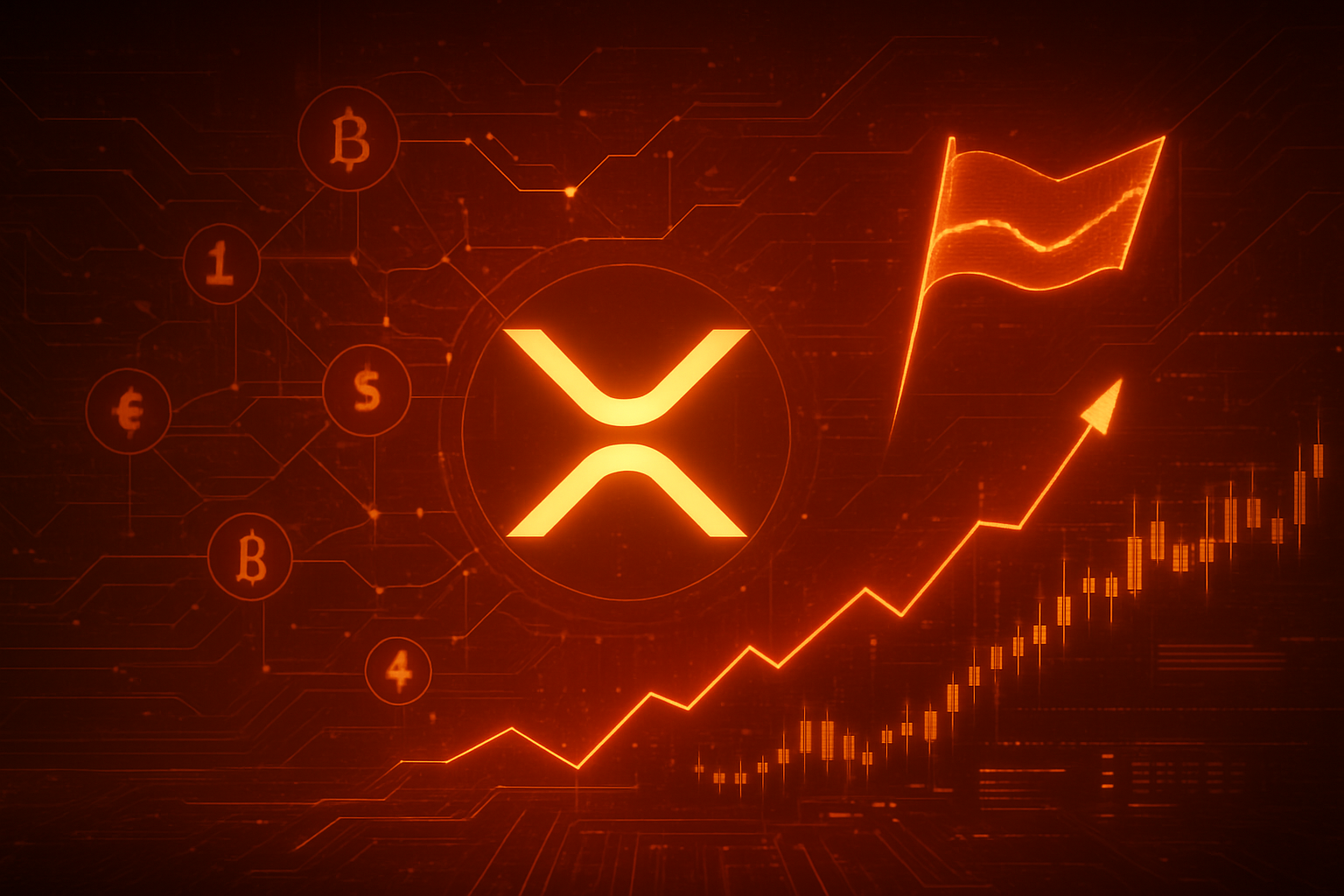
    November 7, 2025 – In a cryptocurrency market grappling with a significant sell-off that has erased most of its 2025 gains, XRP has emerged as a beacon of resilience, holding firm around the crucial $2.20 mark. This remarkable stability, even as the broader market sheds trillions, has ignited fervent discussions among analysts and investors, who point to a compelling "bullish flag pattern" on XRP's charts, signaling a potential explosive breakout toward the $4.50 range and beyond. The confluence of regulatory clarity following its landmark legal victory against the U.S. Securities and Exchange Commission (SEC) and the imminent anticipation of spot XRP Exchange-Traded Funds (ETFs) are fueling this renewed optimism, positioning XRP as a critical player in the evolving digital asset landscape.

    This resilience matters immensely for the crypto ecosystem. In a period marked by macroeconomic headwinds, traditional market spillover, and widespread "extreme fear," XRP's ability to maintain its ground suggests a maturing asset class where fundamental utility and regulatory certainty are beginning to outweigh speculative pressures. Its performance offers a glimpse into a future where digital assets, once plagued by regulatory ambiguity, can attract substantial institutional capital and solidify their role in global finance.

    Market Impact and Price Action

    The broader cryptocurrency market has been in a state of flux, experiencing a substantial correction that saw total market capitalization slump by approximately 20% from its early October peak of nearly $4.4 trillion. This downturn was triggered by a sudden $19 billion liquidation of leveraged positions, exacerbated by a hawkish U.S. Federal Reserve stance, persistent inflation, and geopolitical uncertainties. Bitcoin (BTC) has slipped below the psychological $100,000 mark, and Ethereum (ETH) is below $3,200, with altcoins generally facing steeper losses.

    Amidst this turmoil, XRP has demonstrated exceptional fortitude. As of November 7, 2025, XRP is trading in the range of $2.18 to $2.27, consistently hovering around the $2.20 support level. This zone has proven to be a significant accumulation point, attracting buying interest, particularly from large investors, or "whales," during periods of volatility. The 24-hour trading volume for XRP is reported to be robust, fluctuating between $4.8 billion and $6.7 billion, indicating sustained liquidity and participation. On-chain data further suggests a "re-accumulation phase" since early 2025, with whale wallets (holding between 100 million and 1 billion XRP) increasing their collective balances by approximately 1.27 billion XRP since mid-October, valued at over $3.15 billion.

    Technically, XRP is forming a "bullish flag pattern," a continuation pattern typically observed during an uptrend. This pattern consists of a sharp upward price movement (the flagpole) followed by a period of consolidation in a tight range (the flag). Analysts, including Egrag Crypto and Ali Martinez, have identified this pattern, with some even pointing to a "decade-long bull flag" forming since 2015. The breakout above the flag's upper trendline, ideally with increased volume, signals a continuation of the prior uptrend.

    Current technical analysis highlights key support levels at $2.280, with a more significant line at $2.250 (near the 100-hour Simple Moving Average), and a crucial support zone around $2.10–$2.20. Resistance levels are being watched around $2.25–$2.42, with a strong close above $2.420 potentially paving the way for $2.48–$2.55 and broader resistance zones at $2.80–$3.00. A critical breakout level is identified at $2.94, with a daily close above this confirming a new leg higher.

    Historically, XRP has a precedent for significant rallies following bullish flag patterns. The 2017-2018 rally, which saw XRP surge to its all-time high of $3.5 in January 2018, was preceded by a major bull flag. More recently, XRP established a second flagpole after consolidating below $0.6 and then surged to $3.3 in January 2025. These historical precedents, coupled with the current pattern, lend credence to projections of a substantial upward surge, with many analysts forecasting a breakout towards $4.00-$4.50, and some even setting more ambitious targets of $5.60, $8, or even $15-$28, contingent on ETF approvals and sustained institutional inflows.

    Community and Ecosystem Response

    The XRP community is abuzz with a mix of cautious optimism and anticipation. On platforms like X (formerly Twitter) and Reddit, discussions frequently revolve around the token's remarkable resilience during the market downturn and the highly anticipated "bullish flag pattern." While some long-term holders express frustration over perceived stagnant price action despite positive corporate news from Ripple, the overarching sentiment is one of conviction in XRP's long-term potential, largely due to regulatory clarity and the impending launch of spot ETFs.

    Crypto influencers and thought leaders are largely amplifying this bullish sentiment. Analysts like Egrag Crypto and Ali Martinez have confidently shared their technical analyses, projecting significant price appreciation, with targets ranging from $10 to $50 based on various patterns and market symmetry. Maxwell Stein of BlackRock's (NYSE: BLK) digital assets team, speaking at Ripple's Swell 2025 conference, provided significant validation by stating that "the market is ready for large-scale blockchain adoption" and that Ripple's infrastructure could move trillions on-chain. This statement resonated deeply within the community, viewed as a major endorsement from a traditional finance giant.

    Nate Geraci, President of NovaDius Wealth Management, sees the imminent launch of XRP ETFs as a "major moment" for mainstream crypto investing, signaling an end to previous anti-crypto regulatory stances. Steven McClurg, CEO of Canary Capital, has expressed readiness to launch an XRP ETF in the coming week, projecting substantial institutional inflows of $5-10 billion in the first month. Ripple CEO Brad Garlinghouse continues to reaffirm the company's deep commitment to XRP, emphasizing its central role in Ripple's long-term plans for global payments.

    Broader community discussions also frequently touch upon the ISO 20022 global payments messaging standard, with the "coexistence period" ending around November 22, 2025. Many community members are observing XRP's historical performance in November, which has traditionally been its strongest month, fueling optimism for a potential rally. While "mega whales" have been accumulating XRP since mid-October, some short-term holders have shown increased outflows, reflecting diverse investment strategies.

    What's Next for Crypto

    XRP's current trajectory holds significant short and long-term implications for the broader crypto market. In the short term (next 3-6 months), approved XRP ETFs could unleash billions of dollars in institutional investment, significantly boosting liquidity and market capitalization, not just for XRP but potentially triggering a broader altcoin recovery. This could lead to selective regulatory optimism, as XRP's clarity may pressure regulators to provide similar frameworks for other utility tokens. However, market volatility around ETF approval dates is expected, characteristic of "buy the rumor, sell the news" events.

    Longer term (beyond 6-12 months), XRP's regulatory clarity sets a powerful precedent for other utility-focused digital assets, potentially fostering more favorable regulatory environments across the industry and attracting more traditional financial institutions. Its growing adoption through RippleNet and On-Demand Liquidity (ODL) could fundamentally disrupt traditional cross-border payment systems like SWIFT, making global transactions faster and cheaper. Increased institutional participation, driven by XRP's success, would signal a more mature and integrated crypto market, bridging the gap between traditional finance and decentralized innovation. This could lead to increased specialization within the crypto market, with different assets carving out niches based on their utility and regulatory standing.

    Potential catalysts to watch include the decisions on the seven pending U.S. spot XRP ETF applications, with high probabilities of approval by year-end 2025. Increased institutional adoption beyond ETFs, macroeconomic shifts like potential Federal Reserve interest rate cuts, and continued technological advancements on the XRP Ledger (XRPL), such as Real-World Asset (RWA) tokenization and DeFi integrations, are all critical drivers. The Ripple Swell 2025 conference is also a traditional event to monitor for major announcements.

    Strategic considerations for crypto projects involve embracing regulatory compliance, focusing on real-world utility, forging strategic partnerships with established financial institutions, and investing in ecosystem development. For investors, a long-term perspective, diversification, close monitoring of regulatory developments, and evaluating institutional engagement are paramount.

    Possible scenarios for XRP's future include:

    • Moderate/Base-Case (45-60% likelihood): XRP continues a gradual upward trajectory, driven by steady institutional use and anticipated ETF approvals. Price ranges from $2.90-$3.25 by late November 2025, potentially reaching $4.50 by year-end and $5-$8 by 2026.
    • Bullish (10-40% likelihood): Multiple major XRP spot ETFs are approved and launched by year-end 2025, coinciding with a strong Bitcoin bull run. XRP surges to $4.00-$5.50+ in the short term, with long-term potential of $10-$12, and extreme bull run predictions reaching $22.
    • Bearish (20-30% likelihood): Macroeconomic downturns, aggressive interest rate hikes, or unexpected delays/rejections for XRP ETFs trigger a broad crypto sell-off. XRP retreats towards $1.85-$2.20 in the short term, potentially slipping further to $1.20-$1.25 in a prolonged downturn.

    Bottom Line

    XRP's journey, particularly its recent resilience and the resolution of its prolonged legal battle with the SEC, marks a significant turning point for crypto investors and enthusiasts. The landmark decision classifying XRP as not a security when traded on secondary markets provides crucial regulatory clarity, removing a major impediment to institutional engagement and setting a precedent for other utility tokens.

    Key takeaways include XRP's proven ability to navigate legal hurdles, its deepening integration into traditional finance through cross-border payments (ODL processed over $1.3 trillion in Q2 2025) and Central Bank Digital Currency (CBDC) initiatives (collaborating with multiple central banks). Its relatively low correlation with Bitcoin and Ethereum also positions it as a strategic diversifier in institutional portfolios. The potential approval of spot XRP ETFs is widely anticipated to unlock billions in institutional capital, accelerating mainstream integration and confidence in digital assets.

    Final thoughts on crypto adoption suggest that XRP's focus on real-world use cases—efficient cross-border payments, facilitating CBDCs, and enabling institutional DeFi—positions it as a foundational component of the evolving global financial infrastructure. This utility-driven approach, now bolstered by regulatory certainty, is crucial for transitioning cryptocurrencies from speculative assets to indispensable tools in the global economy.

    Important dates, events, and metrics to monitor include:

    • XRP Spot ETF Approvals: Decisions are anticipated between October 18 and November 18, 2025, with high probabilities for Q4 2025 approval.
    • Ripple's (XRP) National Bank Charter Decision: October 19, 2025, was a critical date for this decision, which would further validate Ripple's position in traditional finance.
    • XRP Ledger (XRPL) Developments: Monitor the EVM sidechain and advancements in credit-based DeFi expected in 2025, along with the launch of XRPL V3.0.0 for Ripple's native lending protocol.
    • Ripple's RLUSD Stablecoin: Track the continued growth and adoption of this USD-pegged stablecoin, especially its pilot integration with Mastercard (NYSE: MA).
    • Partnerships and ODL Expansion: Watch for new partnership announcements and the expansion of Ripple's On-Demand Liquidity service globally.
    • Regulatory Environment: Although the SEC lawsuit is settled, ongoing global regulatory clarity and the development of clear frameworks for digital assets will remain crucial for XRP's sustained growth and broader acceptance.
    • Market Sentiment and Price Action: While XRP has shown short-term volatility, a cautious bullish sentiment prevails, with predictions for 2025 ranging from an average of $2.27-$2.80 to optimistic targets of $5 or more, contingent on ETF approvals and institutional interest. Key price levels to monitor include support at $2.05-$2.10 and resistance at $2.45-$2.50, $2.75, $3.00, and $3.50.
    • On-chain Metrics: Monitoring the Network Value to Transactions (NVT) ratio, Short-Term Holder Net Unrealized Profit/Loss (STH-NUPL) ratio, daily active addresses, and overall transaction volume on the XRPL can provide insights into network health and potential price movements.

    This article is for informational purposes only and does not constitute financial or investment advice. Cryptocurrency investments carry significant risk.

  • Bitcoin Defies Gravity: Brief Recovery to $103,000 Sparks Hope Amidst Extreme Fear

    Bitcoin Defies Gravity: Brief Recovery to $103,000 Sparks Hope Amidst Extreme Fear

    November 7, 2025 – In a dramatic turn of events, Bitcoin (BTC) briefly surged above the $103,000 mark earlier this week, specifically around November 5-6, 2025, providing a much-needed glimmer of hope after a period of significant market turbulence and substantial liquidations. This short-lived but impactful recovery saw the flagship cryptocurrency bounce back from a dip below the critical $100,000 threshold, reigniting discussions about market resilience and the potential for a bottom.

    The immediate market reaction was a complex mix of renewed confidence among high-leverage traders, who swiftly reopened positions, and a prevailing sentiment of "Extreme Fear" as indicated by the Fear & Greed Index. Despite the underlying apprehension, the rebound triggered a surge in trading volumes, initially driven by panic selling and opportunistic "buy the dip" strategies. This move is significant for the broader crypto ecosystem as it underscores Bitcoin's enduring appeal as a store of value and highlights the continued, albeit volatile, institutional interest in the asset, even amidst global economic uncertainties.

    Market Impact and Price Action

    Bitcoin's journey around the $103,000 level has been marked by intense volatility. The most recent recovery on November 5-6, 2025, followed a period of heavy losses that saw approximately $1.7 billion in long liquidations. Prior to this, Bitcoin had already made headlines by first breaching $100,000 in December 2024, reaching a historic high of $103,679, and again in May 2025, setting a new record at that time.

    The specific price movements during this recent rebound saw Bitcoin climb back above $103,000, fluctuating around $101,576 to $102,678 as of November 7, 2025. This rapid ascent from below $100,000 suggested to some analysts that the market might have found a temporary floor. Trading volumes initially spiked as investors reacted to the sharp decline and subsequent recovery, but liquidity subsequently thinned, particularly within decentralized finance (DeFi) protocols, as the sell-off intensified before the bounce.

    Technically, the $100,000 level has proven to be a psychological and structural support zone. Bitcoin's ability to quickly reclaim the $103,000 mark after falling below $100,000 suggests strong underlying demand, though the broader market remains sensitive to macroeconomic factors. This pattern of a sharp dip followed by a swift recovery has been observed in previous cycles, often signaling a period of consolidation before a potential upward trend, provided external conditions are favorable.

    Community and Ecosystem Response

    The crypto community's response to Bitcoin's brief recovery was a dichotomy of emotions. On one hand, the "Extreme Fear" sentiment, reflected by the Fear & Greed Index hitting a seven-month low, dominated broader discussions. Many retail investors and traders expressed anxiety over the recent downturn and the significant liquidations. However, beneath this fear, a subset of high-leverage traders demonstrated renewed confidence, quickly reopening positions and betting on a continued rebound, suggesting a belief that the worst might be over.

    Reactions from crypto influencers and thought leaders were mixed. While some cautiously celebrated Bitcoin's resilience, others warned against premature optimism, citing the thin liquidity and institutional outflows that preceded the bounce. The broader crypto Twitter and Reddit communities saw a surge in discussions, ranging from "buy the dip" calls to debates about the stability of the current market structure.

    The effects on related sectors were also notable. Decentralized finance (DeFi) protocols experienced thinning liquidity during the sell-off, indicating a flight of capital from riskier assets. While specific impacts on NFT projects and Web3 applications were less immediately pronounced, the overall market sentiment affects investor appetite across the entire digital asset spectrum. The recovery, however brief, provided a psychological boost that could help stabilize these interconnected ecosystems.

    What's Next for Crypto

    The recent bounce above $103,000 has significant short and long-term implications for the crypto market. In the short term, Bitcoin's ability to reclaim this level after a sharp correction reinforces its narrative as a resilient asset, potentially signaling a period of consolidation rather than a prolonged bear market. However, the prevailing "Extreme Fear" sentiment indicates that fragility remains, and further volatility cannot be ruled out.

    Several potential catalysts could influence Bitcoin's trajectory. The ongoing impact of pro-crypto policies, particularly those proposed by U.S. President Donald Trump (NYSE: DJT), including pledges to make the U.S. a "crypto capital" and create a "Strategic Bitcoin Reserve," continue to fuel long-term optimism. The sustained institutional demand, evidenced by record-breaking derivatives trading and the continued accessibility provided by U.S.-listed spot Bitcoin ETFs, is also a crucial factor. Furthermore, the long-term effects of the April 2024 halving event are still expected to play out, potentially driving scarcity and price appreciation.

    Strategic considerations for projects and investors involve navigating this volatile period with caution. Projects may focus on building robust fundamentals and community engagement, while investors might consider dollar-cost averaging and diversifying portfolios. Possible scenarios range from a continued choppy market with Bitcoin oscillating around the $100,000-$105,000 range, to a more sustained recovery towards predictions of $120,000-$150,000 by late 2025, especially if macroeconomic conditions improve and institutional adoption deepens.

    Bottom Line

    Bitcoin's brief but impactful recovery to $103,000 serves as a critical reminder of the cryptocurrency's inherent volatility and its remarkable resilience. For crypto investors and enthusiasts, the key takeaway is that while market sentiment can quickly shift to "Extreme Fear," Bitcoin has repeatedly demonstrated its capacity to rebound from significant corrections. This reinforces its growing narrative as "digital gold" and a viable store of value in an increasingly uncertain global economy.

    The long-term significance of this event lies in its contribution to validating Bitcoin's maturity and its increasing integration into traditional finance. The consistent push past $100,000, despite significant headwinds, signals that major institutional players are committed to the asset. This continued institutional interest, coupled with the potential for crypto-friendly regulatory environments, bodes well for crypto adoption in the years to come.

    Investors should closely monitor several important metrics, including institutional inflows into Spot Bitcoin ETFs, open interest in derivatives markets, and global macroeconomic indicators. Key dates include any further regulatory announcements from major economies and the ongoing development of Web3 infrastructure. While short-term fluctuations are inevitable, Bitcoin's ability to recover from recent challenges suggests a robust long-term outlook for the crypto market.


    This article is for informational purposes only and does not constitute financial or investment advice. Cryptocurrency investments carry significant risk.

  • Bitcoin’s Ascent Continues: Analysts Predicted 2-6 Month Path to New Highs, and the Data Delivered

    Bitcoin’s Ascent Continues: Analysts Predicted 2-6 Month Path to New Highs, and the Data Delivered

    In late 2024 and early 2025, the cryptocurrency world buzzed with optimistic forecasts regarding Bitcoin's (BTC) trajectory. A consensus emerged among leading analysts and financial institutions: Bitcoin was poised to achieve new all-time highs within a 2 to 6-month window, or by mid-to-late 2025. These predictions, largely fueled by the dual catalysts of the Bitcoin halving event and the groundbreaking success of U.S. spot Bitcoin Exchange-Traded Funds (ETFs), have largely materialized. As of November 7, 2025, Bitcoin has not only surpassed its previous peaks but has demonstrated robust growth, validating much of the earlier market sentiment.

    The immediate market reaction to these forecasts and the underlying fundamental shifts was overwhelmingly bullish, marked by significant capital inflows and soaring investor confidence. This period represented a pivotal moment for the crypto ecosystem, signaling a new era of institutional acceptance and mainstream integration for the flagship digital asset. The materialization of these predictions underscores the increasing maturity of the Bitcoin market and its growing responsiveness to fundamental supply-demand dynamics and institutional interest.

    Market Impact and Price Action

    The period from late 2024 through early November 2025 has been a testament to Bitcoin's evolving market dynamics, marked by both exhilarating surges to new all-time highs and significant, albeit expected, corrections. The predictions of a 2-6 month path to unprecedented values largely materialized, with Bitcoin surging past its previous all-time high of approximately $69,000 in late 2024. By November 2024, BTC exceeded $93,000, and by December of the same year, it had decisively breached the $100,000 psychological barrier. This upward momentum culminated in a historic peak of over $126,270 on October 6, 2025.

    This remarkable price action was underpinned by a dramatic increase in trading volume and liquidity, predominantly driven by institutional adoption. The approval of spot Bitcoin ETFs in January 2024 proved to be a game-changer, funneling unprecedented capital into the asset. Cumulative inflows into these ETFs soared, surpassing $28 billion and by the fourth quarter of 2025, reaching a staggering $149.96 billion. This influx not only provided robust demand but also significantly reduced the available supply of Bitcoin on exchanges, creating a powerful supply-demand imbalance. Over-the-counter (OTC) trading volumes also witnessed a more than 200% increase in 2024, further indicating strong institutional engagement.

    Technically, the market displayed strong bullish signals throughout late 2024 and much of 2025. The Relative Strength Index (RSI) frequently indicated strong buying momentum, and Bitcoin's price consistently traded above key moving averages. Fidelity Digital Assets identified distinct "Appreciation" and "Acceleration" phases, characterized by low volatility and high profitability, followed by increased volatility and continued gains. However, the market has not been without its challenges. Late October and early November 2025 saw a notable correction, with Bitcoin's price dipping below $100,000 and registering a 22% decline from its early October peak. This downturn was accompanied by net outflows of $986 million from ETFs since October 27, 2025, marking the first time in seven months that institutional net buying dropped below the daily mined Bitcoin supply.

    Comparing this cycle to past events reveals both continuities and significant deviations. While the April 2024 halving, which reduced mining rewards to 3.125 BTC, historically precedes bull runs, its immediate impact was less explosive than in previous cycles, partly due to a weaker supply shock and stronger macroeconomic influences. Crucially, Bitcoin broke its previous all-time high before the 2024 halving, a departure from prior cycles. The institutionalization via ETFs has introduced a new dynamic, making the current cycle more responsive to traditional financial markets and macroeconomic trends. Recent market fluctuations, for instance, have been influenced by global economic uncertainties and central bank policies, highlighting Bitcoin's increasing integration into the broader financial system rather than operating in isolation.

    Community and Ecosystem Response

    The rollercoaster ride of Bitcoin's price from late 2024 to early November 2025 profoundly shaped sentiment across social media, influenced key crypto thought leaders, and rippled through the broader Web3 ecosystem. As Bitcoin surged past the $100,000 mark in December 2024 and achieved a new all-time high exceeding $125,000 in early October 2025, the community's response oscillated between euphoria and cautious re-evaluation.

    Social media platforms, particularly X (formerly Twitter) and Reddit, became barometers of market sentiment. When Bitcoin reached its peaks, discussions were dominated by "fear of missing out" (FOMO), with a significant spike in social dominance for Bitcoin, as noted by sentiment analysis platforms. This surge in retail interest often signaled potential local tops, leading some analysts to advise patience until the "euphoria cooled down." Conversely, during the corrections, such as the dip below $100,000 in early November 2025, sentiment shifted to "fear" among retail traders. While some expressed anxiety about further declines, a strong undercurrent of long-term bullishness persisted, with many viewing corrections as opportune moments to "buy the dip."

    Crypto influencers largely maintained a bullish outlook, though with varying degrees of immediate caution. Prominent figures like venture capitalist Tim Draper continued to champion Bitcoin's long-term potential, while Michael Saylor (MicroStrategy – NASDAQ: MSTR) demonstrated unwavering conviction, notably acquiring an additional $45.6 million worth of BTC amidst recent market sell pressure. However, some, like Charles Edwards of Capriole Investments, highlighted "concerning metrics," such as institutional buying temporarily dropping below the daily mined Bitcoin supply in November 2025, suggesting potential market exhaustion.

    Beyond price discussions, Bitcoin's performance had a tangible impact on related sectors. The Decentralized Finance (DeFi) space witnessed the emergence of "Bitcoin Finance" or BTC-Fi, characterized by a significant increase in Total Value Locked (TVL) as Bitcoin holders sought yield opportunities. The amount of BTC deployed in DeFi protocols surged by approximately 2,700% year-on-year by mid-2025, indicating growing interest in Bitcoin-based staking and lending services. The NFT market also experienced a resurgence, with renewed optimism translating into increased floor prices for "blue-chip" collections and a strong focus on Bitcoin-native Ordinals, which gained considerable traction throughout 2025. Furthermore, the overall Web3 ecosystem, encompassing GameFi, SocialFi, and AI-powered applications, benefited from the heightened market capitalization and increased investor confidence, with expectations of broader mass adoption fueled by a more crypto-friendly regulatory environment.

    What's Next for Crypto

    As Bitcoin navigates the final quarter of 2025, the crypto market stands at a critical juncture, poised between short-term macroeconomic headwinds and robust long-term growth prospects. The journey from late 2024, which saw Bitcoin surge past $108,000 by mid-December, to its all-time high near $125,000 in October 2025, has demonstrated both the asset's immense potential and its inherent volatility. Currently, as of early November 2025, Bitcoin is consolidating around $101,000 to $104,706 after a recent correction, prompting a re-evaluation of its immediate trajectory while reinforcing its long-term appeal.

    In the short term, the market faces potential pressures from lingering macroeconomic uncertainties, including the ongoing U.S. government shutdown, which could dampen liquidity and risk appetite. Traditional year-end tax-loss selling might also introduce some downward pressure. However, historically, November has been a strong month for Bitcoin, and a swift resolution to the government shutdown could provide an immediate bullish catalyst. The residual effects of the April 2024 Bitcoin halving are also expected to continue influencing market sentiment positively through at least April 2026, suggesting underlying support for price appreciation.

    Looking further ahead, the long-term implications for Bitcoin and the broader crypto market remain overwhelmingly positive. The market is projected to mature significantly, characterized by deeper institutional integration and a stronger focus on fundamental utility, robust governance, and stringent regulatory compliance. This maturation process is expected to enhance opportunities for portfolio diversification and yield generation, cementing Bitcoin's role as a strategic asset and a potential hedge against inflation. Several powerful catalysts are anticipated to drive this growth, including the continued success of spot Bitcoin ETFs, which have already paved the way for other crypto-based investment products, and the increasing clarity in regulatory frameworks, such as the proposed GENIUS Act, which aims to classify mature blockchains like Bitcoin and Ethereum as commodities.

    Moreover, a more crypto-friendly political environment, particularly in the U.S., is expected to foster further adoption. Technological advancements in Decentralized Finance (DeFi), Web3 applications, and the burgeoning tokenization of real-world assets (RWAs), alongside the development of Bitcoin Layer-2 solutions, will continue to expand utility and attract investment. Strategic considerations for investors include thorough due diligence, robust risk management, and portfolio diversification, with Bitcoin increasingly viewed as a core holding. Many experts remain highly optimistic, with JPMorgan (NYSE: JPM) analysts, for instance, forecasting Bitcoin could climb to $170,000 within the next six to twelve months from November 2025. Other institutions, like Standard Chartered (LSE: STAN), maintain an even higher target of $200,000 by year-end 2025, underscoring the widespread belief that Bitcoin's journey to new, significant highs is far from over.

    Bottom Line

    The period spanning late 2024 to early November 2025 has marked a pivotal era for Bitcoin and the broader cryptocurrency market, characterized by unprecedented institutional adoption, significant regulatory advancements, and shifting macroeconomic influences. These developments have reshaped Bitcoin's "bottom line" from a speculative asset to an increasingly legitimate and integral component of global finance.

    Key takeaways for crypto investors include the undeniable trend of institutional integration, with spot Bitcoin ETFs driving massive capital inflows and validating Bitcoin's role in diversified portfolios. Regulatory clarity, epitomized by the U.S. GENIUS Act for stablecoins and Europe's MiCA regulation, is unlocking new institutional capital and fostering confidence. Bitcoin is increasingly recognized as a macroeconomic hedge against inflation and currency debasement. While volatility remains inherent, strategic investment approaches emphasizing diversification, long-term holding, and risk management are crucial.

    The long-term significance of Bitcoin's price action for crypto adoption cannot be overstated. Its consistent performance to new all-time highs, supported by institutional demand, has solidified its mainstream legitimacy and paved the way for broader crypto acceptance. This includes democratized access through ETFs for retail investors, enhanced real-world utility via stablecoins for payments, and even discussions about Bitcoin's potential as a sovereign reserve asset.

    To effectively navigate Bitcoin's future, investors should closely monitor several critical factors. Regulatory developments in the U.S. (e.g., CLARITY Act, GENIUS Act implementation) and globally (e.g., MiCA in EU, UK regulations, Basel Committee standards by January 2026) will continue to shape the market. Macroeconomic factors, such as Federal Reserve interest rate decisions, global liquidity, and inflation trends, will exert significant influence. Key on-chain and market metrics like Bitcoin Dominance, ETF inflows, Long-Term Holder (LTH) supply, network activity, hash rate, and Total Value Locked (TVL) in DeFi will provide vital insights into market health and sentiment. Finally, major industry events and conferences throughout 2025 and 2026 often feature critical announcements and gauge industry momentum.


    This article is for informational purposes only and does not constitute financial or investment advice. Cryptocurrency investments carry significant risk.

  • Bitcoin’s $100K Tango: A New Normal or a Pre-Halving Pause?

    Bitcoin’s $100K Tango: A New Normal or a Pre-Halving Pause?

    November 7, 2025 – Bitcoin (BTC) is currently navigating a pivotal phase, hovering around the $100,000 mark after a significant surge that saw it reach an all-time high of over $126,270 on October 6, 2025. This recent price action, characterized by a struggle to maintain the six-figure threshold and periods of sideways trading, has sparked intense debate within the crypto community: does this signal a new era of stability for Bitcoin at elevated valuations, or is it merely a strategic consolidation before its next major move?

    The immediate market reaction to Bitcoin's recent dip below $100,000, hitting lows near $98,700 in early November, has been a mix of retail fear and institutional accumulation. While the Crypto Fear & Greed Index has plunged to "extreme fear" levels, large Bitcoin holders, or "whales," have been observed buying the dip, adding significant amounts of BTC. This divergence in sentiment underscores the critical nature of the current market environment and its profound implications for the broader cryptocurrency ecosystem.

    Market Impact and Price Action

    Since early November 2025, Bitcoin's price action around $100,000 has been a rollercoaster, marked by a notable decline from its October peak and a struggle to reclaim and sustain the six-figure level. After touching an all-time high of $126,270, Bitcoin shed nearly 15% in two weeks, falling below $100,000 for the first time since June 2025. As of November 7, 2025, BTC hovers around $102,200, but its inability to decisively reclaim $103,000 suggests persistent bearish pressure. This period of consolidation follows a substantial sell-off, with the asset fluctuating between $95,000 and $115,000 for several months, making the recent breach of $100,000 a critical shift.

    Trading volume saw a significant surge as prices broke down around November 3rd and 4th, indicating genuine selling pressure. However, subsequent minor rebounds have been accompanied by low trading volume, suggesting these recoveries may be short-lived. Spot market activity has generally weakened over the past month, with the Cumulative Volume Delta (CVD) Bias trending downwards across major exchanges, highlighting sustained net selling and a lack of aggressive buying. This contrasts sharply with earlier periods of high demand.

    Liquidity has also experienced significant shifts. An extended series of equal lows below $100,000 suggests that this liquidity has likely been "harvested," purging excessive leverage from the system. Macroeconomic tightening, including hawkish Federal Reserve signals and fewer anticipated rate cuts, has drained liquidity from the crypto market. Funding rates on Bitcoin futures have fallen, and open interest has dropped from $26 billion to $24.6 billion in a week, with over $1 billion in leveraged long positions liquidated during the early November sell-off. Additionally, the Coinbase (NASDAQ: COIN) Premium index dropped to a seven-month low, signaling reduced demand in the U.S. and significant outflows from U.S. spot Bitcoin ETFs, totaling over $2 billion in the days leading up to November 7th.

    The $100,000 level itself has transitioned from a strong psychological support to a formidable resistance zone. Immediate support levels are now identified around $99,000 to $100,000, with a critical point at $99,500 (the 50% Fibonacci retracement). A failure to hold this could see Bitcoin slide to $93,600 or even $86,000. Conversely, reclaiming $100,000-$102,000 is crucial, with significant resistance at $106K-$108K and $110K. The 365-day Moving Average, historically a strong support at $102,000, has been breached, and Bitcoin is currently trading below its 50-day and 200-day moving averages, typically signaling sustained downtrends. This current market behavior draws comparisons to past mid-cycle slowdowns and prolonged periods of stagnation, where low volatility often precedes significant price movements.

    Community and Ecosystem Response

    Bitcoin's sideways trading around $100,000 has created a turbulent but dynamic environment, eliciting a complex response across the crypto community and ecosystem. Social media platforms, particularly X (formerly Twitter) and Reddit, are abuzz with discussions reflecting a blend of fear, anxiety, and unwavering long-term conviction. The Crypto Fear & Greed Index has plunged to "extreme fear" levels, with many traders expressing "max pain" due to liquidations. However, a significant portion of the community, especially on Reddit, maintains a "HODL" mentality, viewing dips as typical Bitcoin volatility and potential buying opportunities. This period is often described as "The Great Shakeout of 2025," testing conviction and flushing out over-leveraged positions.

    Crypto influencers and thought leaders present a divided front. Staunch long-term bullish figures like Michael Saylor of MicroStrategy (NASDAQ: MSTR) and Anthony Pompliano are likely to reiterate Bitcoin's role as a superior store of value, viewing corrections as temporary. They point to continued institutional accumulation, with MicroStrategy recently acquiring more BTC. Conversely, some prominent analysts, such as Merlijn The Trader, have issued stark warnings, suggesting a potential start to a prolonged bear market, echoing historical technical signals. Analysts like Altcoin Sherpa predict a drop to "low $90ks minimum" if the $100,000 support fails definitively.

    The effects on related DeFi protocols, NFT projects, and Web3 applications have been tangible. Bitcoin's price uncertainty has led to a decline in Total Value Locked (TVL) within DeFi, with investors withdrawing liquidity or facing liquidations. "Contagion fears" are spreading, exacerbated by reports of bad debt exposure in lending markets. The NFT market is experiencing decreased trading volumes and lower floor prices, reflecting a "risk-off" environment. However, amidst the caution, there's significant interest and investment flowing into Bitcoin Layer-2 solutions, such as "Bitcoin Hyper" (HYPER), aiming to integrate Solana-level speed and smart contract capabilities directly with Bitcoin. While altcoins have generally followed Bitcoin's decline, some, like Zcash (ZEC) and Internet Computer (ICP), are showing early signs of activity, hinting at a potential rotation into smaller assets if Bitcoin stabilizes.

    What's Next for Crypto

    The crypto market is at a critical juncture in November 2025, with Bitcoin's $100,000 tango setting the stage for significant short and long-term implications. In the short term (late 2025 – early 2026), the market is expected to remain defensive but not broken. Bitcoin's dip below $100,000 serves as a "crucial stress test" for DeFi and Web3, leading to widespread liquidations. While some warn of a potential plunge to $56,000 if $100,000 fails, on-chain data suggests this is a healthy adjustment rather than panic. Altcoins are generally lagging, with a "Bitcoin Season" dynamic prevailing, where capital concentrates in BTC. Macroeconomic factors, such as the resolution of the US government shutdown and upcoming Federal Open Market Committee (FOMC) decisions on interest rates, will be immediate catalysts. Technically, Bitcoin struggles below its 100-day and 200-day moving averages, with key support at $97,500-$99,000.

    Looking long-term (2026 and beyond), the outlook remains fundamentally optimistic, driven by institutional embrace and increasing mainstream appeal. Institutional participation has reached new heights in 2025, with Spot Bitcoin ETFs and expanded regulatory clarity significantly broadening the investor base. Seventy-five percent of financial institutions anticipate needing to progress their digital asset activity within the next two years. Regulatory clarity, particularly in the US with potential legislation like the CLARITY Act and GENIUS Act, and the EU's Markets in Crypto-Assets (MiCA) regulation, is expected to accelerate institutional adoption and unlock significant capital inflows.

    Technological advancements in blockchain scalability, security, and real-world utility, coupled with the integration of AI, are expected to drive long-term value. Asset tokenization, involving the use of blockchain to record ownership of digital, financial, or real-world assets, is receiving significant interest from financial institutions and is expected to expand, redefining asset management. Stablecoins are increasingly recognized as a quality source of liquid collateral and are being widely adopted for payment and treasury operations, rivaling traditional payment systems. The total crypto market cap crossed the $4 trillion threshold in 2025, indicating broad progress and market maturation.

    Potential catalysts to watch include further regulatory clarity, the approval of Spot ETFs for altcoins like Solana (SOL) and Ripple (XRP), the expansion of Real-World Asset (RWA) tokenization, and potential interest rate cuts by central banks, which could create a "risk-on" environment. The convergence of AI and blockchain technology is also expected to spark new narratives. For projects, the focus should be on utility, innovation, and regulatory compliance. Investors should prioritize thorough due diligence, diversification, strategic profit-taking, and monitoring key metrics like ETF inflows, miner selling activity, and macroeconomic indicators. Possible scenarios range from a gradual recovery and continued growth (high likelihood), to prolonged stagnation (medium likelihood), or a deeper significant downturn (low-medium likelihood), with some analysts challenging the traditional halving cycle, suggesting an extended bull cycle into 2026 is also a possibility.

    Bottom Line

    Bitcoin's current dance around the $100,000 mark, characterized by volatility and consolidation, serves as a critical stress test for the entire crypto ecosystem. For investors and enthusiasts, the key takeaway is a nuanced market sentiment: cautious in the short term due to profit-taking and macroeconomic pressures, yet underpinned by a strong conviction in Bitcoin's long-term value. The $100,000 level has emerged as a pivotal psychological and technical battleground, with dips often met by buying interest, albeit with weak rebounds. This period of sideways action, or rather, the struggle to maintain a six-figure valuation, could pave the way for altcoin momentum if Bitcoin stabilizes.

    The long-term significance of this price action is profound. It solidifies Bitcoin's maturity as a significant asset class, establishing a new baseline for institutional portfolio allocations. Despite recent outflows from ETFs, institutional interest remains a fundamental driver. This current phase, even if corrective, is viewed by many as a healthy reset, clearing out speculative leverage and setting the stage for future growth, potentially pushing Bitcoin towards $1 million in a "fast and violent" rally, with a peak perhaps in 2026. This reinforces its "digital gold" narrative and its role as an inflation hedge.

    For broader crypto adoption, Bitcoin's ability to contend with a six-figure valuation, even with corrections, demonstrates the market's resilience and growing mainstream appeal. This visibility, coupled with the continued approval of spot Bitcoin ETFs and evolving regulatory frameworks, creates more accessible and regulated on-ramps for traditional investors. The increasing integration of Bitcoin into corporate treasuries and crypto payment systems further cements its role in a broader financial ecosystem.

    Investors should closely monitor several key metrics and events. Price levels, particularly Bitcoin's ability to reclaim and sustain above $100,000-$102,000, and downside support at $99,000, $95,000, and potentially lower, are crucial. Tracking ETF inflows and outflows, miner selling activity, and overall trading volumes will provide insights into market dynamics. Macroeconomic factors, especially Federal Reserve monetary policy decisions regarding interest rates and the resolution of the US government shutdown, will significantly influence market liquidity and risk appetite. Key dates include late 2025 for a potential bull market peak, October 2026 for a possible bear market bottom, and the December FOMC meeting. The planned launch of crypto trading by Charles Schwab (NYSE: SCHW) in Q1 2026 could also introduce significant new institutional capital.


    This article is for informational purposes only and does not constitute financial or investment advice. Cryptocurrency investments carry significant risk.

  • Forward Industries Ignites Solana Ecosystem with Multi-Billion Dollar Treasury Bet

    Forward Industries Ignites Solana Ecosystem with Multi-Billion Dollar Treasury Bet

    New York, NY – November 7, 2025 – In a move poised to reshape corporate treasury strategies and significantly bolster the Solana ecosystem, Forward Industries (NASDAQ: FORD), a company historically focused on design services, has made a dramatic pivot, investing a staggering $1.58 billion into Solana (SOL) tokens. This strategic shift, which saw the company secure a $1.65 billion Private Investment in Public Equity (PIPE) financing in September 2025, positions Forward Industries as a pioneering force in actively managed altcoin treasuries and the largest corporate holder of SOL.

    The foundational investment, which culminated in the purchase of 6.8 million SOL tokens on September 15, 2025, at an average price of $232 per token, has sent ripples across both traditional financial markets and the burgeoning crypto space. While Forward Industries' stock initially soared on the news of its strategic transformation, more recent developments, including a $1 billion share repurchase program and a resale prospectus filing on November 4, 2025, have introduced volatility, demonstrating the dynamic nature of bridging traditional corporate finance with the digital asset world. This bold move by a Nasdaq-listed entity not only validates Solana's technological prowess but also sets a new precedent for institutional engagement beyond Bitcoin and Ethereum, signaling a maturation of the broader crypto market.

    Market Impact and Price Action

    The announcement of Forward Industries' strategic pivot into a Solana-focused digital asset treasury initially sent its stock (NASDAQ: FORD) soaring. Following the news of the $1.65 billion PIPE financing, which closed on September 11, 2025, shares of Forward Industries experienced a significant surge, with reports indicating an increase of 72.84% to 85% in a single trading session, reaching a 52-week high of $31.97. This immediate and robust reaction from traditional investors underscored the excitement and perceived value in a publicly traded company making such a substantial, crypto-centric transformation.

    However, the journey has not been without its recent market corrections. On November 4, 2025, just days before the current date, Forward Industries announced a $1 billion share repurchase program and filed a resale prospectus supplement with the SEC for shares issued in its September 2025 private placement. This news triggered a sharp decline in the company's stock, with shares plummeting 20-30% in a single session. Investor concerns over potential dilution from the resale of shares, coupled with broader weakness in crypto-linked equities, contributed to this downturn, highlighting the inherent volatility and nuanced investor sentiment surrounding companies deeply integrated with digital assets.

    While specific real-time price movements for Solana (SOL) around these future-dated events are not available for precise analysis, the sheer scale of Forward Industries' $1.58 billion SOL purchase on September 15, 2025, would undoubtedly have been a significant bullish catalyst for the Solana ecosystem. Such a massive institutional buy-in would likely have been met with a positive price reaction for SOL, potentially increasing trading volume and strengthening key support levels as institutional demand entered the market. The comparison to MicroStrategy's (NASDAQ: MSTR) pioneering Bitcoin treasury strategy is apt; Forward Industries' move serves as a similar institutional validation, potentially drawing more capital and attention to Solana as a leading altcoin. The recent volatility in FORD stock, while impacting the company, is less likely to directly deter long-term SOL holders, as the underlying strategic commitment to the Solana ecosystem remains firm.

    Community and Ecosystem Response

    The crypto community's reaction to Forward Industries' audacious entry into the Solana ecosystem has been largely celebratory, mingled with thoughtful discussions about the implications for decentralization. Social media channels, including Crypto Twitter and Reddit, buzzed with enthusiastic sentiment, hailing the investment as a monumental vote of confidence from traditional finance (TradFi) in Solana's technology and long-term viability. Influencers and thought leaders quickly amplified the news, framing it as a critical step towards mainstream adoption and legitimization of not just Solana, but the broader altcoin market.

    Beyond mere token acquisition, Forward Industries' commitment to actively participate in the Solana ecosystem—by staking all acquired SOL tokens and launching its own validator node—has been particularly well-received. This active engagement model signifies a deeper integration and trust in the underlying blockchain infrastructure, moving beyond passive holding to actively contributing to network security and operations. Solana-focused DeFi protocols and NFT projects have expressed optimism for increased liquidity and capital inflow, anticipating greater opportunities for partnerships and innovation. The investment is seen as a catalyst for attracting more institutional and retail capital into Solana's DeFi landscape, fostering the development of institutional-grade products and services and potentially accelerating real-world asset (RWA) tokenization initiatives on the blockchain.

    While the overwhelming sentiment is positive, a segment of the community has raised important questions regarding the potential for centralization. Discussions have emerged around the influence large corporate validators, holding significant amounts of staked SOL, might wield over network governance. These conversations underscore the ongoing effort within the crypto space to balance institutional participation with the core principles of decentralization, ensuring the network remains robust and distributed. Nevertheless, the consensus remains that Forward Industries' move represents a significant validation of Solana's potential, paving the way for further institutional interest and ecosystem growth.

    What's Next for Crypto

    Forward Industries' multi-billion dollar bet on Solana carries significant short and long-term implications for the broader crypto market. In the short term, this move is likely to intensify the focus on altcoin treasury strategies among other traditional corporations. As companies observe Forward Industries' performance, there could be a domino effect, with more entities exploring direct investments in high-performance blockchains like Solana, or even other Layer-1 protocols. This could lead to increased institutional capital flowing into the altcoin market, diversifying corporate crypto holdings beyond just Bitcoin.

    Long-term, Forward Industries' active treasury management—staking SOL and running a validator node to generate "differentiated onchain returns"—could establish a new blueprint for corporate engagement with decentralized finance. If successful, this model could prove that active participation in crypto ecosystems can yield substantial returns and strategic advantages, pushing traditional businesses deeper into Web3. Potential catalysts to watch include Forward Industries' performance metrics on its staked SOL, any further announcements regarding its planned additional $4 billion equity program for SOL expansion, and the success of its onchain yield generation strategies. This could spark a new wave of innovation in institutional-grade DeFi products and services designed to cater to such corporate treasuries.

    Strategic considerations for projects and investors include closely monitoring the regulatory landscape, as increased institutional involvement often brings greater scrutiny. Projects within the Solana ecosystem should focus on building robust, secure, and scalable applications that can attract and sustain institutional capital. Investors should consider the long-term growth potential of ecosystems validated by such significant corporate commitments, while remaining cognizant of market volatility and the evolving nature of corporate crypto strategies. Possible scenarios range from a sustained bull run for Solana driven by continued institutional adoption, to increased regulatory pressure that could temporarily dampen enthusiasm. However, the overall trend points towards a future where traditional finance and decentralized technologies are increasingly intertwined.

    Bottom Line

    Forward Industries' monumental investment in Solana marks a pivotal moment in the evolution of corporate crypto treasury strategies and the broader digital asset landscape. Key takeaways for crypto investors and enthusiasts include the undeniable validation of Solana's technology and ecosystem by a publicly traded company, signaling a new era of institutional confidence in altcoins. The active engagement model, involving staking and validator operation, highlights a more sophisticated approach to crypto treasuries, moving beyond passive holding to generating yield and contributing to network security.

    The long-term significance of this development cannot be overstated. It positions Solana as a leading candidate for institutional adoption, potentially attracting a wave of capital and talent into its ecosystem. This move also serves as a critical bridge between traditional finance and the decentralized world, demonstrating that the future of corporate finance may increasingly involve direct participation in blockchain networks. As crypto adoption continues its upward trajectory, Forward Industries' bold strategy could very well be remembered as a trailblazer, inspiring other corporations to explore the vast opportunities within Web3.

    Important metrics to monitor include Forward Industries' ongoing financial performance related to its Solana treasury, the growth and health of the Solana ecosystem's DeFi and NFT sectors, and any further announcements regarding the company's expansion plans for its SOL holdings. The success or challenges faced by Forward Industries in managing its active Solana treasury will provide invaluable insights for future corporate forays into the digital asset space.


    This article is for informational purposes only and does not constitute financial or investment advice. Cryptocurrency investments carry significant risk.

  • Crypto’s Coming of Age: By 2026, Institutional Embrace and Mainstream Appeal Redefine American Investing

    Crypto’s Coming of Age: By 2026, Institutional Embrace and Mainstream Appeal Redefine American Investing

    The landscape of cryptocurrency investing is undergoing a profound transformation, rapidly shedding its niche 'techie' image to emerge as a mature, institutionally recognized asset class by 2026. This pivotal shift, driven by regulatory clarity and an influx of sophisticated financial products, is poised to dramatically reshape how American investors perceive and interact with digital assets. What was once the domain of early adopters and speculative traders is now attracting a broader spectrum of mainstream participants, from individual retail investors to major financial institutions, signaling a significant evolution in the global financial ecosystem.

    This maturation is not merely a gradual progression but a strategic acceleration, marked by key regulatory milestones and a burgeoning interest from traditional finance. The U.S. Securities and Exchange Commission (SEC) (NASDAQ: SEC) approval of spot Bitcoin ETFs in January 2024, swiftly followed by Ether funds, has acted as a powerful catalyst, opening the floodgates for substantial institutional capital. This development, occurring between 2024 and 2026—dubbed the 'triennium of institutional adoption'—underscores a fundamental re-evaluation of crypto's role, positioning it as a legitimate and increasingly indispensable component of a diversified investment portfolio. For the crypto ecosystem, this signifies a move towards greater stability, legitimacy, and an unparalleled integration with the established financial world.

    Market Impact and Price Action

    The influx of institutional capital, catalyzed by the SEC's landmark ETF approvals, is projected to profoundly impact crypto market dynamics by 2026. Forecasts indicate that institutional investment into Bitcoin (BTC) alone could reach approximately $300 billion, with over 4.2 million BTC expected to be acquired by various entities, including public Bitcoin Treasury Companies, sovereign wealth funds, and ETFs. This significant capital inflow is anticipated to deepen market liquidity and reduce the extreme volatility historically associated with crypto, fostering a more stable and predictable investment environment.

    This shift is expected to manifest in Bitcoin's price movements, moving away from the traditional "four-year cycle" of boom and bust. By 2026, Bitcoin is predicted to transition towards more sustained and gradual growth with lower volatility, enhancing its appeal as a stable store of value for a wider range of traditional investors. This increased stability, coupled with growing corporate adoption—an estimated 200 public and private companies are expected to incorporate Bitcoin into their balance sheets by 2026—will likely solidify its position as a strategic asset.

    While Bitcoin leads the charge, the broader market, including Ether (ETH) and other established altcoins, will also experience ripple effects. The availability of regulated investment vehicles for Ether, for instance, will attract further institutional interest, contributing to increased trading volumes and liquidity across the top-tier digital assets. Technical analysis will increasingly focus on institutional accumulation patterns and long-term holding trends, with key support levels becoming more robust due to sustained buying pressure from large entities.

    Comparison to past events, such as the initial futures ETF approvals, highlights a critical difference: spot ETFs directly hold the underlying asset, providing a more direct and substantial impact on market demand. This direct exposure, combined with the maturation of regulatory frameworks, suggests a sustained upward trajectory for market capitalization and a fundamental re-rating of crypto assets as legitimate components of global financial portfolios, rather than transient speculative plays.

    Community and Ecosystem Response

    The crypto community's sentiment regarding this institutional embrace is largely positive, viewing it as a validation of the industry's long-term vision. Social media platforms like Crypto Twitter and Reddit are abuzz with discussions about the implications of mainstream adoption, with many influencers and thought leaders heralding this era as a turning point for digital assets. The prevailing sentiment is that institutional recognition will bring increased legitimacy, innovation, and broader utility to the ecosystem.

    This maturation is expected to significantly impact related DeFi protocols, NFT projects, and Web3 applications. As stablecoins like USDC and USDT become ubiquitous by 2026, integrating into traditional financial transactions, payment processors, and cross-border settlements, the underlying infrastructure of DeFi will gain unprecedented reach. Small and medium businesses (SMBs) are already adopting stablecoins for faster, cheaper international payments, demonstrating a tangible shift in utility beyond speculative trading.

    The enhanced accessibility of crypto, driven by improved user-friendliness of exchanges, wallets, and integration with fintech platforms, is lowering the entry barrier for the average American user. Brokerages and retirement platforms are increasingly listing crypto exchange-traded products (ETPs) alongside traditional index funds, making it easier for retail investors to gain exposure. This broadens the appeal beyond the tech-savvy, fostering a more inclusive and diverse crypto community that values long-term utility and financial integration over purely speculative ventures.

    What's Next for Crypto

    The short and long-term implications for the crypto market are profound. In the short term, the ongoing institutional capital inflow and increasing retail adoption will likely contribute to sustained market growth and reduced volatility, particularly for established assets like Bitcoin and Ether. The development of advanced financial products, including structured products collateralized by Bitcoin and sophisticated derivatives, will further integrate crypto into traditional finance, offering new avenues for yield generation and risk management.

    Looking towards 2026 and beyond, a clearer and more supportive regulatory environment in the U.S. will be a primary catalyst for continued growth. Landmark U.S. legislation, such as the CLARITY Act, GENIUS Act, and Anti-CBDC Act, is actively shaping a framework designed to foster institutional entry and establish the U.S. as a global hub for digital asset adoption. Specifically, the CLARITY Act is set to classify mature blockchains like Bitcoin and Ethereum as commodities under the Commodity Futures Trading Commission (CFTC) (OTC: CFTC) jurisdiction, providing enhanced regulatory precision. The GENIUS Act also provides clear rules for USD-backed stablecoins, enabling more U.S. banks and fintechs to legally issue and custody them.

    Strategic considerations for projects and investors will shift towards fundamental utility, robust governance, and regulatory compliance. Projects with strong use cases in DeFi, Web3, and real-world asset (RWA) tokenization will likely attract significant investment. Investors will need to focus on thorough due diligence, understanding evolving regulatory frameworks, and managing risks, especially for altcoins, which may still exhibit higher volatility. The potential scenarios range from continued steady growth driven by institutional adoption to accelerated innovation spurred by regulatory clarity, both pointing towards a significantly more mature and integrated crypto ecosystem.

    Bottom Line

    For American crypto investors and enthusiasts, the key takeaway by 2026 is that the asset class has moved beyond its nascent, speculative phase into a period of significant maturation and institutional integration. Bitcoin, in particular, is increasingly viewed as a strategic imperative and a potential hedge against inflation, with underexposure potentially becoming a growing portfolio risk. The approval of spot ETFs and the ongoing development of a robust regulatory framework provide unprecedented legitimacy and accessibility.

    The long-term significance of this maturation lies in crypto's transformation into a widely accepted component of the broader financial ecosystem. Retail adoption in the U.S. is projected to reach 60% by 2026, a substantial increase driven by the expanding utility of stablecoins in everyday payment systems. This broad acceptance, coupled with deep institutional involvement, will foster greater market stability and sophistication, enabling more nuanced and diversified investment strategies.

    Final thoughts suggest that while the market is maturing, continuous learning and adaptation will remain crucial. Investors should stay informed about evolving regulatory frameworks, new taxation rules, and the emergence of innovative financial products. Important metrics to monitor include institutional asset under management (AUM) in crypto, the growth of the RWA tokenization market, and the regulatory developments from bodies like the SEC and CFTC. This era promises both enhanced opportunities for portfolio diversification and yield generation, alongside a demand for a more informed and strategic approach to navigating this still-evolving asset class.


    This article is for informational purposes only and does not constitute financial or investment advice. Cryptocurrency investments carry significant risk.