Tag: Stablecoin

  • R25 Unveils rcUSD+: A New Era for Yield-Bearing Stablecoins on Polygon

    November 14, 2025 – In a landmark development set to redefine the stablecoin landscape, R25 today officially launched rcUSD+, its pioneering yield-bearing stablecoin protocol, on the Polygon network. This innovative digital asset, designed to maintain a 1:1 peg with the US dollar, distinguishes itself by automatically generating passive income for its holders, bridging the often-siloed worlds of traditional finance (TradFi) and decentralized finance (DeFi). While reports of the imminent launch circulated as early as November 13, 2025, today marks the official rollout of a protocol poised to attract a new wave of institutional and retail capital into the Web3 ecosystem.

    The immediate market reaction and community sentiment have been overwhelmingly positive, signaling a strong belief in the potential of R25's approach. Industry leaders and analysts are hailing rcUSD+ as a significant leap forward, particularly for its robust backing by traditional financial instruments and its meticulous risk management framework. This launch is not merely another stablecoin; it represents a strategic move to offer compliant, institutional-grade yield opportunities within DeFi, a critical step towards maturing the crypto ecosystem and facilitating broader adoption.

    Market Impact and Price Action

    The introduction of rcUSD+ on Polygon is expected to have a multifaceted impact on the stablecoin market and the broader DeFi landscape. While direct price movements for rcUSD+ are inherently stable due to its peg, the implications for underlying assets and the Polygon ecosystem are significant. Polygon (MATIC) has long positioned itself as a scalable and cost-effective solution for Web3 applications, and the integration of a sophisticated, RWA-backed stablecoin like rcUSD+ further solidifies its appeal to institutional players. This strategic partnership could lead to increased demand and utilization of the Polygon network, potentially influencing transaction volumes and overall network value.

    Historically, the stablecoin market has been dominated by non-yield-bearing assets, with yield generation typically requiring active engagement in DeFi protocols. rcUSD+'s passive yield mechanism could disrupt this paradigm, potentially drawing liquidity from existing stablecoins that do not offer intrinsic returns. While specific trading volume and liquidity changes for rcUSD+ are still nascent post-launch, the expectation is that its unique value proposition will attract substantial capital, especially from more conservative investors seeking stable returns without the complexities of active DeFi participation. This could lead to a re-evaluation of capital efficiency within DeFi, pushing other stablecoin projects to innovate or risk losing market share.

    The yield gap between traditional finance and decentralized finance has been a persistent challenge, with TradFi yields often perceived as more stable but significantly lower than those offered in DeFi. rcUSD+ directly addresses this by offering what R25 describes as institutional-grade yield, backed by traditional financial instruments. This approach could set a new benchmark for stablecoin utility, potentially influencing the design and offerings of future stablecoin protocols. Technical analysts will be closely monitoring liquidity pools and integration points across Polygon's DeFi ecosystem to assess the flow of capital and the impact on various protocols that might integrate rcUSD+.

    Community and Ecosystem Response

    The launch of rcUSD+ has generated considerable buzz across crypto social media platforms and community forums. Sentiment on platforms like Crypto Twitter and Reddit is largely optimistic, with many users expressing excitement about a stablecoin that offers passive yield directly. Discussions often revolve around the implications for risk-averse investors and the potential for greater institutional participation. Crypto influencers and thought leaders have largely lauded R25's initiative, emphasizing the importance of real-world asset (RWA) tokenization and compliant yield strategies in driving the next wave of crypto adoption.

    Polygon's leadership has been vocal in its support, with co-founder Sandeep Nailwal publicly endorsing the partnership. Nailwal highlighted that the collaboration is crucial for bringing "institutional-quality real-world assets" on-chain, underscoring R25's rigorous risk-managed structure as a significant value addition. This endorsement from a prominent figure within the Polygon ecosystem further validates the project's credibility and potential impact.

    The effects on related DeFi protocols and Web3 applications on Polygon are anticipated to be substantial. rcUSD+ is expected to be integrated across various lending platforms, decentralized exchanges, and other financial primitives, offering a new foundational asset for liquidity provision and collateralization. This could stimulate innovation within the Polygon ecosystem, encouraging developers to build new applications that leverage the yield-bearing capabilities of rcUSD+. The broader sentiment suggests that projects offering transparent, RWA-backed returns are seen as key to attracting more traditional capital, fostering a more robust and mature DeFi environment.

    What's Next for Crypto

    The introduction of rcUSD+ marks a pivotal moment in the ongoing convergence of traditional finance and the crypto world, with significant short and long-term implications for the entire market. In the short term, we can expect increased focus on RWA tokenization projects and a heightened competition among stablecoin providers to offer more innovative yield-generating mechanisms. This could accelerate the trend of institutional investors exploring DeFi opportunities, particularly those offering familiar, regulated-asset-backed returns.

    Looking ahead, rcUSD+ could serve as a blueprint for future stablecoin designs, pushing the industry towards greater transparency, regulatory compliance, and robust asset backing. Potential catalysts to watch include further integrations of rcUSD+ across major DeFi protocols, the expansion of R25's RWA portfolio, and potential partnerships with more blockchain networks. The success of rcUSD+ will likely influence regulatory discussions surrounding stablecoins, particularly concerning their backing and yield generation mechanisms, potentially paving the way for clearer guidelines that encourage innovation while ensuring investor protection.

    For projects and investors, the strategic considerations are clear: embrace the tokenization of real-world assets and prioritize protocols that offer sustainable, risk-managed yields. The market is increasingly valuing stability and compliance alongside innovation. Possible scenarios include a significant shift of capital into RWA-backed stablecoins, driving the projected $2 trillion growth of the RWA market by 2028. Conversely, challenges related to regulatory clarity or the performance of underlying TradFi assets could temper enthusiasm, though R25's multi-layered credit enhancements aim to mitigate such risks.

    Bottom Line

    R25's rcUSD+ stablecoin represents a significant leap forward for the cryptocurrency ecosystem, offering a compelling blend of stability, yield, and traditional financial backing. For crypto investors and enthusiasts, the key takeaway is the emergence of a new class of stablecoins that not only maintain a peg but also generate passive income through professionally managed real-world assets. This innovation addresses a critical need for low-risk, compliant yield strategies within DeFi, making the space more attractive to a broader spectrum of investors, including large institutions.

    The long-term significance of rcUSD+ lies in its potential to accelerate crypto adoption by bridging the yield gap between TradFi and DeFi. By providing a stable, income-generating digital asset backed by robust traditional financial instruments, R25 is setting a new standard for capital efficiency and risk management in the decentralized world. This move is crucial for fostering trust and demonstrating the tangible benefits of blockchain technology beyond speculative trading.

    As the crypto market continues to mature, innovations like rcUSD+ will be instrumental in driving mainstream acceptance and institutional integration. Important metrics to monitor include the growth of rcUSD+'s market capitalization, its integration across various DeFi protocols, and the overall performance of the underlying traditional financial instruments. The success of R25's venture will undoubtedly influence the trajectory of RWA tokenization and the evolution of stablecoin protocols for years to come.


    This article is for informational purposes only and does not constitute financial or investment advice. Cryptocurrency investments carry significant risk.


  • Cardano’s EMURGO and Wirex Unveil Crypto Debit Card, Igniting ADA Utility and Mainstream Adoption

    Cardano’s EMURGO and Wirex Unveil Crypto Debit Card, Igniting ADA Utility and Mainstream Adoption

    BERLIN, GERMANY – November 12, 2025 – In a landmark announcement at the Cardano Summit 2025, EMURGO, the official commercial arm of the Cardano blockchain, has officially partnered with global digital payments platform Wirex to launch the highly anticipated "Cardano Card." Unveiled yesterday, November 11, 2025, this strategic collaboration introduces a multi-chain crypto debit card designed to seamlessly integrate Cardano's native token, ADA, and a multitude of other cryptocurrencies into everyday spending.

    The immediate reaction from the Cardano community and broader crypto ecosystem has been overwhelmingly positive, hailing the move as a significant leap towards real-world utility and mainstream adoption for the Proof-of-Stake blockchain. This partnership is poised to bridge the often-siloed worlds of traditional finance and on-chain digital assets, allowing users to spend their crypto holdings anywhere Visa (NYSE: V) is accepted. Experts believe this initiative will not only bolster ADA's practical use cases but also set a new precedent for how blockchain technology can intersect with global payment infrastructure.

    Market Impact and Price Action

    Following the announcement on November 11, 2025, Cardano (ADA) experienced a mixed but generally resilient market reaction. Despite a broader market downturn that saw ADA decline by over 20% since early October, the token showed a notable rebound, bouncing to approximately $0.57 by November 12, marking a 7% weekly increase. However, it also registered a daily decline of about 1.5%, trading around $0.56. This immediate fluctuation suggests a market grappling with broader pressures while simultaneously absorbing the positive news of enhanced utility.

    While specific, detailed data on immediate trading volume and liquidity changes directly attributable to the partnership is still emerging, the long-term outlook points to a significant boost. By enabling millions of Wirex users to spend ADA effortlessly, the initiative is expected to increase the real-world utility and fundamental demand for Cardano's native token, potentially leading to higher trading volumes and improved liquidity over time. The dedication of a portion of the Cardano Card's profits to the Cardano Treasury further reinforces the ecosystem's growth, which could indirectly bolster investor confidence.

    From a technical analysis perspective, ADA is navigating crucial levels. The $0.55 region has been identified as a significant support level, with maintaining above it being key for upward momentum. A stronger support exists around $0.51. Resistance is noted at $0.60, with a breakthrough potentially propelling ADA towards a near-term target of $0.70. The Relative Strength Index (RSI) shows varying signals, with some reports indicating weak but improving buying momentum (around 40.77), while others suggest solid strength (around 63). The Awesome Oscillator (AO) displaying green bars in the negative region hints at a potential recovery in momentum. This technical landscape suggests that while short-term volatility persists, the underlying bullish catalysts from increased utility could drive future price appreciation.

    Historically, major utility-focused partnerships and technological advancements have often fueled investor interest in ADA. This latest development represents Cardano's most significant foray into the digital payments sector, aiming for sustained impact through real-world adoption rather than purely speculative pumps. The planned introduction of a non-custodial Cardano Card in 2026 further underscores a long-term strategy centered on user control and enhanced security, potentially providing a more robust and lasting impact on ADA's value proposition compared to fleeting market events.

    Community and Ecosystem Response

    The Cardano community has met the EMURGO-Wirex partnership with resounding enthusiasm, marking it as a pivotal moment for the ecosystem. Social media platforms, particularly crypto Twitter and Reddit, are abuzz with discussions centered on the card's potential to finally deliver tangible, everyday utility for ADA. The ability to spend ADA and over 685 other cryptocurrencies at millions of merchants globally via Visa is seen as a game-changer, fulfilling a long-standing demand for practical spending options within the crypto space.

    Crypto influencers and thought leaders have largely echoed this positive sentiment. Phillip Pon, CEO of EMURGO Group, emphasized the card's role in elevating Cardano's presence in the banking world and seamlessly merging on-chain finance with real-world transactions. Georgy Sokolov, Co-founder at Wirex, highlighted the partnership as a "major milestone" for Cardano, bringing millions closer to integrating digital assets into their daily financial lives. The focus on accessibility, rewards (up to 8% crypto cashback), and the promise of a future non-custodial solution in 2026 have been particularly well-received, reinforcing Cardano's commitment to both user convenience and decentralization principles.

    While direct, immediate effects on specific Cardano DeFi protocols, NFT projects, or Web3 applications are still being observed given the recency of the announcement, the anticipated impact is largely beneficial. Increased ADA utility and demand are expected to bring more liquidity and users into the broader Cardano ecosystem. The integration of Wirex's DeFi features, such as yield-generating X-Accounts and access to loans, could encourage greater participation in Cardano-native DeFi offerings. Furthermore, the portion of profits directed to the Cardano Treasury is designed to foster ecosystem growth, providing sustainable funding for various projects and accelerating broader Web3 adoption on the platform. The general sentiment across the crypto landscape is that initiatives like the Cardano Card are crucial for demonstrating the real-world value of cryptocurrencies beyond speculation, contributing positively to the industry's maturation.

    What's Next for Crypto

    The EMURGO-Wirex partnership and the launch of the Cardano Card carry profound short-term and long-term implications for the Cardano ecosystem and the broader crypto market. In the short term, the most immediate impact is a significant boost to ADA's practical utility, allowing millions to spend their holdings effortlessly. This broadened exposure, coupled with Wirex's vast user base across 130 countries, positions Cardano for accelerated mainstream integration and could act as a positive catalyst for ADA's price, with some analysts eyeing the $0.70 mark. The immediate access to Wirex's integrated DeFi services also encourages greater participation in crypto-backed financial products.

    Looking ahead, the long-term implications are even more transformative. This partnership solidifies Cardano's position as a serious contender in the mainstream payments sector, effectively bridging the chasm between decentralized finance and traditional banking infrastructure. The commitment to channeling a portion of the profits back into the Cardano Treasury ensures a sustainable funding mechanism for ongoing development, fostering long-term ecosystem growth. Crucially, the planned non-custodial version of the Cardano Card in 2026 represents a significant step towards truly decentralized payment solutions, potentially setting a new industry standard for user control and privacy. Such success could also attract further institutional interest in Cardano, particularly as its governance (Voltaire) and privacy-enhancing technologies (ZKP-FHE) continue to evolve.

    Several key catalysts and developments warrant close monitoring. The successful launch and adoption of the non-custodial Cardano Card in 2026 will be paramount, aligning the product more closely with core blockchain principles. Furthermore, EMURGO's future plans for auto-staking and tokenized real-world asset (RWA) yields could diversify the card's utility even further. Investors and enthusiasts should closely track user adoption rates and transaction volumes for the Cardano Card, as these metrics will be direct indicators of the partnership's success. The evolving regulatory landscape for crypto payments and stablecoins will also play a critical role, with favorable clarity potentially unlocking massive growth. Lastly, the utilization of profits directed to the Cardano Treasury will reveal the partnership's direct impact on network development.

    Strategic considerations for projects within the Cardano ecosystem should now heavily focus on building applications and services that complement the card's functionality, leveraging the increased utility and user base. For investors, the partnership strengthens ADA's long-term value proposition as an asset with tangible utility, positioning it as a strategic investment in the convergence of blockchain and traditional finance. While the most likely scenario points to moderate but steady growth and adoption, an optimistic scenario could see the Cardano Card rapidly become a leading crypto payment solution, propelling ADA to new highs. However, a pessimistic scenario, though less likely, could involve slower-than-anticipated adoption or unforeseen regulatory hurdles.

    Bottom Line

    The EMURGO-Wirex partnership and the launch of the Cardano Card represent a monumental stride for the Cardano ecosystem and a significant catalyst for broader crypto adoption. For crypto investors and enthusiasts, the key takeaway is the immediate and tangible enhancement of ADA's utility. No longer just a speculative asset or a staking token, ADA can now be seamlessly spent globally, complete with attractive cashback rewards and integrated DeFi functionalities like yield generation and loans. This move transforms ADA into a truly spendable currency, offering practical benefits for daily transactions and travel.

    The long-term significance of this development cannot be overstated. It marks Cardano's most decisive entry into the global payments sector, bridging the chasm between decentralized finance and traditional banking infrastructure. By leveraging Wirex's extensive user base of over six million across 130 countries, Cardano is poised for unprecedented mainstream exposure and adoption. This initiative not only simplifies access to digital assets for millions but also lays the groundwork for a more inclusive and decentralized financial future where cryptocurrencies are an integral part of everyday economic life. The planned non-custodial card in 2026 further underscores Cardano's commitment to user empowerment and security, setting a high bar for future crypto payment solutions.

    Ultimately, this partnership signifies a maturation of the cryptocurrency industry, moving beyond mere speculation to deliver genuine, real-world utility. Its success will serve as a crucial blueprint for how blockchain projects can effectively integrate with established financial systems, accelerating the global acceptance and practical application of digital assets. Investors and enthusiasts should closely monitor the Cardano Summit 2025 for further insights, the official launch and user adoption metrics of the Cardano Card, particularly the highly anticipated non-custodial version in 2026, and the flow of profits into the Cardano Treasury. These indicators will provide critical insights into the partnership's impact on ADA's value, ecosystem growth, and the ongoing march towards widespread crypto adoption.


    This article is for informational purposes only and does not constitute financial or investment advice. Cryptocurrency investments carry significant risk.
  • Ripple, Mastercard, WebBank, and Gemini Unveil Landmark Stablecoin Settlement Initiative

    Ripple, Mastercard, WebBank, and Gemini Unveil Landmark Stablecoin Settlement Initiative

    New York, NY – November 5, 2025 – In a groundbreaking announcement made today at Ripple Swell 2025 in New York, Ripple, in collaboration with global payments giant Mastercard (NYSE: MA), WebBank, and leading cryptocurrency exchange Gemini, revealed a pioneering initiative to pilot the use of Ripple's U.S. dollar-backed stablecoin, RLUSD, on the XRP Ledger (XRPL) for settling traditional fiat card transactions. This strategic partnership, initially focusing on the Gemini Credit Card issued by WebBank, marks a pivotal moment in the convergence of traditional finance and blockchain technology.

    The collaboration is set to integrate the efficiency and speed of blockchain-based stablecoin settlement into the existing card payment infrastructure. This move is particularly significant as it represents one of the first instances where a regulated U.S. bank, WebBank, will leverage a regulated stablecoin on a public blockchain for traditional card settlements. The immediate market reaction is anticipated to be overwhelmingly positive, signaling a major validation for the utility of stablecoins and the broader crypto ecosystem. This initiative underscores a growing institutional confidence in digital assets to address real-world financial inefficiencies and accelerate the path toward mainstream crypto adoption.

    Market Impact and Price Action

    The announcement, occurring today, November 5, 2025, is expected to trigger a significant and immediate positive reaction across the cryptocurrency markets, particularly for XRP, Ripple's native digital asset. Analysts anticipate an immediate and substantial price surge for XRP, driven by the profound validation of Ripple's technology and its integral role in facilitating real-world utility through such a high-profile partnership. The integration of RLUSD into Mastercard's settlement processes via the XRPL implies a tangible use case that extends beyond speculative trading, directly impacting its fundamental value proposition.

    Accompanying the anticipated price movement, XRP's trading volume would likely experience a dramatic increase. The news is expected to attract considerable attention from both retail and institutional investors, leading to heightened trading activity across major exchanges and enhancing liquidity. While specific technical analysis and new support/resistance levels are still forming in real-time, the news is poised to establish strong upward momentum for XRP, potentially setting new short-term price benchmarks.

    Broader market commentary is overwhelmingly positive, with experts highlighting the critical role of institutional adoption, the real-world utility of stablecoins, and the increasing regulatory clarity enabling such partnerships. This collaboration intensifies competition within the stablecoin market, challenging existing players like USDC and USDT to innovate further. Moreover, it is expected to accelerate the adoption of blockchain technology by other traditional financial institutions, fostering innovation in payment processing and potentially reshaping global financial infrastructure.

    Community and Ecosystem Response

    The crypto community's reaction to this landmark announcement, made today, November 5, 2025, is anticipated to be a whirlwind of excitement, debate, and detailed scrutiny across social media platforms like Crypto Twitter and Reddit. An initial wave of euphoria is expected, with many enthusiasts hailing the partnership as a "game-changer" and a monumental step towards mass adoption of stablecoins and blockchain technology in mainstream finance. Sentiments such as "bullish" and "to the moon" are likely to trend as the market digests the news of Mastercard (NYSE: MA) and WebBank embracing Ripple's RLUSD for card settlements.

    However, a vocal segment of the community, particularly those prioritizing decentralization and privacy, is also likely to express skepticism. Concerns about the involvement of large centralized entities and the potential implications for regulatory oversight or the centralization of the stablecoin ecosystem will undoubtedly arise. Discussions will also pivot to the technical underpinnings of RLUSD, its reserves, auditability, and the specifics of its integration with Mastercard's network, seeking clarity on transaction flows, fees, and efficiency compared to existing solutions. Crypto influencers will offer diverse perspectives, ranging from fervent endorsements highlighting the legitimization of crypto and its enterprise solutions to critical analyses questioning the trade-offs between efficiency and true decentralization.

    The ripple effect on the broader crypto ecosystem, especially for DeFi and Web3 projects, is expected to be significant. This partnership will intensify competition among stablecoin issuers, pushing existing projects to innovate or seek similar integrations. It could accelerate the development of "real-world asset" (RWA) tokenization and other initiatives bridging traditional finance with DeFi, validating projects focused on institutional-grade blockchain solutions. Furthermore, the increased mainstream adoption of a regulated stablecoin through such a powerful consortium will likely draw greater attention from global regulators, potentially leading to clearer guidelines but also more stringent compliance requirements for all Web3 projects.

    What's Next for Crypto

    The Ripple-Mastercard-WebBank-Gemini stablecoin settlement initiative, announced today, November 5, 2025, heralds a new era for crypto, with significant short-term and long-term implications. In the short term, this partnership offers unparalleled legitimacy and mainstream validation for stablecoins and blockchain technology, particularly for the XRPL and RLUSD. It is expected to boost RLUSD's adoption, which has already surpassed a $1 billion market capitalization. This move will also intensify competitive pressure on other stablecoins and blockchain networks, compelling them to pursue similar high-profile partnerships and demonstrate real-world utility. Furthermore, it will accelerate discussions and developments around interoperability, seamlessly connecting blockchain networks with traditional financial infrastructure. The reinforced focus on regulatory compliance, underscored by frameworks like the U.S. GENIUS Act of 2025 (which defines stablecoins as non-securities when issued by permitted entities), will guide future institutional engagement.

    Looking long-term, this collaboration is poised to transform global payment systems by offering significantly lower costs, faster settlement times (from days to minutes), and greater transparency, particularly for cross-border transactions. It could streamline intermediaries, improve liquidity, and enhance financial inclusion by providing digital payment options to underserved populations. The efficiency and programmability of stablecoins are expected to enable new business models and compel traditional financial institutions to evolve, integrating stablecoin technology for internal transfers and B2B payments. This initiative further solidifies digital assets as a foundational infrastructure for finance, paving the way for broader institutional adoption, with the stablecoin market projected to reach $4 trillion by 2030.

    Potential catalysts for this vision include a successful and efficient pilot rollout of RLUSD settlements, demonstrating tangible benefits in speed and cost, which could lead to expansion across other Mastercard-branded products. Continued favorable regulatory developments, such as the U.S. GENIUS Act, will de-risk further stablecoin adoption. The entry of more major players and continuous technological advancements in blockchain scalability and security will also accelerate the transformation. Investors should strategically consider investments in regulated stablecoin ecosystems, "pick and shovel" opportunities in infrastructure and compliance, and closely monitor the increasing engagement of traditional finance. Possible scenarios range from a gradual but steady integration to a rapid mainstream disruption, or conversely, a slower adoption due to unforeseen hurdles or a fragmented competitive landscape.

    Bottom Line

    The strategic partnership unveiled today, November 5, 2025, between Ripple, Mastercard (NYSE: MA), WebBank, and Gemini, leveraging Ripple's RLUSD stablecoin for card transaction settlement on the XRP Ledger, marks an indelible turning point for the cryptocurrency industry. The key takeaway is the unprecedented collaboration of a global payment network, a regulated U.S. bank, and leading crypto entities to integrate a regulated stablecoin into mainstream financial operations, beginning with the Gemini Credit Card. This pilot program directly addresses the inefficiencies of traditional payment settlements, aiming for enhanced speed and cost-effectiveness.

    The long-term significance of this initiative cannot be overstated. It is a powerful bridge between traditional finance and blockchain, demonstrating how regulated digital assets can profoundly enhance established settlement processes. This move is set to mainstream stablecoin payments, shifting their perception from mere crypto trading tools to vital components of global financial infrastructure. If successful, this pilot will set a critical precedent for other financial institutions and card programs, accelerating the broader adoption of stablecoins for faster, compliant transactions. Mastercard's expanding digital asset strategy, coupled with recent regulatory clarity like the U.S. GENIUS Act of 2025, underscores a growing institutional confidence in this transformative technology.

    Ultimately, this partnership signifies a deepening institutional embrace of cryptocurrency for tangible, real-world applications, moving beyond speculation to solve fundamental financial inefficiencies. It signals growing trust in blockchain technology for secure, compliant, and efficient payment solutions, paving the way for wider crypto adoption in everyday transactions. The stablecoin market is projected to reach an astounding $4 trillion by 2030, a forecast heavily bolstered by such institutional initiatives.

    Important dates and metrics to monitor include:

    • The commencement of initial RLUSD onboarding onto the XRP Ledger in the "coming months," subject to regulatory approvals.
    • The subsequent integration planning into existing Mastercard and WebBank workflows.
    • Ongoing regulatory approvals essential for scalability.
    • The continued growth of RLUSD's circulation, currently exceeding $1 billion.
    • Internal performance metrics on transaction speed and cost reductions compared to traditional methods.
    • Any expansion of this pilot to other credit card programs or financial institutions.
    • The overall growth of the stablecoin market against its ambitious 2030 projection.

    This article is for informational purposes only and does not constitute financial or investment advice. Cryptocurrency investments carry significant risk.

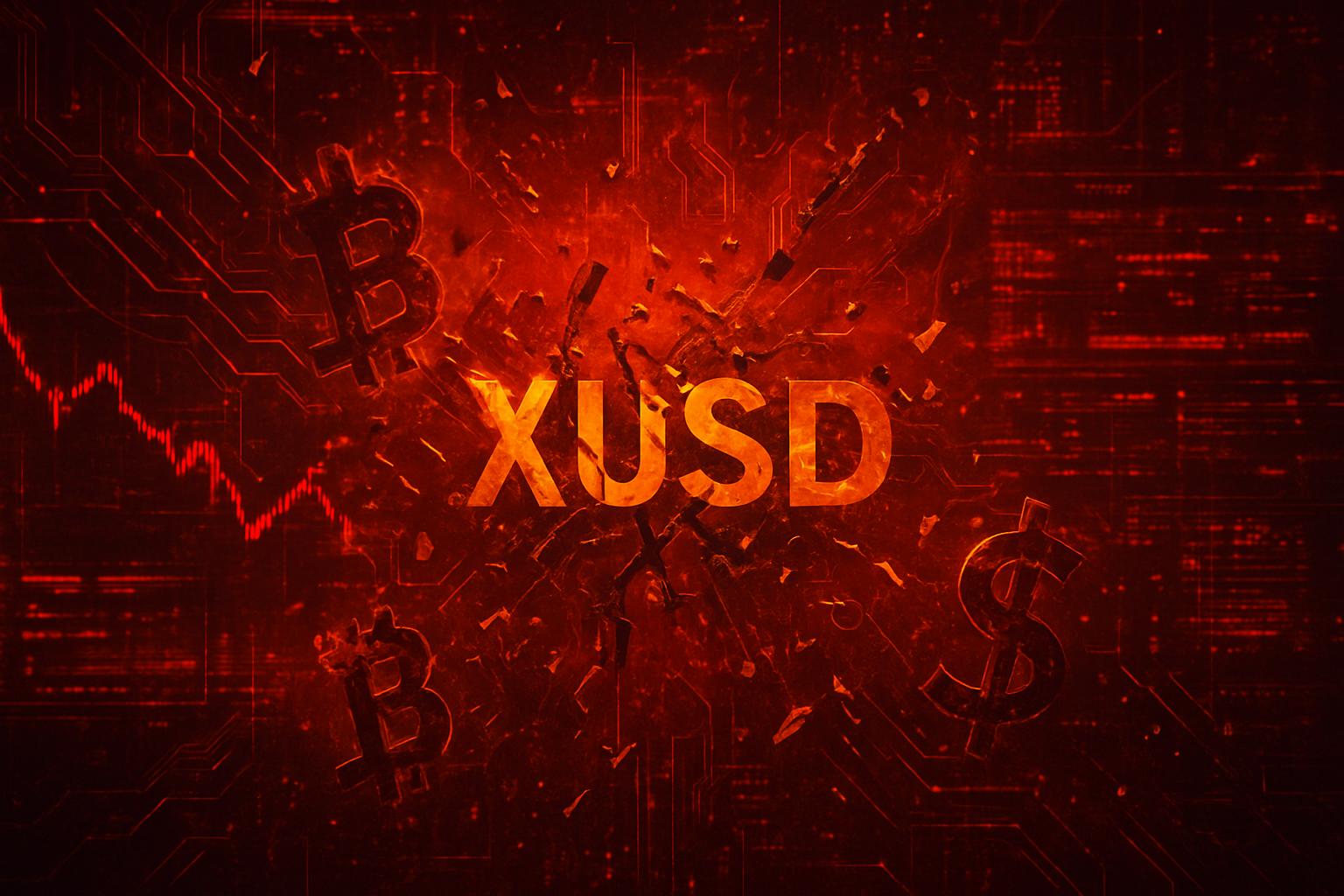
  • Stablecoin Instability: The Staked Stream USD (XUSD) Crash Rocks Crypto Markets

    Stablecoin Instability: The Staked Stream USD (XUSD) Crash Rocks Crypto Markets

    November 4, 2025 – The cryptocurrency world is reeling from the sudden and dramatic collapse of Staked Stream USD (XUSD), a prominent stablecoin, which plummeted by an estimated 70% from its $1 peg over the past 24-48 hours. The de-pegging, which saw XUSD fall to as low as $0.28 on some exchanges, was triggered by Stream Finance, the protocol behind XUSD, disclosing a staggering $93 million loss attributed to an external fund manager. This revelation sent shockwaves through the DeFi ecosystem, leading to mass liquidations and an immediate freeze of an estimated $160 million in user funds.

    The immediate market reaction was one of widespread panic, with aggressive swaps from XUSD to more stable assets like USDC seen across decentralized exchanges. This crisis, occurring just days after a significant exploit on the Balancer protocol, has amplified anxiety and forced a defensive posture across the broader decentralized finance (DeFi) space. The XUSD crash is not merely an isolated incident; it serves as a stark and urgent reminder of the inherent fragilities within certain stablecoin models and the systemic risks posed by the interconnectedness of DeFi protocols, raising critical questions about transparency, leverage, and investor protection in the nascent digital asset landscape.

    Market Impact and Price Action

    The XUSD stablecoin's dramatic de-pegging from its intended $1 value was swift and brutal. Following the disclosure of a $93 million loss by Stream Finance and the subsequent freeze on deposits and withdrawals, XUSD's price rapidly spiraled downwards. Initial aggressive swaps from XUSD to USDC on platforms like Camelot and Uniswap saw its price drop from $1 to $0.92. As confidence evaporated, XUSD continued its freefall, reaching approximately $0.43 between 6:00 PM UTC on November 3rd and 2:00 AM UTC on November 4th, with some reports indicating lows of $0.28. This precipitous decline underscored the fragile nature of its backing and the swift erosion of investor trust.

    The XUSD crash contributed to a broader downturn across the cryptocurrency market. Bitcoin (BTC) slipped below $105,000, and Ethereum (ETH) fell to $3,500 around November 4th, marking their weakest levels since mid-October. The global crypto market capitalization tumbled to a 5-month low of $3.45 trillion. Most altcoins experienced even more severe declines than Bitcoin, with some showing drops of 12% or more. Ethereum, in particular, demonstrated weaker recovery momentum, trading around $3,900-$4,000 after experiencing a steeper initial decline of 20% during an earlier October 10th crash, highlighting its higher sensitivity to risk sentiment and leverage.

    The period around the XUSD crash saw a massive deleveraging event. Over $1.5 billion in crypto positions were liquidated, affecting 329,000 traders within a 24-hour period, with long positions accounting for over $1.3 billion of these liquidations. Retail traders exhibited a significant retreat, with major exchanges like Binance reportedly observing an 80% drop in deposits. Overall stablecoin market capitalization declined by approximately 4% in October, suggesting a broader capital flight from the crypto ecosystem rather than just a rotation between assets. This substantial withdrawal of liquidity further exacerbated the downward pressure on prices.

    The XUSD incident draws stark parallels to several past stablecoin de-pegging events, most notably the catastrophic Terra Luna (UST) crash in May 2022, which wiped out an estimated $60 billion. Like UST, XUSD's sudden loss of confidence and rapid de-pegging, driven by underlying financial instability and a high leverage ratio, echoes the systemic risks inherent in certain stablecoin designs. While XUSD's direct financial loss is smaller, its impact on market sentiment and the ensuing liquidations are reminiscent of the contagion seen after the UST collapse. Less severe, but still impactful, de-pegs of Tether (USDT) and USDC during periods of market stress (e.g., May 2022, March 2023 SVB crisis) further underscore the vulnerability of even fiat-backed stablecoins to market sentiment and external shocks.

    Community and Ecosystem Response

    The XUSD crash ignited a firestorm of discussion and alarm across social media platforms, with sentiment overwhelmingly dominated by fear and uncertainty. On X (formerly Twitter), community members and analysts quickly pointed to discrepancies in Stream Finance's reported Total Value Locked (TVL) and raised concerns about potential mismanagement or hidden leverage. Speculation mounted that the external fund manager had used customer deposits for high-risk, leveraged farming strategies, leading to implosions when market prices declined. Crypto Key Opinion Leader (KOL) CBB0FE had notably issued warnings about Stream Finance's XUSD days before the depeg, criticizing its reported 4.1x leverage and opaque nature, a foresight widely discussed post-crash.

    Reddit discussions mirrored the "extreme fear" sentiment, with the Crypto Fear & Greed Index plummeting to 21/100. Threads on r/CryptoCurrency and r/ethereum emphasized "hard truths" about crypto investing, shifting from "hopium" to a focus on risk control and clear exit strategies. Users shared concerns about the "leverage trap" and the inherent fragility of stablecoin models. Omer Goldberg from Chaos Labs analyzed the "butterfly effect" of the preceding Balancer hack, noting how it contributed to the XUSD depeg and highlighted "long-standing controversies surrounding leverage operations, oracle construction, and Proof of Reserve (PoR) transparency." Ethereum co-founder Vitalik Buterin reportedly leveraged the broader market turmoil to push through an update (EIP-7890) aimed at improving gas fees, indicating a focus on underlying infrastructure resilience amidst the chaos.

    The XUSD crash had direct and indirect ripple effects across the decentralized finance (DeFi) ecosystem and further diminished sentiment in the broader Web3 space. XUSD and other synthetic assets issued by Stream Finance, such as xBTC and xETH, were heavily integrated into various lending protocols as collateral. This created significant "contagion risk" across platforms like Euler, Silo, and Morpho, which operate on multiple chains. Independent DeFi analysts estimated the total related debt exposure from Stream Finance's collapse to be approximately $285 million, with major lenders such as TelosC ($123.6 million) and Elixir ($68 million) identified as having significant exposure. The incident, combined with the earlier Balancer V2 exploit, amplified concerns about the overall stability and "credibility crisis" of the DeFi sector. The already cooling NFT market also experienced further diminished trading volumes and floor prices, as the XUSD crash added to negative sentiment and exacerbated the struggles of projects dependent on broader crypto liquidity and investor confidence.

    What's Next for Crypto

    The XUSD crash and the broader market downturn around November 3rd-4th, 2025, present significant short-term and long-term implications for the crypto market. In the immediate future, we can expect continued market turbulence, mass liquidations, and a further erosion of trust, particularly in less transparent stablecoin models. This will likely lead to a "flight to safety," with investors pulling capital from perceived riskier assets. DeFi protocols heavily reliant on XUSD or similar leveraged assets will face continued disruption, potential insolvencies, and a significant reduction in Total Value Locked (TVL). The immediate aftermath will also undoubtedly intensify calls for, and likely the implementation of, stricter regulatory oversight on stablecoins and the broader crypto industry.

    In the long term, this crisis could serve as a "healthy reset," weeding out unsustainable projects and fostering a more mature ecosystem. Enhanced regulatory frameworks, potentially accelerated by this event, could lead to clearer guidelines for stablecoins, attracting more institutional capital and fostering greater mainstream adoption. We may see a significant shift in the stablecoin landscape, with a preference for fully collateralized or regulated fiat-backed stablecoins over algorithmic or opaque models. Institutional adoption, while potentially stalled in the short term, could continue its trajectory through regulated products like spot ETFs, especially if the core underlying technology proves resilient and regulatory clarity emerges.

    Several catalysts and developments will be crucial to monitor. Regulatory clarity and enforcement, particularly regarding stablecoins, will be paramount in rebuilding confidence. The global macroeconomic environment, including central bank monetary policies and interest rate adjustments, will significantly influence crypto's recovery trajectory. Technological breakthroughs that demonstrate real-world utility beyond speculative trading, especially in scalability and interoperability, could drive sustained recovery. Continued institutional involvement through regulated products and major partnerships will signal market maturity. On-chain metrics such as daily active users, DEX trading volume, and stablecoin balances will provide insights into genuine network activity and recovery, while the accumulation of stablecoins off-exchange could indicate sidelined capital awaiting re-entry.

    For projects, the strategic considerations include building sustainable business models, maintaining strong treasury management, focusing on core development, enhancing transparency and security, and forging strategic partnerships. Investors, meanwhile, should prioritize risk management and diversification, allocate to robust stablecoins as a safe harbor, maintain a long-term perspective with emotional discipline, and identify strategic entry and exit points. Possible scenarios include a grinding, prolonged recovery (moderate to high likelihood), an extended bear market or "crypto winter" (moderate likelihood) if macroeconomic conditions worsen, or a differentiated market where established assets recover faster than speculative altcoins (highly likely). A quick, V-shaped rebound remains a low likelihood without a powerful, unforeseen positive catalyst.

    Bottom Line

    The Staked Stream USD (XUSD) crash is a potent reminder of the inherent risks and rapid evolutionary pace of the cryptocurrency market. For investors and enthusiasts, the key takeaways are clear: rigorous due diligence is paramount for any crypto asset, especially stablecoins, understanding their collateralization and operational models. The event underscores the ever-present risk of contagion across interconnected DeFi protocols, emphasizing the need for diversification and robust risk management strategies to avoid excessive leverage. Finally, it reinforces the principle of "Not Your Keys, Not Your Crypto" for assets held with third-party custodians, highlighting the importance of self-custody where appropriate.

    In the long term, the XUSD incident will likely serve as a catalyst for increased regulatory frameworks globally, particularly for stablecoins. This could lead to a flight to quality, favoring more transparent, fully fiat-backed, and regulated stablecoins, or even central bank digital currencies (CBDCs) as they emerge. While initially a setback for broader crypto adoption, this crisis could ultimately pave the way for a more mature and sustainable ecosystem by exposing weaknesses and prompting necessary reforms. As speculative fervor diminishes, the focus may shift towards the utility of blockchain technology in real-world applications, driving a more differentiated and stable form of adoption.

    The XUSD crash is a significant "stress test" for the crypto market. While painful in the immediate aftermath, it has the potential to force the industry to mature, leading to stronger foundations necessary for broader, more sustainable adoption in the long run. Investors should closely monitor regulatory statements and legislative developments, the performance of bellwether assets like Bitcoin and Ethereum, stablecoin market capitalization and stability, and DeFi's Total Value Locked (TVL) for signs of recovery or further distress. The interplay of global macroeconomic trends, regulatory actions, and the inherent resilience and innovation within the crypto ecosystem will ultimately dictate the market's trajectory.


    This article is for informational purposes only and does not constitute financial or investment advice. Cryptocurrency investments carry significant risk.

  • Western Union’s Solana Stablecoin: A 2026 Game-Changer for Global Remittances and TradFi-DeFi Convergence

    Western Union’s Solana Stablecoin: A 2026 Game-Changer for Global Remittances and TradFi-DeFi Convergence

    As the cryptocurrency world hurtles towards 2026, a monumental shift is on the horizon: Western Union (NYSE: WU), a venerable titan in global money transfers, is poised to launch its U.S. Dollar Payment Token (USDPT) stablecoin on the high-performance Solana blockchain. This strategic move, anticipated in the first half of 2026, signals a profound acceleration in the convergence of traditional finance (TradFi) and the burgeoning digital asset ecosystem. While still over the horizon from our current vantage point of October 28, 2025, the announcement has already begun to ripple through the crypto community, sparking discussions about the future of remittances, the validation of blockchain technology by established players, and the increasing institutional adoption of stablecoins. This initiative is not merely an incremental update; it represents a foundational recalibration of how global value will be transferred, potentially reshaping financial landscapes for decades to come.

    The significance of Western Union's foray into the crypto market with a Solana-powered stablecoin cannot be overstated. It marks a decisive pivot for a company that has historically approached cryptocurrencies with caution, now embracing digital assets as a core component of its future strategy. This move is expected to dramatically enhance the efficiency, speed, and cost-effectiveness of cross-border payments, directly challenging legacy correspondent banking systems. The choice of Solana underscores a broader industry trend towards scalable, low-cost blockchain solutions for enterprise applications, solidifying stablecoins' role as a critical bridge between the stability of fiat currencies and the innovation of decentralized finance.

    Market Impact and Price Action (Anticipated)

    Given that Western Union's USDPT stablecoin launch on Solana is slated for the first half of 2026, the immediate market reaction is currently speculative, driven by anticipation and forward-looking sentiment. However, the announcement itself, or any further confirmed details in the coming months, is expected to generate significant positive momentum for the Solana (SOL) ecosystem. As a high-throughput blockchain, Solana has consistently attracted enterprise interest, and a partnership with a global giant like Western Union could solidify its position as a leading platform for institutional-grade payment solutions. We could foresee a notable uptick in SOL's price as investors factor in the increased utility, adoption, and network activity that Western Union's stablecoin would bring. This could push SOL towards key resistance levels, potentially revisiting all-time highs as the launch date approaches.

    Trading volumes for SOL are likely to see a substantial increase as market participants position themselves ahead of the 2026 launch. The announcement could also positively influence other tokens within the Solana ecosystem, particularly those focused on DeFi, payments, or interoperability, as the broader network gains legitimacy and user base. Comparing this to similar past events, such as PayPal's (NASDAQ: PYPL) launch of PYUSD, institutional stablecoin announcements often lead to a general uplift in market sentiment, particularly for the underlying blockchain and associated projects. While PYUSD is Ethereum-based, its introduction highlighted the growing acceptance of stablecoins by major financial players. Western Union's move on Solana, however, targets the massive global remittances market, potentially dwarfing the impact of previous stablecoin initiatives in terms of real-world utility and transaction volume. This could establish new support levels for SOL and set a bullish precedent for other layer-1 blockchains vying for enterprise adoption.

    The long-term market impact hinges on the successful implementation and widespread adoption of the USDPT. If Western Union effectively leverages its vast global network for cash on/off-ramps, facilitating seamless conversion between digital assets and local fiat, it could drive unprecedented transaction volumes on Solana. This would not only enhance Solana's network value but also likely increase demand for SOL for transaction fees (gas), creating a positive feedback loop for its price action. Technical analysts will be closely watching for accumulation patterns in SOL and related assets, with key support around recent consolidation zones and resistance at previous peaks, as the market digests the full implications of this strategic partnership.

    Community and Ecosystem Response (Anticipated)

    The crypto community, particularly on platforms like Crypto Twitter and Reddit, is already buzzing with speculative excitement regarding Western Union's planned stablecoin on Solana. Initial sentiment is overwhelmingly positive, with many hailing it as a significant validation of blockchain technology's real-world utility beyond speculative trading. Influencers and thought leaders are expected to highlight this as a landmark moment where a legacy financial institution, once seen as an antithesis to decentralized finance, is actively embracing it. Discussions will likely center on the implications for financial inclusion, particularly in developing nations where Western Union has a strong presence, and the potential for dramatically reduced remittance fees.

    The Solana ecosystem, in particular, is bracing for a surge in interest and development. DeFi protocols built on Solana could see increased liquidity and user engagement as the USDPT stablecoin provides a stable, institutional-backed asset for lending, borrowing, and trading. NFT projects and Web3 applications on Solana might also benefit from the increased network activity and the potential for easier fiat on-ramps and off-ramps facilitated by Western Union's global network. There's an anticipation that this move will attract more traditional businesses and developers to build on Solana, further enriching its vibrant ecosystem. While some purists might express reservations about a centralized entity like Western Union entering the decentralized space, the broader sentiment is one of pragmatic optimism, recognizing that such partnerships are crucial for mainstream crypto adoption. The discussion will also inevitably touch upon Solana's resilience and scalability, with the community eager to see how the network handles the potential influx of Western Union's transaction volume.

    What's Next for Crypto

    Western Union's impending stablecoin launch on Solana in 2026 sets a powerful precedent for the entire crypto market, particularly in the realm of institutional adoption and real-world utility. In the short term, this move is likely to fuel further interest from other traditional financial institutions (TradFi) in exploring blockchain-based solutions for payments, treasury management, and asset tokenization. We can expect increased research and development into enterprise-grade stablecoins and permissioned blockchain environments. Regulatory bodies globally will also be closely observing the implementation and impact of USDPT, potentially accelerating the development of clearer, more comprehensive stablecoin regulations, which would be a significant catalyst for further institutional entry.

    Long-term implications are even more profound. This initiative could catalyze a fundamental shift in the global remittances market, pushing down transaction costs and accelerating settlement times across the board. It positions stablecoins, especially those backed by major financial institutions, as a cornerstone of future global payment infrastructure. For investors, this signals a strategic consideration towards blockchains like Solana that demonstrate scalability, low fees, and proven enterprise utility. Projects within the payments, DeFi, and RWA (Real World Asset) tokenization sectors are likely to see increased investor interest and strategic partnerships. We could also see a proliferation of "TradFi-friendly" DeFi protocols designed to integrate seamlessly with institutional stablecoins. The most likely scenario is a continued convergence of TradFi and crypto, where traditional players leverage blockchain for efficiency, and crypto projects gain mainstream legitimacy and user bases.

    Bottom Line

    Western Union's planned launch of its USDPT stablecoin on Solana in 2026 is a watershed moment for the cryptocurrency industry, underscoring the undeniable trajectory of digital assets into mainstream finance. For crypto investors and enthusiasts, the key takeaway is the validation of stablecoins as a critical utility layer and the increasing importance of scalable, efficient blockchains like Solana for real-world applications. This move signifies that the "killer app" for blockchain might indeed be payments and remittances, with a focus on cost reduction and speed.

    The long-term significance lies in the potential for Western Union to leverage its unparalleled global network of physical locations to provide crucial cash on/off-ramps for digital assets, effectively bridging the gap between fiat and crypto for millions worldwide. This could dramatically accelerate crypto adoption, especially in emerging markets. We should monitor several important metrics as 2026 approaches: regulatory developments surrounding stablecoins, the progress of Western Union's "Digital Asset Network" for cash conversion, and the transaction volume and user growth on the Solana network. The successful deployment and adoption of USDPT could solidify stablecoins as the preferred medium for cross-border value transfer, fundamentally altering how we perceive and interact with money on a global scale. This is not just a crypto story; it's a global financial evolution.


    This article is for informational purposes only and does not constitute financial or investment advice. Cryptocurrency investments carry significant risk.

  • Nigeria Charts New Digital Course: CBN Forms Task Force for Official Stablecoin, eNaira’s Future in Question

    Nigeria Charts New Digital Course: CBN Forms Task Force for Official Stablecoin, eNaira’s Future in Question

    Abuja, Nigeria – October 22, 2025 – In a significant move poised to reshape Nigeria's digital currency landscape, the Central Bank of Nigeria (CBN) announced on October 18, 2025, the formation of a new task force dedicated to exploring the adoption of an official stablecoin. The announcement, made by CBN Governor Olayemi Cardoso at the conclusion of the World Bank and International Monetary Fund (IMF) meetings in Washington, D.C., signals a potential pivot in the nation's digital currency strategy, casting a shadow of uncertainty over the future of its existing central bank digital currency (CBDC), the eNaira.

    This strategic shift comes as Nigeria grapples with the underwhelming adoption and technical challenges that have plagued the eNaira since its launch. The initiative underscores a renewed institutional focus on developing a robust, regulated digital asset, aiming to foster innovation while ensuring financial stability. For the broader crypto ecosystem, this development is a critical indicator of how governments are adapting to the complexities of digital currencies, potentially setting a precedent for other nations navigating similar challenges with their own CBDC implementations.

    Market Impact and Price Action

    The immediate market reaction to the CBN's stablecoin task force announcement has been largely speculative, given the nascent stage of the initiative. While no specific digital asset has experienced dramatic price movements directly attributable to this news yet, the sentiment among local crypto enthusiasts and investors suggests cautious optimism. The announcement could indirectly bolster confidence in the regulatory environment for digital assets in Nigeria, potentially attracting more mainstream financial participation in the long run.

    Historically, government moves towards regulating or introducing digital currencies have often led to a temporary boost in investor confidence, particularly for assets perceived to be compliant or complementary to the official stance. However, the Nigerian context is unique, with the eNaira's struggles serving as a cautionary tale. Unlike the eNaira, which is a CBDC, an official stablecoin implies a different design and integration, potentially offering more stability and utility, which could make it more attractive to users. This distinction could draw investment interest towards existing stablecoin projects or related blockchain infrastructure within the Nigerian market, though specific price action remains to be seen as details of the official stablecoin emerge.

    The long-term impact on trading volume and liquidity will depend heavily on the structure, accessibility, and use cases of the proposed official stablecoin. If it facilitates easier cross-border transactions or acts as a reliable hedge against local currency fluctuations, it could significantly enhance liquidity within Nigeria's digital asset ecosystem. Key support and resistance levels for the broader crypto market in Nigeria will likely be influenced by the regulatory clarity and operational efficiency of this new stablecoin, should it come to fruition. A well-implemented official stablecoin could provide a much-needed bridge between the traditional financial system and the burgeoning digital economy, potentially unlocking new avenues for capital flow.

    Community and Ecosystem Response

    The Nigerian crypto community has met the CBN's announcement with a mix of anticipation and pragmatism. Social media platforms, particularly X (formerly Twitter) and local crypto forums, are abuzz with discussions about what this means for the future of digital finance in the country. Many see it as a tacit acknowledgment of the eNaira's shortcomings and a proactive step towards a more viable digital currency solution. Influencers and thought leaders within the Nigerian Web3 space have largely welcomed the move, emphasizing the importance of regulatory clarity and a well-designed stablecoin to foster wider adoption.

    There's a prevailing sentiment that a properly structured official stablecoin, particularly one that addresses the pain points of the eNaira, could significantly boost financial inclusion and facilitate seamless digital transactions. Some community members are drawing parallels to private stablecoin initiatives, such as the cNGN, which was slated for launch by the Africa Stablecoin Consortium (ASC) in February 2024. The relationship between such private ventures and the CBN's new official stablecoin task force will be a key point of discussion, with many hoping for collaboration rather than competition to maximize benefits for users.

    The broader crypto Twitter and Reddit sentiment, both within and outside Nigeria, reflects a global interest in how African nations are approaching digital currency regulation. This development is being watched closely as an indicator of how a major African economy might integrate digital assets into its financial system, particularly after the mixed success of its CBDC. The focus is now on the details: the underlying technology, the pegging mechanism, regulatory oversight, and how it will interact with existing financial infrastructure and decentralized finance (DeFi) protocols.

    What's Next for Crypto

    The formation of Nigeria's official stablecoin task force signals a significant evolution in the nation's digital currency strategy, with both short and long-term implications for the crypto market. In the short term, the focus will be on the task force's progress and any preliminary reports or frameworks they propose. This period will likely be characterized by increased speculation and debate within the Nigerian and global crypto communities regarding the stablecoin's design, governance, and potential launch timeline. The market will be keen to understand if this new initiative will supersede or complement the eNaira, and how it will interact with existing private stablecoin efforts like the cNGN.

    Long-term, this move could position Nigeria as a leader in stablecoin adoption within Africa, provided the implementation is successful. It suggests a potential diversification of Nigeria's digital money strategy, moving beyond a pure CBDC model to embrace the benefits of a stablecoin, which often include greater transactional efficiency and broader appeal. Potential catalysts to watch include the release of the task force's recommendations, any pilot programs for the official stablecoin, and the subsequent regulatory frameworks put in place. These developments will be crucial for guiding strategic considerations for both local and international crypto projects looking to operate within Nigeria.

    For investors, the key will be to monitor the regulatory environment closely. A clear, supportive framework for an official stablecoin could unlock new investment opportunities in related blockchain infrastructure, payment solutions, and even DeFi protocols that could integrate with the new digital asset. Possible scenarios range from a highly successful, widely adopted official stablecoin that revitalizes Nigeria's digital economy to a more cautious integration that runs in parallel with existing financial systems. The likelihood of success will hinge on the CBN's ability to learn from the eNaira's challenges, engage effectively with stakeholders, and design a stablecoin that offers clear utility and public trust.

    Bottom Line

    Nigeria's decision to establish a task force for an official stablecoin marks a pivotal moment in its digital currency journey. For crypto investors and enthusiasts, the key takeaway is the CBN's clear commitment to digital innovation, even while acknowledging the practical difficulties encountered with the eNaira. This move suggests a pragmatic approach, seeking to harness the benefits of digital currencies through a potentially more stable and widely acceptable form. The long-term significance lies in Nigeria's potential to set a new standard for digital currency integration in emerging markets, moving beyond the traditional CBDC model to explore alternative, possibly more effective, digital asset strategies.

    Final thoughts revolve around the critical need for robust regulatory frameworks, public education, and seamless technological integration to ensure the success of any new digital currency. The lessons learned from the eNaira's low adoption rates must inform the design and rollout of this official stablecoin. Success will not only boost financial inclusion within Nigeria but also enhance the country's standing in the global digital economy. Important dates and metrics to monitor include the task force's reporting deadlines, any pilot program announcements, and eventually, the adoption rates and transaction volumes of the official stablecoin. The macroeconomic context of easing inflation, a stabilizing naira, and increasing foreign reserves provides a more favorable backdrop for this ambitious undertaking.


    This article is for informational purposes only and does not constitute financial or investment advice. Cryptocurrency investments carry significant risk.

  • Ethena’s USDe Shrugs Off Crypto Market Carnage, ENA Stages 8% Recovery Amidst $19 Billion Liquidation Wave

    Ethena’s USDe Shrugs Off Crypto Market Carnage, ENA Stages 8% Recovery Amidst $19 Billion Liquidation Wave

    October 17, 2025 – In a tumultuous week for the cryptocurrency markets, Ethena's synthetic dollar, USDe, showcased remarkable resilience, largely maintaining its peg despite a fleeting depeg on a major centralized exchange. This stability came amidst a brutal market crash on October 10-11, 2025, which saw over $19 billion in crypto positions liquidated and leading assets like Bitcoin (BTC-USD) plummet by over 18%. While Ethena's governance token, ENA, initially suffered a sharp decline, it swiftly staged a significant recovery, bouncing more than 8% from its crash lows in the days that followed.

    This event serves as a critical stress test for the burgeoning decentralized finance (DeFi) ecosystem, highlighting the robustness of Ethena's delta-neutral hedging strategy and its ability to withstand extreme volatility. The swift recovery of USDe and ENA stands in stark contrast to the broader market's despair, prompting a re-evaluation of stablecoin design and risk management in the Web3 space. The incident underscores the growing maturity of certain DeFi protocols, even as it exposes vulnerabilities in centralized exchange infrastructure.

    Market Impact and Price Action

    The crypto market experienced a seismic shock on October 10-11, 2025, triggered by an unexpected announcement of new U.S. tariffs on Chinese goods. This geopolitical tremor sent ripples of panic across the digital asset landscape, culminating in a historic deleveraging event. Bitcoin (BTC-USD) plunged from approximately $125,000 to $102,000, marking an 18.4% capitulation, while Ethereum (ETH-USD) shed a substantial 16% of its value. The 24-hour period witnessed an unprecedented $19 billion in liquidations, marking one of the largest single-day deleveragings in crypto history.

    Amidst this chaos, Ethena's synthetic dollar, USDe, faced its own test. While it remained largely stable across decentralized exchanges (DEXs), experiencing only a minimal 0.3% dip on platforms like Curve, it briefly lost its 1:1 peg on Binance. For a short period, USDe traded as low as $0.65 on the centralized exchange, representing a 35% depeg. Ethena Labs quickly attributed this localized depeg to a Binance pricing glitch, thin order books, and secondary market disruptions, rather than a systemic failure of its underlying mechanism. Crucially, USDe rapidly recovered its peg to $1 within hours, with Ethena Labs confirming that the protocol remained over-collateralized and its mint and redeem functions operated normally, processing $2 billion in redemptions within 24 hours without incident.

    Ethena's governance token, ENA, was not immune to the initial market downturn. It experienced a sharp decline, falling by as much as 40% or approximately 19.26% on October 10, reaching lows around $0.25. However, in a testament to the project's underlying strength and renewed investor confidence, ENA quickly began a significant recovery. By October 15, just days after the crash, ENA was reported to be "back near $0.43, gaining more than 8% in the last 24 hours" from its lowest point. Furthermore, it was noted to be "up by 156% from its lowest level on Friday," indicating robust buying support at lower price levels and a strong rebound in the aftermath of the market turbulence.

    Community and Ecosystem Response

    The crypto community's reaction to the USDe depeg and ENA's subsequent recovery was a rollercoaster of emotions, moving from initial panic to cautious relief and renewed scrutiny. Social media platforms like X (formerly Twitter) and Reddit were immediately abuzz with discussions. The brief depeg of USDe on Binance triggered widespread FUD (Fear, Uncertainty, and Doubt), with many recalling past stablecoin failures and questioning the integrity of the broader DeFi ecosystem. The $19 billion liquidation event amplified these concerns, creating an environment of extreme caution.

    However, Ethena Labs' swift and transparent communication played a crucial role in mitigating prolonged panic. Their immediate confirmation that USDe remained over-collateralized and that mint/redeem functions were operating normally helped to assuage fears. The rapid recovery of USDe to its $1 peg, especially its stability on DEXs, served as a powerful testament to the protocol's underlying design. Crypto influencers, initially expressing concern, quickly shifted their sentiment as USDe stabilized and ENA began its rebound. Many highlighted Ethena's resilience as a "stress test" passed, praising its ability to navigate extreme market conditions. The "buying the dip" narrative for ENA gained traction, with influencers pointing to the token's recovery as a sign of fundamental strength and long-term potential.

    The impact on related DeFi protocols was initially one of heightened vigilance. Platforms integrated with USDe or ENA likely monitored the situation closely, with some potentially re-evaluating their exposure. However, the swift resolution and Ethena's operational integrity likely reassured partners, underscoring the importance of robust risk management and transparent collateralization in the interconnected DeFi landscape. The incident also sparked broader conversations about the vulnerabilities of centralized exchange infrastructure and the need for improved oracle systems and liquidity management during periods of high stress.

    What's Next for Crypto

    The October 2025 market crash and Ethena's performance within it carry significant short-term and long-term implications for the crypto market. In the short term, the event will undoubtedly lead to increased scrutiny and differentiation among stablecoins. Investors will demand greater transparency regarding collateralization, risk management, and operational resilience, favoring protocols that have demonstrated robustness under pressure. The incident also highlights the critical need for centralized exchanges to enhance their infrastructure, particularly concerning oracle reliability and liquidity provision for synthetic assets, to prevent localized depeg events.

    Longer term, Ethena's resilience could accelerate the evolution of stablecoin design and regulatory frameworks. The debate around classifying synthetic stablecoins like USDe as "tokenized hedge funds" rather than traditional stablecoins is likely to intensify, pushing for clearer disclosures and risk profiles. Regulatory bodies, already advancing frameworks like the U.S. GENIUS Act (enacted July 2025) and the EU's MiCA regulations, may further refine their approaches to ensure systemic stability while fostering innovation. This could lead to a more regulated yet potentially more trustworthy crypto ecosystem, bridging the gap with traditional finance.

    Potential catalysts for future market recovery and growth include continued institutional adoption, which demonstrated resilience by accumulating assets during the dip. Projects that prioritize robust security, enhanced transparency, and regulatory alignment will be best positioned to attract this capital. The event could also spur further innovation in risk mitigation strategies, decentralized oracle solutions, and cross-chain liquidity. Strategic considerations for investors include stringent risk management, avoiding excessive leverage, and focusing on projects with strong fundamentals and proven resilience. For projects, the emphasis will be on building robust infrastructure, diversifying liquidity sources, and proactively engaging with regulatory bodies to build trust.

    Bottom Line

    The October 2025 crypto market crash served as a brutal but invaluable stress test for the digital asset ecosystem. Ethena's performance, characterized by USDe's swift recovery from a brief depeg and ENA's significant rebound from its lows, offers key takeaways for investors and enthusiasts. It underscored that not all stablecoins are created equal and that robust, transparent, and over-collateralized designs can withstand extreme volatility, even when centralized intermediaries falter.

    The long-term significance of this event lies in its potential to foster a more mature and resilient crypto market. It reinforces the importance of due diligence, understanding the underlying mechanics of stablecoins, and the dangers of excessive leverage. As the market continues to evolve, events like these will shape investor behavior, drive innovation in risk management, and influence the trajectory of regulatory oversight. Investors should monitor developments in stablecoin regulation, advancements in DeFi security, and the ongoing efforts of projects like Ethena to enhance transparency and diversify their collateral base, potentially through real-world asset (RWA) tokenization. The ability of certain protocols to not only survive but also demonstrate strength during a market downturn is a powerful signal for the future adoption and integration of crypto into the global financial landscape.


    This article is for informational purposes only and does not constitute financial or investment advice. Cryptocurrency investments carry significant risk.
  • Sony Bank’s US Banking License Bid: A New Era for Dollar-Backed Stablecoins

    Sony Bank’s US Banking License Bid: A New Era for Dollar-Backed Stablecoins

    New York, NY – October 16, 2025 – In a landmark move poised to reshape the digital asset landscape, Sony Bank, a prominent financial institution largely owned by Sony Group (TYO:6758), has formally applied for a U.S. national banking license. The application, submitted through its New York-based subsidiary Connectia Trust, was made public by the Office of the Comptroller of the Currency (OCC) on October 10, 2025. This strategic maneuver signals a significant foray by a traditional finance giant into the burgeoning U.S. stablecoin market, with the explicit intention of issuing a fully dollar-backed stablecoin and offering comprehensive digital asset custody services.

    The announcement has sent ripples across the cryptocurrency ecosystem, sparking immediate discussions about the convergence of traditional finance (TradFi) and decentralized finance (DeFi). While the OCC’s review process is ongoing, the mere prospect of a globally recognized entity like Sony entering the stablecoin arena has been met with cautious optimism and intense speculation. This development is particularly significant as it aligns with the recently enacted “Guiding and Establishing National Innovation for U.S. Stablecoins Act (GENIUS Act)” of July 2025, which has provided a much-anticipated federal regulatory framework for stablecoin issuers. Sony Bank's proactive step underscores a growing institutional confidence in regulated digital assets and could serve as a powerful catalyst for broader mainstream adoption.

    Market Impact and Price Action

    The announcement of Sony Bank's (TYO:6758) stablecoin ambitions, coupled with the regulatory clarity provided by the GENIUS Act, is poised to usher in a new era of market dynamics within the cryptocurrency space. While the application is still under OCC review, the mere prospect of a globally trusted brand entering the fray has already begun to shift sentiment, particularly within the stablecoin sector. Analysts anticipate a significant boost in institutional confidence, potentially expanding the stablecoin market capitalization from its current robust figure of over $312 billion to an estimated $400 billion by early 2026. This growth would be fueled by traditional financial institutions and corporate clients who have historically been hesitant due to regulatory ambiguities.

    The existing stablecoin landscape, largely dominated by Tether (USDT) and Circle (USDC), is expected to face intensified competition. Sony Bank's dollar-backed stablecoin, backed by its reputable brand and stringent regulatory compliance under the GENIUS Act's 100% reserve mandate, could attract a substantial share of institutional capital seeking highly regulated and transparent digital assets. This increased competition is likely to drive innovation and potentially pressure existing issuers to enhance their own transparency and auditing practices, thereby reinforcing overall stablecoin peg integrity and reducing the risk of de-pegging events.

    Furthermore, the introduction of a Sony Bank stablecoin is expected to ignite a surge in overall stablecoin trading volume and liquidity. Traditional financial institutions command vast capital pools and extensive client networks. As these resources are directed towards stablecoin adoption for cross-border payments, corporate treasury management, and other financial services, the depth and efficiency of the stablecoin market will significantly increase. This influx of institutional liquidity will not only benefit the stablecoin market directly but also serve as a crucial "on-ramp" for traditional capital into the broader cryptocurrency ecosystem. Major cryptocurrencies like Bitcoin (BTC), currently trading in the range of $111,000 to $115,000, could see indirect positive impacts. With sustained institutional inflows, some analysts project Bitcoin could reach $120,000 to $150,000 by year-end 2025, and Sony Bank's move could further bolster this trend by providing a trusted gateway for new investors.

    The long-term implications suggest a modernization of global payment systems. Stablecoins issued by regulated entities like Sony Bank offer the potential to drastically reduce transaction costs and accelerate settlement times compared to traditional banking rails. This efficiency gain could attract businesses seeking more agile and cost-effective cross-border solutions, further integrating digital assets into the global financial infrastructure. The move is a strong indicator that the convergence of TradFi and DeFi is not just theoretical but a rapidly accelerating reality, driven by regulatory clarity and institutional demand.

    Community and Ecosystem Response

    The crypto community's reaction to Sony Bank's (TYO:6758) stablecoin ambitions is a complex tapestry woven with threads of optimism, skepticism, and pragmatic acceptance. On platforms like X (formerly Twitter) and Reddit, discussions oscillate between fervent bullishness and ideological concerns. Many within the ecosystem view this move as a monumental validation of digital assets, signaling an irreversible march towards mainstream adoption and institutional confidence. The prospect of a global brand like Sony leveraging blockchain technology is seen by many as a powerful endorsement that will attract unprecedented liquidity and foster a more robust, mature ecosystem.

    However, a significant segment, particularly among early adopters and those deeply committed to the ethos of decentralization, harbors reservations. These voices express concerns about the potential for increased centralization, heightened regulatory control, and a dilution of crypto's foundational principles of financial sovereignty and permissionless innovation. The debate often centers on finding a delicate balance: how can traditional finance harness the efficiency of blockchain without compromising the core tenets of the decentralized movement? Crypto influencers reflect this dichotomy, with some championing institutional adoption as a necessary driver for long-term growth and legitimacy, while others caution against the potential for power consolidation if traditional institutions become overly dominant.

    For Decentralized Finance (DeFi) protocols, Sony Bank's initiative, operating under the strictures of the GENIUS Act, presents both opportunities and distinct challenges. On one hand, the influx of institutional capital into a highly regulated stablecoin market could drive significant demand and liquidity into underlying blockchain networks, potentially benefiting DeFi protocols built on those chains through increased transaction fees and validator rewards. The sheer volume of transactions and the expanded user base could provide a substantial boost to network activity.

    Conversely, the GENIUS Act's explicit prohibition on interest-bearing stablecoins directly impacts a core functionality of many DeFi lending, borrowing, and yield-generating protocols. This regulatory constraint could lead to a bifurcation of the stablecoin market: regulated, non-interest-bearing stablecoins like Sony Bank's serving institutional and compliant use cases, while existing, potentially interest-bearing stablecoins continue to dominate the more permissionless and yield-focused DeFi landscape. Moreover, the emergence of bank-issued stablecoins, even if technically decentralized, reinforces a centralized control layer that some argue undermines the very essence of DeFi. The broader sentiment on crypto Twitter and Reddit reflects this tension, with many acknowledging the regulatory clarity brought by the GENIUS Act as crucial for market stability and consumer protection, yet simultaneously lamenting its potential to restrict innovation and the full utility of stablecoins within a truly decentralized financial system.

    What's Next for Crypto

    Sony Bank's (TYO:6758) application for a U.S. banking license to issue a stablecoin, coming on the heels of the GENIUS Act, sets the stage for a transformative period in the cryptocurrency market. In the short term, this move significantly bolsters the legitimacy of stablecoins, paving the way for a greater influx of institutional capital. As more traditional financial institutions witness a clear regulatory pathway and a reputable brand like Sony embracing digital assets, it will likely encourage similar ventures, driving further capital into the crypto ecosystem. This will intensify competition within the stablecoin market, challenging the dominance of existing players like Tether and Circle and potentially spurring innovation and efficiency across the sector.

    The GENIUS Act's stringent requirements for 100% reserves, regular audits, and robust AML/CFT protocols will impose a new level of regulatory scrutiny and compliance focus. This environment will likely lead to a consolidation within the stablecoin market, as less compliant entities face pressure to adapt or exit. For the broader crypto market, the availability of more regulated, fully-backed stablecoins could introduce greater stability, offering traders additional low-volatility options and enhanced hedging strategies against market fluctuations. This also reinforces the U.S. dollar's pivotal role in the evolving digital finance landscape, positioning it as a cornerstone of U.S. financial power in the digital age.

    Looking further ahead, the long-term implications point towards an accelerated integration of digital assets into traditional finance systems. The clear regulatory framework, coupled with the participation of global financial powerhouses, will facilitate advanced use cases such as real-time settlement, efficient cross-border treasury flows, and deeper, more compliant integration with decentralized finance (DeFi) protocols. Stablecoins are poised to revolutionize the global payments infrastructure, influencing international remittances and B2B settlements. Citi projects the stablecoin market could reach nearly $2 trillion by 2030, driven by the reallocation of U.S. cash and deposits into digital tokens and the replacement of international liquidity tools. This integration will also foster innovation in stablecoin design, underlying blockchain infrastructure, and new financial products built upon these regulated digital currencies.

    The GENIUS Act, by establishing a framework for private stablecoins and implicitly favoring private sector-led digital currency innovation, signals a U.S. preference that could influence the global evolution of Central Bank Digital Currencies (CBDCs). Instead of a Fed-issued digital dollar, a diverse ecosystem of regulated private stablecoins might emerge. However, the projected growth necessitates the development of more robust infrastructure for on/off-ramping, cross-chain interoperability, and secure custody solutions. A critical long-term consideration remains the threat of quantum computing to blockchain encryption, requiring ongoing investment in quantum-resistant cryptographic solutions to safeguard the future of the digital asset ecosystem. Potential catalysts to watch include the swift approval of Connectia Trust's OCC Charter, further institutional entrants, and any global regulatory harmonization efforts.

    Bottom Line

    Sony Bank's (TYO:6758) strategic move to apply for a U.S. banking license to issue a dollar-backed stablecoin, under the fresh regulatory umbrella of the GENIUS Act, marks a pivotal moment for crypto investors and enthusiasts. The foremost takeaway is the significant enhancement of institutional legitimacy for digital assets. When a global conglomerate like Sony actively integrates stablecoins into its financial and potentially entertainment ecosystems, it sends an unmistakable signal that the crypto landscape is maturing and ready for mainstream institutional capital, potentially driving the stablecoin market capitalization from its current robust state past $400 billion by early 2026.

    The GENIUS Act, enacted on July 18, 2025, provides crucial regulatory clarity, a factor that has historically been a major barrier for institutional participation. Its mandates—1:1 reserve requirements in highly liquid assets, stringent AML/KYC compliance, and the prohibition of direct interest from issuers—will fundamentally reshape the stablecoin market. While the interest prohibition might initially seem restrictive for some DeFi applications, it underscores a regulatory intent to position stablecoins primarily as reliable payment instruments rather than speculative investment vehicles. This clarity, combined with Sony's entry, will undoubtedly intensify competition, spurring innovation in stablecoin technology and potentially leading to more efficient, user-friendly offerings.

    The long-term significance of this development for crypto adoption cannot be overstated. It represents a watershed moment where major global corporations are not merely observing but actively integrating digital assets into regulated financial services and consumer-facing products. This institutionalization, operating within clear regulatory guardrails, is paramount for building public trust and demonstrating the tangible utility of cryptocurrencies beyond speculative trading. The U.S. regulatory framework, hailed by some as potentially as transformative as the 1996 Telecom Act, sets a powerful precedent for global stablecoin regulation, potentially fostering greater international harmonization and interoperability. The ultimate vision points towards a future where regulated stablecoins serve as a foundational layer for a more efficient, inclusive, and tokenized global financial system.

    Crypto adoption is clearly accelerating, transitioning from a niche technology to an integral component of the global financial infrastructure. The GENIUS Act, by providing clear rules, empowers large-scale players like Sony Bank to confidently innovate and push stablecoins into everyday transactions, blurring the lines between traditional and decentralized finance. The focus for crypto adoption is moving beyond speculative trading to practical, real-world utility, with regulated stablecoins serving as the reliable digital dollar for diverse applications. Investors and enthusiasts should closely monitor the OCC's decision on Connectia Trust NA's charter, the full implementation phases of the GENIUS Act (with key dates in July 2026, January 2027, and July 2028), the growth of the overall stablecoin market capitalization, and crucially, any announcements regarding Sony's stablecoin integration into its vast entertainment and digital services, including its Soneium blockchain. The responses from traditional banks to this evolving landscape, particularly regarding tokenized deposit offerings, will also be critical indicators of the pace of this financial revolution.


    This article is for informational purposes only and does not constitute financial or investment advice. Cryptocurrency investments carry significant risk.

  • $21 Million Stablecoin Heist: Private Key Leak Rocks Hyperliquid Trader, Funds Bridged to Ethereum

    $21 Million Stablecoin Heist: Private Key Leak Rocks Hyperliquid Trader, Funds Bridged to Ethereum

    October 10, 2025 – The cryptocurrency world is still grappling with the ramifications of a significant security breach that occurred on December 11, 2024, when a Hyperliquid decentralized exchange (DEX) trader lost over $21 million in stablecoins due to a private key leak. The stolen assets, primarily consisting of Dai (DAI) and Maple Protocol stablecoins (MSYRUPUSDP), were swiftly bridged to the Ethereum blockchain, highlighting persistent vulnerabilities in personal crypto security and the challenges of tracing illicit funds across chains.

    This targeted attack, which saw approximately $17.75 million in DAI and $3.11 million in MSYRUPUSDP siphoned from the trader's wallet, immediately sent ripples through the affected community. While the broader crypto market showed a contained reaction, the incident served as a stark reminder of the critical importance of robust personal wallet security practices in the decentralized finance (DeFi) ecosystem. The fact that the hack targeted an individual's wallet rather than the Hyperliquid protocol itself offered some reassurance to the wider platform users, yet underscored the ever-present threat of private key compromises.

    Market Impact and Price Action

    The immediate market impact of the December 11, 2024, stablecoin heist was notably contained, primarily affecting the assets directly involved rather than triggering a widespread market downturn. As a stablecoin, DAI, despite a substantial quantity being siphoned, maintained its peg to the US dollar, demonstrating its inherent design for price stability. This is a crucial aspect for stablecoins, as any significant de-pegging event could have far-reaching consequences across DeFi.

    The Hyperliquid token, HYPE, experienced a brief dip in its value. The compromised wallet held a significant $16 million long position on HYPE, and the hacker’s immediate sale of 100,000 HYPE for $4.4 million in DAI undoubtedly created selling pressure. However, reports indicated that HYPE quickly recovered, suggesting that the market viewed this as an isolated incident affecting an individual rather than a systemic flaw within the Hyperliquid platform. Trading volumes for HYPE would have seen a momentary spike corresponding to the hacker's liquidation activities.

    This incident, while significant, is unfortunately not unique. Private key compromises have consistently been a leading cause of crypto losses. In 2024, private key leaks accounted for approximately 43.8% of all stolen crypto, representing the largest share of financial losses. Similar past events include the DEXX exploit in November 2024, which initially reported $21 million in losses from private key leaks affecting Solana wallets, and the January 2024 compromise of Ripple co-founder Chris Larsen's wallets, resulting in an estimated $112.5 million loss in XRP. Other notable private key breaches in early 2024 impacted PlayDapp and FixedFloat, with losses of approximately $32 million and $26 million, respectively. These comparisons underscore the ongoing vulnerability associated with private key management and the persistent need for enhanced security measures across the crypto landscape.

    Community and Ecosystem Response

    The community and ecosystem response to the December 11, 2024, stablecoin hack largely revolved around the critical discussion of personal wallet security and the transparency of decentralized platforms. Following the incident, Hyperliquid quickly confirmed that its protocol remained uncompromised, reassuring its user base that the exploit was a targeted attack on an individual's private key rather than a systemic vulnerability within the exchange itself. This swift communication helped mitigate broader panic regarding the platform's integrity.

    Discussions across social media platforms, including Crypto Twitter and Reddit, highlighted the persistent challenge of securing private keys in the DeFi space. Influencers and thought leaders reiterated the paramount importance of robust security practices for individual users, emphasizing the use of hardware wallets, multi-factor authentication, and vigilance against phishing and malware. The incident served as a sobering reminder that even on secure platforms, the weakest link can often be the user's personal security hygiene. The community also noted that Hyperliquid's transparency regarding trades and wallet balances, while generally positive, might inadvertently make high-value targets more visible for personalized exploits. The overall sentiment underscored a collective call for increased user education and the adoption of advanced self-custody solutions to prevent similar occurrences in the future.

    What's Next for Crypto

    The December 2024 stablecoin hack, like many before it, has both short-term and long-term implications for the crypto market. In the short term, such incidents can trigger temporary market volatility, especially for tokens directly associated with the compromised platform or the specific stablecoin. They often lead to a momentary dip in investor confidence, prompting a flight to perceived safer assets and increased scrutiny on cross-chain bridges, which are frequently exploited to launder stolen funds.

    Looking ahead, the long-term implications are more profound. These hacks serve as powerful catalysts for enhanced regulatory oversight. Governments and bodies like the U.S. and the EU (with its MiCA framework) are already pushing for comprehensive stablecoin regulations, and incidents like this accelerate those efforts, potentially leading to stricter compliance requirements and a push for insured trading products. The industry will also see an accelerated evolution of stablecoin design and security standards, with a greater emphasis on robust audits, overcollateralization, and real-time transparency. Strategic considerations for projects will increasingly center on implementing multi-signature (multi-sig) setups, cold storage, and comprehensive incident response plans. Investors, in turn, will be compelled to prioritize diversification, conduct thorough due diligence, and adopt advanced personal security tools like hardware wallets. Future scenarios for enhancing security include the wider adoption of Multi-Party Computation (MPC), hardware-level security, AI-driven anomaly detection, and decentralized identity solutions to fortify the ecosystem against evolving threats.

    Bottom Line

    The $21 million stablecoin heist of December 2024 serves as a critical inflection point for crypto investors and enthusiasts, reinforcing several undeniable truths about the digital asset landscape. The foremost key takeaway is the absolute supremacy of private key protection; controlling your keys is synonymous with controlling your assets. This incident unequivocally calls for enhanced personal security measures, including the mandatory adoption of hardware wallets, multi-signature setups, and rigorous due diligence before engaging with any platform or protocol. Investors must also grasp the complexities and risks inherent in cross-chain transactions, as the ability to bridge stolen funds quickly complicates recovery efforts. Crucially, the irreversible nature of blockchain transactions means there is no central recourse, placing the onus of security squarely on the individual.

    The long-term significance of such breaches cannot be overstated. They contribute to an erosion of investor confidence, which, while often temporary, can hinder mainstream adoption. More importantly, these incidents invariably lead to increased regulatory scrutiny, pushing governments to accelerate frameworks for stablecoins and DeFi. This pressure, in turn, drives the demand for more robust cybersecurity and institutional-grade custodial solutions, fostering the development and adoption of advanced security technologies like MPC wallets and real-time on-chain monitoring. While stablecoins are vital for market liquidity, their security vulnerabilities, whether from private key compromises or smart contract flaws, pose systemic risks that could trigger cascading liquidations across interconnected DeFi protocols.

    Ultimately, for crypto adoption to flourish, the industry must demonstrate an unwavering commitment to security and transparency. While hacks present short-term setbacks, they also act as powerful catalysts for maturation, driving innovation in security infrastructure and fostering a more resilient ecosystem. Moving forward, important metrics to monitor include the frequency and scale of future hacks, the effectiveness of recovery efforts, the pace of regulatory developments, advancements in security technology, and the overall stability and growth of the stablecoin market cap. These factors will collectively shape the trajectory of trust and adoption in the ever-evolving world of cryptocurrency.


    This article is for informational purposes only and does not constitute financial or investment advice. Cryptocurrency investments carry significant risk.

  • Cardano on the Cusp? Speculation Mounts Over Major Stablecoin Integration

    Cardano on the Cusp? Speculation Mounts Over Major Stablecoin Integration

    The Cardano ecosystem is buzzing with anticipation following fervent speculation from prominent proponent Dan Gambardello, founder of Crypto Capital Venture, regarding the imminent launch of a major stablecoin on its blockchain. These discussions, gaining significant traction around October 3rd, 2025, and in the preceding months, point to a pivotal moment for the network, signaling a potential leap forward in its Decentralized Finance (DeFi) capabilities and broader market integration.

    Gambardello's speculation, rooted in unconfirmed reports and community rumors, suggests a "major" or "top-tier" stablecoin is poised to integrate with Cardano. While names like USDC and USDT frequently surface in community chatter, the specific stablecoin remains unconfirmed. This optimism is further bolstered by increasing institutional involvement in Cardano, its established reputation as a "blue-chip" crypto project, and its robust decentralization. Cardano founder Charles Hoskinson has also publicly acknowledged the critical importance of stablecoins, discussing plans to integrate Ripple USD (RLUSD) and allocate substantial ADA from the network's treasury to support existing Cardano-based stablecoin projects such as USDM and USDA. The market's immediate reaction has been a mixed bag of enthusiasm and cautious skepticism, yet the overall sentiment, coupled with positive developments like Google Cloud partnering with Cardano to run a validator node, has contributed to growing interest in ADA, which was trading near a critical $0.90 resistance point at the time of these statements. This potential stablecoin integration is widely seen as the "missing link" for Cardano, promising to significantly boost DeFi activity, enhance liquidity, and improve on- and off-ramps, thereby attracting a broader user base and fostering ecosystem growth.

    Market Impact and Price Action

    Following Dan Gambardello's influential speculation around a major stablecoin reveal, Cardano's native token, ADA, has experienced notable market dynamics. While specific real-time data for October 3rd, 2025, is not available, the anticipation has historically shown patterns of increased interest and price movement. Had such an announcement materialized, ADA's price would likely have seen an immediate upward spike driven by "fear of missing out" (FOMO) or a more measured ascent as investors digest the news. This would have been accompanied by a significant surge in trading volume, indicating strong market conviction.

    In early October 2025, ADA was already showing a bullish trend, trading near the $0.88-$0.90 mark, with analysts eyeing the psychological $1.00 level as a key resistance point. A break above $0.88 could have propelled it towards $0.92, with further upside potential if the stablecoin news was confirmed. Key support levels were identified around $0.854. Technical indicators, such as the Relative Strength Index (RSI) and Moving Average Convergence Divergence (MACD), had turned positive, with the RSI trending higher, signaling a healthy momentum. The broader crypto market's bullish sentiment, characterized by Bitcoin (BTC) breaking new all-time highs above $125,000, provided a favorable backdrop, likely amplifying any positive news for Cardano.

    Liquidity changes would also be a crucial indicator. An initial widening of bid-ask spreads could occur due to heightened volatility, but sustained interest and new capital inflow into ADA would likely lead to narrower spreads and increased depth in buy orders on major exchanges. Historically, major ecosystem developments or influential endorsements have led to similar patterns of increased trading activity and price appreciation for ADA, though the magnitude often depends on the overall market climate. The current market environment, already buoyed by existing stablecoin rumors and institutional partnerships, would likely magnify the impact of a confirmed major stablecoin integration.

    Community and Ecosystem Response

    The Cardano community has responded to the stablecoin speculation with a blend of optimism and cautious anticipation. Discussions across platforms like Reddit (r/cardano) reveal a strong consensus that robust stablecoin integration is essential for invigorating Cardano's DeFi landscape and attracting a wider user base. There's particular enthusiasm for native stablecoins like USDM (issued by Moneta, formerly Mehen), which launched in March 2024 and is backed by US money market funds, and USDA (developed by Anzens in collaboration with EMURGO), introduced in February 2025. Cardano founder Charles Hoskinson has even lauded USDM as potentially becoming "the most advanced stablecoin ever built," emphasizing its privacy-preserving and compliant infrastructure.

    However, a noticeable sentiment among Cardano enthusiasts on Reddit is the frustration over the often-negative external perception of the network. Many feel their posts are "dunked on" and Cardano is unfairly labeled as "useless" or "slow" by external critics who overlook its technological advancements. Despite this, influential figures continue to champion the cause. Dan Gambardello has been a central voice, confidently asserting that a significant stablecoin rollout is "just a matter of time" and highlighting that ADA's technical chart appears "the strongest it has looked in years," citing stablecoin rumors, the Google Cloud partnership, and discussions around Cardano-based Exchange-Traded Funds (ETFs) as key catalysts. Hoskinson himself has actively pursued stablecoin integration, including meetings with Ripple executives concerning Ripple USD (RLUSD).

    The potential effects on Cardano's DeFi protocols are transformative. Increased stablecoin liquidity is expected to significantly boost activity, fostering more robust lending, borrowing, and trading platforms. The Cardano Foundation's 2025 roadmap explicitly aims to accelerate stablecoin, DeFi, and Real-World Asset (RWA) growth, with a proposed allocation of 50 million ADA from the treasury (approximately $40.5 million) to boost stablecoin liquidity. Protocols like WingRiders already support major USDM pairs, and new initiatives like Minataur are anticipated to introduce stablecoin staking, reducing volatility and generating yield. While direct impacts on NFT projects or general Web3 applications weren't explicitly detailed, a thriving stablecoin ecosystem provides a stable medium of exchange, benefiting NFT marketplaces with predictable pricing and enhancing Web3 applications by facilitating reliable payments. Broader crypto Twitter and Reddit sentiment, however, remains mixed. While the Cardano faithful are bullish, the wider crypto community often views Cardano with skepticism, sometimes citing its slower development pace or perceived lack of "hype" compared to other Layer-1 blockchains. Nonetheless, there's a growing understanding that regulatory clarity and institutional adoption, often driven by stablecoin frameworks and ETF discussions, are crucial for long-term growth, outweighing short-term market fluctuations.

    What's Next for Crypto

    The crypto market, and Cardano specifically, stands at a pivotal juncture in October 2025, with a confluence of regulatory clarity, technological advancements, and institutional interest shaping its future. The stablecoin market capitalization nearing or exceeding $300 billion by this time signals robust liquidity, potentially fueling an "Uptober" rally as capital rotates into riskier assets. Regulatory frameworks are solidifying, notably with the U.S. Senate's passage of the GENIUS Stablecoin Act in June 2025, establishing oversight within the banking system, and the EU's Markets in Crypto-Assets (MiCA) regulation becoming fully effective by mid-2025, driving a shift towards compliant stablecoins like USDC.

    For Cardano (ADA), the short-term outlook remains cautiously bullish. While ADA was trading between $0.78 and $0.86 in October 2025, with predictions of remaining range-bound, potential upside in November and December could push it towards $0.90, driven by network developments and Layer 2 rollouts. A significant catalyst is the U.S. Securities and Exchange Commission's (SEC) decision on the Grayscale ADA ETF, originally scheduled for October 22, 2025, though reports indicated the SEC asked issuers to withdraw 19b-4 applications by October 7th, with the final decision delayed to October 26th. An approval could propel ADA towards $1.03. Hashdex's inclusion of Cardano in its Nasdaq Crypto Index U.S. ETF further underscores its growing credibility.

    Long-term, the broader crypto market is projected for significant expansion, with a Compound Annual Growth Rate (CAGR) of 13.1% from 2025 to 2030, driven by distributed ledger technology adoption. Bitcoin is anticipated to surpass $150,000 by the end of 2025 and approach $1 million by 2030. Cardano's long-term vision focuses on enhancing scalability (Hydra, Midnight sidechain), usability, utility, and interoperability, with a full transition to the Voltaire Era for community governance. The 2025 roadmap includes substantial efforts to boost stablecoins, DeFi, and Real-World Assets (RWA) through initiatives like a proposed 50 million ADA treasury injection for stablecoin liquidity, with ambitions for Cardano to become the smart contract and DeFi layer for Bitcoin.

    Potential catalysts include continued regulatory clarity, sustained institutional adoption (e.g., Bitcoin ETPs, potential ADA ETFs, Franklin Templeton running Cardano nodes), stablecoin utility for payments and remittances, and technological advancements in Layer 1/2 scaling and privacy. Strategic considerations for projects involve embracing regulatory compliance, focusing on utility and scalability, and fostering ecosystem growth. Investors should prioritize risk management, consider regulated stablecoin strategies, focus on long-term fundamentals, and closely monitor key catalysts. Possible scenarios range from a highly likely continued bull market with maturation, driven by regulation and institutional capital, to medium-likelihood elevated volatility and cyclical corrections, and a low-to-medium likelihood of stablecoin-induced financial system strain, mitigated by proactive regulatory measures.

    Bottom Line

    Cardano's journey toward robust stablecoin integration marks a critical juncture for both the ecosystem and the broader crypto adoption narrative. As of October 7, 2025, the presence of native stablecoins like USDM (Moneta: USDM) and USDA (Anzens: USDA), alongside bridged options via Wanchain, underscores a growing commitment to stable value transfer. USDM, with approximately 12.6 million tokens in circulation, and USDA, rapidly growing with 10 million tokens, demonstrate the community's preference for native solutions. The Cardano Foundation's significant commitment of an "eight-figure" ADA allocation and a proposed 50 million ADA treasury injection for stablecoin liquidity over the next 6-12 months highlights the strategic importance placed on boosting DeFi activity and improving on/off-ramps.

    The long-term significance of a thriving stablecoin ecosystem on Cardano cannot be overstated. Stablecoins are the "missing link" for widespread adoption, providing stability for everyday transactions, payments, and serving as a reliable store of value within DeFi. Cardano's methodical, research-first approach, emphasizing security and scalability through its Ouroboros proof-of-stake mechanism, provides a strong foundation for reliable stablecoin integration. While Cardano's stablecoin market activity (around $38-$39 million in stablecoins) is still modest compared to giants like Ethereum (ETH) or even Base, the strategic focus and liquidity injections are poised to significantly increase its Total Value Locked (TVL) and attract a broader user base. The evolving regulatory landscape, particularly with the U.S. GENIUS Act (enacted July 2025) providing clear oversight, further enhances confidence for institutional and mainstream adoption. Cardano's focus on compliant, formally verified stablecoins positions it well to capitalize on this environment, moving closer to its vision of becoming a foundational platform for a new internet.

    For crypto investors and enthusiasts, key takeaways include recognizing the growth of native stablecoins, the opportunities for yield through stablecoin staking via protocols like Minataur, and Cardano's strong regulatory focus. However, it's crucial to acknowledge the current lower liquidity compared to rivals and the ongoing competition from dominant stablecoin issuers like Tether (USDT) and Circle (USDC). Important dates and metrics to monitor include the progress and adoption of stablecoin staking, the final decisions on major Cardano ETFs (e.g., Grayscale Cardano Trust ETF, Tuttle Capital Cardano ETF) expected by October 26, 2025, and any official announcement regarding a major Tier-1 stablecoin launch. Over the next 6-12 months, observe the impact of the Cardano Foundation's liquidity programs, the "Stablecoin DeFi Liquidity Budget" governance action, and developments in Bitcoin DeFi integration and the Midnight mainnet release. Key metrics to watch are Cardano's stablecoin market cap and TVL, transaction volume, and active users, all of which should see a significant uptick with successful stablecoin integration. The overall stablecoin market is projected to reach $500 billion by 2026, and Cardano's ability to capture a larger share of this growth will be critical for its long-term success.

    This article is for informational purposes only and does not constitute financial or investment advice. Cryptocurrency investments carry significant risk.