Tag: No KYC

  • Crypto Market Plunges Amidst “Extreme Fear” as BexBack Amplifies High-Risk Trading with No KYC and 100x Leverage Offers

    Crypto Market Plunges Amidst “Extreme Fear” as BexBack Amplifies High-Risk Trading with No KYC and 100x Leverage Offers

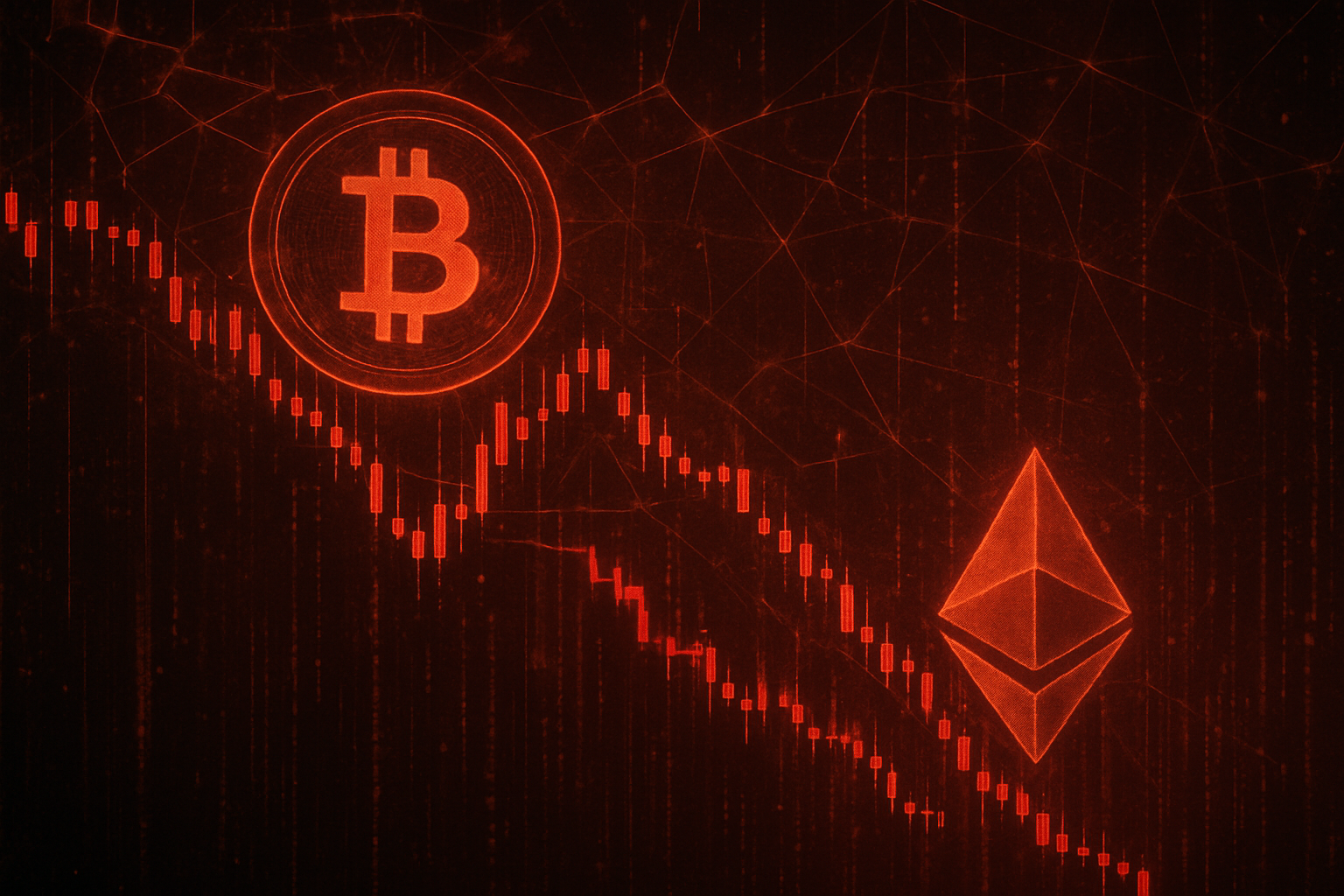
    December 1, 2025 – The cryptocurrency market has opened December with a sharp downturn, witnessing significant price drops across major assets and widespread liquidations. This "risk-off start to December" unfolds as BexBack, a relatively new derivatives platform, aggressively promotes its high-stakes trading features, including no Know Your Customer (KYC) requirements, up to 100x leverage, and a double deposit bonus for traders. While the broader market plunge is attributed to macroeconomic headwinds and a pervasive shift towards risk aversion, BexBack's concurrent push for amplified trading tools raises questions about their potential to exacerbate volatility and attract a specific segment of traders amidst the turmoil.

    On this pivotal day, Bitcoin (BTC) slid as much as 6% to fall below the $86,000 mark, while Ethereum (ETH) experienced an even steeper drop of over 7%, trading around $2,800. The sudden market correction triggered nearly $400 million in long position liquidations within a single hour, painting a grim picture for many investors. BexBack's offers, designed to maximize trading potential and lower entry barriers, arrive at a time when market sentiment is already characterized by "extreme fear," prompting both opportunities for daring traders and amplified risks for the broader ecosystem.

    Market Impact and Price Action

    The crypto market's recent performance has been nothing short of tumultuous. Following an all-time high of $126,251 in early October 2025, Bitcoin initiated a weeks-long downturn, culminating in a severe sell-off. October 10 saw an "unprecedented crash," with BTC and other digital assets plummeting, largely attributed to new economic measures by the U.S. President, including additional tariffs on China, which sparked widespread panic. This created a domino effect, with some altcoins crashing by over 70%.

    November offered little reprieve, as Bitcoin recorded its sharpest monthly drop in over three years, falling by more than 21% and trading near $88,000 after rebounding from a seven-month low. The overall market capitalization hovered around $3.11 trillion, with Bitcoin's market cap near $2 trillion, but persistent "extreme fear sentiment" dominated investor psychology. The current plunge on December 1st further solidifies this bearish trend, with a notable absence of "dip buyers" and meager inflows into Bitcoin exchange-traded funds (ETFs). The dramatic price swings and rapid liquidations underscore a market highly sensitive to both macroeconomic news and the inherent leverage within the system.

    While BexBack's launch and features are not the direct cause of this broader market downturn, their availability during such a volatile period can significantly influence market dynamics. The offering of 100x leverage means that even minor price fluctuations can lead to massive gains or catastrophic losses, accelerating liquidation cascades. This amplifies the inherent volatility, especially when coupled with no KYC requirements, which can attract a diverse range of traders, some potentially less experienced or more prone to high-risk strategies, further fueling rapid price movements in either direction.

    Community and Ecosystem Response

    The aggressive promotion of features like "No KYC" and "100x Leverage" by platforms like BexBack during a market downturn elicits a mixed response within the crypto community. On one hand, privacy advocates and those seeking unrestricted access to global markets welcome the absence of KYC barriers. For traders looking to capitalize on extreme volatility, 100x leverage presents an enticing, albeit perilous, opportunity to magnify potential profits from even small price movements. The double deposit bonus further sweetens the deal, effectively providing more trading capital to absorb losses or open larger positions.

    However, a significant portion of the community, including regulators and risk-averse investors, views these features with caution. The lack of KYC raises concerns about potential avenues for illicit activities and money laundering, drawing scrutiny from global financial watchdogs. High leverage, while appealing for its profit-amplifying potential, is also a double-edged sword that can lead to rapid and devastating liquidations, especially in a market characterized by "extreme fear." Crypto influencers and thought leaders often preach prudence during bear markets, emphasizing capital preservation over high-risk speculation. The sentiment across crypto Twitter and Reddit reflects a blend of opportunism from seasoned traders eyeing volatility and warnings from those concerned about new entrants being lured into excessively risky positions.

    The impact on related DeFi protocols, NFT projects, and Web3 applications is indirect but palpable. A general market downturn often leads to decreased liquidity, reduced trading volumes, and a decline in interest for speculative assets like NFTs. While BexBack primarily focuses on derivatives trading, the broader market sentiment it operates within affects the entire crypto ecosystem. Projects reliant on strong market performance for funding or user engagement may find themselves under increased pressure, while the amplified volatility encouraged by high-leverage platforms can create a more unpredictable environment for all participants.

    What's Next for Crypto

    The current market landscape, marked by significant price corrections and platforms like BexBack offering aggressive trading tools, sets the stage for several short and long-term implications. In the short term, the prevailing "extreme fear" sentiment suggests continued volatility and potential for further price discovery downwards. Traders utilizing high-leverage platforms will likely face increased liquidation risks, which could trigger further cascading sell-offs. The immediate future will depend heavily on macroeconomic data, particularly inflation reports and central bank policies, as well as any regulatory pronouncements regarding high-leverage, no-KYC platforms.

    Looking ahead, the emergence and aggressive marketing of platforms like BexBack during market downturns highlight a growing segment of the crypto trading landscape catering to high-risk appetite. This trend could lead to increased regulatory scrutiny globally, as authorities grapple with balancing innovation and consumer protection, especially concerning leverage limits and KYC bypasses. For projects and investors, strategic considerations will involve a renewed focus on fundamental value, sustainable development, and robust risk management. Projects might pivot towards utility-driven applications rather than purely speculative ventures, while investors may prioritize long-term holdings and diversified portfolios over short-term leveraged bets.

    Potential catalysts for a market recovery could include a softening of macroeconomic pressures, clearer regulatory frameworks that foster institutional adoption, or significant technological breakthroughs within the Web3 space. Conversely, continued global economic instability or a regulatory crackdown on high-risk platforms could further depress prices. The likelihood of a sustained recovery hinges on a broader return of confidence in speculative assets, which currently seems distant.

    Bottom Line

    The crypto market's sharp decline on December 1, 2025, underscores the inherent volatility and speculative nature of the asset class. Amidst this downturn, the aggressive offerings from platforms like BexBack—no KYC, 100x leverage, and substantial deposit bonuses—serve as a stark reminder of the high-risk, high-reward opportunities available to traders. While these features can attract a segment of the market eager to capitalize on price swings, they also amplify the potential for significant losses and raise important questions about market stability and regulatory oversight.

    Key takeaways for crypto investors and enthusiasts are paramount: exercise extreme caution, understand the immense risks associated with high leverage, and prioritize responsible trading practices, especially during periods of "extreme fear." The long-term significance of platforms pushing such features lies in their potential to shape market behavior and attract regulatory attention, which could ultimately lead to more stringent rules across the industry. As the crypto ecosystem matures, the balance between innovation, accessibility, and investor protection will remain a critical theme. Investors should closely monitor global macroeconomic indicators, regulatory developments concerning derivatives platforms, and the evolving sentiment within the crypto community to navigate these turbulent waters.


    This article is for informational purposes only and does not constitute financial or investment advice. Cryptocurrency investments carry significant risk.

  • BexBack Exchange Ignites Futures Market with Aggressive No-KYC, 100x Leverage Promotion

    BexBack Exchange Ignites Futures Market with Aggressive No-KYC, 100x Leverage Promotion

    November 11, 2025 – BexBack Exchange has been making significant waves in the cryptocurrency derivatives market with a sustained and aggressive promotional campaign for its crypto futures trading platform. The exchange is luring traders with a compelling package that includes no Know Your Customer (KYC) requirements, up to 100x leverage on futures contracts, and a generous $50 welcome bonus, often complemented by a 100% deposit bonus. This ongoing strategy, consistently re-emphasized through various announcements since late 2024 and as recently as November 7, 2025, aims to attract a broad spectrum of traders seeking enhanced privacy and amplified trading power.

    The launch and continuous push of these features by BexBack Exchange come at a crucial time for the crypto ecosystem. While the immediate market reaction in terms of specific price movements or widespread community sentiment directly attributable to BexBack's promotions hasn't been explicitly detailed in independent reports, the implications are substantial. The offering of high leverage combined with anonymity could significantly impact trading volumes, liquidity, and risk profiles across the futures market. This aggressive stance by BexBack highlights a growing competitive landscape in crypto derivatives, pushing boundaries in accessibility and trading tools, but also raising pertinent questions about regulatory oversight and investor protection in a rapidly evolving financial frontier.

    Market Impact and Price Action

    While direct, quantifiable price movements of specific tokens solely due to BexBack's aggressive promotion are challenging to isolate without more granular market data, the theoretical and potential market impacts are considerable. The offering of 100x leverage, a recurring feature in BexBack's promotions, significantly amplifies both potential gains and losses. This level of leverage allows traders to control large positions with minimal capital, which can lead to increased volatility in assets popular for futures trading, such as Bitcoin (BTC) and Ethereum (ETH). If a substantial number of traders utilize this high leverage on BexBack, it could contribute to more dramatic price swings, especially during periods of high market activity or unexpected news.

    The "no KYC" policy, another cornerstone of BexBack's offering, enhances accessibility for traders globally, potentially increasing overall trading volume and liquidity on the platform. This increased accessibility, particularly for those in regions with stringent financial regulations or individuals prioritizing privacy, could draw capital that might otherwise remain on the sidelines. However, this influx of volume, especially from highly leveraged positions, can also contribute to flash crashes or rapid liquidations, exacerbating market downturns. The competitive landscape among derivatives exchanges means that such aggressive promotions could force other platforms to reconsider their offerings, potentially leading to a broader trend of increased leverage or relaxed onboarding processes across the industry, further influencing market dynamics.

    Comparing this to similar past events, periods of increased leverage availability have historically correlated with heightened market volatility and larger liquidation cascades. While BexBack's specific impact on overall market metrics like Bitcoin's trading volume or open interest isn't immediately apparent from the available information, the underlying principles suggest a potential for increased speculative activity. Key support and resistance levels for major cryptocurrencies could become more susceptible to rapid breaches or strong defenses as large, leveraged positions enter and exit the market. The long-term effect could be a gradual shift in trading behavior, with a greater emphasis on short-term, high-frequency strategies.

    Community and Ecosystem Response

    The crypto community's response to offerings like BexBack's is typically multifaceted, often reflecting a tension between the desire for financial freedom and the recognition of inherent risks. While specific social media sentiment directly tied to each of BexBack's promotional announcements is not readily available, the general sentiment surrounding "no KYC" and "100x leverage" in the broader crypto sphere tends to be polarized. Privacy advocates and those in jurisdictions with restrictive financial regulations often welcome no-KYC options, viewing them as essential for maintaining the decentralized ethos of cryptocurrency. This demographic appreciates the ability to trade without extensive personal data submission, which aligns with the original principles of blockchain anonymity.

    Conversely, a significant portion of the community, including many crypto influencers and thought leaders, expresses caution regarding such high leverage and anonymous trading. Concerns often revolve around the heightened risk of liquidation for individual traders, the potential for market manipulation, and the broader regulatory scrutiny that such platforms might attract. The promise of a $50 welcome bonus and a 100% deposit bonus, while attractive, is often viewed with a critical eye, with experienced traders understanding that these incentives are designed to encourage trading activity, which, especially with high leverage, carries substantial risk.

    The effects on related Decentralized Finance (DeFi) protocols, NFT projects, or Web3 applications are indirect but notable. Platforms that prioritize anonymity and offer high-risk, high-reward trading tools can inadvertently draw liquidity and attention away from more regulated or transparent segments of the crypto ecosystem. While BexBack's focus is on centralized futures trading, the increased speculative appetite it fosters can spill over into other high-risk DeFi ventures. Broader crypto Twitter and Reddit sentiment, when discussing similar platforms, often oscillates between excitement for unfettered access and warnings about the dangers of excessive leverage, especially for novice traders. This ongoing debate underscores the industry's struggle to balance innovation and accessibility with consumer protection and regulatory compliance.

    What's Next for Crypto

    BexBack Exchange's aggressive promotion of no-KYC and 100x leverage crypto futures trading carries significant short and long-term implications for the broader crypto market. In the short term, such offerings could intensify competition among derivatives exchanges, potentially leading other platforms to explore similar incentives to retain or attract users. This could result in a surge in speculative trading activity, particularly in volatile assets, and an increase in overall market liquidity as more capital is deployed through leveraged positions. However, it also raises the specter of increased market instability, as highly leveraged trades are more susceptible to rapid liquidations, which can trigger cascading sell-offs during periods of market stress.

    In the long term, the most significant implication revolves around regulatory oversight. The "no KYC" feature, while appealing to privacy-conscious traders, is a direct challenge to global anti-money laundering (AML) and counter-terrorism financing (CTF) regulations. As governments worldwide continue to grapple with how to regulate the burgeoning crypto industry, platforms that operate without robust identity verification protocols are likely to face increased scrutiny and potential enforcement actions. This could lead to a fragmented global market, where exchanges with strict KYC/AML adhere to regulatory frameworks, while others, like BexBack, cater to a niche seeking anonymity, potentially operating in legal gray areas.

    Potential catalysts or developments to watch include regulatory crackdowns on non-compliant exchanges, which could force platforms to either adapt or face restrictions in certain jurisdictions. Conversely, a continued lack of coordinated global regulation might embolden more exchanges to offer similar high-leverage, no-KYC products, further decentralizing the trading landscape but also increasing systemic risk. Strategic considerations for projects and investors will involve carefully evaluating the risks associated with highly leveraged trading environments and understanding the evolving regulatory landscape. Investors might need to choose between platforms offering greater anonymity and higher risk, or those prioritizing compliance and security. Possible scenarios range from a complete regulatory overhaul that mandates global KYC standards, making no-KYC models unsustainable, to a continued cat-and-mouse game between regulators and exchanges, leading to a bifurcated market.

    Bottom Line

    BexBack Exchange's continuous push for no-KYC, 100x leverage, and attractive bonuses for crypto futures trading represents a bold move in the competitive derivatives market. For crypto investors and enthusiasts, the key takeaway is a dual-edged sword: while the promotion offers unparalleled access and the potential for magnified returns, it also introduces significant risks. The allure of anonymity and high leverage can be powerful, but it comes with the inherent danger of rapid capital loss, especially for inexperienced traders. The current date of November 11, 2025, places this promotion as a very active and recent development, underscoring the ongoing evolution of trading incentives in the crypto space.

    The long-term significance of BexBack's strategy lies in its challenge to established regulatory norms and its potential to shape the future of crypto derivatives trading. The emphasis on "no KYC" directly confronts global efforts to increase transparency and combat illicit financial activities within the crypto sphere. This will undoubtedly contribute to the ongoing debate between innovation, privacy, and regulation. The success or failure of such models could dictate the direction of future exchange offerings and regulatory responses.

    Ultimately, what this means for crypto adoption is complex. On one hand, increased accessibility and attractive trading features could draw more participants into the market, fostering broader adoption. On the other hand, the high-risk nature of 100x leverage and the regulatory uncertainty surrounding no-KYC platforms could deter institutional investors and create a less stable, more speculative environment. Important dates, events, or metrics to monitor include future regulatory announcements, particularly from major financial bodies, and any reported enforcement actions against exchanges operating with minimal KYC. Additionally, tracking the trading volumes and user growth on platforms offering similar features will provide insights into the market's appetite for high-risk, high-reward trading environments.


    This article is for informational purposes only and does not constitute financial or investment advice. Cryptocurrency investments carry significant risk.

  • The Unseen Hand: High-Leverage, No-KYC Futures Platforms Reshape Crypto Trading Beneath the $110,000 Bitcoin Threshold

    The Unseen Hand: High-Leverage, No-KYC Futures Platforms Reshape Crypto Trading Beneath the $110,000 Bitcoin Threshold

    November 6, 2025 – As Bitcoin's (BTC) price continues to fluctuate below the $110,000 mark in late 2025, a new breed of crypto trading platforms is rapidly gaining traction, fundamentally altering the landscape of digital asset speculation. High-leverage, no-KYC (Know Your Customer) crypto futures trading platforms, epitomized by rising stars like BexBack, are drawing in a significant segment of the market with promises of amplified returns and unparalleled privacy. This phenomenon is not merely a niche trend; it represents a significant shift in how retail and even some professional traders interact with the volatile crypto markets, especially during periods of price consolidation or uncertainty.

    The immediate market reaction to the proliferation of these platforms has been a noticeable increase in overall market liquidity and trading volumes, particularly in derivatives. However, it also introduces a heightened degree of speculative activity and potential for rapid price swings. For the broader crypto ecosystem, the rise of platforms like BexBack, where "Crypto Futures Trading Made Easy on BexBack" is a key selling point, underscores a growing tension between regulatory demands for transparency and the crypto community's foundational ethos of decentralization and financial autonomy. This matters immensely as it challenges existing financial frameworks and raises critical questions about investor protection and market stability.

    Market Impact and Price Action

    The influence of high-leverage, no-KYC platforms on cryptocurrency prices is profound. With features like 100x Leverage, traders can control positions vastly larger than their initial capital, magnifying both potential gains and losses. In a market where Bitcoin is currently trading below $110,000, suggesting a period of caution or consolidation, this amplification can lead to exacerbated price movements. Small shifts in sentiment or minor news events can trigger significant price swings as large leveraged positions are opened or closed. This dynamic is particularly evident in the perpetual futures market, which often accounts for the majority of trading volume for major assets like BTC/USDT.

    Trading volumes on these platforms have surged, contributing substantially to the overall liquidity of the crypto market. The ability to take both long and short positions with high leverage encourages active trading, allowing participants to speculate on both upward and downward price trajectories. This is especially relevant when Bitcoin's price is fluctuating around $110,000, as traders seek to profit from smaller, short-term movements. However, this liquidity can be fragile. While high volumes exist, the lack of transparency on no-KYC platforms can make them susceptible to market manipulation, potentially leading to sudden and artificial price movements that disproportionately affect retail traders.

    A critical concern arising from high-leverage trading is the increased potential for cascading liquidations. When the market moves sharply against a large number of leveraged positions, exchanges automatically close these positions to cover borrowed funds. This forced selling creates additional downward pressure, leading to a "liquidation spiral" where further price declines trigger more liquidations, accelerating the market's descent. In late 2025, with Bitcoin below $110,000, such events could be particularly damaging, turning minor corrections into significant market crashes and eroding investor confidence. Historical data shows that multi-billion dollar liquidation events have occurred during periods of high leverage and market uncertainty, underscoring the inherent risks.

    Community and Ecosystem Response

    The crypto community's response to the rise of platforms offering No KYC and high leverage is largely polarized, reflecting the ongoing philosophical debate within the space. A significant segment of users applauds these platforms for upholding the core tenets of privacy and financial autonomy, viewing the absence of KYC as a vital safeguard against data surveillance and centralized control. Social media channels, from Twitter to Reddit, are rife with discussions praising the ease of access and the potential for amplified profits, particularly with incentives like BexBack's $100 Welcome Bonus. Many traders, especially those with extensive experience, appreciate the ability to quickly react to market shifts without bureaucratic hurdles.

    However, a growing chorus of caution emanates from crypto influencers and thought leaders. While acknowledging the appeal of privacy, many express deep concerns about the amplified risks. The former president of FTX US (FTX), for instance, has openly described crypto leverage trading as a "major problem," highlighting the dangers of excessive speculation. There's a palpable fear that the anonymity provided by no-KYC platforms attracts malicious actors, increasing the likelihood of scams, market manipulation, and potential fund losses with little to no recourse. Reputable figures in the space are increasingly advocating for robust security practices and comprehensive user education to mitigate these risks, even while supporting the broader ideals of decentralization.

    For the broader DeFi and Web3 ecosystem, the proliferation of these platforms presents a complex challenge. On one hand, they demonstrate a strong market demand for permissionless financial services, aligning with the ethos of decentralized finance. On the other hand, they intensify regulatory scrutiny, potentially leading to a bifurcation of the crypto market. Regulators worldwide are pushing for stricter AML/CTF measures, threatening to marginalize non-compliant platforms. This creates a tension where the desire for decentralization clashes with the need for regulatory compliance to foster mainstream and institutional adoption. The outcome will likely shape the future trajectory of DeFi, potentially leading to "permissioned DeFi" models alongside more anonymous, high-risk alternatives.

    What's Next for Crypto

    The short-term implications of high-leverage, no-KYC platforms suggest continued market volatility and a persistent draw for risk-tolerant traders. As long as Bitcoin's price remains below $110,000, the allure of 100x Leverage to profit from minor price movements will likely sustain the demand for these platforms. However, this also means the market remains susceptible to sudden, dramatic price corrections fueled by cascading liquidations. Investors seeking quick gains might find opportunities, but they must also contend with significantly elevated risks and the potential for rapid capital loss.

    In the long term, the trajectory of these platforms is inexorably linked to evolving global regulatory frameworks. Regulatory bodies like the Financial Action Task Force (FATF) and legislative initiatives such as the European Union's Markets in Crypto-Assets Regulation (MiCA) are increasingly targeting anonymous transactions and derivatives trading. By 2030, stricter KYC/AML measures are expected to be globally enforced, creating a challenging environment for purely no-KYC operations. This could lead to a fragmentation of the crypto market, with compliant, regulated exchanges serving institutional and mainstream investors, while a smaller, more clandestine sector caters to those prioritizing anonymity, albeit with higher risks.

    Strategic considerations for projects and investors are paramount. Projects aiming for long-term sustainability and mainstream adoption will need to prioritize regulatory compliance, potentially integrating decentralized identity solutions that offer privacy within a verifiable framework. For investors, the choice becomes stark: the amplified returns and privacy of no-KYC platforms versus the enhanced security, regulatory protection, and broader market access offered by compliant entities. Diversification, responsible leverage, and continuous education about regulatory changes will be critical. The industry may also see a surge in self-regulatory organizations (SROs) attempting to bridge the gap between innovation and compliance, offering a middle ground for the evolving crypto landscape.

    Bottom Line

    The rise of high-leverage, no-KYC crypto futures trading platforms like BexBack, particularly in a market where Bitcoin's price is fluctuating below $110,000, underscores a fundamental tension in the crypto world: the desire for financial freedom and privacy versus the increasing demands for regulatory oversight and investor protection. For crypto investors and enthusiasts, the key takeaway is a clear understanding of the amplified risks associated with 100x Leverage and the absence of KYC. While the appeal of swift, anonymous trading and a $100 Welcome Bonus is undeniable, the potential for significant capital loss, exposure to scams, and limited legal recourse cannot be overstated.

    The long-term significance of these platforms for crypto adoption is a complex assessment. While they cater to a specific, privacy-conscious demographic, their non-compliant nature is likely to hinder broader institutional and mainstream integration of cryptocurrencies. True mass adoption hinges on regulatory clarity, robust consumer safeguards, and enhanced market integrity—areas where no-KYC platforms inherently fall short. The ongoing regulatory push, with significant deadlines like the EU's Anti-Money Laundering Regulation (AMLR) in July 2027, will likely force a reckoning, leading to either the marginalization of non-compliant entities or the development of innovative, privacy-preserving compliance technologies.

    Important dates, events, or metrics to monitor include: new regulatory guidance and enforcement actions from global bodies like FATF, the implementation timelines of major crypto regulations (e.g., MiCA, AMLR), and significant liquidation events that signal excessive leverage in the market. Additionally, tracking the development and adoption of privacy-enhancing technologies like Zero-Knowledge Proofs (ZKPs) and Decentralized Identity (DeID) will be crucial, as these could offer compliant pathways to privacy in a regulated future. The ongoing balance between individual autonomy and systemic stability will define the next chapter for crypto.


    This article is for informational purposes only and does not constitute financial or investment advice. Cryptocurrency investments carry significant risk.