
Tag: Market Impact

  • Crypto Professionals Rally Against MSCI’s Proposed Bitcoin Exclusion

    Crypto Professionals Rally Against MSCI’s Proposed Bitcoin Exclusion

    In a move sending ripples through the digital asset landscape, MSCI, a prominent global index provider, is currently weighing a significant policy change that could see companies with substantial Bitcoin holdings excluded from its widely tracked equity indexes. Initiated on October 10, 2025, the consultation period for this controversial proposal is set to conclude on December 31, 2025, with a final decision anticipated on January 15, 2026, and potential implementation in February 2026. This potential reclassification has ignited immediate and fervent criticism from crypto professionals and advocacy groups, who argue it mischaracterizes operating businesses and unfairly targets digital assets.

    The core of MSCI's proposal involves excluding companies from its Global Investable Market Indexes if digital assets constitute 50% or more of their total assets. This directly impacts "Bitcoin holding companies" such as Strategy (NASDAQ: MSTR), which holds approximately 90% of its balance sheet in Bitcoin, alongside other firms like American Bitcoin Corp (ABTC), MARA Holdings, and Hut 8. The immediate concern revolves around the potential for billions in passive outflows from index funds and exchange-traded funds (ETFs) tracking MSCI benchmarks, significantly increasing capital costs and market volatility for these companies. Critics are sounding the alarm, emphasizing that such a move not only sets a dangerous precedent but also sends a "chilling signal" to other public companies contemplating Bitcoin for their corporate treasuries.

    Market Impact and Price Action

    The specter of MSCI's proposed exclusion looms large over the market, with significant ramifications anticipated for both affected companies and, indirectly, the broader cryptocurrency ecosystem. JPMorgan analysts have painted a stark picture, estimating that Strategy (NASDAQ: MSTR) alone could face passive outflows of up to $2.8 billion from MSCI-linked funds if the exclusion proceeds. Should other major index providers follow suit, this figure could balloon to approximately $8.8 billion, representing a seismic shift in institutional capital allocation.

    The market has already reacted with apprehension to the initial proposal. Reports indicate that Strategy's shares plummeted by around 20% when the news first surfaced. Furthermore, from October 10, 2025, (when MSCI announced its consultation) to December 2, 2025, Strategy's stock underperformed Bitcoin by 20%, experiencing a 40% decline. This pre-emptive price action suggests that a significant portion of the exclusion risk may already be priced in, yet further volatility and potential declines are widely expected should the exclusion be confirmed. Beyond immediate price drops, exclusion from major benchmarks could severely impact these companies' ability to raise future capital, thereby increasing their cost of capital and hindering financial flexibility.

    While there are no direct historical precedents for such a specific exclusion targeting crypto-holding companies within major global equity indexes, the general principles of index rebalancing offer valuable insights. Historically, the inclusion or exclusion of any stock from a major index typically triggers mandatory buying or selling by index-tracking funds, invariably leading to direct price effects. For instance, Tesla's (NASDAQ: TSLA) share price surged significantly upon its addition to the S&P 500, underscoring the profound influence of indexes on capital flows. MSCI's rationale for reclassifying Bitcoin holding companies as "digital asset funds" rather than operational businesses aligns with its traditional approach of excluding passive investment vehicles from its broad benchmarks. However, the unique volatility of digital assets introduces an "artificial reclassification risk," potentially causing companies to fluctuate in and out of index eligibility based on Bitcoin's price, leading to increased churn for fund managers and higher tracking errors for institutional investors.

    The indirect impact on Bitcoin (BTC) itself is also a key concern. While the exclusion directly targets company equities, a reduction in passive institutional demand for Bitcoin, previously accessed through these holding companies, could exert downward pressure on the cryptocurrency's price. Conversely, this situation could accelerate a structural shift towards regulated spot Bitcoin Exchange-Traded Funds (ETFs). These ETFs are increasingly viewed as more transparent and regulation-friendly investment vehicles, potentially attracting capital that might otherwise have flowed into corporate-held Bitcoin positions. JPMorgan analysts have also suggested a strong rebound for both affected companies and Bitcoin if MSCI ultimately decides against the exclusion, returning prices to pre-October 10 levels.

    Community and Ecosystem Response

    The crypto community has met MSCI's proposed exclusion with a wave of indignation and strong opposition, reflecting a perception that traditional finance is attempting to curtail the burgeoning influence of digital assets. Social media platforms are abuzz with negative sentiment, with some prominent figures even calling for boycotts of institutions perceived to be aligned against crypto. The backlash has been particularly vocal against JPMorgan, following a research note from the bank that highlighted the potential ramifications of such exclusions, fueling the narrative of an institutional attack on the crypto space.

    At the forefront of the opposition is Michael Saylor, Executive Chairman of Strategy (NASDAQ: MSTR), who has actively engaged with MSCI to contest the proposal. Saylor vehemently argues that Strategy is a legitimate operating company with a robust software business, and its Bitcoin treasury strategy is merely a component of its overall financial management, not its sole purpose. He has publicly challenged the accuracy of estimated outflows and steadfastly defended his company's model. Echoing this sentiment, Strive Asset Management has formally urged MSCI to reconsider, deeming the 50% digital asset threshold "unjustified, overbroad, and unworkable." Strive contends that the proposal violates the fundamental principle of "index neutrality," arguing that indexes should reflect market realities rather than impose subjective judgments on a company's treasury strategy. They further highlight how differing accounting standards across jurisdictions could lead to inconsistent and unfair treatment of companies.

    While the direct impact on decentralized finance (DeFi) protocols, NFT projects, or Web3 applications is less immediate, the crypto ecosystem recognizes the potential for significant indirect consequences. The primary concern revolves around a potential redirection of institutional capital. If firms like Strategy face forced outflows from equity indexes, institutional investors might pivot towards regulated spot Bitcoin ETFs or direct investments into "operational blockchain businesses," including DeFi platforms and blockchain infrastructure. This could accelerate institutional flows into utility-driven digital asset sectors, but it also risks stifling innovation in decentralized finance if the broader crypto ecosystem is destabilized and institutional capital links are severed. For instance, companies utilizing Bitcoin treasury strategies to fund AI infrastructure and R&D might find it harder to secure funding.

    For NFT projects and Web3 applications, the impact is largely tied to overall market sentiment and Bitcoin's price stability. A general negative sentiment and potential market destabilization due to forced selling of Bitcoin-heavy company stocks could indirectly affect liquidity and investor confidence in more speculative assets like NFTs. Any significant drop in Bitcoin's price, potentially influenced by these equity market dynamics, could impact the perceived value of Bitcoin-backed NFTs. More broadly, the MSCI proposal could discourage new "crypto treasury" companies from emerging or listing, thereby reducing incentives for firms to build long-term crypto balance sheets as a strategic move. This might shift focus and capital towards more utility-driven Web3 applications, but the "chilling signal" sent to public companies considering crypto involvement could still temper the overall growth trajectory of Web3 infrastructure and applications.

    What's Next for Crypto

    The upcoming decision from MSCI carries both short-term market volatility and long-term implications for how digital assets are integrated into traditional finance. In the short term, a confirmed exclusion is likely to lead to further selling pressure on affected stocks like Strategy (NASDAQ: MSTR), Riot Platforms (NASDAQ: RIOT), and Marathon Digital Holdings (NASDAQ: MARA), as index-tracking funds are forced to rebalance their portfolios. This could induce a period of market uncertainty and negative sentiment, although many analysts believe a significant portion of this impact is already "priced in."

    Looking ahead, the long-term implications point towards a redefined institutional investment landscape. This move could fundamentally rewire how institutions gain Bitcoin exposure, favoring direct crypto investment vehicles like spot ETFs over public companies primarily holding digital assets. It also signals growing scrutiny from traditional financial markets, potentially setting a precedent for stricter classification rules across the industry. Companies may face increased pressure to demonstrate robust operational business models beyond just digital asset treasury strategies. Investors should strategically differentiate between direct exposure to cryptocurrencies (e.g., through spot ETFs) and indirect exposure through equity holdings, which now carry additional reclassification risks.

    The primary catalyst remains MSCI's final decision, expected on January 15, 2026. While an outright exclusion appears to have a high likelihood, alternative scenarios, such as the creation of "ex-digital-asset treasury" index variants, remain a moderate possibility. A complete withdrawal of the proposal is considered less likely. Strategic considerations for crypto projects include diversifying treasury assets, emphasizing core business operations, and engaging proactively with index providers and regulators. For investors, monitoring regulatory developments, maintaining diversified portfolios, and focusing on transparent investment vehicles will be crucial.

    Bottom Line

    The ongoing debate surrounding MSCI's potential exclusion of Bitcoin holding companies underscores the evolving and often complex journey of institutional crypto adoption. For crypto investors and enthusiasts, a key takeaway is that while traditional financial gatekeepers are establishing clearer boundaries, this does not necessarily equate to a fundamental blow to crypto's long-term trajectory. Instead, it represents a maturation phase where the integration of digital assets into established financial frameworks becomes more defined and categorized.

    The long-term significance of this event lies in its potential to streamline how institutional capital interacts with digital assets. While it may reduce indirect exposure to Bitcoin through certain equity indexes, it simultaneously highlights the growing importance and acceptance of direct crypto investment products like spot ETFs. This shift could lead to a more understood and efficient integration of digital assets into the broader financial ecosystem. Michael Saylor's assertion that "Index classification does not define us" encapsulates the sentiment that Bitcoin's fundamental value and long-term strategy transcend the mechanics of traditional index inclusion.

    Important dates to monitor include the conclusion of MSCI's consultation period on December 31, 2025, the expected final decision on January 15, 2026, and the effective date for any changes in February 2026. Investors should closely watch the stock performance of companies like Strategy (NASDAQ: MSTR), Bitcoin's (BTC) price movements, and the capital flows into spot Bitcoin ETFs, as these will provide critical insights into market reactions and reallocation strategies. Furthermore, any announcements from other major index providers following MSCI's decision will be paramount.


    This article is for informational purposes only and does not constitute financial or investment advice. Cryptocurrency investments carry significant risk.


  • UK Ushers in New Era for Digital Assets: Crypto Granted Full Property Status

    UK Ushers in New Era for Digital Assets: Crypto Granted Full Property Status

    London, UK – December 3, 2025 – In a landmark legislative move set to redefine the legal landscape for digital assets, the United Kingdom officially granted full property status to cryptocurrencies and other digital assets. The Property (Digital Assets etc.) Act 2025 received Royal Assent from King Charles III on Tuesday, December 2, 2025, formally recognizing digital assets as a distinct category of personal property under English and Welsh law. This pivotal development provides unprecedented legal clarity, offering individuals and institutions the same certainty for digital assets as they have for traditional property.

    The immediate aftermath of the Act's passage has been met with significant optimism across the crypto ecosystem. On Wednesday, December 3, 2025, the cryptocurrency market saw a notable upturn. Bitcoin (BTC) surged by 7% to $92,992, while Ethereum (ETH) climbed by 9.1% to $3,055. This positive market reaction, alongside a rise in 95 of the top 100 cryptocurrencies, underscores the market's favorable interpretation of the UK's commitment to fostering a legally robust environment for digital assets. Experts and community leaders alike have hailed the legislation as a monumental step, positioning the UK as a potential global leader in digital finance innovation and offering enhanced legal protection for digital asset owners.

    Market Impact and Price Action

    The immediate market response to the Property (Digital Assets etc.) Act 2025 has been unequivocally positive, albeit nascent given the Act's very recent Royal Assent on December 2, 2025. While comprehensive, long-term market data on specific price movements, trading volumes, and liquidity changes is yet to fully materialize, the initial reaction provides a strong indication of market sentiment. Bitcoin's (BTC) 7% increase and Ethereum's (ETH) 9.1% jump within 24 hours of the news signal a significant boost in investor confidence. This immediate surge is indicative of the market's appreciation for regulatory clarity, a factor often cited as crucial for the broader adoption and maturation of the crypto space.

    Anticipated impacts include a potential increase in trading volumes and liquidity, particularly for assets closely tied to the UK's financial ecosystem. The reduction in legal uncertainty is expected to attract greater institutional investment, which historically correlates with higher trading activity and deeper liquidity pools. This could lead to more stable price discovery and reduced volatility over time as larger, more risk-averse capital enters the market.

    From a technical analysis perspective, the news could serve as a catalyst for breaking through key resistance levels that have held back assets in the past. Analysts will be closely watching for sustained moves above these levels, accompanied by significant volume spikes, to confirm bullish trends. Key moving averages (e.g., 50-day and 200-day) will be critical indicators for identifying shifts in market momentum. While direct comparisons to past events are challenging due to the unique nature of this comprehensive property law, similar instances of regulatory clarity in other jurisdictions (such as the EU's MiCA regulation) have often led to periods of increased investor confidence and subsequent price discovery. The UK's move is likely to follow a similar pattern, potentially leading to sustained upward momentum if coupled with further supportive regulatory developments.

    Community and Ecosystem Response

    The crypto community and ecosystem in the UK have responded with overwhelming enthusiasm to the Property (Digital Assets etc.) Act 2025. Social media platforms, particularly X (formerly Twitter), have been abuzz with celebratory posts from crypto advocacy groups and industry participants. The consensus highlights the Act as a monumental achievement, ending years of legal ambiguity by unequivocally classifying digital assets as personal property. This statutory recognition is seen as a foundational step towards a more secure and predictable digital asset environment.

    Crypto influencers and thought leaders have been quick to laud the new legislation. Susie Ward, CEO of Bitcoin Policy UK, emphatically stated that "A third category of property now exists, and it finally gives legal protection to the sats you hold," calling it potentially "the biggest change in English property law since the Middle Ages." Freddie New, Chief Policy Officer at Bitcoin Policy UK, echoed this sentiment, emphasizing the "massive step forward for Bitcoin in the United Kingdom." CryptoUK, a prominent trade association, also released statements noting that the Act provides "much clearer legal pathways" for issues like theft, fraud, insolvency, and estate planning, ultimately granting "greater clarity and protection for consumers and investors." Gurinder Singh Josan, co-chair of the Crypto and Digital Assets All Party Parliamentary Group, further reinforced this, highlighting the new ownership rights, stronger protections, and the ability to recover lost assets. Companies like Coinbase (NASDAQ: COIN) have also expressed positive views on the reform, seeing it as a signal that the UK is actively seeking to attract crypto innovation.

    The implications for related DeFi protocols, NFT projects, and Web3 applications are profoundly positive. By defining digital assets as personal property, the Act provides a robust legal foundation for creators, users, and investors, enhancing assurance regarding ownership rights, contract enforceability, and legal recourse. This newfound clarity is expected to boost investor confidence, particularly among institutional players, potentially leading to increased participation and investment in the UK's regulated digital asset ecosystem. Furthermore, the legislation is anticipated to strengthen the tokenization landscape, providing a clear basis for owning and transferring tokenized real-world assets (RWAs), a key area for Web3 and DeFi innovation. It also aims to remove barriers that have previously deterred large banks and financial institutions from integrating digital assets into their core offerings, potentially paving the way for greater traditional finance involvement in the Web3 space. While broader crypto Twitter and Reddit sentiment has historically shown mixed views on other UK crypto regulations (like taxation and influencer rules), the immediate reaction to this specific law is overwhelmingly one of cautious optimism and approval, recognizing its strategic importance for the UK's digital finance ambitions.

    What's Next for Crypto

    The UK's Property (Digital Assets etc.) Act 2025 is poised to usher in a new era for the cryptocurrency market, with significant short-term and long-term implications. In the short term, the Act immediately enhances confidence among all market participants by providing clear legal certainty that digital assets are indeed personal property. This eliminates stronger, legally enforceable property rights for owners, clearer paths for asset recovery in cases of theft or fraud, and reduced ambiguity in legal proceedings involving digital assets. This foundational clarity is expected to contribute to increased market stability and potentially attract immediate capital inflows as legal risks are mitigated.

    Looking ahead, the long-term implications are transformative. The Act is a powerful catalyst for accelerated institutional adoption, as it significantly lowers the risk profile for large-scale investments in digital assets. This legal framework facilitates the integration of crypto into traditional financial products and services, such as trusts, estate planning, and regulated custody solutions. Furthermore, it is expected to spur innovation in areas like asset tokenization, blockchain-based lending, and the development of new regulated crypto financial products like Exchange Traded Notes (ETNs) and potentially ETFs within the UK. This strategic move aims to solidify the UK's position as a leading global digital finance hub, enhancing its competitiveness against other jurisdictions.

    Several catalysts and developments will shape the future trajectory. The Financial Conduct Authority (FCA) has a "Crypto Roadmap" with further regulatory changes expected in 2026, including comprehensive frameworks for stablecoins and a broader regime for all crypto assets. The Bank of England is also actively consulting on a regulatory framework for sterling-based stablecoins. International regulatory alignment, particularly with US agencies and the EU's MiCA, will be crucial for cross-border operations. Continued technological advancements in tokenization and DeFi, alongside the potential development of a Digital Pound (Central Bank Digital Currency), will further test and refine the application of this property law. Critically, how UK courts interpret and apply the Act in real-world disputes will set vital precedents, shaping the practical legal landscape for digital assets.

    For crypto projects, strategic considerations include ensuring compliance with the new property classification, leveraging the legal clarity to innovate within regulated frameworks, and proactively engaging with regulatory bodies. Investors should conduct due diligence on UK-based projects, explore emerging regulated financial products, and maintain robust risk management strategies, now with an added layer of legal recourse. Possible scenarios include the UK becoming a leading global crypto hub (high likelihood), gradual integration and steady growth (high likelihood), and, less likely, over-regulation stifling innovation. The current legislative approach leans towards fostering innovation while ensuring robust protection, suggesting a positive outlook for the UK's crypto future.

    Bottom Line

    The UK's Property (Digital Assets etc.) Act 2025, receiving Royal Assent on December 2, 2025, represents a watershed moment for the cryptocurrency and digital asset ecosystem. The most significant takeaway for crypto investors and enthusiasts is the explicit statutory recognition of digital assets as a distinct form of personal property. This eliminates years of legal ambiguity, providing crypto holders with enhanced ownership rights, stronger legal protections, and clearer pathways for asset recovery in cases of theft or fraud. It also facilitates the consistent handling of digital assets within traditional legal frameworks such as inheritance and insolvency.

    In the long term, this Act is a strategic enabler for the UK's ambition to become a global leader in digital finance. By resolving fundamental legal uncertainties, it acts as a powerful catalyst for institutional adoption, lowering barriers to entry for large-scale investments and fostering the development of new, regulated financial products. The law aligns digital assets with traditional asset classes, integrating them into existing financial infrastructure and granting the UK a competitive edge in the rapidly evolving global digital economy. This introduction of a "third category" of personal property fundamentally evolves English property law, acknowledging the digital age and potentially influencing global debates on digital property rights.

    Ultimately, this legislation is poised to significantly boost crypto adoption in the UK. The enhanced consumer and investor protection, coupled with increased regulatory predictability, will foster greater confidence in holding and transacting with cryptocurrencies. This legal clarity is expected to drive market growth and innovation, attracting both traditional financial firms and crypto-native entities to expand their operations within the UK. While this Act clarifies property rights, it also lays the groundwork for subsequent regulatory frameworks concerning market conduct, stablecoins, and crypto service providers, which are expected in the coming years.

    Important dates and metrics to monitor include December 2, 2025, the date the Act became law. Investors should watch for ongoing Bank of England consultations on sterling-based stablecoins and forthcoming detailed regulatory frameworks from policymakers. Tracking metrics on crypto adoption rates in the UK (currently estimated between 12% and 24% of adults) and institutional investor interest will provide insight into the Act's real-world impact. Finally, observing how UK courts and regulators apply this new framework in practice will be crucial for understanding its long-term effectiveness in delivering clearer dispute resolution and safer markets.


    This article is for informational purposes only and does not constitute financial or investment advice. Cryptocurrency investments carry significant risk.
  • Vanguard Caves: $11 Trillion Giant Opens Doors to Crypto ETFs and Mutual Funds, Signaling New Era for Digital Assets

    Vanguard Caves: $11 Trillion Giant Opens Doors to Crypto ETFs and Mutual Funds, Signaling New Era for Digital Assets

    In a landmark decision poised to reshape the landscape of institutional cryptocurrency adoption, Vanguard (NYSE: VOO), the world's second-largest asset manager, announced today, December 2, 2025, that it will permit clients to trade third-party crypto-linked Exchange Traded Funds (ETFs) and mutual funds on its U.S. brokerage platform. This stunning about-turn marks a profound departure from the firm's entrenched conservative stance, which for years dismissed digital assets as overly speculative and unsuitable for long-term investment.

    The announcement, initially reported on December 1, 2025, sent ripples of excitement and validation across financial markets and the crypto community. Widely hailed as a moment where "Vanguard finally caves" to overwhelming investor demand and market maturation, the move is anticipated to trigger a significant influx of new capital into the crypto ecosystem. With over $11 trillion in assets under management and a client base exceeding 50 million, Vanguard's pivot is seen not just as a policy change, but as a powerful psychological boost, further legitimizing digital assets and placing immense pressure on other hesitant traditional finance institutions. This decision by a firm previously led by crypto-skeptic Tim Buckley, and now under the leadership of former BlackRock (NYSE: BLK) executive Salim Ramji, underscores an undeniable shift in institutional recognition of crypto's growing relevance.

    Market Impact and Price Action

    While precise real-time data on immediate price movements and trading volumes following Vanguard's announcement on December 2, 2025, is still unfolding, the crypto market is poised for significant impact, drawing parallels with past watershed events like the U.S. approval of spot Bitcoin ETFs in January 2024.

    Historically, major institutional endorsements have served as powerful catalysts. The market anticipates a strong positive reaction for major cryptocurrencies such as Bitcoin (BTC), Ethereum (ETH), XRP (XRP), and Solana (SOL), which are typically held by the third-party ETFs now accessible via Vanguard. Increased institutional adoption often signals broader market acceptance, potentially leading to immediate price surges as new capital flows in from Vanguard's massive client base. This influx could also significantly boost trading volumes and liquidity for existing crypto ETFs and their underlying assets across cryptocurrency exchanges, enhancing overall market depth.

    Technical analysis, while still evolving in real-time, is expected to reflect these shifts. A bullish surge could rapidly establish new support levels as buyers enter the market, challenging existing resistance. Indicators like the Relative Strength Index (RSI) and Moving Average Convergence Divergence (MACD) would likely show strong momentum shifts, potentially entering overbought territories. However, the market should also be prepared for increased volatility, as news events of this magnitude often trigger sharp price swings as the market digests the information.

    Comparing this to the January 2024 spot Bitcoin ETF approvals, which saw Bitcoin rally in anticipation but experience a "sell the news" pullback immediately after the actual approval, offers a nuanced perspective. While initial profit-taking or repositioning might occur, the long-term outlook remains overwhelmingly positive. Vanguard's entry, from a historically conservative position, carries immense weight, signaling an even greater level of mainstream acceptance and a potentially more sustained, rather than fleeting, rally, especially if the news hasn't been fully "priced in."

    Community and Ecosystem Response

    The crypto community's response to Vanguard's decision is a resounding mix of excitement, validation, and a touch of "told you so" sentiment. Across social media platforms, the prevailing mood is one of triumph, as the world's second-largest asset manager, a bastion of traditional finance, finally succumbs to the undeniable pull of digital assets.

    On platforms like X (formerly Twitter), influencers and thought leaders have been quick to celebrate. Nate Geraci, co-founder of the ETF Institute, encapsulated the sentiment with a succinct "Vanguard finally caves," a phrase echoed by countless crypto enthusiasts. Many view this as a crucial validation of digital assets, reinforcing the narrative that crypto is an irreversible force in mainstream finance. Forecasts of "trillions incoming" and a "deluge of crypto ETF customers" highlight the community's bullish expectations for capital inflows. While Vanguard has emphasized this as a "limited adjustment" and will not launch its own products or support meme coins, this cautious approach does little to dampen the overall positive sentiment, which largely focuses on the broader implications of such a significant institutional player entering the fray.

    The ripple effects are expected to extend deeply into the broader crypto ecosystem. For Decentralized Finance (DeFi) protocols, Vanguard's move signals a potential new era of institutional engagement, driving demand for more robust, compliant, and tailored offerings. This could accelerate the development of sophisticated DeFi products and boost the tokenized Real-World Assets (RWAs) sector, bridging TradFi with Web3. NFT projects and other Web3 applications could also benefit from increased capital inflow and a wider user base, as more traditional investors become comfortable exploring the broader digital asset landscape. This influx will likely demand higher standards of security, compliance, and user-friendliness, fostering innovation in Web3 infrastructure.

    On Reddit, communities like r/CryptoCurrency and r/DeFi are engaging in more in-depth discussions, analyzing the long-term implications, potential investment strategies, and the evolving dynamic between retail and institutional investors. While some express concerns about "big money" influencing the market, the overall sentiment remains optimistic, viewing Vanguard's decision as a definitive step towards crypto's maturation and widespread adoption.

    What's Next for Crypto

    Vanguard's decision on December 2, 2025, to allow crypto ETFs and mutual funds on its platform marks a pivotal moment, ushering in a new phase for the cryptocurrency market with significant short-term and long-term implications.

    In the short term, the most immediate impact will likely be a substantial increase in capital inflows into existing third-party crypto ETFs and mutual funds. Vanguard's vast client base, previously unable to access these products, now has a regulated gateway, potentially leading to tens of billions in new demand. This will provide a significant psychological boost to the market, likely translating into positive price movements for major cryptocurrencies and increased trading volumes for the supported ETFs. The explicit exclusion of meme coins also reinforces a growing institutional preference for regulated, established digital assets with stronger fundamentals.

    Looking at the long term, Vanguard's shift is expected to accelerate institutional adoption across the board. Its conservative reputation means its capitulation could sway other hesitant financial institutions and independent advisors, further normalizing crypto exposure in diversified investment portfolios. This increased institutional involvement will also likely push for greater regulatory clarity globally, fostering a more stable and mature market. We can anticipate continued investment in robust crypto infrastructure, blurring the lines between traditional finance and DeFi, and leading to more sophisticated, compliant products. Crypto projects, in turn, will face increased pressure to prioritize regulatory compliance, strong fundamentals, and enhanced transparency to attract this new wave of institutional capital.

    Several catalysts will be crucial to watch. The actual uptake and performance of crypto ETFs by Vanguard's clientele will be a key indicator. Further regulatory advancements, particularly in major markets, will continue to shape investor confidence. The ongoing success of products like BlackRock's (NYSE: BLK) IBIT Bitcoin ETF, which has already amassed approximately $70 billion in assets, demonstrates the strong demand that influenced Vanguard's move. Additionally, global macroeconomic conditions and Vanguard's own long-term product strategy (whether they eventually launch proprietary crypto products) will play significant roles.

    Possible scenarios include a High Likelihood of mainstream integration, where crypto becomes a standard component of investment portfolios, leading to greater market stability over time. A Medium-High Likelihood scenario suggests measured growth and consolidation, with Vanguard's conservative client base adopting crypto gradually, focusing on established assets. While less likely in the immediate term, Medium-Low Likelihood scenarios of regulatory headwinds or market setbacks due to unforeseen events always remain a possibility in the volatile crypto space. A Low Likelihood scenario of limited impact is highly improbable given Vanguard's scale and previous staunch opposition.

    Bottom Line

    Vanguard's decision to open its platform to crypto ETFs and mutual funds is a watershed moment for crypto investors and enthusiasts. It signifies the undeniable mainstreaming of digital assets, validating their role within traditional finance. For the astute investor, this means increased accessibility to regulated crypto exposure, making diversification easier than ever. However, due diligence remains paramount: understanding the underlying assets, associated risks, and fees of any crypto product is crucial.

    The long-term significance cannot be overstated. This move by Vanguard, a firm synonymous with conservative, long-term investing, suggests that digital assets are no longer a fringe speculation but a legitimate, albeit volatile, asset class. It marks a critical step towards broader crypto adoption, potentially unlocking vast pools of institutional and retail capital.

    Moving forward, investors should closely monitor the actual inflows into crypto ETFs via Vanguard, track any further shifts in policy from other major financial institutions, and stay abreast of global regulatory developments. While the crypto market will continue to experience volatility, Vanguard's entry firmly cements the asset class's place in the future of finance.


    This article is for informational purposes only and does not constitute financial or investment advice. Cryptocurrency investments carry significant risk.

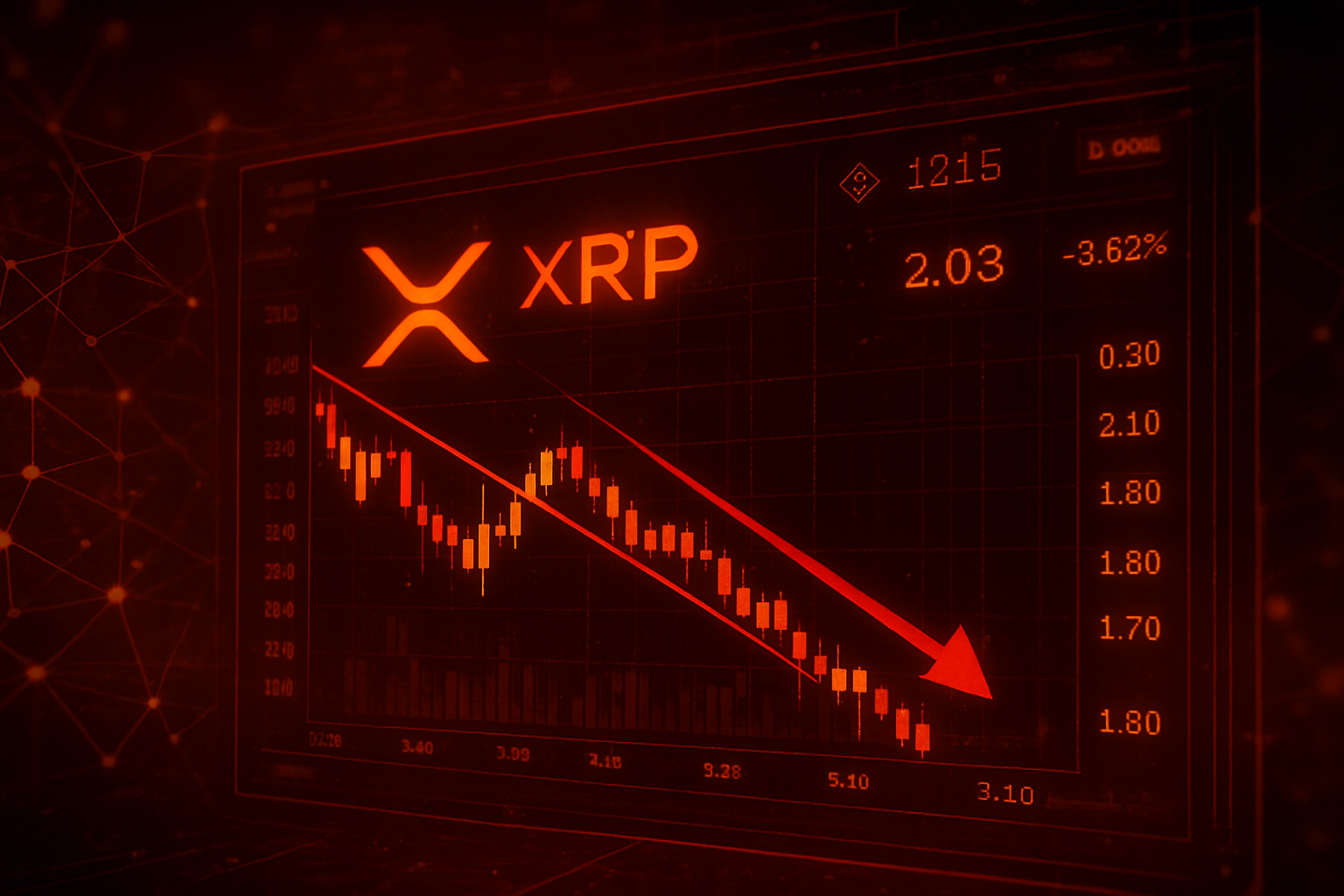
  • XRP’s ‘Death Cross’ Signals Deeper Corrections as Analysts Eye $1.80-$2.10 Range

    XRP’s ‘Death Cross’ Signals Deeper Corrections as Analysts Eye $1.80-$2.10 Range

    New York, NY – December 1, 2025 – The cryptocurrency market is abuzz as XRP, the digital asset associated with Ripple (private), has confirmed a significant 'Death Cross' technical pattern on its daily chart in late November, extending into the first days of December 2025. This ominous signal, where XRP's short-term 50-day moving average (SMA) plunged below its long-term 200-day SMA, has sent ripples of concern through the investor community, prompting technical analysts to warn of potential price drops towards the $1.80-$2.10 range.

    The immediate market reaction has been predominantly bearish, with XRP experiencing a notable decline as the crossover materialized. On December 1, 2025, XRP's price fell approximately 7%, hitting session minimums around $2.01, further cementing the bearish sentiment that had been building throughout November. This technical event is significant because it is widely interpreted as a strong indicator of a potential shift towards a long-term bearish trend, suggesting that downward momentum is likely to continue or intensify, influencing both retail and algorithmic trading strategies across the crypto ecosystem.

    Market Impact and Price Action

    The formation of the 'Death Cross' for XRP has been a culmination of sustained selling pressure and a broader market downturn. Leading up to the confirmation, XRP had already seen considerable weakness, with reports in early November highlighting its vulnerability. The 50-day moving average, a key indicator of short-term momentum, had been steadily declining, setting the stage for its eventual cross below the more stable 200-day moving average.

    In the immediate aftermath, XRP's price movements have been characterized by a struggle to hold key support levels. The confirmed 'Death Cross' on December 1, 2025, saw XRP's price drop to around $2.05, establishing new session lows. This decline followed earlier warnings from late November that predicted a slide towards the $1.50 range, drawing parallels to historical instances where similar patterns preceded drops of up to 15% for XRP. Trading volume surged by 92% within 24 hours on December 1, accompanying the price drop, indicating aggressive repositioning and liquidation waves that erased recent gains. This high volume during a price decline further underscores the strong bearish sentiment dominating the market.

    Technical analysis points to critical support levels that XRP must defend to prevent steeper losses. Analysts have identified significant floors around $2.20, with stronger support at $2.15, $2.10, and $2.05 based on classical pivot points. The much-discussed $1.80 and $2.00 levels are also cited as important demand zones, with $1.80 historically acting as a robust area of buyer interest. Should these levels fail, a breach below $2.20 could open the door to the $1.80-$2.10 range, or even deeper corrections towards $1.50 or the psychological $1.00 mark. Conversely, resistance levels are noted at $2.26, $2.31, and a formidable barrier between $2.30-$2.40. A decisive break above $2.40 would be needed to signal any potential bullish reversal.

    Comparing this event to past 'Death Crosses' reveals a mixed bag of outcomes. A similar pattern for XRP in May 2025 preceded several weeks of sideways and negative price action. However, some analysts, like EGRAG, caution against drawing direct parallels to severe past crashes, such as the 2018 bear market. They argue that a "true" bearish 'Death Cross' leading to steep declines requires the token to be trading below both moving averages with significantly slowing momentum, which was not entirely the case for XRP as it held above the 200 MA with an upward trend in late November. This suggests that while a 'Death Cross' is a bearish indicator, its impact can vary based on the broader market context and other underlying factors.

    Community and Ecosystem Response

    The XRP 'Death Cross' has ignited a firestorm of discussion across social media platforms, with crypto Twitter (X) and Reddit serving as primary hubs for analysis, predictions, and emotional reactions. The sentiment has been largely bearish, reflecting the technical warnings from analysts.

    Crypto influencers and thought leaders have largely converged on a cautious to bearish outlook. Analysts like "Umair" on X highlighted the 'Death Cross' on XRP's daily chart, projecting a potential 15% crash that could push XRP into the $1.50 range, citing historical precedents. Others forecasted even more significant corrections, with some suggesting a 50% drop to $1.25 if key support levels fail to hold. This widespread bearish prognostication from prominent voices has undoubtedly amplified market anxiety. FXEmpire and Finance Magnates also confirmed the 'Death Cross', supporting a bearish narrative and price predictions of $1.82 and $1.61, respectively, despite some ongoing XRP ETF inflows.

    However, not all sentiment was uniformly negative. A contrarian view emerged from influencers such as "Steph Is Crypto" on X, who pointed out that a similar 'Death Cross' pattern in 2017 actually preceded a substantial 10x rally for XRP. This perspective offered a glimmer of hope for some, suggesting that the event could be a capitulation point before a significant rebound. Nonetheless, the immediate trading activity on December 1, characterized by a 92% surge in volume alongside a price drop, indicated aggressive profit-taking and liquidation waves, underscoring the prevailing fear in the market.

    The XRP 'Death Cross' coincided with a broader market downturn. On December 1, 2025, major cryptocurrencies, including Bitcoin and Ethereum, experienced losses ranging from 5% to 9%, with nearly $638 million in leveraged positions liquidated across exchanges, almost 90% of which were long positions. This market-wide correction, attributed to thin liquidity and macro uncertainty, exacerbated XRP's struggles. While direct, specific impacts on XRP-related DeFi protocols, NFT projects, or Web3 applications were not explicitly detailed in the immediate aftermath, the general market caution would undoubtedly lead to a more conservative approach within these sectors. Ripple (private) itself continued to advance its ecosystem, with its APAC entity receiving expanded payment licenses from the Monetary Authority of Singapore (MAS) and its stablecoin, RLUSD, gaining recognition. Several spot XRP ETFs, including those from Grayscale (private), Bitwise (private), Franklin Templeton (NYSE: BEN), and Canary Capital (private), also launched in mid-November, suggesting ongoing institutional infrastructure development despite token volatility.

    What's Next for Crypto

    The confirmed 'Death Cross' for XRP, occurring amidst a broader market 'risk-off' environment, paints a cautious short-term outlook for the digital asset and the wider cryptocurrency space. In the immediate weeks, sustained selling pressure is anticipated for XRP, potentially retesting lower support levels and solidifying the $1.80-$2.10 range as a critical battleground. Similarly, Bitcoin (BTC) is grappling with its own 'Death Cross' confirmation from mid-November, trading near $93,000 after falling from October highs of $126,000, signaling potential further downside towards $83,500 and a major support zone at $74,000-$76,000.

    However, the long-term implications for the crypto market remain nuanced. While technical indicators suggest immediate pain, many analysts view 'Death Crosses' as lagging indicators that often appear after significant price drops have already occurred, potentially marking local market bottoms rather than the start of prolonged bear markets. Therefore, a period of consolidation followed by a gradual recovery into early to mid-2026 remains a medium-high likelihood scenario, contingent on improving macroeconomic conditions and a slow but steady increase in institutional interest.

    Several potential catalysts could shift the market's trajectory. Anticipated Federal Reserve rate cuts in late 2025 or throughout 2026 could inject significant liquidity into risk assets. Continued demand and adoption of Spot Bitcoin ETFs, alongside the growth of XRP-spot ETFs, are expected to fuel institutional participation. Regulatory advancements, such as the potential passing of the CLARITY Act by 2026, could provide much-needed confidence and integration. For XRP specifically, the ongoing resolution of the SEC vs. Ripple lawsuit remains a pivotal event, with a favorable outcome potentially unleashing renewed confidence. Technological innovations within Ethereum (e.g., Pectra and Fusako upgrades), advancements in DeFi, and the expansion of real-world asset (RWA) tokenization on platforms like the XRPL will also drive fundamental value.

    Strategic considerations for investors during this volatile period include short-term caution, diversification of holdings, and disciplined risk management, such as using trailing stop-losses. However, significant dips, especially around key support levels, could also present accumulation opportunities for long-term investors who believe in the underlying fundamentals and future growth of the crypto market. For projects, the emphasis should be on developing real-world utility, particularly in areas like AI, DeFi, and core blockchain infrastructure, to attract serious investors and withstand market downturns.

    Bottom Line

    The XRP 'Death Cross' signal, confirmed in late November and early December 2025, serves as a stark reminder of the inherent volatility and technical sensitivities within the cryptocurrency market. For crypto investors and enthusiasts, the key takeaway is to approach the current market with heightened caution, recognizing the potential for further price declines in the short term, with analysts eyeing the $1.80-$2.10 range as a critical support zone. The immediate aftermath has seen significant selling pressure and liquidations, indicating a prevailing 'risk-off' sentiment exacerbated by broader market weakness and macroeconomic uncertainties.

    Despite the immediate bearish technical signals, the long-term significance for XRP and the wider crypto market appears more resilient. The 'Death Cross' is a lagging indicator, and historical precedents suggest it can sometimes mark temporary downturns before eventual rebounds. Crucially, underlying drivers such as increasing institutional adoption, particularly through spot ETFs from entities like Franklin Templeton (NYSE: BEN) and Grayscale (private), and the ongoing pursuit of regulatory clarity are bolstering the long-term outlook. Ripple's (private) advancements in real-world asset (RWA) tokenization and the expansion of its stablecoin, RLUSD, continue to enhance XRP's utility and institutional appeal.

    Ultimately, this period of technical weakness does not fundamentally derail the long-term trend of crypto adoption. Instead, it highlights the maturation of the market, its growing sensitivity to macroeconomic factors, and the ongoing shift towards a more regulated and utility-driven ecosystem. While retail investor sentiment may fluctuate, institutional players often view such corrections as strategic accumulation opportunities. The path to broader crypto adoption will likely involve navigating these cyclical downturns, emphasizing the importance of robust fundamental development and clear regulatory frameworks.

    Important Dates, Events, or Metrics to Monitor:

    • XRP Price Levels: Watch for XRP's ability to hold support at $2.00, $1.90, and $1.61, and attempts to reclaim resistance at $2.19-$2.29 and $2.45.
    • XRP ETF Inflows/Outflows: Monitor institutional capital flows into XRP ETFs for signs of renewed demand.
    • Federal Reserve Interest Rate Decisions: Upcoming Fed meetings and any indications of rate cuts will significantly influence market liquidity.
    • SEC vs. Ripple Lawsuit: Any definitive outcome or significant progress in the lawsuit remains a pivotal event for XRP.
    • Regulatory Developments: Keep an eye on U.S. legislative progress (e.g., CLARITY Act) and global regulatory frameworks.
    • Ripple Ecosystem: Track RWA tokenization initiatives (2025-2026) and RLUSD stablecoin expansion (Q1 2026).
    • Bitcoin Price Action: Bitcoin's ability to hold $80,000-$85,000 support and overall crypto market capitalization will provide critical context.

    This article is for informational purposes only and does not constitute financial or investment advice. Cryptocurrency investments carry significant risk.

  • Binance Grapples with New Terror Financing Lawsuit as CZ’s Pardon Sparks Industry Debate

    Binance Grapples with New Terror Financing Lawsuit as CZ’s Pardon Sparks Industry Debate

    November 25, 2025 – Binance, the world's largest cryptocurrency exchange, finds itself embroiled in a fresh legal battle as a new federal lawsuit, made public today, accuses the platform and its leadership of knowingly facilitating over $1 billion in transactions for designated terrorist organizations. This significant development comes just weeks after a controversial "full and unconditional pardon" was granted to Binance's founder, Changpeng Zhao (CZ), by President Donald Trump on October 23, 2025, for his earlier conviction on anti-money laundering (AML) violations.

    The lawsuit, filed by more than 300 American victims and families affected by the horrific October 7, 2023, Hamas attack on Israel, alleges systemic failures at Binance that allowed groups like Hamas, Hezbollah, and Palestinian Islamic Jihad to move substantial funds through its platform. This legal action, brought under the Justice Against Sponsors of Terrorism Act (JASTA), not only intensifies scrutiny on crypto exchanges' compliance efforts but also casts a long shadow over the industry's ongoing struggle with illicit finance. CZ's pardon, while clearing his personal record, has sparked widespread debate about regulatory oversight, political influence in the crypto space, and the future accountability of major players, leaving the crypto ecosystem buzzing with uncertainty.

    Market Impact and Price Action

    The immediate market reaction to the unfolding legal developments surrounding Binance and the recent pardon of CZ has been complex, reflecting both apprehension and a degree of relief in different segments of the crypto market. While a direct, sharp downturn across the entire market has been averted, specific assets and the broader sentiment around centralized exchanges have shown noticeable shifts.

    Binance Coin (BNB), the native cryptocurrency of the Binance ecosystem, experienced a modest dip in the hours following the public announcement of the new lawsuit, trading down approximately 3-5% against Bitcoin and USD. This movement, however, was somewhat tempered by the prior news of CZ's pardon, which had injected a degree of speculative optimism regarding his potential return to influence within the industry. Trading volumes for BNB saw a slight increase, indicating active repositioning by investors. Key support levels around $320-$330 are being closely watched, as a break below could signal further downside pressure.

    In the broader market, Bitcoin (BTC) and Ethereum (ETH) have largely maintained their recent gains, suggesting that while the Binance news is significant, it has not triggered a systemic market-wide panic. However, the news has amplified existing concerns about regulatory crackdowns on centralized entities, leading to a subtle shift in sentiment towards decentralized finance (DeFi) protocols. Some DeFi tokens have seen marginal gains, as investors potentially seek alternatives perceived as less susceptible to governmental intervention and legal challenges. This current scenario draws parallels to past regulatory actions against major exchanges, such as the BitMEX indictments in 2020, where specific exchange tokens were hit hard, but the broader market demonstrated resilience, eventually recovering as the industry adapted to evolving compliance landscapes. The long-term impact will depend on the progression of the lawsuit and any further regulatory responses.

    Community and Ecosystem Response

    The crypto community's response to the dual developments of the new Binance lawsuit and CZ's pardon has been a mixture of outrage, cautious optimism, and fervent debate across social media platforms and industry forums.

    On platforms like Crypto Twitter and Reddit, sentiment is sharply divided. Many expressed profound disappointment and anger regarding the allegations of terrorist financing, calling for stricter regulations and greater accountability for large exchanges. The hashtag #BinanceScandal trended, with users sharing articles and demanding transparency. Critics highlighted the perceived hypocrisy of the industry's "decentralization" ethos when major centralized players face such serious charges. Conversely, a segment of the community, particularly those supportive of CZ, viewed the pardon as a vindication, arguing it underscores a perceived "war on crypto" by traditional financial and governmental structures. They celebrated CZ's freedom, often downplaying the severity of his previous conviction and framing the new lawsuit as another attack on crypto innovation.

    Crypto influencers and thought leaders have also weighed in, with varying perspectives. Some prominent figures have used the opportunity to advocate for fully decentralized solutions, emphasizing the need for robust self-custody and truly permissionless protocols to avoid such centralized risks. Others have urged caution, reminding the community that regulatory scrutiny, regardless of political leanings, will continue to shape the industry. The ongoing discussion has also touched upon the potential effects on related DeFi protocols and Web3 applications. While there's no direct impact on the technical functionality of these projects, the enhanced regulatory spotlight on centralized gateways could indirectly accelerate the adoption of decentralized alternatives for onboarding and off-boarding fiat, as users seek to mitigate counterparty risk. The broader crypto Twitter and Reddit sentiment, therefore, remains a volatile mix of concern over regulatory risks and a renewed call for core crypto principles of decentralization and censorship resistance.

    What's Next for Crypto

    The unfolding legal saga surrounding Binance and the implications of CZ's pardon are set to cast a long shadow over the cryptocurrency market, shaping its trajectory in both the short and long term. In the immediate future, the primary focus will be on the progression of the October 7 victims' families' lawsuit. The discovery phase, potential motions to dismiss, and any preliminary rulings will be closely watched, as they could reveal more about Binance's internal operations and compliance mechanisms. This heightened scrutiny on illicit finance could trigger a new wave of enforcement actions against other exchanges or DeFi protocols perceived to have lax AML/KYC policies, potentially leading to increased compliance costs and operational hurdles across the industry.

    Longer-term, the legal precedent set by this lawsuit, particularly under JASTA, could significantly alter how crypto exchanges operate globally. It may compel platforms to implement more stringent and proactive measures to prevent illicit financing, potentially involving advanced AI-driven transaction monitoring and enhanced collaboration with law enforcement. The political implications of CZ's pardon are also profound; it could embolden other crypto executives facing legal challenges, suggesting a potential avenue for political intervention, especially if the political landscape shifts. This could create a bifurcated regulatory environment, where political influence plays an increasing role in the legal outcomes of crypto leaders. Investors should prepare for continued volatility and increased regulatory uncertainty, with potential catalysts including further legislative proposals aimed at crypto regulation, new international collaborations on anti-money laundering, and the outcomes of ongoing legal battles involving other major crypto entities. Projects and investors must prioritize robust compliance frameworks and due diligence, considering the evolving legal and political risks.

    Bottom Line

    The latest developments surrounding Binance—the new lawsuit alleging terrorist financing and the controversial pardon of its founder, CZ—underscore a critical juncture for the cryptocurrency industry. For crypto investors and enthusiasts, the key takeaway is the escalating regulatory and legal pressure on centralized entities, particularly concerning illicit finance. This highlights the inherent risks associated with platforms that serve as fiat on-ramps and off-ramps, reminding users of the importance of understanding the regulatory posture and compliance track record of any exchange they utilize. The long-term significance of these events lies in their potential to reshape the global regulatory landscape for crypto, pushing for more rigorous AML/KYC standards and potentially accelerating the adoption of truly decentralized alternatives that minimize reliance on centralized intermediaries.

    While CZ's pardon offers a glimmer of hope for some in terms of reduced personal liability for crypto entrepreneurs, it simultaneously raises questions about the integrity of the justice system and the potential for political influence in crypto regulation. This tension between regulatory enforcement and political maneuvering will likely define the industry's path forward. Investors should closely monitor the legal proceedings of the October 7 victims' lawsuit, watching for any precedents that emerge. Furthermore, attention should be paid to new legislative initiatives globally aimed at crypto, the evolving stance of international bodies on digital asset regulation, and any further developments regarding CZ's future involvement in the crypto space. These events will ultimately determine the pace of mainstream crypto adoption and the industry's ability to shed its reputation as a haven for illicit activities.


    This article is for informational purposes only and does not constitute financial or investment advice. Cryptocurrency investments carry significant risk.

  • Russia’s Finance Ministry Signals Broader Crypto Access, Eyeing End to ‘Superqual’ Status

    Russia’s Finance Ministry Signals Broader Crypto Access, Eyeing End to ‘Superqual’ Status

    Moscow, Russia – November 25, 2025 – In a significant move set to reshape its domestic cryptocurrency landscape, Russia's Ministry of Finance is actively considering a substantial simplification of investor requirements for digital assets, with strong indications that the stringent "superqual" investor status will be abandoned. This development, reported today, marks a pivotal shift in Russia's regulatory approach, aiming to broaden participation in its nascent legal crypto market.

    The potential removal of the "superqual" designation, initially conceived to limit legal crypto trading to an elite group of ultra-wealthy investors, signals a more inclusive future for Russian citizens seeking to engage with digital assets. This decision comes amidst Russia's broader strategic push to leverage cryptocurrencies for international trade and to bring its flourishing, yet largely unregulated, crypto market under official oversight. The immediate reaction from the crypto community is cautiously optimistic, recognizing this as a step towards greater accessibility and a more formalized ecosystem, even as the nation navigates complex internal debates on digital asset policy.

    Market Impact and Price Action

    While the news of Russia's Finance Ministry considering simplified crypto investor requirements is fresh, immediate, specific price movements of major cryptocurrencies or local tokens directly attributable to this announcement have not been widely reported as of November 25, 2025. However, the anticipated long-term market impact is largely positive, suggesting a structural shift rather than an immediate price surge.

    The proposed simplification is expected to significantly expand the pool of participants in Russia's experimental legal regime (ELR) for organized cryptocurrency trading. By lowering the previously high thresholds for "especially qualified" investor status (which included substantial assets or income, like 100 million rubles in investments or 50 million rubles in annual income), a much wider demographic of Russian citizens could gain legal access to crypto markets. This increased participation is projected to lead to enhanced liquidity and trading volumes within regulated domestic platforms. Experts have previously predicted that the Russian market for crypto investment products could exceed 2 trillion rubles (approximately $24 billion USD) by 2026, driven by growing institutional interest and regulatory clarity. This move aligns with that growth trajectory, potentially attracting more capital into the regulated sector.

    Historically, positive regulatory clarity has often correlated with market gains. For instance, favorable regulatory announcements, such as Japan's proactive stance on crypto regulation or the recent approval of Ethereum ETFs by the U.S. SEC (NASDAQ: SEC), have tended to foster market optimism and abnormal returns. Conversely, strict bans or tightening regulations, like China's crypto prohibitions or the U.S. SEC's enforcement actions classifying specific assets as securities, have typically led to market downturns and reduced trading volumes. Russia's current trajectory, which leans towards simplification and integration rather than outright prohibition, positions this development in the category of positive regulatory news, likely contributing to long-term confidence rather than immediate volatility. The ongoing cautious stance of the Central Bank of Russia (CBR) regarding domestic payments, however, may temper any euphoric reactions and encourage a more measured market response.

    Community and Ecosystem Response

    The Russian crypto community and the broader ecosystem are reacting to this news with a mixture of anticipation and pragmatism, reflecting the ongoing internal policy debate between the Finance Ministry and the Central Bank. The Finance Ministry's stance, advocating for broader access and regulated integration, is generally viewed favorably by those seeking to legitimize and expand the domestic crypto market. Deputy Finance Minister Ivan Chebeskov's statements regarding the likely abandonment of the "superqual" status and the adjustment of "especially qualified" investor thresholds are seen as a clear signal that the government intends to bring more crypto operations "out of the shadows."

    On social media platforms and within crypto forums, while direct, granular sentiment specifically on the "superqual" status change is still emerging, the overarching sentiment regarding Russia's evolving crypto policies is one of strategic adaptation. Many users acknowledge Russia's increasing reliance on cryptocurrencies to navigate international sanctions and protect savings against inflation. This broader context frames the simplification of investor requirements as a necessary and logical step in formalizing an already active crypto user base. However, the persistent caution from the Central Bank, which continues to advocate for strict limitations on domestic crypto payments and stringent oversight, means that the community remains watchful for the final details of any implemented regulations. Some observers have characterized the internal regulatory discussions as a "circus," highlighting the divergent views that continue to shape the policy landscape.

    The direct effects on specific DeFi protocols, NFT projects, or Web3 applications within Russia are not yet clearly defined by this particular policy shift. However, by potentially drawing more investors into a regulated environment, the move could indirectly influence the flow of capital. While Russia has seen significant DeFi activity, often through unregulated channels due to sanctions, a more accessible legal framework might encourage a shift towards compliant platforms if they offer competitive advantages. For NFTs, Russia has maintained a restrictive stance on their use as payment methods, and this investor status change is unlikely to alter that fundamental position. For Web3 applications, the emphasis on a controlled, state-supervised environment for crypto transactions might present both opportunities for compliant projects and challenges for those adhering strictly to a decentralized ethos.

    What's Next for Crypto

    The potential abandonment of the "superqual" status and the broader simplification of crypto investor requirements by Russia's Finance Ministry herald significant short-term and long-term implications for the crypto market. In the short term, we can expect increased retail participation in regulated crypto platforms within Russia, leading to enhanced market liquidity. This move is likely to foster positive sentiment among domestic investors, encouraging broader engagement with digital assets. The Experimental Legal Regime (ELR), currently used for cross-border settlements, could also see expanded participation, offering more businesses avenues to utilize crypto.

    Looking to the long term, these regulatory shifts are poised to accelerate mainstream crypto adoption in Russia, integrating digital assets more deeply into the national economy. The easing of restrictions on banks handling Bitcoin (NASDAQ: BTC) and the anticipation of a comprehensive crypto law by 2026 could pave the way for substantial institutional investment and the development of sophisticated crypto-related financial products. Russia is already working to establish the necessary infrastructure for its experimental crypto regime, and simplified investor requirements will likely expedite the growth of regulated domestic exchanges and custodians. This will provide greater regulatory clarity and certainty, attracting long-term investment and innovation, albeit within a framework that emphasizes controlled innovation and state supervision.

    Several catalysts and developments will be crucial to monitor. The finalization and specific wording of the comprehensive crypto law, expected by 2026, will be paramount. The ongoing dynamic between the Finance Ministry's flexible approach and the Central Bank's cautious stance on domestic crypto payments remains a key area to watch, as any softening from the CBR could significantly expand the domestic market. Geopolitical and economic factors, particularly Russia's need to circumvent Western sanctions, will continue to drive its crypto strategy. Additionally, the licensing of crypto service providers, potentially commencing by the end of 2025, will be a practical indicator of the government's commitment to a regulated environment.

    For crypto projects, strategic considerations include prioritizing regulatory compliance within Russia's evolving framework, focusing on cross-border solutions given strong government support for international trade payments, and exploring partnerships with traditional financial institutions. For investors, continuous monitoring of regulatory updates is essential, along with thorough due diligence on emerging local platforms and a careful assessment of the risk-reward profile, particularly concerning the distinctions between domestic and international crypto restrictions.

    Possible scenarios include a highly likely "Regulated Integration," where Russia continues to embrace crypto for cross-border payments and gradually opens up regulated domestic access, culminating in a structured, state-supervised market by 2026. A "Stagnation/Partial Retreat" is medium likelihood, where regulatory progress slows due to internal disagreements. A "Rapid Liberalization" scenario, allowing widespread domestic payments with minimal state oversight, is considered low likelihood given the Central Bank's consistent caution.

    Russia's role in the global crypto landscape is evolving rapidly. By formalizing crypto use, especially for international trade, Russia is positioning itself as a potential model for other nations facing similar economic pressures. It could become a regulated market hub, influencing BRICS partners and allied nations in developing their own crypto policies. The development of Russia's central bank digital currency (CBDC), the digital ruble, will also intertwine with this strategy, creating a unique hybrid digital asset ecosystem.

    Bottom Line

    The Finance Ministry's consideration of simplifying crypto investor requirements, potentially dropping the "superqual" status, represents a pivotal moment for Russia's engagement with digital assets. For crypto investors and enthusiasts, the key takeaway is the promise of broader and more accessible participation in a regulated Russian crypto market. While the Central Bank's cautious stance on domestic payments persists, this move signals a pragmatic effort to bring a significant portion of Russia's active crypto community into a formalized, albeit controlled, system.

    The long-term significance of this shift is profound. It marks a clear departure from a purely prohibitive stance towards a strategy of regulated integration, driven by economic necessity and a desire to harness the potential of digital assets for both domestic economic activity and international trade. This pragmatic evolution aims to enhance transparency, enable taxation, and provide a legal framework where none existed for many activities. However, the ongoing internal debate between the Finance Ministry and the Central Bank continues to introduce an element of regulatory uncertainty that could impact the pace and scope of adoption.

    For crypto adoption in Russia, this development is likely to accelerate it within a regulated environment. Russia has already emerged as a leading country for crypto adoption in Europe, driven by citizens seeking financial alternatives amidst economic pressures. The legalization of crypto mining in November 2024 and cross-border crypto payments in September 2024 further underscore this trend. Globally, Russia's evolving regulatory model, particularly its use of crypto to circumvent sanctions, could have significant ripple effects, influencing other nations and potentially legitimizing cryptocurrencies as tools for international finance, while also drawing increased scrutiny from Western authorities regarding illicit finance.

    Important dates, events, and metrics to monitor include the precise details and implementation of lowered investor requirements, the progress and expansion of the Experimental Legal Regime (ELR), and any new regulatory frameworks developed by the Central Bank in 2026. The projected launch of Russia's Digital Ruble in 2025 will be a key event, as will the impact of new tax laws (effective January 1, 2025) on crypto sales and mining. Ongoing monitoring of crypto inflow and adoption metrics, along with international reactions and sanctions, will provide crucial insights into the real-world implications of Russia's evolving crypto strategy.


    This article is for informational purposes only and does not constitute financial or investment advice. Cryptocurrency investments carry significant risk.

  • Brazil’s Crypto Crossroads: A Landmark Shift in Digital Asset Taxation and Adoption

    Brazil’s Crypto Crossroads: A Landmark Shift in Digital Asset Taxation and Adoption

    Brasília, Brazil – November 18, 2025 – Brazil is navigating a pivotal moment in its journey to integrate cryptocurrencies into the national financial framework, marked by both a significant legislative victory for the crypto community and an ongoing debate that could redefine the cost of cross-border digital transactions. While the nation has emerged as a powerhouse in Latin American crypto adoption, its government is concurrently striving to formalize the market, prevent illicit activities, and enhance revenue through a series of regulatory initiatives.

    The most recent and impactful development for the Brazilian crypto ecosystem came on October 8, 2025, when the Brazilian Congress decisively defeated Provisional Measure 1303 (MP 1303). This measure, introduced by President Luiz Inácio Lula da Silva in June 2025, proposed a flat 17.5% capital gains tax on all cryptocurrency profits and, critically, sought to eliminate the R$35,000 (approximately $6,300 USD) monthly tax exemption for small-scale investors. Its defeat, with 251 votes in favor of withdrawal, was widely celebrated by the crypto industry, which had vociferously lobbied against it, fearing an exodus of smaller investors and a chilling effect on local innovation. This legislative outcome preserves a more favorable tax environment for retail participants, affirming Brazil's commitment to grassroots crypto adoption.

    However, the regulatory spotlight has immediately shifted to the ongoing consideration of extending Brazil's Imposto sobre Operações Financeiras (IOF), or Financial Transactions Tax, to cross-border cryptocurrency payments. This move, primarily targeting stablecoins, is driven by the Central Bank of Brazil's (BCB) November 10, 2025, classification of stablecoin operations as foreign exchange transactions, with these new rules set to take effect in February 2026, and forex-specific stablecoin provisions beginning on May 4, 2026. The Finance Ministry is now reviewing the precise application of the IOF to these digital asset transfers. This initiative aims to close regulatory loopholes that officials estimate cost the government over $30 billion annually in lost revenue, particularly from customs evasion schemes facilitated by unregulated crypto flows. The implications for crypto users, market dynamics, and the broader digital asset ecosystem in Brazil are substantial, poised to introduce new layers of cost and compliance to international digital asset transactions.

    Market Impact and Price Action

    The Brazilian cryptocurrency market has demonstrated remarkable resilience and growth amidst this evolving regulatory landscape. Prior to the November 2025 discussions regarding the IOF tax extension, stablecoins had already witnessed a significant surge in adoption and trading volume. This increase was largely driven by Brazilian citizens seeking to circumvent existing IOF taxes on traditional foreign payments, which had seen earlier increases in 2025. Stablecoins, particularly Tether (USDT), became a preferred method for accessing dollar-equivalent assets and facilitating international payments.

    Data from local exchanges underscores this trend. Biscoint reported a striking 78% increase in stablecoin trading volumes between 2024 and 2025, with total turnover climbing from $9.84 billion to $13.74 billion. Similarly, Bitybank observed a 36% rise in stablecoin trading between June and July 2025. In the first half of 2025, USDT alone accounted for a dominant two-thirds of Brazil's total crypto transaction volume, while Bitcoin (BTC) represented only 11%. This highlights a clear demand for stable, dollar-pegged digital assets for transactional purposes. Despite this surge in utility, there have been no reported de-pegging events or unusual volatility of stablecoins directly attributable to the November 2025 announcements, indicating their continued function as stable mediums of exchange.

    The overall Brazilian crypto market has shown robust activity, with total crypto transactions reaching 227 billion reais ($42.8 billion) in the first half of 2025, a 20% increase from the same period in 2024. Between July 2024 and June 2025, Brazil recorded over $318.8 billion in cryptocurrency transactions, marking a 109.9% year-over-year increase and cementing its position as the fifth-largest crypto market globally by transaction volume. While the defeat of the 17.5% flat capital gains tax was a positive market signal, specific immediate price movements of major cryptocurrencies like Bitcoin (BTC) or Ethereum (ETH) directly tied to these Brazilian regulatory developments in November 2025 have not been explicitly detailed. Broader market fluctuations, such as Bitcoin's (BTC) 4.3% drop in late October 2025, were primarily linked to global macroeconomic factors rather than localized Brazilian news. The market's primary reaction appears to be a behavioral shift in stablecoin usage and trading patterns in anticipation of regulatory changes, rather than immediate speculative price action on major digital assets.

    Community and Ecosystem Response

    The Brazilian crypto community has proven to be an active and influential voice in the nation's digital asset policy debates. The most significant recent outcome for the community was the legislative defeat of Provisional Measure 1303 (MP 1303) on October 8, 2025. This proposed flat 17.5% capital gains tax, which would have eliminated the R$35,000 monthly exemption, was met with widespread condemnation from stakeholders. Crypto influencers and thought leaders, alongside prominent trade groups like ABCripto, vehemently argued that the measure would disproportionately harm small investors and could "destroy Brazil's national crypto market" by driving users to offshore platforms. Bernardo Srur, CEO of ABCripto, was a vocal critic, emphasizing the negative impact on the average Brazilian crypto investor. The sentiment across crypto Twitter and Reddit during this period reflected deep apprehension about the measure's potential to stifle innovation and adoption.

    The defeat of MP 1303 was met with widespread relief and applause from local crypto groups, who celebrated it as a crucial victory for the broader Brazilian cryptocurrency ecosystem. This outcome has likely alleviated immediate concerns for smaller participants and projects in the DeFi, NFT, and Web3 sectors that would have faced significantly increased tax burdens.

    However, the community's vigilance remains high as the focus shifts to the potential application of the IOF tax to cross-border crypto payments. While specific social media sentiment directly following the November 2025 announcements regarding the IOF extension is still emerging, the historical backlash against previous increases in the IOF on traditional foreign payments suggests similar concerns within the crypto community regarding increased taxation and regulatory oversight. Critics are already warning that such measures could harm Brazil's competitiveness in the global digital asset space. The Central Bank of Brazil's classification of stablecoins as foreign-exchange operations, effective February 2026, will also introduce higher compliance costs for crypto firms, including those operating in the DeFi and Web3 sectors, as they will need to acquire licenses and adhere to stringent governance, security, and reporting standards.

    Further adding to the evolving landscape, Bill 458/21, approved by Congress in October 2025 and awaiting a final Senate vote, proposes a 30% regularization tax for previously undeclared or undervalued crypto assets. This initiative, while aiming to bring hidden wealth into the tax system, has sparked considerable public and political debate, reflecting the ongoing tension between regulatory control and fostering a vibrant crypto economy. While the defeat of the flat capital gains tax was a positive signal, the overall ecosystem continues to adapt to a progressively more regulated environment, with increased operational and compliance costs becoming a reality for local crypto businesses and projects.

    What's Next for Crypto

    Brazil's digital asset market stands at a critical juncture, with recent legislative outcomes and ongoing policy debates shaping its trajectory for the foreseeable future. The unexpected defeat of the proposed 17.5% flat capital gains tax, Provisional Measure 1303 (MP 1303), on October 8, 2025, has sent a clear signal of relief to retail investors and the broader crypto community, preserving the crucial R$35,000 monthly tax exemption for smaller gains. This outcome is expected to bolster grassroots crypto adoption, allowing everyday Brazilians to continue engaging with digital assets without immediate punitive tax burdens. For larger investors, the existing progressive capital gains tax rates (ranging from 15% to 22.5%) remain in effect, offering a predictable, albeit higher, framework for significant profits.

    However, the spotlight has now shifted to the impending decision regarding the Imposto sobre Operações Financeiras (IOF) tax on cross-border cryptocurrency payments, particularly stablecoins. The Finance Ministry's active consideration, coupled with the Central Bank of Brazil's (BCB) November 10, 2025, classification of stablecoin operations as foreign exchange transactions (effective February 2026), introduces a significant layer of uncertainty. This move, supported by expanded reporting requirements for foreign exchanges by the Federal Revenue Service on November 14, 2025, aims to formalize cross-border crypto flows, combat illicit activities, and recover an estimated $30 billion in annual lost revenue.

    Short and Long-Term Implications:
    In the short term, the ongoing IOF debate will likely create apprehension among stablecoin users and businesses reliant on them for international transactions. Crypto firms operating in Brazil are already bracing for increased compliance scrutiny, licensing requirements, and potential operational costs. This could lead to a temporary shift in payment methods as users explore alternatives to pre-empt new levies. Long-term, if the IOF tax is implemented, it will further integrate cross-border crypto into Brazil's formal financial system, enhancing transparency. However, it could also diminish the cost-effectiveness of stablecoins for international payments, potentially reducing their appeal as a cheaper alternative to traditional foreign exchange services. The overall impact hinges on the final rates and specific application of the tax.

    Potential Catalysts and Developments to Watch:
    Several catalysts will shape Brazil's crypto future. The definitive outcome of the IOF tax debate is paramount, as its implementation or rejection will profoundly alter cross-border payment dynamics. Global crypto market trends, the volatility of the Brazilian Real (BRL) (which could drive further stablecoin adoption as a hedge), and the development of Brazil's own Central Bank Digital Currency (CBDC) will also play significant roles. Further regulatory clarity on Virtual Asset Service Providers (VASPs), DeFi, and NFTs could attract more institutional investment. The increasing involvement of major financial institutions like Itaú Unibanco (ITUB), which launched Bitcoin (BTC) and Ether (ETH) trading in late 2023 and a crypto fund in September 2025, continues to legitimize the market and will be a key indicator of institutional confidence.

    Strategic Considerations for Projects and Investors:
    For crypto projects, prioritizing robust compliance infrastructure to meet new reporting obligations and potential licensing requirements is crucial. Localized offerings that leverage Brazil's successful Pix instant payment system will remain vital. Engaging with policymakers and industry associations (such as ABToken) can help shape favorable regulations. Investors, meanwhile, must meticulously track all crypto transactions for accurate capital gains calculations and remain vigilant about IOF tax developments. Diversification, risk management, and a thorough understanding of reporting requirements (e-CAC for monthly off-exchange volumes, DIRPF for annual returns) are paramount.

    Possible Scenarios:

    • Optimistic: A balanced IOF outcome, coupled with a comprehensive yet innovation-friendly regulatory framework, positions Brazil as a global crypto hub, fostering increased adoption and technological integration.
    • Moderate: The IOF tax is implemented at reasonable rates, leading to a more formalized but still growing crypto market, with gradual regulatory evolution and sustained adoption.
    • Pessimistic: High IOF rates and overly restrictive regulations stifle innovation, deter new projects, and slow crypto adoption, potentially pushing users towards less regulated or offshore alternatives, thereby diminishing Brazil's competitive edge.

    Brazil's strong domestic adoption drivers, combined with its proactive regulatory stance, suggest a path towards a more integrated and transparent crypto market. However, the exact nature of this integration, particularly regarding the taxation of cross-border stablecoin payments, will be a defining factor in determining the market's growth and innovation trajectory.

    Bottom Line

    Brazil's journey in regulating its burgeoning cryptocurrency market exemplifies a global trend towards formalizing digital assets within existing financial systems. The recent legislative developments underscore a complex interplay between governmental objectives for revenue generation and illicit activity prevention, and the crypto community's demand for a conducive environment for innovation and adoption.

    Key Takeaways for Crypto Investors and Enthusiasts:
    The most significant takeaway is the defeat of the 17.5% flat capital gains tax (MP 1303) on October 8, 2025. This preserves the crucial R$35,000 monthly tax exemption for smaller crypto disposals, providing significant relief for retail investors and likely encouraging continued grassroots participation. For larger gains, the progressive tax rates (15% to 22.5%) remain. However, the ongoing debate around extending the IOF tax to cross-border crypto payments, especially stablecoins, introduces a new layer of potential cost and complexity for international transactions. This indicates a clear governmental intent to regulate all facets of crypto activity. Furthermore, a two-tiered capital gains tax system is in place for foreign holdings, with a maximum of 15% tax on annual profits exceeding R$6,000 from foreign exchanges, effective January 1, 2024.

    Assessment of Long-Term Significance:
    The long-term significance of these developments is the undeniable formalization of Brazil's crypto market. The defeat of MP 1303 demonstrates a legislative responsiveness to industry concerns, potentially preventing an exodus of smaller investors and fostering local innovation. However, the broader regulatory push, including the Central Bank's classification of stablecoins as foreign exchange operations (effective February 2026) and expanded reporting requirements for foreign exchanges (November 14, 2025), signifies a robust move towards legal certainty, enhanced transparency, and combating illicit finance. While increasing compliance burdens, this formalization is expected to attract more institutional investment and create a more secure operating environment, potentially positioning Brazil as a model for responsible crypto integration in Latin America.

    Final Thoughts on Crypto Adoption:
    The impact on crypto adoption in Brazil is mixed but leans towards a more mature and regulated ecosystem. The preservation of the R$35,000 exemption is a strong positive for retail adoption. However, the potential IOF tax on cross-border payments could diminish the cost-effectiveness of stablecoins for international transfers, potentially affecting their utility and liquidity for this specific use case. Stricter reporting requirements and the tax on foreign crypto holdings might also prompt some users to seek less regulated alternatives or reconsider foreign investments, though the government is actively working to close these gaps. Ultimately, while initial friction and compliance costs may rise, the long-term trend points to a more legitimate, secure, and integrated crypto market in Brazil, which could attract a broader base of users and capital.

    Important Dates, Events, and Metrics to Monitor:

    • November 2025: Central Bank of Brazil (BCB) published resolutions (519, 520, 521) operationalizing the 2022 Virtual Assets Law. Finance Ministry actively considering IOF tax for cross-border crypto. Federal Revenue Service expanded crypto reporting requirements for foreign exchanges.
    • February 2026: All crypto exchanges and Virtual Asset Service Providers (VASPs) must register with the BCB and become authorized "Sociedades Prestadoras de Serviços de Ativos Virtuais (SPSAVs)." BCB's new stablecoin regulations take effect.
    • May 2026: Forex-specific stablecoin rules are scheduled to begin, with crypto companies mandated to submit monthly transaction data to the Central Bank.
    • November 2026: Deadline for non-compliant crypto platforms to cease operations in Brazil.
    • Ongoing Monitoring:
      • IOF Tax Decision: The Finance Ministry's final decision on applying the IOF tax to cross-border crypto payments.
      • Crypto Adoption Metrics: Growth in Brazilian crypto transaction volume (e.g., $42.8 billion in H1 2025), number of regulated VASPs, and overall user adoption.
      • Regulatory Evolution: Further public consultations and development of operational standards by the Central Bank, including Brazil's adoption of the OECD's Crypto-Asset Reporting Framework (CARF).
      • Payroll in Digital Assets: Review of proposals allowing employers to pay up to 50% of salaries in cryptocurrencies.

    This article is for informational purposes only and does not constitute financial or investment advice. Cryptocurrency investments carry significant risk.

  • US Crypto Bill Blitz: Lawmakers Race to Define Digital Assets, Paving Way for Regulatory Clarity

    US Crypto Bill Blitz: Lawmakers Race to Define Digital Assets, Paving Way for Regulatory Clarity

    Washington D.C. is abuzz with legislative fervor as a series of proposed bills, notably the Senate Agriculture Committee's Discussion Draft (Boozman-Booker Bill) unveiled on November 10, 2025, aim to finally bring long-awaited regulatory clarity to the burgeoning US crypto market. These efforts, building upon earlier initiatives like the House-passed Digital Asset Market Clarity Act of 2025 (CLARITY Act) and the Financial Innovation and Technology for the 21st Century Act (FIT21), seek to definitively categorize digital assets as either commodities or securities, thereby delineating the oversight responsibilities of the Commodity Futures Trading Commission (CFTC) and the Securities and Exchange Commission (SEC).

    The immediate market reaction to this legislative push, intertwined with broader economic factors such as the recent end of a 43-day federal government shutdown, has been palpable. In mid-November 2025, Bitcoin (BTC) experienced a sharp decline, trading around the $98,200 mark, reflecting investor uncertainty. Shares of major crypto-related companies, including Coinbase Global (NASDAQ: COIN) and Robinhood Markets (NASDAQ: HOOD), also saw significant drops. This legislative sprint is viewed as a critical juncture for the crypto ecosystem, promising to move the industry beyond the current "regulation by enforcement" paradigm and establish clear rules of engagement for innovation, investment, and consumer protection.

    Market Impact and Price Action

    The mid-November 2025 market movements underscore the profound sensitivity of the crypto market to regulatory developments and macroeconomic shifts. Bitcoin's descent to approximately $98,200, a notable dip from its recent highs, illustrates how regulatory ambiguity, even when accompanied by efforts for clarity, can trigger investor caution. This price action was not isolated, with altcoins generally following suit, albeit with varying degrees of volatility based on their perceived classification risk under the proposed frameworks.

    Trading volumes across major exchanges remained elevated, indicating active repositioning by both institutional and retail investors. Liquidity, while present, showed signs of fragmentation as market participants awaited further details and potential amendments to the legislative drafts. Technical analysis reveals that Bitcoin is currently testing key support levels established during previous periods of regulatory uncertainty, with the $95,000-$97,000 range emerging as a critical battleground for bulls and bears. A sustained breach below this level could signal further downside, while a rebound could indicate market confidence in the eventual clarity.

    Comparing this to past events, such as the initial SEC lawsuits against crypto projects, the current reaction appears less panicked but more measured, reflecting a mature market that anticipates legislative solutions rather than outright bans. However, the consistent decline in shares of publicly traded crypto companies like Coinbase Global (NASDAQ: COIN) and Robinhood Markets (NASDAQ: HOOD) highlights the direct financial implications for entities operating within the US regulatory landscape, as their business models are heavily reliant on clear operational guidelines. The market is pricing in both the potential benefits of clarity and the costs associated with compliance under new regimes.

    Community and Ecosystem Response

    Across the crypto community, the sentiment is a complex mix of cautious optimism and intense scrutiny. Social media platforms like Crypto Twitter and Reddit are abuzz with discussions, dissecting every clause and bracketed section of the legislative drafts. Many influencers and thought leaders have expressed a general welcome for any move towards regulatory definition, acknowledging that the current ambiguity stifles innovation and deters institutional capital. The prevailing sentiment is that clear rules, even if stringent, are preferable to the current state of uncertainty.

    Reactions from prominent figures in the industry have varied. While some laud the bipartisan efforts to create a bespoke framework for digital assets, others voice concerns over potential overreach or unintended consequences, particularly regarding decentralized finance (DeFi) protocols and self-custody solutions. The Senate Agriculture Committee's draft, with its explicit focus on "digital commodities" and CFTC oversight, has been generally well-received by those advocating for a commodity-centric view of most digital assets. However, the ongoing debate over the "decentralization test" in bills like FIT21 continues to spark discussions among developers and project founders, who fear that overly prescriptive definitions could hinder true decentralization.

    The impact on related DeFi protocols, NFT projects, and Web3 applications is yet to be fully realized but is a major topic of conversation. Projects that might be classified as securities under the new framework are preparing for increased compliance burdens, while those confident in a commodity classification are anticipating a smoother path to market. Coinbase's launch of a regulated token sale platform on November 10, 2025, is a proactive move by a major player, signaling an industry-led effort to provide compliant pathways for capital raising and retail investment, even as legislative details are ironed out. The broader ecosystem is bracing for a potential paradigm shift, where legal classification will dictate operational strategies and market access.

    What's Next for Crypto

    The immediate future for the crypto market hinges on the progression and finalization of these legislative efforts. Short-term implications include continued market volatility as drafts are debated, amended, and potentially voted upon. Investors and projects will be closely monitoring congressional hearings, committee markups, and any statements from key regulatory figures. The CFTC, under Acting Chairman Pham, has already signaled its preparedness for an expanded role, including approving leveraged spot crypto trading and prioritizing end-of-year milestones for crypto oversight, indicating a proactive stance from the agency set to gain significant jurisdiction.

    In the long term, the successful passage of a comprehensive crypto bill could unlock unprecedented institutional investment and foster a more mature, regulated market. This clarity would provide a stable foundation for innovation, allowing projects to build with confidence, knowing the legal parameters of their operations. Potential catalysts to watch include the specific language defining "digital commodity" and "digital asset security," the allocation of funding for the CFTC's expanded responsibilities, and the framework for inter-agency coordination between the CFTC and SEC. The resolution of bracketed sections in the Senate Agriculture Committee's draft, particularly concerning DeFi and the CFTC's disapproval timeframe for commodity certification, will be crucial.

    Strategic considerations for projects and investors include reassessing tokenomics, governance structures, and geographical operational bases in light of potential new classifications. Projects may need to pivot their legal strategies, enhance disclosure practices, and ensure robust AML/CFT compliance, especially with the Digital Asset Anti-Money Laundering Act also in play. Possible scenarios range from a highly centralized, regulated US crypto market that attracts traditional finance, to a fragmented global market where projects seek friendlier jurisdictions if US regulations are deemed too onerous. The likelihood points towards a hybrid model, where clarity in the US attracts significant capital, but innovation continues to flourish globally, pushing the boundaries of decentralization.

    Bottom Line

    The current legislative push in the US to define digital asset commodities and securities represents a pivotal moment for the cryptocurrency industry. For crypto investors and enthusiasts, the key takeaway is that regulatory clarity, while potentially introducing new compliance burdens, is ultimately a net positive for the long-term health and mainstream adoption of digital assets. The ongoing debate, particularly the bipartisan efforts in Congress, signals a maturing understanding among policymakers of crypto's distinct characteristics, moving beyond a one-size-fits-all application of existing financial laws.

    The long-term significance of these bills cannot be overstated. A clear distinction between commodities and securities will streamline regulatory oversight, reduce legal ambiguities, and likely pave the way for more traditional financial institutions to enter the crypto space with confidence. This will foster greater market integrity, enhance consumer protection, and potentially unlock trillions in capital. The proactive stance of the CFTC and the industry's own efforts, like Coinbase's new token sale platform, underscore a collective movement towards a more regulated, yet innovative, future.

    Final thoughts suggest that while the road to legislative finality may be bumpy, the trajectory is towards a more defined and robust regulatory environment. This means increased scrutiny, but also increased legitimacy. Important dates and events to monitor include future committee hearings, votes on proposed bills, and any joint statements or guidance from the CFTC and SEC. Metrics such as institutional investment inflows, the growth of regulated crypto products, and the number of new projects launching under the clarified framework will be key indicators of success for what this means for crypto adoption.


    This article is for informational purposes only and does not constitute financial or investment advice. Cryptocurrency investments carry significant risk.

  • Brazil’s Central Bank Tightens Crypto Reins: A New Era of Regulation and its Market Implications

    Brazil’s Central Bank Tightens Crypto Reins: A New Era of Regulation and its Market Implications

    São Paulo, Brazil – Brazil has firmly stepped into a new era of cryptocurrency regulation, with its central bank, the Banco Central do Brasil (BCB), spearheading a comprehensive framework designed to bring virtual assets into the fold of the traditional financial system. This proactive stance, anchored by Law No. 14,478/2022 (the Brazilian Virtual Assets Law, or BVAL), enacted on December 21, 2022, and effective June 20, 2023, along with subsequent decrees and public consultations, marks a pivotal moment for the burgeoning crypto market in Latin America's largest economy.

    The BVAL, complemented by Decree No. 11,563/2023 (also effective June 20, 2023), designates the BCB as the primary regulatory and supervisory authority for Virtual Asset Service Providers (VASPs). This means crypto exchanges and other service providers must now obtain prior authorization to operate and adhere to stringent Anti-Money Laundering (AML) and Know-Your-Client (KYC) protocols, akin to traditional financial institutions. Further specific operational rules, derived from detailed public consultations (which concluded in February 2025), are expected to be finalized by the end of 2025.

    The immediate reaction from the market and community has been a mix of cautious optimism and significant apprehension. While many commend Brazil's progressive approach to fostering investor protection and preventing illicit activities, recent tax reforms, particularly the elimination of the R$35,000 monthly exemption on crypto gains as of June 12, 2025, have sparked considerable debate. This regulatory overhaul is not merely about compliance; it's about legitimizing the crypto ecosystem and integrating it into Brazil's broader financial landscape, setting a precedent for other nations to follow.

    Market Impact and Price Action

    The introduction of Brazil's new regulatory framework has ushered in a period of significant transformation for the crypto market, influencing trading dynamics and investor sentiment. While isolating the direct price impact on major cryptocurrencies like Bitcoin (BTC) and Ethereum (ETH) from global market trends remains challenging, the regulatory clarity has undeniably contributed to a more stable and attractive environment for local investors.

    Following the enactment of the BVAL and subsequent developments, the Brazilian crypto market has witnessed a substantial surge in activity. Monthly BRL trade volume averaged $1.3 billion in 2024, a notable increase from $0.7 billion in 2023. From January to early May 2024, crypto trading activity in Brazil soared by 30% year-over-year, solidifying its position as the largest market in Latin America and the seventh-largest worldwide in terms of fiat currency trade. Brazil is projected to lead South America with an estimated trading volume exceeding $354 billion by the end of 2024, a testament to growing adoption fueled by a supportive, albeit evolving, regulatory climate.

    A significant trend observed is the increasing dominance of stablecoins, which now account for almost half of all trades in Brazil. Tether's (USDT) market share, for instance, has grown considerably since 2021, indicating a preference for stable assets within this newly regulated ecosystem. This regulatory certainty has also spurred institutional adoption, with local giants like Mercado Bitcoin securing payment institution licenses, and traditional financial players such as Itaú Unibanco (ITUB4), Nubank (NU), and Mercado Pago increasingly embracing cryptocurrencies. This institutional embrace is expected to further boost liquidity and market stability.

    While specific technical analysis insights directly correlating chart patterns to the legislation are not readily available, comparisons to other jurisdictions reveal a common pattern: clear, supportive regulations tend to lower volatility and boost liquidity by attracting institutional capital and fostering market confidence. Brazil's comprehensive framework aims to provide this legal certainty, mitigating illicit activities and enhancing market integrity, which are crucial for long-term growth and maturation.

    Community and Ecosystem Response

    The crypto community and ecosystem in Brazil are responding to the new regulations with a complex mix of acceptance, apprehension, and calls for ongoing dialogue. While the intent to professionalize the market is largely welcomed, specific aspects, particularly the recent tax reforms, have ignited widespread concern.

    Social media sentiment often reflects a feeling of being overlooked by policymakers, with many fearing that the new rules, especially the flat 17.5% tax on all crypto gains (effective June 12, 2025), will disproportionately burden small and casual traders. This new tax regime, which abolished the previous R$35,000 monthly exemption, has been criticized by industry advocacy groups like the Brazilian Association of Cryptoeconomics and The Brazilian Association of Fintechs as a "setback" that could drive investors to less regulated, offshore platforms. Mercado Bitcoin publicly criticized the tax rules, asserting they were decided "hastily, without dialogue with the sector and without technical basis," and would diminish market competitiveness. This highlights a perceived "government-citizen divide" as grassroots DeFi participation continues to surge, often outpacing regulatory efforts.

    Crypto influencers and thought leaders, while acknowledging the necessity of oversight, advocate for balanced regulation. Roberto Campos Neto, President of the Central Bank of Brazil, has consistently emphasized the need for moderate rules that foster innovation. Similarly, João Pedro Nascimento, President of the Brazilian Securities and Values Commission (CVM), expressed a commitment to "help the development of the crypto space" rather than stifle it. However, concerns persist. Andre Franco, CEO of Boost Research, pointed out the potential confusion for investors regarding tax calculations. Legal experts warn that stricter foreign exchange controls, while not solely targeting crypto, signal an end to "unlimited cross-border freedom" for Brazilian crypto users, implying slower onboarding and more paperwork. In a notable move, Brazilian lawmaker Eros Biondini introduced a draft bill aimed at eliminating cryptocurrency taxes, particularly for Bitcoin holders, arguing that current and proposed laws unfairly penalize individuals seeking sovereign stores of value.

    The impact on related DeFi protocols, NFT projects, and Web3 applications is direct and significant. Gains from DeFi activities, including staking rewards and yield farming, are now subject to the 17.5% tax as of June 12, 2025. The Federal Revenue Service's public consultation in November 2024 outlined expanded reporting requirements explicitly covering such income. NFTs are recognized as "virtual assets" under the BVAL, meaning their transactions are also subject to capital gains tax, with proposed updates mandating reporting for activities like fractionalization. Web3 applications that function as VASPs must now register with the BCB and comply with stringent KYC, AML, and transparency standards. Despite these compliance "labyrinths," Brazil's government has also shown support for blockchain technology, evidenced by initiatives like the Blockchain Brazil Network (RBB) and the development of the central bank digital currency (DREX). This creates an environment where, despite tightening regulations, there's still a push to leverage blockchain for public services and digital identity, challenging Web3 projects to innovate within a compliant framework.

    What's Next for Crypto

    Brazil's comprehensive regulatory overhaul sets the stage for a dynamic future in its crypto market, with both challenges and significant opportunities on the horizon. The journey from a largely unregulated space to a structured, supervised environment will have profound short-term and long-term implications.

    In the short term, the crypto industry will continue to grapple with increased compliance burdens. VASPs must invest heavily in robust AML/KYC infrastructure and personnel to meet BCB licensing requirements. This could lead to market consolidation, as smaller, less-resourced players may struggle to adapt, potentially giving way to larger, more compliant entities. Retail investors face an adjustment period, learning to navigate the new, broader capital gains tax rules that eliminate previous exemptions and mandate quarterly reporting. However, this period of adjustment is also expected to foster enhanced legal certainty and legitimacy, potentially encouraging a shift towards domestic, regulated platforms as trust in the local ecosystem grows.

    Looking further ahead, the long-term outlook points towards a maturing and deeply integrated crypto market. The comprehensive framework is designed to enhance market maturity and investor protection, fostering greater trust and potentially unlocking significant institutional adoption. Brazil is poised to solidify its position as a regional leader in crypto regulation, not just in Latin America, but globally, attracting compliant innovation and investment. Innovation, rather than being stifled, is expected to thrive within these defined boundaries, as projects focus on developing compliant products and services. A major catalyst will be the ongoing development and rollout of DREX, the Central Bank of Brazil's digital currency, with its pilot program having commenced in August 2024. DREX has the potential to further integrate digital assets into the traditional financial system, creating new use cases and interoperability.

    Key developments to watch include the finalization of the BCB's specific regulations for VASP authorization and operations, expected by the end of 2025. The successful implementation and widespread adoption of DREX will be another critical indicator of the market's trajectory. Continued institutional investment, driven by regulatory clarity and existing offerings like crypto ETFs, will also be a major catalyst. Furthermore, Brazil's alignment with global standards like the OECD's Crypto-Asset Reporting Framework (CARF) and FATF guidelines means that international regulatory trends will continue to influence its domestic approach.

    Strategic considerations for projects emphasize prioritizing compliance, seeking BCB authorization, focusing on consumer protection, and exploring partnerships with traditional financial institutions. For investors, a thorough understanding of the new progressive tax obligations (17.5% for R$5-10 million, 20% for R$10-20 million, and 22.5% above R$30 million in crypto volumes, with quarterly reporting) is paramount. Choosing BCB-authorized platforms, maintaining a long-term perspective, and staying informed about regulatory updates will be crucial.

    Possible scenarios for Brazil's crypto future include a "Controlled Growth and Mainstream Integration" (highly likely) where crypto assets become increasingly integrated into the financial system, and Brazil cements its role as a regional leader. A "Slowed Innovation due to Stringent Rules" (moderate likelihood) remains a risk if specific implementations prove overly bureaucratic, potentially pushing some activities offshore. However, the emergence of a "Robust, Compliant Ecosystem" (likely) where Brazil becomes a hub for trust-focused crypto activities is also a strong possibility. The "Limited Impact / Gray Market Persistence" (low likelihood) scenario is less probable given the government's comprehensive regulatory intent and enforcement efforts.

    Bottom Line

    Brazil's bold move to tighten rules for virtual assets and cryptocurrency represents a significant leap towards a mature and regulated digital economy. For crypto investors and enthusiasts, the key takeaway is the shift from a largely unregulated frontier to a structured environment focused on security, transparency, and investor protection. While the new tax regime, particularly the elimination of the R$35,000 exemption as of June 12, 2025, and the introduction of progressive tax brackets, necessitates careful financial planning and compliance, it also signals a long-term commitment to legitimizing the asset class.

    The long-term significance of these regulations cannot be overstated. By establishing clear guidelines and designating the Central Bank as the primary supervisor, Brazil is laying the groundwork for increased institutional participation and fostering greater trust among a broader user base. This proactive approach positions Brazil as a potential leader in crypto regulation, not just in Latin America, but globally, attracting compliant innovation and investment.

    Ultimately, this means a more predictable and secure landscape for crypto adoption. While initial adjustments to compliance and taxation will be felt, the overall trajectory points towards a robust ecosystem where digital assets play an increasingly integrated role in the mainstream financial system, potentially accelerated by the rollout of DREX. Investors should monitor the finalization of the BCB's specific regulations by the end of 2025, the continued adoption of DREX, and further institutional inflows as critical metrics. The era of unchecked crypto speculation in Brazil is drawing to a close, replaced by a framework that demands responsibility but promises stability and growth.


    This article is for informational purposes only and does not constitute financial or investment advice. Cryptocurrency investments carry significant risk.

  • CFTC Unleashes “Golden Age of Crypto”: Leveraged Trading and Stablecoin Collateral Set to Reshape U.S. Markets

    CFTC Unleashes “Golden Age of Crypto”: Leveraged Trading and Stablecoin Collateral Set to Reshape U.S. Markets

    Washington D.C. – November 10, 2025 – The U.S. Commodity Futures Trading Commission (CFTC) is making aggressive and proactive moves to usher in a new era for digital assets, signaling a profound integration of cryptocurrencies into the traditional financial system. Under the leadership of Acting Chair Caroline Pham, the regulatory body is on the cusp of approving leveraged spot cryptocurrency trading on regulated U.S. exchanges as early as December 2025. Concurrently, the CFTC is advancing a groundbreaking policy to allow stablecoins to be used as collateral in derivatives markets, with a formal framework anticipated in early 2026.

    These landmark initiatives, unfolding against the backdrop of a dynamic crypto market, are poised to significantly enhance market efficiency, bolster investor protection, and repatriate substantial crypto liquidity from offshore platforms to regulated domestic venues. The immediate market reaction has been one of cautious optimism, with major cryptocurrencies showing resilience and industry leaders expressing strong support for the regulatory clarity these moves promise. This strategic pivot by the CFTC is not just about expanding trading options; it's about fundamentally legitimizing digital assets and positioning the U.S. as a global leader in the evolving landscape of digital finance.

    Market Impact and Price Action

    The CFTC's anticipated regulatory frameworks are expected to be a potent catalyst for the crypto market, driving significant shifts in price action, trading volume, and liquidity.

    As of early November 2025, Bitcoin (BTC) has notably rebounded above $103,000, with Ethereum (ETH), Solana (SOL), and XRP (XRP) also posting modest gains. This positive price movement is indicative of growing investor confidence spurred by the impending regulatory clarity and expanded institutional access. Historically, similar regulatory advancements and the launch of institutional products, such as the CME Bitcoin futures in December 2017, have correlated with substantial price surges and increased market participation. The concurrent launch of Cboe Global Markets' (CBOE) perpetual Bitcoin and Ethereum futures contracts on November 10, 2025, further reinforces this positive sentiment, demonstrating traditional finance's increasing embrace of digital assets.

    The introduction of regulated leveraged products is projected to lead to a substantial increase in crypto derivatives trading volume. By bringing this activity under U.S. regulatory oversight, the CFTC aims to attract billions in capital from unregulated offshore exchanges to regulated domestic platforms. Exchanges operating as Designated Contract Markets (DCMs), including traditional powerhouses like CME Group (CME) and Intercontinental Exchange (ICE), alongside crypto-native firms such as Coinbase Derivatives (COIN), Kalshi, and Polymarket US, are expected to see a significant boost in activity. This shift is designed to enhance overall market liquidity and transparency, consolidating trading on platforms with robust oversight. Stablecoins, already accounting for over 60% of liquidity pools in crypto exchanges, will see their utility and demand soar as they become acceptable collateral, reinforcing their peg and potentially expanding their market capitalization.

    Community and Ecosystem Response

    The crypto community's response to the CFTC's latest moves is a complex tapestry woven with cautious optimism, pragmatic support, and lingering concerns, especially in light of recent market volatility.

    Social media sentiment, as of early November 2025, reflects a period of "widespread panic, frustration, and a renewed call for caution" among retail investors, largely stemming from a significant crypto liquidity crisis around November 7, 2025, which saw over $1 trillion wiped from the total market capitalization since early October. This recent turmoil, marked by substantial leveraged position liquidations, underscores the inherent risks of leverage, even as the CFTC moves to regulate it. However, there's also a "cautious optimism" that bringing leveraged trading under U.S. jurisdiction will ultimately enhance investor protection and market integrity by shifting liquidity away from less regulated offshore venues.

    Crypto influencers and thought leaders from major industry players have largely voiced strong support for the CFTC's stablecoin collateral initiative. Executives from Circle, Tether, Ripple, Coinbase (COIN), and Crypto.com have emphasized that allowing stablecoins as collateral could significantly lower costs, reduce risk, and unlock global liquidity 24/7. Heath Tarbert, President of Circle, highlighted the role of the GENIUS Act in enabling payment stablecoins from licensed American companies to be used in derivatives and traditional financial markets. However, a nuanced perspective from some independent thought leaders acknowledges that while regulation is beneficial, the inherent risks of leverage, even in a regulated environment, could still attract speculative behavior, as evidenced by recent DeFi failures like Stream Finance's $93 million loss.

    The impact on Decentralized Finance (DeFi) protocols is expected to be dual-edged. The formal recognition of stablecoins as collateral in regulated markets could channel increased institutional trust and capital into stablecoin-based DeFi protocols, such as Aave and MakerDAO, which are already engaging with Real World Asset (RWA) tokenization. This could lead to a more robust and liquid environment for compliant DeFi. Conversely, recent liquidity crises and incidents like Compound Finance temporarily suspending stablecoin lending markets serve as stark reminders of DeFi's vulnerabilities. While CFTC regulation aims to enhance oversight, the decentralized nature of many protocols means direct enforcement remains challenging, potentially creating a divergence between regulated and unregulated DeFi ecosystems. The impact on NFT projects and broader Web3 applications is less direct but could benefit from a more mature and trusted digital asset ecosystem, attracting more capital and users to underlying blockchain infrastructure and providing stable payment rails.

    What's Next for Crypto

    The CFTC's assertive regulatory posture is setting the stage for transformative changes in the crypto market, with both short-term and long-term implications that demand attention from projects and investors alike.

    In the short-term (next 6-12 months), we anticipate a significant increase in liquidity and trading volumes as regulated leveraged spot trading products launch on U.S. exchanges. This will likely trigger a substantial migration of crypto trading activity and capital from offshore platforms to onshore, U.S.-regulated venues. Enhanced institutional participation is a key expectation, as clearer regulatory guidelines and robust investor protections will lower barriers for traditional financial institutions. New product offerings from exchanges like CME, Cboe, ICE Futures, and Coinbase Derivatives (COIN) are imminent, catering to both retail and institutional demand. While leveraged trading can amplify volatility, the overall reduction in regulatory ambiguity is expected to instill greater confidence and foster innovation within a structured environment. The ongoing restructuring of the CFTC under Acting Chair Caroline Pham, focusing on enforcement and talent acquisition, will also be a development to watch.

    The long-term implications (1-5 years and beyond) are even more profound. The U.S. is strategically positioning itself to become a global hub for crypto innovation, attracting talent and capital worldwide. This will lead to a deeper integration of digital assets into the mainstream financial system, with stablecoins potentially becoming a fundamental component for financial infrastructure. A robust stablecoin framework, underpinned by the recently passed GENIUS Act, could pave the way for widespread tokenization of traditional assets and the development of new blockchain-based payment systems. The U.S. crypto market is expected to mature under a standardized regulatory framework, enhancing capital efficiency and unlocking trillions in previously dormant crypto capital. The CFTC is committed to continuously refining its regulatory approach, and ongoing legislative efforts like the CLARITY Act and the Responsible Financial Innovation Act aim to provide clearer jurisdictional boundaries between the SEC and CFTC, further reducing uncertainty.

    Potential catalysts to watch include the formal implementation of CFTC policies for leveraged spot trading (expected December 2025) and stablecoin collateral (expected Q2 2026). The passage of comprehensive crypto legislation in Congress would provide a unified market structure, significantly de-risking the market. Increased coordination between the SEC and CFTC, coupled with significant institutional capital influx and successful pilot programs for tokenized collateral, will further accelerate market maturation.

    Strategic considerations for projects include prioritizing compliance with CFTC regulations, seeking regulated partnerships with DCMs, and focusing on responsible innovation that aligns with the evolving framework. For investors, access to regulated products comes with the imperative for prudent risk management in leveraged trading. Thorough due diligence on regulated platforms and staying informed on CFTC guidance and legislative developments will be crucial.

    Bottom Line

    The U.S. CFTC's decisive actions to promote regulated leveraged cryptocurrency trading and integrate stablecoins as collateral represent a watershed moment for the digital asset ecosystem. These moves are not merely incremental changes but a foundational shift that will accelerate the mainstream adoption and integration of cryptocurrency into traditional financial systems.

    Key takeaways for crypto investors and enthusiasts include the imminent availability of regulated leveraged spot trading on U.S. exchanges, promising enhanced investor protection compared to offshore alternatives. The expanding utility of stablecoins as legitimate collateral will deepen their role in derivatives markets, fostering greater capital efficiency. This regulatory clarity, alongside legislative efforts, is set to attract a substantial influx of institutional capital, driving a significant shift of trading volume from offshore to regulated onshore platforms.

    The long-term significance of these developments cannot be overstated. By providing clear regulatory pathways and embracing digital assets, the U.S. is solidifying its position as a global leader in digital finance innovation. This mainstreaming of cryptocurrencies will establish a robust foundation for future regulation and innovation, potentially leading to the widespread tokenization of traditional assets and the development of sophisticated blockchain-based financial infrastructure. The GENIUS Act, by clarifying the regulatory status of stablecoins as payment instruments separate from commodities like Bitcoin, further delineates their distinct roles and adoption trajectories.

    Ultimately, these CFTC initiatives are powerful catalysts for broader crypto adoption. They will significantly lower compliance hurdles for large financial institutions, accelerating their entry and capital allocation into crypto. Simultaneously, enhanced investor protections and clearer rules may encourage greater retail participation. The expanded use cases for stablecoins will deepen their integration across derivatives and DeFi, fostering a more competitive and innovative environment among U.S. exchanges.

    Important dates, events, and metrics to monitor include:

    • December 2025: Expected launch of leveraged spot crypto trading on CFTC-regulated U.S. exchanges.
    • Early 2026: Anticipated release of formal policies or guidance from the CFTC regarding the use of stablecoins as collateral.
    • February 10, 2026: Deadline for public consultation on the Bank of England's framework for "systemic stablecoins," which could offer insights or influence U.S. policy.
    • Congressional Developments: Continue to monitor legislative efforts, such as the CLARITY Act and any new proposals aimed at further defining regulatory boundaries for digital assets.
    • CFTC Leadership Confirmation: The Senate confirmation of Mike Selig, nominated to replace Acting Chair Caroline Pham, will be important for policy continuity.
    • Market Metrics: Closely track trading volumes on regulated exchanges, institutional investment flows into new products, stablecoin market capitalization and usage, and any discernible shift of trading activity from offshore to regulated U.S. venues.

    This article is for informational purposes only and does not constitute financial or investment advice. Cryptocurrency investments carry significant risk.