Tag: Market Analysis

  • Crypto Markets Reel from $19 Billion Crash Amidst Intensifying US-China Trade War Fears

    Crypto Markets Reel from $19 Billion Crash Amidst Intensifying US-China Trade War Fears

    October 12, 2025 – The cryptocurrency market has been plunged into chaos, experiencing a staggering $19 billion liquidation event between October 10 and 12, 2025, directly following an incendiary announcement regarding US-China trade relations. This seismic shift, dubbed by data tracker Coinglass as "the largest liquidation event in crypto history," saw digital assets across the board plummet, leaving investors reeling and major exchanges facing accusations of exacerbating the crisis.

    The catalyst for this unprecedented downturn was a declaration from former U.S. President Donald Trump on October 10, 2025, outlining plans to impose a sweeping 100% tariff on all Chinese imports and introduce stringent export controls on "any and all critical software." This aggressive stance, framed as a countermeasure to China's "aggressive trade position" and recent export restrictions on vital rare earth minerals, sent shockwaves not only through traditional financial markets but critically, through the highly leveraged crypto ecosystem. The immediate and brutal market reaction underscores the growing sensitivity of digital assets to geopolitical tensions, highlighting how macro-economic and political shifts can trigger cascading effects in the interconnected global financial landscape.

    Market Impact and Price Action

    The fallout from Trump's announcement was swift and devastating for crypto markets. Within the first hour, over $7 billion in leveraged positions were liquidated, a figure that surged past $19 billion within 24 hours, impacting an estimated 1.6 million traders. Bitcoin (BTC), the market's bellwether, suffered a precipitous drop from a high of over $125,000 to briefly touch below $102,000 before finding some stability around $113,000. This represented a significant loss of over 18% from its peak in a single day, shattering key psychological support levels.

    Ethereum (ETH) mirrored Bitcoin's distress, plunging by approximately 12%, while a multitude of major altcoins experienced even more severe double-digit declines. Solana (SOL), XRP, BNB, Litecoin (LTC), Toncoin (TON), and Dogecoin (DOGE) were among the hardest hit, with some tokens witnessing falls as steep as 51%. The total cryptocurrency market capitalization evaporated from $4.30 trillion to $3.74 trillion in a single trading day, wiping out hundreds of billions in value. The panic wasn't confined to crypto; the traditional S&P 500 Index also registered a slide of over 2%, indicating a broader market flight to safety amidst the escalating trade war rhetoric.

    Technical analysis reveals a clear breakdown of critical support levels across most major cryptocurrencies. Bitcoin's brief dip below $102,000 indicated a failure to hold the psychological $100,000 mark, though a quick bounce suggests strong buying interest at lower levels. However, the sheer volume of liquidations points to an overleveraged market vulnerable to external shocks, reminiscent of flash crashes seen in early 2020 or during periods of intense regulatory FUD. The current market structure, characterized by high volatility and a fear index spiking, suggests that while some short-term relief rallies might occur, significant resistance levels will need to be overcome for a sustained recovery.

    Community and Ecosystem Response

    The crypto community's reaction was a mix of outrage, concern, and cautious optimism. Widespread anger erupted over severe technical issues reported on major exchanges during the peak of the crash. Binance, the world's largest crypto exchange, faced a barrage of complaints regarding frozen accounts, failed stop-loss orders, and inexplicable flash crashes that briefly sent some altcoins to near zero. While Binance attributed these disruptions to "heavy market activity," many in the community alleged that the outages amplified the crash's impact and, controversially, allowed the exchange to profit from the massive wave of forced liquidations. Similar operational glitches were also reported on other prominent platforms like Coinbase (NASDAQ: COIN) and Robinhood (NASDAQ: HOOD), further fueling community frustration and calls for greater transparency and reliability from centralized entities.

    Social media platforms, particularly Crypto Twitter and Reddit, became hotbeds of frantic discussions. Sentiment largely shifted from bullish exuberance to extreme fear, with the Crypto Fear & Greed Index plummeting to "Extreme Fear" levels. Crypto influencers and thought leaders offered varied perspectives; some warned of potential broader market contagion and counterparty risks, speculating that total liquidations could ultimately exceed $30 billion once smaller exchanges and DeFi platforms were fully accounted for. Others, like Edul Patel, CEO of Mudrex, adopted a more sanguine view, suggesting that historical October corrections often precede relief rallies and that the current dip could represent a strategic buying opportunity for long-term investors in fundamentally strong assets like Bitcoin and Ethereum.

    The impact extended beyond spot markets, affecting related DeFi protocols, NFT projects, and Web3 applications. Many DeFi protocols saw significant liquidations in their lending pools as collateral values dropped, increasing systemic risk within the decentralized finance ecosystem. NFT floor prices experienced a noticeable dip as investors de-risked across the board, and several Web3 projects saw their native tokens tumble, potentially slowing development and adoption in the short term. An unusual event preceding the crash – a crypto trader reportedly opening a massive Bitcoin short position 30 minutes before Trump's announcement and closing it for an estimated $88 million profit – also ignited fervent speculation of insider knowledge, prompting widespread calls for an immediate investigation into market manipulation.

    What's Next for Crypto

    The immediate short-term outlook for the crypto market remains highly volatile and uncertain, largely contingent on the evolving geopolitical landscape and the actual implementation of the proposed US tariffs. Should the tariffs on Chinese imports and software export controls proceed as planned on November 1, 2025, the market could face renewed pressure, potentially triggering further sell-offs as investors brace for a prolonged period of global economic instability. Conversely, any softening of Trump's stance or a diplomatic resolution could provide a much-needed catalyst for a market rebound.

    In the long term, this event serves as a stark reminder of crypto's increasing interconnectedness with global macroeconomic and political forces. Projects and investors must strategically consider the implications of such external shocks. For projects, this means prioritizing robust risk management, diversifying treasury holdings, and focusing on building resilient, utility-driven ecosystems that can weather market downturns. For investors, the emphasis shifts to fundamental analysis, responsible leverage, and a long-term investment horizon, rather than speculative trading.

    Potential catalysts to watch include any official statements from the Biden administration or the Chinese government regarding the proposed tariffs, economic data releases indicating the health of global trade, and the ongoing investigations into alleged market manipulation during the crash. Possible scenarios range from a swift recovery if geopolitical tensions de-escalate, to a prolonged bear market if the trade war intensifies and global economic growth falters. The likelihood of a sustained recovery hinges on the ability of Bitcoin to reclaim and hold key resistance levels, particularly the $120,000 mark, and the broader market's capacity to absorb further shocks without cascading liquidations.

    Bottom Line

    The recent $19 billion crypto market crash, inextricably linked to the escalating US-China trade tensions, is a pivotal moment for the digital asset space. For crypto investors and enthusiasts, the key takeaway is the undeniable impact of macro-geopolitical events on what was once perceived as a largely uncorrelated asset class. This event underscores the critical need for a diversified portfolio, responsible risk management, and a deep understanding of the broader economic and political forces at play.

    The long-term significance of this crash lies in its potential to reshape market behavior and regulatory scrutiny. The technical failures on major exchanges and the allegations of insider trading will undoubtedly intensify calls for greater regulation, transparency, and consumer protection within the crypto industry. While the immediate pain is palpable, some analysts view this as a necessary deleveraging event, potentially paving the way for a healthier, more sustainable market in the future, where value is derived from fundamental utility rather than excessive speculation.

    Ultimately, what this means for crypto adoption is a mixed bag. On one hand, such dramatic volatility can deter new entrants and reinforce skepticism about the asset class. On the other, the resilience shown by Bitcoin and Ethereum in recovering from their absolute lows, coupled with the continued innovation in DeFi and Web3, suggests that the underlying technology and its potential remain compelling. Important dates, events, or metrics to monitor include the November 1, 2025, deadline for the proposed tariffs, any subsequent trade negotiations, and the ongoing efforts by exchanges to address their technical shortcomings and restore user trust. The market's ability to absorb these shocks and demonstrate maturity will be crucial for its continued evolution and mainstream acceptance.


    This article is for informational purposes only and does not constitute financial or investment advice. Cryptocurrency investments carry significant risk.
  • Telegram Founder Pavel Durov’s Bitcoin Bet: A Blueprint for Early Crypto Adoption and Lifestyle Funding

    Telegram Founder Pavel Durov’s Bitcoin Bet: A Blueprint for Early Crypto Adoption and Lifestyle Funding

    Pavel Durov, the enigmatic founder of the popular messaging application Telegram, stands as a testament to the transformative power of early Bitcoin (BTC) adoption. While many entrepreneurs rely on company profits to fund their lifestyles, Durov famously revealed that his personal wealth and ability to maintain his independent, private existence stemmed from his prescient investment in Bitcoin back in 2013. This revelation, though made years after his initial investment, highlights a crucial narrative in the cryptocurrency world: the profound impact of visionary early adoption on individual financial freedom and the broader crypto ecosystem.

    Durov's decision to invest a "couple of million" dollars into Bitcoin when it was trading around $700 per coin, and his unwavering conviction to "HODL" through subsequent bear markets, positioned him as a pioneer. His success underscores the philosophical underpinnings of early crypto — a belief in decentralized, censorship-resistant money as a hedge against traditional financial systems. As of 10/12/2025, Durov's early bet serves as a powerful historical example, inspiring a new generation of investors and reinforcing Bitcoin's role not just as a speculative asset, but as a legitimate store of value capable of funding a lifestyle built on autonomy.

    Market Impact and Price Action

    Pavel Durov's early Bitcoin investment, made in 2013, coincided with a pivotal period for the nascent cryptocurrency market. At the start of that year, Bitcoin was valued at approximately $13.00, but it experienced a monumental rally, surging past $1,000 by November 2013. Durov's purchase at around $700 per coin placed him squarely in this initial boom phase. While his specific actions weren't publicly known or immediately impactful on market price at the time, his success narrative became emblematic of the broader market's potential. This period saw Bitcoin transition from a niche internet experiment to a topic of significant financial interest, attracting speculative investors drawn by stories of rapid wealth creation.

    However, the exuberance of 2013 was followed by a prolonged bear market throughout 2014 and into early 2015, exacerbated by the catastrophic collapse of Mt. Gox, then the largest Bitcoin exchange, in early 2014. Bitcoin's price plummeted to around $172.15 in January 2015. Despite this severe downturn, Durov's steadfast belief in Bitcoin's future, particularly its resistance to confiscation and censorship, prevented him from selling. This conviction mirrored the "HODL" mentality that emerged within the early crypto community, a strategy that would prove immensely rewarding for those who weathered the volatility.

    The broader market impact of such early successes, even if not immediately attributable to a single individual, was profound. High-profile early investors like the Winklevoss Twins (Cameron and Tyler Winklevoss), who publicly disclosed their substantial Bitcoin holdings and filed for a Bitcoin ETF in 2013, lent crucial credibility to the asset class. Their actions, alongside vocal proponents like Roger Ver, helped to shift Bitcoin from a fringe asset to one gaining institutional consideration. These early narratives, including those of "accidental millionaires," fueled aspirational gains, drawing more participants into the market and contributing to the cyclical booms and busts that characterize cryptocurrency markets to this day.

    By the end of 2015, Bitcoin began its slow recovery, closing the year at $430.57, a testament to its resilience despite significant setbacks. The early price movements and the subsequent recovery, driven by both speculative interest and a growing belief in its fundamental value, established Bitcoin's reputation as a highly volatile yet potentially lucrative asset. The lessons from this era — the importance of conviction, the risks of centralized exchanges, and the power of long-term vision — continue to influence market dynamics and investor behavior in the current crypto landscape of 2025.

    Community and Ecosystem Response

    The crypto community's response to early Bitcoin success stories, even when the specifics of individuals like Pavel Durov's funding weren't immediately public, was a potent mix of excitement, validation, and a burgeoning sense of a new financial frontier. During the 2013-2015 period, platforms like Crypto Twitter and Reddit served as vital hubs where enthusiasts, libertarians, and tech-savvy individuals shared information, discussed market trends, and fostered a collective belief in Bitcoin's potential. The narratives of "accidental millionaires" who turned small investments into substantial wealth, such as Kristoffer Koch's famous story of rediscovering his $27 investment worth millions, generated immense buzz.

    These stories, including Durov's later revelation, reinforced the "HODL" mentality, a philosophy of holding onto assets through market downturns, rooted in a deep conviction about Bitcoin's long-term value. Crypto influencers and thought leaders of the time, often self-made from early investments, played a crucial role in amplifying this sentiment, advocating for decentralization and financial autonomy. While mainstream media often approached crypto with skepticism, the internal community celebrated these successes as proof of concept, inspiring more individuals to explore digital assets.

    The impact extended beyond mere sentiment. The early wealth creation spurred by Bitcoin indirectly fueled the growth of the broader crypto ecosystem. Many early adopters reinvested their gains into new projects, contributing to the development of early DeFi protocols, nascent NFT concepts, and Web3 applications. This virtuous cycle of early success attracting more talent and capital laid the groundwork for the diverse and expansive crypto landscape we see today in 2025. The enduring perception of early Bitcoin investors as pioneers who accurately foresaw a paradigm shift continues to shape community discussions, often serving as both an aspirational goal and a cautionary tale regarding market timing and conviction.

    What's Next for Crypto

    Pavel Durov's journey with Bitcoin provides a powerful historical lens through which to view the future trajectory of the crypto market. His early conviction in Bitcoin's uncensorable nature and its potential as a hedge against traditional financial systems foreshadows several long-term implications for the digital asset space. As of 2025, the validation offered by such high-profile success stories continues to attract new investors, shifting public perception from mere speculation to a recognition of crypto's legitimate role as a store of value and even a "lifestyle fund." This trend is evident in the increasing institutional interest, with significant capital flowing into U.S. spot Bitcoin ETFs (over $68 billion in 2025 alone).

    Looking ahead, several catalysts are poised to further solidify Bitcoin's position. The ongoing macroeconomic environment, characterized by global inflation and geopolitical uncertainties, continues to drive demand for finite, decentralized assets. Regulatory clarity, such as the passage of crypto-related bills in the U.S. House of Representatives in 2025, is creating a more predictable environment for both retail and institutional adoption. Furthermore, the demographic shift and wealth transfer to millennials, a generation more inclined towards digital assets, are expected to provide sustained demand. Technological advancements in scalability, security (e.g., quantum-resistant cryptography), and user-friendly interfaces will also lower barriers to entry, making crypto more accessible for everyday utility.

    For projects and investors, the lessons from Durov's experience are clear. Projects must focus on real utility, robust technology, and transparent development, as exemplified by the evolution of The Open Network (TON) after its initial regulatory challenges. Investors, on the other hand, should prioritize thorough due diligence, long-term conviction (HODLing), and robust risk management. As the crypto market matures, the strategic considerations will revolve around navigating evolving regulations, embracing technological innovation, and understanding the core principles of decentralization that first attracted pioneers like Durov. The convergence of traditional finance with Web3, through "omni-banking" solutions and increased interoperability, will be a key development to watch, transforming how digital assets integrate into daily economic life.

    Bottom Line

    Pavel Durov's early Bitcoin investment stands as a pivotal historical marker, offering invaluable lessons for today's crypto investors and enthusiasts. His success underscores the profound potential of visionary foresight combined with unwavering conviction. Key takeaways include the immense rewards of early entry into transformative technologies, the power of a "HODL" mentality to weather market volatility, and the importance of understanding the fundamental utility and philosophical underpinnings of decentralized assets. While the crypto market remains inherently risky, Durov's journey exemplifies that strategic, long-term belief can lead to unprecedented financial independence.

    The long-term significance of such early adoption success stories for crypto adoption cannot be overstated. They provide compelling real-world proof-of-concept, lending legitimacy to the asset class and accelerating its mainstream acceptance. As influential figures like Durov demonstrate financial freedom through crypto, it inspires broader audiences and fuels the continuous innovation within the ecosystem, from DeFi to NFTs and Web3 applications. This narrative helps to solidify Bitcoin's role as a true store of value, a digital gold that can act as a hedge against traditional financial instability, particularly relevant in the current global economic climate of 2025.

    Looking ahead, several critical metrics and events should be monitored. Global crypto market capitalization, projected to reach $11.71 trillion by 2030, and user adoption rates, estimated at 4 billion by the same year, will indicate the pace of mainstream integration. Institutional investment flows, particularly into regulated products like spot Bitcoin ETFs, along with significant technological breakthroughs in scalability and security, will be crucial. Future Bitcoin halving events (the next estimated around 2028) will continue to influence market dynamics, while regulatory milestones and the progress of Central Bank Digital Currencies (CBDCs) will shape the broader digital asset landscape. The historical context of early adopters like Durov reminds us that while the journey is fraught with volatility and regulatory hurdles, the long-term vision of a decentralized, financially empowered future remains a powerful driving force.


    This article is for informational purposes only and does not constitute financial or investment advice. Cryptocurrency investments carry significant risk.

  • Bitcoin’s $150,000 Dream by 2025: A Reality Check Amidst Unprecedented Volatility

    Bitcoin’s $150,000 Dream by 2025: A Reality Check Amidst Unprecedented Volatility

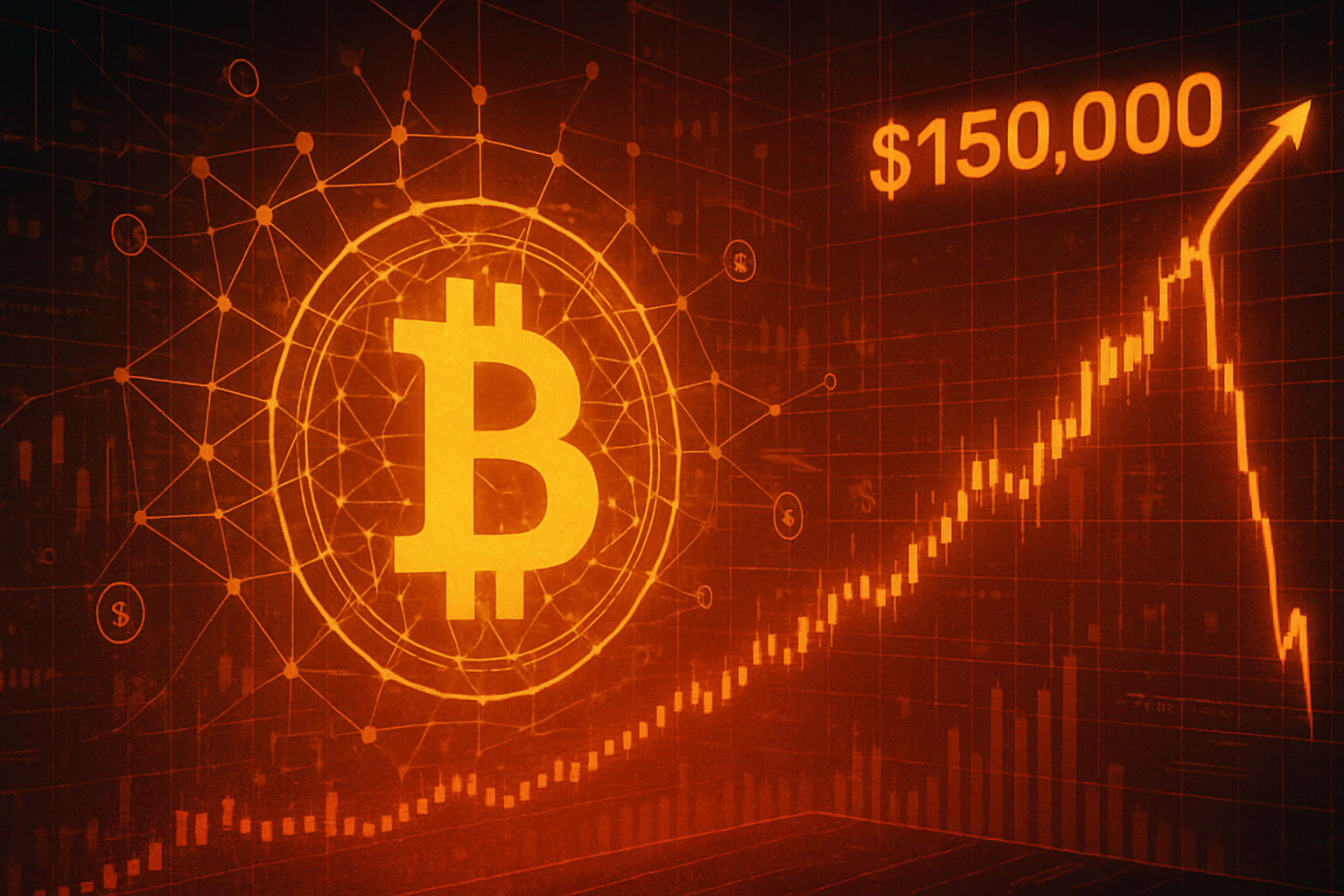
    October 12, 2025 – The cryptocurrency world has been abuzz for well over a year with bold predictions of Bitcoin (BTC) soaring to $150,000 by the close of 2025. This ambitious target, championed by a chorus of industry titans and financial analysts, has been primarily fueled by the accelerating influx of institutional investment and significant shifts in the global regulatory landscape. As of today, October 12, 2025, Bitcoin has indeed demonstrated remarkable upward momentum, recently hitting new all-time highs above $125,000, inching closer to the coveted milestone. However, the journey has been anything but smooth, culminating in a dramatic flash crash today that wiped billions from the market, serving as a stark reminder of crypto's inherent volatility.

    The widespread forecast of a $150,000 Bitcoin by year-end has been a dominant narrative, with prominent figures such as Nigel Green, CEO of deVere Group, Michael Saylor, CEO of MicroStrategy (NASDAQ: MSTR), and Mike Novogratz, CEO of Galaxy Digital (TSE: GLXY), consistently reinforcing this optimistic outlook. Their projections are rooted in the transformative impact of U.S. spot Bitcoin Exchange-Traded Funds (ETFs), which have unlocked unprecedented avenues for traditional finance to engage with digital assets. Coupled with a progressively clearer and more favorable regulatory environment and an increasingly unstable macroeconomic backdrop, these factors have positioned Bitcoin as a compelling alternative asset. The immediate market reaction to these developments has been overwhelmingly bullish, propelling Bitcoin to historic valuations throughout 2025, including a peak of $126,198 just days ago. Yet, today's sudden downturn underscores the dynamic and often unpredictable nature of the crypto market, even as it matures. The ongoing pursuit of the $150,000 mark, despite recent turbulence, validates Bitcoin's burgeoning role as a macro asset and its deepening integration into the global financial ecosystem.

    Market Impact and Price Action

    The journey towards the $150,000 prediction has been a rollercoaster of significant price movements, characterized by both meteoric rises and sharp corrections. Throughout 2025, Bitcoin's price action has largely reflected the growing confidence from institutional players and the positive sentiment surrounding regulatory clarity. Following the landmark approval of spot Bitcoin ETFs in January 2024, the market witnessed sustained capital inflows, pushing Bitcoin past previous all-time highs and establishing new psychological barriers. The cryptocurrency surged past the $100,000 mark with relative ease earlier in the year, and by early October 2025, it had reached an impressive $126,198. This upward trajectory was supported by robust trading volumes, indicating strong buying pressure and increasing liquidity across major exchanges. Technical analysis during this period often pointed to strong support levels forming around previous resistance points, suggesting a healthy, if aggressive, accumulation phase.

    However, the market's inherent volatility was dramatically highlighted today, October 12, 2025. Bitcoin experienced a sudden and sharp flash crash, shedding approximately $12,000 from its value within minutes and causing a ripple effect that wiped an estimated $500 billion from the total crypto market capitalization. The price quickly retreated to the $111,000-$112,000 range, a significant pull-back from its recent highs. This rapid depreciation is attributed to fresh macroeconomic shocks, specifically an announcement by US President Donald Trump regarding additional 100% tariffs on China. Such geopolitical tensions often lead investors to de-risk and seek traditional safe-haven assets like gold and silver, temporarily diverting capital from more volatile assets like Bitcoin.

    Comparing this event to similar past occurrences, such as sudden regulatory FUD (Fear, Uncertainty, Doubt) or unexpected global economic announcements, reveals a pattern where Bitcoin often sees a sharp, albeit temporary, correction before regaining momentum. While the immediate impact is a decline in price and a surge in market anxiety, the underlying bullish drivers, such as institutional demand and ETF inflows, typically reassert themselves. The current support level around $110,000-$112,000 will be crucial to watch, as a sustained bounce back from here would signal the market's resilience, whereas a breach could indicate further downside in the short term. Despite today's dramatic dip, the consensus among many analysts remains that institutional buying pressure will likely absorb the selling pressure once the initial shock subsides, setting the stage for a potential retest of higher levels.

    Community and Ecosystem Response

    The crypto community's response to the $150,000 Bitcoin prediction has been a blend of fervent optimism, strategic positioning, and, more recently, a degree of cautious vigilance following today's flash crash. Throughout 2025, social media platforms like X (formerly Twitter) and Reddit have buzzed with discussions about "flippening" scenarios, where Bitcoin's market capitalization could eventually surpass that of gold, and the anticipation of new all-time highs. Influencers and thought leaders, often echoing the sentiment of institutional analysts, have largely propagated a bullish narrative, emphasizing Bitcoin's scarcity, its role as a hedge against inflation, and the "digital gold" thesis. Memes celebrating Bitcoin's relentless climb and the "laser eyes" phenomenon, symbolizing a commitment to higher price targets, became ubiquitous during the periods of significant price appreciation.

    The recent surge past $120,000 ignited a fresh wave of excitement, with many believing the $150,000 target was well within reach before year-end. This bullish sentiment had a tangible effect on related DeFi protocols, NFT projects, and Web3 applications, which often see increased activity and investment when Bitcoin performs strongly. A rising tide lifts all boats, and Bitcoin's upward momentum typically translates into greater liquidity and speculative interest across the broader crypto ecosystem. However, today's sudden $12,000 plunge has quickly shifted the tone. While some maximalists maintain their long-term conviction, there's a palpable increase in short-term anxiety, with discussions pivoting to support levels, potential capitulation events, and the impact of geopolitical events on market stability.

    Despite the immediate fear, a significant portion of the community views this as a temporary setback, or even a buying opportunity ("buy the dip"). Reactions from prominent figures like Michael Saylor or Mike Novogratz are keenly awaited, as their commentary often helps to shape sentiment during periods of volatility. The broader crypto Twitter and Reddit sentiment, while shaken, still largely holds onto the long-term vision, seeing the $150,000 prediction as a plausible outcome, albeit one that might involve more turbulence than initially anticipated. The focus is now on how quickly institutional capital will re-enter the market to stabilize prices and whether this dip will indeed be swiftly bought up by those who missed the earlier rally.

    What's Next for Crypto

    The current landscape, marked by Bitcoin's impressive ascent towards $150,000 and today's abrupt correction, sets the stage for a dynamic period in the crypto market. In the short term, the immediate focus will be on Bitcoin's ability to recover from the flash crash. Key support levels around the $110,000-$112,000 range will be critical. A rapid bounce back, potentially fueled by institutional "buy the dip" strategies, could quickly restore confidence and resume the upward trajectory. Conversely, a failure to hold these levels could lead to further downward pressure, testing deeper support zones and potentially triggering a broader market correction across altcoins.

    Long-term implications remain robust, with the underlying drivers for Bitcoin's growth largely intact. The continued maturation of institutional investment channels, particularly through spot ETFs, is expected to be a consistent source of demand. Potential catalysts to watch include further regulatory clarity from major economies, especially regarding stablecoins and central bank digital currencies (CBDCs), which could indirectly legitimize the broader digital asset space. Any further announcements or shifts in policy from the US Securities and Exchange Commission (SEC) or other global financial bodies will be closely monitored. Moreover, the ongoing macroeconomic environment, characterized by persistent inflation concerns and geopolitical uncertainties, continues to bolster Bitcoin's narrative as a store of value and a hedge against traditional financial instability.

    Strategic considerations for projects and investors will involve a renewed emphasis on risk management and diversification. Projects in the DeFi, NFT, and Web3 sectors will need to demonstrate strong fundamentals and utility to weather potential market downturns. Investors might consider rebalancing portfolios, ensuring exposure to assets with strong use cases beyond speculative value. Possible scenarios range from a swift recovery and a sustained push towards $150,000 by year-end, driven by renewed institutional conviction, to a more prolonged consolidation phase if macroeconomic headwinds persist. The likelihood of Bitcoin reaching $150,000 by 2025 still appears significant to many, contingent on how quickly the market absorbs current shocks and how effectively institutional demand can outweigh sell-side pressure.

    Bottom Line

    Today's volatile price action, juxtaposed with Bitcoin's sustained march towards the $150,000 prediction, offers several key takeaways for crypto investors and enthusiasts. Firstly, the narrative of Bitcoin as a legitimate, institutional-grade asset is stronger than ever, underscored by the billions flowing into spot ETFs and the endorsements from major financial players. The $150,000 target for 2025, initially seen by some as overly ambitious, now appears within striking distance, even with recent setbacks. Secondly, the market's sensitivity to global macroeconomic and geopolitical events remains a significant factor. Today's flash crash, attributed to new tariff announcements, is a potent reminder that external forces can swiftly impact even the most bullish trends.

    The long-term significance of this period lies in Bitcoin's evolving role. It's no longer just a speculative digital asset but increasingly perceived as a strategic reserve asset for corporations and potentially sovereign nations, as exemplified by El Salvador's (BVL: XELS) successful Bitcoin strategy. This shift is crucial for broader crypto adoption, as it signals a maturation of the asset class and its integration into traditional finance. For crypto investors, this means maintaining a long-term perspective, understanding that volatility is an inherent characteristic of the market, and recognizing that dips can present opportunities for accumulation for those with conviction.

    Moving forward, important metrics to monitor include the net inflows into Bitcoin ETFs, which serve as a proxy for institutional demand, and global regulatory developments that could further clarify the legal standing of digital assets. Key dates will revolve around upcoming economic data releases, central bank meetings, and any further geopolitical announcements. While the path to $150,000 may be bumpy, the foundational elements driving Bitcoin's growth—scarcity, institutional adoption, and its role as a digital hedge—remain robust. The question isn't if Bitcoin will reach new highs, but rather when and with what level of volatility along the way.


    This article is for informational purposes only and does not constitute financial or investment advice. Cryptocurrency investments carry significant risk.

  • HashKey Targets Landmark $500M IPO in Hong Kong, Signaling New Era for Crypto Growth

    HashKey Targets Landmark $500M IPO in Hong Kong, Signaling New Era for Crypto Growth

    Hong Kong's aspirations as a global digital asset hub are receiving a significant boost as HashKey Group, a leading cryptocurrency exchange operator, has confidentially filed for an Initial Public Offering (IPO) in the city, aiming to raise a substantial $500 million. Reports of this ambitious plan emerged around October 9th and 10th, 2025, sending ripples of excitement and anticipation across the crypto landscape. This strategic move is poised to inject considerable capital into the burgeoning digital asset ecosystem, primarily to fuel HashKey's global expansion, enhance institutional services, and bolster its recently launched $500 million Digital Asset Treasury (DAT) fund.

    The news has been met with immediate enthusiasm within the crypto community, with many viewing it as a pivotal moment for mainstream acceptance of digital assets. A successful listing would not only validate Hong Kong's proactive regulatory framework but also set a crucial precedent for other crypto-native enterprises seeking to bridge the gap between traditional financial markets and the innovative world of Web3. This landmark IPO underscores the increasing maturity of the cryptocurrency industry and its growing appeal to institutional investors, marking a potential inflection point for capital inflows into the sector.

    Market Impact and Price Action

    The announcement of HashKey's impending IPO has already begun to resonate through the crypto markets, particularly impacting its native token, HSK. Following the initial reports of the IPO filing, HSK experienced an immediate and notable surge of 13%. This short-term price movement is indicative of investor confidence in HashKey's growth trajectory and the broader positive sentiment surrounding its public listing. Over the past seven days, HSK's value reportedly climbed by approximately 90%, a testament to not only the IPO news but also other favorable developments within Hong Kong's dynamic crypto environment.

    While specific price movements for other major cryptocurrencies like Bitcoin (BTC) and Ethereum (ETH) haven't shown dramatic shifts directly attributable to HashKey's IPO alone, the overall market sentiment has been buoyed. The potential for a significant influx of institutional capital into the crypto space, catalyzed by a successful HashKey IPO, is a long-term bullish indicator. Trading volumes for HSK have naturally seen an uptick, reflecting increased investor interest and speculative activity. For the broader market, this event contributes to a more optimistic outlook, potentially attracting new retail and institutional participants.

    From a technical analysis perspective, the HSK token is currently in a strong uptrend, with the IPO news acting as a powerful catalyst. Key support levels have been established during its recent rally, and resistance levels are being tested as the market absorbs the implications of the public offering. Compared to similar past events, such as Coinbase's (NASDAQ: COIN) direct listing in 2021, HashKey's IPO in Hong Kong carries unique significance due to the specific regulatory environment and its potential to solidify Asia's role in the global crypto economy. While Coinbase's listing brought significant attention to the US market, HashKey's move could similarly galvanize the Asian market, attracting capital and fostering innovation within the region.

    Community and Ecosystem Response

    The crypto community's response to HashKey's IPO plans has been overwhelmingly positive, particularly across social media platforms like X (formerly Twitter) and Reddit. Discussions are rife with optimism, highlighting the significance of a regulated, licensed exchange pursuing a traditional public listing. Many users are expressing excitement about the potential for increased institutional adoption and the validation it brings to the digital asset space. Crypto influencers and thought leaders have largely echoed this sentiment, emphasizing the role this IPO could play in mainstreaming cryptocurrency investments and attracting a new wave of capital.

    The news has also sparked conversations about its potential effects on related DeFi protocols, NFT projects, and Web3 applications operating within the Hong Kong and broader Asian markets. A successful HashKey IPO is seen as a strong endorsement of the region's commitment to fostering a vibrant digital asset ecosystem, which could indirectly benefit projects seeking funding or user adoption in Asia. The increased visibility and legitimacy brought by a major crypto firm going public are expected to create a more favorable environment for innovation and investment across the entire Web3 spectrum.

    Broader crypto Twitter and Reddit sentiment reflects a sense of anticipation for what this means for the future of crypto. The general consensus points towards this event as a step forward in integrating digital assets with traditional finance, potentially paving the way for more such listings globally. The focus is not just on HashKey's success but on the precedent it sets for the industry at large, fostering a belief that the crypto market is moving towards greater maturity and regulatory clarity.

    What's Next for Crypto

    HashKey's planned $500 million IPO in Hong Kong carries significant short-term and long-term implications for the crypto market. In the short term, a successful listing could lead to increased positive sentiment and potentially drive further investment into Hong Kong's crypto sector. It might also encourage other established crypto firms in Asia and beyond to explore similar traditional funding avenues, thereby accelerating the convergence of traditional finance and digital assets. The HSK token will likely remain a focal point for traders and investors, with its performance closely watched as a proxy for the market's reaction to the IPO.

    Looking further ahead, the IPO serves as a powerful catalyst for Hong Kong's ambition to become a premier digital asset hub. The capital raised will enable HashKey to expand its global footprint and enhance its institutional offerings, potentially attracting more institutional clients to the crypto space. This move could also intensify competition among digital asset firms, spurring innovation and better services for users. Key developments to watch include the finalization of the IPO details, the actual listing date, and the subsequent performance of HashKey's stock on the exchange.

    Strategic considerations for projects and investors include closely monitoring regulatory developments in Hong Kong, as the success of this IPO could influence future policy decisions. Projects might find a more welcoming environment for growth and funding within Hong Kong, while investors could see new opportunities in publicly traded crypto-native companies. Possible scenarios range from a highly successful IPO that sparks a wave of similar listings, further integrating crypto into mainstream finance, to a more subdued reception that still validates the underlying business model but with less immediate market euphoria. The likelihood of a successful IPO appears high, given HashKey's licensed status and Hong Kong's supportive regulatory stance.

    Bottom Line

    HashKey's pursuit of a $500 million IPO in Hong Kong represents a critical juncture for the cryptocurrency industry, particularly for investors and enthusiasts seeking greater mainstream adoption and institutional validation. The key takeaway is the increasing legitimacy and maturity of the digital asset market, demonstrated by a regulated entity seeking capital through traditional financial channels. This move not only underscores Hong Kong's commitment to fostering a robust crypto ecosystem but also provides a potential blueprint for other global crypto firms considering public listings.

    The long-term significance of this event lies in its ability to bridge the gap between conventional finance and the on-chain world. A successful IPO will likely attract new capital, drive innovation, and set a precedent for how crypto companies can integrate into the global financial system. It signals a shift from a niche, speculative market to a more established and regulated industry.

    For crypto adoption, this IPO is a powerful testament to the industry's growth and its increasing acceptance by regulators and institutional investors. It could accelerate the onboarding of new users and businesses into the Web3 space, driven by increased trust and accessibility. Important dates to monitor include the official IPO date and the subsequent financial reports from HashKey, which will offer insights into its performance and the broader investor appetite for crypto-related equities. Metrics such as trading volume, stock performance, and the impact on Hong Kong's overall crypto market capitalization will be crucial indicators of success.


    This article is for informational purposes only and does not constitute financial or investment advice. Cryptocurrency investments carry significant risk.

  • XRP Teeters on the Brink as Analysts Warn of Imminent ‘Sharp Correction’ Below $3

    XRP Teeters on the Brink as Analysts Warn of Imminent ‘Sharp Correction’ Below $3

    October 10, 2025 – The cryptocurrency market is abuzz with concern as XRP (NASDAQ:XRP) has once again slipped below the critical psychological barrier of $3, trading in the precarious range of $2.80 to $2.85. This recent dip, which follows a period of intense struggle to maintain the $3 level through late September and early October, has triggered a chorus of warnings from prominent analysts who are flagging a significant risk of a "sharp correction." The immediate market reaction has been one of heightened caution, with investors closely monitoring key support levels. This development is crucial for the broader crypto ecosystem, as a substantial correction in a major altcoin like XRP could reverberate across the market, impacting investor sentiment and potentially influencing other digital assets.

    Market Impact and Price Action

    XRP's recent price action has been a rollercoaster, characterized by a failure to sustain upward momentum. After a notable surge in July 2025, which saw the token briefly break above the $3 horizontal area and even touch an all-time high of $3.65, the rally proved unsustainable. The price quickly retreated, validating $3 as a strong resistance level. As of October 10, 2025, XRP is grappling with persistent downward pressure, struggling to reclaim the $3 mark after multiple attempts and subsequent corrections. Data from CryptoQuant analyst Maartunn reveals significant whale selling pressure, with approximately $50 million worth of XRP being moved out of whale wallets daily (based on a 30-day moving average). This outflow suggests that large holders may be positioning themselves for further declines, contributing to the current bearish sentiment.

    Adding to the technical woes, data from Glassnode indicates a spike in XRP supply held on centralized exchanges throughout late September and early October. This increase in exchange supply is often a precursor to large-scale selling, as more tokens readily available on trading platforms can depress prices. Veteran trader Peter Brandt, a highly respected voice in the financial markets, highlighted a "descending triangle" pattern on the XRP chart on October 8, 2025. This pattern is typically a bearish indicator, signaling a potential downtrend continuation. Brandt warned that a daily close below $2.68743 could trigger a substantial 20% drop, potentially sending XRP to $2.22163. Other analyses echo this sentiment, suggesting a breakdown below the triangle's support line at $2.75 could target $2.20, representing a 22% decline from current levels, with a technical target as low as $2.07.

    The Net Unrealized Profit/Loss (NUPL) metric for XRP is also flashing warning signs. It currently resides in a zone (0.5–0.6) historically associated with local tops. With over 94% of the circulating supply currently in profit, there's an increased likelihood of profit-taking, which could intensify sell-side pressure. Similar setups in 2017, 2021, and January 2025 preceded sharp corrections, underscoring the gravity of the current situation. Key support levels at $2.93, and critically, the $2.70-$2.75 range, are now battlegrounds for buyers and sellers, with a breach potentially opening the floodgates for further losses.

    Community and Ecosystem Response

    The crypto community, particularly on platforms like Crypto Twitter and Reddit, is reacting with a mixture of concern and strategic analysis. Discussions are heavily focused on the technical indicators highlighted by analysts like Peter Brandt, with many traders and investors debating the likelihood of XRP holding its current support levels. The warnings from CryptoQuant's Maartunn regarding whale selling pressure have also fueled apprehension, as the actions of large holders often dictate short-term market movements. Influencers and thought leaders are largely echoing the cautious sentiment, advising their followers to monitor the market closely and consider risk management strategies.

    While direct impacts on specific DeFi protocols, NFT projects, or Web3 applications built on the XRP Ledger (XRPL) are not immediately quantifiable from the current research, a significant price correction in XRP could indirectly affect investor confidence across the broader ecosystem. General market sentiment often correlates, and a major altcoin experiencing a sharp decline can create a ripple effect, leading to increased volatility and a more risk-averse environment for related projects. The prevalent sentiment suggests a period of anxiety, with market participants keenly watching for any signs of a reversal or a confirmation of the bearish forecasts.

    What's Next for Crypto

    The immediate outlook for XRP, and by extension, parts of the broader crypto market, appears bearish. Analysts widely predict a high likelihood of a further price decline if key support levels fail to hold. Short-term implications include increased market volatility and a potential flight to perceived safer assets. In the long term, XRP's ability to recover from this potential correction will be a critical test of its market resilience and investor base. Should the price fall significantly, it could present a buying opportunity for long-term holders, but the path to recovery might be protracted.

    Potential catalysts to watch include any positive developments in Ripple's ongoing legal battles, which historically have had a substantial impact on XRP's price. However, in the absence of such catalysts, technical factors and market sentiment are likely to remain dominant. Strategic considerations for projects and investors involve heightened vigilance. Projects within the XRP ecosystem may need to brace for reduced investor confidence and potential capital outflows. For investors, monitoring the $2.70-$2.75 support range is paramount, as a decisive break below could confirm the sharp correction. Possible scenarios range from a bounce back if the $2.70-$2.75 level holds, leading to consolidation, to a significant decline towards $2.20 or even $2.07 if the descending triangle pattern plays out. The latter scenario appears to be a high-likelihood outcome according to current analyst consensus.

    Bottom Line

    For crypto investors and enthusiasts, the current situation with XRP underscores the inherent volatility and risks associated with digital asset markets. Key takeaways include exercising extreme caution, diligently monitoring technical support levels, and being aware of the impact of whale movements and increased exchange supply. The Net Unrealized Profit/Loss (NUPL) metric serves as a potent reminder that periods of widespread unrealized gains often precede sharp corrections.

    The long-term significance of this period for XRP will depend on its ability to find a new equilibrium and attract sustained buying interest. A significant correction could test the conviction of its investor base but also cleanse the market of weaker hands, potentially setting the stage for future growth. Ultimately, what this means for broader crypto adoption is a mixed bag: while sharp corrections can deter new entrants, they are also a natural part of market cycles, offering opportunities for those with a long-term vision. Important dates and metrics to monitor include daily candlestick closes below $2.68743 or $2.75, continued whale wallet activity, and changes in XRP supply on exchanges. The next few weeks will be crucial in determining XRP's trajectory as 2025 draws to a close.


    This article is for informational purposes only and does not constitute financial or investment advice. Cryptocurrency investments carry significant risk.
  • Russia Greenlights Banks for Crypto Operations Under Strict Oversight Amidst Widespread Adoption

    Russia Greenlights Banks for Crypto Operations Under Strict Oversight Amidst Widespread Adoption

    MOSCOW – October 10, 2025 – In a landmark decision poised to reshape the landscape of digital finance, the Bank of Russia has announced it will permit domestic banks to engage in cryptocurrency operations, albeit under a rigorous framework of strict regulations. This pivotal policy shift, unveiled by Vladimir Chistyukhin, the First Deputy Chairman of the Bank of Russia, during the Finopolis forum in October 2025, marks a significant concession from a central bank historically wary of decentralized digital assets. The new rules are anticipated to come into full effect by 2026, signaling a strategic embrace of crypto's burgeoning role in the global economy, particularly as an estimated 20 million Russians are already actively using cryptocurrencies.

    This move is not merely a bureaucratic adjustment but a profound acknowledgment of the irreversible integration of digital assets into modern financial systems. For the crypto ecosystem, it represents a major step towards mainstream adoption and institutional legitimization in one of the world's largest economies. While the central bank maintains a conservative stance, its decision to integrate rather than outright ban crypto activities for banks underscores the growing pressure from both domestic adoption rates and the evolving geopolitical landscape, including the impact of Western sanctions. This development is expected to ignite discussions globally on the balance between innovation, financial stability, and national security in the digital age.

    Market Impact and Price Action

    Given the very recent nature of the announcement in October 2025, specific, immediate price movements directly attributable to Russia's policy shift are still unfolding. However, the news is expected to foster a broadly positive, albeit cautious, sentiment across the cryptocurrency markets. Historically, regulatory clarity, especially from major economies, tends to inject confidence into the market, potentially leading to increased institutional interest and capital inflows over the medium to long term. While no specific tokens are directly tied to this Russian regulatory news in a way that would cause immediate, isolated price surges, the broader market, particularly large-cap assets like Bitcoin (BTC) and Ethereum (ETH), could see a gradual uplift as the perceived regulatory risk diminishes for institutional participants.

    Trading volumes and liquidity might experience a gradual increase as banks prepare to enter the crypto space, potentially by late 2025 or early 2026. This institutional participation could introduce new liquidity pools and trading mechanisms, potentially reducing volatility over time as more sophisticated market participants enter. Technical analysis would likely show that this news provides a fundamental bullish catalyst, reinforcing support levels and potentially challenging resistance levels for major cryptocurrencies as the market digests the implications of a regulated banking pathway into crypto in Russia. Comparing this to similar past events, such as the approval of Bitcoin ETFs in other regions or the introduction of clearer crypto taxation guidelines, suggests that while initial reactions might be subdued, the long-term impact on market structure and investor confidence is often substantial and positive.

    The Bank of Russia's conservative approach, including capital limits (1% of total capital for crypto exposure) and stringent AML compliance, indicates a controlled entry rather than a speculative free-for-all. This measured approach may temper immediate speculative rallies but builds a more sustainable foundation for growth. The emphasis on preventing crypto trading from becoming the "primary business activity" for commercial banks also suggests that while banks will participate, their involvement will be carefully managed to prevent systemic risks. This nuanced regulatory stance aims to harness the benefits of crypto while mitigating its inherent volatilities, potentially making the Russian market a model for other nations contemplating similar integrations.

    Community and Ecosystem Response

    The crypto community's initial reaction to Russia's decision has been a mix of cautious optimism and strategic contemplation. On social media platforms like X (formerly Twitter) and Reddit, discussions are buzzing with analyses of what this means for global crypto adoption and the potential for a new wave of institutional capital. Many influencers and thought leaders are highlighting the significance of a major G20 economy, despite its historical skepticism, officially opening its doors to regulated crypto banking. This is often seen as a validation of crypto's staying power and its inevitable integration into the traditional financial system.

    Reactions from crypto influencers often emphasize the "domino effect" this could have, potentially encouraging other hesitant nations to explore similar regulatory frameworks. There's also a strong focus on the implications for Anti-Money Laundering (AML) and Know Your Customer (KYC) standards within the crypto space, as Russia's strict requirements could set a precedent for global best practices. While the news doesn't directly impact specific DeFi protocols, NFT projects, or Web3 applications in the short term, the broader legitimization of crypto through banking channels could indirectly foster a more secure and accessible environment for these innovations. Increased institutional comfort with crypto could lead to more capital flowing into the underlying blockchain infrastructure that powers these decentralized applications.

    Broader crypto Twitter and Reddit sentiment leans towards viewing this as a net positive, especially given the reported 20 million Russians already engaged with virtual currencies. This existing user base, combined with regulated banking access, could significantly expand the reach and utility of crypto within Russia. However, some community members express concerns about the strictness of the regulations, fearing it might stifle innovation or create a two-tiered system where institutional players thrive while individual users face more hurdles. Nonetheless, the prevailing sentiment is that any form of institutional acceptance from a major economy is a step forward for the global crypto ecosystem.

    What's Next for Crypto

    The short-term implications for the crypto market are likely to involve a period of observation as market participants await the finer details of Russia's legislative framework, which is expected to be introduced next year with licensing mechanisms potentially in place by late 2025. While immediate price surges might be limited due to the phased implementation, the news provides a strong bullish undercurrent. The long-term implications are far more profound: Russia's move could serve as a blueprint for other nations grappling with how to regulate digital assets. It signals a global trend towards integrating crypto into traditional finance, moving beyond outright bans or vague guidelines.

    Potential catalysts to watch include the actual rollout of the licensing mechanism for service providers, the specific banks that first enter the crypto space, and the detailed legislative text. Any further easing of restrictions or expansion of permitted activities beyond the initial strict framework could also act as significant market drivers. Strategic considerations for projects and investors should focus on compliance and regulatory adaptability. Projects aiming for global adoption might need to align their operations with increasingly stringent AML/KYC standards. Investors should monitor how traditional financial institutions in Russia leverage these new rules, as their entry could bring significant capital and new financial products to the market.

    Possible scenarios range from a slow, cautious integration where only a few major banks participate, leading to gradual market growth, to a more aggressive adoption by Russian financial institutions that could significantly boost liquidity and innovation within the country. The latter scenario, while less likely given the Bank of Russia's conservative stance, would have a more pronounced positive impact on the global crypto market. Conversely, if the regulations prove too burdensome or if implementation faces significant hurdles, the impact might be muted. However, the sheer number of existing crypto users in Russia suggests a strong domestic impetus for successful integration.

    Bottom Line

    Russia's decision to allow banks to handle cryptocurrencies under strict rules, coupled with the acknowledgment of 20 million citizens already active in the space, represents a pivotal moment for the global crypto market. For crypto investors and enthusiasts, the key takeaway is the continued, albeit regulated, march towards mainstream financial integration. This move by a significant global economy underscores the growing recognition of crypto's inevitability and its role in the evolving financial landscape.

    The long-term significance of this development lies in its potential to set a precedent for other nations and to further legitimize digital assets as a viable part of the traditional financial system. While the Bank of Russia's conservative approach, including capital limits and stringent AML/KYC requirements, aims to mitigate risks, it also lays a foundation for sustainable growth. This measured integration could foster greater trust and stability, potentially attracting a new wave of institutional and retail investors who have been hesitant due to regulatory uncertainties.

    Ultimately, this means continued, albeit controlled, crypto adoption. The emphasis on preventing crypto trading from becoming a bank's "primary business activity" suggests a careful balancing act, but the door is now open. Important dates and metrics to monitor include the finalization of the comprehensive legislation in 2026, the launch of licensed service providers by the end of 2025, and any subsequent reports on the volume and nature of crypto transactions facilitated by Russian banks. This development reinforces the idea that while the path to full mainstream adoption may be regulated and gradual, it is undeniably progressing.


    This article is for informational purposes only and does not constitute financial or investment advice. Cryptocurrency investments carry significant risk.

  • Bitcoin Treasuries Soar to $130 Billion, Cementing Digital Gold Status as Altcoins Strategically Diversify

    Bitcoin Treasuries Soar to $130 Billion, Cementing Digital Gold Status as Altcoins Strategically Diversify

    October 10, 2025 – Bitcoin (BTC) has reached a monumental milestone, with its total institutional and corporate treasury holdings now exceeding an astounding $130 billion. This unprecedented accumulation underscores a profound shift in corporate financial strategy, solidifying Bitcoin's role as a legitimate digital reserve asset in the global economy. While Bitcoin's dominance in corporate treasuries continues to expand, altcoin holdings, though significantly smaller, are beginning to show strategic diversification as firms explore yield-generating opportunities and specific use cases beyond Bitcoin.

    This landmark achievement, largely observed around June 2025 and sustained through October, signals heightened institutional confidence in Bitcoin as a hedge against inflation and a long-term store of value. The immediate market reaction has been overwhelmingly positive for Bitcoin, pushing its price to new all-time highs and sparking renewed optimism across the broader crypto ecosystem. For the crypto world, this isn't just a number; it's a testament to Bitcoin's maturing narrative and its increasing integration into mainstream finance, setting a new precedent for how companies manage their balance sheets in an evolving digital age.

    Market Impact and Price Action

    The period surrounding Bitcoin treasuries hitting the $130 billion mark, particularly late September and early October 2025, was characterized by a robust market rally, primarily led by Bitcoin, with varied performances across altcoins.

    Bitcoin demonstrated remarkable strength, surging past $125,000 to establish a new all-time high of approximately $126,500 on October 7, surpassing its previous peak set in August. This represented a substantial gain of about 12% in the first week of October and nearly 30% year-to-date. By October 10, Bitcoin was consolidating within a healthy range of $120,000 to $126,000. Key resistance levels were identified between $123,000 and $125,000, with analysts eyeing targets of $131,500 by month-end and potentially $140,000 by year-end 2025. Support levels held firm at $120,000 and $115,000 (100-day Exponential Moving Average), with a psychological floor at $100,000.

    Major altcoins also experienced significant movements. Ethereum (ETH) saw a volatile September, dipping below $4,000 before rebounding to close near $4,480. By October 3, ETH reached a new all-time high of $4,955, stabilizing around $4,357 by October 10. Upcoming developments like the "Fusaka upgrade" in December 2025 are expected to propel ETH beyond $5,000. Solana (SOL) staged a spectacular rally, hitting $238 before a minor correction, showing consistent strength and trading near $226. It is anticipated to clear the $250 resistance soon, with potential new highs between $416 and $464 by year-end. XRP (XRP) consolidated around the $3 level, breaking above it with a 5% jump on October 9, with anticipated SEC decisions on spot XRP ETF applications between October 18-25 expected to trigger a 40% rally. Binance Coin (BNB) experienced a powerful surge, surpassing $900 in September and then breaking past $1,000, $1,100, $1,200, and $1,300 by October 8, reaching an all-time high of $1,305.

    Trading volume and liquidity changes were significantly influenced by institutional engagement. Spot Bitcoin ETFs witnessed substantial inflows, exceeding $5 billion in the first week of October, surpassing September's $4.37 billion. These inflows are crucial for Bitcoin's liquidity and price stability. Interestingly, monthly spot trading volume across centralized crypto exchanges decreased to $1.67 trillion in September 2025, a 9.7% decline from August, marking the lowest since June. However, derivatives markets showed strong activity, with CME Group reporting record quarterly cryptocurrency average daily volume (ADV) of 340,000 contracts in Q3 2025. Bitcoin holdings on centralized exchanges fell to a six-year low, with approximately $15 billion worth of BTC moving off exchanges into institutional funds, treasuries, or self-custody over two weeks, indicating a long-term holding strategy and reduced selling pressure.

    This market dynamic shares similarities with the 2024 spot Bitcoin ETF approvals, which drove over $15 billion in inflows and a nearly 40% price surge for Bitcoin in Q1 2024. The current cycle in 2025 is similarly characterized by global liquidity injections and anticipated Federal Reserve rate cuts, amplifying Bitcoin's upward trajectory. The market's maturation is evident, with Bitcoin's correlation to traditional indices reaching 0.87 in 2024. While Bitcoin rallies often precede "altcoin seasons," current trends suggest a more discerning capital rotation towards altcoins with real-world utility and strong fundamentals, rather than a uniform rise across all altcoins. The overall sentiment around this period pushed the Crypto Fear & Greed Index into "Extreme Greed," echoing sentiments from previous bull cycles.

    Community and Ecosystem Response

    The crypto community is abuzz with a mix of bullish sentiment and strategic contemplation following Bitcoin treasuries reaching $130 billion, significantly dwarfing altcoin holdings. This milestone has solidified Bitcoin's narrative as a premier digital reserve asset, prompting diverse discussions across social media, among influencers, and within related sectors.

    On crypto Twitter and Reddit, the prevailing sentiment celebrates Bitcoin's dominance and its role as a leading indicator for the market. Users frequently highlight the $130B figure as irrefutable evidence of institutional validation, reinforcing Bitcoin's transition from a speculative asset to a long-term store of value. While many acknowledge a "Bitcoin dominance phase" as typical in early bull markets, there's a strong anticipation for an eventual "altseason" once Bitcoin stabilizes. However, debates persist, particularly concerning Ethereum (ETH). While some "BTC maxis" maintain a critical stance, ETH proponents emphasize its yield-generating capabilities through staking and its potential for "flipping Bitcoin," citing increasing interest from sovereign funds and major institutions exploring stablecoin issuance on its network.

    Crypto influencers and thought leaders offer multifaceted reactions. Many, like those at MicroStrategy (NASDAQ: MSTR), view the growth in corporate Bitcoin treasuries as a powerful catalyst for institutional adoption, blurring the lines between traditional finance and digital assets. The entry of biotechnology firms like MAIA Biotechnology into crypto treasury strategies further affirms this legitimacy. Conversely, some bankers and analysts express caution, warning of a "leveraged crypto time bomb" if companies, often using equity or debt to finance Bitcoin purchases, face sharp market downturns. Anatoly Crachilov, CEO of Nickel Digital Asset Management, highlighted that the financial sustainability of these firms, rather than regulation, poses a greater risk, with some critics drawing parallels to the dot-com bubble. Despite this, experts like Max Shannon from Bitwise point out Ethereum's distinct advantage in generating compounding returns through staking and DeFi yields, leading some firms like SharpLink Gaming to significantly increase their ETH holdings.

    The surge in institutional interest has had a tangible impact on related DeFi protocols, NFT projects, and Web3 applications. DeFi protocols have seen increased demand for staking infrastructure, with companies developing validator tools to generate yield from Ethereum holdings. Firms like NetBrands Corp. are implementing layered digital asset treasury models integrating staked Ethereum and Aave. This has contributed to a rebound in revenue fees for major DeFi platforms. While less direct, the overall confidence instilled by institutional adoption is expected to indirectly benefit NFT markets, potentially leading to rising floor prices for "blue-chip" collections. Innovative projects are also emerging, such as Lib Work linking 3D-printed homes to NFTs to tokenize property rights. Corporate treasury management involving digital assets further legitimizes the Web3 space, attracting more traditional businesses and developers to explore industry-specific Web3 applications.

    Broader crypto Twitter and Reddit sentiment remains largely bullish, celebrating Bitcoin's milestones and anticipating the rotation of capital into altcoins. Macroeconomic factors like USD weakness and expected Fed rate cuts are also frequently discussed as drivers of risk-on sentiment. Despite some fluctuations, the overall crypto industry sentiment in Q3 2025 remained bolstered by Bitcoin hitting new all-time highs and a nascent altcoin rally.

    What's Next for Crypto

    The cryptocurrency market stands at a pivotal juncture, shaped by Bitcoin's (BTC) soaring $130 billion in corporate treasuries and the comparative, yet strategic, lag in altcoin adoption. This dynamic sets the stage for significant short-term and long-term implications, with several catalysts poised to influence the market's trajectory.

    In the short term, Bitcoin is expected to maintain its dominance, continuing its role as a digital reserve asset favored by institutions seeking inflation hedges and portfolio diversification. While many altcoins may continue to lag, capital is likely to flow selectively into those with robust fundamentals, proven scalability, and clear utility, leading to targeted rallies rather than a broad "altcoin season." The accessibility provided by spot Bitcoin ETFs will continue to attract traditional investors, deepening market liquidity. However, the market will remain sensitive to macroeconomic factors, with global economic uncertainty potentially causing investors to favor Bitcoin's perceived safety.

    Long-term, Bitcoin's position as a foundational digital reserve asset within modern finance will solidify, challenging traditional asset classes. The broader crypto market is set to mature further, with a stronger emphasis on fundamentals, utility, and regulatory clarity over speculative hype. While Bitcoin secures its store-of-value narrative, altcoins, particularly those focused on Layer-2 solutions and Real-World Asset (RWA) tokenization, will be crucial for broader blockchain utility and innovation. Investors will continually re-evaluate their Bitcoin-to-altcoin allocations, balancing Bitcoin's stability with the higher, albeit riskier, growth potential of certain altcoins.

    Several potential catalysts are on the horizon. Continued adoption and increasing demand for spot Bitcoin and Ethereum ETFs will drive significant institutional inflows. The potential approval of spot ETFs for other altcoins like Solana (SOL), XRP (XRP), Litecoin (LTC), and HBAR could unlock new institutional capital. Ethereum's upcoming Pectra upgrade is expected to enhance network efficiency and staking capabilities, boosting its ecosystem. Favorable regulatory developments, such as the GENIUS Act and the BITCOIN Act in the U.S., could provide much-needed clarity and consumer protections, alleviating uncertainties. Anticipated increases in global liquidity and a shift towards more crypto-friendly monetary policies (e.g., lower interest rates, weaker U.S. dollar) could encourage further investment in risk assets. Additionally, more corporations adopting Bitcoin-focused treasury strategies, alongside a potential resurgence of Initial Coin Offerings (ICOs) under improved regulatory frameworks, will fuel market growth and innovation.

    For projects, the strategic imperative is to focus on developing real-world utility, robust use cases, and scalable solutions, while ensuring regulatory compliance. Building strong developer communities and integrating within broader blockchain ecosystems will be key to attracting sustained investment. For investors, a nuanced diversification strategy is crucial, balancing Bitcoin for stable growth with selective altcoins for higher returns, alongside robust risk management. Due diligence on altcoin fundamentals is paramount, and monitoring macroeconomic trends remains essential. Direct Bitcoin ownership is generally considered a safer and more efficient investment than investing in leveraged Bitcoin treasury companies, which carry additional systemic risks.

    Looking ahead, the most likely scenario (high likelihood) is Bitcoin-led growth with selective altcoin expansion. Bitcoin will continue its trajectory as a digital reserve asset, driven by institutional adoption and ETF inflows. Innovative altcoins with strong utility and scalability will gain traction, leading to targeted rallies rather than a broad "altcoin season." A broad altcoin season (moderate likelihood) could occur if Bitcoin dominance significantly declines, fueled by widespread altcoin ETF approvals and a substantial shift in investor sentiment. While a market consolidation or "crypto winter" (low to moderate likelihood) remains a possibility due to macroeconomic headwinds or stringent regulation, the increasing institutional integration and regulatory progress might offer some resilience. Long-term, a Decentralized Finance (DeFi) and Real-World Asset (RWA) tokenization revolution (moderate likelihood) could fundamentally redefine finance, driving immense value to platform altcoins and specialized DeFi/RWA tokens.

    Bottom Line

    The ascent of Bitcoin treasuries to an unprecedented $130 billion is a watershed moment for the crypto industry, fundamentally reshaping its long-term trajectory. This milestone signifies Bitcoin's undeniable transition from a speculative digital asset to a strategic, institutional-grade reserve asset, increasingly integrated into corporate balance sheets as a hedge against inflation and a store of value. For crypto investors and enthusiasts, the key takeaway is the profound institutional confidence in Bitcoin, driving significant capital inflows and cementing its position as "digital gold."

    While Bitcoin enjoys this robust institutional embrace, altcoin treasuries, though lagging in total value, are not entirely stagnant. Instead, they reflect a more nuanced and strategic diversification by some firms exploring yield-generating opportunities, specific use cases, and the potential for higher returns, albeit with greater risk. This suggests a maturing market where capital is allocated more discerningly, favoring altcoins with strong fundamentals, clear utility, and scalability over purely speculative ventures. The success of pioneers like MicroStrategy (NASDAQ: MSTR) in leveraging Bitcoin for competitive advantage serves as a powerful precedent for other corporations.

    The long-term significance of this trend is immense, challenging the traditional four-year Bitcoin cycle and positioning Bitcoin as a permanent fixture in global finance, potentially competing with traditional assets like gold and Treasury bonds. This accelerating corporate adoption, coupled with ongoing regulatory clarity (like the FASB rule allowing fair market value reporting), is propelling crypto adoption at an unprecedented pace. However, it also introduces new considerations, such as the potential for "nationalization" of corporate Bitcoin holdings by governments, raising centralization concerns. Beyond corporate treasuries, broader crypto adoption is also evidenced by the growth of stablecoin usage for payments and the increasing number of active users and developer activity across various blockchain networks, including Ethereum and Solana.

    To navigate this evolving landscape, investors and enthusiasts should closely monitor several critical metrics and events. Key among these are the total amount of BTC held by public and private companies (available on resources like bitcointreasuries.net), institutional capital flows into Bitcoin and Ethereum Spot ETFs, and new regulatory developments globally. Bitcoin Halving events, while potentially tempered by institutional demand, remain important for supply dynamics. Macroeconomic indicators such as inflation rates, central bank interest rate decisions, and geopolitical events will continue to influence corporate decisions to diversify into Bitcoin. Finally, keeping an eye on company earnings reports from firms with significant crypto holdings and observing new innovation cycles in the altcoin space will provide crucial insights into the market's future direction.


    This article is for informational purposes only and does not constitute financial or investment advice. Cryptocurrency investments carry significant risk.
  • The Altcoin Avalanche: New Crypto ETFs Poised to Reshape Digital Asset Investment

    The Altcoin Avalanche: New Crypto ETFs Poised to Reshape Digital Asset Investment

    October 10, 2025 – The cryptocurrency landscape is on the cusp of a transformative period, as a new wave of Exchange-Traded Funds (ETFs) focused on a diverse array of altcoins is set to hit the market in late 2025 and early 2026. Following the groundbreaking approvals of spot Bitcoin (BTC) and Ethereum (ETH) ETFs in January and July 2024, respectively, regulatory bodies have paved the way for a broader embrace of digital assets within traditional finance. The U.S. Securities and Exchange Commission (SEC) formally approved generic listing standards for commodity-based trust shares on September 17, 2025, a pivotal development that is dramatically streamlining the approval process for new crypto ETPs.

    This regulatory shift has ignited a fervent wave of optimism across the crypto community and institutional investors alike. With numerous filings for Solana (SOL), XRP (Ripple), Dogecoin (DOGE), Litecoin (LTC), Cardano (ADA), Avalanche (AVAX), Polkadot (DOT), and Hedera (HBAR) ETFs currently under review, the market is bracing for what many analysts are calling "Cointober" and beyond – a period marked by a flurry of SEC decision deadlines. The immediate market reaction has been one of heightened anticipation, with significant institutional inflows already observed in existing Ethereum ETFs, signaling robust demand for accessible crypto investment vehicles.

    The impending launch of these altcoin ETFs carries profound implications for the entire crypto ecosystem. It not only democratizes access to a wider range of digital assets for traditional investors but also signifies a maturing regulatory environment that could unlock unprecedented levels of institutional capital. This expansion is expected to foster greater liquidity, enhance market legitimacy, and potentially trigger an "alt season" where these emerging digital assets could experience substantial growth, fundamentally reshaping how investors interact with and value the burgeoning world of Web3.

    Market Impact and Price Action

    The anticipated approval of these altcoin ETFs is poised to trigger significant market movements, drawing parallels to the impactful launches of Bitcoin and Ethereum spot ETFs. As of October 10, 2025, the crypto market is already experiencing a bullish sentiment, with Bitcoin (BTC) reaching new all-time highs and Ethereum (ETH) ETFs demonstrating robust institutional inflows. This favorable backdrop sets the stage for a potentially explosive "alt season," where a broader array of digital assets could see unprecedented capital injection.

    Analysts project substantial institutional inflows into these new altcoin ETFs, with billions in capital expected from pension funds, 401(k)s, and other regulated investors. This influx is not only set to boost the underlying assets' prices but also to significantly enhance market liquidity and trading volumes, both on traditional exchanges and crypto platforms. The SEC's recent approval of generic listing standards, coupled with the introduction of in-kind creations and redemptions for ETFs in August 2025, further streamlines market operations and improves efficiency. This regulatory validation is expected to lend immense credibility to altcoins, accelerating their mainstream adoption and potentially diversifying the overall crypto market cap away from Bitcoin's dominance.

    Specific altcoins are already showing technical indicators and price predictions reflecting this optimism. Solana (SOL) is anticipated to rally to $290-$345, representing a 25%-50% gain, with projected inflows between $1.5 billion and $6 billion. Its ETFs are notably including staking functionality, offering an attractive yield. XRP (XRP), a strong contender for early approval, could see its price surge from $4-$5 post-approval to $10-$12, with some aggressive forecasts even targeting $50 in the medium term, fueled by $4 billion to $15 billion in expected inflows. Technical analysis suggests a 60%-85% rally if XRP decisively breaks above $3.30.

    Dogecoin (DOGE) is also generating buzz, with projections ranging from a 28% climb towards $0.31-$0.35 to an ambitious 37x increase reaching $11.71 by the end of 2025, potentially surpassing its 2021 all-time high of $0.73 to hit $1.20. Litecoin (LTC) could see a rally to $133 in October 2025, with more optimistic scenarios pushing it to $350-$400 upon ETF approval, contingent on a breakout above $125. Cardano (ADA), currently trading around $0.75-$0.85, is eyeing a sustained break above $1.10, with targets of $1.50-$2.00 in 2026 and even a "flirt with $3." Avalanche (AVAX) is predicted to experience a "bullish leg" with potential targets of $40-$50, and even $75-$100, provided it overcomes resistance between $22-$26.

    Polkadot (DOT), already showing momentum, could double or triple its valuation with ETF approval, rallying towards $15 from its current levels above $4. The 21Shares Polkadot ETF's inclusion on the DTCC list signals imminent trading preparations. Lastly, Hedera (HBAR), currently near $0.223, is eyeing a breakout towards $0.30, with ambitious targets of $0.504 and even $1, supported by a bullish pennant flag pattern on its weekly chart. The approval of these altcoin ETFs is widely seen as a catalyst for a new era of institutional engagement, promising significant market expansion and potential for substantial price appreciation across these digital assets.

    Community and Ecosystem Response

    The crypto community and broader ecosystem are currently experiencing a palpable wave of euphoria and anticipation, as the prospect of numerous altcoin ETFs becoming available moves closer to reality. Social media platforms, particularly Crypto Twitter (now X) and Reddit, are abuzz with discussions, analyses, and a strong sense of "Fear Of Missing Out" (FOMO). The hashtag #CryptoBubble2025 is trending, reflecting both the excitement for potential monumental gains and a cautious awareness of the market's inherent volatility. The Crypto Fear & Greed Index has soared into "Extreme Greed" territory, underscoring the widespread bullish sentiment. Reddit communities, especially r/CryptoCurrency, are intensely focused on macroeconomic trends, regulatory updates, and in-depth analyses of various altcoin projects, with a strong conviction that "Altcoin Season" is imminent or already underway, as evidenced by surging Google searches for "altcoins" and an Altcoin Season Index hitting 67.

    Crypto influencers and thought leaders are largely celebrating this development, emphasizing its long-term implications for market maturity and mainstream adoption. They highlight the pivotal role of institutional capital and ETF inflows as fundamental drivers, validating their long-held market theses. Many are now actively spotlighting specific altcoins, signaling potential opportunities as the market prepares for a diversified rally. However, a note of caution is also present. Prominent analysts like Michaël van de Poppe have warned of a potential "crypto bubble" in 2025, suggesting significant altcoin gains (10-20x returns) could be followed by an inevitable and sudden market correction. There's also an ongoing debate within the community regarding the balance between institutional validation and the core ethos of decentralization, with some expressing concerns that altcoin ETFs might inadvertently legitimize corporate-controlled tokens over truly decentralized networks.

    Beyond market sentiment, the approval of altcoin ETFs is expected to have a profound impact on the broader crypto ecosystem, particularly on Decentralized Finance (DeFi) protocols, NFT projects, and Web3 applications. DeFi is poised for a significant boost in liquidity and usage, as traditional investors seek avenues to deploy their newly accessible digital assets. This is already evidenced by a surge in Total Value Locked (TVL) and trading volumes, with capital flowing from Bitcoin profits into Ethereum (ETH) and other Layer 1 and Layer 2 solutions. Stablecoins continue to serve as a crucial bridge between traditional finance and crypto, injecting substantial capital into the ecosystem, exemplified by new blockchains like Plasma capturing over $8 billion in TVL. The convergence of AI and blockchain, especially in AI-powered DeFi, is projected to exceed $100 billion in TVL by the end of 2025.

    The NFT market, historically correlated with Ethereum's performance, is witnessing a significant rebound, with NFTs increasingly evolving into financial assets and integrating into DeFi mechanics. The sports NFT sector, for instance, has seen a remarkable 337% increase. Web3 applications, including decentralized gaming, metaverse projects, and various DApps, are also seeing increased user adoption and investment. However, some DApps have experienced a decline in active users, indicating that while market confidence is high, technological innovation must be coupled with clear, simple, and attractive utility for the average user. As the SEC faces final deadlines for 16 spot altcoin ETF applications throughout October 2025, including those for Solana (SOL), XRP (XRP), Litecoin (LTC), Dogecoin (DOGE), Cardano (ADA), and Hedera (HBAR), the launch of diversified products like the CoinShares (SIX: CSN) Altcoins ETF (DIME) further underscores the market's readiness for broader altcoin exposure. While a potential U.S. government shutdown could introduce temporary delays, the overarching sentiment remains overwhelmingly bullish, anticipating an unprecedented influx of institutional capital that will fundamentally alter the perception and utility of cryptocurrencies.

    What's Next for Crypto

    The approval of altcoin ETFs is not merely a short-term market event but a foundational shift that will shape the crypto landscape for years to come. In the immediate future, we anticipate a significant surge in liquidity and institutional inflows into the altcoin market. With Bitcoin (BTC) already trading robustly above $113,000 and strong institutional interest in existing Bitcoin and Ethereum ETFs, the stage is set for a potential "Altseason" that could accelerate into the first half of 2026. This influx, potentially reaching up to $8 billion in institutional investments, will not only revitalize interest in altcoins but also bolster their market legitimacy, fostering greater confidence among mainstream investors. While a temporary U.S. government shutdown in October 2025 could introduce minor delays in some SEC decisions, the long-term momentum remains undeterred.

    Looking further ahead, the long-term implications are even more profound. The approval of altcoin ETFs signifies a deepening institutionalization of cryptocurrencies, with projections indicating that average institutional crypto allocations could double to 16% by 2028. This will offer investors unprecedented diversification opportunities beyond Bitcoin and Ethereum, allowing them to capitalize on the innovation-driven growth of various altcoins while managing risk through regulated products. This evolution will intensify competition among fund providers, potentially leading to "fee wars" and a race for innovation in ETF offerings, though it also raises concerns about potential market centralization. Crucially, the long-term success of altcoins will increasingly hinge on their real-world utility, interoperability, and robust technology, moving beyond mere speculative interest. The accelerating trend of Real-World Asset (RWA) tokenization and the development of clearer global regulatory frameworks (like the U.S. GENIUS Act and the EU MiCA regulation) will further solidify crypto's place in the global financial system.

    Several catalysts and developments bear watching. The most immediate are the ongoing SEC decisions for key altcoin ETFs for Solana (SOL), XRP (XRP), Litecoin (LTC), Cardano (ADA), Dogecoin (DOGE), Polkadot (DOT), and Hedera (HBAR) in Q4 2025. The inclusion of staking features in these ETFs, mirroring Grayscale's (OTC: GRSC) moves for Ethereum and Solana trusts, could significantly enhance their appeal by offering yield to investors. A favorable macroeconomic environment, characterized by expected Federal Reserve interest rate cuts (with an 89% probability in October 2025) and a weakening U.S. dollar, could further fuel bullish sentiment for risk assets like cryptocurrencies. Continuous technological advancements in Decentralized Finance (DeFi), Artificial Intelligence (AI), and RWA tokenization will provide the underlying strength and use cases necessary for sustained growth.

    For crypto projects, strategic considerations include prioritizing robust regulatory compliance, focusing on demonstrable real-world utility and innovation, building scalable infrastructure, and actively engaging with traditional finance. Investors, on the other hand, should prioritize diversification, conduct thorough due diligence on both the underlying assets and fund managers, and carefully weigh the trade-offs between direct ownership and ETF exposure. While ETFs offer simplicity and regulatory oversight, direct ownership provides full control and potential staking rewards. Investors must remain vigilant against speculative bubbles and focus on projects with strong fundamentals and long-term potential. The most likely scenario for the near future is a sustained bull run with a broad altcoin rally, followed by a segmented market where only utility-driven projects truly thrive long-term. While regulatory hurdles and increased volatility remain possibilities, the overall outlook points towards a more mature, diversified, and utility-focused crypto ecosystem.

    Bottom Line

    The wave of upcoming altcoin ETFs marks a pivotal moment for the cryptocurrency market, signifying a profound shift towards greater institutional integration and mainstream adoption. For crypto investors and enthusiasts, the immediate future offers enhanced accessibility and diversification, allowing exposure to a broader array of digital assets beyond Bitcoin and Ethereum through regulated, traditional brokerage accounts. The emergence of staking-enabled ETFs, exemplified by Grayscale's (OTC: GRSC) Ethereum ETFs and proposed Solana offerings with estimated yields up to 7.3%, introduces a compelling new value proposition. While the long-term outlook is undeniably bullish, investors should temper expectations for instant price "pumps" post-approval, recognizing that sustained growth will be driven by fundamental utility and institutional capital inflows, not mere speculation. Diligent research into each altcoin's classification by the SEC (commodity vs. security) and the specific risk profiles of various ETF products remains paramount.

    The long-term significance of altcoin ETFs for crypto adoption cannot be overstated. These products are cementing the legitimacy of cryptocurrencies as a credible and investable asset class within traditional finance, bridging the gap between traditional finance and the decentralized world. By simplifying access, they are poised to onboard millions of new investors who were previously deterred by the technical complexities or perceived risks of direct crypto ownership. This influx of capital will deepen market liquidity, foster greater price stability, and enable institutional portfolios to diversify their digital asset exposure beyond the two largest cryptocurrencies. Ultimately, this institutionalization will serve as a powerful catalyst for further innovation within the crypto ETF sector and is expected to usher in a prolonged "Altseason," where a wider range of digital assets could outperform Bitcoin. The evolving global regulatory frameworks, including the SEC's streamlined approval process and the EU's MiCA regulation, are reducing uncertainty and accelerating this adoption on a global scale.

    In conclusion, the broader crypto market is in a phase of accelerated institutionalization and regulatory maturation. The SEC's approval of a "Generic Listing Standard for Commodity-Based Trust Shares" on September 17, 2025, has been a game-changer, dramatically reducing review times for new crypto ETFs. The strong demand demonstrated by Ethereum ETFs for altcoins with compelling use cases underscores a fundamental shift in investor sentiment. While the market will remain susceptible to short-term volatility from regulatory delays (such as those caused by government shutdowns) and macroeconomic factors, the long-term trajectory points towards a more integrated, mature, and utility-driven asset class.

    To navigate this evolving landscape, investors and enthusiasts should closely monitor several key indicators:

    • SEC Generic Listing Standard Approval (September 17, 2025): This foundational regulatory change underpins the current wave of altcoin ETFs.
    • October 2025 ETF Deadlines ("ETF Month"): Crucial decisions are expected for numerous altcoin ETFs. Specific dates include:
      • October 10, 2025: Grayscale's (OTC: GRSC) Solana and Litecoin trust conversions are due for decision.
      • October 16, 2025: Spot Solana ETF applications from 21Shares and Bitwise are expected to receive verdicts.
      • October 18-25, 2025: Several XRP ETF approval decisions are anticipated, including for 21Shares Core XRP Trust and WisdomTree's (NYSE: WT) XRP fund.
      • October 26, 2025: Grayscale's (OTC: GRSC) Cardano ETF faces its final SEC deadline.
    • U.S. Government Shutdown Status: Monitor for potential delays in SEC operations.
    • ETF Inflows and Assets Under Management (AUM): Track capital inflows into newly approved altcoin ETFs as a key indicator of institutional adoption and market health.
    • Bitcoin Dominance Index (BTC.D): A decline in this metric often signals the onset of an "Altcoin Season."
    • Regulatory Developments: Keep an eye on the progress of SEC initiatives like "Project Crypto" and any further guidance on asset classification.
    • Staking Yields: For staking-enabled ETFs, the yields offered will be a significant draw for investors.
    • New Filings from Major Players: Continued interest and new filings from financial giants like BlackRock (NYSE: BLK) and Fidelity (NYSE: FIS) will signal robust market confidence.

    This article is for informational purposes only and does not constitute financial or investment advice. Cryptocurrency investments carry significant risk.
  • Binance Japan and PayPay Forge Alliance: A Game-Changer for Crypto Adoption in Japan

    Binance Japan and PayPay Forge Alliance: A Game-Changer for Crypto Adoption in Japan

    In a groundbreaking development poised to reshape the digital asset landscape in Japan, Binance Japan, the local subsidiary of the global cryptocurrency exchange, and PayPay (SoftBank Corp.), Japan's largest cashless payment service, announced a strategic capital and business alliance today, October 9, 2025. This landmark partnership sees PayPay acquiring a significant 40% equity stake in Binance Japan, signaling a concerted effort to bridge the gap between traditional cashless payments and the burgeoning world of digital assets.

    The immediate implications for the crypto ecosystem, particularly within Japan, are profound. With PayPay's colossal user base exceeding 70 million, this alliance is expected to dramatically accelerate mainstream cryptocurrency adoption by offering seamless integration. Users will soon be able to purchase cryptocurrencies directly within the Binance Japan app using "PayPay Money" and withdraw proceeds from crypto sales back into their PayPay accounts, simplifying the fiat-to-crypto gateway and fostering a more intuitive user experience. This strategic move not only enhances trust and regulatory legitimacy for Binance Japan but also positions Japan at the forefront of Web3 innovation.

    Market Impact and Price Action

    The cryptocurrency market in Japan is poised for a significant uplift following the October 9, 2025, announcement of the Binance Japan and PayPay (SoftBank Corp.) alliance. While real-time, granular price action data is still emerging as the news breaks, the immediate market sentiment is overwhelmingly positive, anticipating a substantial increase in crypto adoption and liquidity within the Japanese market.

    The direct integration of crypto purchasing and withdrawal functionalities through "PayPay Money" is expected to significantly lower the barrier to entry for millions of Japanese consumers. This ease of access is likely to translate into increased demand for major cryptocurrencies such as Bitcoin (BTC) and Ethereum (ETH), which are prominently featured on Binance Japan. Furthermore, any altcoins listed on the platform and popular among Japanese traders could also experience heightened interest and trading volumes. The long-term potential for PayPay (SoftBank Corp.) customers to directly engage with Binance's native token, BNB, could also provide a notable boost to its presence and price action in the Japanese market.

    This partnership is particularly impactful for JPY-pegged stablecoins. The seamless flow between Japanese Yen (via PayPay) and cryptocurrencies could significantly enhance the utility and trading volume of these stable assets, positioning them as a crucial digital bridge between the traditional financial system and the crypto ecosystem within the PayPay (SoftBank Corp.) interface. Initial trading volumes on Binance Japan are expected to see an uptick, especially for JPY-denominated trading pairs, as new users onboard through the familiar PayPay (SoftBank Corp.) platform, leading to improved liquidity and potentially tighter bid-ask spreads for popular digital assets.

    Comparing this to similar past events, such as when PayPal (NASDAQ: PYPL) globally introduced crypto services or Block (NYSE: SQ) enabled Bitcoin purchases, the integration of a major payment provider often catalyzes mainstream awareness and incremental buying pressure. The sheer scale of PayPay's user base, exceeding 70 million, suggests a potentially even greater impact, solidifying Japan's position as a leader in digital asset innovation and driving a new wave of crypto engagement.

    Community and Ecosystem Response

    The announcement of the Binance Japan and PayPay (SoftBank Corp.) partnership on October 9, 2025, has sent ripples of excitement through the global crypto community, eliciting a largely positive social media sentiment and enthusiastic reactions from key industry figures. The "big-time crossover" between traditional Japanese fintech and the global crypto sphere, as dubbed by former Binance CEO Changpeng Zhao (CZ), is seen as a pivotal moment for digital asset adoption.

    Takeshi Chino, General Manager for Binance Japan, emphasized the alliance as "an important step toward Japan's digital finance future," highlighting the strategic intent to expand Web3 adoption through accessible payment tools. Similarly, Masayoshi Yanase, PayPay's (SoftBank Corp.) Financial Strategy Head, underscored the firm's commitment to delivering secure, user-friendly solutions for crypto transactions seamlessly integrated into PayPay's (SoftBank Corp.) platform. Binance Chief Customer Officer Yi He further fueled anticipation, hinting at "new products coming soon" via X (formerly Twitter), a sentiment echoed by the Binance Wallet account, asking, "Is everyone ready?"

    This partnership is expected to have profound positive effects on Japan's broader Web3 ecosystem. By combining PayPay's (SoftBank Corp.) vast user base and established payment infrastructure with Binance's cutting-edge blockchain technology, the collaboration aims to significantly accelerate Web3 adoption across the country. It promises to boost cryptocurrency liquidity and fortify Japan's burgeoning digital economy by creating seamless connections between cashless payments and digital assets. For PayPay (SoftBank Corp.), this equity investment represents a strategic diversification into digital asset management and Web3 finance, solidifying its role as a forward-looking fintech leader. Meanwhile, Binance Japan's position in one of Asia's most regulated and crypto-friendly markets is significantly strengthened, underscoring Japan's appeal for global exchanges. Broader crypto Twitter and Reddit discussions are anticipated to reflect this overwhelmingly positive sentiment, focusing on the transformative potential for Japan's fintech sector and the enhanced accessibility of digital assets.

    What's Next for Crypto

    The strategic alliance between Binance Japan and PayPay (SoftBank Corp.), announced today, October 9, 2025, marks a pivotal moment with far-reaching implications for the crypto market, both in Japan and globally. In the short term, Japan is poised for an unprecedented acceleration in retail cryptocurrency adoption. PayPay's (SoftBank Corp.) dominant market position and extensive user base, representing over half of Japan's population, will provide seamless, regulated access to crypto services through a familiar and trusted platform, significantly lowering the barrier to entry for millions. This integration will create highly convenient fiat-to-crypto and crypto-to-fiat pathways, enhancing liquidity and user experience on Binance Japan, which is expected to see a substantial surge in trading volume. Globally, this partnership serves as a significant case study and potential blueprint for other countries looking to integrate large mobile payment platforms with regulated crypto exchanges, bolstering Binance's global legitimacy and highlighting the growing importance of the Asia-Pacific region in crypto innovation.

    Looking further ahead, the long-term implications are equally transformative. This alliance aims to embed Web3 and digital assets into the fabric of everyday life in Japan, potentially leading to wider adoption of decentralized applications (dApps), NFTs, and other Web3 technologies. It could redefine Japan's financial ecosystem, blurring the lines between traditional finance and digital assets, and accelerating the development and adoption of regulated JPY stablecoins for various use cases. As users gain secure and seamless crypto transaction experiences within a trusted app like PayPay (SoftBank Corp.), there could be a long-term shift in consumer trust towards fintech and crypto platforms. This, coupled with Japan's clear regulatory framework, could solidify its position as a leading global hub for digital asset innovation. Globally, the success of this integration could validate a "super-app" model for crypto adoption and influence international regulatory bodies to consider more integrated frameworks.

    Key catalysts and developments to watch include the rollout of expanded service offerings, such as crypto payments at PayPay (SoftBank Corp.) merchants or crypto-linked reward programs. Any further regulatory adaptations from Japan's Financial Services Agency (FSA) in response to the partnership's growth, and the performance of PayPay's (SoftBank Corp.) anticipated IPO, will also be crucial indicators. For crypto projects, strategic considerations involve exploring integration opportunities within this new ecosystem, strict adherence to Japan's rigorous regulatory standards, and localization of products. Investors should consider direct exposure to Japanese crypto growth, the PayPay (SoftBank Corp.) IPO for indirect exposure, and investments in complementary ecosystem projects, while always conducting thorough risk assessment and maintaining a long-term vision. While highly successful integration and widespread adoption appear highly likely given the factors at play, potential regulatory hurdles or unforeseen competitive responses remain scenarios to monitor.

    Bottom Line

    The strategic partnership between Binance Japan and PayPay (SoftBank Corp.), unveiled today, October 9, 2025, is more than just a business alliance; it's a landmark event poised to fundamentally reshape the cryptocurrency landscape in Japan and offer a compelling blueprint for global crypto adoption. For crypto investors and enthusiasts, the immediate key takeaway is the unprecedented enhancement in accessibility and convenience. The direct integration of crypto purchases and withdrawals within the Binance Japan app, utilizing "PayPay Money," means converting Japanese Yen to digital assets, and vice-versa, will become as seamless and commonplace as using a mobile payment app for daily transactions. This effectively creates a massive mainstream on-ramp, potentially introducing millions of new Japanese consumers to the crypto market who were previously deterred by complexity or perceived risk. The involvement of a trusted entity like PayPay (SoftBank Corp.), backed by SoftBank (TYO: 9984), also significantly boosts the legitimacy and trustworthiness of Binance Japan and the broader crypto sector.

    The long-term significance of this alliance cannot be overstated. It represents a pioneering effort to construct a new financial ecosystem in Japan, where digital assets are not a niche investment but an integral part of everyday life. By embedding crypto services into a ubiquitous daily payment application, the partnership is set to be a powerful catalyst for Web3 adoption across the nation, further solidifying Japan's position as a global leader in digital finance and innovation. This model of deep integration between traditional fintech and cutting-edge blockchain technology could serve as a crucial template for other countries seeking to bridge the gap between fiat and crypto within a regulated framework. For PayPay (SoftBank Corp.), it signifies strategic diversification into digital asset management, while for Binance, it cements its presence in a highly regulated and strategically vital market.

    Ultimately, this partnership is a monumental leap for crypto adoption. It effectively bridges the chasm between traditional cashless payments and the nascent digital asset economy, pushing cryptocurrency closer to becoming an everyday utility rather than solely a speculative asset. The association with a reputable brand like PayPay (SoftBank Corp.) and SoftBank's (TYO: 9984) backing will undoubtedly help overcome skepticism, fostering broader acceptance and understanding of digital assets among the general populace. Japan's balanced approach to regulation, which combines strict oversight with a clear mandate for innovation, provides a fertile ground for such transformative integrations, potentially inspiring similar frameworks worldwide.

    To monitor the success and impact of this groundbreaking initiative, several key metrics and events should be closely watched. These include the smooth rollout and user adoption rates of the integrated crypto purchase and withdrawal features via "PayPay Money," the volume of transactions, and the development of new, co-created products and services. Additionally, observers should track Binance Japan's market share, PayPay's (SoftBank Corp.) overall financial performance and user base growth, and any further regulatory developments from Japan's Financial Services Agency (FSA), such as potential reclassification of digital assets. The market sentiment, particularly regarding Binance's native token (BNB) and other cryptocurrencies traded on Binance Japan, as well as responses from competitors and SoftBank's (TYO: 9984) broader crypto strategy, will provide crucial insights into the evolving landscape.


    This article is for informational purposes only and does not constitute financial or investment advice. Cryptocurrency investments carry significant risk.

  • Zcash Explodes 220% in Two Weeks: Privacy Coin Mania Grips Crypto Market

    Zcash Explodes 220% in Two Weeks: Privacy Coin Mania Grips Crypto Market

    In an electrifying turn of events, Zcash (ZEC) has witnessed an astounding price surge of approximately 220% over the past two weeks, culminating in early October 2025. This dramatic rally has propelled the privacy-focused cryptocurrency to a three-year high, igniting a fervent bullish sentiment across the crypto ecosystem. The sudden resurgence of interest in Zcash, a pioneer in zero-knowledge privacy technology, signals a significant recalibration of market priorities, emphasizing the growing demand for user confidentiality in an increasingly transparent digital world.

    The immediate market reaction has been nothing short of euphoric, with traders and investors flocking to ZEC, driven by a confluence of institutional adoption, pivotal technological advancements, and high-profile endorsements. This rapid appreciation of Zcash underscores a broader narrative shift within the cryptocurrency space: privacy is no longer a niche concern but a critical feature poised to redefine the next wave of digital asset innovation. The implications for the wider crypto ecosystem are profound, suggesting a potential industry-wide pivot towards solutions that prioritize user data protection and transactional anonymity.

    Market Impact and Price Action

    The two-week period from late September to early October 2025 saw Zcash's price action become a spectacle of bullish momentum. Beyond the 220% surge over the past fortnight, ZEC registered an impressive 244% gain over the preceding month, reaching its highest valuation since December 2021. This meteoric rise was accompanied by a significant increase in trading volume, indicating robust market participation and strong buying pressure.

    Technically, Zcash broke out from long-standing descending triangle and cup-and-handle patterns on weekly charts, signaling a powerful reversal from previous bearish trends. This technical breakout provided further validation for the bullish sentiment, attracting trend-following traders. The cryptocurrency's market capitalization swelled to $2.95 billion, reflecting renewed investor confidence in privacy assets. Adding to the frenzy, derivatives markets experienced a substantial uplift, with Zcash derivatives volume surging by 75.7% to $1.18 billion, and open interest also witnessing a considerable increase. A major catalyst for this derivatives boom was the listing of ZEC/USDC perpetuals with 5x leverage on Hyperliquid, a decentralized exchange, on October 3, 2025, which reportedly led to a 300% explosion in ZEC futures volume within 24 hours.

    Community and Ecosystem Response

    The crypto community has reacted with widespread enthusiasm to Zcash's resurgence. Social media platforms, particularly Crypto Twitter and Reddit, have been abuzz with discussions, analyses, and predictions surrounding ZEC's future trajectory. A pivotal moment for community sentiment was the endorsement from influential figures like Naval Ravikant, co-founder of AngelList, who famously tweeted, "Bitcoin is insurance against fiat. ZCash is insurance against Bitcoin." This powerful statement resonated deeply, framing Zcash as a vital component of a resilient digital financial system.

    Further amplifying this sentiment, Helius Labs CEO Mert Mumtaz underscored the necessity of privacy, stating, "a world where crypto succeeds but privacy doesn't is a dystopian nightmare," and highlighted Zcash's "stronger privacy and scale design." These endorsements, coupled with the Ethereum Foundation formalizing new leadership for its Privacy Cluster on October 1, 2025, collectively signaled a broader industry shift towards valuing privacy. This was reflected in Zcash's "Weighted Sentiment" metric, which flipped positive for the first time in months, indicating a significant decrease in pessimism and a surge in optimistic outlooks among traders and enthusiasts. The community's renewed focus on Zcash also spilled over into discussions about related DeFi protocols and Web3 applications that could benefit from enhanced privacy features.

    What's Next for Crypto

    The dramatic rise of Zcash holds significant short and long-term implications for the broader crypto market. In the short term, it reinforces the narrative that privacy coins, often overlooked or scrutinized, can deliver substantial returns when market conditions and technological advancements align. This could lead to increased interest and investment in other privacy-focused projects.

    Looking ahead, several potential catalysts are poised to sustain Zcash's momentum. The official launch of the Grayscale Zcash Trust for accredited investors in early October 2025 has provided a crucial gateway for traditional finance to access ZEC, signaling growing institutional confidence and addressing previous compliance concerns. Grayscale (OTCQX: GRSC) specifically lauded Zcash's design similarities to Bitcoin, enhanced by its privacy technology, further legitimizing the asset for institutional portfolios.

    Technological developments also continue to drive Zcash's utility. The September 2025 launch of Zashi CrossPay enabled private cross-chain shielded swaps, significantly expanding Zcash's functionality. Furthermore, Zashi's integration with NEAR Intents now facilitates "Zashi Swaps" to convert various assets (like Bitcoin, Solana, and USDC) into shielded ZEC, and "CrossPay" to spend shielded ZEC across different chains, streamlining the user experience for private transactions. The ongoing transition from Proof-of-Work to Proof-of-Stake, expected by 2024, promises to enhance scalability and decentralization. While regulatory scrutiny on privacy coins persists, Zcash's optional transparency features, such as viewing keys, position it uniquely to navigate evolving compliance landscapes.

    Bottom Line

    The recent Zcash surge is a powerful reminder of the enduring importance of privacy in the digital age and its potential as a significant value driver in the cryptocurrency market. For crypto investors and enthusiasts, the key takeaway is that institutional interest, coupled with continuous technological innovation and a renewed societal emphasis on privacy, can rapidly re-rate digital assets. Zcash's ability to attract institutional capital through products like the Grayscale Zcash Trust, while simultaneously advancing its core privacy technology, highlights a maturing market where fundamental utility and compliance considerations are increasingly valued.

    The long-term significance of this event lies in its potential to normalize privacy-preserving technologies within mainstream finance. As the digital economy evolves, the demand for confidential transactions is likely to grow, positioning Zcash and similar projects as critical infrastructure. Investors should monitor the progress of Zcash's Proof-of-Stake transition, further integrations like the THORSwap integration for shielded ZEC swaps, and any developments related to regulatory frameworks for privacy coins. The November 2024 halving event, which reduced block rewards by 50%, also remains a crucial metric to watch, as it historically contributes to scarcity-driven price appreciation. This confluence of factors paints a compelling picture for Zcash, suggesting it may just be at the beginning of a new growth cycle, driven by both market dynamics and a fundamental shift in user priorities.


    This article is for informational purposes only and does not constitute financial or investment advice. Cryptocurrency investments carry significant risk.