
Tag: Investment Strategy

  • The Great Digital Migration: Is a Major Market Rotation into Crypto Imminent?

    The Great Digital Migration: Is a Major Market Rotation into Crypto Imminent?

    As of late 2025, the cryptocurrency market finds itself at a fascinating crossroads, with prominent financial analysts like those at The Motley Fool (NASDAQ: MF) increasingly discussing the potential for a monumental market rotation into digital assets. This isn't merely a speculative ripple; it's a profound re-evaluation of investment strategies that could see significant capital shift from traditional markets into the burgeoning crypto ecosystem. With the current date being November 28, 2025, the crypto market is navigating a period of "extreme fear" and a downturn, a scenario that, paradoxically, some experts believe could be the precursor to such a seismic shift.

    This potential rotation matters immensely for the crypto ecosystem as it signals a maturation of the asset class, moving beyond niche speculation to a recognized component of diversified investment portfolios. Such a shift would not only inject unprecedented liquidity but also cement the legitimacy of cryptocurrencies and blockchain technology on a global scale, fundamentally altering market dynamics and accelerating mainstream adoption. The discussion comes at a time when traditional markets, particularly the S&P 500, are perceived by some as richly valued, making the currently depressed crypto valuations an attractive alternative for value-seeking investors.

    Market Impact and Price Action

    The prospect of a major market rotation into crypto, driven by factors such as rising global liquidity, increasing institutional adoption, and a clear regulatory framework, suggests a period of potentially dramatic price action. Should this rotation materialize, an immediate and significant influx of capital, particularly through instruments like spot Bitcoin (BTC) ETFs, could lead to rapid price appreciation across the crypto board. Bitcoin, often seen as the bellwether of the crypto market, would likely experience substantial upward movement, with other altcoins following suit, albeit with varying degrees of volatility.

    Historically, periods of "extreme fear" in the crypto market, similar to what is observed around November 28, 2025, have often preceded significant rallies. The Motley Fool's analysis suggests that while Bitcoin's valuation changes will continue to dictate broader market trends, the sheer volume of new capital could drive much faster price appreciation compared to traditional equities. Trading volumes would undoubtedly surge, and liquidity would deepen across major exchanges, making it easier for large institutional players to enter and exit positions without significantly impacting prices. Key resistance levels, which have held during the recent downturn, would likely be tested and potentially breached, signaling a new bullish trend.

    Comparing this potential event to past market cycles, such as the post-halving bull runs or the institutional interest surge of 2020-2021, indicates that sustained inflows from traditional finance can have a profound and lasting impact. However, The Motley Fool also cautions that even with long-term growth potential, the crypto market will likely remain volatile, characterized by "trampoline action" and unforeseen "black swan" events. While future returns might be more moderated than the extraordinary gains of earlier stages as Bitcoin matures, the potential for substantial growth remains, especially if a clear valuation gap persists between traditional and digital assets.

    Community and Ecosystem Response

    Amidst the "extreme fear" gripping the crypto market as of November 28, 2025 – reflected in Fear & Greed Index readings hovering between 19-25 – the prospect of a major market rotation elicits a complex mix of cautious optimism and strategic positioning within the community. While current social media sentiment on platforms like Crypto Twitter and Reddit is largely negative, with many retail investors expressing frustration over recent sell-offs, a significant contrarian undercurrent advocates for "buying the fear," recognizing that historical turnarounds often emerge from peak pessimism.

    Crypto influencers and thought leaders are notably divided. A substantial portion, estimated at around 70%, remains overwhelmingly bullish, interpreting the current downturn as a "nasty but totally necessary shakeout" or a "sale" preceding a new "bull supercycle." Figures like Cardano (ADA) founder Charles Hoskinson anticipates a capital rotation from Bitcoin into major altcoins like Ethereum (ETH), Cardano (ADA), XRP, and Solana (SOL) within the next three to six months, projecting Bitcoin to reach $250,000 in a "delayed super cycle." Conversely, some analysts are more conservative, noting the absence of the "final mania" seen in previous bull runs, while still expressing confidence in Bitcoin reclaiming significant price levels. The general consensus underscores the critical role of sentiment on platforms like X (formerly Twitter) in influencing retail traders and market liquidity.

    A major market rotation would profoundly impact related DeFi protocols, NFT projects, and Web3 applications. DeFi protocols would likely experience a substantial increase in Total Value Locked (TVL), revitalizing the sector. Institutional investors are already strategically shifting capital towards "next-generation lending protocols and AI-driven projects" within DeFi, suggesting that innovative solutions with strong fundamentals could see significant adoption. For NFTs, a crypto rally would almost certainly lead to a rebound in trading volume and floor prices, accelerating the observed shift towards "utility-based assets" like loyalty programs and sports NFTs, rather than purely speculative collectibles. The broader Web3 ecosystem, encompassing decentralized social media, gaming, and metaverse platforms, would benefit immensely from renewed confidence and capital inflow, leading to increased user adoption, funding for dApps, and an accelerated pace of innovation and development, solidifying cryptocurrencies' pivotal role in reshaping the global financial landscape.

    What's Next for Crypto

    The current landscape of "extreme fear" in the crypto market, as observed on November 28, 2025, sets the stage for a period of both uncertainty and profound opportunity. In the short term, the market may continue to experience choppy price action for Bitcoin and larger altcoins, with smaller altcoins potentially seeing further declines as retail investors capitulate. This "doubtful doldrums" phase, where investors disengage due to discouragement, is historically a precursor to significant shifts. However, early buyer activation is already being noted, with demand gradually broadening beyond just the largest tokens. Technical indicators suggest that if Bitcoin dominance reverses from current levels, capital could begin to flow from Bitcoin into alternative cryptocurrencies, a pattern seen in previous cycles.

    Looking further ahead, the long-term outlook for the crypto market remains remarkably constructive despite the present apprehension. Institutionalization is rapidly making crypto a staple in investment portfolios, with significant inflows into physical Bitcoin and Ether ETPs. Crucially, the establishment of comprehensive regulatory frameworks in the US and other G20 countries, including sound stablecoin legislation, is expected to transform regulation from a market headwind into a powerful tailwind. This clarity will unlock broader institutional and individual participation. Technological advancements will continue to drive new use cases, with stablecoins evolving into primary facilitators of global capital flows and commerce, potentially growing to $3 trillion over the next five years, and the tokenization of real-world assets (RWAs) projected for exponential growth, streamlining portfolio construction and investing on-chain.

    Several catalysts could ignite a major market rotation. A potential shift in monetary policy, particularly interest rate cuts by the Federal Reserve in 2025, could support risk assets, including crypto, by making safer investments less appealing. The possibility of governments, such as the US, establishing national cryptocurrency reserves could provide significant buying pressure and validation. Further ETF approvals for altcoins like Solana (SOL) and XRP would increase liquidity and mainstream access. Continued innovation in DeFi, focusing on decentralized financial services and liquid staking/restaking, along with the convergence of AI and Web3 products, will also attract new capital and users.

    For projects, the strategic imperative is to focus on real-world utility, scalable infrastructure, and regulatory compliance to attract institutional adoption. Building trust, security, and ensuring longevity are paramount, given past market collapses. Investors, meanwhile, should adopt a balanced approach, maintaining exposure to core large-cap assets while allocating risk capital to selective altcoins with strong fundamentals. Dollar-cost averaging (DCA) and diversification remain prudent strategies in volatile markets. Monitoring key indicators like Bitcoin dominance, global liquidity conditions, and macroeconomic factors is crucial, and exploring DeFi yield opportunities can generate passive income. Historically, periods of "extreme fear" have presented prime buying opportunities for contrarian investors, as markets often move opposite to crowd expectations.

    Bottom Line

    The current state of "extreme fear" dominating the cryptocurrency market as of November 28, 2025, while unsettling, paradoxically sets the stage for a potentially transformative market rotation. Key takeaways for investors and enthusiasts revolve around understanding that despite significant corrections and recent outflows from exchange-traded funds (ETFs), an underlying current of institutional embrace is steadily strengthening. Bitcoin's (BTC) resilience above $90,000, even after a sharp correction from its October peak, underscores a growing maturity. While fearful markets often see investors prioritize Bitcoin due to its perceived safety, there are emerging signs of capital rotation into selective altcoins, particularly Ethereum (ETH), in derivatives markets, signaling expectations for specific catalysts.

    The long-term significance of this period cannot be overstated. The increasing involvement of institutional investors, driven by new revenue streams and customer demand, signals the market's evolution beyond speculative niche to a legitimate component of diversified portfolios. Crucially, the ongoing development of comprehensive regulatory frameworks in the US and Europe (like MiCA) is normalizing crypto, fostering trust and enabling seamless integration with traditional finance. The tokenization of real-world assets (RWAs) is emerging as a significant frontier for yield generation and portfolio diversification, further blurring the lines between traditional and digital finance.

    For crypto adoption, the path forward is increasingly paved by institutional engagement and regulatory clarity. Major players like Visa (NYSE: V) are expanding support for stablecoin payments, demonstrating real-world utility, while financial institutions are becoming more willing to offer banking services to crypto businesses. This institutional-led adoption, coupled with maturing Web3 infrastructure and enhanced security, is essential for attracting and retaining capital. While short-term sentiment remains fearful, the fundamental drivers for a long-term bull run – sustained institutional demand via ETFs, expanding real-world use cases, and broader technological adoption – remain robust. Historically, such periods of "extreme fear" have often preceded significant rallies, suggesting a potential rebound once market conditions improve.

    Investors and enthusiasts should diligently monitor several important dates, events, and metrics. The Crypto Fear & Greed Index will be a crucial sentiment indicator. ETF inflows/outflows for spot Bitcoin and Ethereum will signal renewed institutional interest. Central bank monetary policy, especially the US Federal Reserve's decisions on interest rates (with a decision expected around December 10, 2025, alongside US inflation data), will significantly influence market liquidity and risk appetite. On-chain metrics like exchange inflows and stablecoin reserves offer insights into market structure. Key crypto events to watch include the Ethereum Hard Fork "Fusaka" around December 3, 2025, the potential MetaMask token launch, and Solana Breakpoint 2025. Furthermore, the continued progress and approvals of Bitcoin and Ethereum ETFs in Q4 2025, alongside new EU and US regulatory frameworks, will be pivotal. The end of 2025 and early 2026 are poised to be a critical period for the crypto market, where strategic positioning during the current "extreme fear" could yield substantial long-term rewards.


    This article is for informational purposes only and does not constitute financial or investment advice. Cryptocurrency investments carry significant risk.

  • Market Wizard’s Playbook: Unpacking Adib Noorani’s Proposed 10% Crypto Portfolio Allocation

    Market Wizard’s Playbook: Unpacking Adib Noorani’s Proposed 10% Crypto Portfolio Allocation

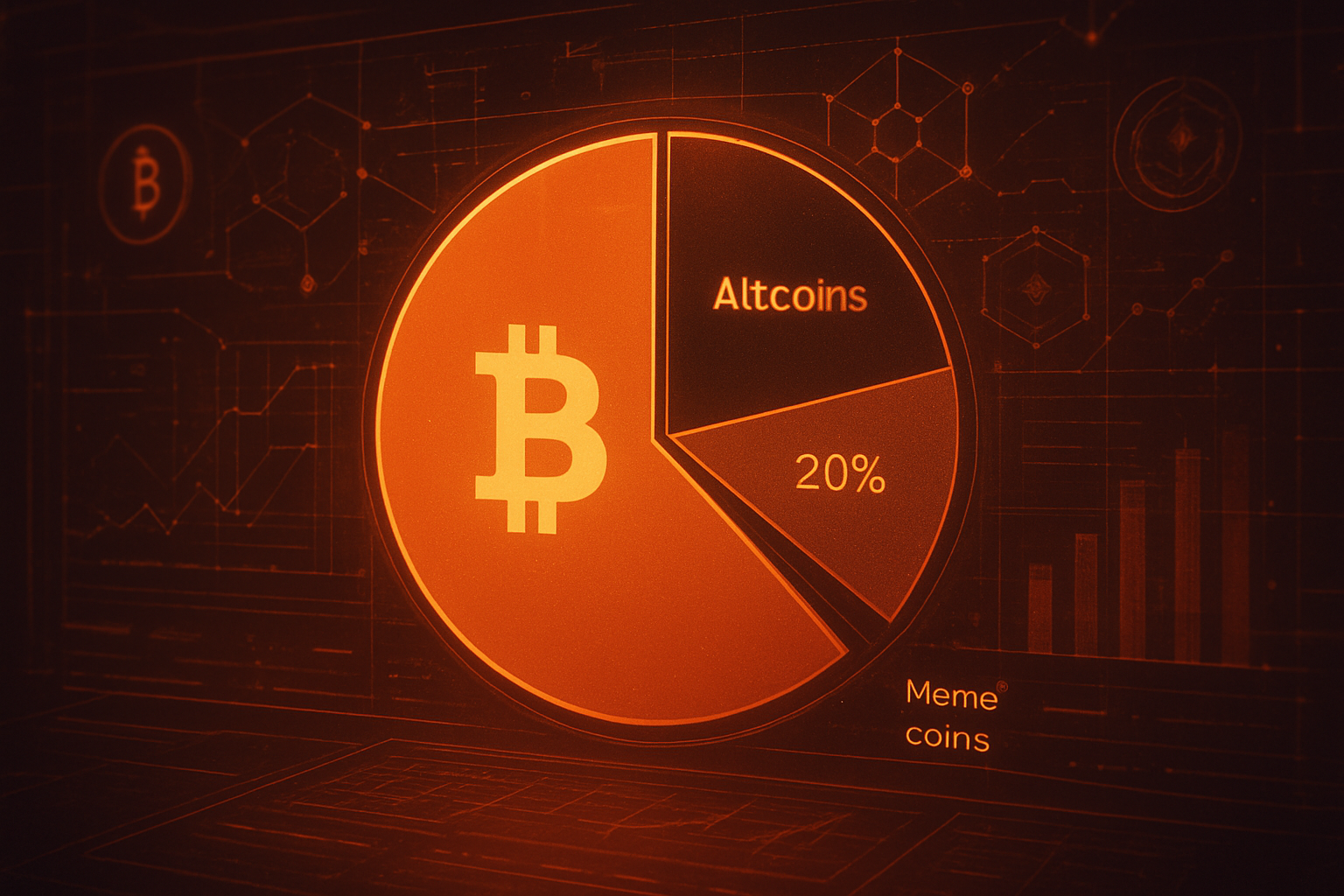
    A meticulously structured cryptocurrency portfolio allocation strategy, reportedly put forth by market wizard Adib Noorani, is capturing the attention of investors seeking a balanced yet growth-oriented approach in the volatile digital asset landscape. The strategy advises dedicating 10% of a total investment portfolio to cryptocurrency, further segmented into a dominant 75% allocation to Bitcoin (BTC), 20% to a diversified basket of Altcoins, and a speculative 5% to Meme coins. While specific public documentation directly attributing this precise breakdown to Adib Noorani was not found in recent research, the proposed framework offers a compelling blueprint for navigating the complexities of the crypto market as of November 2025.

    This allocation model emerges at a crucial juncture for the crypto ecosystem, offering a pragmatic blend of stability through Bitcoin and high-growth potential through altcoins and meme coins. Its significance lies in providing a clear, risk-managed entry point for both seasoned and nascent investors, potentially influencing capital flows and shaping investment narratives in a market increasingly seeking structured guidance amidst its inherent dynamism. The strategy's emphasis on Bitcoin as a foundational asset, complemented by calculated exposure to higher-risk, higher-reward segments, reflects a maturing perspective on digital asset investing.

    Market Impact and Price Action

    Should a significant portion of the investment community adopt a strategy akin to the one reportedly outlined by Adib Noorani, the market impact would likely reinforce existing trends while providing targeted support to specific sectors. With 75% of the crypto allocation directed towards Bitcoin, this strategy inherently strengthens BTC's market dominance and liquidity. As of November 2025, Bitcoin has been trading around $105,334, navigating a period of consolidation after fluctuating between $104,667 and $107,500. Despite a recent pullback from October highs, BTC maintains critical support near $100,000, with resistance at $110,000. A sustained influx of capital into Bitcoin, as suggested by this allocation, would likely bolster these support levels and provide a strong foundation for potential breakouts beyond $112,000, especially if institutional investments, which have shown cautious yet strategic interest in Bitcoin's infrastructure, continue to flow.

    The 20% allocation to Altcoins, while smaller than Bitcoin's share, represents a substantial commitment to the broader digital asset landscape. In November 2025, the altcoin market is characterized by heightened volatility and a "critical recalibration phase," with many altcoins still significantly below their all-time highs. However, selective strength is evident, with some assets like Humanity Protocol (H) seeing 300% surges and privacy coins like Zcash (ZEC) performing well ahead of halving events. This 20% allocation would likely fuel capital rotation from Bitcoin into promising altcoin projects, particularly those with strong fundamentals, developing ecosystems (like Solana and XRP), or those identified as undervalued. Such a sustained flow could help reverse the trend of altcoins trailing Bitcoin's performance, potentially igniting an "Altcoin Season" if Bitcoin dominance (currently around 58.69%) continues to show bearish signals, hinting at capital shifting towards higher-beta assets.

    The 5% allocation to Meme coins, while seemingly small, is strategically significant, acknowledging their role in attracting retail interest and generating high-risk, high-reward opportunities. As of November 2025, the meme coin market is experiencing a resurgence of speculative interest, with projections of over 150% growth since the beginning of the month and an 11% increase in combined market capitalization in the past week. Major meme coins like Dogecoin (DOGE), Shiba Inu (SHIB), and Pepe (PEPE) are exhibiting diverse trends, from DOGE's sideways consolidation around $0.178 to SHIB's 10.4% weekly gain and PEPE's mixed signals with observed whale accumulation. This consistent, albeit small, allocation could provide a steady stream of liquidity to the meme coin sector, maintaining speculative interest and potentially amplifying price movements in these highly volatile assets, which are primarily driven by social sentiment and community engagement rather than fundamental utility.

    Community and Ecosystem Response

    The proposed portfolio allocation strategy, with its clear delineation of risk and reward across different crypto asset classes, would likely resonate positively within the broader crypto community, particularly among those advocating for structured investment approaches. The strong emphasis on Bitcoin (75%) aligns with the "digital gold" narrative and its growing acceptance as a store of value and a hedge against inflation. This would likely be lauded by Bitcoin maximalists and traditional investors seeking a more conservative entry into crypto. Social media sentiment would likely reflect discussions around the prudence of such a dominant BTC position, especially in times of market uncertainty.

    The inclusion of a 20% allocation to Altcoins would be welcomed by developers and enthusiasts of various blockchain ecosystems, signaling continued confidence in technological innovation beyond Bitcoin. This could stimulate discussions on which altcoins best fit this category, focusing on projects with strong utility, growing developer communities, and clear roadmaps. Influencers and thought leaders might debate the criteria for selecting altcoins, potentially driving interest towards specific DeFi protocols, NFT projects, or Web3 applications that offer tangible value and adoption. The strategy implicitly encourages due diligence in the altcoin space, moving beyond pure speculation.

    The controversial yet pragmatic 5% allocation to Meme coins would likely spark lively debates across crypto Twitter and Reddit. While some might view it as an unnecessary exposure to highly speculative assets, others would see it as a realistic acknowledgment of the market's speculative appetite and the potential for outsized returns. This small allocation could be interpreted as a "fun money" or "high-risk, high-reward" component, catering to a segment of the retail investor base. It might also encourage further development of utility within the meme coin sector, as projects strive to justify even a small, structured allocation. Overall, the strategy fosters a balanced dialogue around risk management and diversification within the crypto space.

    What's Next for Crypto

    The widespread adoption of a portfolio allocation strategy similar to the one reportedly recommended by Adib Noorani could have profound short and long-term implications for the crypto market. In the short term, it would likely reinforce Bitcoin's position as the primary capital magnet and a benchmark for the broader market. This could lead to periods where Bitcoin outperforms altcoins, especially during market corrections, as investors "flock back to safety." For altcoins, the consistent 20% allocation would provide a steady demand floor, encouraging innovation and development in various sectors like DeFi, NFTs, and Web3, as projects compete to attract this dedicated capital. Meme coins would continue to thrive on speculative interest, with the 5% allocation ensuring a baseline of liquidity for this high-beta segment.

    Long-term implications include a potential normalization of crypto investing within traditional finance. A clear, expert-backed allocation strategy could lower the barrier to entry for institutional investors and wealth managers, who often seek structured approaches to new asset classes. This could accelerate broader crypto adoption by making digital assets seem less daunting and more integrated into conventional portfolio management. Potential catalysts to watch include further regulatory clarity globally, which could de-risk institutional participation across all crypto categories. Bitcoin halving events (like the one in April 2024, still being absorbed) will continue to influence supply dynamics, while major technological upgrades in altcoin ecosystems (e.g., Ethereum's scalability solutions) could drive significant capital inflows.

    Strategic considerations for projects and investors will revolve around demonstrating value and utility. Bitcoin projects will focus on strengthening its infrastructure and layer-2 solutions. Altcoin projects will need to clearly articulate their use cases, adoption metrics, and competitive advantages to attract the 20% allocation. For meme coins, the challenge will be to evolve beyond pure speculation, potentially by integrating utility or developing sustainable ecosystems, to retain and grow their 5% share. Possible scenarios include a continued "flight to quality" favoring Bitcoin during economic uncertainty, or a robust "Altcoin Season" if global risk sentiment improves and capital rotates into higher-growth assets.

    Bottom Line

    The proposed crypto portfolio allocation strategy, reportedly from market wizard Adib Noorani, offers key takeaways for crypto investors and enthusiasts: a disciplined approach to managing risk while capitalizing on the diverse opportunities within the digital asset space. The heavy weighting towards Bitcoin underscores its established role as a foundational asset and a primary store of value, making it the bedrock of a diversified crypto portfolio. The calculated exposure to altcoins allows for participation in technological innovation and potentially higher growth, while the small, speculative allocation to meme coins acknowledges their unique market dynamics and the potential for outsized, albeit risky, returns.

    This strategy holds significant long-term implications for crypto adoption. By providing a clear, structured framework, it demystifies crypto investing for a broader audience, potentially encouraging more mainstream participation. It signals a maturation of the market, where even volatile assets can be integrated into a balanced portfolio. The strategy implicitly advocates for continuous research and adaptation, as the specific altcoins and meme coins within the 20% and 5% allocations would require active management based on evolving market conditions and project developments.

    As of November 2025, investors should monitor Bitcoin's dominance and its ability to hold key support levels around $100,000. For altcoins, watching for signs of sustained capital rotation from BTC and the performance of projects with strong fundamentals will be crucial. In the meme coin space, monitoring social media sentiment, trading volumes, and any attempts by projects to build utility will be key metrics. The evolution of regulatory frameworks and macroeconomic indicators will also continue to play a pivotal role in shaping the overall crypto market trajectory.


    This article is for informational purposes only and does not constitute financial or investment advice. Cryptocurrency investments carry significant risk.

  • Navigating Crypto’s Tides: Why Dollar-Cost Averaging is Your Low-Stress Anchor in Volatility

    Navigating Crypto’s Tides: Why Dollar-Cost Averaging is Your Low-Stress Anchor in Volatility

    The cryptocurrency market, renowned for its exhilarating highs and stomach-churning lows, often presents a daunting landscape for investors. In this highly volatile environment, one investment strategy stands out for its simplicity and effectiveness in mitigating risk: Dollar-Cost Averaging (DCA). As of November 10, 2025, DCA remains a cornerstone for prudent crypto investors, offering a methodical, low-stress approach to building wealth in digital assets.

    DCA involves consistently investing a fixed amount of money at regular intervals, regardless of the asset's current price. This strategy, originating from traditional finance, is particularly relevant in the crypto ecosystem due to its extreme price swings. It shifts the focus from the near-impossible task of "timing the market" to the more achievable goal of "time in the market." For new and seasoned investors alike, DCA matters because it provides a disciplined framework that reduces emotional decision-making, allowing for steady accumulation and a smoother investment journey amidst the market's unpredictable currents.

    Market Impact and Price Action: Smoothing the Crypto Rollercoaster

    The inherent volatility of cryptocurrencies makes market entry a significant challenge. DCA directly addresses this by spreading investments over time, thereby significantly mitigating the impact of dramatic price fluctuations. Instead of attempting to pinpoint the "perfect" entry point—a notoriously difficult feat—investors commit to a regular purchase schedule. This consistent buying reduces the long-term effect of short-term market swings and minimizes the risk of deploying a large sum at an unfavorable market peak.

    The core benefit of DCA lies in its effect on the average purchase price. By investing a fixed dollar amount at regular intervals, an investor automatically buys more units of a cryptocurrency when its price is low and fewer units when its price is high. Over months or years, these varied purchase points average out, resulting in a potentially lower average cost per unit compared to a single lump-sum investment made at an inopportune time. For instance, if an investor consistently allocates $100 to Bitcoin (BTC) weekly, they acquire more BTC when the price dips to $20,000 than when it surges to $30,000. This mechanism effectively smooths out market entry, making the investment process less stressful and less dependent on constant market monitoring.

    When comparing DCA to lump-sum investing, particularly in the context of crypto's cyclical nature, DCA often shines brightest during bear markets. While lump-sum investing might yield higher returns in a sustained bull market by maximizing exposure to early gains, it carries significant timing risk. Investing a large sum just before a market downturn can lead to substantial short-term losses. Conversely, during a "crypto winter" or a period of declining prices, DCA allows investors to continuously acquire assets at lower costs, systematically reducing their average purchase price. This positions them for potentially significant gains when the market eventually rebounds, as evidenced by historical data showing that consistent DCA during bear markets can lead to substantial accumulation at depressed prices. In choppy or sideways markets, DCA ensures continuous accumulation, acquiring more units during dips and fewer during rallies, ultimately achieving a favorable average cost basis.

    Community and Ecosystem Response: A Resounding Endorsement

    Within the vibrant crypto community, spanning Crypto Twitter, Reddit, and various influencer channels, Dollar-Cost Averaging enjoys widespread and strong endorsement. The overarching sentiment is overwhelmingly positive, with a significant majority of crypto investors utilizing DCA. A Kraken report, for example, highlighted that 59% of its users employ DCA as their primary investment strategy, and 83% have used it at some point. This broad adoption underscores its perceived effectiveness and psychological benefits.

    Discussions frequently emphasize DCA's ability to combat emotional trading. Investors often laud how the strategy removes the pressure to react to Fear Of Missing Out (FOMO) during rallies or to succumb to panic selling (FUD) during downturns. It fosters a disciplined, rules-based approach that helps maintain a long-term perspective, even during periods of "Extreme Fear" in the market when "buying the dip" through DCA is actively encouraged. Crypto influencers and educational platforms, including those from major exchanges like Binance, consistently promote DCA as a fundamental strategy for long-term wealth accumulation and robust risk management.

    While largely endorsed, some common misconceptions and drawbacks are also acknowledged. A key misconception is that DCA guarantees profits; it only benefits if the underlying asset appreciates over time and does not protect against prolonged declines. Investors also recognize that DCA might lead to missed immediate gains compared to a perfectly timed lump-sum investment during a sharp bull run. Additionally, the frequent, smaller transactions inherent in DCA can incur higher cumulative transaction fees, especially on centralized exchanges.

    The broader crypto ecosystem, including Decentralized Finance (DeFi) protocols and Web3 applications, is increasingly integrating or indirectly supporting DCA-like features. Centralized exchanges like KuCoin and Binance offer "Auto-Invest" or similar functionalities, allowing users to automate recurring crypto purchases. More innovative DeFi protocols are emerging, such as Mean Finance (built on Ethereum Layer 2 solutions like Optimism and the Polygon Network), which enables permissionless and trustless DCA for any ERC-20 token through smart contracts. Platforms like FactorFi (Factor Studio) allow users to construct and automate complex, multi-protocol DCA strategies without coding. Even Web3 wallets and platforms, such as Best Wallet, are planning to introduce automated DCA options, leveraging Web3's capabilities for integrated portfolio management. These developments signify a growing trend towards making automated, disciplined investing more accessible and efficient across the decentralized landscape.

    What's Next for Crypto: DCA's Enduring Role

    The short and long-term implications of Dollar-Cost Averaging for the crypto market are profound. In the short term, DCA will continue to serve as a critical tool for managing the immediate impact of crypto's volatility, helping investors navigate rapid price swings without succumbing to emotional trading. This steady, consistent buying helps to average down purchase costs, providing a more stable entry point into the market. Looking further ahead, DCA reinforces a long-term investment horizon, encouraging discipline and patience. Its power lies in the compounding effect, where earlier purchases appreciate over time, contributing significantly to overall portfolio growth and fostering a resilient portfolio capable of weathering market cycles.

    Several catalysts could further increase DCA adoption. Regulatory clarity for cryptocurrencies would reduce uncertainty, attracting more institutional investors who often employ systematic buying strategies. Increased institutional involvement through products like Bitcoin ETFs and corporate treasuries adding crypto to their balance sheets would legitimize DCA for a broader retail audience. Technological advancements, such as improved Layer 2 solutions and enhanced interoperability, will make crypto investing more efficient and accessible. Furthermore, improved awareness and education about risk management strategies like DCA, coupled with user-friendly interfaces on crypto platforms, will remove friction for new investors. The tokenization of Real-World Assets (RWAs) could also provide more stable underlying assets, making DCA even more appealing. Conversely, factors like lower returns in rapidly rising markets compared to lump-sum investing, accumulated transaction fees from frequent small purchases, and psychological fatigue during prolonged bear markets could temper its adoption or highlight its limitations.

    For crypto projects, wider DCA adoption will necessitate a focus on long-term utility, transparent tokenomics, and sustained development to attract and retain disciplined investors. Projects will need to demonstrate value beyond short-term hype, fostering strong communities and potentially integrating with automated investment platforms. For investors, DCA will increasingly be viewed as a core risk management strategy, emphasizing high-conviction assets like Bitcoin (BTC) and Ethereum (ETH) over speculative altcoins. Automated purchasing will become standard, reducing emotional biases, and investors will be encouraged to adopt multi-year time horizons, with periodic reviews and rebalancing of their DCA portfolios remaining crucial.

    In various market conditions, DCA's relevance endures. In bull markets, it helps long-term investors participate in upward trends while mitigating the risk of buying heavily at peaks. During bear markets, DCA truly shines, allowing investors to accumulate more units at lower prices, positioning them for substantial gains upon recovery. In sideways or consolidating markets, DCA ensures continuous portfolio building, although investors might consider diversifying or exploring AI-powered DCA solutions to optimize performance. Ultimately, DCA is expected to remain a favored strategy, continually adapting to evolving market conditions, regulatory landscapes, and technological innovations, driving sustainable growth and investor confidence in the crypto space.

    Bottom Line: A Foundation for Sustainable Crypto Investing

    Dollar-Cost Averaging stands as a vital strategy for crypto investors and enthusiasts, offering a pragmatic approach to navigating the market's inherent volatility. Its ability to mitigate risk, remove emotional biases, and simplify the investment process makes it an indispensable tool for long-term wealth accumulation in digital assets. DCA fundamentally shifts the paradigm from speculative, high-stress trading to a disciplined, consistent, and ultimately more serene investment journey.

    Its long-term significance for crypto adoption and investor behavior cannot be overstated. DCA reinforces the notion of cryptocurrencies as legitimate long-term stores of value, moving beyond their reputation as purely speculative instruments. By making crypto investing more approachable and less intimidating, it encourages broader mainstream participation, including from demographics traditionally hesitant to enter volatile markets. This widespread adoption, driven by the simplicity and stress-reducing nature of DCA, contributes to greater market stability and liquidity, which in turn attracts further institutional interest. It fosters a culture of financial inclusion and education, emphasizing patience and a "time in the market" philosophy that is crucial for the sustainable growth and maturation of the entire crypto ecosystem.

    In essence, DCA means making crypto investing more accessible and significantly less stressful. It liberates investors from the constant anxiety of trying to perfectly time market highs and lows, a task that even seasoned professionals find nearly impossible. By automating purchases, investors can "set it and forget it," cultivating consistent investment habits and focusing on their long-term financial goals rather than short-term fluctuations or reactive emotional decisions. This systematic approach simplifies a complex and often intimidating landscape, transforming crypto into a more strategic and less nerve-wracking investment frontier.

    When considering a DCA strategy, investors should monitor several key metrics and trends. Foremost is the fundamental analysis of the chosen asset, focusing on its longevity, underlying technology, use cases, and ongoing development. Understanding prevailing market cycles (bull, bear, or sideways) and overall market sentiment is also crucial, as is monitoring trading volume and liquidity. While DCA is passive, some investors may use advanced risk indicators to dynamically adjust their strategy, investing more during oversold conditions. Finally, personal financial goals, risk tolerance, and the impact of transaction fees on frequent purchases should be regularly reviewed to ensure the DCA strategy remains aligned with individual circumstances and optimized for long-term success.


    This article is for informational purposes only and does not constitute financial or investment advice. Cryptocurrency investments carry significant risk.

  • Crypto Market Rocked by Trillion-Dollar Liquidity Crisis as Bitcoin Dips Below $100,000

    Crypto Market Rocked by Trillion-Dollar Liquidity Crisis as Bitcoin Dips Below $100,000

    The cryptocurrency market is currently grappling with a severe liquidity crisis, witnessing a staggering trillion-dollar wipeout in its total market capitalization. This dramatic downturn, intensifying throughout October and into November 2025, has sent shockwaves across the digital asset landscape, erasing much of the year's gains and pushing Bitcoin (BTC) below the critical $100,000 mark. The crisis, characterized by massive deleveraging, institutional outflows, and a plunge into "Extreme Fear" territory on the Crypto Fear & Greed Index, underscores the market's inherent vulnerabilities to both internal leverage excesses and broader macroeconomic headwinds.

    The turmoil began in early October 2025, shortly after the total value of all cryptocurrencies reached a record high of nearly $4.4 trillion on October 6. A sharp reversal quickly ensued, with a monumental deleveraging event on October 10 seeing over $19 billion worth of leveraged positions liquidated in a single day. This "liquidation apocalypse" marked a critical turning point where excessive speculation collided with insufficient liquidity. By early November, the situation had deteriorated further, with Bitcoin plummeting below $100,000 for the first time since June 2025 and the global crypto market capitalization shrinking to just under $2.9 trillion as of November 7, 2025. This crisis matters profoundly as it exposes the market's reliance on internal capital recycling, highlighting how rapidly technical momentum can reverse when faced with external economic pressures and amplified by high leverage.

    Market Impact and Price Action

    The severe liquidity crisis gripping the crypto market has triggered a dramatic repricing across the board, with Bitcoin (BTC) and Ethereum (ETH) leading the downturn while altcoins face even more precipitous declines. The market's behavior mirrors historical liquidity crunches, characterized by a rapid collapse in market depth, vanishing buy orders, and overwhelming selling pressure.

    Bitcoin, the bellwether of the crypto market, has experienced significant downward pressure, plummeting below the crucial psychological support level of $100,000 for the first time since June 2025. This breach signals a definitive shift into bear market territory, with BTC recording a 20% decline from its October 6 peak. Trading volumes surged dramatically during the initial sell-off, indicative of widespread panic selling, but have since shown signs of drying up on the buy side, exacerbating price volatility. Key resistance levels for Bitcoin are now identified around $102,500 and $106,000, while critical support lies at $99,000. A failure to hold this level could see BTC testing $95,000-$92,000, or even lower towards the significant historical support and potential "unfilled CME gap" near $92,000, a range also aligned with the average acquisition price for U.S. Spot Bitcoin ETFs (ARCA: IBIT).

    Ethereum has largely mirrored Bitcoin's trajectory but with heightened volatility, plunging by 16% over a 48-hour period in early November to trade around $3,303. Its price action has been characterized by sharp depreciation, with key demand zones around $3,600-$3,800 being severely tested. Resistance for ETH is noted between $4,000 and $4,200. Conversely, a failure to maintain above $3,300 could expose it to further drops towards $3,150 or $3,000. Major altcoins, suffering from thinner liquidity and higher speculative interest, have endured even steeper percentage losses, with many falling over 50% from their recent highs. The correlation between Bitcoin and altcoins has intensified during this crisis, demonstrating a shared systemic risk rather than individual utility-driven decoupling.

    The crisis is heavily marked by cascading liquidations of leveraged positions. The October 10 event saw over $19 billion liquidated in 24 hours, impacting nearly half a million traders. Subsequent liquidation waves, including $395.7 million on November 3 and over $1.8 billion in the following 24-48 hours, underscore the fragility introduced by excessive leverage. This deleveraging cycle creates a vicious feedback loop, where falling prices trigger forced sales, which in turn drive prices even lower. Comparisons to past events like the "312" crash in March 2020, the Terra/Luna collapse in May 2022, and the FTX collapse in November 2022 highlight a recurring pattern: systemic vulnerabilities are exposed, leading to widespread distrust, capital outflows, and a re-evaluation of risk across the ecosystem.

    Community and Ecosystem Response

    The crypto community's response to the unfolding liquidity crisis has been a mix of panic, frustration, and calls for resilience, echoing sentiments seen in previous market downturns. Social media platforms, particularly Crypto Twitter and Reddit, have become hotbeds of discussion, with sentiment largely driven by fear, uncertainty, and doubt (FUD) as investors grapple with significant portfolio depreciation.

    On Crypto Twitter, trending hashtags related to the market crash and specific asset declines have dominated conversations. Influencers and thought leaders have offered a spectrum of reactions, from dire warnings about potential contagion to calls for "buying the dip" and emphasizing the long-term vision of decentralized technologies. Many prominent figures have focused on stress-testing the resilience of decentralized finance (DeFi) protocols and the underlying blockchain infrastructure. Discussions on Reddit's r/CryptoCurrency and project-specific subreddits reveal widespread anxiety among retail investors, with many sharing stories of liquidation and significant losses. There's also a strong undercurrent of debate regarding the necessity of such market resets to flush out excessive leverage and unsustainable projects.

    The impact on the broader crypto ecosystem is palpable. DeFi protocols have experienced a significant drop in Total Value Locked (TVL), as users withdraw liquidity in the face of market uncertainty and potential smart contract risks. Lending and borrowing platforms are under immense pressure, with increased liquidation events for under-collateralized loans. While no major stablecoin de-pegging events have been reported as directly causing this specific crisis, the general market instability has led to heightened scrutiny of stablecoin reserves. NFT projects have also felt the squeeze, with floor prices for many collections declining and trading volumes plummeting as speculative interest wanes. Web3 applications face challenges in user adoption and funding, as investors become more cautious with capital deployment. The crisis is forcing a re-evaluation of tokenomics, project sustainability, and risk management across the entire Web3 landscape, with many projects reiterating their commitment to building through the bear market.

    What's Next for Crypto

    The severe liquidity crisis of October-November 2025, primarily triggered by escalating trade tensions between the U.S. and China, including new tariffs imposed by President Donald Trump, has reshaped the immediate and long-term outlook for the crypto market. While the short-term implications point to continued caution and deleveraging, the long-term perspective remains cautiously optimistic, driven by underlying trends of institutional adoption and regulatory maturation.

    In the short term (late 2025 – early 2026), the market has undergone a "full leverage washout," with funding rates plunging to levels not seen since the 2022 bear market. This aggressive flush of speculative excess, while painful, has created a healthier, albeit more cautious, trading environment. Bitcoin (BTC) (NASDAQ: MSTR) and Ethereum (ETH) (NASDAQ: ETHE) have shown initial signs of stabilization after their sharp declines, with capital rotating into Bitcoin as investors sought relative safety, increasing its market dominance. Interestingly, while centralized exchanges (CeFi) like Binance (NASDAQ: BNBC) faced technical outages, many decentralized finance (DeFi) protocols such as Uniswap (NASDAQ: UNI) and Aave (NASDAQ: AAVE) demonstrated remarkable resilience, handling record volumes and liquidations without disruption, underscoring DeFi's robust nature. Institutional investors, despite experiencing significant headwinds and substantial outflows from spot Bitcoin and Ethereum ETFs, have also shown signs of "buying the dip," with firms like Ark Invest (NASDAQ: ARKK) reportedly increasing their positions.

    Looking further ahead (2026 and beyond), several catalysts and strategic shifts are expected to shape the market's recovery and evolution. A significant push for greater regulatory standardization and compliance is anticipated globally, aiming to provide clearer definitions for digital assets and enhance consumer protection against fraud. This increased regulatory clarity is crucial for accelerating institutional adoption, which, despite short-term setbacks, is expected to continue its long-term trend, leading to increased market depth and stability. The convergence of crypto and traditional finance (TradFi) is likely to accelerate, fueled by the tokenization of real-world assets (RWAs), the expansion of permissioned DeFi for institutional use, and the development of more sophisticated crypto-based financial products. Technological advancements in DeFi innovation, modular blockchain architectures, and AI-driven crypto agents will also play a pivotal role in enhancing scalability, security, and efficiency.

    For projects, the strategic imperatives include prioritizing regulatory compliance, focusing on genuine utility and robust security, and embracing adaptability through innovation. For investors, diversification, stringent risk management (e.g., investing only what one can afford to lose), utilizing stablecoins as a safe harbor, and dollar-cost averaging (DCA) are paramount. Possible scenarios include a moderate likelihood of a V-shaped recovery driven by macroeconomic improvements and renewed institutional inflows, or a moderate to high likelihood of a protracted crypto winter if macroeconomic headwinds persist. A highly likely scenario is a divergent market, where established, utility-driven assets like Bitcoin and Ethereum outperform speculative altcoins, as institutional capital increasingly favors projects with strong fundamentals and clear regulatory frameworks.

    Bottom Line

    The severe liquidity crisis of late 2025, marked by a trillion-dollar market capitalization wipeout, serves as a stark reminder of the inherent volatility and risks within the cryptocurrency ecosystem. For crypto investors and enthusiasts, the key takeaways from this period are multifaceted. Firstly, the event underscored the extreme dangers of excessive leverage, leading to cascading liquidations that amplified the downturn. Secondly, it highlighted the critical importance of diversification and robust risk management, urging investors to never commit more capital than they can afford to lose and to maintain liquidity reserves. Finally, the crisis reinforced the ongoing counterparty risks associated with centralized entities, even as decentralized finance (DeFi) protocols demonstrated remarkable resilience.

    In the long term, this crisis is likely to be a pivotal moment for crypto adoption, driving a temporary slowdown in investor confidence but ultimately fostering a more mature and resilient market. The increased regulatory scrutiny triggered by such events is a double-edged sword: while it can introduce short-term uncertainty, clearer and more standardized global regulations are essential for attracting broader institutional capital and legitimizing the asset class in the mainstream. This push for stability and transparency will accelerate the adoption of well-regulated stablecoins and drive a stronger focus on decentralized platforms and self-custody, as users seek to avoid single points of failure. The painful "purging" of unsustainable projects and pure speculation will allow genuinely utility-driven and fundamentally strong projects to thrive, paving the way for sustainable long-term growth.

    Looking ahead, several important metrics and events will be crucial to monitor for signs of recovery. Positive regulatory developments, particularly in the U.S. with comprehensive market structure bills and stablecoin frameworks, could significantly boost sentiment. Macroeconomic indicators, such as Federal Reserve interest rate decisions and the resolution of global trade tensions, will heavily influence market performance. On-chain metrics like new and active addresses, miner fee revenue, and the supply dynamics of long-term holders will offer insights into fundamental network health and demand. Investor sentiment, as reflected in the Crypto Fear & Greed Index, will be a key gauge of returning confidence. Finally, institutional investment flows into regulated products like spot ETFs will signal renewed institutional interest and capital entering the market, potentially ushering in the next phase of growth for the crypto ecosystem.


    This article is for informational purposes only and does not constitute financial or investment advice. Cryptocurrency investments carry significant risk.

  • MicroStrategy’s Bitcoin Gambit: Upsized Offerings Spark Investor Caution as MSTR Slides

    MicroStrategy’s Bitcoin Gambit: Upsized Offerings Spark Investor Caution as MSTR Slides

    November 7, 2025 – MicroStrategy (NASDAQ: MSTR), now formally known as Strategy™, continues its audacious multi-billion-dollar Bitcoin (BTC) acquisition strategy, but its latest upsized stock offerings are meeting with a decidedly cautious market reaction. The company, which has effectively transformed into a publicly traded, leveraged Bitcoin investment vehicle, announced today an upsized high-yield preferred offering of €620 million (approximately $715 million) in 10.00% Series A Perpetual Stream Preferred Stock (NASDAQ: STRE). This move, intended to fuel further Bitcoin acquisitions, comes amidst a significant downturn in MSTR's stock performance, signaling a potential shift in investor sentiment regarding its aggressive financing tactics.

    This pivotal development highlights the growing tension between MicroStrategy's unwavering commitment to Bitcoin and the market's increasing scrutiny of its capital-raising methods. For the broader crypto ecosystem, MicroStrategy's strategy has long been a bellwether for institutional adoption and a powerful narrative for Bitcoin as a corporate treasury asset. However, the recent negative price action in MSTR, coupled with a narrowing premium over its underlying Bitcoin holdings, suggests that even the most ardent Bitcoin maximalists on Wall Street might be questioning the sustainability and dilution inherent in the company's "buy regardless of price" approach. This scenario could have ripple effects, influencing how other public companies perceive and approach Bitcoin as a balance sheet asset.

    Market Impact and Price Action

    MicroStrategy's stock (NASDAQ: MSTR) has historically been a high-beta proxy for Bitcoin, often amplifying the cryptocurrency's movements. However, the past week, culminating in today's announcement, has seen MSTR decouple from a purely positive correlation, experiencing significant declines even as Bitcoin showed signs of consolidation. Following an acquisition of 397 BTC announced on November 3, 2025, MSTR shares fell over 2% in pre-market trading to $263.86, setting a negative tone for the week. This initial dip occurred as Bitcoin briefly retreated below the $108,000 mark.

    The downturn intensified on November 4, 2025, when MSTR experienced a substantial drop of $17.68 (6.7%), closing at $246.99 – its lowest point in seven months. This sharp decline coincided with Bitcoin briefly dipping below $100,000 for the first time since June, suggesting that investors were growing increasingly wary of MicroStrategy's relentless acquisition strategy, seemingly irrespective of prevailing market prices. Trading volumes for MSTR have also seen an uptick during these sell-offs, indicating strong selling pressure and a potential increase in liquidity as institutional and retail investors re-evaluate their positions.

    Today, November 7, 2025, the market reacted sharply to the upsized high-yield preferred offering, with MSTR shares plunging further to $230. This "sell the news" reaction saw the stock break through crucial multi-month support levels, particularly the $250-$260 range that had provided a floor for much of 2025. Pre-market trading saw the stock slide even further towards $221.50, confirming a decisive exit from a symmetrical triangle pattern that had characterized its price action since early 2025. This technical breakdown signals a pause in institutional inflows and indicates that any rallies are now being met with significant selling pressure, potentially setting the stage for further downward price discovery if Bitcoin's price does not recover strongly.

    Historically, MicroStrategy's stock has traded at a substantial premium over the underlying value of its Bitcoin holdings (Net Asset Value or NAV), sometimes as high as 8x in 2020. This premium was vital, allowing the company to issue new equity at elevated prices to acquire more Bitcoin, theoretically increasing the Bitcoin holdings per existing share. However, this premium has narrowed considerably throughout 2025. As of today, MSTR common stock trades at roughly a 7% premium (1.07x) to its Bitcoin value per share, and about 1.3x on an enterprise value basis (including debt and preferred shares). This erosion of the premium suggests a fundamental reassessment by the market of the company's valuation, indicating that investors are becoming less willing to pay a significant premium for the leveraged Bitcoin exposure, especially given the continuous dilution and increasing debt obligations.

    Community and Ecosystem Response

    The crypto community, typically a fervent supporter of MicroStrategy's (NASDAQ: MSTR) Bitcoin (BTC) crusade, is showing signs of nuanced sentiment following the company's latest aggressive financing moves and subsequent stock performance. On crypto Twitter and Reddit, discussions are increasingly shifting from outright celebration of Saylor's "stacking sats" to a more critical examination of the long-term implications for MSTR shareholders. While many still laud Michael Saylor as a visionary for pioneering corporate Bitcoin adoption, a growing chorus of voices is expressing concern over the continuous shareholder dilution and the increasing debt burden.

    Crypto influencers and thought leaders, who once championed MicroStrategy as the ultimate institutional Bitcoin proxy, are now engaging in more balanced analyses. Some argue that the company's strategy, while bold, is reaching a point of diminishing returns, particularly as Bitcoin's price faces headwinds. Others maintain that Saylor's long-term vision will ultimately prevail, positioning MSTR for exponential gains in the next bull cycle. However, the prevailing sentiment across broader crypto discussions on platforms like r/Bitcoin and various Telegram groups indicates a growing awareness of the risks associated with MSTR's leveraged position, especially given the recent narrowing of its premium over its Bitcoin holdings.

    The impact on related DeFi protocols, NFT projects, or Web3 applications is less direct but still noteworthy. MicroStrategy's actions, and MSTR's stock performance, serve as a barometer for broader institutional confidence in the digital asset space. A faltering MSTR, or a perceived instability in its funding model, could subtly dampen the enthusiasm of traditional finance entities looking to engage more deeply with the crypto ecosystem. Conversely, should MSTR's strategy prove resilient and its stock rebound, it would reinforce the narrative of Bitcoin's strength as a treasury asset, potentially encouraging further institutional capital flow into the wider Web3 space. For now, the sentiment is one of watchful waiting, with the community closely monitoring whether MicroStrategy's conviction will continue to outweigh the financial pressures of its strategy.

    What's Next for Crypto

    MicroStrategy's (NASDAQ: MSTR) continued aggressive Bitcoin (BTC) acquisition strategy, particularly its reliance on upsized stock offerings, presents both short-term volatility and long-term implications for the broader crypto market. In the short term, the market will closely watch MSTR's stock performance as a bellwether for institutional appetite for leveraged Bitcoin exposure. If MSTR continues to slide and its premium over Bitcoin's value further diminishes, it could signal a cooling of institutional interest in similar high-conviction, high-leverage plays, potentially leading to increased scrutiny of other crypto-related equities. Bitcoin's price action itself will be crucial; a significant rebound in BTC could alleviate some of the pressure on MSTR, but prolonged stagnation or a further dip below key support levels would exacerbate concerns about MicroStrategy's strategy.

    Looking further ahead, the implications for the crypto market are profound. MicroStrategy has pioneered a model for public companies to hold significant Bitcoin reserves. The success or failure of this model, particularly concerning its financing mechanisms, will influence future corporate treasury strategies. If the continuous dilution and debt burden prove unsustainable for MSTR, it might deter other companies from adopting similar aggressive Bitcoin acquisition policies, leading to a more conservative approach to crypto on corporate balance sheets. Conversely, if MSTR navigates these challenges successfully and Bitcoin sees another major bull run, it could validate Saylor's vision and encourage a new wave of corporate Bitcoin adoption, albeit potentially with more diversified and less leveraged financing.

    Potential catalysts or developments to watch include MicroStrategy's upcoming quarterly earnings reports, which will shed more light on its financial health, debt servicing capabilities, and the impact of its preferred stock dividends. Regulatory developments around corporate crypto holdings could also play a significant role. Strategic considerations for projects and investors involve monitoring Bitcoin's macroeconomic environment, particularly inflation trends and central bank policies, which were initial drivers for MicroStrategy's strategy. Investors should also pay close attention to the liquidity and trading volumes of MSTR, as these will indicate market conviction. Possible scenarios range from a continued bearish trend for MSTR if Bitcoin struggles and dilution concerns mount, to a strong rebound if Bitcoin enters a new bull market, validating MicroStrategy's long-term bet. The likelihood of these scenarios is heavily tied to Bitcoin's overall market performance and MicroStrategy's ability to manage its growing financial obligations.

    Bottom Line

    MicroStrategy's (NASDAQ: MSTR) unwavering commitment to Bitcoin (BTC) has made it a unique player in both traditional finance and the crypto world, but its latest upsized stock offerings and the subsequent market reaction underscore critical takeaways for crypto investors and enthusiasts. The primary lesson is that while conviction in Bitcoin's long-term value is strong, the methods of acquiring and financing that conviction, especially through continuous shareholder dilution and increasing debt, carry significant risks that the market is now actively pricing in. The narrowing premium of MSTR's stock over its underlying Bitcoin holdings is a stark indicator that investors are becoming more discerning, moving away from simply paying any price for leveraged Bitcoin exposure.

    The long-term significance of MicroStrategy's strategy remains a subject of intense debate. On one hand, it has undeniably accelerated institutional interest in Bitcoin and demonstrated a viable (albeit aggressive) path for corporate treasury management in a digital asset era. On the other hand, the financial engineering involved, particularly the reliance on high-yield preferred stock, introduces complex financial risks and obligations that could challenge the company's sustainability if Bitcoin's price stagnates or declines significantly. The company's Q2 2025 net income of $10.02 billion, largely driven by unrealized gains on Bitcoin, highlights its profound dependence on the cryptocurrency's performance.

    For crypto adoption, MicroStrategy's journey is a double-edged sword. Its pioneering role has legitimized Bitcoin for many traditional investors, but any significant financial distress or sustained underperformance could cast a shadow over the broader narrative of corporate Bitcoin integration. Important metrics to monitor include MSTR's stock price relative to Bitcoin's price, the continued erosion or expansion of its NAV premium, and the company's ability to service its growing dividend and debt obligations. Key dates and events will include future capital raise announcements, Bitcoin acquisition reports, and quarterly earnings calls, all of which will provide further clarity on the trajectory of this unprecedented corporate Bitcoin experiment.


    This article is for informational purposes only and does not constitute financial or investment advice. Cryptocurrency investments carry significant risk.

  • Bitcoin’s $100,000 Crossroads: MVRV Indicator Signals Local Bottom Amidst Market Volatility

    Bitcoin’s $100,000 Crossroads: MVRV Indicator Signals Local Bottom Amidst Market Volatility

    November 6, 2025 – The cryptocurrency market is abuzz as Bitcoin (BTC) navigates a critical juncture around the psychologically significant $100,000 mark. On-chain analytics, particularly the Market Value to Realized Value (MVRV) indicator, are strongly suggesting that Bitcoin is currently forming a local bottom, signaling a potential accumulation phase for investors. This comes after a period of intense volatility, where the world's leading cryptocurrency dipped below $100,000 for the first time since June, triggering a wave of both anxiety and strategic positioning across the crypto ecosystem.

    The MVRV ratio, a cornerstone in on-chain analysis, compares Bitcoin's current market capitalization to its realized capitalization (the aggregate price at which each coin last moved). A low MVRV ratio, especially when entering an "opportunity zone," historically indicates undervaluation and often precedes significant price recoveries. As of November 6, 2025, with Bitcoin trading around $100,780, the MVRV ratio has dipped to levels not seen since April 2025, suggesting that selling pressure may be nearing exhaustion. This development is crucial for investors, as it provides a data-driven perspective on market cycles, helping to discern genuine accumulation opportunities from speculative noise. The immediate market reaction has been a mix of cautious optimism from long-term holders and renewed fear among short-term traders, setting the stage for a potentially pivotal period for Bitcoin and the broader digital asset landscape.

    Market Impact and Price Action

    Bitcoin's journey around the $100,000 threshold in late 2025 has been nothing short of a rollercoaster, demonstrating both the asset's newfound maturity and its inherent volatility. After reaching record highs above $100,000 earlier in the year, a correction saw Bitcoin (BTC) briefly touch below this key level in early November. This dip was accompanied by a notable increase in liquidations of leveraged long positions, suggesting a flush-out of over-optimistic traders. Despite this, the MVRV indicator, alongside the 50-week Exponential Moving Average (EMA) which hovers near $100,000, has reinforced this area as a critical structural floor.

    Earlier in September 2025, analytics firm Santiment observed Bitcoin's 30-day MVRV ratio dipping below zero, indicating that recent buyers were at a loss—a condition that has historically signaled an accumulation phase. This pattern re-emerged as Bitcoin tested support between $100,000 and $101,400 following a Federal Reserve announcement-induced decline. Trading volume around these levels has been significant, indicating strong market interest and a battle between buyers and sellers. While institutional interest, particularly in Bitcoin Exchange Traded Funds (ETFs), has remained robust with net inflows, retail investor sentiment has shown signs of weakening during dips.

    Comparing this to past MVRV-signaled bottoms, such as the 2018 bear market bottom, the March 2020 "Black Thursday" crash, or the mid-2022 bear market, the MVRV ratio dipped significantly below 1 in those instances, indicating extreme undervaluation. While the current MVRV reading for Bitcoin around $100,000 (reportedly around 1.8, the lowest since April 2025) is not as extreme as previous capitulation events, it still firmly places Bitcoin in an "opportunity zone." Historically, periods where MVRV climbed back above 1 after a dip have heralded market recoveries, suggesting that the current consolidation around $100,000 could be a similar precursor to an upward trend, albeit potentially less dramatic than post-capitulation rallies.

    Community and Ecosystem Response

    The crypto community's response to Bitcoin's dance around $100,000 in late 2025 has been a microcosm of market sentiment—a blend of "Extreme Fear" and unwavering long-term conviction. Social media platforms like Crypto Twitter and Reddit are rife with discussions, with the Crypto Fear & Greed Index reflecting widespread despair over "nonstop selling" and uncertainty about recovery. While some users on r/CryptoCurrency debate Bitcoin's "underpriced" status, others express cynicism, comparing the market to a "casino."

    Crypto influencers and thought leaders, however, often present a more nuanced view. Many point to the MVRV indicator's suggestion of a "local bottom" or "undervaluation phase" as a strategic buying opportunity. For instance, Standard Chartered (LSE: STAN) predicted in mid-October 2025 that any dip below $100,000 would be a significant "buying opportunity," potentially "the last time Bitcoin is EVER below 100k," maintaining an aggressive year-end target of $200,000. Prominent figures like Michael Saylor, CEO of MicroStrategy (NASDAQ: MSTR), continue to advocate for accumulation during dips, reinforcing a long-term bullish stance. Mike Novogratz, CEO of Galaxy Digital (TSE: GLXY), also suggested Bitcoin would likely hold above this support. Analysts from CryptoQuant, while acknowledging the MVRV signal, also cautioned that a failure to hold $100,000 could lead to further declines towards $72,000.

    The "risk-off" sentiment impacting Bitcoin has naturally rippled through the broader ecosystem. Ethereum (ETH), the backbone of much of Decentralized Finance (DeFi), has experienced pressure, though the Total Value Locked (TVL) in DeFi shows signs of recovery, indicating resilience. Decentralized exchange (DEX) trading volumes are still projected to exceed $4 trillion by 2025, fueled by AI-related tokens and new dApps. The NFT market, after a challenging 2024, is also expected to rebound in 2025, with Ethereum maintaining dominance. Web3 applications are evolving, with AI agents' on-chain activity predicted to surpass 1 million, expanding utility beyond DeFi. While traders currently favor the stability of large-cap cryptocurrencies like Bitcoin during consolidation, the long-term outlook for innovative Web3 sectors remains positive, especially with renewed institutional interest.

    What's Next for Crypto

    The MVRV indicator's suggestion of a local Bitcoin bottom near $100,000 in late 2025 carries significant implications for the crypto market's trajectory from November 2025 onwards. Historically, an MVRV ratio entering the 1.8-2.0 range, as seen currently, often signals a mid-term market bottom or an early recovery phase. This implies that the market is likely entering an accumulation phase, a precursor to potential price rallies. Short-term, volatility is expected to persist, influenced by macroeconomic factors and ETF flows. However, if historical patterns hold, Bitcoin could see a recovery of approximately 50%, potentially reaching $150,000, driven by consolidation and rebalancing.

    Long-term, the outlook for institutional crypto adoption remains robust. The period from 2024-2026 is viewed as an era of significant institutional integration, with large financial entities and even nation-states increasingly adopting digital assets. This sustained interest is expected to deepen market liquidity and stability, potentially shifting Bitcoin away from its traditional "four-year cycle" towards more gradual, sustained growth. Optimistic long-term predictions for Bitcoin by 2030 range from $250,000 to $700,000.

    Several catalysts and developments are poised to shape this future:

    1. Institutional Adoption: The success of spot Bitcoin ETFs continues to attract substantial inflows, with forecasts of $120 billion by year-end 2025 and $300 billion in 2026. The integration of Bitcoin into 401(k) retirement plans and increasing financial advisor recommendations will further accelerate this trend.
    2. Regulatory Clarity: Global regulatory frameworks are rapidly evolving. The US "GENIUS Act" established a comprehensive framework for payment stablecoins in July 2025, while the EU's MiCAR is in effect. The UK and Asian regions like Hong Kong and Singapore are also implementing clear crypto regulations, fostering greater institutional confidence.
    3. Technological Advancements: The tokenization of real-world assets (RWAs) is accelerating, growing to over $21 billion by April 2025. The development of complex Bitcoin-related financial products and permissioned DeFi for institutional use will expand the market's capabilities.
    4. Post-Halving Dynamics: While the latest halving was in April 2024, its effects continue to unfold, reducing new Bitcoin supply and supporting an extended accumulation zone.

    For investors, this period suggests an opportune time for long-term accumulation, potentially through Dollar-Cost Averaging (DCA). Strategic considerations include avoiding excessive leverage, diversifying portfolios, and holding stablecoins for liquidity. Projects should focus on fundamentals, regulatory compliance, and innovation in areas like RWA tokenization. Possible scenarios include a high-likelihood bullish resurgence towards new all-time highs, a moderate-likelihood consolidation with gradual growth, or a low-likelihood extended volatility with stagnation, given the current MVRV signal and institutional momentum.

    Bottom Line

    The MVRV indicator's signal of a local Bitcoin bottom near $100,000 in early November 2025 is a critical takeaway for crypto investors and enthusiasts. It suggests that despite recent market volatility and a dip below this key psychological level, Bitcoin is currently in an "opportunity zone" for accumulation, where selling pressure may be nearing exhaustion. This aligns with historical patterns where low MVRV values have often preceded significant market recoveries, making it a potentially strategic entry point for long-term investors.

    The long-term significance of this signal for crypto adoption is profound. Bitcoin's ability to find strong support at a six-figure valuation, even after experiencing corrections, underscores its increasing resilience and the maturation of the broader market. This resilience, coupled with sustained institutional confidence evident in ETF inflows and growing regulatory clarity, is paving the way for wider, more informed adoption. The MVRV indicator helps to establish a "fair value" framework for Bitcoin, moving it beyond purely speculative narratives and fostering a more data-driven approach to crypto investing.

    Final thoughts on what this means for the broader crypto market point to a cautiously optimistic outlook. If Bitcoin can sustain support above $100,000 and rebound towards the projected higher targets of $160,000 to $200,000 by late 2025 or 2026, it could ignite renewed bullish momentum across altcoins and the entire digital asset ecosystem. However, the market remains susceptible to macroeconomic factors, regulatory developments, and broader sentiment. The ongoing integration of AI into crypto also presents transformative forces, both in terms of innovation and potential volatility.

    Important Dates, Events, or Metrics to Monitor from November 2025 Onwards:

    • On-Chain Metrics: Continue monitoring the MVRV Ratio and MVRV Z-Score for confirmation of bottom strength and market sentiment. Track Realized Price of Short-Term Holders (STH RP) and Long-Term Holders (LTH RP), with STH RP around $113,000 being a key level to watch.
    • ETF Inflows/Outflows: Monitor net flows into spot Bitcoin ETFs, as sustained inflows signal institutional demand.
    • Macroeconomic Data: Key releases include US Labor Data (around November 7, 2025), CPI & Core CPI (October's inflation data, around November 13, 2025), and Federal Reserve Economic Outlook (Beige Book, around November 26, 2025).
    • Regulatory Decisions: Watch for SEC decisions on potential new altcoin ETFs and tweaks to existing ETFs (e.g., staking integration). The ISO 20022 compliance deadline (November 22, 2025) is also relevant for traditional finance integration.
    • Crypto-Specific Events: Keep an eye on the Ethereum Fusaka Upgrade (November/December 2025) and further developments in AI-driven crypto narratives. The postponed Mt. Gox repayments (now October 2026) remain a long-term factor.

    This article is for informational purposes only and does not constitute financial or investment advice. Cryptocurrency investments carry significant risk.

  • Bitcoin’s “Black Friday” Sale: Saylor Sees Opportunity Amidst Market Fear as BTC Dips Below $100,000

    Bitcoin’s “Black Friday” Sale: Saylor Sees Opportunity Amidst Market Fear as BTC Dips Below $100,000

    November 6, 2025 – The cryptocurrency market has been gripped by a palpable sense of fear this week, as Bitcoin (BTC) experienced a significant price correction, dipping below the crucial $104,000 mark and briefly touching levels under $100,000. This downturn marks Bitcoin's first "red October" since 2018, with the leading digital asset shedding a substantial 17% from its early October peak of over $126,000.

    The immediate market reaction has been swift and severe, characterized by an "Extreme Fear" reading on the widely followed Crypto Fear & Greed Index, which plummeted to 21. This period of intense selling pressure triggered over $1.33 billion in long position liquidations across the derivatives market within a mere 24 hours. Furthermore, spot Bitcoin Exchange-Traded Funds (ETFs) recorded net outflows of approximately $1.3 billion since October 29, signaling a broad-based retreat from institutional investors. For many analysts, this correction is being viewed as a "mid-cycle reset" or a "structural clean-out," rather than a catastrophic market crash, setting the stage for a critical evaluation of long-term investment strategies.

    Market Impact and Price Action

    The recent price action saw Bitcoin's value erode significantly, with its fall below $104,000 culminating in a brief but impactful dip beneath the psychological $100,000 threshold. This downward momentum was not confined to Bitcoin alone; major altcoins like Ethereum (ETH) and Solana (SOL) also suffered considerable losses, reflecting a market-wide deleveraging event. The contagion extended to Bitcoin-linked public companies, with MicroStrategy (NASDAQ: MSTR), Coinbase (NASDAQ: COIN), and Robinhood (NASDAQ: HOOD) all closing with substantial losses in the wake of the downturn.

    Trading volumes during this period surged as investors rushed to either offload positions or capitalize on perceived discounts. The heavy liquidations in the derivatives market underscore the elevated leverage that had built up, contributing to the cascading sell-off. From a technical analysis perspective, the $100,000 level has emerged as a critical psychological and potential support zone. Its ability to hold or be reclaimed will be paramount for short-term market stability. This event draws parallels to past market corrections, particularly the "red October" of 2018, reminding investors that such periods, while painful, are not unprecedented in Bitcoin's volatile history.

    Community and Ecosystem Response

    Amidst the widespread market apprehension, social media channels have been abuzz with discussions ranging from panic-selling to calls for strategic accumulation. The prevailing sentiment on crypto Twitter and Reddit largely mirrors the "Extreme Fear" reported by the Fear & Greed Index, with many retail investors expressing anxiety over their portfolios.

    However, not all voices echoed despair. Michael Saylor, the staunch Bitcoin maximalist and Executive Chairman of MicroStrategy (NASDAQ: MSTR), seized the opportunity to reiterate his unwavering bullish outlook. On November 6, 2025, Saylor famously posted "₿itcoin on Sale" on X, likening the price drop to a "Black Friday" discount for savvy investors. He further fueled speculation of continued institutional accumulation with his cryptic post, "Orange is the color of November," accompanied by an image highlighting MicroStrategy's substantial Bitcoin holdings. True to form, MicroStrategy recently announced the addition of 397 BTC to its treasury, valued at approximately $45.6 million, reinforcing Saylor's conviction and accumulation strategy. Saylor also reiterated his bold prediction that Bitcoin could reach $150,000 by the end of 2025. While related DeFi protocols and NFT projects felt the general market chill, the core infrastructure of the Web3 ecosystem remained robust, weathering the volatility.

    What's Next for Crypto

    The recent Bitcoin price drop, while unsettling for many, is largely being framed by analysts as a healthy "mid-cycle reset" necessary for sustained long-term growth. Short-term implications suggest continued volatility as the market digests the recent sell-off and attempts to find a new equilibrium. However, there are several potential catalysts that could trigger a rebound. Historically, November has often been a strong month for Bitcoin, frequently exhibiting significant gains, which could signal a potential recovery.

    Strategic considerations for investors during this period include closely monitoring Bitcoin's ability to reclaim and hold key price levels, particularly above the psychological $100,000 mark. A normalization of funding rates in the derivatives market and a steady increase in spot demand would also be crucial indicators of renewed bullish momentum. Intriguingly, on-chain data suggests that "shark" investors—entities holding between 100 and 1,000 BTC—have been actively accumulating during this dip. Historically, such accumulation patterns by this cohort have often preceded bullish reversals, potentially signaling limited downside risk and a strong buying opportunity for those on the sidelines. The most likely scenario involves a period of consolidation followed by a gradual recovery, provided macroeconomic conditions do not deteriorate further.

    Bottom Line

    For crypto investors and enthusiasts, the recent Bitcoin price correction offers a valuable lesson in market cycles and long-term conviction. While the "Extreme Fear" in the market is palpable, figures like Michael Saylor remind us that such downturns can represent significant buying opportunities for those with a long-term investment horizon. The current market environment is being widely assessed as a "structural clean-out" that, despite the short-term pain, can lay the groundwork for a healthier and more sustainable growth trajectory in the broader crypto ecosystem.

    The long-term significance of this event lies in its potential to shake out over-leveraged positions and re-establish a more robust market foundation. As the crypto space continues its journey toward mainstream adoption, these periods of volatility are an inherent part of the landscape. Investors should closely monitor key metrics such as the Fear & Greed Index, Bitcoin's ability to hold the $100,000 support level, and the continued accumulation patterns of "shark" investors. The coming weeks will be crucial in determining the immediate direction of the market, but the underlying narrative of Bitcoin as a long-term store of value, as championed by Saylor, remains a powerful force.


    This article is for informational purposes only and does not constitute financial or investment advice. Cryptocurrency investments carry significant risk.

  • Bitcoin Breaks Free: A Deep Dive into the Growing Divergence from the S&P 500

    Bitcoin Breaks Free: A Deep Dive into the Growing Divergence from the S&P 500

    November 6, 2025 – In a significant and ongoing trend, Bitcoin (BTC) has increasingly charted its own course, decoupling from the performance of the traditional stock market, particularly the S&P 500 (SPX). This divergence, which has been particularly pronounced throughout 2025, reached a critical juncture in the week leading up to November 6, 2025, as Bitcoin experienced a sharp decline of over 12% while the S&P 500 remained relatively stable or saw a minimal dip of approximately 1.6%. This stark contrast has reignited discussions about Bitcoin's maturation as an independent asset class, moving beyond its previous perception as merely a high-leverage tech stock.

    The immediate market reaction to these periods of decoupling has varied, often leading to either bullish surges for Bitcoin or demonstrating its resilience amidst traditional market turbulence. This evolving dynamic is crucial for the crypto ecosystem, signalling a potential shift in how investors perceive and utilize digital assets. It underscores Bitcoin's growing appeal as a diversification tool and strengthens its narrative as "digital gold," offering a hedge against macroeconomic uncertainties and traditional market downturns. The implications for portfolio construction, institutional adoption, and the overall future of decentralized finance are profound, suggesting a new era where crypto's value is increasingly driven by its intrinsic dynamics rather than external financial influences.

    Market Impact and Price Action

    The year 2025 has been a rollercoaster for Bitcoin, marked by periods of both strong independent growth and sharp corrections, often diverging from the S&P 500 (SPX). Early in the year, Bitcoin showcased remarkable strength, achieving new all-time highs above $120,000 and outperforming traditional assets like the S&P 500 and gold. This bullish momentum was particularly evident in February, when Bitcoin's correlation with the S&P 500 dropped to zero, preceding its surge past the $100,000 mark. Another significant divergence occurred in April, with Bitcoin remaining relatively flat (up 1.7%) while the S&P 500 experienced a nearly 10% decline, underscoring Bitcoin's potential to move independently of traditional markets during certain periods.

    However, the latter part of 2025 painted a different picture. From late October into early November, a pronounced divergence emerged, with Bitcoin and the broader crypto market suffering a sharp correction. While the S&P 500 and precious metals either surged to new records or saw only modest declines (S&P 500 down approximately 1.6%), Bitcoin notably fell below $100,000 on November 4th, shedding almost 4% in a single 24-hour period as part of a multi-week correction. This underperformance was particularly striking given that the Federal Reserve had cut rates in October, an action historically associated with a boost in cryptocurrency prices.

    The recent correction was accompanied by significant shifts in trading volume and liquidity. A staggering $1.27 billion in leveraged crypto positions were liquidated in a single day, marking one of the largest forced selling events in recent months. This deleveraging was reflected in the BTC perpetual funding rate on major exchanges, which decreased to 0.006% from its October average of 0.025%, indicating a reduction in long-side leverage. Furthermore, the put-call ratio on Deribit rose to 0.72, signaling increased bearish sentiment or hedging activity. Bitcoin ETF flows also turned negative, with $719.5 million in net redemptions on October 29th, a sharp contrast to the record inflows exceeding $5.95 billion observed in the first three quarters of 2025.

    Technically, Bitcoin entered a short-term bearish phase, breaking below critical Fibonacci retracement levels and its 200-day Exponential Moving Average (EMA) around $109,800, which triggered algorithmic sell orders. The Relative Strength Index (RSI) plummeted to 35, its lowest since April, indicating significant downside pressure. Santiment's Bull Score Index even hit zero for the first time since June 2022, signaling extremely weak fundamental conditions. While models like the Traders' Realized Price suggested a potential slide towards $72,000, and Metcalfe's Law identified a major support level around $91,000, analysts like Aksel Kibar highlighted $98,000 as a critical level for maintaining midterm bullish sentiment. Historically, similar periods of sharp underperformance, often termed the "rubber-band effect," have set the stage for significant rebounds once selling pressure subsides, suggesting that the current oversold conditions could precede a strong recovery.

    Community and Ecosystem Response

    The recent divergence and Bitcoin's underperformance leading up to November 6, 2025, have sent ripples of frustration, fear, and cautious re-evaluation throughout the crypto community. Social media platforms like Crypto Twitter and Reddit have been "ablaze with discussions," reflecting weak sentiment and "extreme fear" levels, as evidenced by the Crypto Fear & Greed Index. The mood intensified significantly following a major "1011 liquidation event" in October 2025, where a sudden announcement regarding tariffs on Chinese imports triggered a cascade of $19 billion in liquidations across the market, causing Bitcoin to plummet nearly 13% in 30 minutes and many altcoins to drop by as much as 40%.

    Anxious questions like "Why is everything else rallying while BTC isn't moving?" are common on Twitter, while Reddit users debate an impending crash, the relevance of the four-year market cycle, and share personal anecdotes of potential losses. Many community members are grappling with whether the bull market is over or if the current downturn is merely a "healthy reset" within a larger uptrend. A noticeable cognitive dissonance exists, as positive developments such as the launch of Bitcoin ETFs and accelerating institutional adoption have not consistently translated into sustained price increases for Bitcoin.

    Crypto influencers and thought leaders hold diverse views. Some, like Michael Saylor's firm, MicroStrategy (NASDAQ: MSTR), continue to acquire Bitcoin, expressing optimism for November despite October's weak performance, emphasizing Bitcoin's historical resilience and long-term potential. Conversely, critics such as gold advocate Peter Schiff have renewed their arguments that Bitcoin lacks intrinsic value and its demand relies solely on speculation, highlighting its underperformance compared to traditional assets like gold and the Nasdaq (NASDAQ: IXIC). Analysts from blockchain analytics platforms like Santiment suggest that Bitcoin's sharp divergence may indicate "oversold conditions" that often precede a "rubber-band effect" and a powerful rebound. However, others caution about a possible 80% correction if Bitcoin's historic four-year market cycle repeats, emphasizing the need for a "macro-aware approach" due to Bitcoin's increasing correlation with broader macroeconomic and geopolitical factors.

    The effects have also trickled down to related decentralized finance (DeFi) protocols, non-fungible token (NFT) projects, and Web3 applications, albeit less directly. DeFi protocols have experienced a drop in Total Value Locked (TVL) as users withdrew liquidity or faced liquidation of collateralized positions. A major exploit on the Balancer protocol in early November 2025, resulting in an estimated $128.6 million theft, sent "shockwaves through the crypto community," renewing concerns about smart contract security and triggering a broader de-risking trend. The general market decline and reduced risk appetite naturally "dampen interest and trading volume in the more nascent and often illiquid NFT and broader Web3 sectors," as the "greater fool" era for speculative projects appears to be fading. A shift in institutional preference was also noted in August 2025, with Ethereum (ETH) ETFs seeing substantial inflows ($4 billion) contrasting with outflows from Bitcoin ETFs ($751 million), suggesting a re-evaluation of capital deployment within the broader crypto ecosystem.

    What's Next for Crypto

    The ongoing divergence between Bitcoin and the S&P 500 signals a complex and evolving landscape for the cryptocurrency market, challenging long-held correlations and demanding a re-evaluation of crypto's role in a diversified portfolio. In the short term (late 2025 – early 2026), investor sentiment is likely to remain cautious, characterized by a "flight to safety" towards stablecoins or traditional assets, accompanied by heightened volatility and continued regulatory scrutiny. The market may experience liquidity concerns, further testing projects with weak fundamentals. Bitcoin's price action will be crucial, with some analysts indicating a risk of further declines towards the $80,000s or even $72,000 if key psychological thresholds like $100,000 fail to hold, while others predict a short-term rebound to the $114,000–$116,000 range if momentum builds. Altcoins, whose link to traditional stocks appears to be strengthening, may face a "death spiral" if severe economic scenarios unfold.

    Long-term (2026 and beyond), the divergence points towards a more institutionalized and mature crypto market. The "four-year cycle" for Bitcoin may become obsolete, replaced by a new market structure characterized by continued incremental growth and reduced volatility. Bitcoin is increasingly solidifying its role as "digital gold" or a reliable store of value that can withstand economic fluctuations, with its integration into traditional financial systems expected to deepen. Institutional investors are increasingly shaping the crypto market, with the rise of Bitcoin and Ethereum (ETH) ETFs encouraging long-term holding.

    Several catalysts and developments will be crucial to watch. Regulatory advancements, particularly the European Union's Markets in Crypto-Assets (MiCA) framework fully effective in December 2025 and ongoing U.S. regulatory efforts, will provide much-needed clarity. Further approvals of spot ETFs beyond Bitcoin and Ethereum, potentially for Solana (SOL) or XRP, are highly probable before year-end 2025. Continued institutional adoption and capital inflows, potentially reaching $300 billion for Bitcoin in 2026, will drive price appreciation and increase market liquidity. An improving macroeconomic outlook, with reduced recession risks and potential Federal Reserve interest rate cuts by late 2025, could also fuel crypto market growth. Technological innovations, including Ethereum's Pectra upgrade, advancements in Layer 2 scaling solutions, and the rise of AI agents, will enhance utility and efficiency. Political factors, such as pro-crypto promises from President-elect Trump, could also provide tailwinds for 2026. The proliferation of stablecoins, predicted to exceed $400 billion by 2025, will make them more integral for transactions and as a stable store of value.

    For projects, strategic considerations include embracing regulation and compliance, focusing on innovation and utility, building strong fundamentals, and adapting to institutional needs. Investors should adopt a long-term perspective with robust risk management, closely monitor macroeconomic cues, diversify their portfolios, identify oversold opportunities, and stay informed on regulations and ETFs. Possible scenarios include a sustained bull run driven by institutionalization (high likelihood), an extended consolidation/correction phase (medium likelihood), Bitcoin establishing itself as a true safe haven while altcoins decouple (medium likelihood), or a rapid recovery and new all-time highs post-correction (medium-high likelihood). Each scenario underscores the dynamic nature of the crypto market and its evolving relationship with traditional finance.

    Bottom Line

    The recent divergence in performance between Bitcoin and the S&P 500 marks a pivotal moment, challenging long-held assumptions about crypto's correlation with traditional finance and highlighting its evolution as a distinct asset class. For crypto investors and enthusiasts, the most significant takeaway is Bitcoin's emerging potential as a genuinely uncorrelated asset. While historical correlations have fluctuated, the periods of low or even zero correlation observed in 2025, particularly in April and February, suggest Bitcoin could offer true diversification benefits, potentially acting as a hedge against volatility in traditional stock markets. This redefines Bitcoin's narrative, bolstering its case as "digital gold" rather than merely an amplified tech stock.

    However, this independence also means Bitcoin's price action is increasingly influenced by internal cryptocurrency market dynamics, including adoption rates, technological advancements, and evolving market sentiment. The recent "flight to quality" within crypto, favoring Real World Assets (RWAs) and "Store of Value" tokens over more speculative Decentralized Finance (DeFi) and Non-Fungible Token (NFT) sectors, indicates a maturing market where investors are becoming more discerning. Despite the potential for diversification, Bitcoin remains a highly volatile asset, necessitating caution and robust risk management.

    The long-term significance of this divergence points towards Bitcoin maturing as an asset class, making it potentially more attractive for institutional investors seeking to diversify away from conventional assets. Its evolving role in global macroeconomics, coupled with growing institutional comfort with blockchain technology through instruments like Bitcoin ETFs, suggests a deeper integration into the global financial system. This trend could significantly impact crypto adoption, enhancing its appeal for institutional capital and shifting the focus towards practical applications that bridge traditional finance and blockchain. However, the inherent volatility and rapid market movements, such as the flash crash in October 2025, may also intensify regulatory scrutiny, pushing policymakers to impose stricter rules.

    To navigate this evolving landscape, investors and enthusiasts must continuously monitor several key metrics and events. Tracking rolling correlations between Bitcoin and the S&P 500 will be crucial to discern sustained divergence from temporary phenomena. Close attention to global macroeconomic factors, including central bank policies, inflation rates, and geopolitical events (e.g., the tariff announcement that triggered market turmoil in October 2025), remains vital. Monitoring net inflows and outflows from US spot Bitcoin ETFs, on-chain analytics (whale patterns, open interest), and regulatory developments will provide critical insights into market sentiment and capital allocation. For Bitcoin, critical technical support levels like $98,235 and potential targets around $93,750 should be watched closely. Finally, evaluating Bitcoin's performance against other hard assets like gold, not just the US dollar, will offer a more comprehensive understanding of its real purchasing power and market standing in an increasingly decoupled world.


    This article is for informational purposes only and does not constitute financial or investment advice. Cryptocurrency investments carry significant risk.

  • Crypto Analysts Eye October 2026 for Bitcoin Bear Market Bottom, Signaling Strategic Accumulation Phase

    Crypto Analysts Eye October 2026 for Bitcoin Bear Market Bottom, Signaling Strategic Accumulation Phase

    November 5, 2025 – As the cryptocurrency market navigates its inherent volatility, prominent analysts are already looking ahead, with a significant focus on October 2026 as a potential inflection point for Bitcoin (BTC). Leading this long-term foresight is Benjamin Cowen, founder of Into The Cryptoverse, whose cyclical analysis suggests that the latter half of 2026 could mark the bottom of the next bear market, presenting a crucial accumulation opportunity for investors.

    Cowen's detailed projections, based on historical market cycles and quantitative metrics, anticipate a market peak in late 2025, naturally followed by a corrective bear market throughout 2026. This forward-looking analysis is resonating across the crypto community, prompting discussions about strategic positioning and risk management well in advance. For the broader crypto ecosystem, these long-term predictions underscore the cyclical nature of digital assets and emphasize the importance of a disciplined, data-driven approach to investment in a rapidly evolving landscape.

    Market Impact and Price Action

    While October 2026 is still a year away from the current date of November 5, 2025, the anticipation of a bear market bottom in that timeframe already influences long-term investor sentiment and strategic planning. Cowen's methodology, rooted in Bitcoin's historical four-year cycles, suggests that 2026 will be a "midterm year" characterized by a significant downturn, similar to 2014, 2018, and 2022. This implies that after a potential bull market peak in late 2025, Bitcoin's price action throughout 2026 could see a substantial retracement from its all-time highs.

    During such a predicted bear market, trading volumes typically decrease, and liquidity can become thinner, leading to more volatile price swings. Technical analysis, according to Cowen, would likely show Bitcoin trading below its Bull Market Support Band (the 20-week SMA and 21-week EMA), a key indicator he uses to signal the end of a bull cycle. Key support levels established during previous cycles would be retested, and a definitive bottom would likely be characterized by a prolonged period of consolidation at lower price points. Historically, bear market bottoms have been periods of capitulation, followed by gradual accumulation before the next bull run.

    Furthermore, Cowen's analysis points to the concept of "diminishing returns," where each successive cycle yields smaller percentage gains from low to high. This suggests that while the market will recover, the parabolic rallies of earlier cycles might be less pronounced. Investors are advised to monitor Bitcoin dominance during this period, as it typically rises during bear markets when capital flows from altcoins back into Bitcoin for perceived safety, indicating altcoins will likely underperform significantly against BTC.

    Community and Ecosystem Response

    The crypto community, always abuzz with market predictions, views long-term forecasts like Cowen's with a mix of anticipation and caution. On platforms like Crypto Twitter and Reddit, discussions around a "2026 bottom" are already shaping investment theses, particularly among those who adhere to cyclical market theories. Influencers and thought leaders often amplify such analyses, leading to widespread debate on the validity of historical patterns in an increasingly complex and regulated market. While some embrace the idea of a predictable cycle, others argue that new macroeconomic factors, institutional adoption, and regulatory changes could disrupt traditional patterns.

    Reactions from the broader ecosystem tend to be strategic. DeFi protocols and Web3 applications, while not directly tied to Bitcoin's price action in the short term, are sensitive to overall market sentiment. A prolonged bear market, as predicted for 2026, could lead to reduced liquidity, lower user engagement, and a "building phase" where projects focus on development rather than aggressive growth. NFT projects, often more speculative, could see further price corrections and a flight to quality, with only the most robust and innovative collections retaining value. Social media sentiment during such a period typically shifts from "moonboy" enthusiasm to more pragmatic discussions about fundamentals, technology, and long-term value propositions. The overarching sentiment would likely be one of "survival of the fittest" for projects and a focus on capital preservation for investors.

    What's Next for Crypto

    Looking towards October 2026, the short-term implications involve preparing for the potential market peak in late 2025 and the subsequent downturn. For investors, this means considering profit-taking strategies during the bull run and accumulating stablecoins or traditional assets to preserve liquidity. The long-term implications, however, are more profound: a confirmed bear market bottom in 2026 would reset the cycle, laying the groundwork for the next major bull run. This period would be characterized by strategic accumulation, giving patient investors an opportunity to acquire assets at potentially discounted prices.

    Potential catalysts and developments to watch include the ongoing evolution of regulatory frameworks globally, which could provide clearer guidelines and attract more institutional capital, potentially influencing the severity and duration of bear markets. Technological advancements in scalability, security, and interoperability across various blockchain networks will also play a crucial role in driving the next wave of adoption. Strategic considerations for projects involve focusing on product development, user experience, and sustainable tokenomics, rather than relying on speculative pumps. Investors might consider dollar-cost averaging (DCA) into Bitcoin and high-conviction altcoins throughout 2026. Possible scenarios include a "soft landing" bear market where prices correct but don't capitulate violently, or a more traditional "crypto winter" with significant price depreciation. The likelihood of a traditional bear market remains high given historical precedent, but increasing institutional involvement could temper extreme volatility.

    Bottom Line

    The predictions surrounding a Bitcoin bear market bottom in October 2026, heavily influenced by analysts like Benjamin Cowen, offer a critical long-term perspective for crypto investors and enthusiasts. The key takeaway is the importance of understanding Bitcoin's cyclical nature and preparing for both the peaks and troughs. This means developing a disciplined investment strategy, avoiding excessive leverage, and prioritizing capital preservation during periods of market euphoria. The anticipated bear market of 2026 is not merely a period of decline but a strategic window for accumulation, where patient investors can position themselves for the subsequent bull run.

    The long-term significance of such a cycle bottom lies in its role as a reset mechanism, flushing out speculative excesses and allowing fundamental value to reassert itself. For crypto adoption, a healthy market cycle, including bear phases, demonstrates resilience and maturity, potentially attracting more mainstream interest in the long run. Important metrics to monitor include Bitcoin's price action relative to its Bull Market Support Band, Bitcoin dominance, and on-chain metrics like the MVRV Z-Score or Puell Multiple, which can signal undervalued periods. Investors should also pay close attention to global macroeconomic indicators and regulatory developments. While specific dates are always subject to change, the overarching theme of 2026 as a potential accumulation year remains a central focus for strategic crypto participants.


    This article is for informational purposes only and does not constitute financial or investment advice. Cryptocurrency investments carry significant risk.

  • Ethereum’s October Plunge: A Golden Opportunity or a Deceptive Lure?

    Ethereum’s October Plunge: A Golden Opportunity or a Deceptive Lure?

    The cryptocurrency market, ever a tempestuous sea, once again demonstrated its volatile nature as Ethereum (ETH) experienced a notable price dip towards the end of October 2025. This latest downturn, culminating in a significant correction around October 29-30, saw the second-largest cryptocurrency by market capitalization shed over 10% from its recent highs, dipping below the critical $4,000 psychological barrier. This event follows a more dramatic flash crash on October 10th, triggered by geopolitical tensions, which saw ETH briefly plummet even further amidst widespread liquidations. The immediate market reaction to these successive drops has been a mix of panic selling, cautious optimism, and strategic accumulation by "smart money" investors.

    The significance of Ethereum's performance cannot be overstated. As the backbone of the decentralized finance (DeFi) ecosystem, non-fungible tokens (NFTs), and a vast array of Web3 applications, ETH's price action often dictates the broader market sentiment. A sustained dip in Ethereum's value sends ripples across the entire crypto landscape, impacting investor confidence, project funding, and the perceived stability of the digital asset space. This current dip raises a crucial question for investors: does it represent a prime buying opportunity for a fundamentally strong asset, or is it a potential trap in a market still grappling with macroeconomic headwinds and regulatory uncertainties?

    Market Impact and Price Action

    The recent price action for Ethereum (ETH) has been characterized by sharp declines and a struggle to reclaim key support levels. The most recent significant correction occurred around October 29-30, 2025, where ETH's value slid by approximately 5.5% on October 29th, reaching lows around $3,800. From an earlier high of approximately $4,250, ETH experienced a more pronounced decline to about $3,800, representing roughly a 10.5% drop from peak to trough. This followed a more dramatic event on October 10, 2025, where a flash crash, primarily triggered by a surprise announcement from then-US President Donald Trump of 100% tariffs on Chinese technology exports, caused ETH to fall significantly, dropping below the $4,000 mark as part of a broader market sell-off that saw Bitcoin (BTC) sink 14% and over $19 billion in leveraged positions liquidated across the crypto market.

    During these periods of decline, trading volume surged, indicating heightened market activity as both sellers offloaded assets and opportunistic buyers stepped in. However, liquidity often thinned out at critical support levels, exacerbating downward pressure. Technical analysis revealed a breach of crucial support zones, particularly around the $4,000 and $3,900 marks, which turned these levels into immediate resistance. The Relative Strength Index (RSI) dipped into oversold territory during the most acute phases of the decline, suggesting a potential for a bounce, but sustained buying pressure was lacking.

    Comparing these events to past market cycles, Ethereum has a history of sharp corrections, often followed by periods of consolidation before resuming an upward trend. For instance, similar dips in early 2025, driven by regulatory FUD (fear, uncertainty, and doubt) or macroeconomic concerns, saw ETH retrace significantly before strong fundamental developments, such as progress on network upgrades (like Dencun or Pectra), propelled it to new highs. However, the current environment is unique due to the confluence of significant institutional ETF outflows—totaling over $81 million from Ethereum ETFs around the October 29-30 dip—and cautious remarks from US Federal Reserve Chair Jerome Powell regarding future interest rate cuts, which dampened risk appetite. The October 10th flash crash, driven by a major geopolitical event, also underscores the increasing sensitivity of the crypto market to global macro factors, a trend that has intensified over the past few years.

    Community and Ecosystem Response

    The recent Ethereum price dips have ignited a flurry of activity and discussion across crypto social media platforms. On platforms like X (formerly Twitter) and Reddit, sentiment has been decidedly mixed, reflecting the bifurcated views of a market under pressure. While many retail investors expressed "extreme fear," as evidenced by the Fear & Greed Index plunging to 34, signaling a widespread cautious mood, a vocal segment maintained a defiant long-term bullish outlook. Discussions on Reddit often revolved around "buying the dip" strategies, with some users sharing their accumulation plans, while others warned of further downside, pointing to technical breakdowns and macroeconomic headwinds. The phrase "peak fear" near the $4,000 mark was a common sentiment, highlighting the psychological impact of breaching a significant price level.

    Crypto influencers and thought leaders offered a spectrum of reactions. Some prominent analysts cautioned against immediate accumulation, citing the lack of bullish catalysts and the impact of institutional outflows. Others, however, pointed to on-chain metrics and fundamental strength, such as surging active addresses and near-historic low gas fees around October 2025, as indicators that Ethereum's underlying utility remained robust despite price volatility. Notably, "smart money" traders were observed increasing their Ethereum long positions following the October 10th flash crash, signaling institutional confidence in ETH's future value, even amid short-term turmoil.

    The effects on related DeFi protocols, NFT projects, and Web3 applications were palpable. During the October 10th flash crash, Ethereum's decentralized finance (DeFi) ecosystem experienced deeper liquidations compared to other segments, leading to cascading margin calls and temporary instability in some lending protocols. While the October 29-30th dip was less severe in terms of immediate systemic risk, it nonetheless led to a decrease in total value locked (TVL) across some DeFi platforms and a slowdown in NFT trading volumes as market participants de-risked. Projects heavily reliant on ETH's price stability for collateral or liquidity pools faced increased scrutiny. Despite the short-term turbulence, the resilience of core DeFi infrastructure and the continued development of Web3 applications suggest that the ecosystem is maturing and becoming more robust in handling market shocks.

    What's Next for Crypto

    The recent Ethereum price dips carry significant short and long-term implications for the broader crypto market. In the short term, continued volatility is expected as the market digests macroeconomic signals, particularly from central banks, and institutional capital flows. The inability of bullish news to significantly impact price during the October 29-30th dip suggests a prevailing bearish sentiment that could see further consolidation or even downward movement if key support levels are not defended. However, the deleveraging witnessed during these corrections, particularly the record liquidations on October 10th, could also be seen as a "market cleansing" event, removing overextended positions and setting a healthier foundation for future growth.

    Looking ahead, several potential catalysts and developments could influence Ethereum's trajectory. Upcoming network upgrades, such as Pectra (an anticipated upgrade following Dencun, focusing on further improving scalability and efficiency) and Osaka (a long-term vision for Ethereum's evolution), remain crucial milestones. Positive progress on these fronts could reignite investor confidence and drive demand. Furthermore, any softening in the US Federal Reserve's (NASDAQ: FED) hawkish stance or a clearer roadmap for interest rate cuts could provide a much-needed tailwind for risk assets like cryptocurrencies. Regulatory clarity, particularly in key jurisdictions like the United States and Europe, will also be vital in attracting institutional investment and fostering broader adoption.

    For projects and investors, strategic considerations are paramount. Projects building on Ethereum should focus on strengthening their fundamentals, enhancing security, and demonstrating real-world utility to weather market downturns. Diversification, risk management, and maintaining sufficient liquidity will be key for investors. Possible scenarios include a continued bearish trend if macroeconomic conditions worsen or significant regulatory hurdles emerge, leading to further price depreciation. Conversely, a strong rebound is plausible if positive catalysts materialize and institutional inflows resume, potentially pushing ETH back towards its all-time highs. A sideways consolidation period, characterized by range-bound trading, is also a likely scenario as the market seeks a new equilibrium.

    Bottom Line

    For crypto investors and enthusiasts, the recent Ethereum price dips serve as a potent reminder of the inherent volatility and the critical importance of a well-defined investment strategy. While the immediate reaction might be fear, these corrections often present opportunities for those with a long-term perspective and a deep understanding of market fundamentals. The "smart money" accumulation observed during the October 10th flash crash suggests that seasoned investors view these dips as chances to acquire fundamentally strong assets at a discount.

    The long-term significance of Ethereum remains undiminished despite short-term price fluctuations. Its role as the leading smart contract platform, powering the vast majority of DeFi and NFT activity, solidifies its position as a cornerstone of the Web3 economy. The ongoing development of scalability solutions, such as sharding and Layer 2 networks, coupled with continuous protocol upgrades, underscores a commitment to enhancing its utility and accessibility. While market volatility can deter new entrants, a more mature and resilient Ethereum ecosystem, capable of weathering these storms, is ultimately beneficial for broader crypto adoption.

    Investors should closely monitor key macroeconomic indicators, particularly inflation data and central bank policy announcements, as these will continue to exert significant influence on risk asset markets. On the Ethereum-specific front, keep a keen eye on progress surrounding the Pectra and Osaka upgrades, as well as any regulatory developments concerning staking or stablecoins. Metrics such as network active addresses, total value locked in DeFi, and gas fee trends will also provide valuable insights into the health and adoption of the Ethereum network. As of October 31, 2025, the market remains at a crucial juncture, and informed decision-making based on thorough research and a long-term vision will be paramount.


    This article is for informational purposes only and does not constitute financial or investment advice. Cryptocurrency investments carry significant risk.