
Tag: Fintech

  • Ripple’s $1 Billion GTreasury Acquisition Paves Way for SWIFT Integration, Reshaping Corporate Finance

    Ripple’s $1 Billion GTreasury Acquisition Paves Way for SWIFT Integration, Reshaping Corporate Finance

    San Francisco, CA – October 20, 2025 – In a seismic shift poised to bridge the chasm between traditional corporate finance and the burgeoning digital asset economy, blockchain giant Ripple announced its definitive agreement to acquire GTreasury, a leading corporate treasury management system provider, for a staggering $1 billion. The acquisition, unveiled on October 16, 2025, marks Ripple's most audacious move yet to embed its blockchain infrastructure deep within the global financial fabric, directly challenging legacy payment rails and setting the stage for unprecedented integration with systems like SWIFT.

    This strategic maneuver, Ripple's third major acquisition in 2025 following prime broker Hidden Road and stablecoin platform Rail, is far more than a simple expansion; it's a calculated thrust into the multi-trillion-dollar corporate treasury market. By bringing GTreasury's extensive network of over 1,000 corporate clients, including Fortune 500 companies across 160+ countries, under its wing, Ripple aims to revolutionize how enterprises manage liquidity, execute payments, and interact with digital assets. The immediate market reaction has been a blend of cautious optimism and intense speculation, underscoring the profound implications this deal carries for XRP, Ripple's ecosystem, and the broader trajectory of crypto adoption in mainstream finance.

    Market Impact and Price Action

    The announcement of Ripple's acquisition of GTreasury on October 16, 2025, sent ripples (pun intended) through the cryptocurrency market, with XRP's price action reflecting a complex interplay of excitement and skepticism. Initially, XRP saw a modest 4% uptick in the hours immediately following the news. However, this positive momentum was quickly tempered by broader market volatility, including a "flash crash" that had impacted the crypto space around October 10, causing XRP to plummet significantly in the preceding days.

    In the days directly after the acquisition announcement (October 16-17), XRP's price experienced declines, reportedly dropping over 8% in the week, falling near $2.18, and a further 1.9% in the 24 hours leading up to October 17. This short-term downturn suggested that while the strategic importance of the acquisition was recognized, investors remained cautious about its immediate impact on XRP's valuation. Despite these fluctuations, trading volume for XRP notably surged by 14.25% on October 16, reaching $6.3 billion, indicating heightened activity as both buyers and sellers reacted to the news.

    As of October 20, 2025, XRP has shown signs of recovery, rebounding approximately 5.3% from its recent lows over the preceding 48 hours, with its value rising to around $2.36. While daily trading volume on platforms like Coinbase (NASDAQ: COIN) showed some decreases from peak post-announcement levels, the overall weekly volume remained robust, and analysts noted a pattern of "quiet accumulation" by market participants. This suggests that despite short-term price adjustments, a segment of investors views the acquisition as a long-term bullish catalyst, positioning XRP for potential future growth driven by increased institutional utility.

    Community and Ecosystem Response

    The crypto community's response to Ripple's GTreasury acquisition has been a mixed bag of initial euphoria, followed by pragmatic analysis and ongoing debate. On social media and forums, early sentiment among XRP holders was overwhelmingly positive, viewing the deal as a significant validation of XRP's utility and a direct pathway to mainstream corporate adoption. Many celebrated it as a pivotal moment that could finally unleash XRP's potential by integrating it into the vast corporate treasury market.

    However, as the dust settled, a more nuanced discussion emerged. Skeptics raised questions about the direct benefit to XRP's price, noting that Ripple's official statements emphasized the integration of stablecoins, such as Ripple USD (RLUSD), and tokenized deposits into corporate workflows. Concerns were voiced that while the acquisition undoubtedly strengthens Ripple's enterprise offerings and its position as a financial infrastructure provider, the immediate and direct impact on XRP's demand and price might be indirect, possibly benefiting Ripple's broader ecosystem and stablecoin initiatives more explicitly.

    Despite these reservations, leading crypto influencers and analysts largely maintained a cautiously optimistic long-term outlook. They highlighted the strategic importance of GTreasury being a SWIFT Certified Partner, which grants Ripple a compliant and direct conduit into existing global banking networks. This integration, even if initially focused on stablecoins or other digital assets, is seen as creating an undeniable pathway for XRP to eventually serve as a critical liquidity and settlement layer within these traditional systems. The shift in retail sentiment on platforms like Stocktwits from 'bullish' to 'neutral' in the immediate aftermath reflected this cautious assessment, yet the observed "quiet accumulation" by medium-to-large scale wallets suggests a persistent belief in XRP's long-term value proposition within a rapidly evolving financial landscape.

    What's Next for Crypto

    Ripple's acquisition of GTreasury is poised to be a watershed moment, with profound short-term and long-term implications for XRP, Ripple, and the broader crypto market. In the short term, the deal, pending regulatory approvals expected in the coming months, positions Ripple to rapidly expand its footprint in the multi-trillion-dollar corporate treasury market. The immediate focus will be on the seamless integration of Ripple's blockchain technology with GTreasury's platform, enabling corporations to manage digital assets, stablecoins, and tokenized deposits alongside traditional fiat within their existing workflows. This could spur other traditional financial institutions to accelerate their own digital asset strategies, leading to a new wave of fintech alliances and enterprise transformations.

    Looking further ahead, this acquisition is a direct challenge to legacy payment systems like SWIFT. With GTreasury's status as a SWIFT Certified Partner, Ripple gains a strategic advantage, allowing it to embed its blockchain-powered solutions directly into the established global banking infrastructure. Ripple CEO Brad Garlinghouse has openly framed this as an "attack on legacy rails," aiming to replace slow, outdated systems with real-time, 24/7/365 blockchain-based settlements. For XRP, the long-term vision is to establish it as a "reserve asset" within this integrated, crypto-powered financial ecosystem. Ripple's reported plan to establish a $1 billion Digital Asset Treasury (DAT) for XRP, involving token purchases and existing holdings, aims to create structural demand and enhance XRP's utility for institutional liquidity management.

    Potential catalysts to watch include the successful finalization of the acquisition, the performance and adoption rate of Ripple's XRP DAT, and the speed at which GTreasury's existing corporate clients begin to leverage the new digital asset capabilities. Regulatory clarity, particularly in key jurisdictions, will also play a crucial role in accelerating corporate adoption. Possible scenarios for the future of crypto adoption range from an "Accelerated Hybrid Integration," where traditional finance seamlessly merges with blockchain solutions, to a "Mainstream Corporate Adoption" driven by efficiency gains. Even in a "Crypto Winter" scenario, well-capitalized entities like Ripple, with clear utility and strong institutional inroads, are likely to consolidate their positions, emerging stronger from market downturns.

    Bottom Line

    Ripple's $1 billion acquisition of GTreasury is arguably one of the most significant strategic moves in the crypto space in 2025, fundamentally reshaping the competitive landscape between traditional finance and digital assets. For crypto investors and enthusiasts, the key takeaway is the tangible step towards integrating digital assets, including XRP and stablecoins like RLUSD, into the core operations of global corporations. While immediate price action for XRP has been volatile, the long-term significance lies in the potential for sustained institutional demand and utility as corporate treasuries begin to leverage Ripple's blockchain solutions for real-time liquidity management and cross-border payments.

    This deal underscores the growing inevitability of a hybrid financial system where digital assets play a crucial role. Ripple's aggressive expansion into the corporate treasury market, facilitated by GTreasury's established client base and SWIFT partnership, positions it as a formidable force in modernizing global finance. Important dates and metrics to monitor include the final regulatory approvals for the acquisition, the rollout of integrated services to GTreasury's corporate clients, and the performance of Ripple's Digital Asset Treasury for XRP. The success of this integration will not only dictate Ripple's future trajectory but also serve as a critical bellwether for the broader adoption of blockchain technology and digital assets within the traditional financial ecosystem.


    This article is for informational purposes only and does not constitute financial or investment advice. Cryptocurrency investments carry significant risk.


  • Best Wallet Surpasses $16.5 Million in Presale, Signaling Strong Demand for Next-Gen Crypto Infrastructure Amidst Vibrant Presale Market

    Best Wallet Surpasses $16.5 Million in Presale, Signaling Strong Demand for Next-Gen Crypto Infrastructure Amidst Vibrant Presale Market

    October 16, 2025 – In a significant development for the cryptocurrency ecosystem, Best Wallet, a pioneering "next-gen" self-custody solution, has successfully raised over $16.5 million through its native token (BEST) presale. This substantial fundraising milestone, achieved by October 3, 2025, underscores a robust and sustained investor appetite for innovative crypto infrastructure, particularly in the critical area of secure and user-friendly asset management. The success of Best Wallet's presale comes amidst a burgeoning landscape of new crypto presales, indicating a vibrant market for early-stage projects offering novel solutions and compelling utility.

    The immediate reaction from the crypto community has been one of keen interest, with the successful capital raise highlighting a clear demand for solutions that prioritize security, accessibility, and multi-chain functionality. Best Wallet's emphasis on a mobile-first, no-KYC approach, coupled with advanced security features, resonates deeply with users seeking greater control and privacy over their digital assets. This event not only validates Best Wallet's vision but also signals a broader market trend towards sophisticated self-custody tools and integrated Web3 experiences, setting a high bar for future developments in the space.

    Market Impact and Price Action

    While Best Wallet's fundraising primarily occurred through a public presale of its BEST token, meaning traditional "price action" on open exchanges is not yet applicable, the sheer volume of capital raised — exceeding $16.5 million by early October 2025 — speaks volumes about market confidence. This significant inflow of capital into an early-stage project demonstrates a robust demand for its underlying vision and technology. The sustained momentum of the presale, ongoing since early 2025, indicates that investors are willing to commit substantial funds to projects promising enhanced security and utility in the self-custody sector.

    The successful presale sets a strong foundation for Best Wallet's future market debut and potential liquidity. It suggests that once the BEST token is listed on exchanges, there could be significant interest, driven by early adopter enthusiasm and the project's already validated funding. This event also reflects a broader market trend where presales continue to be a crucial mechanism for funding innovative crypto projects, drawing comparisons to earlier successful token launches that leveraged community support for initial capital. In a market often characterized by volatility, the consistent performance of Best Wallet's presale indicates a mature investor base actively seeking out foundational infrastructure plays rather than purely speculative ventures.

    Community and Ecosystem Response

    The crypto community's response to Best Wallet's successful fundraising and its innovative features has been overwhelmingly positive. Social media discussions and crypto forums reflect a strong sentiment for self-custody solutions that simplify the user experience without compromising security. The wallet's mobile-first, no-KYC setup, coupled with its support for over 60 blockchains, has been particularly lauded as a game-changer for accessibility. Crypto influencers and thought leaders are increasingly highlighting the importance of robust, multi-chain wallets in a fragmented Web3 landscape, positioning Best Wallet as a significant contender in this evolving sector.

    Beyond its core functionality, Best Wallet's integrated decentralized exchange (DEX), connecting to over 330 exchanges and 30 bridges, is seen as a major step towards streamlining the crypto trading experience. This integration, along with future plans for NFT galleries and derivatives trading, positions Best Wallet as a comprehensive hub for various Web3 activities. The promise of premium features, cashback, and DAO governance for BEST token holders further incentivizes community engagement and long-term commitment. This holistic approach is fostering a loyal user base and is expected to drive significant interaction with related DeFi protocols and NFT projects that benefit from enhanced wallet connectivity and user-friendliness.

    What's Next for Crypto

    The success of Best Wallet's presale, alongside other notable presales like Bitcoin Hyper (HYPER), Nexchain ($NEX), and LivLive, points to several key trends shaping the future of crypto. In the short term, we can expect continued innovation in the self-custody wallet space, with projects striving to emulate Best Wallet's blend of security, multi-chain support, and integrated services. The emphasis on MPC-CMP technology and biometric authentication will likely become industry standards, pushing traditional seed-phrase-based wallets to evolve.

    Longer-term implications suggest a market increasingly prioritizing user experience and security as prerequisites for mainstream adoption. Projects that can abstract away the complexities of blockchain technology while maintaining robust protection will thrive. Potential catalysts include Best Wallet's upcoming roadmap milestones, such as the full implementation of its DAO, NFT galleries, browser extensions, and the ambitious goal of gas-free transactions. The broader market will also watch the performance of new Layer-1 and Layer-2 solutions like Bitcoin Hyper and AI-integrated platforms like Nexchain, as these foundational technologies will enable the next generation of decentralized applications. Investors and projects alike will need to strategically focus on utility-driven development, robust security audits, and strong community building to navigate this competitive landscape effectively.

    Bottom Line

    Best Wallet's impressive $16.5 million presale success by October 3, 2025, serves as a powerful testament to the enduring demand for secure, integrated, and user-friendly crypto infrastructure. For crypto investors and enthusiasts, this event highlights the continued vitality of the presale market as a launchpad for projects poised to deliver significant technological advancements. Best Wallet's commitment to self-custody through Fireblocks MPC-CMP technology, combined with its mobile-first, multi-chain, and integrated DEX capabilities, positions it as a significant player in the evolution of digital asset management.

    The long-term significance of such innovations cannot be overstated; by simplifying complex crypto interactions and bolstering security, solutions like Best Wallet are crucial for accelerating mainstream crypto adoption. As the industry matures, the convergence of robust security, extensive multi-chain functionality, and integrated Web3 services will define the next generation of crypto wallets. Important metrics to monitor include Best Wallet's future exchange listings, the successful rollout of its ambitious roadmap features, and its ability to attract and retain a broad user base. The ongoing success of early-stage projects underscores a dynamic market where innovation continues to drive growth and redefine the possibilities of decentralized finance.


    This article is for informational purposes only and does not constitute financial or investment advice. Cryptocurrency investments carry significant risk.
  • Athena Bitcoin Honored with Juniper Research 2025 Gold Award, Signaling a New Era for Digital Currency Innovation

    Athena Bitcoin Honored with Juniper Research 2025 Gold Award, Signaling a New Era for Digital Currency Innovation

    CHICAGO, IL – October 15, 2025 – In a significant validation of its pioneering efforts in the digital asset space, Athena Bitcoin Global has been awarded the prestigious Juniper Research 2025 Fintech & Payments Gold Award for Digital Currency Innovation. The announcement, initially made by Juniper Research on October 8, 2025, and subsequently highlighted by Athena Bitcoin Global today, October 15, 2025, recognizes the company's profound impact on expanding access to digital currencies and fostering financial inclusion. This accolade underscores the growing importance of innovation in making cryptocurrencies, particularly Bitcoin, more accessible and integrated into mainstream financial systems.

    The award is a testament to Athena Bitcoin's strategic vision and relentless pursuit of user-friendly solutions within the complex digital currency landscape. As the third-largest global operator of Bitcoin kiosks and a leading digital asset fintech solution provider, Athena Bitcoin's win resonates deeply within the crypto ecosystem, emphasizing that real-world utility and robust infrastructure are key drivers for mass adoption. The recognition comes at a crucial time, highlighting the industry's maturation and the increasing demand for secure, compliant, and convenient pathways to digital assets.

    Market Impact and Price Action

    While Athena Bitcoin's achievement is a significant milestone for the company and the broader digital currency innovation landscape, it has not directly translated into immediate, specific price movements or trading volume surges for any particular cryptocurrency, including Bitcoin (BTC). As a privately held company primarily focused on Bitcoin ATM and digital asset services, Athena Bitcoin's operational success, while impactful, typically influences market sentiment more broadly rather than causing direct token fluctuations. Early sentiment analysis for Athena Bitcoin (OTC PINK: ABIT) showed a neutral market reaction immediately following the announcement, a common occurrence for highly specific industry awards.

    However, the indirect market impact is undeniably positive, contributing to a broader narrative of enhanced legitimacy and mainstream acceptance for digital currencies. Awards from esteemed research firms like Juniper Research signal that the digital asset sector is gaining recognition within traditional fintech, fostering an environment where cryptocurrencies are increasingly viewed as legitimate financial assets. This validation, while not causing immediate spikes, can subtly build long-term investor confidence, encouraging further institutional interest and adoption over time.

    This scenario is not unique; similar industry awards in the past have shown that while prestigious for the recipient, they often do not directly dictate short-term cryptocurrency price action. Instead, their value lies in reinforcing the industry's maturity and the ongoing commitment of key players to innovation, compliance, and user experience, thereby creating a more stable and interconnected crypto ecosystem for the future.

    Community and Ecosystem Response

    Given the very recent nature of Athena Bitcoin's announcement today, October 15, 2025, widespread sentiment and detailed discussions across social media platforms like X (formerly Twitter), crypto-specific forums such as Reddit, or extensive analyses from prominent crypto influencers are still in their nascent stages. Most immediate reactions have stemmed from official press releases and financial news syndications echoing the award. The initial aggregated sentiment for Athena Bitcoin on ABIT Stock News registered as "Neutral," indicating that while the news is out, it has yet to generate a strong, universally positive or negative emotional response detectable through broad sentiment analysis.

    Despite the limited immediate community buzz, the award's implications for the broader crypto ecosystem are significant. It serves as a potent endorsement from a recognized research firm, enhancing Athena Bitcoin's credibility within both traditional finance and fintech. This can potentially attract more institutional partnerships and bolster investor confidence in the company and the sector it represents. The recognition for "Digital Currency Innovation" also shines a light on the continued relevance and evolution of Bitcoin ATM and kiosk services as vital gateways to digital currencies, emphasizing their role in financial inclusion and accessibility. Ultimately, such an accolade could subtly influence how regulators perceive the legitimacy and innovative potential within the digital currency and Bitcoin ATM space, paving the way for more favorable regulatory environments.

    What's Next for Crypto

    Athena Bitcoin's Gold Award win carries significant implications for the short and long-term trajectory of the crypto market and the digital asset space. In the short term, the recognition immediately elevates Athena Bitcoin's reputation, potentially attracting new customers, partners, and talent, thereby solidifying its market position. This validation of accessible digital currency solutions, particularly through physical touchpoints like kiosks and integrated digital payment methods, could spur other companies to invest in similar infrastructure and user experience improvements, accelerating the pace of development across the industry. Increased investor confidence in Athena Bitcoin, and by extension, other publicly traded companies focused on tangible crypto infrastructure, is also a likely short-term outcome.

    Looking further ahead, the long-term implications are even more profound. Athena Bitcoin's commitment to "financial empowerment for everyone" through accessible solutions could establish a precedent for how digital currencies genuinely bridge financial gaps, especially for underserved populations. This aligns with global efforts to enhance financial inclusion and suggests a future where digital asset services are seamlessly integrated into existing financial infrastructure. The award's emphasis on compliance and security also indicates a maturing industry standard, which will likely drive other digital asset companies to prioritize robust regulatory frameworks and security measures, fostering a more trustworthy ecosystem. As solutions become more secure, compliant, and integrated, broader institutional and retail adoption is likely to accelerate, making digital assets more palatable for a wider audience.

    Potential catalysts emerging from this recognition include further strategic partnerships with traditional financial institutions or retailers looking to enter the digital asset space, and potentially, Athena Bitcoin's expansion into new geographical markets. The company's recognized commitment to compliance could also position it as a key stakeholder in regulatory discussions, helping to shape future digital currency policies. For projects, the strategic takeaway is to prioritize accessibility, user experience, compliance, security, and strategic partnerships. For investors, it's crucial to evaluate innovation and adoption metrics, assess regulatory preparedness, diversify across infrastructure and application layers, and monitor partnerships and integrations as indicators of long-term growth and mainstream adoption.

    Bottom Line

    Athena Bitcoin's Juniper Research 2025 Fintech & Payments Gold Award for Digital Currency Innovation is a powerful testament to the company's impactful role in shaping the future of digital assets. For crypto investors and enthusiasts, the key takeaways are clear: the award validates the critical importance of accessibility and innovation in driving crypto adoption, underscores the increasing emphasis on compliance and security within the industry, and highlights the growing market for robust digital asset solutions. Athena Bitcoin's impressive financial performance, including an 84.4% revenue increase to $221.7 million for the nine months ending September 30, 2024, further demonstrates the viability of its business model and the tangible benefits of its operational expansion.

    The long-term significance of this award for crypto adoption cannot be overstated. By legitimizing digital currencies through recognition from a respected research firm, it helps to reduce skepticism and encourages wider engagement from both traditional financial institutions and individuals. Athena Bitcoin's focus on financial inclusion through accessible solutions sets a benchmark for how digital currencies can genuinely empower underserved populations. Moreover, the award implicitly sets industry standards, fostering a competitive environment that will drive further innovation, enhance consumer protections, and ultimately accelerate mainstream crypto adoption. While the company has faced past challenges, its commitment to robust consumer protection, fraud prevention, and engagement with regulatory bodies underscores a proactive approach to building trust—a critical factor for sustained growth.

    Moving forward, investors and enthusiasts should closely monitor Athena Bitcoin's continued product and service expansion, particularly its "Bank in a Box" kiosks and online payment options. Regulatory developments and Athena Bitcoin's ongoing adherence to compliance will be crucial, as will user adoption rates, transaction volumes, and the company's financial performance. Observing how other fintech companies respond to such accolades will also provide insights into the evolving competitive landscape and broader industry trends.


    This article is for informational purposes only and does not constitute financial or investment advice. Cryptocurrency investments carry significant risk.

  • Binance Japan and PayPay Forge Alliance: A Game-Changer for Crypto Adoption in Japan

    Binance Japan and PayPay Forge Alliance: A Game-Changer for Crypto Adoption in Japan

    In a groundbreaking development poised to reshape the digital asset landscape in Japan, Binance Japan, the local subsidiary of the global cryptocurrency exchange, and PayPay (SoftBank Corp.), Japan's largest cashless payment service, announced a strategic capital and business alliance today, October 9, 2025. This landmark partnership sees PayPay acquiring a significant 40% equity stake in Binance Japan, signaling a concerted effort to bridge the gap between traditional cashless payments and the burgeoning world of digital assets.

    The immediate implications for the crypto ecosystem, particularly within Japan, are profound. With PayPay's colossal user base exceeding 70 million, this alliance is expected to dramatically accelerate mainstream cryptocurrency adoption by offering seamless integration. Users will soon be able to purchase cryptocurrencies directly within the Binance Japan app using "PayPay Money" and withdraw proceeds from crypto sales back into their PayPay accounts, simplifying the fiat-to-crypto gateway and fostering a more intuitive user experience. This strategic move not only enhances trust and regulatory legitimacy for Binance Japan but also positions Japan at the forefront of Web3 innovation.

    Market Impact and Price Action

    The cryptocurrency market in Japan is poised for a significant uplift following the October 9, 2025, announcement of the Binance Japan and PayPay (SoftBank Corp.) alliance. While real-time, granular price action data is still emerging as the news breaks, the immediate market sentiment is overwhelmingly positive, anticipating a substantial increase in crypto adoption and liquidity within the Japanese market.

    The direct integration of crypto purchasing and withdrawal functionalities through "PayPay Money" is expected to significantly lower the barrier to entry for millions of Japanese consumers. This ease of access is likely to translate into increased demand for major cryptocurrencies such as Bitcoin (BTC) and Ethereum (ETH), which are prominently featured on Binance Japan. Furthermore, any altcoins listed on the platform and popular among Japanese traders could also experience heightened interest and trading volumes. The long-term potential for PayPay (SoftBank Corp.) customers to directly engage with Binance's native token, BNB, could also provide a notable boost to its presence and price action in the Japanese market.

    This partnership is particularly impactful for JPY-pegged stablecoins. The seamless flow between Japanese Yen (via PayPay) and cryptocurrencies could significantly enhance the utility and trading volume of these stable assets, positioning them as a crucial digital bridge between the traditional financial system and the crypto ecosystem within the PayPay (SoftBank Corp.) interface. Initial trading volumes on Binance Japan are expected to see an uptick, especially for JPY-denominated trading pairs, as new users onboard through the familiar PayPay (SoftBank Corp.) platform, leading to improved liquidity and potentially tighter bid-ask spreads for popular digital assets.

    Comparing this to similar past events, such as when PayPal (NASDAQ: PYPL) globally introduced crypto services or Block (NYSE: SQ) enabled Bitcoin purchases, the integration of a major payment provider often catalyzes mainstream awareness and incremental buying pressure. The sheer scale of PayPay's user base, exceeding 70 million, suggests a potentially even greater impact, solidifying Japan's position as a leader in digital asset innovation and driving a new wave of crypto engagement.

    Community and Ecosystem Response

    The announcement of the Binance Japan and PayPay (SoftBank Corp.) partnership on October 9, 2025, has sent ripples of excitement through the global crypto community, eliciting a largely positive social media sentiment and enthusiastic reactions from key industry figures. The "big-time crossover" between traditional Japanese fintech and the global crypto sphere, as dubbed by former Binance CEO Changpeng Zhao (CZ), is seen as a pivotal moment for digital asset adoption.

    Takeshi Chino, General Manager for Binance Japan, emphasized the alliance as "an important step toward Japan's digital finance future," highlighting the strategic intent to expand Web3 adoption through accessible payment tools. Similarly, Masayoshi Yanase, PayPay's (SoftBank Corp.) Financial Strategy Head, underscored the firm's commitment to delivering secure, user-friendly solutions for crypto transactions seamlessly integrated into PayPay's (SoftBank Corp.) platform. Binance Chief Customer Officer Yi He further fueled anticipation, hinting at "new products coming soon" via X (formerly Twitter), a sentiment echoed by the Binance Wallet account, asking, "Is everyone ready?"

    This partnership is expected to have profound positive effects on Japan's broader Web3 ecosystem. By combining PayPay's (SoftBank Corp.) vast user base and established payment infrastructure with Binance's cutting-edge blockchain technology, the collaboration aims to significantly accelerate Web3 adoption across the country. It promises to boost cryptocurrency liquidity and fortify Japan's burgeoning digital economy by creating seamless connections between cashless payments and digital assets. For PayPay (SoftBank Corp.), this equity investment represents a strategic diversification into digital asset management and Web3 finance, solidifying its role as a forward-looking fintech leader. Meanwhile, Binance Japan's position in one of Asia's most regulated and crypto-friendly markets is significantly strengthened, underscoring Japan's appeal for global exchanges. Broader crypto Twitter and Reddit discussions are anticipated to reflect this overwhelmingly positive sentiment, focusing on the transformative potential for Japan's fintech sector and the enhanced accessibility of digital assets.

    What's Next for Crypto

    The strategic alliance between Binance Japan and PayPay (SoftBank Corp.), announced today, October 9, 2025, marks a pivotal moment with far-reaching implications for the crypto market, both in Japan and globally. In the short term, Japan is poised for an unprecedented acceleration in retail cryptocurrency adoption. PayPay's (SoftBank Corp.) dominant market position and extensive user base, representing over half of Japan's population, will provide seamless, regulated access to crypto services through a familiar and trusted platform, significantly lowering the barrier to entry for millions. This integration will create highly convenient fiat-to-crypto and crypto-to-fiat pathways, enhancing liquidity and user experience on Binance Japan, which is expected to see a substantial surge in trading volume. Globally, this partnership serves as a significant case study and potential blueprint for other countries looking to integrate large mobile payment platforms with regulated crypto exchanges, bolstering Binance's global legitimacy and highlighting the growing importance of the Asia-Pacific region in crypto innovation.

    Looking further ahead, the long-term implications are equally transformative. This alliance aims to embed Web3 and digital assets into the fabric of everyday life in Japan, potentially leading to wider adoption of decentralized applications (dApps), NFTs, and other Web3 technologies. It could redefine Japan's financial ecosystem, blurring the lines between traditional finance and digital assets, and accelerating the development and adoption of regulated JPY stablecoins for various use cases. As users gain secure and seamless crypto transaction experiences within a trusted app like PayPay (SoftBank Corp.), there could be a long-term shift in consumer trust towards fintech and crypto platforms. This, coupled with Japan's clear regulatory framework, could solidify its position as a leading global hub for digital asset innovation. Globally, the success of this integration could validate a "super-app" model for crypto adoption and influence international regulatory bodies to consider more integrated frameworks.

    Key catalysts and developments to watch include the rollout of expanded service offerings, such as crypto payments at PayPay (SoftBank Corp.) merchants or crypto-linked reward programs. Any further regulatory adaptations from Japan's Financial Services Agency (FSA) in response to the partnership's growth, and the performance of PayPay's (SoftBank Corp.) anticipated IPO, will also be crucial indicators. For crypto projects, strategic considerations involve exploring integration opportunities within this new ecosystem, strict adherence to Japan's rigorous regulatory standards, and localization of products. Investors should consider direct exposure to Japanese crypto growth, the PayPay (SoftBank Corp.) IPO for indirect exposure, and investments in complementary ecosystem projects, while always conducting thorough risk assessment and maintaining a long-term vision. While highly successful integration and widespread adoption appear highly likely given the factors at play, potential regulatory hurdles or unforeseen competitive responses remain scenarios to monitor.

    Bottom Line

    The strategic partnership between Binance Japan and PayPay (SoftBank Corp.), unveiled today, October 9, 2025, is more than just a business alliance; it's a landmark event poised to fundamentally reshape the cryptocurrency landscape in Japan and offer a compelling blueprint for global crypto adoption. For crypto investors and enthusiasts, the immediate key takeaway is the unprecedented enhancement in accessibility and convenience. The direct integration of crypto purchases and withdrawals within the Binance Japan app, utilizing "PayPay Money," means converting Japanese Yen to digital assets, and vice-versa, will become as seamless and commonplace as using a mobile payment app for daily transactions. This effectively creates a massive mainstream on-ramp, potentially introducing millions of new Japanese consumers to the crypto market who were previously deterred by complexity or perceived risk. The involvement of a trusted entity like PayPay (SoftBank Corp.), backed by SoftBank (TYO: 9984), also significantly boosts the legitimacy and trustworthiness of Binance Japan and the broader crypto sector.

    The long-term significance of this alliance cannot be overstated. It represents a pioneering effort to construct a new financial ecosystem in Japan, where digital assets are not a niche investment but an integral part of everyday life. By embedding crypto services into a ubiquitous daily payment application, the partnership is set to be a powerful catalyst for Web3 adoption across the nation, further solidifying Japan's position as a global leader in digital finance and innovation. This model of deep integration between traditional fintech and cutting-edge blockchain technology could serve as a crucial template for other countries seeking to bridge the gap between fiat and crypto within a regulated framework. For PayPay (SoftBank Corp.), it signifies strategic diversification into digital asset management, while for Binance, it cements its presence in a highly regulated and strategically vital market.

    Ultimately, this partnership is a monumental leap for crypto adoption. It effectively bridges the chasm between traditional cashless payments and the nascent digital asset economy, pushing cryptocurrency closer to becoming an everyday utility rather than solely a speculative asset. The association with a reputable brand like PayPay (SoftBank Corp.) and SoftBank's (TYO: 9984) backing will undoubtedly help overcome skepticism, fostering broader acceptance and understanding of digital assets among the general populace. Japan's balanced approach to regulation, which combines strict oversight with a clear mandate for innovation, provides a fertile ground for such transformative integrations, potentially inspiring similar frameworks worldwide.

    To monitor the success and impact of this groundbreaking initiative, several key metrics and events should be closely watched. These include the smooth rollout and user adoption rates of the integrated crypto purchase and withdrawal features via "PayPay Money," the volume of transactions, and the development of new, co-created products and services. Additionally, observers should track Binance Japan's market share, PayPay's (SoftBank Corp.) overall financial performance and user base growth, and any further regulatory developments from Japan's Financial Services Agency (FSA), such as potential reclassification of digital assets. The market sentiment, particularly regarding Binance's native token (BNB) and other cryptocurrencies traded on Binance Japan, as well as responses from competitors and SoftBank's (TYO: 9984) broader crypto strategy, will provide crucial insights into the evolving landscape.


    This article is for informational purposes only and does not constitute financial or investment advice. Cryptocurrency investments carry significant risk.
  • Bank of England Pivots: Crypto Exchanges Exempted from Stablecoin Limits in Landmark Move

    Bank of England Pivots: Crypto Exchanges Exempted from Stablecoin Limits in Landmark Move

    LONDON, UK – October 7, 2025 – In a significant policy shift poised to reshape the United Kingdom's burgeoning digital asset landscape, the Bank of England (BoE) has announced plans to exempt certain businesses, most notably cryptocurrency exchanges, from its previously proposed stringent limits on stablecoin holdings. This pivotal decision, emerging from intense industry lobbying and a strategic reassessment of the UK's global competitiveness, marks a critical turning point for stablecoin adoption and regulatory clarity within the nation.

    The news, which broke on Tuesday, October 7, 2025, immediately sent ripples through the crypto community, largely eliciting a positive response. Observers view this as a pragmatic acknowledgment by the central bank of the operational necessities of crypto-native businesses and a crucial step towards fostering innovation rather than stifling it. The BoE's move underscores a growing global trend of central banks grappling with how to integrate digital assets into traditional financial frameworks without impeding technological progress, placing the UK in a potentially leading position in the regulated crypto space.

    Market Impact and Price Action

    While the immediate aftermath of the Bank of England's announcement on October 7, 2025, did not trigger dramatic, volatile price movements in major stablecoins like Tether (USDT) and USD Coin (USDC)—assets inherently designed for stability—the broader market sentiment registered a distinctly positive, albeit cautiously optimistic, shift. Stablecoins, by their very nature, are pegged to fiat currencies, thus their price action is less about speculative surges and more about sustained demand and operational viability. However, the regulatory clarity provided by the BoE is a significant bullish signal for the UK's crypto ecosystem.

    Market analysts are largely interpreting this development as a foundational step towards greater institutional adoption and operational freedom for crypto businesses within the UK. Rather than immediate price rallies, the impact is expected to manifest as increased confidence, attracting further investment, fostering innovation, and potentially expanding the operational footprint of crypto firms in the region. This policy adjustment alleviates a significant regulatory overhang that threatened to stifle growth and drive talent offshore.

    Looking at the broader crypto landscape, this news feeds into an already buoyant market sentiment, contributing to what many analysts are terming an "Uptober" rally. The removal of prohibitive stablecoin limits in a major financial hub like London is seen as a positive global trend towards clearer and more accommodating crypto regulations. Firms like BlackRock (NYSE: BLK) have previously highlighted that such legislative clarity around stablecoins could be a key catalyst for a significant Bitcoin (BTC) surge, as it paves the way for greater mainstream and institutional integration. The BoE's move effectively reduces a potential competitive disadvantage for the UK, aligning its regulatory approach more closely with the evolving frameworks in the United States and the European Union, thereby strengthening the global crypto market's maturation.

    Community and Ecosystem Response

    The crypto community has largely met the Bank of England's decision with enthusiastic approval, reflecting a collective sigh of relief and renewed optimism for the UK's position in the global digital asset race. On social media platforms like X (formerly Twitter) and Reddit, discussions quickly pivoted from concerns over restrictive regulations to praise for the BoE's pragmatic approach. Crypto influencers and thought leaders, who had previously vocalized strong opposition to the proposed caps, were quick to commend the central bank for listening to industry feedback. Many highlighted the move as a crucial validation of stablecoins' role in a modern financial system and a testament to effective industry lobbying.

    For Decentralized Finance (DeFi) protocols and Web3 applications, which heavily rely on stablecoins for liquidity, lending, and trading, the news is particularly impactful. The exemption removes a significant barrier to entry and expansion within the UK, potentially unlocking new avenues for growth and participation from UK-based users and institutions. Projects that integrate stablecoins for payments, remittances, or as collateral in various financial instruments can now operate with greater certainty and scale. While NFT projects might not directly feel the immediate impact on their core mechanics, the overall positive sentiment and regulatory clarity for the broader crypto market could indirectly benefit the Web3 ecosystem by fostering a more robust and attractive environment for digital asset innovation and investment. This move is seen as fostering a more welcoming environment for crypto-native businesses, potentially drawing more talent and capital to the UK.

    What's Next for Crypto

    The Bank of England's strategic pivot on stablecoin regulation ushers in a new era for the UK crypto market, with both short-term adjustments and profound long-term implications. In the immediate future, the industry will be closely watching the finalization of detailed rules from both the BoE and the Financial Conduct Authority (FCA), expected to be fully implemented throughout 2026. This period will demand significant efforts from stablecoin issuers and service providers to adapt their business models, governance, and risk management practices to ensure compliance. However, this regulatory clarity is also poised to enhance the UK's appeal to institutional investors who seek a well-defined and secure environment for digital asset engagement.

    Long-term, this policy has the potential to cement the UK's position as a global leader in regulated stablecoin innovation. A well-balanced framework, coupled with the pragmatic exemptions, could attract substantial investment and talent, driving efficiency in payments and fostering financial inclusion. This move could facilitate the deeper integration of regulated stablecoins with traditional finance, bridging the gap between legacy systems and the digital asset ecosystem. Governor Andrew Bailey's remarks suggest a future where stablecoins could diversify the monetary system, offering a safer digital alternative for payments. Should the UK's approach prove overly restrictive, it risks falling behind international rivals and fostering continued "digital dollarization" where foreign-issued stablecoins dominate the domestic market.

    Key catalysts to watch include the specific details of the finalized regulatory rules, particularly regarding the scope of exemptions, and how the UK's framework compares to international standards like the EU's MiCA and the US's GENIUS Act. The growth of sterling-backed stablecoins will be a critical indicator of the policy's success. Strategically, projects must prioritize compliance, adapt their business models, and consider developing GBP-backed offerings. Investors, meanwhile, should conduct due diligence on compliant projects, understand the risk-reward profile of regulated stablecoins, and closely monitor policy developments for evolving opportunities.

    Bottom Line

    The Bank of England's decision to exempt cryptocurrency exchanges and other businesses from proposed stablecoin holding limits is a landmark moment for the UK's digital asset sector. It signals a pragmatic evolution in regulatory thinking, acknowledging the operational realities of the crypto industry and the imperative for the UK to remain competitive on the global stage. For crypto investors and enthusiasts, the key takeaway is enhanced regulatory certainty, which is a powerful catalyst for institutional adoption and long-term market maturation. This move underscores the growing recognition of stablecoins as vital components of the future financial infrastructure, rather than mere speculative instruments.

    The long-term significance of this policy cannot be overstated. By providing a clear, albeit evolving, regulatory framework, the BoE is laying the groundwork for greater trust, stability, and innovation within the stablecoin ecosystem. This will be crucial for accelerating crypto adoption beyond niche communities and into mainstream financial applications. While challenges remain in the form of compliance burdens and the need for continuous adaptation, the overall trajectory points towards a more integrated and robust digital asset landscape in the UK.

    Important metrics to monitor include the volume of institutional capital flowing into UK-regulated stablecoin markets, the emergence and growth of sterling-denominated stablecoins, and the ongoing dialogue between regulators and the industry. As the detailed regulations come into full effect in 2026, these developments will paint a clearer picture of the UK's success in balancing financial stability with the boundless potential of Web3 innovation.

    This article is for informational purposes only and does not constitute financial or investment advice. Cryptocurrency investments carry significant risk.
  • Walmart-Backed OnePay Unveils Ambitious Bitcoin and Ethereum Trading and Custody Plans

    Walmart-Backed OnePay Unveils Ambitious Bitcoin and Ethereum Trading and Custody Plans

    Fayetteville, AR – October 3, 2025 – In a move poised to significantly bridge the gap between traditional retail and the burgeoning digital asset economy, Walmart-backed fintech platform OnePay today announced its ambitious plans to integrate Bitcoin (BTC) and Ethereum (ETH) trading and custody services into its offerings. Expected to launch in the fourth quarter of 2025, this initiative positions OnePay, a joint venture between retail giant Walmart (NYSE: WMT) and Ribbit Capital, as a formidable player in the mainstream adoption of cryptocurrencies.

    The announcement, made on October 3, 2025, immediately sent ripples through the crypto community, sparking discussions about the potential for unprecedented levels of accessibility for digital assets. By leveraging Walmart's vast customer base—an estimated 150 million weekly U.S. shoppers—OnePay's foray into crypto is not merely another service offering; it represents a powerful endorsement from a household name, potentially ushering in a new era of trust and integration for Bitcoin and Ethereum into everyday financial life. This strategic expansion underscores the growing inevitability of cryptocurrency as a legitimate component of the global financial landscape.

    Market Impact and Price Action

    The announcement from OnePay regarding its Q4 2025 crypto integration has landed in a market already buoyed by robust institutional interest and increasing regulatory clarity. Historically, significant entries from traditional finance or retail giants have often served as potent catalysts for Bitcoin (BTC) and Ethereum (ETH) prices. Past events, such as PayPal's (NASDAQ: PYPL) 2020 integration of crypto services, saw Bitcoin surge by nearly 5%, while Tesla's (NASDAQ: TSLA) 2021 Bitcoin purchase led to an immediate 14-20% price jump. These precedents suggest that OnePay's move, backed by the immense reach of Walmart, is likely to trigger a strong positive market reaction.

    As of October 3, 2025, the cryptocurrency market is demonstrating considerable strength, with Bitcoin trading near a robust $124,000 and Ethereum around $4,319. Both assets have recently shown resilience, even surging during events like the U.S. government shutdown in October 2025, underscoring their growing perception as safe-haven assets. The approval of U.S. spot Bitcoin and Ethereum ETFs in 2024 and 2025 has already injected billions of dollars into the market, providing a stable foundation of institutional capital. Against this backdrop, OnePay's announcement is expected to be a significant bullish driver.

    The immediate aftermath of the OnePay news could see a notable uptick in BTC and ETH prices, driven by what can be termed "retail validation." Walmart's brand recognition and its vast customer base could open cryptocurrency to millions of new users, fostering a "Fear Of Missing Out" (FOMO) rally among both retail and institutional investors. Trading volumes for both Bitcoin and Ethereum are anticipated to spike considerably, reflecting heightened buying interest and an influx of new liquidity into the market. While the exact magnitude will depend on the specifics of the Q4 launch, the sheer scale of Walmart's potential user engagement suggests a substantial increase in on-chain activity and exchange volumes.

    In the short term, the integration of crypto trading and custody into OnePay's "superapp" vision could sustain a rally for BTC and ETH. By making it easier to buy, sell, hold, and even spend cryptocurrencies (through crypto-to-cash conversions at Walmart), OnePay enhances the utility and demand for these digital assets. While the market has matured significantly since earlier speculative cycles, the entry of a household name like Walmart remains a powerful catalyst, reinforcing the narrative of mainstream adoption and potentially pushing Bitcoin towards its projected $250,000 target by mid-2026 and Ethereum towards its $10,000 goal in the coming cycle.

    Community and Ecosystem Response

    The crypto community's reaction to major traditional players like Walmart-backed OnePay venturing into digital assets is typically a complex blend of enthusiastic validation and cautious skepticism. On one hand, the announcement is widely celebrated as a monumental step towards mainstream acceptance and legitimacy for Bitcoin and Ethereum. Crypto influencers and thought leaders on platforms like X (formerly Twitter) and Reddit are quick to highlight the immense potential for wider adoption, improved market liquidity, and the creation of tangible real-world utility that such a move brings. The sheer scale of Walmart's customer base means millions of individuals, previously untouched by crypto, could now gain accessible entry into the digital asset space.

    However, alongside the excitement, a significant segment of the community, particularly those deeply rooted in the ethos of decentralization, voice concerns. Debates often emerge regarding the potential for "Wall Street influence" to dilute the core principles of cryptocurrency, fearing that centralized entities might co-opt the technology without fully embracing its decentralized spirit. There are also apprehensions about increased regulatory scrutiny that often accompanies mainstream adoption, which some worry could stifle innovation or impose restrictive frameworks on the nascent industry. Security risks and the inherent volatility of crypto assets also remain points of discussion, underscoring the ongoing need for user education.

    For decentralized finance (DeFi), non-fungible token (NFT), and broader Web3 projects, OnePay's initiative presents both an opportunity and a challenge. Many projects actively seek to bridge the gap between traditional finance (TradFi) and DeFi, viewing such integrations as crucial for the long-term expansion of blockchain solutions. They see this as a chance to democratize access to financial services and showcase innovative, secure, and efficient alternatives to legacy systems. Partnerships, such as OnePay's collaboration with crypto infrastructure firm Zero Hash, are viewed positively, as they facilitate the technical and regulatory heavy lifting required for large-scale adoption, ultimately unlocking new products and services within the broader Web3 ecosystem. The general sentiment, despite underlying concerns, points towards a collective understanding that these developments are essential for crypto to evolve beyond a niche investment and become an integral part of global commerce.

    What's Next for Crypto

    The entry of a retail behemoth like Walmart-backed OnePay into cryptocurrency trading and custody is not merely an incremental step; it represents a significant inflection point for the entire digital asset ecosystem. In the short term, following its Q4 2025 launch, OnePay's services are expected to dramatically increase the accessibility of Bitcoin and Ethereum for millions of new users. This influx of retail interest, coupled with the inherent trust associated with the Walmart brand, is likely to generate positive price momentum for BTC and ETH, reinforcing their position as leading digital assets. However, this move will also intensify competition among existing crypto platforms like PayPal and Cash App, pushing them to innovate further in user experience and service offerings. Furthermore, such a high-profile corporate embrace of crypto will undoubtedly draw increased scrutiny from regulators, potentially accelerating the development of clearer, more comprehensive guidelines for the industry.

    Looking further ahead, the long-term implications are even more profound. OnePay's initiative could normalize cryptocurrency ownership and usage for a vast consumer demographic, fundamentally altering public perception and accelerating mainstream adoption on an unprecedented scale. The ability to seamlessly convert crypto to cash for purchases at Walmart stores hints at an evolution of retail payments, potentially challenging traditional systems by offering lower transaction fees and greater efficiency. This integration could also spur the development of innovative financial products, from crypto-backed loyalty programs to integrated lending solutions leveraging digital assets. Traditional finance institutions (TradFi) will face increasing pressure to accelerate their own crypto strategies, lest they be left behind in a rapidly evolving financial landscape. The cumulative effect of such corporate entries is likely to push towards greater regulatory harmonization globally, fostering a more stable and mature market.

    Several catalysts could amplify OnePay's impact. A highly intuitive and user-friendly interface within the OnePay app will be paramount for mass adoption. Attractive incentives, such as cashback in crypto for Walmart purchases or simplified staking opportunities, could significantly boost engagement. The eventual expansion of supported cryptocurrencies beyond BTC and ETH, potentially including stablecoins that Walmart has previously explored for payments, would broaden its appeal. A continued favorable regulatory environment, such as the proposed "Genius Act" for stablecoins, would provide significant tailwinds. Strategic considerations for crypto projects now include a heightened focus on utility, interoperability with large retail ecosystems, robust compliance frameworks, and superior user experience. Investors, meanwhile, should consider diversifying into assets that benefit from mainstream adoption, monitoring infrastructure providers like Zero Hash, and evaluating retail-centric use cases.

    The overarching scenarios for the crypto market range from rapid expansion and institutionalization, where digital assets become a core component of the global financial system, to a consolidation of crypto services as well-capitalized entities dominate. We may also see a "regulatory fork," leading to a fragmented global landscape, or a hybrid financial system where TradFi and DeFi increasingly merge. Ultimately, OnePay's venture could lead to an "invisible" integration of crypto, where it powers faster, cheaper, and more efficient transactions in the background of everyday commerce, much like blockchain already enhances Walmart's supply chain, shifting the focus from speculative trading to tangible utility.

    Bottom Line

    Walmart-backed OnePay's strategic move to offer Bitcoin and Ethereum trading and custody services, slated for a Q4 2025 launch, represents a pivotal moment for the cryptocurrency ecosystem. For crypto investors and enthusiasts, the key takeaways are clear: this initiative dramatically enhances accessibility and utility for digital assets, moving them beyond mere speculation into tangible, real-world spending potential. The ability to seamlessly convert crypto to cash for purchases at Walmart stores is a groundbreaking development, directly integrating digital assets into everyday commerce. This mainstream validation from a retail giant like Walmart (NYSE: WMT) lends unparalleled credibility to BTC and ETH, signaling their undeniable role in the future of finance. Moreover, OnePay's entry will intensify competition among fintech players, compelling existing platforms to innovate further while solidifying the importance of secure custody solutions, expertly handled by partners like Zero Hash.

    The long-term significance of OnePay's venture cannot be overstated. It is a game-changer for mainstream crypto adoption, leveraging Walmart's immense reach to introduce digital assets to a vast, previously untapped consumer base. This initiative will normalize cryptocurrency as a practical tool, fostering a future where digital assets are seamlessly integrated into retail and consumer finance. The ripple effect is likely to compel other major retailers and traditional financial institutions to accelerate their own crypto strategies, lest they fall behind in the evolving landscape. This also aligns with the broader trend of "TradFi" bringing various asset classes onto blockchain, indicating a fundamental shift in how value is stored and exchanged.

    In essence, OnePay's foray into Bitcoin and Ethereum trading and custody marks a maturation of the crypto market, signaling its convergence with traditional retail and fintech. It serves as a powerful blueprint for how large corporations can leverage their infrastructure and customer trust to drive significant crypto adoption and innovation. However, the sustained success of such ventures will hinge on navigating evolving regulatory landscapes and implementing robust risk management frameworks.

    As the Q4 2025 launch approaches, several critical metrics and events will be important to monitor. These include the actual user adoption rates and the volume and frequency of BTC and ETH transactions on the OnePay platform, particularly crypto-to-cash conversions for Walmart purchases. Observers should also pay close attention to regulatory responses, any strategic shifts from competitors like PayPal (NASDAQ: PYPL) and Cash App (NYSE: SQ), and how OnePay's crypto offerings contribute to Walmart's overall financial performance. Any expansion of supported cryptocurrencies or updates to the partnership with Zero Hash will also provide further insights into the long-term trajectory of this groundbreaking initiative.

    This article is for informational purposes only and does not constitute financial or investment advice. Cryptocurrency investments carry significant risk.

  • Visa Direct Ignites Stablecoin Revolution: Pilot Program Poised to Transform Global Payments

    Visa Direct Ignites Stablecoin Revolution: Pilot Program Poised to Transform Global Payments

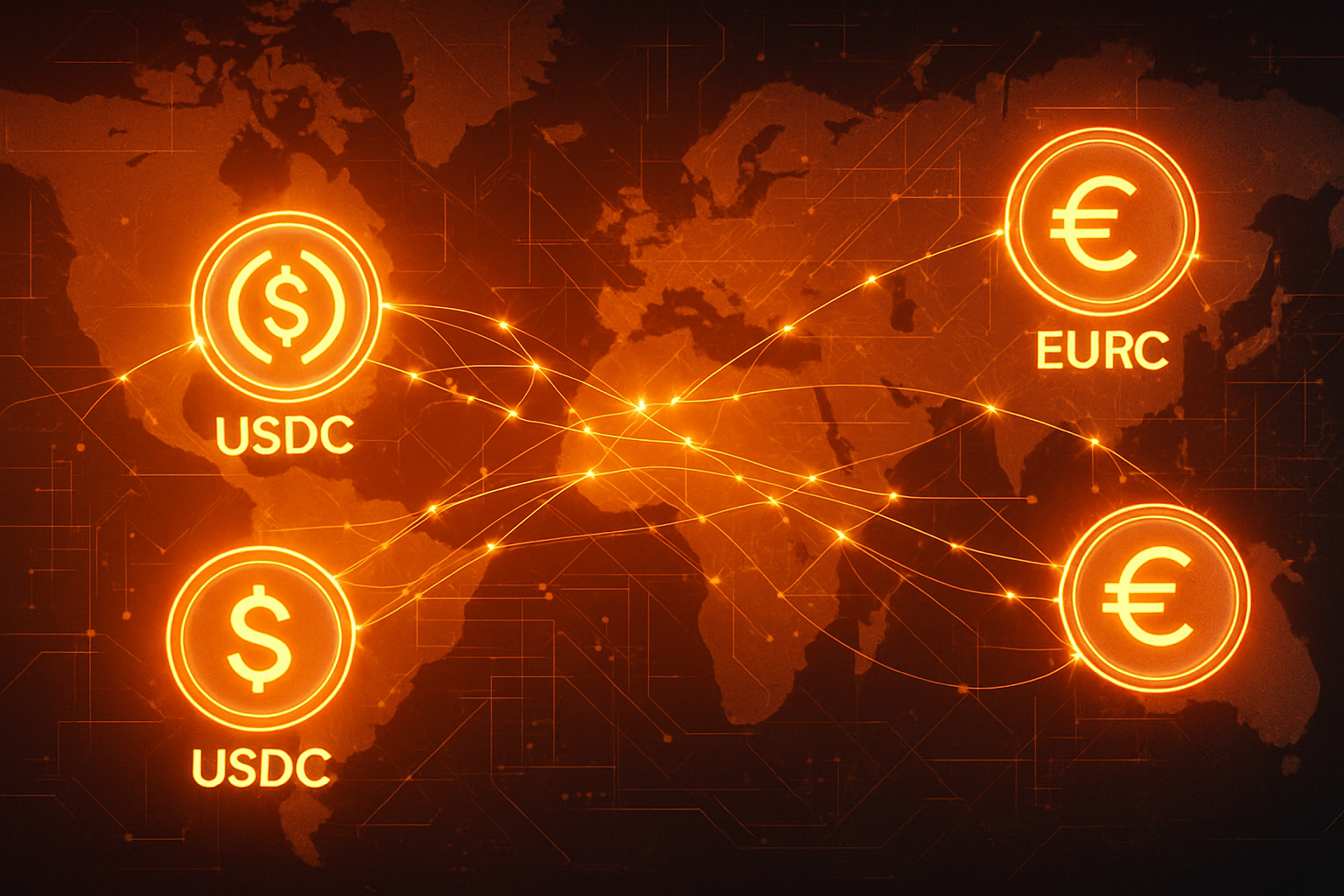
    SIBOS 2025, September 30, 2025 – In a landmark announcement at the prestigious SIBOS conference today, Visa (NYSE: V) unveiled a groundbreaking pilot program for its Visa Direct service, integrating USD Coin (USDC) and Euro Coin (EURC) stablecoins to facilitate instant cross-border transfers. This pivotal initiative marks a significant leap forward in bridging the gap between traditional finance and the burgeoning digital asset ecosystem, promising to revolutionize how businesses and financial institutions manage global payouts.

    The pilot, revealed on September 30, 2025, is a direct response to the inefficiencies plaguing conventional international payment systems, which are often characterized by slow settlement times, high costs, and complex liquidity management. By leveraging the speed and transparency of blockchain-based stablecoins for pre-funding, Visa is setting the stage for a new era of global money movement. While recipients will still receive funds in their local fiat currency, the underlying use of stablecoins for settlement aims to dramatically accelerate the process and unlock significant working capital for participating institutions. The crypto ecosystem has reacted with cautious optimism, viewing this as a powerful validation of stablecoins' utility and a strong signal of increasing institutional adoption.

    Market Impact and Price Action

    The immediate market impact on the stablecoins themselves, USDC and EURC, is unlikely to manifest in significant price fluctuations, given their peg to fiat currencies. However, the announcement's profound implications lie in the validation and legitimization it brings to the broader stablecoin market. This move by a global payments giant like Visa is expected to bolster confidence in stablecoins as reliable and efficient instruments for financial transactions, potentially leading to increased demand and market capitalization over the long term.

    While direct price action for USDC and EURC will remain stable, the news is anticipated to positively influence the valuations of other major stablecoins and potentially even the underlying blockchain networks that support them. This institutional embrace could drive up trading volumes for stablecoin pairs against various cryptocurrencies, as more financial entities look to stablecoins for efficient treasury management and cross-border operations. The comparison to past events, such as PayPal's (NASDAQ: PYPL) entry into crypto or institutional adoption of Bitcoin (BTC) by major corporations, suggests a long-term bullish sentiment for the digital asset space, particularly for assets with clear utility and regulatory compliance.

    The move also subtly shifts the narrative around stablecoins from a speculative asset class to a foundational layer for global financial infrastructure. This could attract more institutional capital into the stablecoin ecosystem, increasing liquidity and fostering deeper integration with traditional financial markets. While technical analysis on stablecoin price is irrelevant, the overall sentiment shift could be a significant bullish signal for the broader crypto market, indicating a growing acceptance and utility of digital assets beyond speculative trading.

    Community and Ecosystem Response

    The crypto community's response to Visa's stablecoin pilot is largely enthusiastic, reflecting a widespread belief that such initiatives are crucial for mainstream adoption. Social media platforms like Crypto Twitter and Reddit are buzzing with discussions highlighting the significance of a global payments behemoth integrating digital assets into its core services. Influencers and thought leaders are championing the move as a monumental step towards legitimizing stablecoins and showcasing their real-world utility beyond decentralized finance (DeFi).

    Many in the community see this as a powerful endorsement of blockchain technology's potential to solve real-world problems. The fact that Visa is treating USDC and EURC as "money in the bank" for pre-funding purposes resonates strongly, underscoring the trust being placed in these digital assets. While some purists may lament the focus on centralized stablecoins over decentralized alternatives, the pragmatic view is that this institutional gateway will ultimately pave the way for broader acceptance and innovation across the entire Web3 ecosystem. The long-term implications for DeFi protocols that rely on stablecoin liquidity and for various Web3 applications that could benefit from faster, cheaper global payments are overwhelmingly positive, signaling a future where digital and traditional finance are increasingly intertwined.

    What's Next for Crypto

    Visa's stablecoin pilot is a harbinger of significant short-term and long-term implications for the crypto market. In the short term, it is expected to accelerate the trend of institutional interest in stablecoins and blockchain-based payment solutions. We can anticipate more financial institutions exploring similar integrations, potentially leading to a "stablecoin race" among payment providers and banks. The pilot's limited availability by April 2026 and broader rollout later in 2026 will be crucial milestones to watch, as successful implementation could trigger a cascade of similar initiatives.

    Longer term, this development could fundamentally reshape global remittances and cross-border trade. The reduction in settlement times and costs, coupled with improved liquidity management, offers a compelling alternative to SWIFT and other legacy systems. Potential catalysts to watch include further partnerships between stablecoin issuers and payment networks, clearer regulatory frameworks for stablecoins in major jurisdictions, and the expansion of the pilot to include other stablecoins or even central bank digital currencies (CBDCs). Projects and investors should strategically consider stablecoin-centric solutions and infrastructure, as the demand for compliant, efficient digital payment rails is set to soar. The most likely scenario involves a gradual but steady integration of stablecoins into mainstream financial services, with Visa's pilot serving as a powerful proof of concept.

    Bottom Line

    Visa Direct's stablecoin pilot program represents a pivotal moment for the cryptocurrency industry. For crypto investors and enthusiasts, the key takeaway is the undeniable validation of stablecoins as a critical component of the future financial landscape. This initiative moves stablecoins beyond speculative trading instruments and firmly into the realm of practical, institutional-grade payment infrastructure. The long-term significance cannot be overstated: it signals a convergence of traditional finance and blockchain technology, where the efficiencies of digital assets are harnessed to solve real-world payment challenges.

    As the pilot progresses, important metrics to monitor will include the volume of stablecoin transactions processed, the number of participating financial institutions, and any feedback regarding efficiency gains and cost reductions. The date of broader rollout in late 2026 will be a key event, marking a potential inflection point for stablecoin adoption on a global scale. This is not just a pilot; it's a blueprint for the future of money movement.

    This article is for informational purposes only and does not constitute financial or investment advice. Cryptocurrency investments carry significant risk.