
Tag: DeFi

  • AI Presale Cryptocurrencies Ignite “Uptober” Rally: Blazpay AI and Ozak AI Lead the Charge Towards a Smarter DeFi Future

    AI Presale Cryptocurrencies Ignite “Uptober” Rally: Blazpay AI and Ozak AI Lead the Charge Towards a Smarter DeFi Future

    October 5, 2025 – The cryptocurrency market is currently witnessing a transformative surge, driven by the burgeoning trend of AI presale cryptocurrencies. As the digital asset space enters a robust "Uptober" rally, with Bitcoin (BTC) hovering impressively between $115,000 and $125,000, investor attention is increasingly fixated on projects that marry the power of Artificial Intelligence with the decentralized ethos of blockchain. This convergence is not merely a speculative wave but a foundational shift, promising a smarter, more secure, and highly efficient digital financial environment. Among the frontrunners capturing significant investor interest are Blazpay AI and Ozak AI, both of which are pioneering utility-driven solutions poised to redefine the crypto ecosystem.

    The emergence of these AI-powered projects signifies a maturation of the crypto market, moving beyond mere hype to tangible technological innovation. Blazpay AI, which launched its Phase 1 presale on October 3, 2025, at an initial token price of $0.006, aims to create a unified, multi-chain DeFi hub powered by its conversational AI, BlazAI. Concurrently, Ozak AI is actively in its Phase 6 presale, with its $OZ token priced at $0.012, focusing on delivering real-time predictive AI for advanced financial analytics across global markets. These projects are not just offering tokens; they are presenting a vision for a future where advanced financial tools are democratized, and complex operations are simplified through intelligent automation. Their significance lies in their potential to act as key catalysts for the next major bull market, ushering in an era where AI-driven utility becomes the benchmark for crypto innovation.

    Market Impact and Price Action

    The market impact of this emerging AI presale trend is palpable, characterized by significant capital inflows into early-stage projects and a discernible shift in investor sentiment. For projects like Blazpay AI and Ozak AI, the presale phases themselves are demonstrating strong momentum. Blazpay AI's initial presale price of $0.006, following a successful seed funding round at a higher price of $0.008, signals robust institutional confidence and an attractive entry point for public participants. Analysts are already projecting staggering returns for Blazpay AI, with some forecasting 100x to 1000x gains, drawing parallels to the historic growth seen by early Ethereum investors. The tiered pricing model, common in these presales, with Blazpay's token price expected to increase by up to 25% in its next phase, strategically incentivizes early participation.

    Ozak AI is likewise experiencing considerable market enthusiasm, having successfully raised over $3.5 million and sold more than 925 million $OZ tokens in its ongoing presale. Currently in Phase 6 at $0.012 per token, Ozak AI has a long-term target price of $1.00, leading analysts to project potential returns of 8,000% to 100x for early investors. This strong performance is set against the backdrop of a buoyant broader crypto market, often dubbed "Uptober," where renewed investor excitement and Bitcoin's impressive price action create a fertile ground for high-potential altcoin opportunities.

    While the allure of substantial returns is strong, the market is also exhibiting increased discernment. Investors are prioritizing projects with tangible utility and robust technological foundations over mere speculative ventures. The successful capital raises and projected price targets for Blazpay AI and Ozak AI underscore this shift, indicating that projects offering practical applications—such as AI-powered DeFi optimization or real-time predictive analytics—are commanding significant attention. However, as with all presales, liquidity and price stability post-listing remain critical factors to monitor, with potential for volatility as early investors realize gains. The overall market sentiment suggests a growing appetite for innovation-driven assets, positioning AI presales as a key driver of current and future market dynamics.

    Community and Ecosystem Response

    The community and ecosystem response to AI presale cryptocurrencies, particularly Blazpay AI and Ozak AI, has been overwhelmingly positive, reflecting a broader enthusiasm for the convergence of AI and blockchain. Blazpay AI has rapidly cultivated a substantial community of over 1.2 million members, processing more than 10 million transactions even before its official exchange listing. This early traction is a testament to the community's belief in its vision for a unified, AI-driven DeFi hub. Crypto influencers and thought leaders have widely lauded Blazpay AI as a top "100x" or "1000x" opportunity for "altseason 2025," reinforcing its position as a highly anticipated project. Furthermore, Blazpay's ecosystem is strengthened by over 130 strategic partnerships with entities like Euler, Triarch, and GMatrix, expanding its reach across AI, DeFi, and gaming sectors, and demonstrating strong industry buy-in. Its gamified rewards system, including "BlazPoints" and "BlazThreads," also fosters active user engagement and retention.

    Ozak AI has similarly garnered significant community interest, evidenced by its successful presale fundraising of over $3.5 million. The project's visibility is enhanced by its listings on major data aggregators like CoinMarketCap and CoinGecko, lending it credibility in the eyes of retail investors. Security audits by reputable firms like Certik and Sherlock further bolster investor confidence in its smart contract integrity. Ozak AI actively engages its community through a $1 million reward pool of $OZ tokens and maintains alliances with prominent crypto communities such as Manta Network, Coin Kami, and Block Bali Com. The broader crypto Twitter and Reddit sentiment reflects a bullish outlook on AI-driven altcoins, viewing these projects as crucial for the evolution of decentralized finance (DeFi) and Web3 applications, by providing advanced analytics and automated strategies.

    However, some cautious voices within the community highlight the inherent risks associated with early-stage projects. While Ozak AI has impressive technological aspirations, some critics point out its early stage of development, noting the absence of a public testnet or tangible integrations, suggesting a reliance on marketing. Concerns about potential post-listing sell-offs and technical execution risks are also part of the discourse, reminding investors of the importance of thorough due diligence. Despite these caveats, the prevailing sentiment is one of excitement and anticipation, as the crypto ecosystem embraces AI as a powerful tool to enhance functionality, security, and user experience.

    What's Next for Crypto

    The emerging trend of AI presale cryptocurrencies signals a profound and lasting impact on the crypto market, with both short-term and long-term implications. In the short term, the continued success of presales like Blazpay AI and Ozak AI is likely to fuel further investor confidence in the AI-crypto narrative, potentially driving more capital into this sector. This could lead to a proliferation of new AI-focused projects, each vying for market share by offering novel solutions in DeFi, gaming, data analytics, and other Web3 applications. The "Uptober" rally, supported by Bitcoin's strong performance and favorable macroeconomic conditions, provides an ideal environment for these projects to gain visibility and secure early funding.

    Looking ahead, the long-term implications are even more significant. The deep integration of AI and blockchain is poised to revolutionize the digital financial landscape, creating a more intelligent, autonomous, and efficient ecosystem. Potential catalysts for sustained growth include further technological breakthroughs in AI, increased regulatory clarity (such as the EU's MiCA regulation providing a framework for financial institutions), and broader institutional adoption of AI-powered blockchain solutions. Projects that successfully deliver on their utility promises, like Blazpay AI's multi-chain DeFi hub with an AI assistant or Ozak AI's predictive financial analytics, are strategically positioned for substantial growth. Investors will need to carefully consider the team's background, smart contract audits, and a clear, executable roadmap when evaluating these opportunities. Possible scenarios range from a sustained bull run driven by AI innovation to a more selective market where only projects with proven utility and strong execution thrive, underscoring the need for strategic investment and risk management.

    Bottom Line

    The rise of AI presale cryptocurrencies, exemplified by projects like Blazpay AI and Ozak AI, marks a pivotal moment in the evolution of the crypto market. For investors and enthusiasts, the key takeaway is the shift towards utility-driven innovation, where the synergy of AI and blockchain is creating high-potential, albeit high-risk, investment opportunities. While the allure of significant returns is compelling, thorough due diligence, focusing on a project's technological fundamentals, audited smart contracts, and a clear value proposition, is paramount. The long-term significance of this trend lies in its potential to usher in a new era of decentralized finance, characterized by enhanced automation, predictive capabilities, and a more accessible financial landscape.

    As of October 5, 2025, several important dates and metrics warrant close monitoring. For Blazpay AI, the progression through its presale phases and the eventual announcement of exchange listings will be critical milestones. Ozak AI is currently in Phase 6, with its Token Generation Event (TGE) and subsequent listings on a top-tier centralized exchange and a leading Ethereum-based DEX are expected immediately after the presale concludes, with exact dates to be announced 7-10 days prior. Investors should watch token prices post-listing, trading volumes, community growth metrics, and the successful delivery of roadmap milestones. The broader crypto market will also be influenced by regulatory developments and macro-economic factors. The convergence of AI and crypto is not just a passing trend; it is a fundamental re-architecture of digital finance, setting the stage for what could be the most exciting chapter in crypto adoption yet.

    This article is for informational purposes only and does not constitute financial or investment advice. Cryptocurrency investments carry significant risk.

  • Trump’s Crypto Revolution: The “Crypto President” Reshapes the Digital Frontier

    Trump’s Crypto Revolution: The “Crypto President” Reshapes the Digital Frontier

    Washington D.C. – October 5, 2025 – Former President Donald Trump, once a vocal skeptic of Bitcoin and other digital assets, has undergone a remarkable transformation, emerging as the undisputed "Crypto President" of the United States. His re-election in November 2024 and subsequent aggressive pro-cryptocurrency policy implementations throughout 2025 have not only reshaped the regulatory landscape but have also ignited an unprecedented surge in market optimism, positioning the U.S. to become a global leader in the digital asset space. This monumental shift, driven by a blend of political strategy, personal involvement, and a newfound appreciation for blockchain technology, marks a pivotal moment for the crypto ecosystem, promising clarity and innovation while also raising questions about ethical considerations.

    Trump's pivot began to crystallize in late 2023, culminating in a landmark speech at the Bitcoin 2024 conference in Nashville in July, where he lauded Bitcoin as a symbol of "freedom, sovereignty and independence from government, coercion and control." This marked the first time a major presidential candidate directly addressed such a forum. Upon assuming office in January 2025, President Trump swiftly moved to dismantle perceived anti-crypto policies of the previous administration, signing executive orders to foster digital asset innovation, ban Central Bank Digital Currencies (CBDCs), and establish a strategic U.S. Bitcoin Reserve. These actions, coupled with his administration's support for stablecoins and a more lenient regulatory approach from agencies like the Securities and Exchange Commission (SEC), have fundamentally altered the trajectory of cryptocurrency in America, ushering in an era of bullish sentiment and strategic growth.

    Market Impact and Price Action

    The "Trump Pump" has become a defining characteristic of the crypto market since his re-election in November 2024. Bitcoin (BTC) experienced an explosive rally, hitting new all-time highs and surpassing the $75,000 mark in November 2024, briefly touching $89,000, and later exceeding $100,000 multiple times throughout 2025, even reaching over $125,000 by October 2025. This historic ascent was largely fueled by renewed investor confidence stemming from the prospect of a more favorable and clear regulatory environment.

    The broader cryptocurrency market also saw significant gains, with the combined value of all digital currencies rocketing from $1.6 trillion to an impressive $3.29 trillion by the end of 2024, continuing its upward trajectory into 2025. Major altcoins, including Dogecoin (DOGE), surged by 152% after Trump's victory, reflecting widespread enthusiasm across the market. Crypto-related public companies also benefited immensely; stocks of Coinbase (NASDAQ: COIN) and MicroStrategy (NASDAQ: MSTR) saw substantial gains as institutional interest and retail participation surged. The establishment of a U.S. Strategic Bitcoin Reserve in March 2025, designating Bitcoin as a reserve asset, further cemented its legitimacy and scarcity perception, contributing to its upward price momentum and attracting significant trading volume.

    Technical analysis reveals that Bitcoin has broken through multiple resistance levels, with strong support now forming above the $100,000 psychological barrier. The increased liquidity and institutional inflows suggest a more mature market, less susceptible to flash crashes and more resilient to macroeconomic headwinds, although broader economic policies, such as new tariffs, have occasionally introduced short-term volatility. This period stands in stark contrast to previous cycles marked by regulatory uncertainty, with Trump's clear stance providing a much-needed catalyst for sustained growth and mainstream integration.

    Community and Ecosystem Response

    The crypto community has largely embraced Donald Trump's transformation into the "Crypto President" with enthusiastic optimism. Social media platforms like X (formerly Twitter) and Reddit have buzzed with discussions praising his policy shifts, with many users celebrating the potential for the U.S. to become a global crypto powerhouse. Crypto influencers and thought leaders have been quick to laud the new administration's approach. Changpeng Zhao (CZ), co-founder of Binance, notably dubbed Trump the "Crypto President," a sentiment echoed by many across the industry. Cameron Winklevoss, co-founder of Gemini, publicly praised Trump at the White House "Crypto Summit" in March 2025, acknowledging a significant "swing back" from previous administrations' perceived attacks on digital assets.

    This positive sentiment extends beyond mere rhetoric, impacting various segments of the crypto ecosystem. DeFi protocols have seen a boost from regulatory clarity, particularly with the signing of the Guiding and Establishing National Innovation for U.S. Stablecoins (GENIUS) Act in July 2025, which created a federal regulatory framework for stablecoins. This legislation, mandating 100% reserve backing, has fostered greater confidence in stablecoin-backed DeFi applications, with reports indicating DeFi's Total Value Locked (TVL) tripled to $150 billion by September 2025. NFT projects, particularly those associated with Trump, such as his "Trump Digital Trading Cards," have experienced renewed interest and market activity, although some earlier collections saw initial declines before rebounding. Furthermore, the appointment of David Sacks as the White House "AI and Crypto Czar" has signaled a commitment to fostering Web3 development and innovation across the board.

    However, the community's response has not been entirely without dissent. Concerns regarding potential conflicts of interest have been raised, especially given Trump's personal involvement in NFT collections, the launch of his own memecoin ($TRUMP) in January 2025, and his family's ventures like World Liberty Financial (WLFI), which includes a stablecoin (USD1) and a governance token. Critics on Reddit and some ethics watchdogs have voiced apprehension about these direct financial ties to the industry he is now regulating, suggesting a blurring of lines that could potentially undermine the integrity of the crypto space. Despite these concerns, the overarching sentiment remains bullish, with the belief that a supportive political environment outweighs the ethical complexities for the time being.

    What's Next for Crypto

    The path forward for cryptocurrency under the "Crypto President" is poised for continued transformation, with both short-term gains and long-term structural changes expected. In the short term, the market will likely continue to benefit from the reduced regulatory pressure and the administration's clear directives. The SEC's "Crypto 2.0" task force, led by Commissioner Hester Peirce, is expected to provide further clarity on how various digital assets are classified and regulated, potentially paving the way for more spot Exchange Traded Products (ETPs) for assets beyond Bitcoin, such as Ethereum (ETH) and Solana (SOL). Investors should monitor any further executive orders or detailed policy papers from the White House, particularly around the administration's comprehensive Bitcoin and digital asset policy paper expected around July 22, 2025, which could provide additional market catalysts.

    Looking further ahead, the long-term implications are even more profound. The establishment of a U.S. Strategic Bitcoin Reserve could solidify Bitcoin's role as a legitimate global reserve asset, potentially influencing other nations to follow suit. This strategic move, coupled with policies encouraging domestic Bitcoin mining, aims to position the U.S. as a dominant force in the global crypto economy. The explicit ban on a U.S. CBDC and strong support for private stablecoins will also shape the future of digital payments, fostering a competitive and innovative environment. Strategic considerations for crypto projects include adapting to the evolving regulatory landscape by ensuring compliance, focusing on U.S. operations to capitalize on incentives, and exploring opportunities within the stablecoin and DeFi sectors. Investors should continue to diversify portfolios strategically, assess macroeconomic factors influenced by Trump's broader economic policies (such as tariffs), and remain vigilant for potential volatility.

    Possible scenarios include a "Pro-Crypto Boom and U.S. Dominance" (high likelihood), where continued institutional adoption and regulatory clarity attract immense innovation and investment, leading to the total crypto market cap surpassing $5 trillion within the next two years. A "Measured Growth with Centralization Tensions" (medium likelihood) could see a highly regulated U.S. crypto market, where government involvement, despite being pro-growth, introduces elements of control that challenge the decentralized ethos, especially with ongoing debates about conflicts of interest. Finally, "Volatility and Implementation Challenges" (medium likelihood) acknowledges that even with a favorable administration, the complexities of enacting comprehensive legislation and external macroeconomic shocks could lead to periods of market instability.

    Bottom Line

    Donald Trump's second presidency has unequivocally ushered in a new era for cryptocurrency in the United States, cementing his legacy as the "Crypto President." For crypto investors and enthusiasts, the key takeaway is a dramatic shift towards a more accommodating and predictable regulatory environment, which has already fueled unprecedented market rallies. The administration's proactive stance, including executive orders to foster innovation, ban CBDCs, and establish a U.S. Strategic Bitcoin Reserve, signals a long-term commitment to making the U.S. a global leader in digital assets.

    The long-term significance for crypto adoption is immense. This period is expected to bring greater legitimacy to digital assets, encouraging mainstream and institutional adoption at an accelerated pace. The focus on regulatory clarity, particularly for stablecoins and the broader market, is crucial for fostering innovation and attracting talent and capital. While the "Trump Pump" has been a powerful force, investors must remain cognizant of potential risks, including the ethical complexities arising from the President and his family's direct financial ties to crypto ventures. These conflicts of interest, though debated, could introduce unforeseen market dynamics or policy shifts.

    Ultimately, Trump's actions are poised to drive crypto adoption to new heights, integrating digital assets more deeply into the financial fabric of the nation. The ongoing journey will be defined by the delicate balance between fostering innovation and ensuring market integrity.

    Important Dates, Events, and Metrics to Monitor:

    • Ongoing Regulatory Developments: Watch for further guidance from the President's Working Group on Digital Asset Markets and the SEC's "Crypto 2.0" task force throughout H2 2025 and beyond.
    • Congressional Legislation: Monitor the progress of comprehensive market structure bills and stablecoin legislation.
    • Strategic Reserve Evolution: Observe how the U.S. Strategic Bitcoin Reserve and Digital Asset Stockpile are managed and potentially expanded.
    • Institutional Adoption: Track inflows into spot Bitcoin and Ethereum ETFs, and corporate treasury adoption.
    • Trump-Associated Projects: Keep an eye on the performance and transparency of World Liberty Financial (USD1, WLFI token) and other family crypto ventures.
    • Bitcoin Price Action: Continued monitoring of Bitcoin's ability to hold above $100,000 and push towards new all-time highs will be a key indicator of sustained confidence.

    This article is for informational purposes only and does not constitute financial or investment advice. Cryptocurrency investments carry significant risk.
  • Crypto Under Siege: Billions Lost in 2024-2025 Breaches as Cybersecurity Becomes Paramount

    Crypto Under Siege: Billions Lost in 2024-2025 Breaches as Cybersecurity Becomes Paramount

    The cryptocurrency ecosystem has been rocked by an alarming surge in security breaches between late 2024 and early 2025, resulting in billions of dollars in losses and casting a long shadow over the industry's burgeoning growth. This period, marked by increasingly sophisticated attacks, saw exploits targeting everything from major centralized exchanges to intricate DeFi protocols and individual user wallets. The sheer scale of these incidents, with crypto hacks in 2024 reaching approximately $2.3 billion—a 40% increase from 2023—and Q1 2025 alone witnessing over $2 billion lost, underscores a critical inflection point: robust cybersecurity is no longer a luxury but an absolute necessity for the survival and mainstream adoption of digital assets.

    These breaches, occurring just months before the current date of October 3, 2025, have sent shockwaves through the market, eroding investor confidence and intensifying calls for enhanced security protocols across all facets of Web3. The repeated exploitation of common vulnerabilities, coupled with the emergence of new attack vectors, highlights a persistent cat-and-mouse game between innovators and malicious actors. The financial and reputational damage from these events serves as a stark reminder that while the promise of decentralized finance and blockchain technology is immense, its inherent security challenges demand relentless vigilance and proactive measures from projects, platforms, and users alike.

    Market Impact and Price Action

    The immediate market reaction to these high-profile breaches was predictably swift and often severe. The catastrophic breach of Bybit Crypto Exchange in February 2025, which saw an estimated $1.4 billion to $1.5 billion stolen in what is considered the largest crypto theft in history, reportedly triggered a significant 20% drop in Bitcoin prices. This single event illustrated the potential for major security incidents at large, centralized entities to destabilize the broader market, as investor fear and uncertainty led to widespread sell-offs.

    Smaller, though still substantial, attacks also contributed to a general atmosphere of caution. The January 2025 exploit of Phemex, resulting in over $85 million in stolen cryptocurrency, and the late 2024 hacks on DeFi platforms like Radiant Capital ($50 million) and DEXX ($30 million), fueled concerns about the security of both centralized exchange hot wallets and decentralized smart contracts. While individual token prices directly affected by these breaches often saw sharp declines, the cumulative effect of numerous incidents contributed to a more bearish sentiment across the market, impacting trading volumes and liquidity as some investors temporarily retreated to the sidelines.

    Compared to past events, the recent wave of attacks demonstrates an escalation in both frequency and financial impact. While previous years saw significant bridge hacks and DeFi exploits, the late 2024 and early 2025 period showcased a worrying diversification of attack vectors, from sophisticated malware targeting exchange infrastructure to supply chain attacks affecting user wallets via malicious browser plugins (e.g., AdsPower). This breadth of attack surfaces suggests that while the crypto market has matured in some aspects, its security infrastructure is still playing catch-up, leading to persistent vulnerabilities that attract increasingly well-resourced cybercriminal groups, such as North Korea's Lazarus Group, implicated in the Bybit breach.

    Community and Ecosystem Response

    The crypto community's response to the barrage of security incidents has been a mix of outrage, concern, and a renewed focus on best practices. Social media platforms like Crypto Twitter and Reddit became hotbeds of discussion, with users sharing real-time updates, analyzing post-mortem reports, and debating the efficacy of current security measures. Reactions from crypto influencers and thought leaders often oscillated between condemning the lax security of compromised platforms and emphasizing the importance of self-custody and due diligence for users.

    Many affected platforms took immediate, albeit often reactive, measures. Phemex and Clipper DEX (which lost $500,000 in December 2024) swiftly suspended deposits and withdrawals or disabled vulnerable features to contain further damage. In some cases, like Thala Labs ($25.5 million exploit in November 2024), the protocol successfully identified the hacker, leading to a partial recovery of funds and the offering of a bug bounty. However, other attempts, such as Infini's ($49 million hack in February 2025) offer of a 20% bounty, were unsuccessful, highlighting the challenges of fund recovery.

    The broader ecosystem also saw significant repercussions. Regulatory bodies, such as the Digital Asset Exchange Alliance (DAXA), labeled platforms like WEMIX (hacked for $6.1 million in February 2025 due to stolen authentication keys) as "cautionary assets" and suspended deposits, signaling increased scrutiny. These incidents invariably erode user trust, especially when platforms fail to absorb losses, unlike CoinDCX (not mentioned in the current research, but a good example of a positive response to a breach). The interconnected nature of DeFi protocols and Web3 applications means that a breach in one area can have cascading effects, leading to a broader re-evaluation of security postures across the entire space.

    What's Next for Crypto

    The relentless wave of security breaches from late 2024 into early 2025 has profound short and long-term implications for the crypto market. In the short term, expect continued heightened vigilance from both users and platforms. Investors will likely prioritize projects and exchanges with demonstrably robust security audits, insurance funds, and transparent incident response plans. This period will likely see a flight to quality, where protocols with a strong track record of security and effective risk management will gain an advantage.

    Looking ahead, these incidents serve as potent catalysts for significant developments. Regulatory bodies worldwide are expected to intensify their efforts to impose stricter cybersecurity standards on crypto exchanges, DeFi protocols, and Web3 applications. This could lead to mandatory security audits, enhanced KYC/AML requirements, and clearer frameworks for liability in the event of a breach. Strategic considerations for projects will increasingly revolve around implementing multi-layered defense strategies, including advanced threat monitoring, AI-driven anomaly detection, and continuous penetration testing. Investors, meanwhile, will need to deepen their understanding of protocol security, evaluate smart contract audit reports more critically, and diversify their portfolios to mitigate single-point-of-failure risks.

    Possible scenarios include a bifurcation of the market: highly secure, regulated platforms gaining dominance, while less secure, unaudited projects struggle to attract capital and users. The development of more secure cross-chain bridge technologies and improved private key management solutions (e.g., hardware wallets, multi-party computation) will also be crucial. The likelihood of these scenarios is high, as the industry cannot afford to repeatedly hemorrhage billions without fundamental changes to its security paradigm. The continuous evolution of attack techniques necessitates an equally dynamic and adaptive approach to cybersecurity.

    Bottom Line

    The recent spate of security breaches underscores a critical reality for crypto investors and enthusiasts: the digital frontier remains a wild west where innovation outpaces regulation and security. Key takeaways include the paramount importance of due diligence—researching the security history and audit reports of any platform or protocol before committing funds. Self-custody, while carrying its own responsibilities, remains a vital strategy for mitigating exchange-related risks, especially given the scale of breaches like Bybit's.

    The long-term significance of these events cannot be overstated. They are shaping the narrative around crypto adoption, pushing the industry towards a more mature and secure future. For crypto to achieve widespread mainstream acceptance, it must demonstrate an unwavering commitment to protecting user assets. This means continuous investment in cutting-edge security technologies, fostering a culture of security awareness, and prioritizing transparency in the face of incidents.

    Final thoughts revolve around the ongoing arms race between attackers and defenders. While vulnerabilities like compromised private keys, smart contract flaws, and oracle manipulation persist, the industry is gradually learning hard lessons. Important metrics to monitor include the frequency and scale of future hacks, the effectiveness of recovery efforts, and the pace of regulatory development around cybersecurity standards. The path to a truly secure Web3 is fraught with challenges, but the imperative to overcome them has never been clearer.

    This article is for informational purposes only and does not constitute financial or investment advice. Cryptocurrency investments carry significant risk.

  • Bitcoin’s Ascent: A Digital Bulwark Against Inflation and Instability

    Bitcoin’s Ascent: A Digital Bulwark Against Inflation and Instability

    October 3, 2025 – In an era defined by economic uncertainty and shifting financial paradigms, Bitcoin (BTC) is increasingly cementing its position as a formidable hedge against inflation and a potential safe-haven asset. The period leading up to October 2025 has witnessed a monumental shift in perception, with the cryptocurrency transitioning from a purely speculative instrument to a strategic component within both institutional and retail investment portfolios. This evolution, largely catalyzed by landmark regulatory approvals and a growing disillusionment with traditional financial systems, underscores Bitcoin's growing integration into the global financial ecosystem.

    The immediate market reaction to this growing acceptance has been nothing short of explosive. The approval of spot Bitcoin Exchange-Traded Funds (ETFs) in the U.S. in January 2024 opened the floodgates for institutional capital, leading to billions in net inflows and propelling Bitcoin's price to unprecedented highs. This influx of capital and regulatory clarity has not only validated Bitcoin's legitimacy but also intensified its role in broader discussions about wealth preservation in times of economic turbulence. For the crypto ecosystem, this signifies a crucial maturation, indicating a move towards greater stability and mainstream adoption, even as its characteristic volatility continues to be a point of debate.

    Market Impact and Price Action

    The period from late 2023 to October 2025 has been a testament to Bitcoin's dynamic market impact, characterized by significant price surges, soaring trading volumes, and fundamental shifts in liquidity. In late 2023, Bitcoin embarked on a robust rally, climbing from approximately $27,000 to $35,000 in October and ending the year up 110%. December 2023 saw an 18% increase, pushing the price from $37,800 to $44,500, primarily fueled by a weakening U.S. Dollar and widespread anticipation of U.S. spot ETF approvals.

    The year 2024 proved to be transformative, with Bitcoin more than doubling its value and reaching a new all-time high of $100,000 by December. Key milestones included touching $73,720-$73,750 in March and a strong rally to around $64,000 in September following a U.S. Federal Reserve interest rate cut. Bitcoin further breached $73,000 in November 2024 before officially surpassing the $100,000 mark for the first time on December 5th.

    Entering 2025, Bitcoin experienced a temporary correction, declining by 14% in early January to approximately $95,500 due to profit-taking and inflation concerns. However, the bullish momentum quickly resumed, with Bitcoin surpassing $122,000 in July and hitting an all-time high of over $124,000 in mid-August. By October 3, 2025, Bitcoin was trading robustly around $119,909 to $120,000, having broken past $120,000 on October 1st and posting a 10% weekly gain from late September lows. Analysts now project Bitcoin could reach between $140,000 and $160,000 by the end of 2025, with some even forecasting $200,000 by early 2026.

    This remarkable price action has been accompanied by a dramatic increase in trading volume and significant liquidity shifts, largely driven by institutional adoption. Since their launch in January 2024, U.S. spot Bitcoin ETFs have garnered an astounding $58.44 billion in net inflows. On October 1, 2025, alone, spot Bitcoin ETF trading volume surged past $5 billion, with institutional investors contributing $676 million in net inflows. BlackRock's iShares Bitcoin Trust (IBIT) accumulated $405 million in inflows on that day, and by early October 2025, held approximately 773,000 BTC, dominating over 54% of the market share among U.S. spot Bitcoin ETFs. Across all markets, Bitcoin's trading volume exceeded $50 billion on October 1, 2025, with global crypto trading volume reaching $193 billion on October 3, 2025. This robust activity signals a significant increase in market participation and liquidity, positioning Bitcoin in a "liquidity-heavy area" that may lead to near-term consolidation.

    Bitcoin's performance as an inflation hedge and safe-haven asset during this period reveals a complex relationship with traditional assets. It is increasingly seen as a "debasement trade" against inflation, with some analyses calling it "the greatest inflation hedge the world has ever seen" compared to gold. Both Bitcoin and gold demonstrated safe-haven characteristics during Q1 2023 amid banking sector turmoil, and political uncertainty in October 2025 further drove investors towards Bitcoin. However, a notable divergence occurred in Q3 2025, where gold surged over 16% to a new all-time high of $3,895, outperforming Bitcoin's modest 5.63% gain, suggesting different short-term drivers for risk hedging. While Bitcoin's inherent volatility remains a point of contention for its safe-haven status, its long-term growth and increasing institutional backing continue to bolster its appeal in uncertain economic times.

    Community and Ecosystem Response

    The crypto community, particularly on platforms like X (formerly Twitter) and Reddit, has responded with a mix of cautious optimism and fervent debate regarding Bitcoin's "digital gold" narrative. In early October 2025, discussions frequently centered on Bitcoin's role as a safe-haven asset amidst a U.S. government shutdown, which began on October 1st. Bitcoin's price surges past $117,600 and even reaching into the $120,000-$124,000 range during this period were widely interpreted as proof of its resilience and its growing role as an alternative financial paradigm against traditional instability.

    There's a strong consensus that Bitcoin acts as a hedge against dysfunctional fiscal policy and monetary mismanagement, with its fixed supply of 21 million coins, decentralization, and transparent monetary policy often cited as key advantages. However, alongside this enthusiasm, there's also ongoing discussion about an "altcoin season," with opinions divided on whether capital is rotating from Bitcoin into altcoins.

    Crypto influencers and thought leaders have largely amplified Bitcoin's safe-haven narrative. Nigel Green, CEO of deVere Group, commented, "Bitcoin is gaining because Washington is failing," highlighting investors' shift to assets independent of political agreements. Arthur Hayes, co-founder of BitMEX, pointed to France's central bank deficit as a potential catalyst for further Bitcoin liquidity. Charles Edwards, founder of Capriole Investments, projected Bitcoin could reach $150,000 before the end of 2025, driven by the flight to safe-haven assets. This sentiment is reinforced by Bitcoin's performance, with significant institutional adoption and over $58 billion in net inflows into US spot Bitcoin ETFs since their early 2024 approval. The U.S. Internal Revenue Service (IRS) ruling that companies are not required to include unrealized Bitcoin gains when calculating the 15% Corporate Alternative Minimum Tax (CAMT) has further fueled corporate optimism, encouraging more companies like MicroStrategy (MSTR) and Tesla (TSLA) to hold Bitcoin as a corporate reserve asset. The establishment of a U.S. Strategic Bitcoin Reserve in 2025 further solidifies market confidence.

    The impact of Bitcoin's growing safe-haven narrative has rippled across the broader crypto ecosystem. Decentralized Finance (DeFi) protocols have seen a recovery, with increased liquidity and innovation. Tokenized Money Market Funds are being explored as collateral, bridging traditional finance with decentralized applications. Projects like Plasma, an L1 blockchain for stablecoin infrastructure, are leveraging Chainlink Scale to bolster their ecosystems. New Layer-2 solutions for Bitcoin, such as Bitcoin Hyper, aim to improve transaction speed and reduce fees, enabling more efficient DeFi applications. While NFT projects and broader Web3 applications are less directly affected by Bitcoin's safe-haven status, general market rallies often driven by Bitcoin's performance can lead to increased capital inflows into these sectors. The decentralized nature of Web3 applications also offers resilience against direct governmental oversight, making them attractive during times of traditional financial instability, though regulatory delays from events like government shutdowns could pose challenges.

    What's Next for Crypto

    The future outlook for Bitcoin and the broader crypto market from October 3, 2025, is predominantly optimistic, underpinned by an increasingly clear regulatory environment, robust institutional adoption, and a macroeconomic backdrop that largely favors scarce, alternative assets. Bitcoin is expected to further solidify its role as both an inflation hedge and a strategic reserve asset.

    Short-Term Implications (Late 2025 – Early 2026):
    Regulatory clarity, particularly in the U.S., will be a significant catalyst. The "Guiding and Establishing National Innovation for U.S. Stablecoins Act" (GENIUS Act), signed into law on July 18, 2025, provides a comprehensive framework for payment stablecoins. The U.S. Treasury's exemption of cryptocurrencies from the 15% corporate minimum tax will continue to encourage corporate adoption. Globally, Europe's Markets in Crypto-Assets Regulation (MiCA) and Singapore's Monetary Authority of Singapore (MAS) frameworks are fostering a more stable global market. Institutional capital inflows are projected to be substantial, with UTXO Management forecasting over $120 billion into Bitcoin by the end of 2025, rising to $300 billion in 2026. Anticipated Federal Reserve interest rate cuts by mid-2026 could also make traditional fixed-income investments less attractive, diverting capital into higher-return assets like Bitcoin.

    Long-Term Implications (2026 and Beyond):
    The increasing regulatory certainty will attract long-term capital and accelerate institutional adoption. The establishment of a U.S. Strategic Bitcoin Reserve and Digital Asset Stockpile, incorporating nearly 200,000 BTC acquired through seizures, signals a governmental recognition of digital assets as strategic reserves. Bitcoin is transitioning from a speculative asset to a strategic imperative for institutional investors, with sovereign wealth funds and nation-states showing growing interest. Geopolitical instability, fiat devaluation, and ongoing inflationary pressures will continue to drive corporations and sovereigns to embrace Bitcoin for long-term strategic positioning. While market volatility and potential corrections remain, the underlying structural shifts suggest a continued maturation and integration of digital assets into the global financial system.

    Strategic Considerations:
    For projects, the focus should be on utility, robust infrastructure, and regulatory compliance. Decentralized Finance (DeFi) is expected to go mainstream, with an emphasis on AI-driven risk management and enhanced on-chain security. Scalability solutions for Bitcoin and Ethereum, along with the tokenization of real-world assets (RWAs), will be crucial. For investors, Bitcoin's low correlation with traditional assets makes it an effective portfolio diversifier. A small strategic allocation (e.g., 5%) can significantly boost risk-adjusted returns. Long-term strategic allocation, risk management through thorough due diligence, and exploring Bitcoin-native yield strategies (BTCfi) are recommended. Selective exposure to large-cap altcoins with clear value propositions is also advised.

    Possible Scenarios and Their Likelihood:

    1. Mainstream Integration and Sustained Bull Market (High Likelihood): Driven by robust institutional adoption, favorable regulatory developments (GENIUS Act, anticipated SEC approvals for staked ETFs), and macroeconomic tailwinds. Bitcoin solidifies its role as a strategic reserve, and DeFi expands significantly.
    2. Extended Cycle with Peak in 2026 Followed by Correction (Medium Likelihood): Macroeconomic factors could prolong Bitcoin's market cycle, pushing its next peak to 2026, followed by a significant correction. However, unprecedented institutional engagement could moderate the severity.
    3. Regulatory Bottlenecks and Macroeconomic Headwinds (Low to Medium Likelihood): Unexpected regulatory setbacks or severe macroeconomic shocks lead to a "risk-off" environment, impacting investor confidence and slowing adoption. In this scenario, gold would likely outperform Bitcoin as a safe-haven.

    Bottom Line

    For crypto investors and enthusiasts, Bitcoin's journey to October 2025 underscores its profound and evolving significance. Its fixed supply and decentralized nature position it as a compelling long-term store of value and a foundational asset for a digital financial system, even if its short-term volatility means it may not always be a perfectly stable hedge against inflation or a direct substitute for traditional safe havens like gold. The monumental surge in institutional adoption, particularly through spot Bitcoin ETFs, has not only injected unprecedented capital but also enhanced its legitimacy and liquidity, paving the way for broader mainstream acceptance.

    The long-term significance for crypto adoption is undeniable. Bitcoin is driving financial innovation, offering solutions for financial inclusion globally, and fundamentally challenging centralized financial structures. Its increasing integration into traditional financial products means more accessible avenues for participation for all types of investors. While scalability and security remain ongoing areas of development, the continuous technological advancements within the Bitcoin ecosystem are vital for its wider integration into the global economy. Investors are advised to approach Bitcoin with a diversified portfolio strategy, acknowledging its unique risk-reward profile and the dynamic regulatory landscape.

    Important Dates, Events, or Metrics to Monitor:

    • October 8, 2025 (UK Regulatory Shift): UK Financial Conduct Authority (FCA) lifts the retail ban on crypto Exchange-Traded Notes (cETNs).
    • October 2025 (US Regulatory Shifts): New regulatory strategies from the SEC and CFTC are expected to accelerate Bitcoin adoption, promoting clarity and market trust.
    • Ongoing (US Regulatory Landscape): Monitor developments from the U.S. President's Working Group on Digital Asset Markets and resolutions regarding the U.S. government shutdown.
    • 2025-2026 (Taxation): A 15% tax rate on unrealized gains for both traditional and digital assets in certain regions.
    • 2026 (UK Regulatory Framework): FCA advances plans for a "gateway regime" to authorize crypto firms and finalize rules for stablecoins and custody.
    • April 2028 (Next Bitcoin Halving): This programmed event will reduce the block reward to 1.5625 BTC, historically preceding significant price increases due to reduced supply.
    • Macroeconomic Indicators: Closely monitor inflation rates (CPI, PCE Index), interest rate decisions and monetary policy, economic growth (GDP, PMI, JOLTS Index), and stock market performance, as these will continue to significantly impact Bitcoin's market dynamics.
    • Key Metrics: Keep a close eye on institutional holdings, Bitcoin ETF inflows and outflows, changes in Bitcoin's volatility compared to traditional assets, and supply dynamics such as the percentage of illiquid or dormant Bitcoin.
    • Technological Developments: Monitor ongoing efforts by Bitcoin developers to address scalability, security, and transaction efficiency, which are crucial for broader adoption.

    This article is for informational purposes only and does not constitute financial or investment advice. Cryptocurrency investments carry significant risk.
  • DeFi’s Dual Nature: Innovation Surges Amidst Persistent Security Threats and Regulatory Evolution

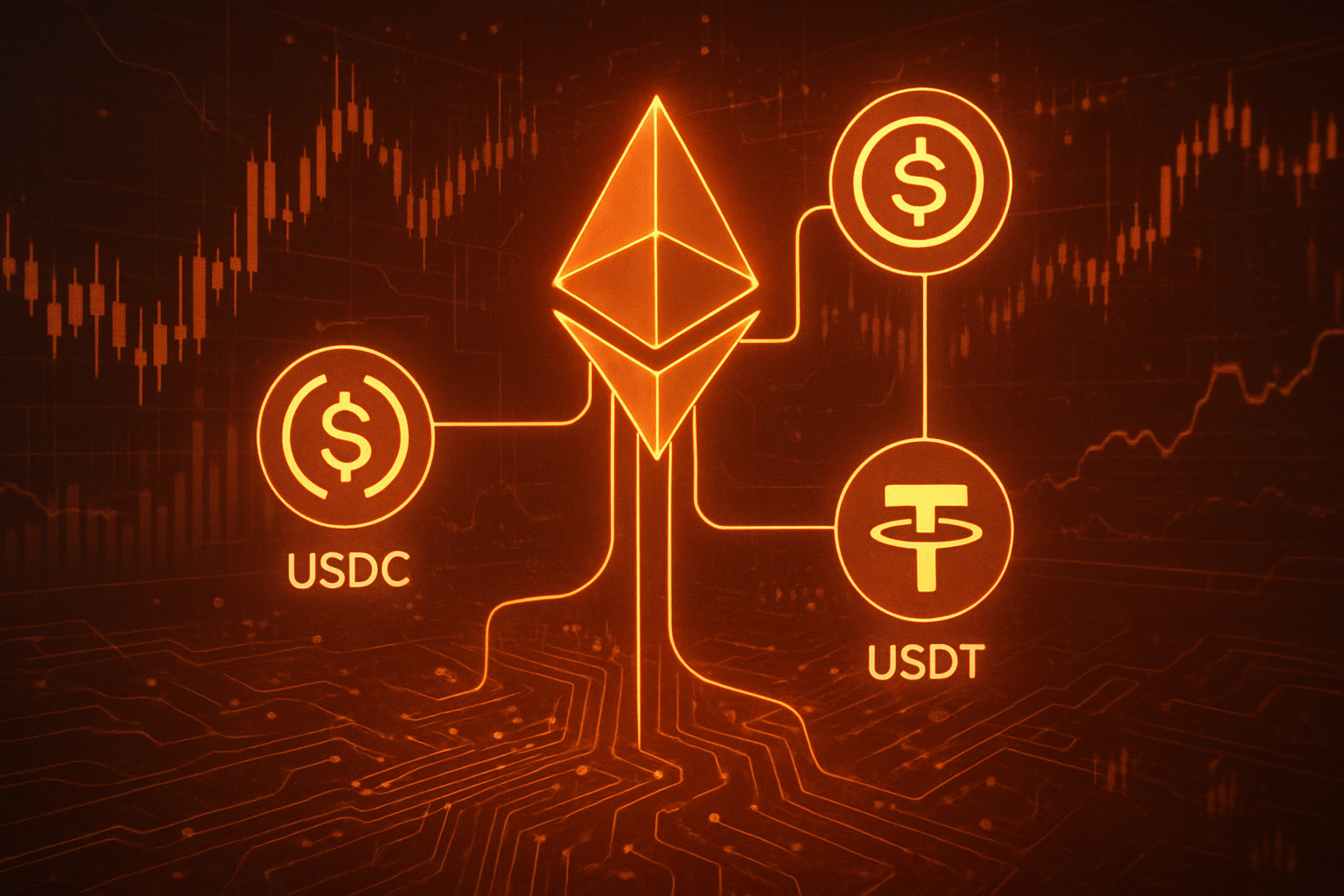
    DeFi’s Dual Nature: Innovation Surges Amidst Persistent Security Threats and Regulatory Evolution

    October 3, 2025 – The Decentralized Finance (DeFi) sector is experiencing a period of profound transformation, characterized by an accelerating pace of innovation, a robust growth trajectory, and a maturing, albeit complex, regulatory landscape. As of October 2025, new frontiers in AI integration, omnichain solutions, and the tokenization of Real-World Assets (RWAs) are pushing the boundaries of what's possible within Web3. However, this progress is shadowed by persistent security vulnerabilities, with billions lost to exploits and a worrying trend of audited contracts still falling victim to sophisticated attacks. The market has reacted with a mix of renewed confidence, evidenced by Bitcoin's (BTC-USD) surge past $120,000 and significant altcoin rallies, alongside a cautious adaptation to evolving security risks and regulatory frameworks.

    This dynamic interplay of groundbreaking advancements and formidable challenges is shaping the future of finance, signaling DeFi's undeniable resurgence and its growing influence on the broader crypto ecosystem. The sector's ability to innovate while simultaneously addressing critical issues like security and regulatory compliance will determine its long-term viability and its capacity to attract mainstream adoption. The ongoing evolution underscores DeFi's pivotal role in redefining financial services, making its current state a critical juncture for investors, developers, and regulators alike.

    Market Impact and Price Action

    The DeFi sector has demonstrated a "robust and undeniable resurgence throughout 2025," particularly gaining momentum in the third quarter, signaling a renewed investor confidence that has translated into significant market movements. This positive sentiment has been broadly reflected across the cryptocurrency landscape, with Bitcoin (BTC-USD) notably rallying to an impressive $120,000 in early October 2025. This flagship cryptocurrency's performance often acts as a bellwether for the broader market, and its strong upward trajectory has injected optimism into the DeFi ecosystem.

    Ethereum (ETH-USD), the foundational blockchain for a significant portion of DeFi, has also experienced a substantial rebound, with its price hovering around $4,483 as of October 3, 2025. This resurgence in Ethereum's value is critical, as a healthy ETH price often correlates with increased activity and Total Value Locked (TVL) within its extensive DeFi ecosystem. Indeed, the overall TVL across all DeFi protocols reached $123.6 billion by Q2 2025, marking a 41% year-over-year increase, and further peaked at a yearly high of $143.35 billion in July 2025. This robust growth in locked capital underscores the expanding utility and trust in DeFi applications.

    Beyond the major assets, specific altcoins have also shown remarkable performance. The privacy coin Zcash (ZEC-USD), for instance, surged over 140% in a single week in early October 2025. This surge was attributed to a combination of technical breakouts, new institutional product offerings, and a renewed global focus on data privacy concerns, which often drives interest in privacy-centric cryptocurrencies. The decentralized derivatives market has also seen explosive growth, with monthly trading volumes for perpetual decentralized exchanges (Perp DEXs) exceeding $1.14 trillion in September 2025 for the first time, indicating a significant increase in sophisticated trading activity within DeFi.

    However, the market's resilience is occasionally tested by security incidents. The Shibarium hack in September 2025, which resulted in losses of approximately $4.1 million in Ethereum, Shiba Inu (SHIB-USD), and related tokens, caused an immediate dip in the prices of affected assets and a temporary erosion of user trust. While developers moved quickly to mitigate the damage and plan reimbursements, such events serve as stark reminders of the inherent risks. These incidents, though impactful in the short term for specific tokens, have generally not derailed the broader bullish trend observed across the DeFi market in 2025, suggesting a maturing market that is increasingly able to compartmentalize and recover from such setbacks.

    Community and Ecosystem Response

    The Decentralized Finance (DeFi) community in October 2025 is a vibrant nexus of optimism, innovation, and a pragmatic understanding of inherent risks. Across social media platforms like X (formerly Twitter) and Reddit, the sentiment is overwhelmingly bullish, with discussions "abuzz" about a potential "new bull cycle" and a "robust Uptober rally," largely underpinned by Bitcoin's (BTC-USD) resilience and significant capital inflows. Crypto influencers and thought leaders are actively amplifying this optimism, frequently highlighting macroeconomic factors such as anticipated Federal Reserve interest rate cuts as significant tailwinds for the market. This renewed confidence is palpable, with retail sentiment on platforms like Stocktwits surging from "bullish" to "extremely bullish" for high-performing projects.

    The community's reception of new innovations, particularly the integration of Artificial Intelligence (AI) and the tokenization of Real-World Assets (RWAs), is highly enthusiastic. AI is seen as a transformative force, with projects like Blazpay developing AI-powered DeFi suites and Tren Finance building autonomous, AI-controlled stablecoin borrowing protocols. Even established platforms like Cardano (ADA-USD) are integrating AI-assisted interfaces to simplify DEX trading. This embrace of AI reflects a collective desire for enhanced user experience, predictive analytics, and automated security. Similarly, the tokenization of RWAs is celebrated as a crucial bridge between traditional finance and DeFi, accelerating institutional adoption. Collaborations like Cronos's (CRO-USD) partnership with Amazon Web Services (AWS) to foster RWA development, and the rise of platforms like Ondo Finance (ONDO-USD) in tokenized U.S. Treasury markets, are met with widespread approval as they bring tangible utility and legitimacy to the sector.

    However, beneath this bullish surface, a keen awareness of security concerns persists. The "Dark Forest" nature of Web3, characterized by pervasive smart contract risks, remains a consistent theme in community discussions. While overall crypto hack losses reportedly dropped in Q3 2025, DeFi projects still bore a significant portion of these losses, with incidents like the $27 million exploit on Penpie, a Pendle-based protocol, and a $1.3 million loss by a Pendle whale, serving as stark reminders. The community is increasingly vocal about the evolving threat landscape, which now includes sophisticated social engineering, AI-powered phishing, and deepfake scams. In response, developers are prioritizing robust security measures, bug bounty programs, and continuous monitoring. Protocols like Aave (AAVE-USD) are proactively educating users on smart contract risks and safe transaction practices, reflecting a collective effort to bolster resilience against an ever-evolving array of attack vectors.

    The broader Web3 ecosystem, including NFT projects, is also feeling the ripple effects. While not always the primary focus, many new DeFi ecosystems are incorporating NFT marketplaces, and platforms like BlockDAG are offering developers the ability to mint NFTs within their integrated development environments. The shift towards utility-focused projects is evident, with ecosystems like Solana (SOL-USD) experiencing renewed momentum in both developer activity and TVL across its DeFi and NFT sectors, attracting projects due to its low fees and high performance. Regulatory developments, such as the EU's MiCA framework and the U.S. GENIUS Act, are generally viewed positively, as they bring much-needed clarity and foster trust, albeit with the understanding that compliance presents new challenges for protocols.

    What's Next for Crypto

    The current trajectory of the DeFi sector suggests a future defined by accelerated innovation, increasing institutional integration, and a more formalized, albeit complex, regulatory environment. In the short term, the robust market resurgence, fueled by Bitcoin's (BTC-USD) rally and Ethereum's (ETH-USD) rebound, is expected to continue driving capital inflows and user adoption. The ongoing integration of AI into DeFi protocols, from predictive trading bots to automated security audits, will likely lead to more sophisticated, efficient, and user-friendly platforms. Simultaneously, the tokenization of Real-World Assets (RWAs) is poised to further bridge traditional finance with the crypto world, attracting significant institutional capital and expanding DeFi's addressable market beyond its native digital assets.

    Looking further ahead, the long-term implications for the crypto market are profound. DeFi is evolving into a foundational layer for a new global financial system, with omnichain solutions and cross-chain interoperability becoming standard, effectively breaking down liquidity silos. This will enhance capital efficiency and create a more seamless user experience across diverse blockchain networks. Potential catalysts to watch include the continued influx of institutional capital, spurred by clearer regulatory frameworks in regions like the EU (MiCA) and the U.S. (GENIUS Act), which are providing much-needed legal certainty. Furthermore, the development of sophisticated compliance tools will pave the way for broader enterprise adoption of DeFi solutions, moving beyond speculative trading to encompass real-world financial applications.

    For projects, strategic considerations must center on security, scalability, and regulatory compliance. Prioritizing robust smart contract auditing, implementing advanced threat detection mechanisms, and fostering a culture of user education will be paramount in mitigating persistent security risks. Projects that can seamlessly integrate AI for enhanced security and operational efficiency, while also offering compliant RWA tokenization solutions, are likely to gain a significant competitive advantage. For investors, a diversified approach that balances exposure to innovative, high-growth protocols with established, audited platforms is advisable. Understanding the nuances of evolving regulatory landscapes and the potential for both technological breakthroughs and security setbacks will be crucial for informed decision-making.

    Possible scenarios for DeFi's future include a continued, albeit volatile, growth path towards mainstream adoption, driven by technological advancements and clearer regulations. A more optimistic scenario envisions DeFi seamlessly integrating into traditional finance, with tokenized assets becoming a standard component of institutional portfolios and embedded DeFi solutions becoming commonplace in fintech applications. A less favorable scenario could see increased regulatory fragmentation or a series of major, systemic exploits that erode trust, potentially slowing adoption. However, given the current pace of innovation, the increasing institutional interest, and the proactive efforts to address security and regulatory challenges, the likelihood of continued robust growth, albeit with intermittent challenges, appears strong.

    Bottom Line

    The Decentralized Finance (DeFi) sector in October 2025 stands at a pivotal juncture, marked by a dynamic tension between groundbreaking innovation and persistent challenges. For crypto investors and enthusiasts, the key takeaway is the undeniable resurgence and maturation of DeFi, characterized by a renewed market confidence and significant technological advancements. The integration of AI, the rise of omnichain solutions, and the accelerating tokenization of Real-World Assets (RWAs) are not merely buzzwords; they represent fundamental shifts that are expanding DeFi's utility and appeal, attracting both retail and institutional capital.

    However, this growth comes with a critical caveat: security remains paramount. Despite efforts to enhance protocol safety, major exploits continue to occur, highlighting the need for continuous vigilance, robust auditing, and a proactive approach to user education. The shift in attack vectors towards off-chain incidents and wallet compromises underscores that security is not solely a protocol-level concern but also a matter of individual user responsibility and operational diligence. The long-term significance of DeFi hinges on its ability to effectively balance innovation with security and to navigate the increasingly complex global regulatory landscape. Regulatory clarity, such as that offered by the EU's MiCA framework and the U.S. GENIUS Act, is vital for fostering trust and facilitating broader integration into mainstream financial systems.

    Ultimately, what this means for crypto adoption is a pathway towards a more secure, efficient, and interconnected financial future. DeFi is no longer a niche experiment but a formidable force reshaping global finance. Investors should monitor key metrics such as Total Value Locked (TVL) across protocols, trading volumes on decentralized exchanges, and the pace of institutional adoption of tokenized assets. Important dates and events to watch include further regulatory updates from major jurisdictions, significant protocol upgrades that enhance scalability and security, and the continued rollout of AI-powered DeFi applications. While the journey will undoubtedly present further challenges, the current momentum suggests that DeFi is on a trajectory to profoundly impact how we interact with money and assets for decades to come.

    This article is for informational purposes only and does not constitute financial or investment advice. Cryptocurrency investments carry significant risk.

  • Ethereum Foundation’s Strategic Stablecoin Shift: A New Era of Treasury Management

    Ethereum Foundation’s Strategic Stablecoin Shift: A New Era of Treasury Management

    The Ethereum Foundation, a pivotal steward of the Ethereum network, has recently executed significant treasury adjustments, converting substantial amounts of Ether (ETH) into stablecoins. In a move that underscored a refined financial strategy, the Foundation announced plans in September 2025 to convert 10,000 ETH, valued at approximately $43.6 million at the time, into stablecoins. This was followed by a more immediate conversion of 1,000 ETH, worth roughly $4.5 million, occurring on October 3, 2025, the very day of this report.

    These strategic shifts are not merely opportunistic sales but rather a calculated evolution of the Foundation's treasury policy, initially updated in June 2025. The core rationale behind these conversions is to ensure a stable and sustainable funding runway for critical research and development (R&D), ecosystem grants, and charitable initiatives that propel Ethereum's growth. The immediate market reaction to these managed sales has been notably subdued, largely due to the Foundation's transparent communication and sophisticated execution strategies, signaling a maturing approach to institutional asset management within the crypto ecosystem.

    Market Impact and Price Action

    The Ethereum Foundation's recent treasury shifts, particularly the September 2025 conversion of 10,000 ETH and the October 3, 2025, conversion of 1,000 ETH, were implemented with a deliberate strategy to minimize market disruption. For the larger September sale, the Foundation opted for a staggered approach, executing multiple smaller orders over several weeks through centralized exchanges like Kraken. While some market observers initially expressed concern, robust institutional demand for ETH during that period, coupled with other large ETH purchases by corporate treasuries, helped absorb the selling pressure. Consequently, detailed reports did not indicate significant immediate negative price movements or liquidity shocks directly attributable to this managed conversion.

    The 1,000 ETH conversion on October 3, 2025, presented a more advanced execution. The Foundation leveraged CoWSwap, a decentralized exchange protocol, employing its Time-Weighted Average Price (TWAP) feature. This mechanism allows for trades to be executed over a period to achieve an average price, effectively mitigating the impact of large transactions on spot prices. Despite Ethereum's price nearing a new all-time high of approximately $4,600 on the day of the sale, the market "barely blinked." This minimal reaction highlights the efficacy of the TWAP strategy and the substantial liquidity present in the Ethereum stablecoin market, which has expanded to over $170 billion with increasing institutional participation.

    Historically, Ethereum Foundation ETH sales have often led to varied market responses. While a particularly large sale of 70,000 ETH in the past caused a significant dip, CoinGecko research suggests that sales of less than 9,000 ETH generally do not have a significant positive correlation with price changes. On average, ETH's price has even seen a positive change of 1.3% within seven days and 8.9% over 30 days following an EF sell-off, with less than half of all such events resulting in an immediate price decline. This historical context, combined with the Foundation's current sophisticated execution methods, suggests that these recent conversions are unlikely to trigger sustained negative price action for ETH, instead being absorbed by the market's growing depth and maturity.

    Community and Ecosystem Response

    The Ethereum Foundation's recent treasury shifts have sparked a vibrant, albeit mixed, discussion within the crypto community, primarily centered on the Foundation's choice of execution methods and its broader treasury management philosophy. The September 2025 announcement of the 10,000 ETH conversion, planned through centralized exchanges, drew notable criticism from staunch DeFi proponents on platforms like X (formerly Twitter). Influencers and developers, including Gnosis co-founder Martin Koppelmann and AaveChan founder Marc Zeller, questioned the Foundation's reliance on centralized venues, advocating for the use of DeFi-native lending protocols such as Aave or over-the-counter (OTC) deals. Some community members expressed concern about the perception of the Foundation "dumping" ETH, despite assurances of a staggered sale to minimize market impact.

    However, the Foundation demonstrated responsiveness to community feedback with its October 3, 2025, conversion of 1,000 ETH. By utilizing CoWSwap's TWAP feature, a decentralized trading mechanism, the Foundation explicitly aimed to "highlight the power of DeFi" while funding its operations. This move was largely seen as a step in the right direction, though some still maintained that borrowing against ETH or pure OTC transactions would be preferable to outright sales. The strategic timing of this smaller sale, coinciding with ETH nearing a new all-time high, was also noted as a shrewd financial decision.

    While the direct impact of these specific sales on individual DeFi protocols, NFT projects, or Web3 applications was not immediately pronounced, the broader discourse itself served to highlight the capabilities and growing importance of DeFi infrastructure. The Foundation's commitment to funding R&D and grants through these conversions is ultimately designed to benefit the entire ecosystem, fostering advancements in scalability, security, and user experience that underpin DeFi, NFTs, and Web3. Beyond the immediate sales, broader crypto sentiment on platforms like X and Reddit (r/ethereum) in early October 2025 reflected "cautious optimism," with discussions around an "Uptober" rally and significant institutional interest, suggesting a resilient ecosystem capable of absorbing such strategic financial maneuvers. Concerns raised in internal reports like "Project Mirror 2025," highlighting a perceived shift from long-term vision to short-term pragmatism, indicate an ongoing internal dialogue about balancing financial sustainability with community expectations.

    What's Next for Crypto

    The Ethereum Foundation's strategic treasury shifts signal a new era of sophisticated financial management within the crypto space, with both short-term and long-term implications for the broader market. In the short term, the Foundation's calculated approach to ETH sales, particularly the use of DeFi-native tools like CoWSwap's TWAP feature, is likely to continue minimizing immediate price volatility. This strategy, combined with the growing liquidity in the stablecoin market, suggests that future conversions, while potentially generating some FUD, will largely be absorbed without causing significant market disruptions. This reinforces the utility of stablecoins as a critical component for institutional treasury management, potentially driving further adoption across other crypto projects.

    Looking ahead, the long-term implications are profoundly positive for Ethereum's sustainability and development. By securing a stable funding runway through diversified assets, the Foundation ensures consistent investment in vital R&D, grants, and core protocol upgrades. This sustained financial health is crucial for Ethereum's continued evolution, especially during what the Foundation itself identifies as "pivotal years" like 2025-2026. This professionalization of treasury management by a foundational entity is likely to influence other blockchain projects and DAOs, fostering a broader trend towards diversified, risk-mitigated financial strategies. Furthermore, the Foundation's deeper engagement with DeFi protocols through these conversions validates the decentralized finance sector, potentially attracting more institutional participation and capital.

    Several catalysts and developments will be crucial to watch. The Ethereum Foundation's commitment to releasing quarterly and annual financial reports will provide transparent insights into its ongoing treasury strategy and asset allocation. The successful implementation of major Ethereum upgrades, which are directly supported by this funding, will be paramount for maintaining ecosystem momentum and ETH's value proposition. The evolving global regulatory landscape for cryptocurrencies and stablecoins, such as Europe's MiCAR, will also shape how such treasury strategies are executed. Investors and projects should strategically consider these shifts: projects should emulate the Foundation's treasury diversification and DeFi engagement for long-term resilience, while investors should adopt a long-term perspective, distinguishing between short-term market noise and the foundational benefits of a well-funded ecosystem. Possible scenarios range from a bullish outlook, where stable funding accelerates Ethereum's development and boosts confidence (moderate to high likelihood), to a neutral/mixed scenario where market reactions remain subdued but new risks emerge (high likelihood), or a less likely bearish scenario where continuous sales erode confidence.

    Bottom Line

    The Ethereum Foundation's recent treasury shifts, encompassing the September 2025 conversion of 10,000 ETH and the October 3, 2025, conversion of 1,000 ETH, represent a pivotal moment in the maturation of institutional crypto asset management. For crypto investors and enthusiasts, the key takeaway is the Foundation's embrace of a sophisticated, proactive, and transparent financial strategy. By diversifying into stablecoins, the Foundation is not signaling a lack of confidence in ETH, but rather ensuring operational stability, mitigating volatility risk, and securing a reliable funding source for critical R&D and ecosystem growth. The deliberate use of decentralized tools like CoWSwap's TWAP feature for the recent 1,000 ETH sale further underscores a commitment to DeFi principles and showcases the growing maturity and liquidity of the decentralized exchange landscape.

    The long-term significance of these moves for the Ethereum ecosystem cannot be overstated. By targeting a 2.5-year operating expense buffer and aiming to reduce annual spending to 5% of its total treasury by 2030, the Foundation is adopting a sustainable endowment model. This ensures a consistent flow of resources for Ethereum's "pivotal years" (2025-2026), fostering continued innovation and strengthening the network's foundational layers. For the broader crypto market, the Ethereum Foundation's leadership in treasury diversification and DeFi engagement sets a precedent, potentially inspiring other blockchain foundations and DAOs to adopt similar robust financial practices. This professionalization contributes significantly to the overall institutionalization and legitimization of the crypto space, which is crucial for broader adoption.

    Ultimately, these strategic shifts mean a more resilient, well-funded, and professionally managed Ethereum ecosystem. This enhanced stability and commitment to long-term development are vital for attracting mainstream and institutional adoption, as it reduces perceived risks and demonstrates a clear path for sustained growth. Investors should monitor the Ethereum Foundation's forthcoming quarterly and annual reports for transparency on asset holdings and strategic execution. Key metrics to watch include progress on major Ethereum upgrades, the Foundation's continued engagement with DeFi protocols for yield generation, and the overall growth and liquidity of the stablecoin market on Ethereum. These elements will collectively paint a picture of Ethereum's enduring health and its potential to drive the next wave of crypto innovation and adoption.

    This article is for informational purposes only and does not constitute financial or investment advice. Cryptocurrency investments carry significant risk.

  • The 2025 Crypto Frontier: Unveiling High-Potential Presales and Emerging Digital Assets

    The 2025 Crypto Frontier: Unveiling High-Potential Presales and Emerging Digital Assets

    As October 3, 2025, unfolds, the cryptocurrency market is buzzing with renewed vigor, driven by a confluence of bullish sentiment, technological breakthroughs, and a thriving presale ecosystem. Bitcoin's sustained rally, hovering near the $115,000 mark, has ignited an "Uptober" rally across the broader crypto sector, pushing its total market capitalization past $4 trillion. This resurgence is not merely a speculative frenzy but a testament to the maturation of the Web3 space, where innovative projects with tangible utility are attracting significant early-stage investment.

    This article delves into some of the most anticipated emerging cryptocurrencies and presale opportunities poised to redefine the digital asset landscape in 2025: Blazpay ($BLAZ), BlockDAG ($BDAG), TRUMP ($TRUMP), PENGU ($PENGU), and BZIL (BullZilla). These projects, each with unique value propositions, are capturing investor attention and fueling discussions about the next wave of "100x" opportunities. Their success or failure will not only shape individual portfolios but also influence the trajectory of decentralized finance (DeFi), non-fungible tokens (NFTs), and the broader Web3 applications, marking a pivotal moment in crypto's journey towards mainstream adoption.

    Market Impact and Price Action: A Glimpse into 2025's Frontrunners

    The current market environment, characterized by robust capital inflows into early-stage projects, is setting the stage for significant price movements and liquidity shifts. Here’s a closer look at the potential impact and early price action of these emerging assets:

    Blazpay ($BLAZ): The AI-Powered DeFi Super App
    Blazpay launched its public presale on October 3, 2025, with Phase 1 tokens priced at an attractive $0.006. This is notably lower than its seed funding round price of $0.008, incentivizing early public participation. The project aims to consolidate fragmented DeFi services into a unified AI-powered hub, offering trading, cross-chain bridging across 20+ blockchains, staking, NFT management, and real-time portfolio tracking. Its innovative "BlazAI" assistant, allowing natural language interaction with DeFi, positions it as a significant player in the AI and DeFi convergence. Analysts are bullish on Blazpay's potential, with short-term price targets of $1 and long-term projections reaching $10, suggesting staggering returns of up to 166,500% from its initial presale price. This optimism is fueled by its launch with functional DeFi tools, extensive partnerships (over 130), and a rapidly growing community of 1.2 million members.

    BlockDAG ($BDAG): Scaling New Heights with DAG Technology
    BlockDAG has emerged as a presale titan, demonstrating remarkable investor confidence. As of early October 2025, the project has successfully raised nearly $420 million, with over 26.5 billion BDAG coins sold across its batches. The presale price has steadily climbed, with Batch 31 tokens priced at $0.0304, a substantial increase from its initial $0.0015. This progression has already yielded over 3000% ROI for early investors. BlockDAG's hybrid Directed Acyclic Graph (DAG) and Proof-of-Work (PoW) architecture promises unparalleled scalability, boasting capabilities of up to 15,000 transactions per second (TPS) and near-instant transaction finality. With 20 confirmed exchange listings (including Coinstore, XT.com, BitMart, LBank, and MEXC) even before its mainnet launch, and a projected listing price of $0.05, early investors could see over 3,700% ROI. The live "Awakening Testnet" further validates its technological prowess, showcasing an NFT explorer, developer IDE, and functional dApps, cementing its status as a leading Layer 1 infrastructure project.

    TRUMP ($TRUMP): The Politically-Charged Meme Coin
    The TRUMP meme coin, officially launched on January 17, 2025, on the Solana blockchain, has been a rollercoaster of market speculation. Directly associated with former U.S. President Donald Trump, its value is intrinsically tied to political events and social media sentiment. Following its launch, $TRUMP saw an astronomical surge, briefly exceeding $27 billion in market value and hitting an all-time high of around $75.8 per token by January 19, 2025. However, this peak was followed by significant volatility, with prices declining to approximately $7.5-$8.0 by early October 2025. While it lacks inherent utility beyond its political narrative, its massive visibility has drawn considerable trading volume. Critics, however, highlight concerns over potential market manipulation due to 80% of its supply being held by Trump-owned entities and its inherent speculative nature. A crucial event to monitor is a substantial $462 million token unlock scheduled for July 18, 2025, which could introduce significant selling pressure.

    PENGU ($PENGU): From NFTs to a Tokenized Ecosystem
    PENGU, the native token of the popular Pudgy Penguins NFT ecosystem, launched on the Solana blockchain in late 2024, aiming to democratize access to the brand. While there wasn't a traditional public presale, a significant portion of its 88.888 billion token supply was airdropped to existing NFT holders. The token's official launch price was $0.0068. PENGU's unique position stems from its strong brand recognition, successful integration of physical products (Pudgy Penguin plush toys in major retailers), and its expanding "Pudgy World" virtual environment. After an initial downturn in early 2025, renewed interest fueled by retail partnerships and new features led to a rebound. Analysts offer mixed but generally optimistic price forecasts for 2025, ranging from $0.022 to $0.081, with some aggressive predictions of a tenfold increase. Its long-term price action will depend on sustained community engagement, product innovation, and expansion to Ethereum and the Abstract Chain.

    BZIL (BullZilla): A Meme Coin with Structured Tokenomics
    BullZilla ($BZIL), an Ethereum-based meme token, distinguishes itself with a "cinematic" narrative and structured tokenomics designed for long-term growth. Its presale, which began on August 29, 2025, at $0.00000575, has progressed rapidly through its "Progressive Price Engine." As of early October 2025, it's in Stage 5B, with prices around $0.00011907, having raised over $770,000 and attracted more than 2,500 holders. The presale is set to conclude in Q1 2026, targeting a listing price of $0.00527141, implying potential returns of over 90,000% for early participants. BZIL offers a compelling 70% Annual Percentage Yield (APY) for staking, a "Roar Burn" mechanism to reduce supply, and a 2-year lock on creator tokens to prevent early dumps. Its unique blend of meme appeal with robust, deflationary tokenomics aims to establish it as a more sustainable asset in the meme coin space.

    Community and Ecosystem Response: The Pulse of the Market

    The collective sentiment surrounding these emerging projects reflects a maturing crypto community that, while still drawn to speculative opportunities, increasingly values utility, transparency, and robust development. Social media platforms are ablaze with discussions, influencer endorsements, and debates, shaping perceptions and driving engagement.

    Blazpay has cultivated a remarkably strong community, boasting over 1.2 million members and processing more than 10 million transactions even before its public presale. Influencers and analysts are hailing it as a top presale for 2025, praising its AI-powered DeFi suite and cross-chain capabilities. The project's gamified rewards system ("BlazPoints" and "BlazThreads") fosters active participation, and its B2B API/SDK is seen as a crucial step towards broader Web3 integration, addressing fragmentation in the DeFi space.

    BlockDAG's community response has been nothing short of phenomenal. Having amassed over 312,000 holders and nearly $420 million in its presale, it's widely regarded as a "presale titan." The launch of its "Awakening Testnet" has further boosted confidence, showcasing increased network throughput and developer tools. The project's strategic partnership with the BWT Alpine F1® Team has significantly amplified its global visibility, attracting both retail and institutional interest. The widespread adoption of its X1 mobile mining app (over 3 million daily users) underscores its commitment to user-driven network growth.

    The TRUMP coin's community is deeply intertwined with its political narrative, driven by supporters expressing allegiance and engaging in "digital activism." Social media sentiment is highly volatile, reacting sharply to political headlines and endorsements. While it has generated massive buzz, particularly around Donald Trump's statements on crypto, concerns about its lack of intrinsic utility and concentrated token holdings persist within the broader crypto community. Its impact on the ecosystem is more about bringing visibility to politically themed tokens and decentralized exchanges, rather than technological innovation in DeFi or Web3.

    PENGU's community response is rooted in the established fanbase of the Pudgy Penguins NFT collection. Sentiment is cautiously optimistic, with discussions revolving around product innovation, retail partnerships, and potential catalysts for price surges. The project's ability to bridge physical collectibles with digital experiences (Pudgy World) resonates strongly with its audience. While direct DeFi integration is less prominent, its growth within the NFT and gaming sectors of Web3 is driven by strong community engagement and brand loyalty.

    BZIL (BullZilla) has attracted significant attention as a high-growth presale, largely due to its structured tokenomics and narrative-driven approach. The community is drawn to its "Progressive Price Engine," "Roar Burn" mechanism, and attractive 70% APY staking rewards. Its focus on incremental updates and transparent communication has fostered a sense of trust, with analysts often citing it as a presale that balances hype with accountability, appealing to investors looking for more sustainable meme coin ventures.

    What's Next for Crypto: Navigating the 2025 Horizon

    The thriving presale market in 2025 signals a pivotal shift for the crypto ecosystem, moving beyond speculative bubbles towards utility-driven innovation and institutional integration.

    Short-Term Implications: The immediate future sees a continued influx of capital into early-stage projects, potentially fueling a broader altcoin season. Analysts anticipate a market peak around October-November 2025, driven by favorable macroeconomic conditions, including Federal Reserve interest rate cuts and a declining US dollar. However, this also necessitates investor discernment, as the market will increasingly favor projects with robust technology and clear use cases.

    Long-Term Implications: The long-term outlook is optimistic, envisioning a sustained bull market driven by institutional adoption and technological advancements. Decentralized Finance (DeFi) is projected to reach new heights, with trading volumes potentially exceeding $4 trillion and Total Value Locked (TVL) nearing $200 billion by year-end 2025. The tokenization of real-world assets (RWAs) is also emerging as a cornerstone trend, signifying crypto's maturation into practical financial infrastructure. Projects like Blazpay and BlockDAG, with their focus on core infrastructure and user experience, are well-positioned to capitalize on these trends.

    Potential Catalysts: Key catalysts include the continued expansion of Bitcoin ETFs and similar spot-based products globally, bringing greater institutional liquidity. Regulatory clarity, particularly stablecoin legislation, is expected to solidify digital assets in mainstream finance. Technologically, the integration of AI will continue to optimize market efficiency and democratize analysis, while advanced Layer-2 solutions will enhance scalability and reduce transaction costs. The emergence of new use cases in NFTs, metaverse, gaming (Play-to-Own), and Decentralized Physical Infrastructure Networks (DePINs) will further drive adoption.

    Strategic Considerations for Projects and Investors: For projects, the imperative is to demonstrate clear utility, implement sustainable tokenomics, build strong communities, and maintain transparency. Projects like Blazpay, with functional DeFi tools from day one, exemplify this approach. Investors, on the other hand, must prioritize thorough due diligence, understand the inherent risks of presales (where historically over 80% fail within a year), and diversify their portfolios. Evaluating team transparency, security audits, and long-term roadmaps is crucial.

    Likely Scenarios: A sustained bull market, fueled by institutional integration and technological dominance, is a highly probable scenario. Crypto infrastructure will mature, fostering an environment where dApps attract users genuinely interested in utility. Broadened adoption will continue through mainstream avenues like ETFs and practical use cases, solidifying crypto's place in the global economy.

    Bottom Line: Navigating the New Digital Frontier

    The 2025 crypto presale landscape represents a dynamic and potentially lucrative frontier for investors and enthusiasts. It's a testament to the industry's relentless innovation, pushing the boundaries of what blockchain technology can achieve.

    Key Takeaways:

    • Utility is King: The market is increasingly discerning, favoring projects that solve real-world problems and offer tangible utility over pure speculation.
    • Due Diligence is Paramount: While the allure of "100x" returns is strong, the high-risk nature of presales demands rigorous research into a project's whitepaper, team, tokenomics, and security audits.
    • AI and Layer-2 are Transformative: Technologies like AI integration and Layer-2 scaling solutions are not just buzzwords; they are fundamental drivers of efficiency, scalability, and enhanced user experience.
    • Community Fuels Growth: A strong, active, and organically grown community remains a critical indicator of a project's long-term viability and potential for adoption.

    Long-Term Significance: The current wave of presales is crucial for funding the next generation of blockchain innovation. Successful projects will contribute significantly to the institutional mainstreaming of digital assets, driving advancements across DeFi, NFTs, and the broader Web3 ecosystem, ultimately accelerating global crypto adoption.

    Important Metrics to Monitor:

    • Post-Presale Performance: Track how projects like Blazpay and BlockDAG perform after their exchange listings and mainnet launches, observing their ability to deliver on roadmaps.
    • Tokenomics Events: Pay close attention to vesting schedules, token unlocks (e.g., TRUMP's $462 million unlock on July 18, 2025), and burn mechanisms (like BZIL's "Roar Burn"), as these directly impact supply and price.
    • Regulatory Developments: Monitor global regulatory clarity, particularly concerning stablecoins and crypto ETFs, as this will significantly influence institutional participation.
    • Macroeconomic Indicators: Keep an eye on global economic health and central bank policies, which continue to exert influence on the broader crypto market.

    Projects like Blazpay and BlockDAG, with their robust technological frameworks and clear utility, are poised to be significant players. TRUMP and PENGU, while driven by different narratives (political and NFT brand respectively), highlight the diverse avenues of investor interest in the market. BZIL, with its structured meme coin approach, attempts to bridge the gap between speculative appeal and sustainable tokenomics. The next few months in 2025 will be critical in determining which of these emerging stars truly shine.

    This article is for informational purposes only and does not constitute financial or investment advice. Cryptocurrency investments carry significant risk.

  • Gold Rush in the Digital Age: Tether and Antalpha Launch $200 Million Tokenized Gold Venture

    Gold Rush in the Digital Age: Tether and Antalpha Launch $200 Million Tokenized Gold Venture

    October 3, 2025 – In a significant move poised to reshape the landscape of real-world asset (RWA) tokenization, stablecoin giant Tether and digital asset financial platform Antalpha have joined forces to establish a new gold-backed digital asset company. The ambitious joint venture aims to raise a formidable $200 million, specifically earmarked for a public digital asset treasury vehicle designed to accumulate Tether Gold (XAU₮), Tether's flagship gold-backed token.

    The expanded collaboration, initially announced on September 29, 2025, with details of the $200 million fundraising surfacing around October 3-4, 2025, marks a strategic pivot for Tether, traditionally known for its USDT stablecoin. This initiative signifies a deepening commitment to diversifying Tether’s offerings beyond fiat-pegged assets into a broader spectrum of tokenized commodities, leveraging gold as a strategic hedge against macroeconomic volatility and inflation. The market has reacted with keen interest, viewing this as a substantial validation of the tokenized RWA sector and a potential catalyst for increased institutional adoption of digital gold.

    Market Impact and Price Action

    While the ink is still drying on the specifics of the $200 million fundraising, the announcement has already sent ripples of positive sentiment through the digital asset market, particularly within the nascent but rapidly growing tokenized gold sector. Gold, a traditional safe-haven asset, has been trading at record highs in recent times due to escalating political tensions and persistent inflation concerns. This macroeconomic backdrop provides fertile ground for tokenized gold solutions like XAU₮, which offer enhanced accessibility and liquidity compared to physical gold.

    The joint venture is expected to significantly bolster the demand and liquidity for XAU₮. By establishing a dedicated treasury to accumulate XAU₮, the initiative directly addresses concerns about market depth and institutional-grade infrastructure, which have historically been barriers to entry for large-scale investors in the tokenized commodities space. While immediate, dramatic price movements for XAU₮ were not observed in the hours following the announcement, the long-term outlook appears robust. Increased institutional participation, driven by the $200 million capital injection and the promise of a more robust ecosystem, is likely to lead to a gradual increase in XAU₮'s trading volume and potentially a premium over its underlying physical gold value due to its superior liquidity and ease of transfer. This development could also set a new benchmark for other real-world asset tokenization projects, demonstrating a viable path for bridging traditional finance with the decentralized world.

    Community and Ecosystem Response

    The crypto community's response to Tether and Antalpha's joint venture has been overwhelmingly positive, highlighting a growing appetite for tangible, asset-backed digital instruments. Social media channels, including Crypto Twitter and Reddit, are abuzz with discussions praising the strategic foresight of both companies. Influencers and thought leaders in the Web3 space have emphasized the critical role of tokenized gold in offering a stable anchor amidst the inherent volatility of the broader crypto market. Many see this as a mature step towards integrating traditional finance (TradFi) with decentralized finance (DeFi).

    Antalpha's (tied to mining giant Bitmain) new Real World Asset (RWA) Hub, which will offer lending services collateralized by XAU₮, has been particularly well-received. This functionality is expected to unlock new capital efficiencies for gold holders and create innovative financial products within the DeFi ecosystem. Furthermore, the commitment to establishing a global network of physical vaults for XAU₮ redemption is viewed as a game-changer. As Antalpha's CFO, Paul Liang, noted, this makes digital assets "tangible," addressing a key concern for many traditional investors hesitant about purely digital ownership. The broader ecosystem anticipates increased integration of XAU₮ into various DeFi protocols, potentially serving as a more stable collateral option or a reliable trading pair, thereby expanding its utility and strengthening the RWA narrative across Web3 applications.

    What's Next for Crypto

    This $200 million joint venture signals a significant inflection point for the crypto market, particularly for the burgeoning Real World Asset (RWA) sector. In the short term, we can expect a heightened focus on XAU₮ and other gold-backed tokens, as investors and projects explore the potential for stable, commodity-backed digital assets. The successful fundraising and subsequent accumulation of XAU₮ could serve as a powerful proof-of-concept, encouraging the tokenization of other valuable commodities and traditional assets.

    Long-term implications point towards a more mature and diversified crypto ecosystem where digital assets are not solely speculative but also represent tangible value. This initiative could catalyze the development of new financial products and services built atop tokenized gold, such as advanced lending platforms, derivatives, and sophisticated hedging strategies that bridge the gap between traditional and decentralized finance. Key catalysts to watch include the successful completion of the $200 million fundraising, the operationalization of the global physical redemption network, and the rate at which institutional investors begin to integrate XAU₮ into their portfolios. The strategic move by Tether (USDT) to diversify its offerings beyond stablecoins is a clear indication of a future where digital assets encompass a much broader spectrum of global wealth.

    Bottom Line

    Tether and Antalpha's $200 million joint venture represents a landmark development in the digital asset space. For crypto investors and enthusiasts, the key takeaway is the accelerating trend of real-world asset tokenization, with gold leading the charge as a reliable hedge and store of value. This initiative not only enhances the credibility and liquidity of tokenized gold but also underscores Tether's strategic evolution beyond stablecoins.

    The long-term significance lies in its potential to bridge the chasm between traditional financial markets and the crypto ecosystem, offering a transparent, efficient, and accessible way to invest in gold. This move is crucial for driving mainstream adoption by providing a tangible, understandable asset class within the often-complex world of digital currencies. Investors should closely monitor the progress of the $200 million fundraising, the growth in XAU₮'s market capitalization and liquidity, and the integration of tokenized gold into various DeFi protocols. Important dates and metrics include quarterly reports on the treasury's XAU₮ holdings, the expansion of the physical redemption network, and any regulatory developments surrounding real-world asset tokenization. This venture could well mark the beginning of a new era where digital gold becomes a cornerstone of global investment portfolios.

    This article is for informational purposes only and does not constitute financial or investment advice. Cryptocurrency investments carry significant risk.

  • Government Shutdown Looms: Crypto and Gold Surge Amidst Fiscal Uncertainty

    Government Shutdown Looms: Crypto and Gold Surge Amidst Fiscal Uncertainty

    As the specter of a U.S. government shutdown once again casts a shadow over global financial markets in early October 2025, the cryptocurrency ecosystem is exhibiting a fascinating and robust response. While traditional markets brace for potential instability, both Bitcoin (BTC) and gold have seen significant rallies, reinforcing their narratives as hedges against fiscal uncertainty and governmental dysfunction. This hypothetical shutdown, though a recurring concern, is prompting a re-evaluation of decentralized assets as investors seek refuge from the turmoil.

    The looming shutdown, a consequence of ongoing political impasses, threatens to disrupt government services, delay economic data releases, and inject a fresh wave of volatility into an already complex global economic landscape. For the crypto world, this scenario is not merely a political event but a profound test of its resilience and its growing role as an an alternative financial paradigm. The immediate reaction has been a notable surge in Bitcoin's price, nearing its all-time highs, while gold continues its ascent, highlighting a broader market flight to safety.

    Market Impact and Price Action

    The current hypothetical U.S. government shutdown has served as a powerful catalyst for both gold and major cryptocurrencies, showcasing distinct yet complementary reactions to fiscal uncertainty. Gold, the perennial safe-haven asset, has surged to new record highs, trading between $3,895 and $3,923 per ounce. This upward trajectory is a direct consequence of heightened investor anxiety and a palpable erosion of confidence in traditional financial systems and the U.S. dollar's stability. Historically, while brief shutdowns saw gold trade sideways or weaken, prolonged closures led to average rallies of 2%, with that strength often sustained for months. The current surge, however, is described as more significant, underscoring deeper market concerns.

    Bitcoin's reaction has been particularly compelling. Defying expectations of broad market downturns, BTC prices have jumped above $118,000, reaching as high as $123,850, tantalizingly close to its August all-time high of $124,596. This robust performance is a confluence of several factors. Firstly, a similar safe-haven demand, as investors seek assets independent of government policy, mirrors gold's appeal. Secondly, significant inflows into spot Bitcoin ETFs have been a major driver, with nearly $1.5 billion week-to-date and an estimated $50 billion year-to-date, providing substantial bullish momentum. Adding to this is the "Uptober" seasonality, where October has historically been Bitcoin's strongest month, averaging over 14% gains since 2013. Lastly, the anticipation of further Federal Reserve interest rate cuts in October and December (with a near 99% probability of a cut in October) is adding liquidity and making riskier assets like Bitcoin more attractive.

    Beyond Bitcoin, other major cryptocurrencies have also demonstrated strength. Ethereum (ETH) has climbed 5.5% to $4,337, and Solana (SOL) has risen nearly 7% to $219. This collective upward movement among leading decentralized assets suggests a broader market sentiment favoring independence from governmental instability. However, the picture is not uniformly bullish across the entire crypto ecosystem. Altcoins, particularly those awaiting regulatory clarity or ETF approvals, face potential headwinds. Agencies like the U.S. Securities and Exchange Commission (SEC) and the U.S. Commodity Futures Trading Commission (CFTC) operating with skeleton crews could delay crucial crypto rulemaking and ETF reviews, exposing these assets to increased volatility and regulatory uncertainty.

    Community and Ecosystem Response

    The crypto community's response to the potential government shutdown is largely characterized by a blend of cautious optimism and a renewed emphasis on the core tenets of decentralization. On social media platforms like X (formerly Twitter) and Reddit, sentiment leans towards Bitcoin and other major cryptocurrencies as viable alternatives to traditional financial instruments during periods of government-induced instability. Discussions frequently highlight the "digital gold" narrative for Bitcoin, with many seeing the shutdown as a real-world stress test that validates crypto's value proposition.

    Crypto influencers and thought leaders are largely echoing this sentiment, emphasizing the inherent resilience of decentralized networks. They point to the fact that blockchain transactions and DeFi protocols operate independently of government operations, making them immune to the direct operational paralysis caused by a shutdown. While there's acknowledgment of potential short-term volatility due to broader market jitters, the overarching message is one of long-term conviction in crypto's ability to serve as a hedge.

    For related DeFi protocols, NFT projects, and Web3 applications, the impact is more nuanced. While their underlying technology remains unaffected, a prolonged shutdown could indirectly influence user adoption and investor sentiment if the broader economy suffers. Regulatory delays, as mentioned, pose a significant concern for projects that require governmental approvals or clearer guidelines. However, the very nature of these decentralized applications means they can continue to function without direct government oversight, potentially making them more attractive to users seeking financial autonomy. The broader crypto Twitter and Reddit sentiment reflects a growing belief that such governmental disruptions only serve to underscore the need for and value of a decentralized financial system.

    What's Next for Crypto

    Looking ahead, a U.S. government shutdown presents both short-term challenges and long-term opportunities for the cryptocurrency market. In the short term, the most immediate impact will be increased market volatility driven by a "data blackout." The delay in critical economic data releases, such as jobs reports and inflation figures, creates an information vacuum that makes it difficult for investors to gauge the Federal Reserve's next moves. This uncertainty can lead to amplified price swings in assets like Bitcoin, which tend to react strongly to market sentiment. Investors should also anticipate potential profit-taking after initial rallies, as seen with gold, leading to temporary pullbacks.

    However, the long-term implications appear more favorable for the crypto ecosystem. A sustained period of governmental dysfunction reinforces the safe-haven narrative for both gold and Bitcoin. For Bitcoin, in particular, the shutdown strengthens its position as a hedge against political instability, economic uncertainty, and potential fiat currency debasement. This scenario is likely to accelerate the trend of increased institutional adoption, as evidenced by significant ETF inflows and reaffirmations of bullish price targets from institutions like Standard Chartered (LSE: STAN), which maintains a year-end Bitcoin price target of $200,000, citing the shutdown as a catalyst.

    Furthermore, repeated government shutdowns could gradually erode confidence in U.S. fiscal management, leading to a weakening U.S. dollar and pushing more investors towards alternative, non-sovereign assets. Experts suggest that each instance of dysfunction in Washington helps mature the crypto market, particularly Bitcoin, by clarifying its value proposition to a wider audience. Strategic considerations for projects and investors include focusing on decentralization, building robust infrastructure, and educating users on the benefits of self-custody and permissionless finance. Potential scenarios range from a brief shutdown with limited lasting impact to a prolonged one that significantly alters investor perception of traditional finance, driving further adoption of crypto.

    Bottom Line

    The current hypothetical U.S. government shutdown serves as a critical stress test for the cryptocurrency market, highlighting its evolving role in the global financial landscape. For crypto investors and enthusiasts, the key takeaway is the reinforced narrative of Bitcoin and, to a lesser extent, other major cryptocurrencies as resilient hedges against governmental and economic instability. While short-term volatility is an expected companion to such events, the long-term significance lies in the potential for accelerated institutional adoption, a further cementing of crypto's "digital gold" status, and a growing recognition of its independence from traditional political machinations.

    This event underscores that as governments grapple with fiscal challenges, decentralized assets offer an increasingly attractive alternative. The consistent performance of Bitcoin and gold during this period of uncertainty suggests a maturing market where digital assets are gaining credibility as legitimate stores of value. Important metrics to monitor moving forward include continued ETF inflows, the U.S. dollar index's performance, and global regulatory responses to the evolving crypto landscape. Ultimately, a prolonged shutdown could serve as a powerful catalyst for broader crypto adoption, pushing more individuals and institutions to explore financial systems that operate beyond the reach of political gridlock.

    This article is for informational purposes only and does not constitute financial or investment advice. Cryptocurrency investments carry significant risk.

  • Bitcoin’s Record Open Interest and Sky-High Leverage Signal Both Opportunity and Peril as Market Eyes New Highs

    Bitcoin’s Record Open Interest and Sky-High Leverage Signal Both Opportunity and Peril as Market Eyes New Highs

    October 3, 2025 – The cryptocurrency market is abuzz today as Bitcoin (BTC) has reached a critical juncture, with its aggregated futures Open Interest (OI) reportedly surging to an unprecedented $45.3 billion. Some reports indicate total futures open interest across all exchanges hitting an astonishing $88.7 billion. Concurrently, market leverage has climbed to cycle highs, with Bitcoin's Estimated Leverage Ratio (ELR) registering its highest point in over five years as of August 2025, culminating in today's record. Bitcoin's price is currently hovering robustly near $120,000, having rallied more than 10% in the preceding week and briefly setting a new all-time high, surpassing its August 14 peak of $123,731.21.

    This confluence of record-high open interest and extreme leverage has ignited a fervent bullish sentiment across the crypto landscape, driven by aggressive long positioning from derivative-market whales and significant institutional inflows into spot Bitcoin Exchange-Traded Funds (ETFs). However, this exuberance is tempered by profound caution. The unprecedented concentration of leveraged bets amplifies both the potential for explosive upward movements and the inherent fragility of the market, raising the specter of severe liquidation risks and heightened volatility. For the crypto ecosystem, this moment represents a dual-edged sword: a validation of growing market conviction and institutional adoption, yet a stark reminder of the precarious nature of highly leveraged markets.

    Market Impact and Price Action

    Around October 3, 2025, Bitcoin's price action demonstrated remarkable strength and resilience. The digital asset has been trading predominantly between $118,600 and $121,000, briefly spiking as high as $123,874 and nearing its previous all-time high of $124,480 set in August 2025. This impressive surge marks a significant recovery, following a sharp correction in late September that saw billions in leveraged positions liquidated. The upward trajectory has been characterized by a seven-day consecutive rally, effectively concluding a weeks-long bearish phase.

    Trading volume across all crypto markets on October 3, 2025, was reported around a staggering $193 billion, with Bitcoin's 24-hour volume specifically ranging from $61.44 billion to over $72 billion. A significant driver of this volume, and a key factor in the current rally, has been the robust institutional interest. Spot Bitcoin ETFs, in particular, have witnessed substantial inflows, with approximately $5 billion in daily volume and $676 million in net inflows recorded on October 1 alone. BlackRock's (NYSE: BLK) iShares Bitcoin Trust (IBIT) has emerged as a major engine of accumulation, underscoring renewed conviction from large-scale investors. Furthermore, record stablecoin liquidity, estimated at $300 billion, stands ready to fund further Bitcoin and Ethereum purchases, suggesting ample dry powder in the market.

    From a technical analysis perspective, the market presents a predominantly bullish, yet cautious, outlook. Key support levels have been identified around $118,500 and $117,500, with stronger floors at $116,500 and the $113,200-$114,200 range (20- and 50-day Simple Moving Averages). Major resistance points include the psychological barrier of $120,000, the liquidity pool imbalance retracement level of $123,200, and the previous all-time high near $124,400-$124,480. While bullish indicators like the MACD crossing above its zero line and a rising Relative Strength Index (RSI) signal strong short-term momentum, some analysts point to "bearish RSI divergences" on daily and weekly timeframes, coupled with a perceived lack of strength in volume, which could hint at potential long-term sustainability concerns.

    The current scenario of record-high Open Interest and leverage draws strong parallels to historical events in the Bitcoin market. Past periods of high open interest combined with positive funding rates have frequently preceded "cascade liquidations" and extreme volatility, where rapid price movements against over-leveraged positions trigger mass forced selling. For instance, similar open interest peaks in 2021 were followed by a 20% price rally within weeks, albeit often succeeded by sharp pullbacks. This historical pattern underscores that while high leverage can fuel rapid upward movements, it also creates a precarious market structure highly susceptible to significant corrections. The market's current dynamics are also reminiscent of the pre-election build-up in 2016 and 2020, both U.S. election years, which saw similar speculative fervor.

    Community and Ecosystem Response

    The crypto community, spanning Crypto Twitter and Reddit, is experiencing a palpable mix of excitement and cautious optimism as Bitcoin's price surges and leverage hits new highs. Discussions are "buzzing" with celebrations, validating the years of effort to mainstream digital assets and reinforcing the narrative of crypto's maturation beyond purely speculative phases. The overall social media sentiment is largely bullish, buoyed by Bitcoin's impressive price performance, the substantial institutional inflows into spot Bitcoin ETFs, and the anticipation of further Federal Reserve interest rate cuts. Many traders are keenly anticipating a continued "Uptober" rally, a month historically favorable for Bitcoin.

    Prominent crypto influencers and thought leaders are highlighting the market's resilience and the increasing utility of digital assets. However, a significant undercurrent of caution persists, with strong emphasis on prioritizing self-custody and conducting thorough due diligence on projects. This renewed focus on security comes in the wake of recent breaches, which saw $307 million drained in Q3 2025, pushing the year-to-date total for stolen digital assets past $2.5 billion. Discussions extend beyond price, delving into warnings about phishing attempts, analyses of attack vectors, and debates on the effectiveness of various security measures. Macroeconomic factors, such as the potential impact of a U.S. government shutdown (though the market has shown resilience even during a recent one) and Federal Reserve policies, are also actively discussed, alongside the mainstream adoption push exemplified by Walmart-backed OnePay's integration of Bitcoin and Ethereum trading.

    The surge in Bitcoin activity and broader market optimism is reverberating across the wider crypto ecosystem, impacting DeFi, NFT, and Web3 projects. The Decentralized Finance (DeFi) sector has witnessed a rebound in on-chain crypto-collateralized loans, which grew by 42% in Q2 2025 to an all-time high of $26.5 billion. New decentralized perpetual exchanges, such as Hyperliquid and Aster DEX, are experiencing massive growth, leveraging innovative incentive models like points campaigns for airdrops to attract users. In the NFT space, projects like Hyperliquid are actively engaging their communities through launches, with the Hypurr NFT launch seeing an immediate strong response, a floor price of $68,900, and over $45 million in trading volume within hours. For Web3 projects, the announcement from Walmart-backed OnePay to integrate Bitcoin and Ethereum trading and custody services is viewed as a significant opportunity for long-term expansion and democratizing access to financial services, underscoring a notable shift towards real-world utility, with over 60% of surveyed users now actively engaging with crypto-linked payment cards. Projects like The Sandbox are also focusing on the convergence of Web3 and AI to empower creators and expand their platforms, unveiling new initiatives and infrastructure like SANDchain.

    What's Next for Crypto

    The immediate future for the crypto market, particularly Bitcoin, is poised for amplified volatility and significant liquidation risk in the short term (October – December 2025). The record Open Interest, coupled with high leverage, means that even minor price movements could trigger a cascade of liquidations, commonly known as a "long squeeze" if prices fall sharply. Analysts warn that nearly $15 billion in Bitcoin long positions could be wiped out if BTC drops to $106,500. Some market observers anticipate a "leverage flush" or "short squeeze" within the next one to two weeks, an event that, while potentially painful in the short term, could clear out over-leveraged positions and pave the way for a more sustainable rally. The historical "Uptober" seasonality might provide upward momentum, but its sustainability is questionable given the current leverage. Conversely, some traders have identified bearish divergences on daily and weekly charts, alongside a perceived lack of momentum and volume, suggesting a potential cooling-off period before further upward movement.

    Looking further ahead into the long term (2026 and beyond), the outlook for the crypto market appears broadly optimistic, driven by a confluence of macroeconomic factors, maturing market infrastructure, and sustained institutional engagement. Many analysts foresee the current bull run extending well into 2026, or even 2027, influenced by favorable monetary policies and historical market cycles. Bitcoin is increasingly recognized as a strategic reserve asset, with regulatory clarity, particularly in the U.S. with the approval of spot Bitcoin ETFs (like BlackRock's IBIT), attracting billions in institutional capital. Anticipated Federal Reserve interest rate cuts, potentially by mid-2026, are seen as a major catalyst, historically encouraging investment in higher-growth assets like cryptocurrencies. Bitcoin's finite supply and its role as an inflation hedge are solidifying its position as "digital gold," driving adoption among corporate treasuries and in emerging markets. Long-term price projections for Bitcoin in 2026 vary widely but generally point upwards, with conservative estimates ranging from $95,000 to $111,000, and more optimistic predictions suggesting $170,000 to $225,000 by mid-2026. As Bitcoin stabilizes, a more pronounced "Altcoin Season" is expected, potentially starting in Q3 2025, favoring projects with strong fundamentals and real-world utility.

    Key catalysts for the market's trajectory include further monetary policy shifts, continued progress in regulatory clarity and pro-crypto legislation (such as the MiCA and CLARITY Act), expanding institutional investment, and technological advancements in blockchain scalability and privacy. The growing trend of tokenization of Real-World Assets (RWAs) and the integration of AI and blockchain also offer new use cases and innovation. Investors should closely monitor the evolution of regulatory frameworks, institutional adoption metrics, DeFi innovation and security, and on-chain data, including funding rates and liquidation heatmaps. Strategic considerations for investors include prudent risk management, a long-term vision with selective exposure to quality projects, diversification, and adaptive trading strategies. Projects, on the other hand, must prioritize regulatory compliance, emphasize real-world utility and innovation, and focus on scalability and user experience. While short-term volatility is highly likely, the most probable scenario involves a "leverage flush" followed by a continued rally, potentially pushing Bitcoin to new highs before year-end, driven by strong underlying spot demand and institutional interest.

    Bottom Line

    As of October 3, 2025, Bitcoin's market is at a critical juncture, marked by record Open Interest and elevated leverage. For crypto investors and enthusiasts, the key takeaway is a dual reality: immense opportunity alongside amplified risk. The unprecedented concentration of leveraged positions, particularly from derivative-market whales and institutional players, signals aggressive long positioning and robust demand, driving Bitcoin's price near its all-time highs. However, this robust demand comes with heightened fragility, increasing the probability of "cascade liquidations and outsized volatility" during any market downturn. The overall sentiment is bullish for "Uptober," but a disciplined approach to risk management is paramount.

    The long-term significance of this period underscores a maturing crypto ecosystem and its deepening integration with traditional finance (TradFi). The surge in institutional interest, particularly through spot Bitcoin ETFs, and the planned 24/7 trading for CME (NASDAQ: CME) cryptocurrency futures and options starting in early 2026, signal enhanced market efficiency, liquidity, and accessibility. Bitcoin's narrative as "digital gold" and a macro hedge is being reinforced, driving further adoption, especially in emerging markets. Beyond Bitcoin, Ethereum's robust DeFi ecosystem, marked by high staking participation and real-world asset (RWA) tokenization efforts, suggests a broader recovery and growing utility across the crypto landscape. While short-term volatility is currently amplified, the long-term trend points towards greater market stability as the ecosystem matures, contingent on progressive regulatory frameworks and ongoing innovation.

    Important dates, events, or metrics to monitor include perpetual funding rates, futures-spot basis, and changes in open interest relative to price movements to gauge market sentiment and identify potential long or short squeezes. Sustained inflows into spot Bitcoin ETFs, such as BlackRock's (NYSE: BLK) IBIT, are critical indicators of continued institutional adoption. Macroeconomic indicators, particularly Federal Reserve interest rate decisions (such as the anticipated October 29 meeting), will significantly influence risk-on sentiment. Furthermore, progress on regulatory frameworks for cryptocurrencies, especially for altcoins, will shape market confidence. Closely watching Bitcoin's ability to maintain support above levels like $118,500 and decisively break through resistance at $120,000 to challenge its all-time high of $124,000 will be crucial for its trajectory towards the end of 2025 and beyond.

    This article is for informational purposes only and does not constitute financial or investment advice. Cryptocurrency investments carry significant risk.