
Tag: cryptocurrency

  • AI Unleashes New Era of Crypto Ransomware: A Deep Dive into the Evolving Threat

    AI Unleashes New Era of Crypto Ransomware: A Deep Dive into the Evolving Threat

    The cryptocurrency landscape is currently grappling with an insidious and rapidly evolving threat: the rise of AI-driven ransomware groups. As of October 2025, artificial intelligence has become the weapon of choice for cybercriminals, significantly lowering the barrier to entry and enabling more sophisticated, scalable, and devastating attacks on digital assets and blockchain infrastructure. This alarming development has sent ripples through the crypto community, prompting urgent calls for enhanced security measures and a reevaluation of existing defense strategies.

    Recent reports indicate that approximately 80% of ransomware attacks are now powered by AI, with at least nine new AI-exploiting ransomware groups actively targeting the cryptocurrency sector. This surge underscores a critical shift in cyber warfare, where automated, adaptive, and highly personalized attacks are becoming the norm. The immediate market reaction has been one of heightened caution, with security firms issuing dire warnings and investors scrutinizing the resilience of their digital holdings. This matters profoundly for the crypto ecosystem as it not only threatens the financial stability of individuals and institutions but also erodes trust, potentially hindering mainstream adoption and the broader promise of Web3.

    Market Impact and Price Action

    While specific, widespread market crashes directly attributable to a single AI-driven ransomware attack haven't been recorded in isolation, the cumulative effect of these threats creates an underlying current of volatility and uncertainty. The constant threat of data breaches and asset exfiltration weighs heavily on investor sentiment, particularly concerning smaller cap tokens and projects with perceived security vulnerabilities. Expert analyses suggest that in Q2 2025, average ransom payments spiked to approximately $1.13 million, indicating the substantial financial drain these attacks impose, which indirectly impacts the capital available within the crypto economy.

    Trading volumes for certain tokens associated with compromised entities or those operating in high-risk sectors (e.g., certain DeFi protocols) have shown increased variability, often dipping immediately following news of a significant cyber incident. Liquidity, while generally robust in major assets, can experience sudden contractions in niche markets if a project suffers a major breach, leading to cascading sell-offs. Technical analysis reveals that fear-driven sell-offs, often exacerbated by ransomware news, can quickly push asset prices below key support levels, triggering further downward pressure. Compared to past ransomware events, the AI-driven variants introduce a new layer of unpredictability; their polymorphic nature makes traditional signature-based defenses less effective, meaning recovery times and the extent of damage can be more severe, prolonging market instability. The sheer scale and automation of these new attacks suggest a sustained, rather than episodic, pressure on market confidence.

    Community and Ecosystem Response

    The crypto community's response to the escalating AI ransomware threat is a mix of alarm, proactive discussion, and a push for collective defense. Social media platforms like X (formerly Twitter) and Reddit are abuzz with discussions about best security practices, warnings about phishing and deepfake scams, and calls for developers to harden their protocols. Crypto influencers and thought leaders are increasingly dedicating content to cybersecurity awareness, emphasizing the importance of cold storage, multi-factor authentication (MFA), and vigilance against sophisticated social engineering tactics.

    The effects on related DeFi protocols, NFT projects, and Web3 applications are particularly concerning. Many of these platforms are interconnected, meaning a breach in one area can have ripple effects across the ecosystem. Projects are now under immense pressure to undergo rigorous security audits and implement AI-powered threat detection systems. Some DeFi protocols are exploring decentralized insurance solutions to mitigate potential losses from such attacks, while NFT marketplaces are scrambling to protect user assets and digital identities from AI-enhanced doxxing and extortion schemes. The broader sentiment across crypto Twitter and Reddit reflects a growing understanding that cybersecurity is no longer an optional add-on but a fundamental pillar for the survival and growth of the decentralized world.

    What's Next for Crypto

    The short-term implications for the crypto market involve continued vigilance and a potential flight to perceived safer assets, such as Bitcoin (BTC) and Ethereum (ETH), during periods of heightened cyber activity. In the long term, this threat is a catalyst for profound innovation in blockchain security. We can expect to see a surge in demand for AI-powered cybersecurity solutions specifically tailored for the Web3 environment, alongside increased adoption of hardware security modules and more sophisticated identity verification protocols.

    Potential catalysts to watch include significant governmental responses, such as stricter global regulations on cryptocurrency mixers and exchanges to combat money laundering by ransomware groups. Developments in quantum-resistant cryptography and decentralized identity solutions could also offer new lines of defense. Strategic considerations for projects and investors must include robust risk management frameworks, continuous security audits, and diversification of assets. Possible scenarios range from a continued arms race between AI attackers and AI defenders, leading to increasingly sophisticated threats and countermeasures, to a more collaborative global effort to dismantle ransomware infrastructure, potentially involving international law enforcement and intelligence agencies. The likelihood of the former seems higher in the immediate future, given the rapid pace of AI development.

    Bottom Line

    For crypto investors and enthusiasts, the key takeaway is clear: personal and institutional cybersecurity has never been more critical. The era of AI-driven ransomware demands a proactive, multi-layered defense strategy. This includes utilizing AI-powered threat detection, maintaining robust backup and recovery plans (the "3-2-1 rule"), employing strong authentication (MFA is non-negotiable), and continuous education on recognizing sophisticated social engineering attempts. Organizations are also strongly advised against stockpiling cryptocurrency for potential ransom payments, as this only incentivizes attackers.

    The long-term significance of this trend lies in its potential to accelerate the maturation of the crypto space. While challenging, it forces the industry to build more resilient, secure, and trustworthy systems. This could ultimately bolster crypto adoption by demonstrating its ability to withstand even the most advanced cyber threats. Important metrics to monitor include the frequency and sophistication of reported attacks, average ransom payment amounts, and the success rates of new AI-powered defensive technologies. The ongoing collaboration between public and private sectors, exemplified by initiatives from the FBI and international bodies, will also be crucial in shaping the future security landscape of digital assets.

    This article is for informational purposes only and does not constitute financial or investment advice. Cryptocurrency investments carry significant risk.
  • Ethereum’s Meteoric Rise: Analysts Project Up to $30,000 ETH and Unveil Top Picks for 100x Gains

    Ethereum’s Meteoric Rise: Analysts Project Up to $30,000 ETH and Unveil Top Picks for 100x Gains

    October 7, 2025 – The cryptocurrency world is buzzing with an unprecedented wave of optimism surrounding Ethereum (ETH), as leading analysts declare an "ultra bullish" case for the smart contract giant, with some audacious predictions placing its value as high as $30,000 by late 2025 or early 2026. This fervent forecast is underpinned by a perfect storm of accelerating institutional adoption, pivotal technological upgrades, and robust on-chain metrics. Simultaneously, the hunt for the next generation of crypto unicorns continues, with a select group of altcoins being championed by analysts as prime candidates for "100x" returns, igniting excitement among retail and sophisticated investors alike.

    This significant shift in sentiment marks a critical juncture for the crypto ecosystem. Ethereum, the backbone of decentralized finance (DeFi) and non-fungible tokens (NFTs), is solidifying its position as a foundational asset in the evolving digital economy. The potential for such substantial growth in ETH not only validates its long-term vision but also creates a ripple effect, drawing capital and innovation into its vast ecosystem. For investors, the dual narrative of Ethereum's steadfast ascent and the speculative allure of high-growth altcoins presents both strategic opportunities and inherent risks, demanding careful consideration in a rapidly maturing market.

    Market Impact and Price Action

    Ethereum's market performance in recent months has been nothing short of stellar, reflecting the intensifying bullish sentiment. As of early October 2025, ETH is trading robustly around the $4,671 mark, consistently challenging its August 2025 all-time high of $4,954. This upward trajectory is supported by a confluence of strong market indicators and a significant influx of capital.

    A primary driver of this market vigor is the dramatic surge in institutional interest. October has witnessed record-breaking inflows into Ethereum Exchange-Traded Funds (ETFs), with a single-day inflow of $176.6 million recorded on October 6, 2025. BlackRock (NYSE: BLK), a financial titan, alone accounted for $92.6 million of this figure. Total ETF inflows for October have already reached an impressive $621.4 million, more than doubling September's total. Major financial players like Goldman Sachs (NYSE: GS) have substantially increased their Ethereum ETF holdings to $721.8 million, signaling deep-seated confidence in ETH's long-term value proposition. This institutional embrace is translating into real-world holdings, with institutions and corporations now collectively owning over 10% of the total Ethereum supply, amounting to 12.48 million ETH.

    Technical analysis further corroborates the bullish outlook. Ethereum recently broke out of a multi-year consolidation phase above the critical $4,000 level, a technical milestone often indicative of the commencement of a new, powerful bull run. Key indicators such as the Moving Average Convergence Divergence (MACD) are firmly in bullish territory, and the Relative Strength Index (RSI) suggests ample room for continued upward price movement before entering overbought conditions. Historically, the fourth quarter has been a strong period for Ethereum, with average Q4 returns of +24%, adding to the current optimism. Furthermore, whale activity has been noteworthy, with large holders accumulating approximately $1.73 billion worth of Ether in the past week, including a single entity's purchase of 840,000 ETH for over $3.7 billion on October 3, 2025. This aggressive accumulation by smart money underscores a conviction in Ethereum's near-term and long-term potential.

    The deflationary tokenomics of Ethereum, enhanced by the EIP-1559 burn mechanism, also play a crucial role. While the network experienced slight inflation post-Dencun Upgrade, increased network usage is expected to intensify token burning, reducing circulating supply and creating upward price pressure. Over 30 million ETH, representing approximately 29-31% of the total supply, is currently locked in staking, further constricting available supply. This scarcity, combined with surging demand, creates a potent cocktail for price appreciation.

    Community and Ecosystem Response

    The crypto community's response to Ethereum's bullish outlook and the pursuit of 100x altcoins is a mix of fervent excitement, strategic planning, and cautious optimism. On platforms like Crypto Twitter and Reddit, discussions around Ethereum's price targets, particularly the ambitious $30,000 prediction by Fundstrat's Tom Lee, dominate feeds. Influencers and thought leaders are largely echoing the bullish sentiment, highlighting Ethereum's foundational role and its continuous technological evolution.

    The approval and subsequent success of spot Ethereum ETFs have been a major talking point, validating the asset class for mainstream investors and significantly boosting confidence. This institutional validation is seen by many as a turning point, signaling Ethereum's maturation beyond a speculative asset into a recognized financial instrument. The narrative around Ethereum's deflationary mechanics and its ever-expanding ecosystem, including advancements in Layer 2 (L2) scaling solutions, consistently garners positive attention. Users are increasingly benefiting from lower transaction costs and faster speeds on L2s like Arbitrum, Optimism, and zkSync, which are processing thousands of transactions per second.

    Concurrently, the search for the "next 100x crypto" fuels intense engagement within smaller, more speculative communities. Tokens like MAGACOIN FINANCE, Remittix (RTX), BullZilla (BZIL), LivLive ($LIVE), and Bitcoin Hyper ($HYPER) are generating significant buzz, particularly during their presale phases. Communities rally around these projects, driven by narratives of disruptive utility (e.g., Remittix's cross-border payments), unique tokenomics (e.g., BullZilla's "Roar Burns" and staking rewards), or innovative technology (e.g., Bitcoin Hyper's Bitcoin L2 on Solana VM). While these discussions are often characterized by high enthusiasm and meme-driven virality, there's also an undercurrent of due diligence, with community members scrutinizing whitepapers, team credibility, and CertiK audits (as seen with Remittix). The broader sentiment reflects a market eager for both the stability and growth offered by Ethereum and the explosive, albeit riskier, potential of emerging altcoins.

    What's Next for Crypto

    The immediate and long-term implications for the crypto market, driven by Ethereum's bullish trajectory and the ongoing hunt for 100x altcoins, are profound. In the short term, Ethereum's sustained momentum above key psychological and technical levels, particularly the $4,500-$5,000 range, is expected to attract further capital, potentially leading to a parabolic price discovery phase. The upcoming Pectra upgrade, anticipated in Q1 2026, is a significant near-term catalyst. By further increasing blob capacity and introducing EIP-7702 for enhanced EOA functionality, Pectra promises to significantly reduce L2 transaction costs and improve user experience, solidifying Ethereum's appeal for both developers and end-users.

    Looking further ahead, Ethereum's ambitious "Lean Ethereum" roadmap, targeting over 10,000 transactions per second (TPS) on Layer 1 and 100,000 TPS on rollups, will continue to be a defining factor. This roadmap, encompassing "The Surge," "The Scourge," "The Verge," "The Purge," and "The Splurge," outlines a decade of continuous innovation aimed at enhancing scalability, security, and decentralization. The tokenization of real-world assets (RWAs) on Ethereum, from real estate to art, is also poised for explosive growth, unlocking trillions in traditional asset value and integrating it into the blockchain economy. This will drive unprecedented demand for ETH as the underlying settlement layer.

    For investors, strategic considerations involve balancing exposure to Ethereum's robust, albeit slower, growth with the high-risk, high-reward potential of altcoins. While Ethereum offers a relatively safer bet with strong fundamentals and institutional backing, the pursuit of 100x gains necessitates a deeper dive into emerging projects. Potential catalysts for these altcoins include successful product launches, major partnerships, listings on tier-one exchanges, and sustained community engagement. However, investors must remain vigilant, as many high-potential altcoins may fail to deliver, making thorough research and risk management paramount. The proliferation of zk-EVMs and other advanced L2 technologies will continue to scale the ecosystem, making blockchain applications more accessible and efficient, thus broadening crypto adoption across various industries.

    Bottom Line

    The current landscape of the cryptocurrency market, as of October 2025, presents a compelling narrative of both foundational strength and explosive potential. Ethereum's "ultra bullish" case is not mere speculation; it's a meticulously constructed argument built upon unprecedented institutional capital inflows, a deflationary economic model, and a relentless march of technological innovation. With price targets ranging from $7,000 to an ambitious $30,000, Ethereum is poised to redefine its market capitalization and solidify its role as the global settlement layer for Web3.

    For crypto investors and enthusiasts, the key takeaway is a dual strategy: recognizing Ethereum as a cornerstone investment for long-term value appreciation and prudently exploring the high-risk, high-reward opportunities presented by carefully vetted altcoins. While Ethereum's growth may be substantial, its large market cap naturally limits the possibility of "100x" returns. This is where emerging projects like MAGACOIN FINANCE, Remittix, BullZilla, LivLive, and Bitcoin Hyper come into play, each offering unique value propositions that, if successful, could deliver exponential gains. However, the speculative nature of these smaller cap tokens demands rigorous due diligence and a clear understanding of the associated risks.

    The long-term significance of these developments extends beyond mere price action. Ethereum's continued evolution, particularly through upgrades like Pectra and the "Lean Ethereum" roadmap, promises to unlock new frontiers in scalability and utility, fostering wider crypto adoption. The increasing tokenization of real-world assets (RWAs) on Ethereum will bridge the gap between traditional finance and blockchain, creating a more interconnected and efficient global economy. Important metrics to monitor include institutional ETF inflows, ETH staking rates, L2 transaction volumes, and the progress of upcoming Ethereum upgrades. As the crypto market matures, informed decision-making, coupled with a keen eye on technological advancements and market sentiment, will be crucial for navigating this dynamic landscape.

    This article is for informational purposes only and does not constitute financial or investment advice. Cryptocurrency investments carry significant risk.
  • BNB Ascends: Binance Coin Flips XRP and USDT to Become Third-Largest Cryptocurrency

    BNB Ascends: Binance Coin Flips XRP and USDT to Become Third-Largest Cryptocurrency

    Singapore, October 7, 2025 – In a seismic shift within the cryptocurrency landscape, BNB (BNB), the native token of the BNB Chain ecosystem, has officially surpassed both XRP (XRP) and Tether (USDT) to claim the coveted position of the third-largest cryptocurrency by market capitalization. This monumental achievement, solidified in early October 2025, marks a significant reordering of the crypto hierarchy, with BNB now trailing only behind industry giants Bitcoin (BTC) and Ethereum (ETH).

    The immediate market reaction has been overwhelmingly bullish, propelling BNB to multiple new all-time highs (ATHs) and igniting a wave of excitement across the crypto community. This surge is not merely a statistical anomaly; it underscores the growing influence of exchange-backed tokens, the robust expansion of the BNB Chain ecosystem, and a broader shift in investor sentiment towards utility-driven assets. The event signifies a maturation of the market, where fundamental strength and ecosystem development are increasingly dictating top-tier rankings.

    Market Impact and Price Action

    The ascent of BNB has been characterized by dramatic price action and a significant influx of trading volume. In the days leading up to and including October 7, 2025, BNB's price embarked on an aggressive upward trajectory, breaching psychological resistance levels with remarkable speed. The cryptocurrency recorded multiple new all-time highs, soaring past $1,200, $1,300, and even touching peaks around $1,350. On October 7th, BNB witnessed a substantial 24-hour gain, pushing its price to an ATH of $1,311, with some reports indicating spikes as high as $1,356. Over the past week alone, BNB's value surged by nearly 30%, reflecting intense buying pressure and strong investor confidence.

    This price surge was accompanied by a significant increase in trading volume, with daily figures jumping by 30% to over $4.1 billion, and in some instances, surpassing $5.9 billion. This robust trading activity signals healthy demand and substantial capital inflows into the asset. As BNB's market capitalization climbed to approximately $182 billion, it firmly established its lead over XRP, which hovered around $178 billion, and USDT, at roughly $177.53 billion. While the market caps of these three assets remain closely contested, BNB's decisive move into the third spot has been widely confirmed by various market aggregators.

    From a technical analysis perspective, BNB's breakout above previous resistance levels, particularly the $1,200 mark, has established new support zones, suggesting further upward potential. Key resistance levels now lie in the uncharted territory above its current all-time highs, with analysts eyeing targets between $1,400 and $1,500. The sustained high trading volume accompanying the price rally indicates strong conviction among buyers, often a precursor to continued momentum. This event draws parallels to past instances where significant altcoins, fueled by ecosystem growth and utility, have challenged established market leaders, often signaling broader shifts in market dynamics.

    Community and Ecosystem Response

    The crypto community has reacted to BNB's meteoric rise with an outpouring of bullish sentiment and enthusiastic engagement. Social media platforms, particularly Crypto Twitter (now X) and Reddit, are abuzz with discussions, analyses, and celebratory messages. Hashtags such as #BNBATH and #BNB1200 have been trending, reflecting widespread excitement and a palpable sense of FOMO (Fear Of Missing Out) among investors. Retail sentiment has flipped decisively to "bullish," with many users actively engaging in price predictions, with some models suggesting optimistic year-end targets. The prevailing sentiment is that BNB's success validates the utility and robust development of the Binance ecosystem, potentially heralding a broader altcoin season.

    Crypto influencers and thought leaders have been quick to analyze and amplify BNB's achievement. Many are attributing the surge to BNB's strong fundamentals, including its deflationary tokenomics and the continuous expansion of the BNB Chain. AI-driven projections, such as those from Elon Musk's Grok, have also highlighted bullish scenarios for BNB, citing organic network growth and potential institutional capital inflows as key drivers. The consensus among these figures is that BNB's sustained performance will act as a significant catalyst for further growth across the entire BNB Chain ecosystem.

    The impact of BNB's ascent is profoundly felt across its native ecosystem. Decentralized Finance (DeFi) protocols on the BNB Chain (BSC) are experiencing a notable surge in activity, driven by the chain's attractive combination of lower transaction fees and faster processing times. The Total Value Locked (TVL) within the BSC ecosystem has steadily climbed, surpassing $9 billion in early October 2025, indicating active capital allocation for various DeFi applications. Monthly active users on BNB Chain have reached a record high of approximately 60 million, a 100% increase year-to-date, demonstrating the ecosystem's expanding reach. Recent infrastructure enhancements, including gas price reductions and upgrades like "Maxwell," have further improved transaction efficiency, bolstering DeFi adoption. Strategic partnerships, such as the one between BNB Chain and Chainlink to integrate official U.S. economic data on-chain, are poised to unlock innovative applications in DeFi and prediction markets.

    Similarly, NFT projects on the BNB Chain are witnessing renewed interest and increased liquidity, benefiting directly from the heightened visibility and expanding user base of the broader Binance ecosystem. Promotional efforts, including high-profile campaigns like Binance's Ronaldo NFT drop, have contributed to sustained social media engagement around BNB Chain NFTs. In the Web3 space, BNB's market cap increase is reinforcing the powerful network effect of Binance's ecosystem. BNB Chain is strategically positioning itself as an "AI-first blockchain" for 2025, actively supporting over 60 AI projects spanning AI agents, gaming, and decentralized social networks. This focus, coupled with initiatives to reduce transaction latency and introduce gasless transactions, aims to enhance user experience and drive mass adoption of Web3 applications, further solidifying BNB's integral role in the evolving digital landscape.

    What's Next for Crypto

    BNB's ascendancy to the third position by market capitalization carries profound short-term and long-term implications for the entire cryptocurrency ecosystem. In the short term, this achievement validates the immense potential of centralized exchange (CEX) ecosystem tokens, underscoring that assets offering tangible utility within a large, active network can command significant market share. This will undoubtedly intensify competition among other Layer-1 blockchains and rival exchange tokens, compelling them to innovate further in terms of utility, scalability, and user adoption. Investors are likely to re-evaluate their portfolios, favoring assets with clear use cases in DeFi, staking, and governance, though a degree of short-term volatility following such a significant market shift is to be anticipated.

    Looking ahead, the long-term implications point towards a growing influence of centralized entities, particularly through their decentralized offshoots like the BNB Chain. Binance's extensive brand power and continuous development of its ecosystem, including Layer-2 solutions like opBNB and the decentralized storage network BNB Greenfield, suggest that these integrated platforms will play an increasingly dominant role in shaping the crypto industry's infrastructure and innovation. This trend will likely drive an evolution in utility token models, inspiring other projects to deepen their token's integration and functionality within their respective platforms. However, this increased prominence for CEX-backed tokens will also inevitably attract heightened regulatory scrutiny globally, with frameworks like the EU's MiCA already in effect and a broader focus on stablecoins and comprehensive crypto asset regulation. This could lead to more stringent compliance requirements and potentially a more consolidated market, where only robust and well-integrated projects can thrive.

    Several catalysts and developments will be crucial to watch. Continued advancements within the BNB Chain ecosystem, particularly in its Layer-2 solutions, decentralized storage, and the growth of dApps and stablecoins, will directly influence BNB's utility and demand. The evolving global regulatory landscape, especially from major markets like the US and EU, will significantly impact Binance and BNB, with potential policy changes affecting operational freedom and market access. BNB's quarterly token burn mechanism, which reduces supply, remains a key driver of its value appreciation, and future burn events will be closely monitored. Macroeconomic conditions and the broader crypto market's trajectory, including a potential sustained bull run in 2025, will also play a significant role. Finally, ongoing competition from other Layer-1 blockchains like Ethereum and Solana, alongside new technological advancements in interoperability and AI integration, will present both challenges and opportunities for BNB to maintain its competitive edge.

    Strategic considerations for both projects and investors are paramount in this evolving landscape. Projects should prioritize developing clear utility for their tokens, integrating deeply within their ecosystems, and exploring interoperability with established networks like BNB Chain. Embracing proactive regulatory compliance and designing sustainable tokenomics are also critical for long-term viability. For investors, diversification across different asset classes and blockchain ecosystems remains key to mitigating risk. Deep fundamental analysis, understanding regulatory risks, and employing robust risk management strategies are essential. While ecosystem-driven tokens like BNB show strength, a balanced approach that combines long-term conviction with an awareness of market dynamics will be crucial for navigating the opportunities and challenges ahead.

    Bottom Line

    BNB's monumental achievement of becoming the third-largest cryptocurrency by market capitalization in early October 2025 is a resounding testament to the power of ecosystem-driven value, strategic utility, and robust network activity. For crypto investors and enthusiasts, this event underscores several key takeaways. Firstly, the success of BNB is deeply rooted in the comprehensive and expanding Binance ecosystem, which includes the BNB Chain, opBNB Layer 2 solutions, and BNB Greenfield. This broad utility, extending beyond a simple exchange token, is the primary driver of demand. Secondly, BNB's deflationary tokenomics, particularly its auto-burn mechanism, plays a crucial role in creating scarcity and enhancing its long-term value proposition. Thirdly, the high utility of BNB as the native token for gas fees, staking, and governance across the BNB Chain, coupled with its integration into numerous DeFi applications, solidifies its fundamental strength. Lastly, the consistent growth in network activity on the BNB Chain, evidenced by surging transaction volumes and active addresses, indicates genuine user engagement and widespread adoption of dApps, gaming, and DeFi protocols.

    The long-term significance of BNB's rise is profound, positioning it as a "blue-chip asset" within the crypto space, alongside Bitcoin and Ethereum. Its evolution from a basic trading fee token to a multifaceted ecosystem pillar demonstrates a sustainable growth model. The BNB Chain's commitment to scalability and cost-effectiveness, highlighted by upgrades like Maxwell which reduced gas fees and increased block speeds, makes it an attractive platform for mass-market adoption. BNB's resilience in reaching new all-time highs amidst a broader market recovery further signals strong fundamentals and investor confidence, suggesting its staying power in a competitive landscape. While facing continuous innovation from other Layer-1 blockchains, BNB's strategic development and plans to scale transaction speeds are expected to help it maintain its leadership.

    Ultimately, BNB's prominent market cap position signifies a maturing crypto market where utility, robust infrastructure, and community engagement are paramount. This achievement demonstrates the expanding influence of centralized exchanges in bridging traditional crypto users with decentralized finance and Web3 innovations, thereby making sophisticated blockchain services more accessible. Its affordability and scalability contribute significantly to mass-market appeal, particularly in areas like gaming and microtransactions. This success also validates the model of ecosystem-backed tokens, encouraging other platforms to develop comprehensive networks. The growing institutional interest and Binance CEO's advocacy for traditional banks to adopt BNB for cross-border settlements further indicate a clear trajectory towards mainstream blockchain integration.

    To monitor BNB's continued trajectory and its broader impact on crypto adoption, investors and enthusiasts should closely watch several key metrics and events. Important indicators include BNB Chain's network activity, such as daily and monthly transaction volumes, active addresses, and the Total Value Locked (TVL) within its DeFi ecosystem, which has recently reached new highs around $13.5 billion. The quarterly BNB token burn events and the real-time burning of gas fees are crucial for assessing supply dynamics. Furthermore, any significant regulatory developments concerning Binance globally will directly influence BNB's sentiment and price. Ecosystem upgrades, new dApp deployments, institutional partnerships, and BNB's performance relative to competing altcoins, especially Ethereum, will provide valuable insights into its competitive positioning and the overall maturation of the Web3 space.

    This article is for informational purposes only and does not constitute financial or investment advice. Cryptocurrency investments carry significant risk.

  • S&P Global Unveils Hybrid Digital Markets 50 Index, Bridging TradFi and Crypto

    S&P Global Unveils Hybrid Digital Markets 50 Index, Bridging TradFi and Crypto

    NEW YORK, NY – October 7, 2025 – In a landmark move poised to reshape how traditional finance interacts with the burgeoning digital asset space, S&P Global (NYSE: SPGI) today announced the planned launch of its innovative Digital Markets 50 Index. This groundbreaking benchmark, set to become available on Dinari's dShares platform by the end of 2025, represents a significant step towards institutionalizing the cryptocurrency market by offering a standardized, rules-based measure that combines the volatility and growth of digital assets with the stability of publicly traded crypto-linked companies.

    The unveiling of the S&P Digital Markets 50 Index on October 7, 2025, marks a pivotal moment, providing investors with a diversified and regulated avenue into the dynamic crypto ecosystem. This hybrid index integrates 15 prominent cryptocurrencies with 35 carefully selected crypto-linked equities, aiming to capture the broad spectrum of innovation and investment opportunities within the Web3 landscape. The announcement has garnered immediate attention, particularly as it comes amidst a broader rally in the crypto market, highlighting a growing appetite for structured exposure to digital assets among institutional and retail investors alike.

    Market Impact and Price Action

    The announcement of the S&P Digital Markets 50 Index on October 7, 2025, generated a nuanced market response. While S&P Global (NYSE: SPGI) itself saw a modest increase of 0.7% in pre-market trading and CME Group (NASDAQ: CME) gained 0.3%, the broader impact was largely anticipated and, in some respects, already priced in by the preceding day's market movements. Notably, cryptocurrency-exposed stocks had experienced a significant rally on October 6, 2025, with Bitcoin surging over 2% to a new record high exceeding $126,000. This pre-announcement bullish sentiment saw major players like Coinbase Global (NASDAQ: COIN), Galaxy Digital (TSX: GLXY), Marathon Digital Holdings (NASDAQ: MARA), MicroStrategy (NASDAQ: MSTR), and Riot Platforms (NASDAQ: RIOT) all closing up more than 1%.

    The index's composition, featuring 15 cryptocurrencies from the S&P Cryptocurrency Broad Digital Market Index—including heavyweights like Bitcoin, Ethereum, Solana, and XRP—alongside 35 crypto-linked equities, suggests a strategic approach to diversification. Each asset, whether crypto or stock, is capped at a 5% weighting, preventing over-reliance on any single volatile component. This structured approach is likely to appeal to institutional investors seeking managed risk exposure, potentially leading to increased capital inflows into the constituent assets over the long term.

    While direct, immediate price movements directly attributable to the index's announcement for the underlying cryptocurrencies were less pronounced today, the overall positive market sentiment, driven by Bitcoin's record highs and concerns over economic debasement, provided a fertile ground. The index's future availability on Dinari's dShares platform by year-end is expected to introduce new liquidity channels and potentially more stable demand for the included digital assets and equities, distinguishing it from more speculative, retail-driven trading events. The inclusion criteria, such as minimum market caps of $300 million for cryptocurrencies and $100 million for stocks, ensure a focus on established and relatively mature projects and companies within the digital asset space.

    Community and Ecosystem Response

    The crypto community has largely welcomed S&P Global's foray into a hybrid index, viewing it as another significant validation of the digital asset space by traditional finance giants. Social media platforms, particularly Crypto Twitter and Reddit, saw a surge in discussions surrounding the potential implications for institutional adoption and market legitimacy. Sentiment was predominantly positive, with many influencers and thought leaders highlighting the index as a crucial bridge between Wall Street and Web3. The consensus points to the index fostering greater confidence among mainstream investors who have historically been wary of crypto's inherent volatility and lack of regulated investment vehicles.

    Reactions from prominent crypto influencers underscored the belief that such an index could catalyze further institutional capital into the ecosystem. Discussions revolved around how this standardized benchmark could simplify due diligence for large funds and pension managers, potentially unlocking billions in new investments. While some purists expressed minor concerns about the "traditionalization" of crypto, the prevailing sentiment was one of optimism for broader market acceptance and stability.

    The S&P Digital Markets 50 Index is also anticipated to have positive ripple effects across related DeFi protocols, NFT projects, and Web3 applications. By drawing more mainstream attention and investment into the foundational cryptocurrencies and infrastructure companies, it could indirectly boost liquidity, development, and user adoption across the entire ecosystem. Projects aligned with the index's constituent assets or those that benefit from increased institutional engagement are likely to see enhanced investor interest and partnership opportunities, further integrating the digital asset economy into the global financial framework.

    What's Next for Crypto

    The launch of the S&P Digital Markets 50 Index heralds a new era of institutional integration for the cryptocurrency market. In the short term, the availability of this index on Dinari's dShares platform by the end of 2025 is expected to generate increased trading interest and potentially drive incremental capital into the 15 cryptocurrencies and 35 crypto-linked stocks included. This could lead to a more structured demand, contrasting with the often-speculative nature of direct crypto investments. Investors and projects will be closely watching the initial performance and adoption rates of the index as a bellwether for broader institutional appetite.

    Looking further ahead, the long-term implications are profound. This index could serve as a blueprint for other traditional financial institutions to develop similar hybrid products, further blurring the lines between traditional and decentralized finance. Potential catalysts to watch include the performance of the index during various market cycles, its ability to attract significant institutional AUM, and any subsequent regulatory frameworks that might emerge in response to such blended investment products. The strategic consideration for crypto projects and investors will be to understand how their assets or portfolios align with these new benchmarks and to adapt to a market increasingly influenced by traditional financial metrics and risk management strategies.

    Possible scenarios include a gradual but steady increase in institutional investment, leading to greater market stability and reduced volatility for the included assets. Conversely, if the index fails to gain significant traction, it might highlight lingering skepticism or regulatory hurdles. However, given the current momentum and the growing demand for diversified crypto exposure, the likelihood of the former scenario appears higher. This move by S&P Global suggests a strategic pivot towards recognizing digital assets as a legitimate, albeit evolving, asset class deserving of sophisticated financial instruments.

    Bottom Line

    The S&P Digital Markets 50 Index represents a monumental step in the ongoing convergence of traditional finance and the cryptocurrency world. For crypto investors and enthusiasts, the key takeaway is the validation and legitimization this index brings to the digital asset space. It signals a maturation of the market, moving beyond niche speculation towards standardized, institutional-grade investment products. The index's balanced composition of cryptocurrencies and established crypto-linked companies offers a diversified approach, potentially mitigating some of the inherent volatility associated with pure crypto plays.

    The long-term significance of this index cannot be overstated. It provides a credible benchmark that can facilitate greater institutional adoption, potentially unlocking vast pools of capital that have thus far remained on the sidelines. This influx of capital could lead to enhanced liquidity, reduced price swings, and a more robust ecosystem overall. It also underscores a growing trend where traditional financial giants are actively seeking to integrate, rather than ignore, the innovative power of blockchain and digital assets.

    Ultimately, the S&P Digital Markets 50 Index is a testament to crypto's undeniable presence and future potential in the global financial landscape. Its launch is a clear indicator that digital assets are here to stay and will increasingly be evaluated and traded through conventional financial instruments. Investors should monitor the index's performance, the flow of institutional capital into it, and any further developments from S&P Global or other major financial players in this evolving space. The end of 2025, with the index's availability on Dinari's dShares platform, will be a critical period to observe its initial impact.

    This article is for informational purposes only and does not constitute financial or investment advice. Cryptocurrency investments carry significant risk.
  • Shiba Inu’s Waning Fortunes: Holder Count Dips for First Time in Two Years Amid Dwindling Volume

    Shiba Inu’s Waning Fortunes: Holder Count Dips for First Time in Two Years Amid Dwindling Volume

    October 7, 2025 – The once-unassailable Shiba Inu (SHIB) (OTCMKTS: SHIB), a titan of the meme coin world, is facing an unprecedented challenge. For the first time in two years, the number of addresses holding SHIB has recorded a decline, a stark indicator of waning investor interest. This critical downturn, first becoming noticeable around mid-2025 and solidifying by October 7, 2025, comes hand-in-hand with a significant plunge in daily trading volume, painting a grim picture for the token that once captivated the crypto world.

    The immediate market reaction has been one of deepening bearish sentiment. SHIB's price has plummeted nearly 40% year-to-date and an alarming 85.51% from its all-time high in October 2021. While the loyal "Shib Army" continues to show resilience, this shift signals a potential maturation of the digital asset market, where speculative assets are increasingly scrutinized for tangible utility. The decline in SHIB's fortunes matters immensely for the broader crypto ecosystem as it reflects a broader trend: investors are increasingly prioritizing projects with robust fundamentals and real-world applications over pure hype-driven narratives.

    Market Impact and Price Action

    Shiba Inu's price action leading up to and during this decline has been characterized by a prolonged period of consolidation and downward pressure. After a significant rally in March 2024, which saw SHIB surge over 450% to an average of $0.00004567, the token subsequently gave back much of those gains. Throughout 2025, SHIB has been locked in a tight trading range, generally between $0.000011 and $0.000013, forming a large symmetrical triangle pattern. More recently, a descending triangle pattern has been identified since its October 2021 all-time high, with the $0.00001150 support level providing temporary rebounds.

    As of October 6-7, 2025, SHIB is trading around $0.000012 to $0.00001291. Despite minor daily gains, it has declined over 20% in the past year. This stagnation, coupled with the dip in holder count by 0.006%, aligns with a broader reduction in investor interest. The 24-hour trading volume has significantly dipped by 32% to $219 million, reflecting reduced buying and selling activity. This plunge in liquidity further exacerbates price volatility, making larger trades more impactful.

    Technically, SHIB is coiling within an ascending triangle pattern on the 4-hour chart, with strong resistance at $0.00001300 and rising support near $0.00001230–$0.00001240. Key resistance levels to watch include $0.00001350 and $0.00001400, with a crucial "sell wall" identified around $0.000015. A decisive breakout above $0.00001546 could trigger a substantial rally. Conversely, immediate support lies around $0.00001230, with a strong accumulation range between $0.000011 and $0.00001150. Failure to hold support under $0.00001100 could signal sellers regaining control.

    This market downturn for SHIB echoes patterns seen in previous meme coin crashes, notably the broader meme coin market decline in early 2025, which saw its total market capitalization drop by approximately 56.8% from a peak of $125 billion in December 2024 to $54 billion by March 2025. These events underscore the extreme volatility of speculative assets, where values can plummet dramatically. During such periods, investors tend to rotate capital from speculative assets to projects with real-world utility and strong fundamentals, a trend evident in the current market as Bitcoin (NASDAQ: COIN) (NYSE: MSTR) (TSX: BTCC) (TSX: ETHX) (OTCMKTS: GBTC) (OTCMKTS: BITO) (OTCMKTS: ETHE) (OTCMKTS: FBTC) (OTCMKTS: IBIT) and Ethereum (NASDAQ: COIN) (TSX: ETHX) (OTCMKTS: ETHE) (OTCMKTS: ETHA) (OTCMKTS: ETHB) continue to show strength.

    Community and Ecosystem Response

    The Shiba Inu community, affectionately known as the "Shib Army," is navigating this challenging period with a mix of steadfast loyalty and underlying frustration. Despite the decline in holder numbers and trading volume, a significant portion (87%) of the community expresses a bullish outlook, often citing historical "Uptober" rallies and ongoing token burn efforts as reasons for optimism. However, the fact that 85.82% of SHIB holders are currently at a loss, amounting to approximately $10.78 billion, hints at widespread "FUD" (Fear, Uncertainty, Doubt).

    Ecosystem marketing lead Lucie has been actively engaging on platforms like X (formerly Twitter), countering criticisms regarding the lack of support for projects on Shibarium, slow development, and declining user activity. She emphasizes decentralization, urging projects to build independently rather than relying on central support. Yet, community discussions also reveal frustration over the slow progress of promised projects like the Shiba Inu Metaverse and a privacy Layer-3 blockchain, leading to scrutiny over the project's credibility and perceived lack of transparency.

    Reactions from crypto influencers and thought leaders are bifurcated. Many prominent figures within the SHIB community remain highly optimistic, predicting significant price surges based on technical indicators and whale accumulation. Conversely, a growing number of analysts are adopting a more cautious stance, acknowledging SHIB's community but highlighting its inherent volatility and increasing competition. There's a noticeable shift in investor appetite towards utility-based crypto assets, with some influencers suggesting that SHIB's reliance on sentiment-driven rallies makes it vulnerable to market shifts, advocating for projects that offer real-world applications over pure meme value.

    The decline in SHIB holders and trading volume has significantly impacted the Shiba Inu ecosystem, particularly its Layer-2 blockchain, Shibarium. In September 2025, Shibarium suffered a critical $4.1 million exploit, a flash loan attack that manipulated validators and led to unauthorized asset withdrawals. This incident caused Shibarium's daily transaction count to plummet by 99%, from an August average of 1.2-1.4 million to below 10,000 transactions by early October 2025, effectively derailing its adoption momentum. The development team is overhauling security protocols and working on a compensation plan, asserting that Shibarium is "bruised, not broken" and crucial for SHIB's evolution beyond a meme coin. While the broader NFT market experienced a significant downturn in Q2 2025, the direct impact on SHIB's NFT collections, coupled with SHIB's struggles, likely presents challenges for these projects.

    What's Next for Crypto

    The decline in Shiba Inu's holder count and trading volume carries both short-term and long-term implications for the broader cryptocurrency market. In the short term, reduced liquidity and increased volatility for SHIB are expected, coupled with continued negative sentiment and price pressure. This also reinforces a broader market trend of capital shifting from speculative meme coins to utility-driven projects. Long-term, SHIB's survival hinges on its ability to move beyond meme status and demonstrate tangible utility, with Shibarium's success being paramount. The challenges faced by SHIB also underscore the maturing meme coin market, where purely speculative assets may struggle without evolving use cases, leading to a broader market focus on utility and innovation.

    Several catalysts and developments bear watching. Within the Shiba Inu ecosystem, the adoption and development of Shibarium are crucial. Continued expansion, new dApps, and partnerships could significantly increase its utility. Aggressive and effective token burn mechanisms are also needed to address SHIB's vast supply. The anticipated launch of a SHIB stablecoin could further enhance its utility and attract institutional interest. Monitoring SHIB's exchange reserves, which have dropped to their lowest level since 2023, could signal a potential accumulation phase by long-term holders, historically preceding rallies.

    In the wider crypto space, regulatory clarity, particularly in the U.S. (e.g., the proposed CLARITY Act), is expected to unlock significant institutional investments, building on the success of spot Bitcoin ETFs. Improving macroeconomic conditions and potential interest rate cuts by the Federal Reserve could also boost market liquidity. The post-2024 Bitcoin halving event, combined with institutional demand, is expected to drive significant price appreciation for Bitcoin, which often has a ripple effect on altcoins. The historical "Uptober" phenomenon also offers a glimmer of hope for a market rally.

    For projects like Shiba Inu, the strategic consideration is a strong focus on utility and ecosystem development, coupled with increased transparency and robust security measures. Effective tokenomics, including sustainable burn mechanisms, are also critical. For investors, diversification, due diligence, and a clear understanding of the long-term versus short-term perspective are paramount. Monitoring macroeconomic trends and avoiding "FOMO" are crucial for navigating this evolving landscape.

    Bottom Line

    The decline in Shiba Inu's holder count and trading volume in 2025 serves as a potent reminder of the highly speculative nature of meme coins and the increasing importance of underlying utility for sustained growth in the crypto market. For crypto investors and enthusiasts, the key takeaway is a market that is maturing, demanding more than just community hype. While meme coins can act as entry points for new investors, their long-term stability hinges on moving beyond pure speculation.

    The long-term significance of this event for meme coins is a push towards evolution. Projects must now prioritize tangible utility, stronger brand narratives, and improved technical features to remain relevant. For the broader crypto market, SHIB's struggles highlight the increasing demand for projects with solid fundamentals, technological advancements, and real-world applications. The market is projected to enter a new bull run, driven by increasing institutional adoption, favorable regulatory developments, and expanding real-world applications, with major cryptocurrencies like Bitcoin and Ethereum leading the charge.

    For crypto adoption to truly flourish, the industry needs to prioritize robust technology, regulatory certainty, enhanced user experience, and demonstrable real-world applications. The shift towards more utility-focused projects and institutional involvement suggests a move towards a more stable and integrated digital economy.

    Important dates, events, and metrics to monitor include Shibarium's development and adoption (especially daily transaction volume and major upgrades teased for Q4 2025), the effectiveness and scale of token burn programs, and further ecosystem expansion. In the broader market, watch for consistent inflows into Bitcoin and Ethereum Exchange Traded Products (ETPs), Federal Reserve interest rate decisions, further regulatory developments globally (e.g., repeal of SEC Staff Accounting Bulletin 121), and on-chain metrics like active addresses and Total Value Locked (TVL) in DeFi protocols.

    This article is for informational purposes only and does not constitute financial or investment advice. Cryptocurrency investments carry significant risk.
  • Santiment and EquitiesTracker Forge Alliance to Bridge Traditional Finance with Crypto

    Santiment and EquitiesTracker Forge Alliance to Bridge Traditional Finance with Crypto

    Kuala Lumpur, Malaysia – October 7, 2025 – In a landmark development poised to accelerate the convergence of traditional finance (TradFi) and the burgeoning cryptocurrency ecosystem, Santiment, a leading on-chain data and market intelligence platform, today announced a strategic investment and partnership with EquitiesTracker Holdings Bhd (Bursa Malaysia: EQUI:03021). This pivotal collaboration, unveiled on October 7, 2025, aims to significantly broaden the appeal and integration of cryptocurrencies within regulated financial markets, marking a crucial step towards institutional-grade digital asset strategies.

    The immediate reaction across the crypto sphere, while still nascent given the breaking nature of the news, is anticipated to be overwhelmingly positive. This strategic alliance is not merely an investment; it represents a foundational effort to infuse Web3's transparency and data-driven insights into the established frameworks of traditional finance. For the crypto ecosystem, this partnership underscores a growing maturation, signaling a future where digital assets are not just speculative instruments but integral components of a verifiable, regulated global financial system.

    Market Impact and Price Action

    As the news of Santiment's strategic investment in EquitiesTracker Holdings (Bursa Malaysia: EQUI:03021) breaks today, October 7, 2025, immediate observable market reactions are still unfolding. However, the announcement is expected to generate significant positive sentiment, particularly within segments of the crypto market focused on institutional adoption and regulatory compliance. While Santiment does not have a publicly traded token directly tied to its investment, the perceived value and utility of its underlying data and intelligence network could see an uplift, potentially influencing the broader market's confidence in data-driven crypto ventures.

    For EquitiesTracker Holdings (Bursa Malaysia: EQUI:03021), a publicly traded entity on the Leap Market of Bursa Malaysia, this partnership could translate into increased investor interest. The integration of cutting-edge Web3 data analytics and verification technologies into their established financial research and fund management platforms presents a compelling growth narrative. While specific price movements are yet to be definitively observed, the long-term implications for EquitiesTracker's stock could be positive, reflecting the potential for expanded service offerings and market reach. Trading volumes for EQUI could experience an uptick as investors react to the news, signaling a forward-looking perspective on the company's strategic direction. This move is indicative of a broader market trend where traditional financial institutions are increasingly looking for robust, verifiable data solutions to navigate the complexities and opportunities presented by digital assets, positioning this partnership as a potential bellwether for similar future collaborations.

    Community and Ecosystem Response

    The crypto community's response to Santiment's strategic move is expected to be largely enthusiastic, particularly among those who advocate for greater institutional involvement and regulatory clarity in the digital asset space. Santiment has long been respected for its sophisticated on-chain and sentiment data analytics, providing invaluable insights to traders and investors. This partnership with EquitiesTracker Holdings (Bursa Malaysia: EQUI:03021) is likely to be viewed as a validation of Santiment's capabilities and a significant step towards legitimizing crypto data within traditional financial contexts.

    Crypto influencers and thought leaders are anticipated to highlight the partnership's potential to bridge the trust gap between Web3 and TradFi. Discussions across platforms like Crypto Twitter and Reddit will likely focus on the implications for data verification, institutional strategy development, and the overall professionalization of the crypto investment landscape. While not directly impacting specific DeFi protocols or NFT projects immediately, the broader sentiment of increased institutional confidence and regulatory progress could indirectly benefit the entire ecosystem by fostering a more stable and attractive environment for capital inflow and innovation. The establishment of an "immutable reputation layer" for financial professionals and strategies, as envisioned by Santiment, resonates strongly with Web3's core tenets of transparency and verifiability, garnering widespread community support.

    What's Next for Crypto

    The strategic alliance between Santiment and EquitiesTracker Holdings (Bursa Malaysia: EQUI:03021) signals a significant turning point for the cryptocurrency market, with both short-term and long-term implications. In the short term, this partnership is likely to stimulate further interest from traditional financial institutions exploring digital asset integration. The immediate focus will be on the development and implementation of the "verification technologies" and the "immutable reputation layer" that Santiment aims to deliver, which could set new industry standards for trust and accountability in crypto investing. This could act as a catalyst for other data providers and financial firms to explore similar collaborations, accelerating the institutional embrace of Web3 technologies.

    Looking further ahead, the long-term implications are profound. This partnership is a cornerstone for creating a more robust, regulated, and transparent environment for digital assets. It paves the way for fund managers to develop sophisticated, directional trading strategies within fully compliant frameworks, ultimately unlocking new opportunities for the industry. Strategic considerations for projects and investors will increasingly revolve around verifiable performance metrics and adherence to regulatory standards. We can anticipate an increased demand for audited, transparent data sources, and a push towards investment products backed by proven, immutable performance records. The success of this collaboration could lead to a future where traditional financial products seamlessly incorporate digital assets, moving beyond speculative trading to integrated, verifiable investment solutions.

    Bottom Line

    The strategic investment by Santiment in EquitiesTracker Holdings (Bursa Malaysia: EQUI:03021) represents a pivotal moment for the cryptocurrency industry, underscoring a concerted effort to integrate digital assets into the mainstream financial world. For crypto investors and enthusiasts, the key takeaway is the accelerating trend towards institutional adoption and the critical role of verifiable data and regulated frameworks in this evolution. This partnership is not just about expanding market reach; it's about building trust and credibility, essential ingredients for sustained growth and widespread acceptance of cryptocurrencies.

    The long-term significance of this alliance lies in its potential to establish a new paradigm for financial transparency and accountability across both Web3 and TradFi. By creating an immutable reputation layer and enabling institutional-grade digital asset strategies, Santiment and EquitiesTracker are laying the groundwork for a more mature and stable crypto market. As we move forward, important metrics to monitor will include the adoption rate of Santiment's verification technologies, the growth of institutional investment in digital assets facilitated by such partnerships, and any subsequent regulatory developments inspired by these initiatives. This collaboration serves as a powerful testament to the ongoing convergence of financial worlds, pointing towards a future where digital assets are not just an alternative, but an integral part of global finance.

    This article is for informational purposes only and does not constitute financial or investment advice. Cryptocurrency investments carry significant risk.
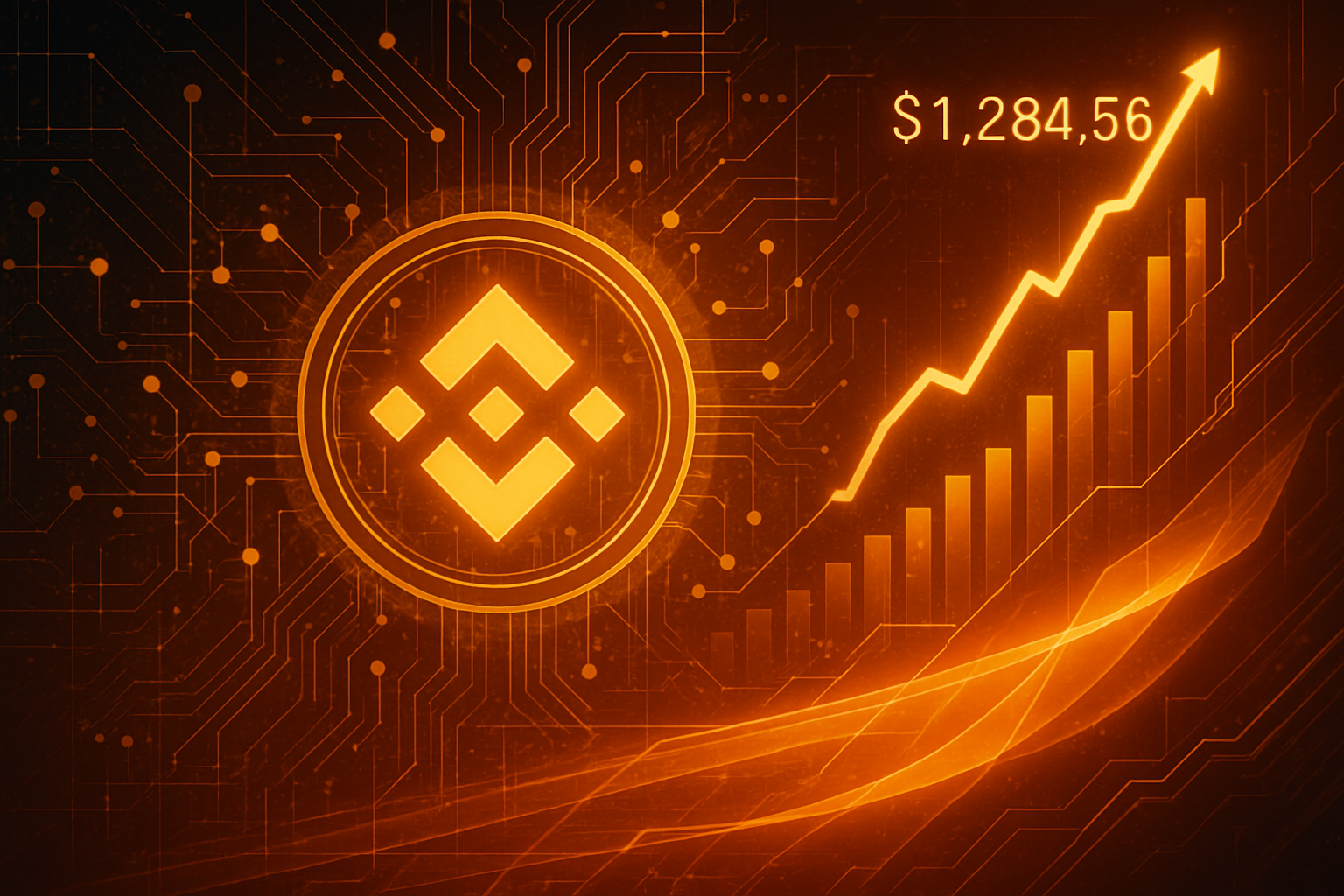
  • BNB Soars Past $1,200, Marking a New Era for Exchange Tokens and Altcoins

    BNB Soars Past $1,200, Marking a New Era for Exchange Tokens and Altcoins

    October 7, 2025 – In a monumental display of bullish market momentum, Binance Coin (BNB), the native cryptocurrency of the Binance ecosystem, has shattered previous records, surging past the $1,200 mark to establish a new all-time high. This significant milestone, with prices observed between $1,220 and $1,257 and peaks reported as high as $1,242.67 on October 6, 2025, underscores a robust resurgence in the altcoin market and solidifies BNB's pivotal role within the broader crypto landscape. The breaking of this psychological barrier has ignited widespread excitement across the crypto community, signaling renewed investor confidence and potentially ushering in a new phase of growth for digital assets.

    This unprecedented rally for BNB is not an isolated event but rather a culmination of several powerful market forces, including a favorable macroeconomic environment, increasing institutional adoption, and the relentless expansion of the Binance ecosystem. As BNB continues its upward trajectory, its performance serves as a key indicator for the health and direction of the altcoin market, validating the value proposition of utility-driven tokens and highlighting the growing maturity of the Web3 space.

    Market Impact and Price Action

    The ascent of BNB above $1,200 has sent ripples throughout the cryptocurrency market, demonstrating remarkable resilience and attracting substantial capital inflows. Following its previous all-time high of $1,099.22 on October 1, 2025, BNB decisively broke the $1,200 resistance, triggering a cascade of new long positions and pushing the token into uncharted price territory. This surge has been accompanied by heightened trading volumes, reflecting strong investor engagement and significant buying pressure across major exchanges.

    Technically, BNB exhibits a profoundly bullish structure on its charts, consistently forming higher highs and higher lows since late September 2025. The price is comfortably trading above key moving averages—the 50, 100, and 200-day moving averages—with the shorter-term averages positioned above the longer-term ones, a classic indicator of a powerful uptrend. Analysts are now eyeing potential resistance levels between $1,220 and $1,250, with a strong possibility of pushing towards $1,300 if momentum persists. Previous resistance levels are now expected to act as robust support, reinforcing the current price floor. While the Relative Strength Index (RSI) on daily and weekly charts indicates overbought conditions, such elevated readings can be sustained during strong, conviction-driven bullish trends. Fibonacci extension levels suggest potential future targets around $1,455 and $1,640, hinting at further upside if the current rally maintains its vigor.

    This current market dynamic draws parallels to past altcoin seasons where a strong Bitcoin (BTC) rally—which has seen BTC climb above $125,000—often precedes a significant altcoin surge. Bitcoin's performance typically injects liquidity and confidence into the market, which then rotates into altcoins, leading to substantial gains. BNB's current breakout signifies that this "altcoin season" is now in full swing, validating the market's appetite for established, utility-rich digital assets.

    Community and Ecosystem Response

    The crypto community's reaction to BNB's historic price surge has been overwhelmingly positive, characterized by widespread excitement and a palpable sense of FOMO (Fear Of Missing Out). Social media platforms, particularly Crypto Twitter and Reddit, are abuzz with celebratory messages, in-depth analyses, and enthusiastic price predictions. Hashtags such as #BNBATH, #BinanceCoin, and #BNB1200 are reportedly trending, reflecting the widespread interest and engagement this milestone has generated. Crypto influencers and thought leaders are actively discussing the implications of BNB's performance, with many highlighting the token's robust ecosystem and deflationary tokenomics as key drivers.

    Beyond social media, the effects of BNB's rally are reverberating through its extensive ecosystem. Related DeFi protocols built on the BNB Chain (BSC) are experiencing increased activity, as lower transaction fees and faster processing times continue to attract users and developers. NFT projects leveraging BSC are also seeing renewed interest, benefiting from the heightened visibility and liquidity within the broader Binance ecosystem. This surge reinforces the strong network effect of Binance's offerings, from its centralized exchange services to its decentralized blockchain infrastructure, further integrating BNB into the fabric of Web3 applications and fostering greater adoption. The overall sentiment across these platforms is one of optimism, with many believing that BNB's success will catalyze growth across the entire BNB Chain ecosystem.

    What's Next for Crypto

    The breaking of the $1,200 barrier by BNB carries significant short-term and long-term implications for the entire cryptocurrency market. In the short term, BNB's continued bullish momentum could further fuel the ongoing altcoin season, encouraging capital rotation from Bitcoin and stablecoins into other promising altcoins. Analysts suggest near-term targets for BNB could range between $1,300 and $1,400, contingent on sustained market stability and the continued adoption of BNB Chain applications.

    Looking further ahead, BNB's trajectory past $1,200 reinforces the growing importance of ecosystem-backed tokens and the underlying utility they provide. Potential catalysts to watch include further advancements in Binance's Web3 initiatives, such as blockchain gaming, metaverse projects, and social tokens, which could unlock new avenues for BNB utility. Continued innovation in Layer 2 solutions and cross-chain interoperability within the BNB Chain are also expected to bolster its adoption. Strategic considerations for projects and investors should focus on the ongoing development within the Binance ecosystem, as its expansion directly correlates with BNB's intrinsic value. Possible scenarios include BNB becoming a dominant force in the decentralized application space, potentially reaching long-term projections of $2,000 or more by 2030, provided Binance maintains its leadership and navigates regulatory landscapes effectively. However, potential challenges such as increased regulatory scrutiny and market volatility remain factors that could impact its future growth.

    Bottom Line

    BNB's historic climb past $1,200 is a testament to the enduring strength and expanding utility of the Binance ecosystem, offering key takeaways for crypto investors and enthusiasts. This milestone highlights the critical role of fundamental value, ecosystem growth, and deflationary tokenomics in driving significant price appreciation in the altcoin market. It underscores the importance of a robust and actively developing blockchain infrastructure, such as the BNB Chain, in fostering widespread adoption and utility.

    The long-term significance of this event lies in its validation of exchange-backed tokens as formidable assets capable of independent and sustained growth. It signals a maturing market where utility, community engagement, and strategic development play increasingly crucial roles. For crypto adoption, BNB's performance demonstrates the expanding reach and influence of centralized exchanges extending into decentralized finance and Web3, bridging traditional crypto users with innovative blockchain applications. Investors and enthusiasts should closely monitor key metrics such as BNB Chain's transaction volume, new dApp deployments, and ongoing token burn events, as these will continue to be vital indicators of BNB's future trajectory.

    This article is for informational purposes only and does not constitute financial or investment advice. Cryptocurrency investments carry significant risk.
  • Crypto Market Withers as Spot Trading Volumes Plunge in September 2024, Testing Binance’s Dominance

    Crypto Market Withers as Spot Trading Volumes Plunge in September 2024, Testing Binance’s Dominance

    The cryptocurrency market experienced a significant downturn in September 2024, as spot trading volumes across centralized exchanges plummeted to their lowest levels since June of the same year. This substantial contraction, with total volumes ranging between $1 trillion and $1.67 trillion, signaled a noticeable cooling in retail investor enthusiasm and a broader shift in market dynamics. The immediate aftermath saw a mixed bag of reactions, with Bitcoin (BTC) surprisingly defying its historical "Redtember" curse, while altcoins largely underperformed, and the derivatives market surged.

    This dramatic dip in trading activity is more than just a blip on the radar; it represents a crucial test for the market's leading players, particularly Binance (BNB:BNB), which saw its spot market share fall to levels not seen since January 2021. The decline underscores a maturing market grappling with macroeconomic uncertainties and evolving investor behavior, pushing exchanges to adapt to a landscape where institutional interest and leveraged strategies are gaining prominence over traditional spot trading. The implications ripple across the entire crypto ecosystem, impacting network revenues, DeFi protocols, and NFT markets, prompting a re-evaluation of current strategies and future outlooks.

    Market Impact and Price Action

    September 2024 proved to be a complex and, at times, counter-intuitive month for the cryptocurrency market. Despite a significant plunge in spot trading volumes, Bitcoin (BTC) remarkably defied its historical "Redtember" curse, exhibiting resilience and even posting gains. Opening the month around $57,317, BTC initially faced selling pressure, dipping below $54,000. However, a strong recovery ensued, pushing its price to close the month around $63,329, marking a robust 7.3% to 7.4% gain and briefly touching $66,000. This unexpected performance was largely attributed to positive inflation data and a 50-basis-point interest rate cut by the U.S. Federal Reserve, alongside China's stimulus measures.

    In contrast, Ethereum (ETH) showed positive but comparatively subdued performance. Starting around $2,427, ETH experienced significant volatility, including a "Black Monday" period that saw a sharp 40% drop from a peak of approximately $3,600 down to $2,100. Despite this early turbulence and underperformance relative to Bitcoin (with the ETH/BTC pair hitting a three-and-a-half-year low), Ethereum managed to close September around $2,659, registering a gain of 3.2% to 5.22%. Altcoins, in general, underperformed relative to Bitcoin, with Solana (SOL) notably dropping by 24.4% in early September.

    The overall market witnessed a sharp contraction in spot trading volumes, plummeting to $1.67 trillion, the lowest monthly figure since June 2024, or even below $1 trillion by some reports. This represented a substantial decline from the $2.44 trillion peak in March 2024. Binance (BNB:BNB) bore the brunt of this decline, with its spot trading volume dropping a staggering 22.9% to $344 billion, its lowest since November 2023. Consequently, Binance's spot market share fell to 27%, the lowest since January 2021. While on-chain liquidity, as measured by stablecoin market capitalization, increased by $3 billion in September, average daily stablecoin transfer volumes decreased, reflecting the broader slowdown. Interestingly, spot Bitcoin ETFs, after a challenging August, saw a rebound with over $1 billion in inflows, while Ethereum ETFs faced significant redemptions.

    Technically, Bitcoin traded sideways in a broad range from $56,000 to $65,000 in early September, struggling under selling pressure. Key support levels were identified around $56,000 and $52,500, with resistance at $66,500. By late September, BTC was in a consolidation phase, forming an "expanding wedge" pattern. Ethereum, after its sharp drop, found key support around $2,100, with resistance around $2,800 and $3,200. ETH also fell below its 50 and 200-day moving averages, indicating bearish short-term momentum, though its RSI showed mild bullishness by mid-month. Historically, September has been challenging for crypto, with Bitcoin declining in 72.73% of past Septembers. The September 2024 rally for Bitcoin, therefore, marked a significant deviation from this "Redtember" trend, highlighting evolving market dynamics possibly driven by institutional interest and macroeconomic factors.

    Community and Ecosystem Response

    The significant downturn in September 2024 sparked a predictable, yet intense, reaction across the crypto community and its broader ecosystem. On platforms like Crypto Twitter and Reddit, the initial sentiment was a mix of panic and FUD (Fear, Uncertainty, Doubt), as users shared charts reflecting losses and sought explanations for the sudden market contraction. Discussions often veered into identifying culprits, ranging from macroeconomic headwinds to perceived whale manipulation, while a polarized debate emerged between those advocating to "buy the dip" and those issuing dire warnings of further declines.

    The specific decline in Binance's (BNB:BNB) market share fueled extensive discussion. Community members questioned the reasons behind this erosion of dominance, speculating on regulatory pressures, the rise of new competitors like Crypto.com (CRO:CRO) and Bullish, or even internal operational shifts. While some expressed concerns about the long-term stability of centralized exchanges, others used the opportunity to advocate for greater decentralization and self-custody. Crypto influencers and thought leaders offered varied reactions, with some attempting to reassure their followers about the long-term potential of the space, emphasizing fundamental value and the "HODL" mentality, while others advised caution and strategic de-risking. The shift towards derivatives and institutional products was also a recurring theme in expert commentary, highlighting a maturing market.

    The impact of the volume plunge extended deeply into related DeFi protocols, NFT projects, and Web3 applications. Decentralized Finance (DeFi) protocols experienced a notable decline in Total Value Locked (TVL) as asset prices fell, leading to concerns about potential liquidation cascades and reduced liquidity for decentralized exchanges (DEXs). The NFT market saw floor prices plummet and trading volumes decrease significantly, pushing projects to emphasize utility and community over speculative value. For Web3 applications, user engagement often waned as token incentives lost value, and startups faced increased challenges in securing funding. This period served as a stress test for the resilience of various blockchain infrastructures, with monolithic blockchains like Sui outperforming, while some Layer 2 solutions like Polygon (MATIC:MATIC) lagged, demonstrating varying levels of robustness in a contracting market.

    What's Next for Crypto

    The events of September 2024, marked by a significant plunge in spot trading volumes and a notable shift in Binance's (BNB:BNB) market dominance, carry profound short-term and long-term implications for the cryptocurrency market. In the immediate aftermath, while Bitcoin (BTC) demonstrated surprising resilience, the broader market showed a clear pivot towards derivatives and institutional investment products. This indicates a maturing market where sophisticated strategies are gaining ground over purely speculative retail spot trading. The rebound in spot Bitcoin ETF inflows further underscores this trend, suggesting that regulated investment vehicles will play an increasingly vital role in attracting capital.

    Looking ahead, the long-term trajectory of the crypto market will be heavily influenced by the evolving regulatory landscape and continued institutional adoption. The full operationalization of the EU's MiCA (Markets in Crypto Assets) regulation in December 2024 sets a global precedent for comprehensive oversight, while potential shifts in U.S. regulatory frameworks post-2024 election could either foster or hinder innovation. The growing interest from institutions, with many planning to increase digital asset allocations in the coming years, points towards a sustained integration of crypto into traditional finance. This maturation suggests that future growth will likely be driven by utility, robust technology, and compliance, rather than solely by speculative fervor.

    Several catalysts and developments bear watching. Macroeconomic factors, particularly central bank interest rate decisions, will significantly impact market liquidity, with cuts generally expected to provide a tailwind. Ongoing technological advancements, such as Ethereum's (ETH:ETH) Dencun (March 2024) and Pectra (Q2 2025) upgrades, alongside the growth of Layer 2 solutions and the tokenization of real-world assets (RWAs), promise to enhance scalability and introduce new use cases. The continued evolution of institutional products, including the expansion of spot ETFs, will further cement crypto's position in global finance. The Bitcoin Halving in April 2024 also serves as a crucial supply-side event that could influence price dynamics.

    For crypto projects, the strategic imperative is clear: focus on real-world utility, strong fundamentals, and proactive regulatory compliance. Effective treasury management and diversification of exchange listings will also be crucial for navigating volatility and reducing reliance on any single platform. Investors, on the other hand, are advised to adopt a long-term perspective, employ risk management strategies like dollar-cost averaging (DCA), and diversify their portfolios. The shift towards stablecoins during uncertain periods and exploring passive income opportunities through staking or DeFi yield farming can also help preserve capital and generate returns.

    Possible scenarios for the market include a gradual recovery and maturation (high likelihood), driven by institutional inflows and regulatory clarity, potentially leading to new all-time highs for Bitcoin and Ethereum by late 2025/early 2026. A scenario of increased regulatory scrutiny leading to a more centralized, compliant exchange landscape also holds medium likelihood, as evidenced by Binance's challenges. Conversely, a prolonged bear market or stagnation, while less likely given current institutional trends, remains a possibility if macroeconomic headwinds persist. An accelerated shift towards decentralized finance (DeFi) is another medium-likelihood scenario, especially if centralized entities continue to face significant issues, pushing users towards the core ethos of crypto.

    Bottom Line

    The September 2024 market contraction, characterized by a significant plunge in spot trading volumes and a notable shift in Binance's (BNB:BNB) market share, serves as a crucial inflection point rather than a fundamental setback for the crypto ecosystem. While retail trading activity experienced a lull, the underlying narrative points towards a maturing market, increasingly integrated with traditional finance and driven by institutional participation. Bitcoin's (BTC) unexpected resilience during this period, defying historical "Redtember" trends, underscored its growing stability and decoupling from broader altcoin volatility, influenced by favorable macroeconomic conditions.

    The long-term significance of these events for crypto adoption is overwhelmingly positive. The regulatory actions against Binance, while challenging for the exchange, highlight a global push for clarity and compliance, which is a prerequisite for greater institutional trust and mainstream acceptance. The continued integration of crypto into traditional finance through instruments like spot Bitcoin and Ethereum (ETH:ETH) ETFs, alongside developments like PayPal (NASDAQ:PYPL) enabling crypto payments and Mastercard (NYSE:MA) expanding its crypto card programs, demonstrates a sustained path toward broader utility and legitimacy. This period, therefore, should be viewed as a natural phase of market evolution, weeding out purely speculative excesses and solidifying the foundations for sustainable growth.

    The future of crypto appears to be one of dual narratives: relentless innovation driving real-world utility, coupled with an ongoing process of regulatory integration and institutionalization. This will likely lead to a more diversified and competitive exchange landscape, less reliant on a single dominant player, and a more resilient asset class. While short-term fluctuations will undoubtedly persist, the fundamental drivers for crypto adoption, particularly institutional engagement and the expansion of practical applications, remain robust and are being bolstered by an increasingly clearer regulatory environment.

    For investors and enthusiasts, key takeaways include the importance of adopting a long-term perspective, practicing diligent risk management through strategies like dollar-cost averaging, and diversifying portfolios. Staying informed about regulatory developments, central bank monetary policies, and institutional investment flows will be paramount. Metrics such as active addresses, on-chain transaction volumes, Total Value Locked (TVL) in DeFi, and stablecoin capitalization will offer insights into network health and market liquidity. Ultimately, the September 2024 events reinforce that the crypto market is evolving into a more sophisticated and integral component of the global financial landscape.

    This article is for informational purposes only and does not constitute financial or investment advice. Cryptocurrency investments carry significant risk.

  • Crypto Under Scrutiny: High-Profile Fraud Allegations Rock Investor Trust

    Crypto Under Scrutiny: High-Profile Fraud Allegations Rock Investor Trust

    The cryptocurrency world is once again grappling with significant fraud allegations, casting a shadow over investor confidence and intensifying calls for stricter oversight. As of October 7, 2025, two prominent cases have captured headlines: a formal investigation launched by Vietnamese authorities into the AntEx project, linked to NextTech chairman Nguyen Hoa Binh, and a multi-crore crypto fraud case in India allegedly involving celebrity hairstylist Jawed Habib and his son. These unfolding sagas highlight the persistent challenges of scams and illicit activities within the digital asset ecosystem, underscoring the critical need for due diligence and robust regulatory frameworks.

    The AntEx project, envisioned as a "Make in Vietnam" blockchain ecosystem, saw its token collapse by 99% in late 2021, followed by a rebrand to Rabbit (RAB) in March 2023, which also plummeted by 95%. NextTech chairman Nguyen Hoa Binh, a strategic advisor and $2.5 million investor, initially lauded the project but now claims to be a victim, accusing the CTO of a "rug-pull." However, Vietnamese police have launched an official investigation, with reports on October 7, 2025, indicating a raid on NextTech Group's headquarters. Simultaneously, in India, complaints lodged in September 2025 led to a fraud case being registered against Jawed Habib, his son Anas Habib, and others. They are accused of luring over 150 investors with promises of 50-75% annual returns on crypto investments through Follicle Global Company (FLC), only for the company to allegedly abscond with funds estimated between Rs 5-7 crore. These events, unfolding right around the current date, serve as a stark reminder of the risks inherent in the largely unregulated corners of the crypto market and the urgent need for investor protection.

    Market Impact and Price Action

    The immediate market reaction to these specific fraud cases is primarily localized to the affected projects and their direct investors, rather than causing a widespread downturn in major cryptocurrencies like Bitcoin or Ethereum. However, the cumulative effect of such high-profile incidents undoubtedly contributes to a broader sentiment of caution and skepticism among potential new entrants and existing investors.

    In the case of the AntEx project, the "price action" was catastrophic. The original AntEx (ANTX) token, launched in September 2021, experienced a near-total collapse, losing 99% of its value shortly after its listing. This dramatic devaluation effectively wiped out investor holdings. The subsequent rebranding to Rabbit (RAB) in March 2023, intended to "reset" its trading history, offered no solace, as the RAB token also plummeted by 95% from its peak. This represents a complete loss of liquidity and trading volume for these specific tokens, a classic characteristic of a "rug-pull" where developers abandon a project after raising funds, leaving investors with worthless assets. Unlike a typical market correction, this is a direct asset destruction event, rendering technical analysis irrelevant as there are no meaningful support or resistance levels for a project that has effectively ceased to exist or has been compromised.

    The Jawed Habib alleged crypto fraud, while equally devastating for its victims, differs in its mechanism. Here, the "price action" isn't about a publicly traded token's collapse on an exchange, but rather the direct theft or disappearance of invested funds. Investors were promised unrealistic returns on investments in established cryptocurrencies like Bitcoin and Binance Coin, but their capital was allegedly diverted and absconded with. This type of fraud, often resembling a Ponzi scheme, directly impacts the personal finances of individual investors rather than influencing the market cap or trading volume of widely recognized digital assets. The impact here is a direct financial loss, with no secondary market for the "investment" itself.

    Comparatively, these incidents echo numerous past crypto fraud cases, from multi-billion dollar Ponzi schemes like PlusToken and OneCoin to countless smaller rug-pulls in the DeFi and NFT spaces. Each new exposé reinforces the narrative of a nascent market ripe for exploitation, especially for those seeking quick, unrealistic gains. While major market indices may shrug off individual project failures, a consistent stream of such news erodes the foundational trust necessary for broader institutional and retail adoption. The current date of October 7, 2025, sees these investigations intensifying, which could lead to further market trepidation, particularly in regions directly affected by the frauds.

    Community and Ecosystem Response

    The crypto community's response to these fraud allegations is a mix of frustration, calls for accountability, and renewed warnings about the perils of unregulated investments. On social media platforms like X (formerly Twitter) and Reddit, sentiment is largely negative, expressing anger towards the alleged perpetrators and sympathy for the victims. Discussions often revolve around the recurring nature of such scams and the perceived lack of robust protection for retail investors. Many long-time crypto enthusiasts express exasperation that despite years of warnings about "doing your own research" (DYOR) and avoiding projects promising unrealistic returns, new investors continue to fall prey to fraudulent schemes, often lured by celebrity endorsements or prominent figures.

    Crypto influencers and thought leaders have largely used these incidents as cautionary tales. Many are reiterating the importance of fundamental analysis, scrutinizing project teams, understanding tokenomics, and being wary of any investment guaranteeing excessively high, risk-free returns. There's a strong sentiment that high-profile figures, whether a tech chairman or a celebrity hairstylist, lending their name to crypto projects without proper due diligence or understanding of the underlying technology, carry a significant ethical responsibility. The community is increasingly demanding greater transparency from projects and more accountability from individuals who promote them.

    While these specific fraud cases (AntEx and Jawed Habib) do not appear to have direct, immediate effects on major DeFi protocols, NFT projects, or Web3 applications, they contribute to a broader atmosphere of caution. The continuous stream of negative news related to scams and illicit activities can deter mainstream adoption and make it harder for legitimate projects to gain trust and attract investment. Broader crypto Twitter and Reddit sentiment reflects a growing impatience with the "wild west" narrative of crypto and a desire for more mature, secure, and regulated environments. There's a noticeable shift towards advocating for clearer regulatory guidelines and enforcement to protect consumers, even if it means sacrificing some of the perceived decentralization or anonymity. The ongoing investigations, particularly with law enforcement involvement in Vietnam and India as of October 7, 2025, are being closely watched as potential precedents for future actions against crypto fraud.

    What's Next for Crypto

    The unfolding fraud cases involving AntEx and Jawed Habib are poised to have significant short and long-term implications for the crypto market, primarily by intensifying the regulatory spotlight and reshaping investor behavior. In the short term, these high-profile investigations, particularly with the involvement of national police forces in Vietnam and India, will likely lead to increased scrutiny of crypto projects, especially those promoted by prominent individuals or promising unrealistic returns. This could result in a temporary chilling effect on new retail investment, as caution prevails. For the broader market, it adds to the narrative of risk, which might slow down institutional adoption or push for more regulated investment vehicles.

    In the long term, these incidents serve as potent catalysts for regulatory developments. Governments worldwide are already grappling with how to regulate the decentralized nature of cryptocurrencies. Cases like AntEx, involving alleged rug-pulls and the disappearance of project teams, and the Jawed Habib case, which appears to be a direct investment fraud, provide concrete examples of the harms that current regulatory gaps enable. We can anticipate stronger calls for comprehensive regulatory frameworks, potentially including stricter Know Your Customer (KYC) and Anti-Money Laundering (AML) requirements for crypto platforms, enhanced investor protection laws, and clear guidelines for celebrity or influencer endorsements in the crypto space. Jurisdictions like Vietnam and India, where these frauds are being investigated, may lead the charge in implementing more stringent domestic regulations.

    Potential catalysts or developments to watch include the outcomes of the ongoing investigations. If convictions are secured and stolen funds are recovered, it could instill a degree of confidence that justice can be served in the crypto space. Conversely, if the perpetrators evade justice, it could further erode trust. We should also monitor legislative proposals in key global financial centers. Strategic considerations for projects and investors are clear: legitimate projects must prioritize transparency, build strong communities, and adhere to best practices to differentiate themselves from fraudulent schemes. Investors, on their part, must elevate their due diligence, focusing on project fundamentals, team credibility, and realistic return expectations, rather than hype or celebrity endorsements.

    Possible scenarios include a bifurcation of the crypto market: a more regulated, institutional-friendly segment with strong compliance, and a riskier, less regulated segment. The likelihood of increased government intervention and international cooperation to combat cross-border crypto fraud is high, especially as these cases highlight the global nature of digital assets. As of October 7, 2025, the trajectory points towards a more regulated and mature crypto ecosystem, albeit one shaped by the painful lessons of past and ongoing frauds.

    Bottom Line

    The recent allegations of cryptocurrency fraud, particularly the AntEx project investigation in Vietnam and the Jawed Habib case in India, serve as a stark and timely reminder of the inherent risks within the digital asset landscape. For crypto investors and enthusiasts, the key takeaway is unequivocal: due diligence is paramount. The allure of high returns and the perceived credibility lent by prominent individuals or celebrities must always be met with rigorous skepticism and independent verification. These incidents underscore that the promise of decentralization does not equate to immunity from traditional financial crimes like fraud and theft.

    The long-term significance of these events lies in their contribution to the ongoing maturation of the crypto industry. While each fraud erodes investor trust in the short term, it also fuels the imperative for greater transparency, accountability, and regulatory clarity. The involvement of law enforcement in both cases, with investigations actively progressing as of October 7, 2025, signals a growing capacity and willingness of authorities to tackle crypto-related crimes. This is a crucial step towards establishing a more secure environment, even if it means a slower pace of adoption for cautious participants.

    Ultimately, what this means for crypto adoption is a complex picture. For the retail investor, these stories will likely reinforce a perception of risk, potentially slowing down new entrants who are less familiar with the space. However, for the industry as a whole, it presents an opportunity to self-regulate more effectively, foster legitimate innovation, and collaborate with regulators to build robust frameworks that protect consumers without stifling technological advancement.

    Important dates, events, or metrics to monitor include the progress and outcomes of the investigations into NextTech's AntEx project and Jawed Habib's alleged involvement. Any arrests, prosecutions, or recovery of funds will be significant indicators of the effectiveness of current legal and regulatory mechanisms. Additionally, watch for new legislative proposals or enforcement actions by regulatory bodies in Vietnam, India, and other major jurisdictions, as these will shape the future landscape of crypto investment and consumer protection.

    This article is for informational purposes only and does not constitute financial or investment advice. Cryptocurrency investments carry significant risk.

  • India’s Stance on Crypto Solidifies: Goyal Signals Caution on Private Assets, Pushes RBI Digital Rupee

    India’s Stance on Crypto Solidifies: Goyal Signals Caution on Private Assets, Pushes RBI Digital Rupee

    NEW DELHI, India – October 6, 2025 – Union Minister Piyush Goyal has delivered a definitive statement regarding India's evolving approach to the burgeoning cryptocurrency landscape, emphasizing a cautious stance on private digital assets while affirming the nation's commitment to an RBI-backed digital currency. Speaking during a recent roundtable visit to Doha, Qatar, Goyal underscored that India does not encourage cryptocurrencies lacking sovereign or asset backing, clarifying that while there is no outright ban, such assets are subject to heavy taxation, placing the onus of risk squarely on investors. This pronouncement, coming as it does from a key figure in the Indian government around October 6-7, 2025, provides crucial insight into the future regulatory trajectory of crypto in one of the world's largest economies.

    The immediate market reaction to Goyal's statements is still unfolding but is expected to reinforce existing sentiment within the Indian crypto community. The clarity on heavy taxation, rather than an outright ban, might offer a semblance of stability, albeit within a restrictive framework. This development is significant for the global crypto ecosystem, as India's regulatory decisions often set precedents or influence discussions in other major economies grappling with similar challenges of digital asset integration and oversight. The government's dual approach – discouraging private, unregulated crypto while actively developing its own central bank digital currency (CBDC) – highlights a strategic effort to harness blockchain technology's benefits within a controlled, sovereign framework.

    Market Impact and Price Action

    Union Minister Piyush Goyal's recent pronouncements, echoing India's long-held skepticism towards private cryptocurrencies, are expected to solidify existing market trends rather than trigger dramatic new shifts. While the statements, delivered around October 6-7, 2025, are still fresh, the reinforcement of a cautious stance and heavy taxation is generally perceived negatively by the private crypto market. Historically, similar regulatory signals from India have led to significant market reactions. For instance, reports of a potential crypto ban in March 2021 saw Bitcoin's (BTC) price dip by several thousand dollars within hours, and the implementation of a 30% tax on gains and a 1% Tax Deducted at Source (TDS) in 2022 resulted in an approximate 80% decrease in trading volume on major Indian exchanges like SunCrypto, WazirX, and CoinDCX.

    The current reiteration of these policies suggests that major cryptocurrencies such as Bitcoin and Ethereum (ETH) are unlikely to see a positive surge within the Indian market due to this news. Instead, the statements could exert continued downward pressure or hinder any potential upward momentum. India-specific tokens, if they lack RBI backing, would likely face similar or even greater negative sentiment, as the government explicitly discourages unbacked digital assets. Trading volumes on Indian exchanges, which have already seen a substantial migration to overseas platforms in response to the stringent tax regime, are unlikely to recover and may even experience further stagnation or decline for private cryptocurrencies.

    Technical analysis in the wake of such regulatory clarity (or lack thereof, from a private crypto perspective) often shows increased resistance levels for major assets in the Indian market, as local investors face higher hurdles to participation. The continuous push for an RBI-backed digital currency (e₹) by the Indian government further contrasts with the private crypto space, positioning the CBDC as the preferred, sovereign-backed alternative. This bifurcated approach means that while the global crypto market might absorb India's stance without major tremors, the domestic Indian market for private digital assets will likely continue to operate under a cloud of fiscal disincentives, with investors increasingly seeking offshore avenues or turning their attention to the upcoming e₹.

    Community and Ecosystem Response

    Union Minister Piyush Goyal's recent statements around October 6-7, 2025, while consistent with India's long-standing cautious approach, have continued to elicit a mixed, yet largely frustrated, reaction from the vibrant Indian crypto community. With India boasting an estimated 119 million crypto owners, the reiterated stance on heavy taxation—a 30% capital gains tax and a 1% Tax Deducted at Source (TDS)—remains a significant point of contention. Social media platforms like Crypto Twitter and Reddit's r/CryptoIndia are abuzz with discussions reflecting a deep-seated frustration over the high tax burden and the persistent regulatory uncertainty, which many believe stifles domestic innovation and investment.

    The community's sentiment towards the government's strong push for an RBI-backed digital currency (CBDC) is often characterized by skepticism. While the government champions the e₹ for its traceability and efficiency, many crypto enthusiasts view CBDCs with apprehension regarding privacy and decentralization, preferring the fundamental tenets of blockchain technology. This divergence is leading some users to actively seek alternatives, such as investing in US stocks with exposure to Bitcoin mining or prioritizing self-custody solutions like hardware wallets, as a means to navigate the restrictive domestic environment. Finance Minister Nirmala Sitharaman's recent acknowledgment of the "inevitability of engaging with stablecoins" has offered a glimmer of cautious hope for some regulatory clarity, though the specifics of such a framework remain eagerly anticipated.

    Industry leaders and experts continue to advocate for a more nuanced and innovation-friendly regulatory framework for private cryptocurrencies. They argue that the current approach risks hindering India's burgeoning Web3 ecosystem, potentially leading to a "brain drain" as talent and projects seek more crypto-friendly jurisdictions. Despite these challenges, India's Web3 sector, particularly in hubs like Bengaluru, continues to attract significant venture capital funding and boasts a rapidly growing developer base, focusing on areas like DeFi, real-world assets (RWAs), and staking solutions. This resilience underscores a community determined to build and innovate, even as it navigates the tightrope between compliance and the pursuit of decentralized ideals. The upcoming India Blockchain Week 2025 in December is expected to be a critical forum for further discussions on these regulatory developments.

    What's Next for Crypto

    Union Minister Piyush Goyal's recent statements, delivered around October 6-7, 2025, during his visit to Doha, Qatar, unequivocally signal India's ongoing dual strategy: maintaining a cautious, heavily taxed environment for private cryptocurrencies while aggressively pushing for its own sovereign digital currency. This approach has significant short and long-term implications for the crypto market in India.

    In the short term, the market can expect continued regulatory uncertainty for private, unbacked cryptocurrencies. While Goyal clarified there's "no outright ban," the emphasis on "heavy taxation" (30% on gains, 1% TDS) reinforces the government's revenue-generating and discouragement strategy, making speculative trading less appealing. This will likely keep trading volumes on Indian exchanges subdued for private crypto assets. Conversely, the explicit push for the RBI-backed digital currency (e₹) will accelerate its development and adoption, expanding its pilot projects and use cases, including features like offline payments and programmability. Market sentiment for private crypto will likely remain cautious, with a continued focus on compliance and regulated entities.

    Looking at the long term, India's digital currency is poised to become a significant component of its financial system, potentially transforming payment infrastructure with its secure, traceable, and efficient nature. Private cryptocurrencies may persist in a legally ambiguous but taxed niche, catering to a smaller, more risk-tolerant investor segment. India appears to be moving towards a "walled garden" approach, where approved blockchain applications and potentially regulated digital assets (like stablecoins, as hinted by Finance Minister Sitharaman) are integrated, while truly decentralized and unregulated private cryptocurrencies remain outside the formal financial system. This strategy aims to mitigate systemic financial risks and bolster the internationalization of the Rupee.

    Potential catalysts to watch include the eventual introduction of a more detailed Crypto Bill or specific regulations that classify cryptocurrencies as digital assets under existing laws like FEMA, providing much-needed legal clarity beyond just taxation. The expansion and success of the e₹'s use cases, particularly in cross-border payments, will be crucial. India's alignment with emerging global regulatory consensus, especially concerning stablecoins and DeFi, could also prompt policy adjustments. Judicial interventions or significant technological advancements that address government concerns about private crypto could also influence future policy.

    For crypto projects, strategic considerations include focusing on CBDC compatibility, ensuring stringent regulatory compliance (AML/KYC), developing utility-driven solutions over purely speculative assets, and engaging in continuous education and advocacy with policymakers. Investors must prioritize thorough risk assessment given the high regulatory risk and taxation, ensure meticulous tax compliance, consider portfolio diversification, and familiarize themselves with the e₹ as a government-backed digital asset.

    Several scenarios are possible. The most likely is a continuation of the "cautious but tolerant" stance, where private crypto is taxed but not banned, and the CBDC is actively promoted. A medium likelihood scenario involves partial legalization and regulation of select private cryptocurrencies, such as asset-backed stablecoins, aligning with global trends. An outright ban on private cryptocurrencies has a low likelihood, given the current "no ban" rhetoric. Finally, full integration and innovation across all crypto types remains a very low likelihood in the short term, though it could evolve in the long term with significant global and domestic shifts.

    Bottom Line

    Union Minister Piyush Goyal's statements around October 6-7, 2025, offer clear takeaways for crypto investors and enthusiasts: India is firmly committed to a sovereign-controlled digital financial future, with the RBI-backed Digital Rupee at its core. Private cryptocurrencies, while not outright banned, will continue to operate under a regime of "heavy taxation" (30% capital gains, 1% TDS) and regulatory skepticism, reflecting the government's deep-seated concerns about financial stability and the risks associated with unbacked digital assets. The recent crackdown on non-compliant offshore exchanges further underscores India's resolve to channel crypto activity through regulated, domestic channels.

    The long-term significance of India's stance lies in its prioritization of sovereign control and risk aversion. This approach aims to integrate blockchain technology within a centralized framework, potentially shaping a "walled garden" digital economy where approved applications and the CBDC thrive, while decentralized private crypto occupies a legally ambiguous niche. For crypto adoption, this means a challenging environment for private assets to gain mainstream transactional acceptance, but a strong push for the Digital Rupee. Despite these hurdles, India's resilient and growing investor base, driven by young, tech-savvy individuals, continues to engage with crypto, ranking first globally in adoption.

    Important metrics and events to monitor include the rollout and adoption rates of the Digital Rupee, any further legislative developments (e.g., a detailed Crypto Bill or formal classification of digital assets), and potential changes in the stringent taxation policy. Enforcement actions by the Financial Intelligence Unit (FIU-IND) against non-compliant platforms will continue to shape the operational landscape. Globally, India's alignment with emerging international crypto regulations, especially concerning stablecoins, could also signal future domestic policy shifts. Ultimately, India's path forward signals a future where digital finance is embraced, but with a strong preference for centrally controlled and regulated digital assets over their decentralized counterparts, forcing private crypto participation to adapt to a strict, high-tax, and compliance-focused environment.

    This article is for informational purposes only and does not constitute financial or investment advice. Cryptocurrency investments carry significant risk.