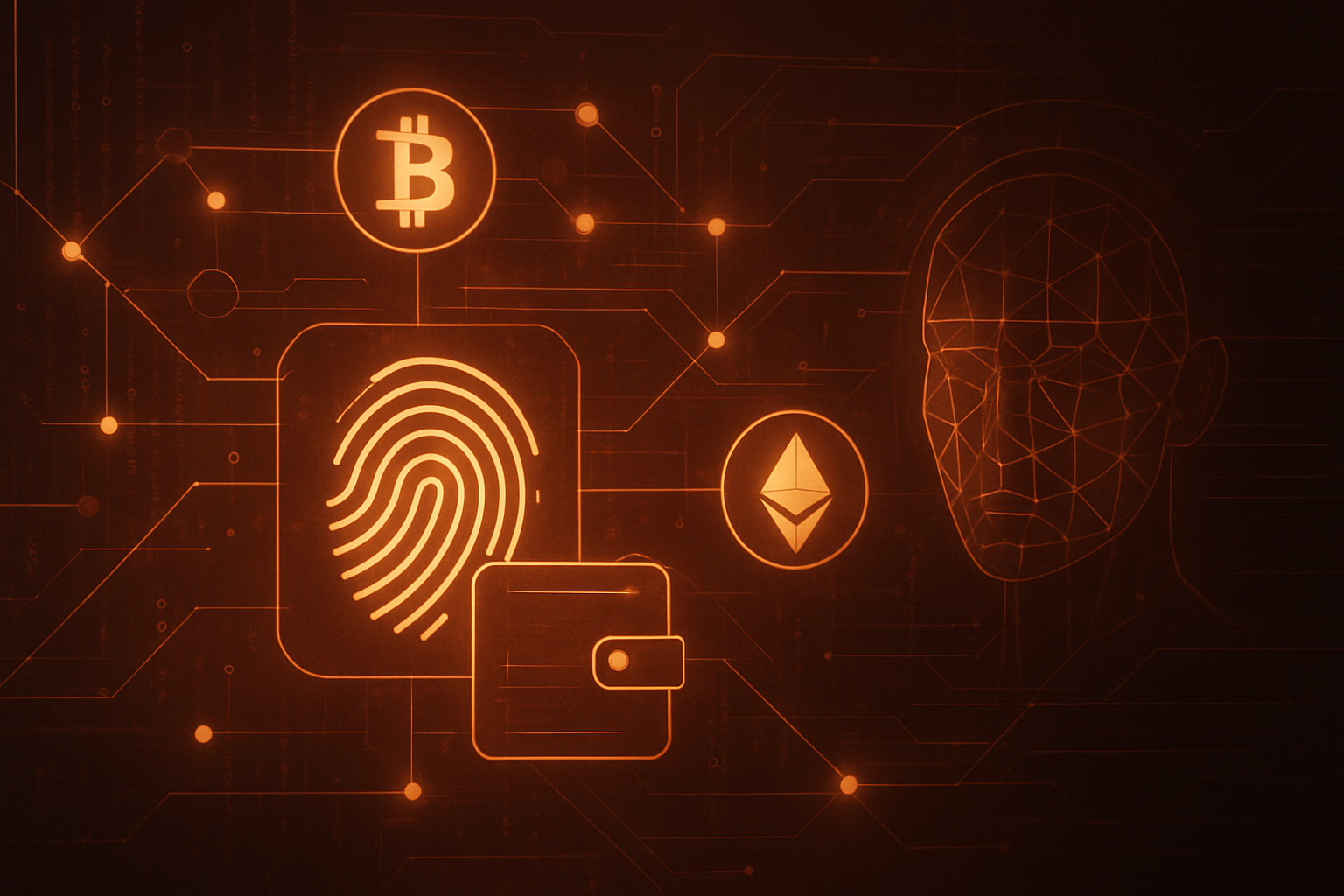
November 17, 2025 – The cryptocurrency ecosystem is witnessing a significant paradigm shift in how users secure their digital assets, with biometric security features rapidly becoming a cornerstone of modern crypto wallets. This burgeoning trend, accelerating through late 2025, sees innovative hardware and software solutions integrating advanced fingerprint, facial, iris, and even behavioral recognition technologies. These advancements are not merely incremental improvements but represent a fundamental re-evaluation of user authentication, aiming to mitigate the pervasive risks of hacking, phishing, and human error that have long plagued the space.
The immediate market and community response to these innovations has been overwhelmingly positive, albeit without dramatic short-term price fluctuations. Instead, the sentiment reflects a growing recognition that enhanced, user-friendly security is a critical prerequisite for mainstream cryptocurrency adoption. By simplifying access while simultaneously bolstering protection, biometric wallets are laying the groundwork for greater trust and broader participation in the decentralized economy. This evolution is crucial, as it directly addresses a core barrier to entry for many potential users who are deterred by the perceived complexity and security risks of managing private keys and seed phrases.
Market Impact and Foundational Shift
While biometric security innovations in crypto wallets do not typically trigger immediate, sharp price movements in specific tokens or the broader market, their long-term implications for market stability and investor confidence are profound. The integration of robust biometric authentication mechanisms serves as a foundational enhancement, reducing the systemic risk associated with individual user security breaches. This reduction in risk can foster a more secure environment for holding and transacting digital assets, potentially leading to increased investor confidence and a more stable market over time.
Improved security infrastructure, such as that offered by advanced biometrics, can indirectly contribute to higher trading volumes and enhanced liquidity as more users feel secure enough to enter the market and actively participate. By making crypto asset management less daunting and more secure, these innovations remove a significant psychological barrier. This contrasts sharply with past events, such as major exchange hacks or widespread phishing campaigns, which often led to immediate market downturns, reduced trading activity, and a significant erosion of trust. Biometric wallets aim to prevent such scenarios by securing the individual's access point, thereby strengthening the entire ecosystem from the ground up. The focus here is not on speculative price action but on building a resilient, trustworthy infrastructure that can support sustained growth and attract institutional capital, leading to a more mature and less volatile market in the long run.
Community and Ecosystem Response
Across social media platforms, crypto Twitter, and Reddit, the sentiment surrounding biometric security in cryptocurrency wallets is largely positive, with a strong emphasis on the dual benefits of convenience and enhanced protection. Crypto influencers and thought leaders are increasingly vocal about the necessity of user-friendly security solutions to propel mass adoption. Many see biometric integration as a crucial step in abstracting away the complexities of private key management, making crypto more accessible to a broader, less technically savvy audience.
This enthusiasm extends to the broader Web3 ecosystem. Enhanced wallet security is viewed as a fundamental enabler for the growth of Decentralized Finance (DeFi) protocols, Non-Fungible Token (NFT) projects, and other Web3 applications. A secure and intuitive wallet experience directly translates to a lower barrier for users to interact with smart contracts, participate in decentralized autonomous organizations (DAOs), and manage their digital identities. Projects integrating with decentralized identity (DID) systems, for instance, benefit immensely from biometric-secured wallets that can verify user identity without compromising privacy. However, discussions also highlight important considerations, particularly around the privacy implications of biometric data storage and the immutability of such data if compromised, spurring calls for zero-knowledge biometric systems and transparent data handling practices.
What's Next for Crypto
The trajectory for biometric security in cryptocurrency wallets points towards continued innovation and deeper integration into the core infrastructure of the Web3 economy. In the short term, we can expect to see a proliferation of multi-modal biometric solutions, combining fingerprint, facial, and even behavioral biometrics for even more robust authentication. There will also be a growing emphasis on privacy-preserving techniques, such as zero-knowledge biometric systems, which allow for verification without storing raw biometric data, addressing prevailing privacy concerns and potential regulatory scrutiny.
Looking further ahead, the widespread adoption of biometric wallets will act as a significant catalyst for mainstream crypto adoption. Regulatory clarity regarding the handling and storage of biometric data in financial contexts will be crucial, potentially leading to new industry standards. Further advancements in liveness detection technologies will be essential to counter increasingly sophisticated spoofing attempts. For projects, strategically integrating robust, privacy-first biometric solutions will become a competitive differentiator. Investors, meanwhile, should prioritize platforms and wallets that demonstrate a clear commitment to advanced security and user experience. Possible scenarios include a future where biometric authentication becomes the default for accessing digital assets, significantly reducing the attack surface for cybercriminals and solidifying crypto's position as a secure and accessible financial frontier.
Bottom Line
Biometric security features are not just an upgrade; they represent a fundamental shift in how cryptocurrency users interact with their digital assets, striking a critical balance between robust protection and unparalleled convenience. This innovation is paramount for driving the next wave of crypto adoption, transforming a once-intimidating landscape into a more accessible and secure environment for everyday users.
The long-term significance of this trend cannot be overstated. As cryptocurrencies mature into a mainstream financial system, the reliability and ease of secure access become non-negotiable. Biometric wallets are a cornerstone in this evolution, fostering trust and reducing friction, which are essential for attracting billions of new users and trillions in new capital. This means a future where managing digital wealth is as intuitive and secure as unlocking a smartphone. Key takeaways for crypto investors and enthusiasts include recognizing that security innovations are fundamental value drivers, even if they don't cause immediate price surges. Monitor the evolution of biometric standards, regulatory updates on data privacy (especially concerning biometric data), and the market share growth of wallets like D'Cent Biometric Wallet, SecuX Shield Bio, and Zengo, which are pioneering these advancements. These developments will be crucial indicators of crypto's ongoing journey towards global financial integration.
This article is for informational purposes only and does not constitute financial or investment advice. Cryptocurrency investments carry significant risk.