Tag: Crypto Mining

  • BlockDAG Soars with 20,000 Miners Sold and BWT Alpine F1® Partnership as Ethereum Eyes $5K

    The cryptocurrency landscape is buzzing with significant developments as BlockDAG, an emerging Layer-1 blockchain, celebrates the sale of over 20,000 mining units and seals a groundbreaking multi-year partnership with the prestigious BWT Alpine F1® Team. These milestones, largely announced and debuted in September 2025, coincide with a robust bullish sentiment surrounding Ethereum (ETH), which analysts and market participants increasingly expect to breach the $5,000 mark by year-end. This convergence of mainstream adoption through strategic partnerships and the sustained growth of established giants like Ethereum signals a maturing crypto ecosystem, attracting both retail enthusiasm and institutional capital.

    BlockDAG's strategic alliance with the BWT Alpine F1® Team, unveiled at an exclusive event in Singapore during the Token2049 conference and preceding the Formula 1 Singapore Grand Prix in September 2025, marks a historic moment as it becomes the first Layer-1 blockchain to partner with an official Formula 1® team. This partnership, coupled with the impressive distribution of its hardware miners and the widespread adoption of its X1 mobile mining app by 3 million users, underscores a tangible push towards real-world utility and mainstream visibility. Simultaneously, Ethereum's consistent technological advancements, deflationary economics, and the influx of institutional investment via newly approved Spot Ethereum ETFs are painting a clear picture of an asset poised for significant price appreciation, reinforcing confidence across the broader altcoin market.

    Market Impact and Price Action

    BlockDAG's aggressive market penetration is evident in its presale success, having raised over $410 million, with the token currently trading between $0.0013 and $0.0016 in its 30th batch. The projected listing price of $0.05 indicates substantial anticipated returns for early investors, driven by the strong demand for its mining hardware and the high-profile F1 partnership. This infrastructure-first approach, combined with a significant marketing push, positions BlockDAG as a formidable contender in the Layer-1 space.

    Meanwhile, Ethereum (ETH) is currently navigating the $4,100 to $4,300 range, having experienced an impressive surge of over 18% in the last 30 days. Despite a recent $1.7 billion liquidation event across futures exchanges, whale accumulation remains a dominant theme, with large holders adding approximately $1.73 billion worth of ETH to their balances in the past week alone. Technically, ETH holds strong above its 100-hourly Simple Moving Average and a critical bullish trend line at $4,100. Key resistance lies just below $4,530, with a decisive daily close above this level potentially clearing the path towards a Fibonacci target of $5,018. The Relative Strength Index (RSI) recently dipped into oversold territory (39.95), a condition that has historically preceded significant price rebounds for Ethereum. Furthermore, historical data indicates October as a typically strong month for ETH, averaging a 4.77% gain, fueling predictions for a bullish Q4 2025. The approval of Spot Ethereum ETFs in the US in July 2024 has been a game-changer, with these vehicles holding $20.11 billion in net assets by August 1, 2025, and record inflows observed recently, including $546.96 million on September 29, 2025. This institutional embrace, coupled with growing interest from financial giants like BlackRock (NYSE: BLK) and Morgan Stanley's (NYSE: MS) E*Trade, provides a robust foundation for Ethereum's ascent.

    Community and Ecosystem Response

    The crypto community has reacted with considerable excitement to BlockDAG's BWT Alpine F1® Team partnership. Social media platforms are abuzz with discussions highlighting the unprecedented mainstream visibility this brings to a Layer-1 blockchain. Influencers and thought leaders are praising BlockDAG's innovative hybrid DAG-PoW architecture, which promises to address scalability challenges while maintaining decentralization and security. The partnership is seen as a validation of BlockDAG's technological ambition, aligning its brand with the "speed, power, and innovation" synonymous with Formula 1®. The interactive fan zones and digital integrations planned with Alpine's RISE+ app are also generating significant buzz, promising novel engagement opportunities for crypto enthusiasts and F1 fans alike.

    On the Ethereum front, community sentiment is overwhelmingly positive, driven by the anticipation and successful implementation of key technological upgrades. The Dencun upgrade (March 2024) significantly improved Layer 2 scalability, while the Pectra upgrade (May 2025) enhanced staking capabilities. The highly anticipated Fusaka upgrade, scheduled for Q4 2025 or early 2026, is expected to tenfold increase network scalability and drastically reduce gas costs, further solidifying Ethereum's position as the backbone of decentralized finance (DeFi) and non-fungible tokens (NFTs). The "ultrasound money" narrative, fueled by Ethereum's deflationary economics post-Merge and the significant ETH burned through transaction and blob fees, resonates strongly with the community. Crypto Twitter and Reddit are actively discussing the increasing Total Value Locked (TVL) in Ethereum's DeFi ecosystem, which surged by 21.22% year-to-date to $79.15 billion by August 2025, and the revival of its NFT market, generating $287 million in sales over the last 30 days.

    What's Next for Crypto

    The short-term outlook for BlockDAG is centered around its highly anticipated mainnet launch, projected for late September or early October 2025. This transition will be a critical test of its technology and market viability, with the successful presale and F1 partnership building considerable momentum. For Ethereum, the focus remains on its Q4 performance, with many analysts expecting it to leverage its strong technical foundations and institutional tailwinds to push towards and beyond the $5,000 target. The continued inflows into Spot Ethereum ETFs and the macroeconomic environment, particularly the growing likelihood of a Federal Reserve rate cut in September 2025, are poised to act as significant catalysts for higher-risk assets like cryptocurrencies.

    Long-term, these developments signify a broader trend of crypto entering the mainstream. Major partnerships like BlockDAG's with BWT Alpine F1® Team are crucial for bridging the gap between niche crypto communities and global audiences, fostering greater understanding and adoption. The evolution of Layer-1 solutions, combined with the continuous innovation in Layer 2 scaling for Ethereum, points towards a future of more efficient, scalable, and user-friendly blockchain networks. Strategic considerations for projects include focusing on real-world utility and robust infrastructure, while investors should monitor technological advancements, regulatory clarity, and the sustained interest from institutional players. The convergence of AI with blockchain, as highlighted by some analysts, also presents a significant potential growth vector for the coming years.

    Bottom Line

    BlockDAG's impressive miner sales and its landmark partnership with the BWT Alpine F1® Team represent a powerful entry into the mainstream, demonstrating the increasing willingness of traditional industries to embrace blockchain technology. This not only elevates BlockDAG's profile but also lends significant credibility to the entire crypto space. Simultaneously, Ethereum's resilient performance, driven by its continuous technological evolution and growing institutional acceptance through ETFs, underscores its enduring status as a cornerstone of the digital economy.

    The key takeaways for crypto investors and enthusiasts are clear: mainstream adoption is accelerating, driven by strategic partnerships and robust infrastructure. The market is maturing, with institutional capital providing a new layer of stability and growth potential. The long-term significance of these events lies in the blurring lines between traditional finance, sports, and the decentralized world, paving the way for sustainable growth models. As the crypto ecosystem continues to evolve, monitoring ETH ETF inflows, BlockDAG's network activity post-mainnet launch, and broader regulatory developments will be crucial metrics for assessing market health and future trajectories.

    This article is for informational purposes only and does not constitute financial or investment advice. Cryptocurrency investments carry significant risk.
  • Abu Dhabi Cracks Down: AED 100,000 Fine Imposed for Crypto Mining on Farms as Emirate Prioritizes Agricultural Integrity

    Abu Dhabi Cracks Down: AED 100,000 Fine Imposed for Crypto Mining on Farms as Emirate Prioritizes Agricultural Integrity

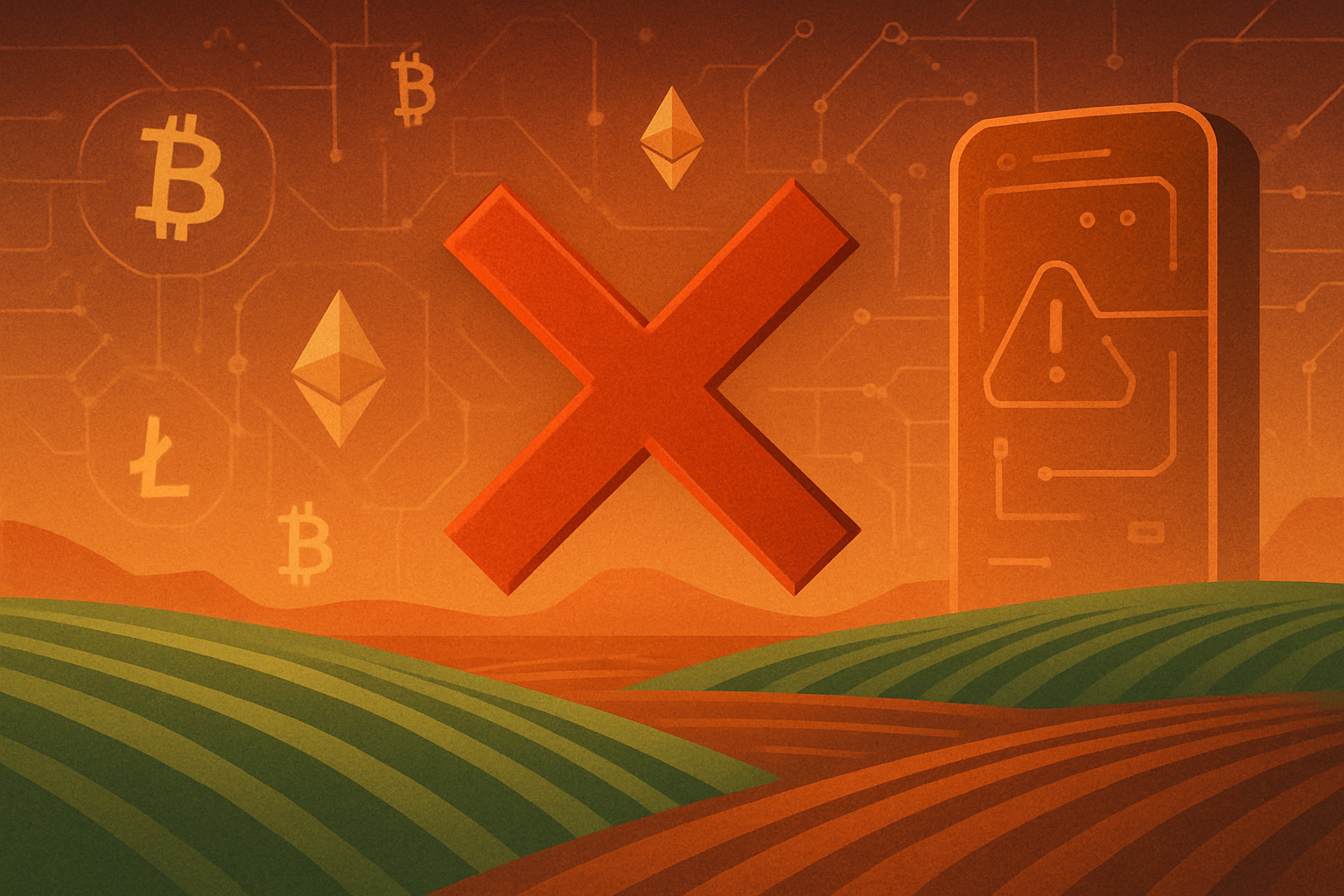
    Abu Dhabi, UAE – September 30, 2025 – In a significant move reinforcing its commitment to agricultural sustainability and responsible land use, the Abu Dhabi Agriculture and Food Safety Authority (ADAFSA) has today officially implemented stringent new penalties against cryptocurrency mining on farms. Violators now face a hefty fine of AED 100,000, with repeat offenses incurring double the penalty, alongside the suspension of services, electricity disconnection, and confiscation of equipment. This decisive action, building on an advisory issued in May 2024, underscores the emirate's unwavering focus on preserving agricultural land for its intended purpose of food production and safeguarding critical resources.

    The ban, which took full effect today, targets the misuse of agricultural properties for energy-intensive crypto mining operations, activities deemed incompatible with the core functions of a farm. This regulatory clarity from ADAFSA highlights a growing global trend among authorities to address the environmental and resource implications of cryptocurrency activities, particularly mining. While direct, immediate market reactions to this localized ban may be subtle, its implications for the broader narrative around sustainable crypto development and regulatory oversight in key economic hubs like Abu Dhabi are profound.

    Market Impact and Price Action

    The direct impact of ADAFSA's ban on global cryptocurrency market prices and trading volumes is anticipated to be minimal, given its localized scope and focus on agricultural land use rather than a blanket ban on crypto activities. Unlike macroeconomic policy shifts or major exchange regulations, a prohibition on farm-based mining in Abu Dhabi is unlikely to trigger specific price movements for major cryptocurrencies like Bitcoin (BTC) or Ethereum (ETH). Trading volumes and liquidity changes are also not expected to be significantly affected by this particular regulation.

    However, the ban contributes to a broader, evolving narrative that does influence investor sentiment and long-term market trends: the sustainability and energy consumption of cryptocurrency mining. As governments worldwide increasingly scrutinize the environmental footprint of digital assets, regulations like ADAFSA's add to the cumulative pressure on the crypto industry to adopt greener practices. This ongoing discussion could indirectly influence investor preference towards more energy-efficient proof-of-stake (PoS) protocols over energy-intensive proof-of-work (PoW) systems. While no specific technical analysis or key support/resistance levels are directly impacted by this agricultural ban, the overarching regulatory environment around energy use remains a critical factor for the crypto market's long-term health and public perception. Comparison to similar past events, such as China's comprehensive ban on crypto mining, reveals that while localized bans can initially cause market jitters, their long-term impact on global prices depends on their scale and the broader regulatory landscape they represent.

    Community and Ecosystem Response

    The crypto community's response to ADAFSA's ban is likely to be multifaceted, reflecting ongoing debates surrounding the environmental impact of cryptocurrency mining. On social media platforms like X (formerly Twitter) and Reddit, discussions will probably center on the increasing scrutiny of mining operations and the need for sustainable solutions. While this specific ban on farms might not ignite widespread outrage directed at Abu Dhabi, it will undoubtedly fuel the ongoing conversation about the energy consumption of PoW cryptocurrencies.

    Crypto influencers and thought leaders have consistently highlighted the importance of environmental, social, and governance (ESG) factors in the industry's future. Regulations like ADAFSA's could be cited as further evidence of the necessity for mining operations to seek renewable energy sources and more efficient technologies. Projects focused on green blockchain initiatives, such as those promoting carbon neutrality or leveraging renewable energy, might see this as an affirmation of their mission. Effects on related DeFi protocols, NFT projects, or Web3 applications are unlikely to be direct, as these sectors are not typically involved in energy-intensive mining. However, the broader sentiment on crypto's environmental responsibility could indirectly influence investor confidence and adoption rates across the entire Web3 ecosystem, pushing for more eco-conscious development and investment choices.

    What's Next for Crypto

    The Abu Dhabi ban serves as another indicator of the short and long-term implications for the crypto market, particularly regarding regulatory oversight and the push for sustainability. In the short term, this specific regulation reinforces the trend of national and regional authorities asserting control over various aspects of the crypto ecosystem, especially where it intersects with critical national resources like agricultural land and energy grids. While not a direct threat to the global crypto market, it signals a tightening of the regulatory net, requiring projects and investors to be increasingly aware of local laws and their potential impact.

    In the long term, this move strengthens the global narrative around sustainable crypto. Potential catalysts to watch include further innovations in energy-efficient mining hardware, the continued transition of major networks to less energy-intensive consensus mechanisms (like Ethereum's move to PoS), and the development of robust regulatory frameworks that balance innovation with environmental responsibility. Strategic considerations for projects and investors will increasingly involve due diligence on the environmental footprint of crypto assets and the regulatory landscape of their operational locations. Possible scenarios include a future where only sustainable mining operations are permissible in many jurisdictions, driving capital towards green crypto initiatives. The likelihood of such a future appears to be increasing, as evidenced by actions from authorities like ADAFSA.

    Bottom Line

    ADAFSA's decision to enforce a Dh100,000 fine for cryptocurrency mining on farms is a clear and decisive statement from a major global hub, emphasizing the critical importance of responsible land use and resource management. For crypto investors and enthusiasts, the key takeaway is that regulatory scrutiny, particularly concerning energy consumption and environmental impact, is here to stay and will likely intensify. This event, effective today, September 30, 2025, underscores the long-term significance of integrating sustainability into the core of crypto operations.

    The move reinforces the idea that jurisdictions will protect their strategic assets—in this case, agricultural land and energy grids—from activities deemed counterproductive to national goals like food security and sustainable development. While this specific ban may not cause market tremors, it contributes to a broader trend that demands the crypto industry to mature and address its environmental challenges proactively. Final thoughts on what this means for crypto adoption suggest that future growth will increasingly depend on the industry's ability to demonstrate environmental responsibility and align with global sustainability objectives. Important metrics to monitor include the adoption rate of renewable energy in mining, the success of PoS networks, and the evolution of international regulatory standards for digital assets.

    This article is for informational purposes only and does not constitute financial or investment advice. Cryptocurrency investments carry significant risk.

  • Brazil’s Green Energy Bonanza: A New Frontier for Sustainable Crypto Mining

    Brazil’s Green Energy Bonanza: A New Frontier for Sustainable Crypto Mining

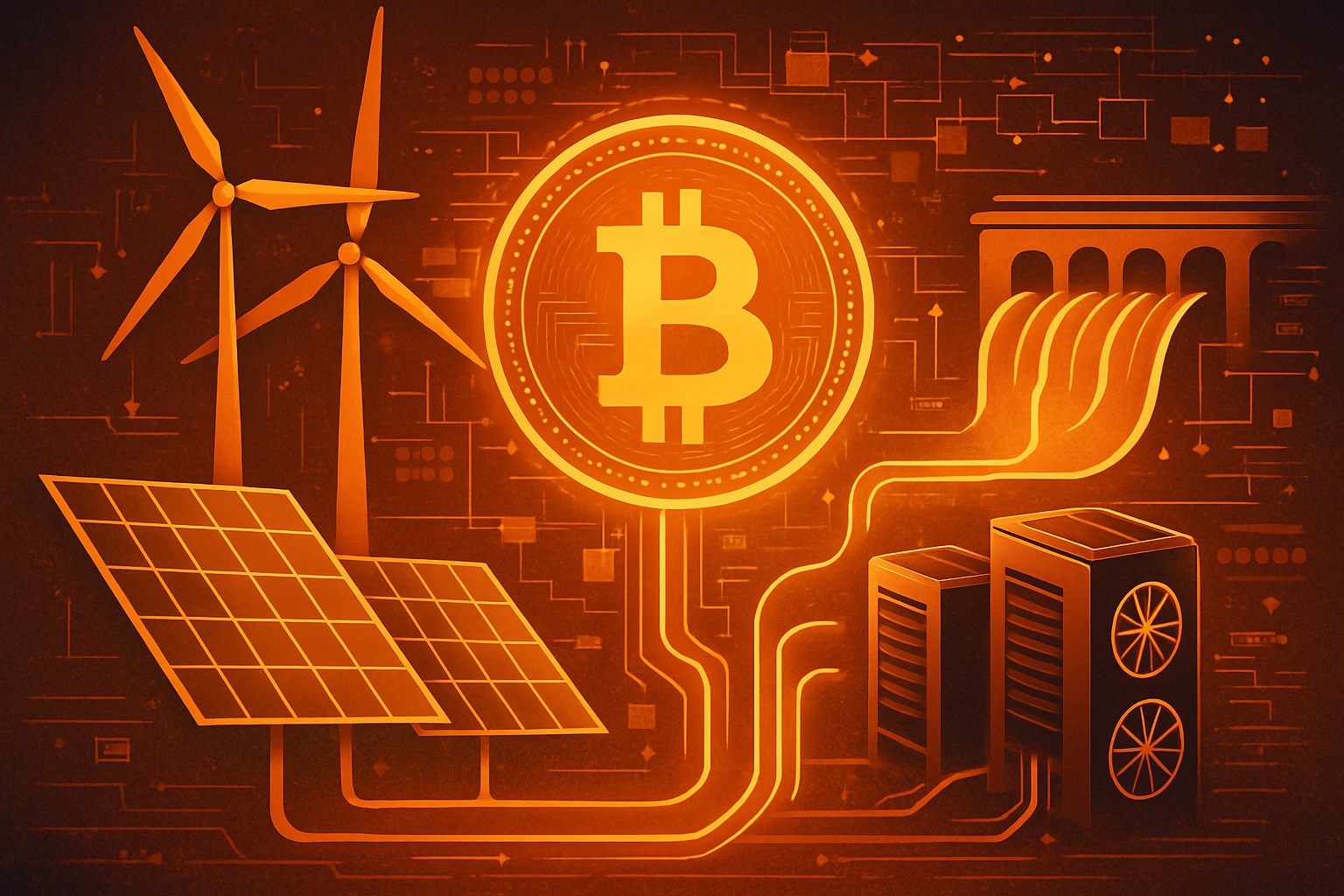
    Brazil is rapidly solidifying its position as a global powerhouse for cryptocurrency mining, driven by an immense surplus of clean, renewable energy. This burgeoning trend, which has seen significant acceleration throughout 2025, is reshaping the landscape of the energy-intensive crypto industry, offering both profound environmental benefits and complex economic implications for the South American nation and the global Web3 ecosystem. The strategic pivot towards Brazil's abundant hydroelectric, wind, solar, and biomass resources marks a critical juncture for an industry often scrutinized for its environmental footprint.

    The influx of mining operations, including major players like Tether, capitalizing on Brazil's underutilized green power, represents a significant shift in the global energy-crypto nexus. This movement is not merely about finding cheaper electricity; it's a strategic embrace of sustainable practices that could redefine the public perception and operational viability of Proof-of-Work (PoW) cryptocurrencies. The immediate response from energy providers in Brazil has been largely positive, viewing crypto miners as flexible, high-demand clients capable of monetizing otherwise wasted energy. This development is crucial for the crypto ecosystem, as it directly addresses a core criticism of its energy consumption, paving the way for a greener, more decentralized future.

    Market Impact and Price Action

    While the direct, immediate price movements of specific cryptocurrencies are not solely attributable to Brazil's emerging role in green mining, the overarching trend contributes significantly to the broader market sentiment surrounding sustainable practices in the crypto industry. The increased adoption of clean energy for mining operations, particularly for Bitcoin (BTC) and other PoW coins, helps alleviate environmental concerns that have historically weighed on investor perception and regulatory scrutiny. This positive narrative can indirectly bolster investor confidence, potentially reducing long-term FUD (Fear, Uncertainty, Doubt) related to crypto's carbon footprint.

    The shift towards green mining in Brazil could influence the market for mining hardware and infrastructure. As more companies seek to establish operations in regions with cheap, renewable energy, demand for efficient mining rigs suitable for such environments could see a localized surge. Furthermore, the ability of miners to secure stable, low-cost energy inputs can improve their profit margins, potentially leading to more consistent mining difficulty adjustments and a more predictable supply side for newly minted coins. This stability, in turn, can contribute to a more robust and resilient network, which is a positive fundamental for the underlying assets.

    From a technical analysis perspective, the long-term trend of increasing sustainable mining could act as a macro-level support for Bitcoin's price, establishing a stronger fundamental floor by mitigating environmental risks. While specific price actions would still be dictated by broader market dynamics, liquidity, and global economic factors, the ongoing narrative of a "greener Bitcoin" originating from places like Brazil could attract a new wave of institutional investors and environmentally conscious funds. This could lead to increased trading volumes for BTC and other PoW assets as more capital flows into the sector, seeking assets with demonstrably reduced environmental impact. The comparison to past events, such as China's mining crackdown, highlights the industry's resilience and its capacity to relocate and adapt, with Brazil now emerging as a key player in this ongoing evolution.

    Community and Ecosystem Response

    The crypto community's response to Brazil's emergence as a green mining hub has been largely enthusiastic, particularly among advocates for sustainable blockchain technology. Social media platforms like Crypto Twitter and Reddit are abuzz with discussions highlighting Brazil as a model for how nations can leverage their natural resources to foster innovation while addressing environmental concerns. Influencers and thought leaders within the space are pointing to Brazil as a testament to the industry's commitment to evolving towards more eco-friendly practices, often citing it as a counter-narrative to traditional media criticisms of crypto's energy consumption.

    Beyond the general sentiment, the move towards sustainable mining in Brazil has direct implications for related Web3 applications and DeFi protocols. Projects focused on carbon credits, green NFTs, or decentralized energy markets could find new synergies and use cases, leveraging the verifiable green energy sources powering Brazilian mining operations. For instance, protocols aiming to prove the "greenness" of mined coins could benefit from the transparent and abundant renewable energy sources in Brazil. However, concerns from local communities persist, with some reports of increased strain on local infrastructure and water resources, and instances of illegal mining operations leading to power outages and noise pollution. These challenges underscore the need for robust regulatory frameworks and responsible corporate practices to ensure that the benefits of green mining are shared equitably and sustainably.

    The broader sentiment within the crypto ecosystem is one of cautious optimism. While the environmental benefits are clear, the industry is closely watching Brazil's legislative efforts to regulate crypto mining. A bill introduced in June 2025 proposes a National Bitcoin Miner License and provisions for various energy sources, including renewables, which could further legitimize and streamline operations. This proactive regulatory approach, if implemented effectively, could set a precedent for other nations looking to attract green crypto investment, fostering a more mature and responsible global mining industry.

    What's Next for Crypto

    The long-term implications of Brazil's clean energy glut attracting cryptocurrency mining companies are significant for the entire crypto market. In the short term, we can expect a continued migration of mining operations to Brazil, further decentralizing the global hash rate and reducing reliance on regions with less sustainable energy mixes. This shift will likely lead to increased investment in Brazil's energy infrastructure, particularly in grid improvements and renewable energy projects, as utilities seek to capitalize on this new demand. The integration of flexible crypto mining loads can also enhance grid stability and make renewable energy projects more financially viable, acting as a "buyer of last resort" for excess power.

    Looking ahead, Brazil could emerge as a leading model for "green crypto economies," demonstrating how countries can transform energy surpluses into digital assets. This could spur other nations with similar renewable energy potential to explore attracting crypto mining, fostering a global competition for sustainable mining hubs. Key catalysts to watch include the finalization and implementation of Brazil's proposed cryptocurrency regulations, particularly those pertaining to mining licenses and tax incentives for renewable energy use. The success of pilot projects by companies like Eletrobras (BM&FBOVESPA: ELET3) and the expansion of initiatives like Tether's green Bitcoin mining operations will also serve as critical indicators.

    Strategic considerations for projects and investors will involve evaluating the energy mix of mining operations. Projects that can demonstrably prove their reliance on clean energy sources, potentially through partnerships with Brazilian utilities, may gain a competitive advantage in attracting environmentally conscious capital. Investors will increasingly scrutinize the sustainability credentials of mining companies, making Brazil's green energy narrative a powerful differentiator. Possible scenarios range from a continued, steady growth of green mining in Brazil, solidifying its status as a sustainable mining leader, to a rapid acceleration if regulatory clarity and incentives prove highly effective, potentially attracting a massive influx of capital and operations.

    Bottom Line

    Brazil's strategic embrace of cryptocurrency mining, powered by its vast clean energy resources, represents a pivotal moment for the crypto industry. For investors and enthusiasts, the key takeaway is the tangible progress being made towards a more sustainable and environmentally responsible blockchain ecosystem. This trend not only addresses a major criticism leveled against Proof-of-Work cryptocurrencies but also demonstrates the industry's adaptability and potential to drive positive change in energy markets.

    The long-term significance of this development cannot be overstated. Brazil is not just attracting miners; it is pioneering a model for monetizing excess renewable energy, enhancing grid stability, and fostering economic growth through digital assets. This means a greener future for crypto adoption, potentially opening doors to broader institutional acceptance and reducing regulatory headwinds driven by environmental concerns. Important metrics to monitor include the growth in Brazil's share of the global hash rate, the progress of its crypto regulatory framework, and the volume of investments flowing into green mining infrastructure within the country. The success of this endeavor could inspire a global paradigm shift, proving that economic innovation and environmental stewardship can indeed go hand-in-hand in the digital age.

    This article is for informational purposes only and does not constitute financial or investment advice. Cryptocurrency investments carry significant risk.