November 18, 2025 – The cryptocurrency landscape in 2025 is witnessing a significant shift, as legitimate Bitcoin (BTC) cloud mining applications offering daily payouts emerge as a compelling pathway for passive crypto income. This evolution democratizes access to Bitcoin mining, traditionally a domain of specialized hardware and substantial capital, making it accessible to a global audience with just a smartphone. Platforms like AutoHash, DeepHash, and BitDeer (NASDAQ: BTDR) are at the forefront, emphasizing transparency, regulatory compliance, and sustainable energy practices.
This development is particularly timely, following the 2024 Bitcoin halving, which intensified pressure on independent miners due to reduced block rewards and high operational costs. The increasing interest in user-friendly cloud mining solutions signals a maturing market moving beyond pure speculation towards sustainable wealth-building strategies. This shift is poised to have profound implications, fostering broader participation in the crypto ecosystem and strengthening Bitcoin's resilience as a global digital reserve asset.
Market Impact and Price Action
The rise of legitimate Bitcoin cloud mining apps in 2025, while not causing immediate drastic price movements, is exerting a significant long-term influence on Bitcoin's (BTC) market dynamics. By lowering the entry barrier to mining, these services are attracting millions of new participants, both retail and institutional, who gain a direct stake in securing the network and earning BTC. This increased participation fosters a deeper understanding and appreciation for Bitcoin, potentially leading to a supply squeeze as newly mined BTC is held or reinvested, thereby exerting upward pressure on its price over time.
Trading volumes are also seeing a boost as a more diversified investor base enters the market. The democratization of mining enhances liquidity for BTC and associated altcoins across exchanges. Furthermore, the potential for secondary markets for cloud mining contracts or tokenized hash power could further amplify this trend. This shift reinforces Bitcoin's role as a global digital reserve asset by fostering more decentralized participation in its economic rewards.
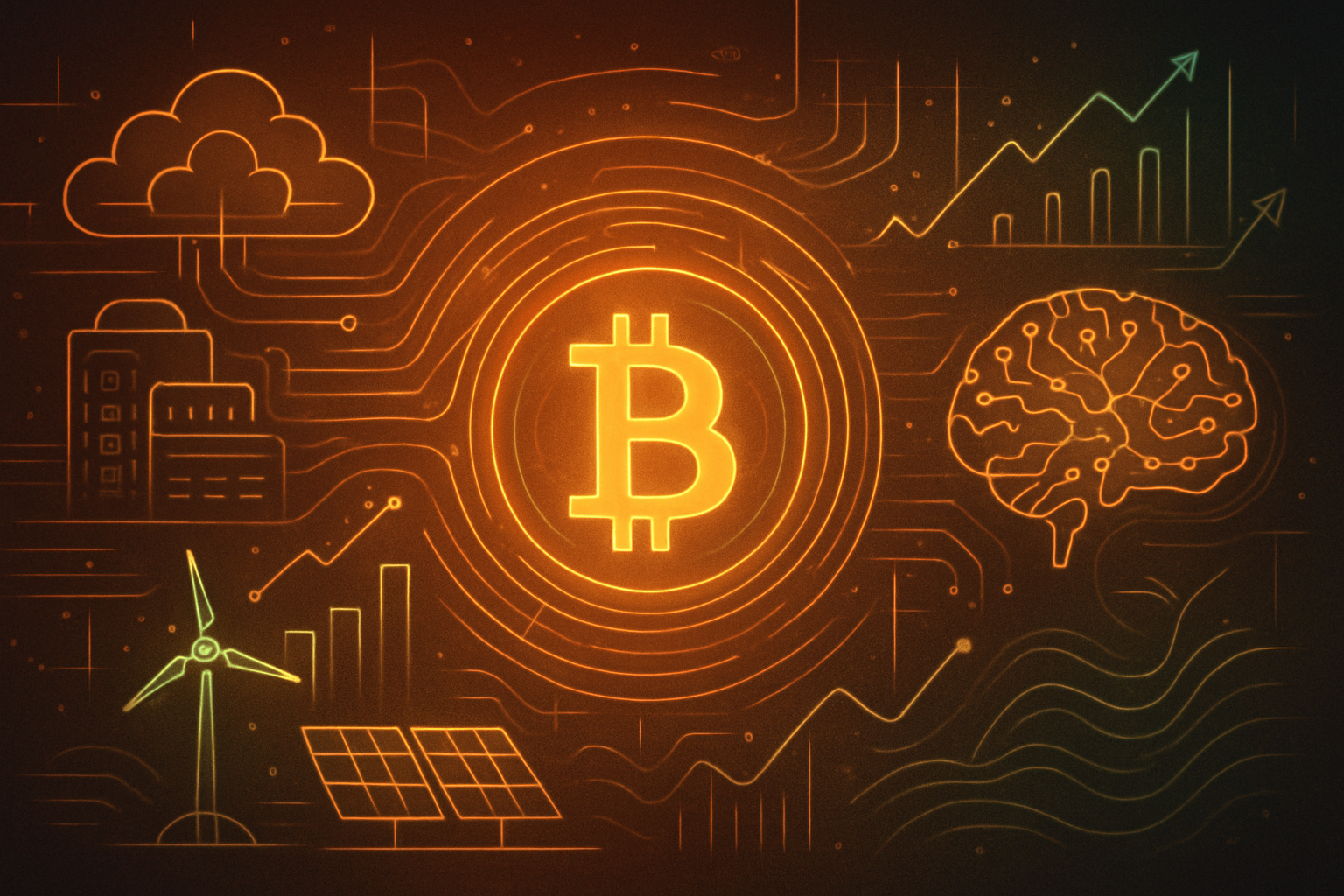
Despite Bitcoin mining difficulty reaching or nearing all-time highs in 2025 (exceeding 900 EH/s by mid-year), legitimate cloud mining providers are innovating to maintain profitability. Many leverage AI-driven optimization to maximize hashrate allocation and utilize renewable energy sources, mitigating the impact of rising energy costs and the post-halving environment. While Bitcoin's price remains the most significant driver for mining profitability, the consistent demand for cloud mining services indicates a resilient industry adapting to challenging conditions.
Investor sentiment towards legitimate Bitcoin cloud mining is largely positive, driven by the desire for stable passive income amidst market volatility. Institutional capital, with fundraising for digital asset infrastructure topping $43 billion in 2025, is increasingly flowing into compliant and sustainable cloud mining operators, viewing them as more straightforward to underwrite than traditional mining farms. This blend of retail and institutional interest is reshaping market dynamics, moving towards user-friendly, sustainable, and transparent crypto earning opportunities.
Community and Ecosystem Response
The crypto community's response to the proliferation of legitimate Bitcoin cloud mining apps in 2025 is a tapestry woven with threads of excitement and enduring caution. On social media platforms like X (formerly Twitter) and Reddit, there's a clear division. Enthusiastic users share testimonials of consistent earnings, praising the accessibility that bypasses the complexities and costs of traditional mining. This sentiment reflects a yearning for simplified passive income streams in the crypto space.
However, a dominant undercurrent of extreme vigilance against pervasive scams remains. Discussions are rife with warnings about fraudulent applications promising unrealistic, guaranteed daily returns, with many users recounting "cautionary tales of significant financial losses." Crypto influencers and thought leaders consistently echo this sentiment, advising meticulous due diligence and prioritizing platforms with proven track records, transparent operations, and realistic profitability expectations. They vehemently warn against any app offering "free Bitcoin" with vague promises, as these are often minimal or outright fraudulent.
Despite the lingering skepticism, the emergence of legitimate mobile cloud mining is indirectly supporting the broader Web3 ecosystem. By lowering the barrier to entry for Bitcoin mining, these apps are expanding the overall user base, which in turn is seen as contributing to a rebound in the decentralized finance (DeFi) sector, with renewed faith in decentralized exchanges and lending protocols. There's also potential for increased integration of mining functionalities into various Web3 applications, creating new synergies. The drive towards green energy in mining, catalyzed by these accessible platforms, is becoming an entrenched industry standard, aligning with ESG investments and improving crypto's global regulatory standing.
What's Next for Crypto
The trajectory of legitimate Bitcoin cloud mining in 2025 and beyond is set to profoundly influence the broader crypto market. In the short term, we anticipate a continued surge in retail participation, as cloud mining acts as a crucial onboarding mechanism for millions seeking passive income. This increased engagement is likely to bolster Bitcoin's market position and liquidity, contributing to long-term price stability and growth. The strong emphasis on renewable energy by reputable providers will further solidify the "green mining" narrative, enhancing crypto's public image and attracting environmentally conscious investors.
Looking further ahead, the long-term implications are transformative. Cloud mining has the potential to fundamentally democratize Bitcoin distribution, shifting wealth concentration away from large mining corporations towards a more decentralized participant base. This will enhance the network's security and resilience. We can also expect deeper integration of mining functionalities into broader Web3 ecosystems, creating novel synergies with DeFi protocols, NFTs, and even play-to-earn gaming models. Ultimately, if Bitcoin can consistently combine financial performance with climate responsibility, it will cement its role as a sustainable digital reserve asset.
Several catalysts and developments will shape this future. Regulatory clarity, particularly from frameworks like MiCA in Europe and the CLARITY Act in the U.S., will be paramount in building trust and facilitating mainstream adoption. A potential reduction in the U.S. Securities and Exchange Commission's (SEC) role as the primary crypto regulator could also lead to a more supportive environment. Technologically, AI-optimized mining will continue to enhance efficiency, dynamically reallocating hash power to maximize profitability. The ongoing shift towards renewable energy sources for over 52% of Bitcoin's electricity (as of 2025) and the integration of mining into grid services will further drive sustainability.
For projects, strategic considerations include prioritizing transparency, robust security, and full regulatory compliance to attract investors. A strong focus on green energy infrastructure and user-friendly interfaces will be key. Investors, on the other hand, must exercise meticulous due diligence, scrutinizing platforms for verifiable operations and realistic profit projections. Diversification and a focus on platforms committed to sustainability will be crucial for navigating this evolving sector. The most likely scenario sees legitimate cloud mining as a mainstream adoption driver, but vigilance against scams and careful monitoring of regulatory and technological shifts remain essential.
Bottom Line
In 2025, legitimate Bitcoin cloud mining has firmly established itself as a pivotal gateway for crypto enthusiasts and investors seeking passive income. The key takeaway is the unprecedented accessibility it offers, transforming Bitcoin mining from a technical, capital-intensive endeavor into a democratized activity manageable with just a smartphone. This ease of entry, coupled with a growing industry-wide commitment to transparency, regulatory compliance, and sustainable energy practices, is crucial for building trust and attracting a broader audience.
The long-term significance of this trend for crypto adoption cannot be overstated. By lowering financial and technical barriers, cloud mining acts as a powerful onboarding mechanism, drawing millions of new users into the crypto ecosystem. This not only enhances Bitcoin's market liquidity and potentially its price stability but also fosters a more decentralized distribution of the asset, aligning with its foundational ethos. The industry's proactive shift towards green energy further burnishes crypto's public image, paving the way for greater institutional acceptance and integration into traditional finance.
Ultimately, legitimate cloud mining in 2025 signifies a maturing crypto industry focused on stability, sustainability, and user empowerment over pure speculation. It's a testament to how innovation can adapt to market demands and regulatory pressures, creating new avenues for participation. This enhanced accessibility, combined with the educational benefit of directly participating in a blockchain network's security, is poised to significantly accelerate crypto's integration into mainstream finance and everyday digital life.
Important Dates, Events, or Metrics to Monitor:
- Bitcoin Network Difficulty Adjustments: Regularly monitor these adjustments, as they directly impact mining profitability.
- Bitcoin (BTC) Market Price: The primary driver of profitability for cloud mining contracts.
- Regulatory Developments: Keep an eye on new legislative frameworks (e.g., MiCA, CLARITY Act) and any shifts in regulatory oversight in major jurisdictions.
- Transparency Reports from Cloud Mining Providers: Review these reports for verifiable operational efficiency, hardware ownership, and payout records.
- Technological Advancements: Monitor innovations in AI-driven mining optimization and the release of more energy-efficient ASIC hardware.
- Global Hash Rate and Centralization Metrics: Track the total computing power and its distribution to assess network security.
- ESG Investments and Renewable Energy Adoption Rates: Observe the percentage of mining operations powered by clean energy.
- Cloud Mining Market Growth and Revenue Projections: The sector is expected to surpass $110 million in annual revenue by the end of 2025, with connected mining projected to reach $19.2 billion by 2030.
- Institutional Inflows: Track capital flowing into compliant and sustainable digital asset infrastructure.
- Mobile Cloud Mining Adoption Rates: Monitor user growth, especially in emerging markets.
- Development and Adoption of Decentralized Physical Infrastructure Networks (DePIN): Watch for potential integration with cloud mining platforms.
This article is for informational purposes only and does not constitute financial or investment advice. Cryptocurrency investments carry significant risk.