Tag: BexBack

  • Crypto Market Plunges Amidst “Extreme Fear” as BexBack Amplifies High-Risk Trading with No KYC and 100x Leverage Offers

    Crypto Market Plunges Amidst “Extreme Fear” as BexBack Amplifies High-Risk Trading with No KYC and 100x Leverage Offers

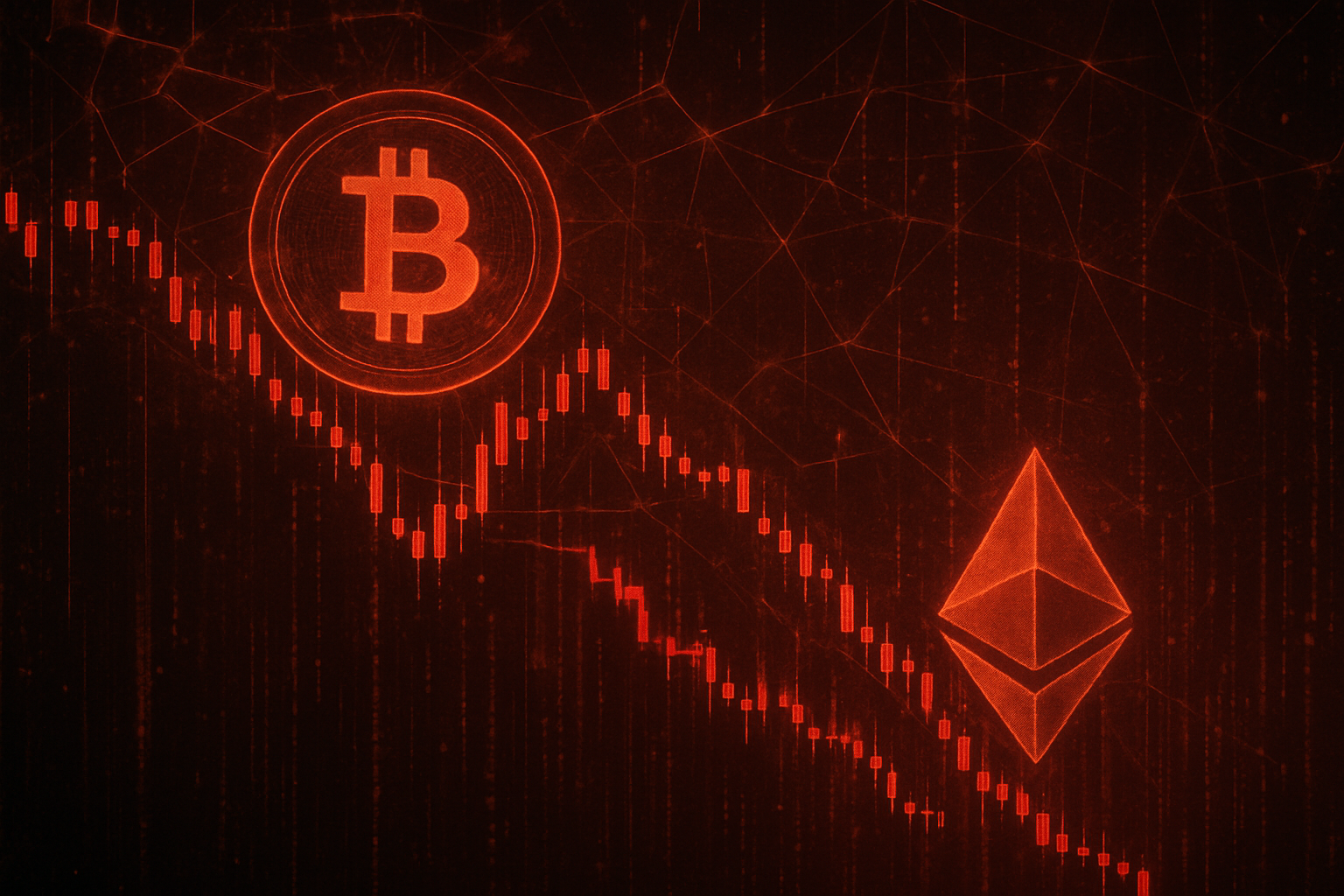
    December 1, 2025 – The cryptocurrency market has opened December with a sharp downturn, witnessing significant price drops across major assets and widespread liquidations. This "risk-off start to December" unfolds as BexBack, a relatively new derivatives platform, aggressively promotes its high-stakes trading features, including no Know Your Customer (KYC) requirements, up to 100x leverage, and a double deposit bonus for traders. While the broader market plunge is attributed to macroeconomic headwinds and a pervasive shift towards risk aversion, BexBack's concurrent push for amplified trading tools raises questions about their potential to exacerbate volatility and attract a specific segment of traders amidst the turmoil.

    On this pivotal day, Bitcoin (BTC) slid as much as 6% to fall below the $86,000 mark, while Ethereum (ETH) experienced an even steeper drop of over 7%, trading around $2,800. The sudden market correction triggered nearly $400 million in long position liquidations within a single hour, painting a grim picture for many investors. BexBack's offers, designed to maximize trading potential and lower entry barriers, arrive at a time when market sentiment is already characterized by "extreme fear," prompting both opportunities for daring traders and amplified risks for the broader ecosystem.

    Market Impact and Price Action

    The crypto market's recent performance has been nothing short of tumultuous. Following an all-time high of $126,251 in early October 2025, Bitcoin initiated a weeks-long downturn, culminating in a severe sell-off. October 10 saw an "unprecedented crash," with BTC and other digital assets plummeting, largely attributed to new economic measures by the U.S. President, including additional tariffs on China, which sparked widespread panic. This created a domino effect, with some altcoins crashing by over 70%.

    November offered little reprieve, as Bitcoin recorded its sharpest monthly drop in over three years, falling by more than 21% and trading near $88,000 after rebounding from a seven-month low. The overall market capitalization hovered around $3.11 trillion, with Bitcoin's market cap near $2 trillion, but persistent "extreme fear sentiment" dominated investor psychology. The current plunge on December 1st further solidifies this bearish trend, with a notable absence of "dip buyers" and meager inflows into Bitcoin exchange-traded funds (ETFs). The dramatic price swings and rapid liquidations underscore a market highly sensitive to both macroeconomic news and the inherent leverage within the system.

    While BexBack's launch and features are not the direct cause of this broader market downturn, their availability during such a volatile period can significantly influence market dynamics. The offering of 100x leverage means that even minor price fluctuations can lead to massive gains or catastrophic losses, accelerating liquidation cascades. This amplifies the inherent volatility, especially when coupled with no KYC requirements, which can attract a diverse range of traders, some potentially less experienced or more prone to high-risk strategies, further fueling rapid price movements in either direction.

    Community and Ecosystem Response

    The aggressive promotion of features like "No KYC" and "100x Leverage" by platforms like BexBack during a market downturn elicits a mixed response within the crypto community. On one hand, privacy advocates and those seeking unrestricted access to global markets welcome the absence of KYC barriers. For traders looking to capitalize on extreme volatility, 100x leverage presents an enticing, albeit perilous, opportunity to magnify potential profits from even small price movements. The double deposit bonus further sweetens the deal, effectively providing more trading capital to absorb losses or open larger positions.

    However, a significant portion of the community, including regulators and risk-averse investors, views these features with caution. The lack of KYC raises concerns about potential avenues for illicit activities and money laundering, drawing scrutiny from global financial watchdogs. High leverage, while appealing for its profit-amplifying potential, is also a double-edged sword that can lead to rapid and devastating liquidations, especially in a market characterized by "extreme fear." Crypto influencers and thought leaders often preach prudence during bear markets, emphasizing capital preservation over high-risk speculation. The sentiment across crypto Twitter and Reddit reflects a blend of opportunism from seasoned traders eyeing volatility and warnings from those concerned about new entrants being lured into excessively risky positions.

    The impact on related DeFi protocols, NFT projects, and Web3 applications is indirect but palpable. A general market downturn often leads to decreased liquidity, reduced trading volumes, and a decline in interest for speculative assets like NFTs. While BexBack primarily focuses on derivatives trading, the broader market sentiment it operates within affects the entire crypto ecosystem. Projects reliant on strong market performance for funding or user engagement may find themselves under increased pressure, while the amplified volatility encouraged by high-leverage platforms can create a more unpredictable environment for all participants.

    What's Next for Crypto

    The current market landscape, marked by significant price corrections and platforms like BexBack offering aggressive trading tools, sets the stage for several short and long-term implications. In the short term, the prevailing "extreme fear" sentiment suggests continued volatility and potential for further price discovery downwards. Traders utilizing high-leverage platforms will likely face increased liquidation risks, which could trigger further cascading sell-offs. The immediate future will depend heavily on macroeconomic data, particularly inflation reports and central bank policies, as well as any regulatory pronouncements regarding high-leverage, no-KYC platforms.

    Looking ahead, the emergence and aggressive marketing of platforms like BexBack during market downturns highlight a growing segment of the crypto trading landscape catering to high-risk appetite. This trend could lead to increased regulatory scrutiny globally, as authorities grapple with balancing innovation and consumer protection, especially concerning leverage limits and KYC bypasses. For projects and investors, strategic considerations will involve a renewed focus on fundamental value, sustainable development, and robust risk management. Projects might pivot towards utility-driven applications rather than purely speculative ventures, while investors may prioritize long-term holdings and diversified portfolios over short-term leveraged bets.

    Potential catalysts for a market recovery could include a softening of macroeconomic pressures, clearer regulatory frameworks that foster institutional adoption, or significant technological breakthroughs within the Web3 space. Conversely, continued global economic instability or a regulatory crackdown on high-risk platforms could further depress prices. The likelihood of a sustained recovery hinges on a broader return of confidence in speculative assets, which currently seems distant.

    Bottom Line

    The crypto market's sharp decline on December 1, 2025, underscores the inherent volatility and speculative nature of the asset class. Amidst this downturn, the aggressive offerings from platforms like BexBack—no KYC, 100x leverage, and substantial deposit bonuses—serve as a stark reminder of the high-risk, high-reward opportunities available to traders. While these features can attract a segment of the market eager to capitalize on price swings, they also amplify the potential for significant losses and raise important questions about market stability and regulatory oversight.

    Key takeaways for crypto investors and enthusiasts are paramount: exercise extreme caution, understand the immense risks associated with high leverage, and prioritize responsible trading practices, especially during periods of "extreme fear." The long-term significance of platforms pushing such features lies in their potential to shape market behavior and attract regulatory attention, which could ultimately lead to more stringent rules across the industry. As the crypto ecosystem matures, the balance between innovation, accessibility, and investor protection will remain a critical theme. Investors should closely monitor global macroeconomic indicators, regulatory developments concerning derivatives platforms, and the evolving sentiment within the crypto community to navigate these turbulent waters.


    This article is for informational purposes only and does not constitute financial or investment advice. Cryptocurrency investments carry significant risk.


  • No-KYC Leverage Platforms Surge: BexBack’s 100x Offerings Ignite Debate Over Anonymity vs. Risk

    No-KYC Leverage Platforms Surge: BexBack’s 100x Offerings Ignite Debate Over Anonymity vs. Risk

    The cryptocurrency landscape is currently experiencing a significant surge in no-KYC (Know Your Customer) leverage trading platforms, a trend that promises both unprecedented financial freedom and perilous risks. Among these, platforms like BexBack are making headlines by offering up to 100x leverage and enticing beginner bonuses, drawing in a new wave of traders eager to amplify their gains in the volatile crypto markets. This phenomenon, observed leading up to November 8, 2025, highlights a critical juncture for the crypto ecosystem, challenging existing regulatory frameworks and polarizing community sentiment around privacy, accessibility, and investor protection.

    The immediate market reaction to the increased prominence of such platforms is a noticeable boost in derivatives trading volumes and liquidity, particularly in futures markets. While these platforms cater to a deep-seated desire for anonymity and rapid access to trading opportunities, their emergence raises alarms regarding potential market manipulation, increased systemic risk due to amplified liquidations, and a significant lack of recourse for users in the event of platform insolvency or malicious activity. The ongoing debate underscores a fundamental tension within the crypto world: the push for decentralized, permissionless finance versus the growing demand for regulatory oversight and consumer safeguards.

    Market Impact and Price Action

    The proliferation of no-KYC, high-leverage trading platforms significantly impacts the broader cryptocurrency market, primarily by injecting substantial volatility and influencing price action across various digital assets. While specific price movements of tokens directly tied to platforms like BexBack are not relevant, the increased availability of 100x leverage magnifies market swings. Traders utilizing such high leverage can open positions far exceeding their initial capital, meaning even minor price fluctuations can lead to massive liquidations. This creates a "liquidation spiral" effect, where forced selling to cover margin calls can rapidly accelerate market downturns, turning small corrections into significant crashes.

    Trading volumes on derivatives exchanges, both regulated and unregulated, have seen a notable increase, with a substantial portion of this activity occurring on platforms that prioritize anonymity. This shift in liquidity to less regulated venues makes overall market analysis more complex, as a significant chunk of trading data remains opaque. The technical landscape is constantly being reshaped by these dynamics, with key support and resistance levels often being tested and broken by cascades of leveraged liquidations rather than organic market sentiment. Comparisons to past events, such as the flash crashes observed in early 2020 or the leveraged unwinding events of May 2021, indicate a recurring pattern where high leverage exacerbates market volatility and can lead to rapid, unexpected price dislocations.

    The appeal of beginner bonuses, like those offered by BexBack, further encourages new, often inexperienced, traders to engage in high-risk activities. While these bonuses aim to attract users, they can inadvertently lead to overleveraging, increasing individual trader risk and contributing to broader market instability. The overall effect is a market environment where fundamental analysis can sometimes be overshadowed by technical and liquidity-driven movements, heavily influenced by the presence of easily accessible, highly leveraged trading options.

    Community and Ecosystem Response

    The rise of no-KYC leverage trading platforms has ignited a fervent and often polarized debate within the crypto community, reflecting the inherent tension between decentralization ideals and the practicalities of investor protection. On social media platforms like X (formerly Twitter) and Reddit, sentiment is sharply divided. A vocal segment of users champions these platforms for upholding the core tenets of privacy and financial autonomy, viewing the absence of KYC as a crucial safeguard against surveillance and centralized control. Discussions often highlight the efficiency and speed of onboarding, coupled with the allure of amplified profits from high leverage.

    Conversely, a significant portion of the community, including many crypto influencers and thought leaders, expresses deep concern over the inherent risks. Warnings about increased exposure to scams, security vulnerabilities, and the lack of legal recourse are common. Figures like @CryptoWhale (X) and prominent DeFi analysts frequently highlight the dangers of liquidation events and the potential for new traders to lose their entire capital rapidly. They advocate for robust security practices, comprehensive user education, and a cautious approach, even while acknowledging the appeal of privacy.

    The effects on related DeFi protocols and Web3 applications are also noteworthy. While no-KYC platforms exist somewhat independently, they can influence capital flows. Some users might move funds from regulated DeFi protocols to these platforms seeking higher returns or anonymity, potentially affecting liquidity in certain decentralized ecosystems. Conversely, the increased volatility spurred by high leverage can create arbitrage opportunities for sophisticated traders using DeFi tools. Broader crypto Twitter and Reddit sentiment often swings between celebrating the "wild west" ethos of anonymous trading and demanding greater accountability and safety measures to protect retail investors, especially as the industry strives for mainstream adoption.

    What's Next for Crypto

    The trajectory of no-KYC leverage trading platforms like BexBack will undoubtedly shape the future of the cryptocurrency market in both the short and long term. In the short term, we can anticipate continued regulatory scrutiny and potential crackdowns. Global financial watchdogs, including the Financial Action Task Force (FATF), are increasingly focusing on anonymous transactions and derivatives trading, with initiatives like the European Union's Markets in Crypto-Assets Regulation (MiCA) setting precedents for stricter oversight. This could lead to IP blocking, domain seizures, or even legal actions against operators, making it harder for these platforms to operate openly.

    Long-term implications suggest a bifurcated market. On one side, heavily regulated exchanges will continue to comply with stringent KYC/AML requirements, offering a safer but less anonymous trading environment. On the other, no-KYC platforms may either be forced underground, operate exclusively in jurisdictions with lax regulations, or evolve into more sophisticated, decentralized autonomous organizations (DAOs) that are harder to regulate directly. Potential catalysts to watch include major security breaches on no-KYC platforms, significant liquidation events impacting a large user base, or landmark regulatory enforcement actions that send a strong message to the industry.

    Strategic considerations for projects and investors are paramount. Projects building within the crypto space will need to weigh the benefits of decentralization against the increasing demands for compliance and user protection. Investors, especially those considering platforms like BexBack, must conduct extensive due diligence and exercise extreme caution, understanding the magnified risks associated with high leverage and the lack of regulatory recourse. Possible scenarios range from a complete global clampdown on all anonymous trading, pushing it into dark pools, to a more nuanced approach where tiered KYC systems become standard, allowing limited activity without full verification while still aiming to curb illicit finance. The likelihood of a complete eradication of no-KYC trading is low, given the inherent desire for privacy and the global nature of crypto, but its operational landscape is set to become significantly more challenging.

    Bottom Line

    The emergence and sustained popularity of no-KYC leverage trading platforms, exemplified by BexBack's aggressive offerings, represent a double-edged sword for the cryptocurrency ecosystem. For crypto investors and enthusiasts, the key takeaway is a stark reminder of the high-risk, high-reward nature of the digital asset market. While the appeal of privacy, speed, and amplified gains is undeniable, the potential for significant losses due to liquidation, scams, and the complete absence of regulatory recourse cannot be overstated. Due diligence, risk management, and an understanding of the magnified volatility are not just recommendations but absolute necessities for anyone engaging with such platforms.

    The long-term significance of this trend lies in its impact on crypto adoption and the ongoing battle between decentralization and regulation. If these platforms continue to operate with minimal oversight and lead to widespread investor losses, it could hinder mainstream adoption and invite even stricter regulatory measures across the entire industry. Conversely, if they evolve to incorporate better self-governance or innovative security features, they might find a niche in the broader market. The future of crypto hinges on finding a balance between fostering innovation and ensuring a safe, sustainable environment for participants.

    Important dates, events, or metrics to monitor include upcoming regulatory deadlines (such as MiCA implementation phases), any major security incidents or hacks on no-KYC platforms, and shifts in global financial policy towards digital assets. The volume of derivatives trading on unregulated exchanges versus regulated ones will also be a key metric to watch, indicating the ongoing tug-of-war between anonymous freedom and regulated safety. This article is for informational purposes only and does not constitute financial or investment advice. Cryptocurrency investments carry significant risk.
  • The Unseen Hand: High-Leverage, No-KYC Futures Platforms Reshape Crypto Trading Beneath the $110,000 Bitcoin Threshold

    The Unseen Hand: High-Leverage, No-KYC Futures Platforms Reshape Crypto Trading Beneath the $110,000 Bitcoin Threshold

    November 6, 2025 – As Bitcoin's (BTC) price continues to fluctuate below the $110,000 mark in late 2025, a new breed of crypto trading platforms is rapidly gaining traction, fundamentally altering the landscape of digital asset speculation. High-leverage, no-KYC (Know Your Customer) crypto futures trading platforms, epitomized by rising stars like BexBack, are drawing in a significant segment of the market with promises of amplified returns and unparalleled privacy. This phenomenon is not merely a niche trend; it represents a significant shift in how retail and even some professional traders interact with the volatile crypto markets, especially during periods of price consolidation or uncertainty.

    The immediate market reaction to the proliferation of these platforms has been a noticeable increase in overall market liquidity and trading volumes, particularly in derivatives. However, it also introduces a heightened degree of speculative activity and potential for rapid price swings. For the broader crypto ecosystem, the rise of platforms like BexBack, where "Crypto Futures Trading Made Easy on BexBack" is a key selling point, underscores a growing tension between regulatory demands for transparency and the crypto community's foundational ethos of decentralization and financial autonomy. This matters immensely as it challenges existing financial frameworks and raises critical questions about investor protection and market stability.

    Market Impact and Price Action

    The influence of high-leverage, no-KYC platforms on cryptocurrency prices is profound. With features like 100x Leverage, traders can control positions vastly larger than their initial capital, magnifying both potential gains and losses. In a market where Bitcoin is currently trading below $110,000, suggesting a period of caution or consolidation, this amplification can lead to exacerbated price movements. Small shifts in sentiment or minor news events can trigger significant price swings as large leveraged positions are opened or closed. This dynamic is particularly evident in the perpetual futures market, which often accounts for the majority of trading volume for major assets like BTC/USDT.

    Trading volumes on these platforms have surged, contributing substantially to the overall liquidity of the crypto market. The ability to take both long and short positions with high leverage encourages active trading, allowing participants to speculate on both upward and downward price trajectories. This is especially relevant when Bitcoin's price is fluctuating around $110,000, as traders seek to profit from smaller, short-term movements. However, this liquidity can be fragile. While high volumes exist, the lack of transparency on no-KYC platforms can make them susceptible to market manipulation, potentially leading to sudden and artificial price movements that disproportionately affect retail traders.

    A critical concern arising from high-leverage trading is the increased potential for cascading liquidations. When the market moves sharply against a large number of leveraged positions, exchanges automatically close these positions to cover borrowed funds. This forced selling creates additional downward pressure, leading to a "liquidation spiral" where further price declines trigger more liquidations, accelerating the market's descent. In late 2025, with Bitcoin below $110,000, such events could be particularly damaging, turning minor corrections into significant market crashes and eroding investor confidence. Historical data shows that multi-billion dollar liquidation events have occurred during periods of high leverage and market uncertainty, underscoring the inherent risks.

    Community and Ecosystem Response

    The crypto community's response to the rise of platforms offering No KYC and high leverage is largely polarized, reflecting the ongoing philosophical debate within the space. A significant segment of users applauds these platforms for upholding the core tenets of privacy and financial autonomy, viewing the absence of KYC as a vital safeguard against data surveillance and centralized control. Social media channels, from Twitter to Reddit, are rife with discussions praising the ease of access and the potential for amplified profits, particularly with incentives like BexBack's $100 Welcome Bonus. Many traders, especially those with extensive experience, appreciate the ability to quickly react to market shifts without bureaucratic hurdles.

    However, a growing chorus of caution emanates from crypto influencers and thought leaders. While acknowledging the appeal of privacy, many express deep concerns about the amplified risks. The former president of FTX US (FTX), for instance, has openly described crypto leverage trading as a "major problem," highlighting the dangers of excessive speculation. There's a palpable fear that the anonymity provided by no-KYC platforms attracts malicious actors, increasing the likelihood of scams, market manipulation, and potential fund losses with little to no recourse. Reputable figures in the space are increasingly advocating for robust security practices and comprehensive user education to mitigate these risks, even while supporting the broader ideals of decentralization.

    For the broader DeFi and Web3 ecosystem, the proliferation of these platforms presents a complex challenge. On one hand, they demonstrate a strong market demand for permissionless financial services, aligning with the ethos of decentralized finance. On the other hand, they intensify regulatory scrutiny, potentially leading to a bifurcation of the crypto market. Regulators worldwide are pushing for stricter AML/CTF measures, threatening to marginalize non-compliant platforms. This creates a tension where the desire for decentralization clashes with the need for regulatory compliance to foster mainstream and institutional adoption. The outcome will likely shape the future trajectory of DeFi, potentially leading to "permissioned DeFi" models alongside more anonymous, high-risk alternatives.

    What's Next for Crypto

    The short-term implications of high-leverage, no-KYC platforms suggest continued market volatility and a persistent draw for risk-tolerant traders. As long as Bitcoin's price remains below $110,000, the allure of 100x Leverage to profit from minor price movements will likely sustain the demand for these platforms. However, this also means the market remains susceptible to sudden, dramatic price corrections fueled by cascading liquidations. Investors seeking quick gains might find opportunities, but they must also contend with significantly elevated risks and the potential for rapid capital loss.

    In the long term, the trajectory of these platforms is inexorably linked to evolving global regulatory frameworks. Regulatory bodies like the Financial Action Task Force (FATF) and legislative initiatives such as the European Union's Markets in Crypto-Assets Regulation (MiCA) are increasingly targeting anonymous transactions and derivatives trading. By 2030, stricter KYC/AML measures are expected to be globally enforced, creating a challenging environment for purely no-KYC operations. This could lead to a fragmentation of the crypto market, with compliant, regulated exchanges serving institutional and mainstream investors, while a smaller, more clandestine sector caters to those prioritizing anonymity, albeit with higher risks.

    Strategic considerations for projects and investors are paramount. Projects aiming for long-term sustainability and mainstream adoption will need to prioritize regulatory compliance, potentially integrating decentralized identity solutions that offer privacy within a verifiable framework. For investors, the choice becomes stark: the amplified returns and privacy of no-KYC platforms versus the enhanced security, regulatory protection, and broader market access offered by compliant entities. Diversification, responsible leverage, and continuous education about regulatory changes will be critical. The industry may also see a surge in self-regulatory organizations (SROs) attempting to bridge the gap between innovation and compliance, offering a middle ground for the evolving crypto landscape.

    Bottom Line

    The rise of high-leverage, no-KYC crypto futures trading platforms like BexBack, particularly in a market where Bitcoin's price is fluctuating below $110,000, underscores a fundamental tension in the crypto world: the desire for financial freedom and privacy versus the increasing demands for regulatory oversight and investor protection. For crypto investors and enthusiasts, the key takeaway is a clear understanding of the amplified risks associated with 100x Leverage and the absence of KYC. While the appeal of swift, anonymous trading and a $100 Welcome Bonus is undeniable, the potential for significant capital loss, exposure to scams, and limited legal recourse cannot be overstated.

    The long-term significance of these platforms for crypto adoption is a complex assessment. While they cater to a specific, privacy-conscious demographic, their non-compliant nature is likely to hinder broader institutional and mainstream integration of cryptocurrencies. True mass adoption hinges on regulatory clarity, robust consumer safeguards, and enhanced market integrity—areas where no-KYC platforms inherently fall short. The ongoing regulatory push, with significant deadlines like the EU's Anti-Money Laundering Regulation (AMLR) in July 2027, will likely force a reckoning, leading to either the marginalization of non-compliant entities or the development of innovative, privacy-preserving compliance technologies.

    Important dates, events, or metrics to monitor include: new regulatory guidance and enforcement actions from global bodies like FATF, the implementation timelines of major crypto regulations (e.g., MiCA, AMLR), and significant liquidation events that signal excessive leverage in the market. Additionally, tracking the development and adoption of privacy-enhancing technologies like Zero-Knowledge Proofs (ZKPs) and Decentralized Identity (DeID) will be crucial, as these could offer compliant pathways to privacy in a regulated future. The ongoing balance between individual autonomy and systemic stability will define the next chapter for crypto.


    This article is for informational purposes only and does not constitute financial or investment advice. Cryptocurrency investments carry significant risk.
  • BexBack Ignites Crypto Trading with 100% Deposit Bonus and No-KYC Policy, Challenging Regulatory Norms

    BexBack Ignites Crypto Trading with 100% Deposit Bonus and No-KYC Policy, Challenging Regulatory Norms

    October 30, 2025 – In a bold move set to reshape the competitive landscape of cryptocurrency trading, BexBack officially launched its highly anticipated 100% deposit bonus program and a groundbreaking no-Know Your Customer (KYC) crypto trading policy on October 28, 2025. This strategic initiative, promoted extensively across various financial news outlets, positions BexBack as a formidable player catering to a growing segment of traders who prioritize privacy, anonymity, and amplified trading potential in the volatile digital asset markets.

    The immediate reaction from the crypto community has been a mix of excitement and cautious optimism. The promise of instant registration and trading without the burden of identity verification resonates deeply with the core tenets of cryptocurrency – financial autonomy and data sovereignty. This development is particularly significant in an era of increasing regulatory scrutiny and data breaches, offering an alternative for users wary of centralized data collection. By removing traditional barriers to entry and simultaneously doubling trading capital, BexBack aims to attract a substantial influx of new users and intensify trading activity on its platform, potentially influencing user migration across the global exchange ecosystem.

    Market Impact and Price Action

    BexBack's aggressive new offerings are designed to make a significant splash in the highly competitive crypto exchange market, rather than directly influencing the price action of specific cryptocurrencies. While independent, verifiable data on BexBack's direct impact on aggregate crypto market trading volume or liquidity remains to be seen, the platform's strategy is clearly geared towards rapid user acquisition and increased internal trading volume. The 100% deposit bonus, which effectively doubles a user's initial margin up to 10 BTC, coupled with up to 100x leverage on futures trading, provides an undeniable incentive for traders looking to maximize their exposure and potential profits. BexBack claims to have already garnered over 500,000 users worldwide, suggesting a strong initial uptake, likely fueled by these compelling features.

    The broader implication for the market lies in the intensified competition for privacy-focused traders. As global regulations tighten, the demand for no-KYC exchanges is driven by a desire for discretion and autonomy. BexBack directly targets this demographic, exerting pressure on both KYC-compliant and other no-KYC platforms to re-evaluate their user acquisition and retention strategies. Historically, the rise of privacy coins like Monero (XMR) and Zcash (ZEC) has demonstrated this persistent demand, with XMR surging 154% and ZEC by 70% in 2025, outpacing Bitcoin's (BTC) growth. However, this trend also brings increased regulatory scrutiny, as seen with the delisting of privacy coins from major exchanges and sanctions against privacy-enhancing tools like Tornado Cash. BexBack's model, while attractive, faces the inherent risks associated with regulatory challenges and potential security vulnerabilities that have historically plagued less regulated platforms. The influence on user migration is clear: attractive bonuses and the allure of anonymity are powerful drivers, compelling traders to weigh the benefits of privacy and amplified capital against potential regulatory risks and limited legal recourse.

    Community and Ecosystem Response

    The launch of BexBack's no-KYC trading and 100% deposit bonus has struck a chord within the crypto community, particularly among those who champion privacy and decentralization. The general sentiment across social media and various crypto forums leans positively towards platforms that uphold the foundational ethos of cryptocurrency: financial autonomy, censorship resistance, and data sovereignty. The ability to trade without submitting personal identification documents is widely seen as a crucial safeguard against increasing data surveillance, potential financial profiling, and the risks of identity theft. BexBack's marketing, which explicitly highlights user privacy and freedom, directly aligns with these deeply held community values.

    Crypto influencers and thought leaders, while perhaps not directly endorsing BexBack by name, have consistently voiced support for privacy-preserving technologies and platforms that reduce reliance on centralized data collection. This move by BexBack is viewed as a significant development in the ongoing tension between individual privacy and governmental oversight. The aggressive incentive program, including the deposit bonus and high leverage, is seen by some as "reverberating across the decentralized finance landscape," potentially "pushing the boundaries of what is considered acceptable risk within the decentralized finance ecosystem." While direct effects on specific DeFi protocols, NFT projects, or Web3 applications are yet to be fully observed, the underlying principles championed by BexBack are fundamental to the broader Web3 movement. The platform's success or challenges will undoubtedly influence how privacy and regulatory compliance are balanced in future decentralized applications, impacting user behavior and trust dynamics within the evolving crypto ecosystem.

    What's Next for Crypto

    BexBack's strategic launch marks a critical juncture for the crypto market, setting in motion both short-term and long-term implications. In the short term, the platform is poised to increase accessibility for privacy-conscious traders globally, allowing for rapid onboarding and anonymous participation. However, this comes with heightened risks for users, including exposure to scams, fraud, and potential loss of funds due to limited legal recourse and varying security standards. Simultaneously, it presents significant challenges for global regulatory oversight, as no-KYC platforms become potential avenues for illicit activities, intensifying the global anti-money laundering (AML) and counter-terrorist financing (CTF) efforts.

    Looking ahead, the long-term trajectory suggests a shrinking legal ground for no-KYC platforms. The global regulatory landscape is undeniably tightening, with bodies like the Financial Action Task Force (FATF) pushing for stricter KYC/AML measures. The European Union's new Anti-Money Laundering Regulation (AMLR), effective July 2027, will prohibit crypto exchanges and custodial services from dealing with anonymous wallets and privacy coins, and mandate "intrusive checks" for self-hosted wallets for transactions over €1,000. These regulations, alongside actions like the US Treasury's Office of Foreign Assets Control (OFAC) sanctions against Tornado Cash, indicate a strong resolve by governments to assert control over financial systems.

    Potential catalysts and developments to watch include:

    • Continued Regulatory Crackdowns: Expect more aggressive enforcement actions and sanctions against non-compliant entities.
    • Technological Advancements in Privacy: Innovations in Zero-Knowledge Proofs (ZKPs) and advanced mixers will continue, creating a "cat-and-mouse" game with regulators.
    • Evolution of Hybrid Exchange Models: Centralized exchanges (CEXs) may explore tiered KYC systems or hybrid CEX/DEX models to offer some privacy while maintaining compliance.
    • DeFi Innovation: Decentralized exchanges (DEXs) will remain the primary venues for truly anonymous trading, with continued advancements in functionality and user experience.

    For projects, strategic considerations must prioritize compliance for mainstream adoption, while for investors, thorough risk assessment, self-custody of assets, and staying informed about regulatory shifts are paramount. Possible scenarios range from a high likelihood of strict crackdowns marginalizing no-KYC platforms, to a medium-high likelihood of coexistence with increasing regulatory pressure and technological workarounds. The integration of privacy tech into regulated frameworks (medium likelihood) and a complete triumph of decentralization over traditional regulation (low likelihood) represent more optimistic, yet challenging, futures for privacy-focused crypto trading.

    Bottom Line

    BexBack's launch of a 100% deposit bonus and no-KYC crypto trading is a significant event that underscores the persistent demand for privacy and amplified trading opportunities within the crypto market. For crypto investors and enthusiasts, the key takeaways are clear: the platform offers unparalleled privacy, instant access to trading, and the potential for substantial capital amplification through bonuses and high leverage. However, these benefits are accompanied by inherent risks, including limited legal recourse, potential security vulnerabilities, and heightened exposure to market volatility.

    The long-term significance of such offerings for crypto adoption is multifaceted. While they lower barriers to entry for a specific segment of privacy-conscious users, broader mainstream and institutional adoption will likely remain tethered to regulatory compliance and robust consumer protections. The future of privacy-focused trading will be defined by the ongoing tension between individual financial autonomy and governmental oversight. This dynamic will continue to drive innovation in privacy-enhancing technologies, but it will also fuel stricter regulatory frameworks, potentially leading to a bifurcation of the crypto market into highly regulated and more niche, privacy-centric segments.

    Ultimately, BexBack's move intensifies competition among exchanges and highlights the enduring philosophical debate at the heart of cryptocurrency. The ability of platforms to balance user demand for privacy with the increasing global push for regulatory compliance will dictate their long-term viability and influence the trajectory of the broader crypto ecosystem.

    Important dates, events, or metrics to monitor include:

    • Regulatory Announcements: Watch for further guidance and enforcement actions from bodies like FATF and specific national regulators regarding no-KYC platforms and privacy coins.
    • BexBack's User Growth and Trading Volume: These metrics will serve as indicators of the market's appetite for such offerings.
    • Technological Advancements in ZKPs and Privacy Solutions: Track innovations that could offer compliant ways to achieve anonymity.
    • Global Discussions on KYC/AML Standards: Monitor international efforts to harmonize regulations, which could either tighten restrictions or provide clearer frameworks for privacy-preserving solutions.

    This article is for informational purposes only and does not constitute financial or investment advice. Cryptocurrency investments carry significant risk.

  • The Dawn of Digital Anonymity: Bitania Launches, BexBack Expands, Igniting a Privacy-First Crypto Revolution

    The Dawn of Digital Anonymity: Bitania Launches, BexBack Expands, Igniting a Privacy-First Crypto Revolution

    October 17, 2025 – Today marks a significant milestone in the ongoing evolution of the cryptocurrency landscape, as Bitania.com officially launches as a privacy-first, zero-KYC (Know Your Customer) peer-to-peer (P2P) cryptocurrency exchange marketplace. This launch, coupled with the continued expansion of BexBack's no-KYC crypto futures trading platform, which offers up to 100x leverage and substantial welcome bonuses, underscores a burgeoning movement towards unverified and privacy-centric digital asset trading. These developments arrive at a pivotal moment, challenging the increasing global push for stringent regulatory oversight and igniting a renewed debate on financial privacy versus surveillance in the crypto ecosystem.

    The immediate market reaction to such platforms is nuanced. While direct, widespread price movements of major cryptocurrencies are not typically observed with the launch of individual exchanges, the sustained demand for privacy-focused assets and the growing user base for unverified trading platforms signal a clear market appetite for anonymity. This trend matters profoundly for the crypto ecosystem, as it represents a fundamental tension between the industry's decentralized ethos and the imperative for regulatory compliance. The emergence of platforms like Bitania and BexBack suggests a growing segment of users prioritizing individual autonomy and data security above traditional financial safeguards, potentially reshaping how digital assets are accessed and traded globally.

    Market Impact and Price Action

    The emergence of privacy-first, no-KYC platforms like Bitania and BexBack introduces a complex dynamic to the cryptocurrency market. These platforms, by prioritizing user anonymity and ease of access, attract a distinct segment of users who wish to bypass identity verification, whether due to privacy concerns, residence in regions with strict financial regulations, or a desire for rapid onboarding. This can lead to increased adoption within these specific user segments, creating a parallel market less constrained by traditional financial oversight.

    While the launch of Bitania today and BexBack's ongoing operations (founded in May 2024) haven't triggered immediate, broad market-wide price spikes, their existence fuels a persistent demand for privacy-centric cryptocurrencies. Monero (XMR), for instance, continues to be a dominant privacy coin, holding 58% of the total privacy coin market capitalization in 2025. Despite delisting pressures from major centralized exchanges—Binance delisted XMR in February 2025 and Kraken (TSX: KRKN) followed in Canada in March 2025—Monero has shown remarkable resilience. Its price, after dropping to around $100 post-Binance delisting, recovered to approximately $160, nearing its two-year high, suggesting that the fundamental demand for financial privacy often counteracts regulatory pressures. Peer-to-peer markets like LocalMonero have even seen a 19% uptick in activity following these delistings. Zcash (ZEC) also saw a significant surge, reportedly skyrocketing 622% in value recently, partly driven by Grayscale's launch of a Grayscale Zcash Trust (ZCSH). Overall, global transactions involving privacy coins surpassed $250 billion in 2025, a 17% increase from 2024, indicating a robust, utility-driven demand.

    However, the implications for trading volume and liquidity on these platforms are generally characterized by certain limitations. No-KYC exchanges often exhibit lower trading volumes and, consequently, reduced liquidity compared to their regulated counterparts. This can result in higher slippage (the difference between the expected price of a trade and the executed price) and potentially increased trading fees, particularly during periods of high market demand. Furthermore, the absence of direct fiat on/off-ramps on many of these platforms can act as a barrier to entry, restricting overall trading volume for users who do not already hold cryptocurrencies. The market's response to these platforms largely mirrors historical patterns where increasing regulation on centralized entities drives a portion of trading activity towards more private and less regulated alternatives, highlighting the ongoing tension between financial anonymity and regulatory control in the crypto landscape.

    Community and Ecosystem Response

    The emergence of privacy-first, no-KYC platforms like Bitania and BexBack has elicited a mixed, yet passionate, response from the broader crypto community. On one hand, privacy advocates and proponents of decentralization laud these platforms for upholding the core ethos of cryptocurrency: financial autonomy, censorship resistance, and data sovereignty. The ability to trade without intrusive identity verification is seen as a crucial safeguard against increasing data surveillance and the potential for financial profiling by centralized entities. Bitania, with its emphasis on zero personal data collection and a non-custodial escrow system, positions itself as a new frontier for privacy-conscious traders, aiming to fill the void left by increasingly regulated platforms.

    However, a significant portion of the community, including many crypto influencers and thought leaders, approaches these platforms with caution and skepticism. Concerns primarily revolve around the heightened risks associated with unregulated environments. For instance, discussions on Reddit regarding BexBack, despite its offerings of 100x leverage and welcome bonuses, reveal user skepticism, with some questioning its legitimacy and even labeling it a "scam or a ponzi scheme." Reports of copied promotional content and past incidents involving similarly named exchanges contribute to a wary outlook. The lack of regulatory oversight on no-KYC platforms makes them more susceptible to fraud, scams, money laundering, and potential market manipulation, leaving users with limited legal recourse in case of financial loss.

    For the broader DeFi, NFT, and Web3 ecosystems, the rise of no-KYC platforms presents both alignment and challenges. The decentralized, user-autonomous, and privacy-centric nature of these exchanges resonates deeply with the foundational ideals of DeFi and Web3, which aim to empower users and minimize reliance on intermediaries. However, their growth intensifies the regulatory scrutiny facing the entire decentralized finance space. Regulators globally are grappling with how to apply existing Anti-Money Laundering (AML) and Know Your Customer (KYC) laws to decentralized and privacy-focused platforms, creating uncertainty that can hinder mainstream and institutional adoption of DeFi and Web3 applications. This complex interplay drives innovation in privacy solutions like zero-knowledge proofs (ZKPs) and decentralized identity (DID), seeking to balance verifiable privacy with regulatory compliance.

    What's Next for Crypto

    The proliferation of privacy-first crypto exchanges like Bitania and BexBack signals a defining moment for the broader crypto market, with profound short-term and long-term implications for privacy, regulation, and user adoption. In the short term, the most immediate consequence will undoubtedly be heightened scrutiny from global financial regulators. Platforms operating without KYC directly challenge anti-money laundering (AML) and counter-terrorist financing (CTF) regulations, likely leading to regulatory warnings, attempts to block access in certain jurisdictions, or even legal actions against platform operators and users. This dynamic will contribute to market fragmentation, creating a clearer divide between regulated, KYC-compliant platforms and their privacy-focused, unregulated counterparts. Simultaneously, the competition in this "privacy-first" segment is expected to accelerate innovation in privacy-enhancing technologies (PETs) like zero-knowledge proofs (ZKPs) and secure multi-party computation (MPC).

    Looking ahead, the long-term implications are even more transformative. The sustained existence and potential growth of platforms like Bitania and BexBack will intensify the global debate between individual financial privacy rights and governmental needs for financial surveillance. This could force regulators to either tighten controls further or develop more nuanced frameworks that attempt to balance innovation, privacy, and security concerns. We may see the crypto market evolve into a dual-layered system: a transparent, regulated layer for mainstream institutional and retail adoption, and a persistent, albeit potentially smaller, private layer for users prioritizing anonymity. This separation could impact overall market liquidity and the seamless integration of cryptocurrencies into traditional financial systems.

    Several potential catalysts and developments warrant close monitoring. Major regulatory crackdowns or enforcement actions by leading global regulators (e.g., FATF, SEC) against prominent no-KYC exchanges could significantly impact the market for such platforms, potentially driving them further underground. Conversely, breakthroughs in privacy-enhancing technologies, particularly those that can offer robust privacy while allowing for some degree of audibility or compliance (e.g., "programmable privacy"), could redefine what "privacy-first" means and offer a path for more compliant privacy solutions. Furthermore, high-profile security incidents on privacy-first exchanges could erode user trust, highlighting the inherent risks of unregulated environments and potentially pushing users towards more secure, regulated alternatives. For projects and investors, strategic considerations include prioritizing robust security and decentralization, carefully navigating legal and jurisdictional complexities, building trust through operational transparency, and offering a differentiated value proposition beyond just anonymity.

    Bottom Line

    The emergence of privacy-first, no-KYC P2P crypto exchanges like Bitania and futures platforms such as BexBack encapsulates a fundamental tension within the crypto space: the enduring demand for anonymity versus the increasing pressure for regulatory control. For crypto investors and enthusiasts, these platforms offer compelling benefits, including enhanced privacy, censorship resistance, faster transactions, and reduced personal data exposure. They align with the core ethos of decentralization, providing an avenue for financial autonomy. However, these benefits come with substantial risks, including a higher propensity for scams and fraud, potential security vulnerabilities, a distinct lack of legal protections, and the looming threat of regulatory crackdowns and legal repercussions.

    The long-term significance of these platforms for crypto adoption lies in their ability to meet a persistent, albeit niche, demand for financial privacy. They will continue to drive innovation in decentralized technologies and privacy-enhancing solutions, potentially influencing how privacy features are integrated into future regulated platforms. However, their broader mainstream adoption by risk-averse individuals and large institutions will likely remain constrained due to the inherent risks and the ongoing regulatory headwinds. For the regulatory environment, these platforms represent a significant challenge, pushing governments worldwide to refine and harmonize Anti-Money Laundering (AML) and Know Your Customer (KYC) regulations, particularly concerning decentralized finance (DeFi) and privacy-focused tools.

    Key dates, events, or metrics to monitor include:

    • Regulatory Announcements and Enforcement Actions: Keep a close watch on the implementation of the EU's MiCA Regulation (with provisions rolling out, including stricter data sharing for transfers from January 2026), updates from the FATF regarding the Travel Rule, and decisions from US regulatory bodies like the SEC, CFTC, and FinCEN. The continued delisting of privacy coins from centralized exchanges also serves as a crucial indicator of regulatory pressure.
    • Technological Advancements in Privacy: Monitor the development and adoption of Zero-Knowledge Proofs (ZKPs) and other privacy-enhancing technologies, as these could enable a future where privacy and compliance can coexist.
    • Market Metrics and Incidents: Track any available data on trading volume and user growth on no-KYC/P2P platforms, major hacks or security incidents that highlight risks, and reports on the percentage of total crypto volume attributed to illicit activities.
    • Legal Precedents: Any court cases or legal decisions that clarify the regulatory status of decentralized protocols and privacy-enhancing technologies will be critical in shaping the future of this sector.

    In conclusion, while privacy-first, no-KYC platforms like Bitania and BexBack represent a powerful assertion of digital autonomy, they operate in a high-stakes environment. Investors and enthusiasts must exercise extreme caution, prioritize thorough due diligence, and remain acutely aware of the rapidly changing legal and technological landscape to navigate this evolving frontier successfully.


    This article is for informational purposes only and does not constitute financial or investment advice. Cryptocurrency investments carry significant risk.