Blog

  • China Accuses US of $13 Billion Bitcoin Heist: A Geopolitical Crypto Flashpoint

    China Accuses US of $13 Billion Bitcoin Heist: A Geopolitical Crypto Flashpoint

    On November 12, 2025, the cryptocurrency world was rocked by an unprecedented accusation: China's National Computer Virus Emergency Response Center (CVERC) publicly alleged that the United States government orchestrated a "state-level hacker operation" in December 2020 to steal approximately 127,000 Bitcoin (BTC) from the Chinese LuBian mining pool. This colossal sum, initially valued at $3.5 billion at the time of the alleged hack, has since ballooned to over $13 billion, making it one of the largest digital asset thefts in history. The accusation frames the U.S. Department of Justice's (DOJ) recent seizure of these same Bitcoins—ostensibly linked to a fraud and money laundering investigation against Cambodian tycoon Chen Zhi—as a mere cover for an earlier, illicit acquisition.

    The immediate market reaction has been one of cautious volatility, with Bitcoin experiencing a dip as geopolitical tensions inject a new layer of uncertainty into the crypto ecosystem. This incident transcends a typical cybercrime; it transforms Bitcoin into a geopolitical battleground, challenging notions of digital asset sovereignty and setting a dangerous precedent for state-sponsored actions in the decentralized finance space. The implications are far-reaching, potentially reshaping international relations, cybersecurity protocols, and the very future of crypto adoption.

    Market Impact and Price Action

    China's accusations have cast a long shadow over the cryptocurrency market, particularly impacting Bitcoin's price, trading volume, and overall investor sentiment. Following the initial reports, Bitcoin, which had been trading near $105,026 with a market capitalization of $2.09 trillion, experienced immediate downward pressure. Within a 24-hour window, BTC saw a 3% loss, dipping to approximately $102,550. This decline underscores the market's acute sensitivity to geopolitical developments, especially when they involve two of the world's economic superpowers.

    The substantial amount of Bitcoin under dispute—127,000 BTC, representing roughly 0.65% of Bitcoin's total supply—has also introduced significant supply tension. This uncertainty surrounding the ownership and future movement of such a large tranche of funds has the potential to reduce market liquidity as participants become more wary. While strong trading volumes have been observed, indicating continued investor engagement, the prevailing sentiment across the broader cryptocurrency market has shifted towards "extreme fear," as reflected by the Crypto Fear and Greed Index plummeting to multi-month lows.

    Historically, the crypto market has shown varied responses to geopolitical events. The U.S.-China trade war (2018-2020) saw increased Bitcoin volatility, while the Russia-Ukraine conflict (2022) initially caused drops but later spurred crypto adoption for humanitarian aid and sanctions circumvention. More recently, prior to these accusations, U.S.-China trade tensions in May and October 2025 led to Bitcoin dips from $112,000 to $103,000 and below $108,000, respectively. These patterns suggest that while Bitcoin can sometimes act as a safe haven, it is far from immune to major international disputes. The current situation highlights that when Bitcoin is itself the subject of geopolitical contention, its price can be directly impacted, fostering a cautious "risk-off" approach among investors.

    Community and Ecosystem Response

    The crypto community has reacted to China's accusations with a potent mix of concern, heightened geopolitical awareness, and a healthy dose of skepticism. Social media platforms like X (formerly Twitter) and Reddit are abuzz with discussions, framing the incident not merely as a hack but as an escalation of the U.S.-China tech rivalry into the digital asset realm, effectively transforming Bitcoin into a "geopolitical tool."

    Crypto influencers, such as "Money Ape," have voiced sharp reactions, emphasizing the "massive" implications of $13 billion worth of Bitcoin being entangled in such a dispute, warning of potential "sudden volatility" and impacts on "overall market liquidity and sentiment." There's palpable distrust towards both nations' narratives. China's claim hinges on the unusually long four-year dormancy of the stolen Bitcoin before its movement to U.S.-linked wallets, arguing this is inconsistent with typical criminal behavior and points to a state-level operation. Conversely, some Western crypto analysis, citing blockchain forensics from firms like Arkham Intelligence and MilkSad, suggests the original hack might have been due to a "weak-key" vulnerability in LuBian's wallets rather than a direct state-led cyberattack, offering an alternative technical explanation.

    The CVERC's characterization of the situation as an "internal showdown among thieves" adds a cynical layer to the political accusations, hinting at a "state-level hacking organization turning on its partner." While the dispute has significantly impacted general market sentiment and Bitcoin's price, there's a notable absence of specific, direct, and widely reported effects on individual DeFi protocols, NFT projects, or Web3 applications explicitly linked to these particular accusations. The primary impact observed across the broader crypto ecosystem is a general sense of unease and increased volatility for major cryptocurrencies, underscoring Bitcoin's growing role as a "strategic digital asset" in international power struggles rather than directly disrupting other crypto sectors.

    What's Next for Crypto

    The geopolitical landscape, now heavily influenced by China's Bitcoin hack accusations, sets the stage for a complex and potentially turbulent future for the crypto market. Both short-term volatility and long-term strategic re-evaluations are expected.

    In the short term (late 2025 – early 2026), heightened volatility and further price declines are likely as investors maintain a "risk-off" stance amidst the "extreme fear" sentiment. Capital may rotate into stablecoins or even exit the market, leading to decreased liquidity. Bitcoin, despite its "digital gold" narrative, has proven vulnerable to geopolitical shocks, and this incident reinforces that vulnerability.

    Long-term (2026 and beyond), the dispute will profoundly shape the crypto market. The debate over Bitcoin's safe-haven status will intensify, though its decentralized and censorship-resistant nature could bolster its appeal in regions with fiat currency instability. Increased regulatory scrutiny is almost guaranteed, as governments worldwide grapple with the potential for cryptocurrencies to be used in cyber warfare or sanctions evasion. This will accelerate the "financial weaponization" trend, making crypto both a target and a tool. The global debate between state-controlled Central Bank Digital Currencies (CBDCs) and decentralized money will intensify, and the U.S.-China financial rivalry over digital assets will become a strategic battle for global financial leadership.

    Key catalysts to watch include progress on stablecoin regulations and federal crypto frameworks (e.g., CLARITY Act, GENIUS Act in the U.S., MiCAR in Europe), macroeconomic policies from central banks (especially potential U.S. Federal Reserve rate cuts), and the evolving U.S.-China relations. Strategic considerations for projects involve prioritizing regulatory compliance, focusing on utility and innovation, and managing geopolitical exposure. Investors should emphasize diversification, a long-term strategy (HODLing and dollar-cost averaging), robust risk management, and continuous monitoring of geopolitical and macroeconomic trends. A "crypto cold war" scenario, leading to further fragmentation of the global crypto landscape and increased cyber warfare targeting digital assets, remains a significant risk.

    Bottom Line

    China's accusation of a $13 billion Bitcoin hack against the U.S. government marks a critical juncture for the cryptocurrency market, solidifying Bitcoin's role as a strategic geopolitical asset. For crypto investors and enthusiasts, the key takeaways are clear: expect increased geopolitical risk and market volatility, understand Bitcoin's emerging status as a tool in international power struggles, and recognize the heightened scrutiny on government involvement and transparency in digital asset seizures.

    The long-term significance of this event is profound. It could usher in a new era of cyber warfare targeting digital assets, challenge existing notions of crypto sovereignty and governance, and further strain U.S.-China relations. This incident sets a precedent for how nation-states interact with and potentially appropriate large cryptocurrency holdings, whether through alleged hacking or "lawful" forfeiture.

    For crypto adoption, the outlook is mixed. While the dispute may deter some risk-averse institutional investors due to regulatory uncertainty and security concerns, it could also act as a powerful catalyst for clearer, more robust international and domestic regulatory frameworks. Such frameworks, in the long run, could foster greater mainstream adoption by providing a more predictable and secure environment. Furthermore, the event may reinforce the value proposition of true decentralization and self-custody for those seeking to protect their assets from state-level control.

    Important dates and events to monitor include the original hack in December 2020, the movement of dormant Bitcoin in mid-2024, the U.S. DOJ's announcement of charges and seizure in October 2025, and any further official statements or diplomatic engagements between China and the U.S. The legal proceedings against Chen Zhi and any revelations about how the U.S. gained control of the Bitcoin will be crucial. Investors should closely watch Bitcoin's price action, particularly around key support levels, and monitor global regulatory responses. The U.S. plans for a "Strategic Bitcoin Reserve Fund" with seized digital assets also warrant close attention.


    This article is for informational purposes only and does not constitute financial or investment advice. Cryptocurrency investments carry significant risk.


  • Domino’s Pizza Partners with xMoney for Crypto Payments in Cyprus, Signaling Major Mainstream Adoption Push

    Domino’s Pizza Partners with xMoney for Crypto Payments in Cyprus, Signaling Major Mainstream Adoption Push

    Nicosia, Cyprus – November 11, 2025 – In a landmark move poised to accelerate the integration of digital currencies into everyday commerce, Domino's Pizza (NYSE: DPZ), the global pizza giant, has officially partnered with xMoney to enable cryptocurrency and fiat payments, commencing with its operations in Cyprus. This groundbreaking collaboration, effective today, positions Domino's as a pioneer in the quick-service restaurant (QSR) sector, embracing the future of finance and "Web3 readiness."

    The announcement has sent ripples through the crypto community, with enthusiasts hailing it as a significant validation of digital assets' growing utility. While immediate market reactions for associated tokens have been mixed, the long-term implications for mainstream crypto adoption are widely considered overwhelmingly positive. This partnership signifies a crucial step in bridging the gap between traditional retail and the burgeoning decentralized economy, offering consumers a faster, more seamless checkout experience without the typical complexities associated with crypto transactions.

    Market Impact and Price Action

    The immediate market response to the Domino's xMoney partnership has presented a nuanced picture. While the news itself is a significant bullish signal for crypto adoption, the price action of xMoney's native token, XMN (formerly UTK), has shown a mixed to slightly negative reaction. On November 11, 2025, XMN experienced declines ranging from 2.57% to 4.13% over the last 24 hours, with prices fluctuating between approximately $0.01812 and $0.0492 USD across various reporting platforms. Despite this immediate downward pressure, the community sentiment surrounding XMN remains largely bullish, suggesting that investors are viewing this partnership as a long-term catalyst rather than a short-term pump.

    As a stablecoin, USDC, which is prioritized for its efficient processing on the Sui blockchain within the xMoney integration, maintained its peg, trading consistently around $0.999-$1.00 USD. This stability reinforces its role as a preferred medium for real-world transactions where price volatility is a concern. The Sui (SUI) blockchain, while benefiting from increased visibility due to its role in facilitating these fast payments, has seen its price action more influenced by broader market trends and its robust ecosystem developments, such as a record-high Total Value Locked (TVL) and significant decentralized exchange (DEX) volume in October. SUI has experienced recent declines from its January peak but also carries strong long-term bullish predictions from analysts.

    The broader cryptocurrency market sentiment on November 11, 2025, remains cautious. Despite Bitcoin reaching $106K and some altcoins showing gains, overall open interest is low, and frequent liquidations suggest a risk-averse environment following a reported "October 11 crash." However, the Domino's partnership stands out as a beacon of real-world utility in this cautious landscape, potentially fostering a shift towards valuing projects with tangible adoption over pure speculation.

    Community and Ecosystem Response

    The crypto community's reaction to Domino's Pizza's foray into crypto payments via xMoney is a blend of enthusiastic optimism and discerning scrutiny. On social media platforms and forums, a wave of excitement is palpable, with many hailing the partnership as a pivotal moment for mainstream crypto adoption. Proponents emphasize the practical application of digital assets in an everyday scenario, highlighting the improved customer experience through faster and more seamless checkout processes touted by xMoney. The notion of a global brand like Domino's embracing "Web3 readiness" resonates strongly with those eager to see traditional businesses integrate decentralized technologies.

    However, a segment of the community, including some crypto influencers and thought leaders, approaches the announcement with a degree of caution and critical analysis. Questions are being raised regarding the depth of crypto integration – whether it truly leverages decentralized principles or primarily functions as a centralized crypto payment rail. Discussions are also focusing on the specific cryptocurrencies that will be supported beyond USDC, the associated transaction fees, and the potential for the initial Cyprus rollout to be a slow burner for wider global expansion. Despite these queries, the consensus among thought leaders is that such a high-profile partnership unequivocally legitimizes crypto as a viable payment method. Influencers are likely to continue analyzing xMoney's technical implementation, particularly its reliance on the Sui blockchain for efficient USDC processing, and its broader implications for market dynamics.

    The ripple effects on related DeFi protocols and Web3 applications are anticipated to be significant. The partnership underscores the critical need for efficient and user-friendly crypto payment gateways, potentially spurring increased development and investment in DeFi protocols focused on real-world transactions and cross-chain interoperability. The explicit mention of USDC on the Sui blockchain could boost attention and adoption for the Sui ecosystem. Furthermore, Domino's' move towards "Web3 readiness" is expected to inspire other retail and food service giants to explore similar integrations, driving innovation in Web3 applications for customer loyalty programs, supply chain management, and decentralized identity solutions. The emphasis on a "seamless payment experience" also serves as a strong signal for DeFi and Web3 developers to prioritize intuitive design to onboard mainstream users effectively.

    What's Next for Crypto

    The Domino's Pizza and xMoney partnership represents more than just a new payment option; it's a significant harbinger for the future trajectory of the crypto market. In the short term, this collaboration will undoubtedly boost crypto's visibility and legitimacy in the eyes of the general public. As consumers use digital assets to purchase their favorite pizzas, the abstract concept of cryptocurrency transforms into a tangible, convenient reality. This will place competitive pressure on other major retailers to explore or accelerate their own crypto payment integration strategies, fostering a ripple effect across the retail sector. The focus on stablecoins like USDC for transactions will likely see an uptick in their usage, mitigating volatility risks for both consumers and merchants.

    Looking further ahead, the long-term implications are profound. This partnership serves as a powerful case study, accelerating mainstream adoption by demonstrating the practical utility of digital currencies beyond speculative trading. Businesses stand to benefit from potentially lower transaction costs compared to traditional credit card processors, fostering a broader shift towards crypto payments. The ability to facilitate faster, cheaper, and more secure cross-border transactions could also empower retailers to expand their global reach more efficiently. Crucially, this collaboration helps bridge the gap between traditional Web2 commerce and the decentralized Web3 economy, laying groundwork for a more integrated digital financial ecosystem, potentially leading to innovative crypto-based loyalty programs and tokenized rewards.

    Several catalysts will be critical in shaping this future. Regulatory clarity, such as Europe's MiCA framework and potential U.S. legislation, remains paramount to de-risk institutional participation and build consumer confidence. Continued technological advancements in layer-2 solutions, cross-chain interoperability, and user experience (UX) improvements are essential to make crypto transactions as seamless as traditional payments. The ongoing growth of regulated crypto products, like Bitcoin and Ethereum spot ETFs, will continue to attract significant institutional capital, further legitimizing the market. Additionally, the tokenization of real-world assets (RWAs) and the continued embrace of digital coins by major payment networks like PayPal, Visa, and Mastercard will embed crypto deeper into existing financial infrastructure.

    For crypto projects, the strategic imperative is clear: focus on real-world utility, develop robust compliance infrastructure, and prioritize seamless integration with user-friendly design. Investors, meanwhile, should consider diversification, prioritize compliant and utility-driven entities, and deeply understand tokenomics and fundamentals. Possible scenarios for broader crypto adoption range from "Ubiquitous Utility," where crypto is an indispensable part of a global financial system, to "Enhanced Retail Niche," where it thrives in specific segments, or even "Stablecoin Dominance," where stablecoins become the primary currency for retail transactions. The Domino's xMoney partnership undeniably pushes us closer to the "Ubiquitous Utility" scenario.

    Bottom Line

    The partnership between Domino's Pizza and xMoney for crypto payments in Cyprus is a watershed moment for the cryptocurrency ecosystem. For crypto investors and enthusiasts, the key takeaway is the undeniable validation of digital assets as a legitimate and practical medium of exchange by a globally recognized brand. While the immediate price action of XMN has been somewhat muted, the long-term significance lies in the precedent this sets for broader institutional adoption and the tangible demonstration of crypto's real-world utility.

    This development underscores the growing maturity of the crypto payments landscape, driven by innovative solutions like xMoney that prioritize speed, security, and user experience. It highlights the increasing importance of stablecoins for everyday transactions and the role of efficient blockchains like Sui in facilitating them. As we move forward, monitoring the expansion of this partnership beyond Cyprus, the volume of crypto transactions processed, and the reactions of other major retail players will be crucial metrics. This is not merely a payment integration; it's a testament to the inexorable march of digital assets into the mainstream, promising a future where paying with crypto for your pizza is as common as using a credit card.


    This article is for informational purposes only and does not constitute financial or investment advice. Cryptocurrency investments carry significant risk.

  • Senate Bill Proposes CFTC as Primary Crypto Regulator, Signaling Major Shift for Digital Assets

    Senate Bill Proposes CFTC as Primary Crypto Regulator, Signaling Major Shift for Digital Assets

    Washington D.C., November 11, 2025 – A significant bipartisan legislative effort, building on previous proposals, is once again gaining momentum in the U.S. Senate, aiming to grant the Commodity Futures Trading Commission (CFTC) primary regulatory oversight over the burgeoning cryptocurrency spot market. Spearheaded by key figures like Senators John Boozman (R-AR) and Cory Booker (D-NJ), and drawing on the framework of the earlier Digital Commodities Consumer Protection Act of 2022 (DCCPA), this renewed push seeks to finally establish clear jurisdictional lines for digital assets, classifying most cryptocurrencies as "digital commodities."

    The ongoing discussions and potential re-introduction of such a bill around the current date of November 2025 underscore a persistent drive within Congress to provide regulatory clarity to an industry long grappling with ambiguity. While specific immediate market reactions to this renewed legislative push are still unfolding, the prospect of a defined regulatory framework has historically elicited a mixed response: some welcome the potential for mainstream adoption and institutional investment, while others express concerns over potential overreach or stifling of innovation. This legislative initiative is poised to be a pivotal moment for the crypto ecosystem, promising to reshape how digital assets are traded, held, and developed within the United States.

    Market Impact and Price Action

    The potential passage of a bill granting the CFTC primary oversight over the crypto spot market could usher in a new era of stability and institutional confidence, or, conversely, introduce new layers of compliance costs and uncertainty. Historically, regulatory clarity, even if stringent, has often been viewed positively by institutional investors seeking predictable operational environments. Should the bill progress, major digital commodities like Bitcoin (BTC) and Ethereum (ETH) — which are widely expected to fall under the CFTC's purview — could see a gradual increase in institutional capital inflows as regulatory risks diminish. This could lead to upward price pressure and reduced volatility over the long term, as traditional financial players become more comfortable participating in a regulated market.

    However, the short-term market reaction might be more nuanced. Initial price movements could reflect investor apprehension regarding the immediate costs of compliance for crypto businesses, or concerns about how the new rules might impact decentralized finance (DeFi) protocols. Trading volumes might initially see a dip as platforms and market makers adjust to potential new registration requirements and operational standards. Key support and resistance levels for major cryptocurrencies could be tested as the market digests the full implications of the legislation. Smaller altcoins, particularly those with less clear utility or governance structures, might face increased scrutiny, potentially leading to price depreciation if they struggle to fit neatly into the "digital commodity" classification or are deemed too susceptible to manipulation under the CFTC's proposed rules. The bill's provisions regarding stablecoin disclosures could also influence their market dynamics, with increased transparency requirements potentially bolstering trust in compliant stablecoins while others might face headwinds.

    Comparing this to past events, such as the introduction of stricter anti-money laundering (AML) regulations or the initial delisting of certain tokens by exchanges, suggests that while initial reactions can be volatile, the market tends to adapt. The long-term trajectory often depends on the specifics of the implementation and the industry's ability to innovate within the new framework. A clear regulatory pathway, even if it brings initial friction, is generally seen as a precursor to broader market maturation and sustained growth.

    Community and Ecosystem Response

    The crypto community's reaction to the renewed Senate push for CFTC oversight is predictably bifurcated. Proponents, particularly those from established crypto firms and traditional finance entities venturing into digital assets, largely welcome the prospect of regulatory clarity. Many in the industry have long clamored for a defined framework, arguing that the current "regulation by enforcement" approach by the Securities and Exchange Commission (SEC) creates an unpredictable and hostile environment for innovation. They see the CFTC, with its expertise in commodity markets, as a more fitting and potentially more innovation-friendly regulator for assets like Bitcoin and Ethereum. Social media sentiment often reflects this desire for a clear "rulebook," with many influencers and thought leaders advocating for a framework that fosters growth while protecting consumers.

    However, significant concerns persist, especially within the more decentralized segments of the ecosystem, such as DeFi protocols and certain Web3 applications. Critics worry that even with the CFTC's commodity-focused approach, applying traditional financial regulations to inherently decentralized and permissionless systems could prove challenging, if not impossible, and potentially stifle innovation. Questions arise about how registration requirements for "digital commodity platforms" would apply to truly decentralized exchanges or autonomous protocols. There are also concerns about the CFTC's resource limitations compared to the SEC; some wonder if the agency is adequately staffed and funded to effectively oversee such a rapidly evolving and technologically complex market. Broader crypto Twitter and Reddit discussions frequently highlight anxieties about potential over-regulation, the risk of "turf wars" between regulators, and the fear that a U.S.-centric regulatory framework could push innovation offshore, hindering the nation's competitive edge in the digital asset space.

    What's Next for Crypto

    The path forward for this Senate bill remains complex, with both short-term and long-term implications for the crypto market. In the short term, the immediate focus will be on committee hearings, potential amendments, and the legislative calendar. The bill's success will depend heavily on continued bipartisan support and its ability to navigate the broader political landscape. Should it advance, we could see an acceleration in lobbying efforts from various crypto industry stakeholders, attempting to shape the final language to be more favorable to specific sectors, such as DeFi or stablecoins. Regulatory bodies themselves, particularly the CFTC and SEC, will be closely watching, potentially adjusting their enforcement strategies in anticipation of new mandates.

    In the long term, the passage of a bill granting the CFTC primary oversight would fundamentally reshape the U.S. crypto landscape. It would likely lead to a period of adjustment for existing crypto exchanges, custodians, and brokers, who would need to register with the CFTC and comply with new core principles concerning customer protection, market integrity, and cybersecurity. This could consolidate the market, favoring larger, well-capitalized entities capable of meeting stringent regulatory demands. Strategic considerations for projects and investors will revolve around compliance; understanding whether a token is classified as a "digital commodity" or a "security" will become paramount. This clarity, while initially disruptive, could pave the way for increased institutional adoption, as regulated markets are often more appealing to traditional finance. Potential catalysts to watch include further legislative developments, the outcomes of ongoing court cases involving digital assets, and any major market events that could influence regulatory urgency.

    Possible scenarios range from the bill passing largely as proposed, leading to a CFTC-led regulatory regime, to it failing to gain sufficient traction, leaving the regulatory landscape largely unchanged and continuing the current state of ambiguity. A hybrid scenario where aspects of the bill are passed, or where both the CFTC and SEC are given clearer, albeit distinct, mandates, is also plausible. Each scenario carries different implications for market growth, innovation, and investor protection.

    Bottom Line

    The renewed Senate effort to grant the CFTC primary oversight over the crypto spot market represents a critical juncture for the digital asset industry in the United States. For crypto investors and enthusiasts, the key takeaway is the increasing likelihood of a more defined regulatory environment, which, while potentially bringing initial friction, could ultimately foster greater stability and mainstream adoption. The long-term significance of this legislative push cannot be overstated; it has the potential to cement the U.S.'s position as a leader in the regulated crypto space or, if mishandled, could stifle innovation.

    What this means for crypto adoption is a complex equation: clear rules could build trust and attract traditional investors, but overly burdensome regulations could push innovation overseas. Important dates, events, or metrics to monitor include upcoming congressional hearings, the progress of the bill through various committees, and any public statements from key senators or regulatory bodies. Investors should also closely watch the market's reaction to legislative updates, particularly the price movements and trading volumes of major digital commodities, as these will be early indicators of how the industry is adapting to the evolving regulatory landscape.


    This article is for informational purposes only and does not constitute financial or investment advice. Cryptocurrency investments carry significant risk.

  • Crypto Market Trembles: XRP Plunges Amidst Widespread Altcoin Correction

    Crypto Market Trembles: XRP Plunges Amidst Widespread Altcoin Correction

    The cryptocurrency market has been gripped by a significant downturn in late October and early November 2025, witnessing a broad-based decline across major digital assets. While market leaders like Bitcoin (BTC) and Ethereum (ETH) experienced substantial corrections from their recent highs, XRP found itself particularly vulnerable, seeing its price plummet to and subsequently break the critical $2.46 support level. This widespread decline during U.S. morning trading hours signaled a sharp reversal from the bullish sentiment that characterized much of the preceding year.

    This sudden market contraction triggered immediate and stark reactions across the crypto ecosystem. Sentiment quickly pivoted from euphoria to extreme caution, as evidenced by the Fear and Greed Index plunging into "Extreme Fear" territory. The downturn was marked by widespread liquidations, with a staggering $19.16 billion wiped out on October 11, 2025, indicating significant leverage unwinding and heightened volatility. For the crypto ecosystem, this correction serves as a crucial test of resilience, prompting a reevaluation of market stability and investor strategies following a period of robust growth and record-breaking valuations.

    Market Impact and Price Action

    The recent market downturn, unfolding across late October and early November 2025, inflicted substantial damage across the board, reverberating through the portfolios of investors in both blue-chip cryptocurrencies and altcoins alike. Bitcoin (BTC) saw a significant pullback from its all-time highs of over $124,000 in August and $126,000 in October, sliding below $106,000 in early November and even briefly dipping under $100,000. Ethereum (ETH) mirrored this trajectory, plummeting from approximately $3,908 to $3,579 on November 3, 2025, marking a sharp 7.5% decline in a single day and placing it 27% below its August peak.

    XRP, however, bore a particularly heavy brunt during this correction. After trading near $2.90, the token experienced a rapid descent, reaching $2.46 by October 14, 2025, a 6% drop in 24 hours. The critical $2.46 support level, which had previously demonstrated resilience, was decisively breached on November 4, 2025, as XRP plunged from $2.65 to $2.26 within hours. This breakdown on significant selling pressure signaled a strong bearish continuation, leaving many traders to eye lower support zones. By November 10, 2025, XRP was down 6.2% over the preceding seven days, underscoring the sustained selling pressure.

    Trading volumes during this period surged, particularly on the sell side, as evidenced by the record-breaking $19.16 billion in liquidations recorded on October 11, 2025. This massive liquidation event highlights the prevalence of leveraged positions being unwound, exacerbating price declines and contributing to increased market volatility. On-chain data for XRP revealed substantial "whale" selling, with 2.23 billion XRP being offloaded since the sell-off began, effectively wiping over $10 billion from XRP's market capitalization in less than a week. This outflow of large holdings further underscores the institutional and large-investor profit-taking that contributed significantly to the downturn.

    This correction shares characteristics with previous market cycles where extended bullish runs are followed by sharp pullbacks, often triggered by macroeconomic shifts or significant profit-taking. While not as catastrophic as the Terra (LUNA) collapse or the FTX (FTX) bankruptcy, which were driven by specific project failures, the current downturn is more akin to broader market corrections seen in May 2021, influenced by a confluence of factors including shifting interest rate expectations and a strengthening US dollar. The widespread nature of the decline suggests a systemic re-evaluation of risk across the crypto asset class rather than an isolated incident.

    Community and Ecosystem Response

    The recent crypto market downturn ignited a firestorm of discussion across social media platforms, with Crypto Twitter and Reddit awash in a mix of panic, frustration, and cautious optimism. The Crypto Fear & Greed Index plummeted to "extreme fear" levels, reflecting the pervasive anxiety among investors grappling with significant losses. While many lamented the swift and brutal nature of the market correction, some communities, particularly on Reddit, advocated for dollar-cost averaging (DCA) and long-term holding strategies, viewing the dip as a potential accumulation opportunity for resilient assets.

    XRP's community sentiment presented a more nuanced picture. While initially caught in the broader market's downdraft, the "XRP Army" also rallied around several unique catalysts. Optimism surrounding spot XRP Exchange-Traded Fund (ETF) approvals intensified, with multiple asset managers, including Franklin Templeton and Bitwise, filing revised S-1 applications. The Depository Trust & Clearing Corporation (DTCC) even listed five spot-XRP ETFs in its "active/pre-launch" category, fueling hopes for institutional adoption. Ripple's (XRP) ongoing regulatory clarity, stemming from its August 2025 legal victory against the SEC, continued to bolster confidence, positioning XRP as a potentially transformative asset. However, despite this bullish undercurrent, XRP's price action remained volatile, with profit-taking observed post-ETF launches and whale selling contributing to its declines, even as some analysts predicted XRP could reach $25 by year-end.

    Crypto influencers responded with a range of advice and perspectives. Many, like Julien Bittel of Global Macro Investor, stressed risk management, urging followers to avoid leverage and FOMO, focus on top cryptocurrencies, and prioritize self-custody. Polygon (MATIC) CEO Sandeep Nailwal echoed the call to avoid leverage, emphasizing that the crash represented a temporary setback for unleveraged investors. Some influencers, such as James Wynn, speculated on "coordinated manipulation" or "psychological warfare" at play, attributing market behavior to more than just economic factors. Conversely, long-term proponents like Raoul Pal viewed the volatility as "noise," suggesting that a continued rise in global liquidity would eventually lead to a market recovery, framing the crash as a buying opportunity.

    The broader crypto ecosystem, including Decentralized Finance (DeFi) protocols, Non-Fungible Token (NFT) projects, and Web3 applications, felt the profound impact of the downturn. The DeFi sector experienced a sharp contraction, with its Total Value Locked (TVL) plummeting over 21% since early October. Protocols like Aave underwent significant stress tests, automatically liquidating a record $180 million in collateral during a flash crash. The first week of November saw a wave of stablecoin de-pegging incidents, notably Stream Finance's xUSD plummeting after a $93 million loss, alongside a catastrophic $116-$128 million exploit on Balancer, deepening investor apprehension about DeFi's security. Meanwhile, the NFT market was severely impacted, with its total market capitalization falling by a staggering 46% in a single month, and even "blue-chip" collections losing substantial value, exacerbating a prolonged downturn. Web3 applications experienced a temporary dip in user engagement, though security incidents in October showed a notable decrease compared to the previous month, suggesting improving resilience in some areas. While the general market downturn affected these ecosystems, XRP's unique regulatory position and traditional finance integrations showed some decoupling from the broader BTC and ETH trends, hinting at its strategic diversification potential.

    What's Next for Crypto

    The recent market turbulence in late October and early November 2025 has set the stage for a period of continued re-evaluation and consolidation within the cryptocurrency ecosystem. In the short term, market participants should anticipate sustained volatility, with sentiment heavily influenced by global macroeconomic indicators, particularly evolving expectations around U.S. interest rates and the trajectory of the U.S. dollar. The significant deleveraging event, marked by unprecedented liquidations, has purged some speculative excesses, potentially paving the way for a healthier, albeit more cautious, market. Bitcoin's ability to defend crucial support levels around $100,000 to $106,000 will be paramount in determining immediate market direction, while altcoins are likely to continue underperforming, facing increased scrutiny and capital rotation towards AI-related stocks.

    Looking further ahead into 2026 and beyond, the long-term outlook for crypto remains cautiously optimistic, predicated on several maturing trends. The market is increasingly characterized by institutional entrenchment, with robust inflows into U.S. spot Bitcoin (BTC) ETFs and anticipated demand for Ethereum (ETH) ETFs driving structural adoption. This period is expected to foster a shift towards utility-driven cryptocurrencies and Non-Fungible Tokens (NFTs), including Real-World Asset (RWA) tokenization and AI-generated digital assets, moving beyond pure speculation. Crucially, growing regulatory clarity in major jurisdictions is poised to de-risk the asset class, attracting broader mainstream investment. Macroeconomic factors, such as an anticipated weakening U.S. dollar cycle until mid-2026 and increasing global liquidity, could provide significant tailwinds, further bolstered by the full impact of the 2024 Bitcoin halving cycle materializing by 2026.

    Potential catalysts for a significant recovery are multifaceted. A pivotal shift towards more accommodative fiscal and monetary policies globally, including further interest rate cuts by the Federal Reserve, would typically inject liquidity into risk assets. Continued strong inflows into existing and newly approved spot Bitcoin and Ethereum ETFs are vital for price discovery and institutional validation. Furthermore, ongoing technological innovations, such as Ethereum's upcoming Fusaka upgrade in early December 2025 and advancements in scaling solutions like the Lightning Network, will enhance network efficiency and utility. Regulatory advancements, particularly in the U.S. with pro-crypto policies, will reduce uncertainty and foster wider adoption. For projects, strategic considerations involve prioritizing real-world utility, robust treasury management, transparent community engagement, and proactive regulatory compliance. Investors, on the other hand, are advised to assess their risk appetite, employ dollar-cost averaging, diversify portfolios across high-cap assets and stablecoins, stay informed, and maintain a long-term perspective while prudently managing risk through tools like stop-loss orders.

    Several scenarios could unfold. A "gradual recovery and maturation" appears to be the base case, characterized by near-term sideways consolidation followed by a steady rebound driven by institutional adoption and easing policies. An "optimistic V-shaped recovery" could materialize with strong spot demand and decisive regulatory approvals, potentially pushing Bitcoin towards $135,000-$140,000 by year-end 2025. Conversely, a "pessimistic extended crypto winter" could ensue if macroeconomic headwinds persist, leading to a deeper downturn and Bitcoin retesting lower supports around $94,000 or even $50,000. Another scenario involves "divergence," where Bitcoin demonstrates resilience as "digital gold" while altcoins struggle more, increasing Bitcoin dominance. Ultimately, while short-term volatility is likely, the underlying structural momentum suggests a period of re-evaluation and consolidation that could set the stage for a more mature and resilient market in the years to come.

    Bottom Line

    The recent cryptocurrency market downturn in late October and early November 2025 serves as a potent reminder of the inherent volatility and macroeconomic sensitivity of digital assets. Key takeaways for investors and enthusiasts include the undeniable influence of global events—such as U.S.-China trade tensions and Federal Reserve policy—on crypto prices. This period highlighted that while decentralized, the crypto market is not immune to broader financial currents. The widespread liquidations underscored the perils of excessive leverage and acted as a necessary market cleansing, setting a foundation for more sustainable growth. Furthermore, the downturn showcased a nuanced shift in institutional behavior, with some diversifying into assets like Solana (SOL) and an increasing focus on projects demonstrating tangible real-world utility and integration with emerging technologies like AI.

    In the long term, this market correction is largely viewed as a critical phase of maturation and resilience rather than a prolonged "crypto winter." Bitcoin's (BTC) ability to withstand significant shocks reinforces its narrative as "digital gold" and a macro asset, attracting cautious "buy the dip" strategies from long-term institutional players. The continued march of institutional adoption, particularly through regulated products like U.S. spot Bitcoin (BTC) ETFs, remains a structural driver for the market. While regulatory scrutiny presents short-term challenges, it is ultimately expected to pave the way for clearer frameworks, de-risking the asset class and accelerating mainstream adoption. The emphasis is shifting towards projects with strong fundamentals, robust security, and genuine utility, underscoring the importance of disciplined investment strategies like dollar-cost averaging and diversification.

    For crypto adoption, this period signifies a strengthening of the ecosystem's foundations. The market's resilience in the face of significant headwinds, combined with ongoing institutional integration and a growing focus on utility-driven applications, positions crypto for broader acceptance. As the market matures, the distinction between speculative assets and value-driven projects will become increasingly clear, guiding both retail and institutional capital.

    Looking ahead, several important dates, events, and metrics warrant close monitoring. Investors should keep a keen eye on the resolution of the U.S. government shutdown, upcoming U.S. Federal Reserve policy decisions (especially regarding interest rates), and any developments in U.S.-China trade relations. Within the crypto sphere, continued tracking of spot Bitcoin (BTC) ETF flows will be crucial, as will the U.S. Securities and Exchange Commission's (SEC) decisions on the numerous altcoin ETF filings expected in late October or November. The Ethereum (ETH) Pectra upgrade, anticipated in early December 2025, is another significant event. On-chain metrics like the Crypto Fear and Greed Index, active Bitcoin (BTC) addresses, and network revenues for major blockchains will provide real-time insights into market sentiment and underlying health.


    This article is for informational purposes only and does not constitute financial or investment advice. Cryptocurrency investments carry significant risk.

  • BexBack Exchange Ignites Futures Market with Aggressive No-KYC, 100x Leverage Promotion

    BexBack Exchange Ignites Futures Market with Aggressive No-KYC, 100x Leverage Promotion

    November 11, 2025 – BexBack Exchange has been making significant waves in the cryptocurrency derivatives market with a sustained and aggressive promotional campaign for its crypto futures trading platform. The exchange is luring traders with a compelling package that includes no Know Your Customer (KYC) requirements, up to 100x leverage on futures contracts, and a generous $50 welcome bonus, often complemented by a 100% deposit bonus. This ongoing strategy, consistently re-emphasized through various announcements since late 2024 and as recently as November 7, 2025, aims to attract a broad spectrum of traders seeking enhanced privacy and amplified trading power.

    The launch and continuous push of these features by BexBack Exchange come at a crucial time for the crypto ecosystem. While the immediate market reaction in terms of specific price movements or widespread community sentiment directly attributable to BexBack's promotions hasn't been explicitly detailed in independent reports, the implications are substantial. The offering of high leverage combined with anonymity could significantly impact trading volumes, liquidity, and risk profiles across the futures market. This aggressive stance by BexBack highlights a growing competitive landscape in crypto derivatives, pushing boundaries in accessibility and trading tools, but also raising pertinent questions about regulatory oversight and investor protection in a rapidly evolving financial frontier.

    Market Impact and Price Action

    While direct, quantifiable price movements of specific tokens solely due to BexBack's aggressive promotion are challenging to isolate without more granular market data, the theoretical and potential market impacts are considerable. The offering of 100x leverage, a recurring feature in BexBack's promotions, significantly amplifies both potential gains and losses. This level of leverage allows traders to control large positions with minimal capital, which can lead to increased volatility in assets popular for futures trading, such as Bitcoin (BTC) and Ethereum (ETH). If a substantial number of traders utilize this high leverage on BexBack, it could contribute to more dramatic price swings, especially during periods of high market activity or unexpected news.

    The "no KYC" policy, another cornerstone of BexBack's offering, enhances accessibility for traders globally, potentially increasing overall trading volume and liquidity on the platform. This increased accessibility, particularly for those in regions with stringent financial regulations or individuals prioritizing privacy, could draw capital that might otherwise remain on the sidelines. However, this influx of volume, especially from highly leveraged positions, can also contribute to flash crashes or rapid liquidations, exacerbating market downturns. The competitive landscape among derivatives exchanges means that such aggressive promotions could force other platforms to reconsider their offerings, potentially leading to a broader trend of increased leverage or relaxed onboarding processes across the industry, further influencing market dynamics.

    Comparing this to similar past events, periods of increased leverage availability have historically correlated with heightened market volatility and larger liquidation cascades. While BexBack's specific impact on overall market metrics like Bitcoin's trading volume or open interest isn't immediately apparent from the available information, the underlying principles suggest a potential for increased speculative activity. Key support and resistance levels for major cryptocurrencies could become more susceptible to rapid breaches or strong defenses as large, leveraged positions enter and exit the market. The long-term effect could be a gradual shift in trading behavior, with a greater emphasis on short-term, high-frequency strategies.

    Community and Ecosystem Response

    The crypto community's response to offerings like BexBack's is typically multifaceted, often reflecting a tension between the desire for financial freedom and the recognition of inherent risks. While specific social media sentiment directly tied to each of BexBack's promotional announcements is not readily available, the general sentiment surrounding "no KYC" and "100x leverage" in the broader crypto sphere tends to be polarized. Privacy advocates and those in jurisdictions with restrictive financial regulations often welcome no-KYC options, viewing them as essential for maintaining the decentralized ethos of cryptocurrency. This demographic appreciates the ability to trade without extensive personal data submission, which aligns with the original principles of blockchain anonymity.

    Conversely, a significant portion of the community, including many crypto influencers and thought leaders, expresses caution regarding such high leverage and anonymous trading. Concerns often revolve around the heightened risk of liquidation for individual traders, the potential for market manipulation, and the broader regulatory scrutiny that such platforms might attract. The promise of a $50 welcome bonus and a 100% deposit bonus, while attractive, is often viewed with a critical eye, with experienced traders understanding that these incentives are designed to encourage trading activity, which, especially with high leverage, carries substantial risk.

    The effects on related Decentralized Finance (DeFi) protocols, NFT projects, or Web3 applications are indirect but notable. Platforms that prioritize anonymity and offer high-risk, high-reward trading tools can inadvertently draw liquidity and attention away from more regulated or transparent segments of the crypto ecosystem. While BexBack's focus is on centralized futures trading, the increased speculative appetite it fosters can spill over into other high-risk DeFi ventures. Broader crypto Twitter and Reddit sentiment, when discussing similar platforms, often oscillates between excitement for unfettered access and warnings about the dangers of excessive leverage, especially for novice traders. This ongoing debate underscores the industry's struggle to balance innovation and accessibility with consumer protection and regulatory compliance.

    What's Next for Crypto

    BexBack Exchange's aggressive promotion of no-KYC and 100x leverage crypto futures trading carries significant short and long-term implications for the broader crypto market. In the short term, such offerings could intensify competition among derivatives exchanges, potentially leading other platforms to explore similar incentives to retain or attract users. This could result in a surge in speculative trading activity, particularly in volatile assets, and an increase in overall market liquidity as more capital is deployed through leveraged positions. However, it also raises the specter of increased market instability, as highly leveraged trades are more susceptible to rapid liquidations, which can trigger cascading sell-offs during periods of market stress.

    In the long term, the most significant implication revolves around regulatory oversight. The "no KYC" feature, while appealing to privacy-conscious traders, is a direct challenge to global anti-money laundering (AML) and counter-terrorism financing (CTF) regulations. As governments worldwide continue to grapple with how to regulate the burgeoning crypto industry, platforms that operate without robust identity verification protocols are likely to face increased scrutiny and potential enforcement actions. This could lead to a fragmented global market, where exchanges with strict KYC/AML adhere to regulatory frameworks, while others, like BexBack, cater to a niche seeking anonymity, potentially operating in legal gray areas.

    Potential catalysts or developments to watch include regulatory crackdowns on non-compliant exchanges, which could force platforms to either adapt or face restrictions in certain jurisdictions. Conversely, a continued lack of coordinated global regulation might embolden more exchanges to offer similar high-leverage, no-KYC products, further decentralizing the trading landscape but also increasing systemic risk. Strategic considerations for projects and investors will involve carefully evaluating the risks associated with highly leveraged trading environments and understanding the evolving regulatory landscape. Investors might need to choose between platforms offering greater anonymity and higher risk, or those prioritizing compliance and security. Possible scenarios range from a complete regulatory overhaul that mandates global KYC standards, making no-KYC models unsustainable, to a continued cat-and-mouse game between regulators and exchanges, leading to a bifurcated market.

    Bottom Line

    BexBack Exchange's continuous push for no-KYC, 100x leverage, and attractive bonuses for crypto futures trading represents a bold move in the competitive derivatives market. For crypto investors and enthusiasts, the key takeaway is a dual-edged sword: while the promotion offers unparalleled access and the potential for magnified returns, it also introduces significant risks. The allure of anonymity and high leverage can be powerful, but it comes with the inherent danger of rapid capital loss, especially for inexperienced traders. The current date of November 11, 2025, places this promotion as a very active and recent development, underscoring the ongoing evolution of trading incentives in the crypto space.

    The long-term significance of BexBack's strategy lies in its challenge to established regulatory norms and its potential to shape the future of crypto derivatives trading. The emphasis on "no KYC" directly confronts global efforts to increase transparency and combat illicit financial activities within the crypto sphere. This will undoubtedly contribute to the ongoing debate between innovation, privacy, and regulation. The success or failure of such models could dictate the direction of future exchange offerings and regulatory responses.

    Ultimately, what this means for crypto adoption is complex. On one hand, increased accessibility and attractive trading features could draw more participants into the market, fostering broader adoption. On the other hand, the high-risk nature of 100x leverage and the regulatory uncertainty surrounding no-KYC platforms could deter institutional investors and create a less stable, more speculative environment. Important dates, events, or metrics to monitor include future regulatory announcements, particularly from major financial bodies, and any reported enforcement actions against exchanges operating with minimal KYC. Additionally, tracking the trading volumes and user growth on platforms offering similar features will provide insights into the market's appetite for high-risk, high-reward trading environments.


    This article is for informational purposes only and does not constitute financial or investment advice. Cryptocurrency investments carry significant risk.
  • Market Wizard’s Playbook: Unpacking Adib Noorani’s Proposed 10% Crypto Portfolio Allocation

    Market Wizard’s Playbook: Unpacking Adib Noorani’s Proposed 10% Crypto Portfolio Allocation

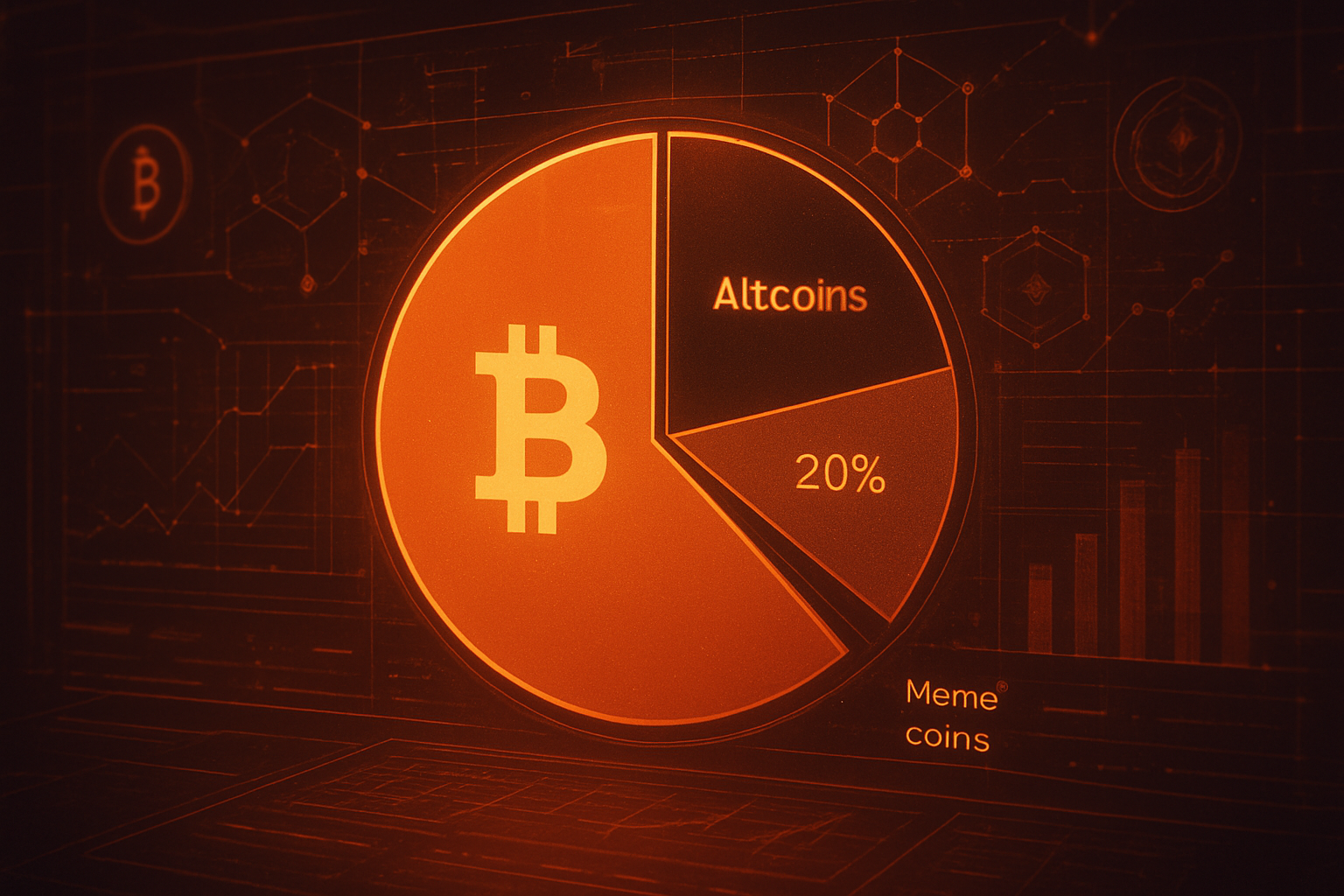
    A meticulously structured cryptocurrency portfolio allocation strategy, reportedly put forth by market wizard Adib Noorani, is capturing the attention of investors seeking a balanced yet growth-oriented approach in the volatile digital asset landscape. The strategy advises dedicating 10% of a total investment portfolio to cryptocurrency, further segmented into a dominant 75% allocation to Bitcoin (BTC), 20% to a diversified basket of Altcoins, and a speculative 5% to Meme coins. While specific public documentation directly attributing this precise breakdown to Adib Noorani was not found in recent research, the proposed framework offers a compelling blueprint for navigating the complexities of the crypto market as of November 2025.

    This allocation model emerges at a crucial juncture for the crypto ecosystem, offering a pragmatic blend of stability through Bitcoin and high-growth potential through altcoins and meme coins. Its significance lies in providing a clear, risk-managed entry point for both seasoned and nascent investors, potentially influencing capital flows and shaping investment narratives in a market increasingly seeking structured guidance amidst its inherent dynamism. The strategy's emphasis on Bitcoin as a foundational asset, complemented by calculated exposure to higher-risk, higher-reward segments, reflects a maturing perspective on digital asset investing.

    Market Impact and Price Action

    Should a significant portion of the investment community adopt a strategy akin to the one reportedly outlined by Adib Noorani, the market impact would likely reinforce existing trends while providing targeted support to specific sectors. With 75% of the crypto allocation directed towards Bitcoin, this strategy inherently strengthens BTC's market dominance and liquidity. As of November 2025, Bitcoin has been trading around $105,334, navigating a period of consolidation after fluctuating between $104,667 and $107,500. Despite a recent pullback from October highs, BTC maintains critical support near $100,000, with resistance at $110,000. A sustained influx of capital into Bitcoin, as suggested by this allocation, would likely bolster these support levels and provide a strong foundation for potential breakouts beyond $112,000, especially if institutional investments, which have shown cautious yet strategic interest in Bitcoin's infrastructure, continue to flow.

    The 20% allocation to Altcoins, while smaller than Bitcoin's share, represents a substantial commitment to the broader digital asset landscape. In November 2025, the altcoin market is characterized by heightened volatility and a "critical recalibration phase," with many altcoins still significantly below their all-time highs. However, selective strength is evident, with some assets like Humanity Protocol (H) seeing 300% surges and privacy coins like Zcash (ZEC) performing well ahead of halving events. This 20% allocation would likely fuel capital rotation from Bitcoin into promising altcoin projects, particularly those with strong fundamentals, developing ecosystems (like Solana and XRP), or those identified as undervalued. Such a sustained flow could help reverse the trend of altcoins trailing Bitcoin's performance, potentially igniting an "Altcoin Season" if Bitcoin dominance (currently around 58.69%) continues to show bearish signals, hinting at capital shifting towards higher-beta assets.

    The 5% allocation to Meme coins, while seemingly small, is strategically significant, acknowledging their role in attracting retail interest and generating high-risk, high-reward opportunities. As of November 2025, the meme coin market is experiencing a resurgence of speculative interest, with projections of over 150% growth since the beginning of the month and an 11% increase in combined market capitalization in the past week. Major meme coins like Dogecoin (DOGE), Shiba Inu (SHIB), and Pepe (PEPE) are exhibiting diverse trends, from DOGE's sideways consolidation around $0.178 to SHIB's 10.4% weekly gain and PEPE's mixed signals with observed whale accumulation. This consistent, albeit small, allocation could provide a steady stream of liquidity to the meme coin sector, maintaining speculative interest and potentially amplifying price movements in these highly volatile assets, which are primarily driven by social sentiment and community engagement rather than fundamental utility.

    Community and Ecosystem Response

    The proposed portfolio allocation strategy, with its clear delineation of risk and reward across different crypto asset classes, would likely resonate positively within the broader crypto community, particularly among those advocating for structured investment approaches. The strong emphasis on Bitcoin (75%) aligns with the "digital gold" narrative and its growing acceptance as a store of value and a hedge against inflation. This would likely be lauded by Bitcoin maximalists and traditional investors seeking a more conservative entry into crypto. Social media sentiment would likely reflect discussions around the prudence of such a dominant BTC position, especially in times of market uncertainty.

    The inclusion of a 20% allocation to Altcoins would be welcomed by developers and enthusiasts of various blockchain ecosystems, signaling continued confidence in technological innovation beyond Bitcoin. This could stimulate discussions on which altcoins best fit this category, focusing on projects with strong utility, growing developer communities, and clear roadmaps. Influencers and thought leaders might debate the criteria for selecting altcoins, potentially driving interest towards specific DeFi protocols, NFT projects, or Web3 applications that offer tangible value and adoption. The strategy implicitly encourages due diligence in the altcoin space, moving beyond pure speculation.

    The controversial yet pragmatic 5% allocation to Meme coins would likely spark lively debates across crypto Twitter and Reddit. While some might view it as an unnecessary exposure to highly speculative assets, others would see it as a realistic acknowledgment of the market's speculative appetite and the potential for outsized returns. This small allocation could be interpreted as a "fun money" or "high-risk, high-reward" component, catering to a segment of the retail investor base. It might also encourage further development of utility within the meme coin sector, as projects strive to justify even a small, structured allocation. Overall, the strategy fosters a balanced dialogue around risk management and diversification within the crypto space.

    What's Next for Crypto

    The widespread adoption of a portfolio allocation strategy similar to the one reportedly recommended by Adib Noorani could have profound short and long-term implications for the crypto market. In the short term, it would likely reinforce Bitcoin's position as the primary capital magnet and a benchmark for the broader market. This could lead to periods where Bitcoin outperforms altcoins, especially during market corrections, as investors "flock back to safety." For altcoins, the consistent 20% allocation would provide a steady demand floor, encouraging innovation and development in various sectors like DeFi, NFTs, and Web3, as projects compete to attract this dedicated capital. Meme coins would continue to thrive on speculative interest, with the 5% allocation ensuring a baseline of liquidity for this high-beta segment.

    Long-term implications include a potential normalization of crypto investing within traditional finance. A clear, expert-backed allocation strategy could lower the barrier to entry for institutional investors and wealth managers, who often seek structured approaches to new asset classes. This could accelerate broader crypto adoption by making digital assets seem less daunting and more integrated into conventional portfolio management. Potential catalysts to watch include further regulatory clarity globally, which could de-risk institutional participation across all crypto categories. Bitcoin halving events (like the one in April 2024, still being absorbed) will continue to influence supply dynamics, while major technological upgrades in altcoin ecosystems (e.g., Ethereum's scalability solutions) could drive significant capital inflows.

    Strategic considerations for projects and investors will revolve around demonstrating value and utility. Bitcoin projects will focus on strengthening its infrastructure and layer-2 solutions. Altcoin projects will need to clearly articulate their use cases, adoption metrics, and competitive advantages to attract the 20% allocation. For meme coins, the challenge will be to evolve beyond pure speculation, potentially by integrating utility or developing sustainable ecosystems, to retain and grow their 5% share. Possible scenarios include a continued "flight to quality" favoring Bitcoin during economic uncertainty, or a robust "Altcoin Season" if global risk sentiment improves and capital rotates into higher-growth assets.

    Bottom Line

    The proposed crypto portfolio allocation strategy, reportedly from market wizard Adib Noorani, offers key takeaways for crypto investors and enthusiasts: a disciplined approach to managing risk while capitalizing on the diverse opportunities within the digital asset space. The heavy weighting towards Bitcoin underscores its established role as a foundational asset and a primary store of value, making it the bedrock of a diversified crypto portfolio. The calculated exposure to altcoins allows for participation in technological innovation and potentially higher growth, while the small, speculative allocation to meme coins acknowledges their unique market dynamics and the potential for outsized, albeit risky, returns.

    This strategy holds significant long-term implications for crypto adoption. By providing a clear, structured framework, it demystifies crypto investing for a broader audience, potentially encouraging more mainstream participation. It signals a maturation of the market, where even volatile assets can be integrated into a balanced portfolio. The strategy implicitly advocates for continuous research and adaptation, as the specific altcoins and meme coins within the 20% and 5% allocations would require active management based on evolving market conditions and project developments.

    As of November 2025, investors should monitor Bitcoin's dominance and its ability to hold key support levels around $100,000. For altcoins, watching for signs of sustained capital rotation from BTC and the performance of projects with strong fundamentals will be crucial. In the meme coin space, monitoring social media sentiment, trading volumes, and any attempts by projects to build utility will be key metrics. The evolution of regulatory frameworks and macroeconomic indicators will also continue to play a pivotal role in shaping the overall crypto market trajectory.


    This article is for informational purposes only and does not constitute financial or investment advice. Cryptocurrency investments carry significant risk.

  • The Digital Divide: CBDCs Spark Global Debate, Reshaping Finance and Challenging Crypto’s Core Tenets

    The Digital Divide: CBDCs Spark Global Debate, Reshaping Finance and Challenging Crypto’s Core Tenets

    As of November 11, 2025, the global financial landscape is in the throes of a profound transformation, driven by the relentless march towards Central Bank Digital Currencies (CBDCs). With over 130 countries, representing nearly 98% of global GDP, actively engaged in CBDC initiatives, these state-backed digital currencies are no longer a distant concept but a rapidly materializing reality. While central banks champion CBDCs as a modern solution for financial inclusion, payment efficiency, and monetary sovereignty, their development has ignited a fierce debate within the cryptocurrency community and among privacy advocates, who foresee unprecedented central control and surveillance.

    The immediate market reaction to the accelerating CBDC agenda has been a mix of cautious optimism and deep-seated apprehension within the broader digital asset space. While some see CBDCs as a gateway to familiarizing the public with digital transactions, potentially paving the way for wider crypto adoption, others view them as a direct ideological and existential threat to decentralized cryptocurrencies and private stablecoins. This tension underscores a critical juncture where the traditional financial system's digital evolution directly confronts the foundational principles of decentralization and individual financial autonomy championed by the crypto ecosystem.

    Market Impact and Price Action

    The direct, immediate price action of major cryptocurrencies in response to specific CBDC announcements has historically been nuanced, often overshadowed by broader market sentiment or macro-economic factors. However, as the prospect of widespread CBDC adoption draws closer, particularly with major economies like the Eurozone and potentially the UK advancing towards pilot phases by 2027 and beyond, the market is beginning to price in potential long-term shifts.

    Decentralized cryptocurrencies like Bitcoin (BTC) and Ethereum (ETH) have not experienced sharp, direct declines solely attributable to CBDC news. Instead, the market's response is more subtle, manifesting as a persistent undercurrent of concern regarding the future competitive landscape. Investors are increasingly weighing the implications of a world where a stable, government-backed digital currency exists alongside volatile, decentralized assets. This could potentially lead to a bifurcation of the digital money market, with CBDCs serving as the primary medium for everyday transactions and cryptocurrencies retaining their role as speculative assets, stores of value, or foundational layers for decentralized applications. The most immediate speculative impact has been observed in the stablecoin market, where the promise of a central bank-issued digital alternative raises questions about the long-term viability and competitive edge of privately issued stablecoins. While specific trading volumes and liquidity changes directly attributable to CBDC developments are hard to isolate, the ongoing debate contributes to the overall risk assessment and investor sentiment, potentially influencing capital allocation decisions in the long run.

    Community and Ecosystem Response

    The crypto community's response to CBDCs has been largely characterized by skepticism and, in many quarters, outright opposition. Social media platforms like X (formerly Twitter) and Reddit are rife with discussions highlighting profound privacy concerns. Crypto influencers and thought leaders frequently articulate the fear that CBDCs, by their very nature of being centralized and traceable, represent a significant erosion of financial privacy and an expansion of state surveillance capabilities. The ability of a central authority to monitor every transaction, and potentially even impose controls on how funds are spent, stands in stark contrast to the pseudonymous and permissionless ethos of Bitcoin and other decentralized cryptocurrencies.

    Reactions from developers and projects within the DeFi, NFT, and Web3 spaces are varied. Some see CBDCs as a potential on-ramp, bringing more users into the digital asset fold who might then explore decentralized alternatives. Others view them as a competitive threat that could stifle innovation in private digital payment solutions. Concerns also exist about potential regulatory frameworks that might accompany CBDCs, which could extend to existing decentralized protocols. The broader sentiment among crypto enthusiasts is that CBDCs, while perhaps offering some transactional efficiencies, fundamentally betray the core principles of financial freedom and decentralization that gave birth to the cryptocurrency movement.

    What's Next for Crypto

    The advent of CBDCs presents both challenges and opportunities for the crypto market. In the short term, the ongoing development and pilot phases, particularly in major economies, will continue to fuel debate and shape regulatory discussions. Key catalysts to watch include legislative progress on the Digital Euro in the EU (anticipated in 2026 for a potential 2029 launch), the outcomes of the UK's Digital Pound Lab, and the expansion of China's e-CNY. These developments will likely inform global best practices and regulatory approaches, which could then influence how decentralized cryptocurrencies are treated.

    Long-term implications suggest a potential bifurcation of the digital financial system. CBDCs could become the dominant form of digital cash for everyday transactions, while decentralized cryptocurrencies continue to serve as stores of value, collateral in DeFi, and the underlying infrastructure for permissionless innovation. Strategic considerations for crypto projects and investors will involve navigating this evolving landscape. Projects may need to demonstrate clear value propositions that CBDCs cannot replicate, such as true decentralization, enhanced privacy features, or novel use cases beyond simple payments. Investors will need to assess how different assets perform in a world where central bank-issued digital money is prevalent, potentially leading to a flight to quality for truly decentralized assets that offer censorship resistance and monetary independence. Possible scenarios range from harmonious coexistence where each serves distinct purposes, to increased regulatory pressure on decentralized assets as governments seek to maintain monetary control.

    Bottom Line

    For crypto investors and enthusiasts, the rise of CBDCs is a critical development that demands close attention. While CBDCs offer potential benefits like enhanced financial inclusion and payment efficiency, the inherent trade-offs in terms of privacy and central control are significant. This fundamental difference underscores the long-term significance of CBDCs in reshaping the global financial system and their interaction with existing cryptocurrencies.

    The long-term success and adoption of CBDCs will depend heavily on their design, particularly regarding privacy safeguards and interoperability. For crypto, the challenge lies in effectively communicating the distinct advantages of decentralization, pseudonymity, and permissionless innovation. Important dates and events to monitor include legislative milestones for major CBDC projects, the expansion of pilot programs, and any new regulatory frameworks targeting digital assets in response to CBDC developments. Ultimately, the co-evolution of CBDCs and cryptocurrencies will define the future of money, presenting a dynamic interplay between centralized control and decentralized freedom.


    This article is for informational purposes only and does not constitute financial or investment advice. Cryptocurrency investments carry significant risk.

  • The Silent Surge: Privacy Coins Navigate Regulatory Storms Towards a Decentralized Future

    The Silent Surge: Privacy Coins Navigate Regulatory Storms Towards a Decentralized Future

    November 11, 2025 – In a significant development for the digital asset landscape, privacy-focused cryptocurrencies have experienced a remarkable resurgence throughout 2025, with their combined market capitalization soaring by approximately 80% to between $23.5 billion and $25 billion by early November. This surge unfolds amidst an increasingly stringent global regulatory environment, highlighting a growing tension between individual financial privacy and governmental calls for transparency. The renewed interest in assets like Monero (XMR), Zcash (ZEC), and Dash (DASH) underscores a fundamental shift in user priorities, as the crypto community seeks refuge from pervasive digital surveillance and centralized control.

    This resurgence is not merely a market anomaly; it signifies a deeper re-evaluation of core crypto principles. As mainstream cryptocurrencies become increasingly transparent and susceptible to state-level monitoring, privacy coins are emerging as crucial bastions of financial sovereignty and censorship resistance. Their performance in 2025, often outperforming Bitcoin's (BTC) 27.1% and Ethereum's (ETH) 33.4% gains with a 71.6% rise, signals a robust demand for confidentiality. This trend is set to profoundly impact the future trajectory of the crypto ecosystem, pushing innovation in privacy-enhancing technologies while challenging regulators to reconcile oversight with fundamental digital rights.

    Market Impact and Price Action

    The market for privacy-focused cryptocurrencies has been nothing short of dynamic in 2025, characterized by significant price movements, surging trading volumes, and shifting liquidity, all against a backdrop of escalating regulatory pressures.

    Zcash (ZEC): A Phenomenal Surge Driven by Halving and Institutional Interest

    Zcash (ZEC) has led the charge, exhibiting the most dramatic price action among prominent privacy coins. After spending much of 2024 under $40, ZEC's price rocketed by over 500% in less than two months, breaking a multi-year downtrend to reach highs near $374 by late October 2025. By November 10, 2025, ZEC was trading around $518.42, boasting a market cap of $10 billion and a 24-hour trading volume of $3.8 billion, even briefly surpassing Monero in market capitalization. This meteoric rise, which saw ZEC surge over 700% since late September and 1,250% in the last three months, is largely attributed to its second halving event in November 2025, which reduced the block reward from 3.125 ZEC to 1.5625 ZEC. This supply reduction, coupled with growing institutional interest evidenced by Grayscale's (OTCQX: GRSC) increased Zcash holdings and the launch of a Zcash Trust Fund in October 2025, fueled speculative and sustained buying. Trading volume for ZEC surged dramatically, with 24-hour volumes reaching $1.3 billion at its October peak, a 900% increase over its September average. Open interest in ZEC futures also climbed from under $50 million to approximately $306.3 million by late October.

    Monero (XMR): Resilience Amidst Regulatory Headwinds

    Monero (XMR), often considered the "gold standard" of privacy coins, has also demonstrated significant market resilience in 2025 despite facing considerable regulatory scrutiny and delistings from some exchanges. By May 2025, XMR rose to $353.71, its highest level since 2021, and continued this upward trajectory to reach $470 in November 2025, a price not seen since May 2021. On November 10, 2025, XMR was trading around $386.43 with a market cap of $7.5 billion and a 24-hour volume of $216.4 million. The revival of XMR is linked to bullish chart signals, renewed interest in privacy-focused assets, and spillover demand from Zcash's rally. Monero's mining hashrate reached an all-time high in May 2025, more than doubling since April 2024, indicating strong network fundamentals and miner confidence. However, Monero's market dynamics are heavily influenced by regulatory actions, with several centralized exchanges like Kraken (OTCQX: KRAK) and Binance (BINANCE: BNB-USD) delisting it from certain platforms due to regulatory pressure. This has concentrated XMR's trading volume on fewer, often less accessible exchanges, impacting its mainstream exposure and liquidity.

    Dash (DASH): A Privacy Coin with Governance Focus Experiences Significant Rallies

    Dash (DASH) has also experienced notable price action in 2025, with significant rallies in June and October. In June 2025, DASH saw an astonishing 150% price surge, climbing from $20 to approximately $50 by month-end, with trading volume surging by 200%. By late October 2025, Dash experienced another impressive rise of over 200%, reaching $47.69 by October 31. On November 11, 2025, Dash rose 14.05% in 24 hours to $84.20, outperforming the broader crypto market, driven by the overall privacy coin rally, new Decentralized Exchange (DEX) integrations, and a technical breakout above key resistance levels. However, by November 10, 2025, Dash, alongside Zcash and Monero, faced a sharp 12% drop in 24 hours due to fears of an impending EU privacy coin ban (effective July 2027) and profit-taking. Historically, Dash reached its all-time high of $1,642 in December 2017, and while its market cap in September 2025 was around $292.29 million, recent rallies have significantly increased it to approximately $889.73 million by early November 2025.

    The overall privacy coin market capitalization rose by approximately 80% leading up to early November 2025, signaling a broader resurgence in investor interest. This renewed demand is amplified by increasing global financial surveillance and regulatory crackdowns on traditional cryptocurrencies, such as the US Department of Justice’s seizure of 127,000 Bitcoins (BTC) in October 2025, which highlighted the traceability of non-private assets.

    Community and Ecosystem Response

    The crypto community's response to the privacy coin resurgence and intensified regulatory scrutiny is a complex mix of advocacy, concern, and adaptation, profoundly influencing the broader Web3 and DeFi landscape.

    Social media platforms like Twitter and Reddit are ablaze with discussions, memes, and impassioned arguments. The phrase "privacy is a necessity, not a feature" has become a rallying cry, echoing a sentiment that financial confidentiality is a fundamental right. Google search interest for "crypto privacy" surged in 2025, indicating heightened public awareness. While Monero is frequently discussed for its default privacy and use in peer-to-peer transactions, Zcash's recent rally has been linked to growing concerns over potential government overreach, amplified by an apparent endorsement from Edward Snowden, who called Zcash "the best in this space."

    Reactions from crypto influencers and thought leaders further underscore this shift. Arthur Hayes publicly called for "ZEC target $10,000," reflecting bullish sentiment. Vitalik Buterin, co-founder of Ethereum, has "repeatedly endorsed ZKsync" and questioned why more funds aren't directed towards privacy protocols. The legal actions against crypto mixers like Tornado Cash and the sentencing of Samourai Wallet co-founder Keonne Rodriguez in November 2025 have sent "chilling waves" through the privacy community, with #PrivacyIsNotACrime gaining traction as a symbol of resistance against what many perceive as an assault on digital privacy rights.

    The regulatory landscape is significantly influencing DeFi and Web3 projects. The underlying technologies of privacy coins, particularly zero-knowledge proofs (ZKPs), are increasingly seen as fundamental to the future of financial privacy. Institutions are actively seeking "compliant privacy" solutions, with Paxos partnering with Aleo to launch a private and compliant stablecoin (USAD), and the Ethereum Foundation establishing a new privacy team. COTI's "programmable privacy" is now integrated into MetaMask, enabling users to handle privacy tokens directly. Experts believe that privacy-focused stablecoins will become standard features, driven by institutional demand for confidentiality in operations like payroll and treasury management. However, the legal actions against crypto mixers have also raised concerns about a "chilling effect" on innovation and developer liability, creating uncertainty for privacy-focused projects.

    Technologies Behind Privacy Coins

    Privacy-focused cryptocurrencies harness advanced cryptographic techniques to offer unparalleled anonymity and confidentiality. These technologies move beyond mere pseudonymity, obscuring transaction details, sender, and receiver identities.

    • Zero-Knowledge Proofs (ZKPs): zk-SNARKs and zk-STARKs
      ZKPs allow one party to prove they know a secret or that a statement is true without revealing any information about the secret itself.

      • zk-SNARKs (Zero-Knowledge Succinct Non-Interactive Argument of Knowledge): Used by Zcash (ZEC), these enable "shielded transactions" where sender, recipient, and amount are hidden. Zcash's Halo 2 system, implemented in 2022, notably removed the "trusted setup" requirement, enhancing security.
      • zk-STARKs (Zero-Knowledge Scalable Transparent Argument of Knowledge): A newer evolution, zk-STARKs are scalable, transparent (no trusted setup), and quantum-resistant. Projects like StarkNet use them to bundle transactions off-chain, increasing throughput while maintaining privacy.
    • Ring Signatures: A cornerstone of privacy in Monero (XMR), ring signatures allow any member of a predefined group to produce a valid signature, making it computationally infeasible to determine the actual signer. When a Monero user sends funds, their signature is blended with several "decoys," making the true sender indistinguishable. Ring Confidential Transactions (RingCT) further obfuscate transaction amounts.

    • Stealth Addresses: These generate distinct, one-time addresses for every transaction, concealing the recipient's identity and transaction history. Monero utilizes stealth addresses to prevent address reuse and make fund tracing difficult. Vitalik Buterin has also proposed a stealth address system for Ethereum.

    • CoinJoin: An anonymization strategy used by Dash (DASH) via its "PrivateSend" feature, CoinJoin combines multiple users' transactions into a single, larger transaction. By mixing inputs and outputs from various users, it breaks the common-input-ownership heuristic, making it difficult to trace individual spending activity.

    Legitimate Use Cases for Privacy Coins

    Despite regulatory concerns, privacy coins serve several legitimate and growing use cases as of November 2025:

    • Protecting Financial Privacy for Individuals: Offering confidentiality similar to cash, allowing individuals to conduct transactions without public record.
    • Confidential Business Transactions: Enabling businesses to protect sensitive financial information from competitors and ensure proprietary transaction details.
    • Institutional Use Cases and "Regulated Privacy": Financial institutions are exploring these technologies for confidential transfers and shielded pools, aiming for "regulated privacy" that allows for selective disclosure when legally required.
    • Integration with Decentralized Finance (DeFi): Enabling private lending, borrowing, and yield generation without publicly exposing entire portfolios.
    • Private Payments and E-commerce: Facilitating anonymous payments across peer-to-peer platforms and online services.
    • Identity Verification and Authentication: ZKPs allow users to prove they meet requirements without revealing personal data, enhancing security and reducing fraud.
    • Supply Chain Management: Verifying product authenticity and data integrity without exposing sensitive internal processes.
    • Private Voting Systems: Ensuring voting integrity while maintaining voter anonymity.
    • Layer-2 Scaling Solutions: ZKPs are crucial for zk-Rollups, enhancing scalability and privacy on networks like Ethereum by validating transactions off-chain without revealing contents.

    Regulatory Scrutiny

    Privacy-focused cryptocurrencies are operating under intense global regulatory scrutiny as of November 2025, driven by concerns over money laundering, terrorist financing, and illicit activities.

    Delistings Due to Regulatory Pressure: Exchanges globally have increasingly delisted privacy coins. Kraken (OTCQX: KRAK) delisted Monero (XMR) for users in the European Economic Area (EEA) in late 2024, citing upcoming EU MiCA legislation. Binance (BINANCE: BNB-USD) and OKX (OKX: OKB-USD) have taken similar actions. Coinbase (NASDAQ: COIN) has consistently refrained from listing Monero. Overall, 73 exchanges worldwide have delisted privacy coins in 2025, a 43% increase from 2023.

    Government Actions and Enforcement: Governments are taking decisive action. In the U.S., prosecutions against crypto privacy tools include the conviction of a Tornado Cash developer and the guilty plea of Samourai Wallet founders in 2025. FinCEN has proposed a "mixer rule" that could label everyday privacy tactics as money laundering. The EU's new Anti-Money Laundering Regulation (AMLR) bans "crypto-asset accounts allowing anonymization of transactions" and prohibits exchanges from listing privacy coins, with rules enforceable by mid-2027. Japan and South Korea have already banned privacy coins on domestic exchanges.

    FATF Guidance: The Financial Action Task Force (FATF) continues to drive global regulatory standards. Its June 2025 update emphasized the urgent need for tougher action against virtual asset money laundering risks, noting persistent gaps in supervision. Privacy coins are explicitly included in the FATF's Travel Rule guidance, which mandates information sharing between Virtual Asset Service Providers (VASPs).

    MiCA Framework: The EU's Markets in Crypto-Assets (MiCA) regulation, fully operational from 2025 with phased enforcement through 2027, is a landmark framework. It mandates strict compliance, forcing crypto service providers to reconsider support for privacy coins and will prohibit CASPs from offering them. This framework, updated in October 2025, suggests even more stringent compliance for privacy coins.

    General Stance of Financial Regulators: Regulators globally maintain a skeptical stance, viewing anonymity features as significant risks to financial integrity, particularly concerning money laundering, tax evasion, and terrorism financing. This has led exchanges to prioritize compliance to avoid penalties. However, a "robust demand" for privacy-centric solutions persists, with users valuing anonymity in an era of increasing digital surveillance. Some projects, like Zcash with its optional transparency, are adapting to be more compatible with regulated environments, aiming for "auditable privacy."

    What's Next for Crypto

    The future outlook for privacy-focused cryptocurrencies is a testament to the ongoing tension between technological innovation and regulatory control. In the short term (1-2 years), privacy coins will continue to navigate a volatile landscape. Regulatory actions, such as the 34% surge in privacy coin regulations in 2024 and MiCA's enhanced disclosure mandates, will likely lead to further delistings from centralized exchanges, pushing more trading volume towards peer-to-peer (P2P) networks and decentralized exchanges (DEXs). Despite these headwinds, the sector's 80% market cap surge in 2025, with Zcash (ZEC) and Dash (DASH) reaching multi-year highs, demonstrates a persistent market demand. Zcash's halving in November 2025 is a critical short-term catalyst, impacting supply dynamics.

    Long-term (beyond 2 years), the trajectory for privacy coins will be shaped by a growing societal awareness of digital privacy and a potential shift towards "compliant privacy" models. There's a strong sentiment that privacy will become a prerequisite for mass adoption, as highlighted by a16z's crypto report. We may see increased segmentation, with strict anonymity coins primarily residing in decentralized ecosystems, while others evolve to meet regulatory demands through features like Zcash's optional transparency and viewing keys. Charles Hoskinson, founder of Cardano (ADA), predicts that privacy-oriented blockchains will constitute the fourth generation of blockchain technology, emphasizing their long-term importance.

    Potential Catalysts or Developments to Watch:

    • Regulatory Shifts and Clarifications: Any softening of stance or the development of clear, standardized frameworks for "compliant privacy" could significantly impact adoption. The lifting of sanctions on Tornado Cash is a positive signal.
    • Technological Advancements in Zero-Knowledge Proofs (ZKPs): Continued improvements in ZKP technology (e.g., Zcash's Halo 2, Ethereum Foundation's new privacy team) will be crucial for enabling privacy without sacrificing verifiability or scalability.
    • Increased Demand for Digital Privacy: Growing concerns over data breaches, financial surveillance, and surveillance-heavy Central Bank Digital Currencies (CBDCs) will fuel demand for privacy-preserving technologies.
    • Institutional Interest and "Compliant Privacy" Solutions: The rise of private and compliant stablecoins (e.g., Paxos (NASDAQ: PAXOS) with Aleo for USAD) and Grayscale's (OTCQX: GRSC) Zcash Trust Fund signal growing institutional interest in privacy infrastructure with auditability.
    • DeFi Integration and Interoperability: Integration of privacy protocols with DeFi platforms and cross-chain functionality will expand use cases and drive adoption.

    Strategic Considerations for Projects and Investors:

    Projects must focus on "compliance by design," balancing strong privacy with potential for selective transparency. Continuous technological innovation in ZKPs and robust ecosystem development are essential. Investors should perform acute regulatory risk assessments, consider diversification, and prioritize projects with strong technological fundamentals and clear, legitimate use cases. The market will likely differentiate between projects pursuing absolute anonymity and those aiming for "compliant privacy."

    Possible Scenarios with Their Likelihood:

    1. Widespread Crackdown leading to Niche, Decentralized Use (Moderate to High for Strict Anonymity Coins): Governments may intensify bans, pushing usage to P2P and DEXs, making privacy coins tools of "digital resistance."
    2. Regulatory Acceptance with "Compliant Privacy" Frameworks (High for Opt-in Privacy Coins): Regulators may acknowledge legitimate privacy needs, leading to frameworks for selective disclosure. Zcash is well-positioned for this.
    3. Technological Breakthroughs Drive Broader Integration (Moderate): Advancements in ZKPs could enable verifiable privacy satisfying both users and regulators, integrating privacy features into a wider range of blockchain applications.
    4. Privacy Coins as a Store of Value/Hedge against Surveillance (High): Amid increasing surveillance and CBDC concerns, privacy coins could be seen as an essential hedge against financial transparency.

    Bottom Line

    As of November 2025, privacy-focused cryptocurrencies are at a critical juncture, navigating a complex landscape defined by surging investor interest, rapid technological evolution, and intense regulatory scrutiny. For crypto investors and enthusiasts, understanding these dynamics is paramount to assessing their long-term significance and impact on broader crypto adoption.

    Key Takeaways for Investors and Enthusiasts:

    • Resurgent Market Performance: Privacy coins have significantly outperformed Bitcoin and Ethereum in 2025, with an 80% sector-wide surge, driven by a renewed demand for financial anonymity and market rotation.
    • Technological Leadership: Monero (XMR) remains dominant, while Zcash (ZEC) has seen remarkable growth, with both leveraging sophisticated methods like ring signatures, stealth addresses, and zero-knowledge proofs. Innovation continues, with advancements like Zcash's Halo 2 and COTI's "programmable privacy."
    • Intensified Regulatory Headwinds: Persistent regulatory pressure from FATF, MiCA, and national governments has led to widespread delistings from centralized exchanges (73 globally in 2025), creating liquidity and accessibility challenges.
    • Evolving Narrative: Privacy is increasingly viewed as a prerequisite for mass crypto adoption, with a shift towards "responsible privacy" or "privacy under a backbone of compliance" that balances confidentiality with authorized disclosure.

    Long-Term Significance: The long-term significance of privacy coins lies in their foundational role in upholding financial sovereignty and data protection. As digital surveillance intensifies, the demand for tools that offer control over personal financial information will only grow. Their underlying technologies, particularly zero-knowledge proofs, are not confined to dedicated privacy coins but are becoming integral to broader blockchain infrastructure, including rollups and compliance tools, indicating a wider recognition of the need for privacy-preserving solutions.

    Final Thoughts on Crypto Adoption: The trajectory of privacy coins suggests a dual-track adoption model: a "compliant" track for institutional and regulated retail use, and a parallel "privacy-centric" track driven by individuals prioritizing financial freedom. Innovation in "regulated privacy" (e.g., programmable privacy with selective transparency) could bridge this gap, accelerating adoption by reconciling user demand with regulatory requirements. Geopolitical factors and increasing digital surveillance will further fuel privacy coin adoption, particularly in regions with high financial instability or censorship. As centralized exchanges delist these assets, decentralized exchanges (DEXs) and peer-to-peer (P2P) networks will become increasingly crucial avenues for their use, solidifying the role of truly decentralized finance.

    Important Dates, Events, or Metrics to Monitor:

    • Ongoing Regulatory Updates: Watch for further guidance from FATF and MiCA, shaping legal viability and exchange availability.
    • Zcash Halving (November 2025): A key economic event impacting ZEC's supply dynamics.
    • Exchange Delisting Trends (Ongoing): Monitor delisting numbers; any reversal or new listings based on "regulated privacy" models would be a significant bullish signal.
    • Technological Breakthroughs (Ongoing): Keep an eye on advancements in zero-knowledge proofs and other privacy-enhancing technologies for scalability, efficiency, and optional auditability.
    • Adoption Metrics: Track privacy coin market capitalization, trading volumes, shielded pool sizes (for Zcash), and growth in active user addresses, especially from institutional investors.
    • Development of Compliant Privacy Solutions: Observe projects focused on "programmable privacy" or "selective disclosure" as they represent potential pathways for broader integration of privacy features.

    This article is for informational purposes only and does not constitute financial or investment advice. Cryptocurrency investments carry significant risk.

  • U.S. Congress Forges Ahead: Crypto Market Structure Legislation Nears Breakthrough Post-Shutdown

    U.S. Congress Forges Ahead: Crypto Market Structure Legislation Nears Breakthrough Post-Shutdown

    Washington D.C., November 11, 2025 – Following a period of legislative inertia punctuated by a recent government shutdown, the United States Congress has re-energized its efforts to establish a comprehensive regulatory framework for the burgeoning cryptocurrency market. Significant forward momentum has been observed in various legislative bodies, with key bills advancing through committees and even being signed into law, signaling a decisive shift towards regulatory clarity. This renewed legislative push, particularly after the Senate's passage of a crucial funding bill on November 10, 2025, underscores a bipartisan commitment to solidify the U.S.'s position as a leader in digital asset innovation.

    The most notable recent development is the Guiding and Establishing National Innovation for U.S. Stablecoins Act of 2025 (GENIUS Act / S. 1582), which was signed into law by President Trump on July 18, 2025. This landmark legislation provides a federal framework for payment stablecoins, demanding 100% reserves and monthly disclosures, while also exempting them from securities or commodities classifications. Concurrently, the House of Representatives passed the Digital Asset Market Clarity Act of 2025 (CLARITY Act / H.R. 3633) on July 17, 2025, aiming to delineate regulatory authority between the SEC and CFTC. On the Senate side, a bipartisan discussion draft of digital asset market structure legislation was released by the Senate Agriculture Committee on November 10, 2025, complementing the Responsible Financial Innovation Act of 2025 (RFIA) discussion draft released by the Senate Banking Committee on September 5, 2025. These collective actions indicate a robust legislative pipeline, critical for reducing regulatory uncertainty and fostering innovation within the crypto ecosystem.

    Market Impact and Price Action

    While the immediate market reaction to each legislative step isn't always reflected in drastic, instantaneous price movements, the cumulative effect of these advancements is overwhelmingly positive for the long-term health and stability of the crypto market. The signing of the GENIUS Act, for instance, provides a much-needed foundation for stablecoins, a critical component of the broader digital asset economy. This clarity is expected to bolster investor confidence, particularly for institutional players who have historically shied away due to regulatory ambiguity.

    The ongoing efforts to clarify jurisdictional boundaries between the Securities and Exchange Commission (SEC) and the Commodity Futures Trading Commission (CFTC) are paramount. Bills like the CLARITY Act and the Senate Agriculture Committee's draft aim to provide a "rule of the road" for digital assets, reducing the risk of enforcement actions and fostering a more predictable environment. This regulatory certainty is a powerful catalyst for increased trading volume and liquidity, as it lowers the perceived risk for large-scale investments. Historically, periods of regulatory uncertainty have often correlated with market volatility and dampened investor enthusiasm. Conversely, a clear, well-defined framework is anticipated to attract significant capital inflows, potentially leading to more stable and upward price trajectories for major cryptocurrencies and promising altcoins alike. While specific technical analysis remains subject to broader market forces, the legislative progress provides a fundamental bullish undercurrent, establishing stronger support levels by reducing systemic regulatory risks.

    Community and Ecosystem Response

    The crypto community has largely met the legislative progress with cautious optimism and enthusiasm. Social media platforms, from Crypto Twitter to Reddit forums, are abuzz with discussions surrounding the implications of these bills. The sentiment is predominantly positive, recognizing that concrete regulatory frameworks are essential for mainstream adoption and the long-term viability of the industry. Crypto influencers and thought leaders have hailed the GENIUS Act as a pivotal step, providing a blueprint for how specific asset classes within crypto can be effectively regulated without stifling innovation.

    The impact on related DeFi protocols, NFT projects, and Web3 applications is profound. The GENIUS Act's stablecoin framework is particularly crucial for DeFi, providing a regulated foundation for lending, borrowing, and trading activities that rely heavily on stable assets. The CLARITY Act's proposed "mature blockchain" test is also keenly watched by developers, as it offers a potential pathway for projects to transition from being classified as securities to commodities as they decentralize. Furthermore, the SEC's more pragmatic approach, including issuing no-action relief letters concerning crypto-asset custody and DePIN tokens, signals a willingness to engage constructively with innovators. This shift, coupled with a publicly pro-crypto Trump administration and the appointment of a "White House AI and Crypto Czar," has fostered an environment where builders feel more confident in developing within the U.S., rather than seeking friendlier shores.

    What's Next for Crypto

    The legislative journey for comprehensive crypto market structure legislation is far from over, but the path ahead appears clearer than ever. In the short term, attention will remain focused on the Senate, where the bipartisan discussion draft from the Agriculture Committee is expected to advance through committees by late 2025, with a full Senate vote potentially in early 2026. The CLARITY Act, having passed the House, now awaits consideration by the Senate Banking, Housing, and Urban Affairs Committee. Lawmakers are striving for bipartisan agreement to ensure the passage of a durable framework that can withstand future political shifts.

    Long-term implications for the crypto market are significant. A clear regulatory environment will likely usher in a new era of institutional investment, driving further innovation and adoption. The U.S. aims to cement its position as a global leader in digital assets, attracting talent and capital. Potential catalysts include successful committee markups, full floor votes in both chambers, and continued collaboration between the SEC and CFTC under their new, more collaborative leadership. Strategic considerations for projects and investors will involve closely monitoring the final language of these bills, particularly regarding jurisdictional definitions, consumer protection mandates, and any specific requirements for DeFi protocols. Possible scenarios range from the passage of a comprehensive, omnibus crypto bill in 2026 to a more piecemeal approach where individual components of the market are regulated incrementally. The current political climate, however, favors the former, given the strong bipartisan push and the administration's supportive stance.

    Bottom Line

    For crypto investors and enthusiasts, the key takeaway is clear: the U.S. Congress is making tangible and steady progress towards establishing a robust regulatory framework for digital assets. The recent legislative advancements, particularly the signing of the GENIUS Act and the movement of other critical bills, underscore a commitment to providing clarity and fostering innovation. This period marks a crucial turning point, moving beyond the era of regulatory uncertainty towards a future where digital assets are integrated into the broader financial system with clear rules of engagement.

    The long-term significance of these efforts cannot be overstated. A well-defined regulatory structure is essential for attracting institutional capital, safeguarding consumers, and ensuring the U.S. remains competitive in the global digital economy. This will undoubtedly accelerate crypto adoption, making digital assets more accessible and trustworthy for a broader audience. Important dates to monitor include the anticipated advancement of the Senate Agriculture Committee's bill by late 2025, potential Senate votes in early 2026, and the effective date of the GENIUS Act by approximately January 2027 (or sooner with final regulations). These legislative milestones, coupled with ongoing discussions around tax compliance for minor crypto transactions and anti-money laundering measures, paint a picture of a maturing industry poised for regulated growth.


    This article is for informational purposes only and does not constitute financial or investment advice. Cryptocurrency investments carry significant risk.
  • Ethereum Treasury Firms Face Valuation Crisis as Stocks Plunge Below ETH Holdings

    Ethereum Treasury Firms Face Valuation Crisis as Stocks Plunge Below ETH Holdings

    November 11, 2025 – The digital asset treasury (DAT) sector, once hailed as a gateway for traditional investors into the burgeoning crypto market, is currently grappling with a significant downturn. Several prominent Ethereum-focused firms, including BitMine Immersion Technologies (NASDAQ: BMNR), ETHZilla (NASDAQ: ETHZ), and SharpLink Gaming (NASDAQ: SBET), have seen their stock prices consistently trade below the intrinsic value of their underlying Ethereum (ETH) holdings. This unsettling trend, which has intensified throughout the latter half of 2025, signals a profound shift in investor sentiment and raises critical questions about the viability of indirect crypto exposure models.

    The immediate market reaction has been stark, with these companies experiencing substantial stock declines and a rapid erosion of the market premiums they once commanded. What began as isolated dips has evolved into a sustained re-evaluation by investors, who are increasingly scrutinizing the business models and dilution risks associated with these entities. This phenomenon is not merely a fleeting market anomaly but an ongoing indicator of a maturing, and perhaps more discerning, crypto investment landscape. It underscores a growing preference for direct crypto exposure over equity vehicles, challenging the foundational premise of many publicly traded crypto treasury companies.

    Market Impact and Price Action

    The underperformance of Ethereum treasury firms has manifested in sharp price declines and a significant compression of their market-to-Net Asset Value (mNAV) multiples. BitMine Immersion Technologies (NASDAQ: BMNR), a key player in the Ethereum holding space, saw its stock price fall below its ETH holdings in late 2025. By October 19, 2025, BMNR's mNAV had dipped below 1.0, signifying that its market capitalization was less than the value of its Ethereum assets. Earlier, on August 27, 2025, the stock experienced a notable pullback despite announcing an increase in its ETH holdings, highlighting investor skepticism towards expansion via dilution. By November 7, 2025, BitMine was reportedly facing approximately $2.1 billion in unrealized losses on its Ethereum holdings, with its stock down 20-30% over the preceding month.

    Similarly, ETHZilla (NASDAQ: ETHZ), which pivoted to an Ethereum treasury strategy in August 2025, quickly encountered headwinds. After an initial surge, shares plunged nearly 30% on August 26, 2025, following disclosures of a potential convertible share offering. By September 12, 2025, ETHZilla was trading at a 20% discount to its net asset value, and by early October, it had fallen over 84% from its mid-August peak. A 1-for-10 reverse stock split on October 20, 2025, provided a temporary per-share price boost but failed to address the underlying valuation issues, with the stock also declining over 20-30% in the month leading up to November 9, 2025. SharpLink Gaming (NASDAQ: SBET), another firm that transitioned to an Ethereum treasury model, also saw its shares drop over 20% on July 19, 2025, after announcing a significant stock sale to fund ETH acquisitions. By October 19, 2025, SBET's mNAV had also fallen below 1.0, with shares slipping approximately 13% over October.

    This widespread underperformance is largely attributed to aggressive share dilution through "At-The-Market (ATM)" equity programs. While effective for raising capital to acquire more crypto when stocks trade at a premium, this strategy has led to an oversupply of shares, depressing prices when investor demand for these indirect crypto plays wanes. The market's shift away from viewing these firms as growth plays towards seeing them as expensive wrappers for underlying assets has also contributed to the decline. The correlation with Ethereum's price volatility remains a significant factor; broader crypto market corrections, including an ETH price slide in early November 2025, directly exacerbated the stock declines of these treasury firms.

    The situation bears some resemblance to periods in past crypto cycles where companies holding significant amounts of Bitcoin (BTC) or other digital assets saw their stock prices struggle to maintain a premium during bear markets or periods of high market uncertainty. For instance, during the 2022 crypto winter, several publicly traded Bitcoin miners and treasury companies experienced significant stock depreciation, often trading at substantial discounts to their net asset values. This current trend with Ethereum-focused firms suggests a recurring pattern where market premiums for indirect crypto exposure can quickly evaporate when direct investment avenues become more accessible or when overall market sentiment turns bearish. The increased availability of crypto Exchange-Traded Funds (ETFs) has also provided investors with a more direct and often less volatile means of gaining exposure to digital assets, further reducing the appeal of these equity vehicles.

    Community and Ecosystem Response

    The ongoing underperformance of Ethereum treasury firms has resonated deeply within the crypto community, reflecting a pervasive "risk-off" sentiment across social media platforms like Crypto Twitter and Reddit. Discussions are rife with "FUD" (Fear, Uncertainty, Doubt), as many express despair over "nonstop selling" and question the prospects for market recovery in late 2025. This chaotic and frightening market environment, exacerbated by Bitcoin's (BTC) recent sell-off below $100,000 and Ethereum's (ETH) struggle below $3,700, has shifted the narrative from speculative euphoria to cautious realism.

    Specific firms have drawn particular attention. BitMine Immersion Technologies (NASDAQ: BMNR) faced significant scrutiny on Reddit, with posts highlighting "floating losses" on its ETH holdings and anticipating a "cascade of companies being liquidated." Despite this, a counter-narrative of conviction exists, with some users noting BitMine's continued accumulation of ETH during market crashes, viewing it as a strategic long-term play. SharpLink Gaming (NASDAQ: SBET) has also been a subject of debate, with community members questioning the value proposition of its stock amidst dilution concerns, even as the company highlights its strategy of staking 100% of its ETH holdings for rewards. ETHZilla (NASDAQ: ETHZ), while less frequently mentioned directly in performance discussions, has seen its strategy linked to broader negative sentiment surrounding Bitcoin-holding companies.

    Crypto influencers and thought leaders are navigating this volatile period with a mix of caution and long-term perspective. While some, like Anthony Pompliano, maintain a focus on Bitcoin's long-term appreciation, others, such as Alex Thorn, Head of Firmwide Research at Galaxy, have lowered their year-end Bitcoin targets, citing "treasury company malaise" among other factors. This reflects a growing acknowledgment of the challenges faced by indirect crypto investment vehicles.

    The downturn has had tangible, negative effects across the broader Ethereum ecosystem. Decentralized Finance (DeFi) protocols have experienced a drop in Total Value Locked (TVL) as users withdrew liquidity or faced liquidation of collateralized positions. A major exploit on the Balancer protocol in early November 2025, resulting in an estimated $128.6 million theft, sent "shockwaves through the crypto community," renewing concerns about smart contract security and triggering a broader de-risking trend. While Ethereum's network fundamentals remain robust, with TVL in DeFi protocols climbing to $120 billion as of November 8, 2025, the overall market sentiment has naturally "dampened interest and trading volume in the more nascent and often illiquid NFT and broader Web3 sectors," as the era of easy speculative gains appears to be fading. Institutional investment flows have also shown volatility, with Ethereum ETFs experiencing substantial inflows earlier in the year, only to record significant outflows in early November 2025, mirroring broader institutional withdrawals from the crypto market.

    What's Next for Crypto

    The current struggles of Ethereum treasury firms serve as a crucial bellwether for the evolving crypto market, signaling a period of re-evaluation and potential consolidation within the digital asset treasury sector. In the short term (late 2025 to early 2026), the market may continue to experience reduced investor confidence in indirect crypto exposure models. The significant unrealized losses faced by firms like BitMine Immersion Technologies (NASDAQ: BMNR) and SharpLink Gaming (NASDAQ: SBET) could lead to further liquidity strains, potentially forcing some treasuries to sell off ETH holdings and exacerbate market volatility. This could also impact DeFi protocols, as firms that actively participate in yield-generating strategies may need to deleverage, reducing liquidity and Total Value Locked (TVL). Institutional investors might pivot towards more direct ETH exposure or other perceivedly stable assets, like Bitcoin (BTC), particularly if concerns about share dilution and business risks persist.

    However, the long-term outlook for Ethereum and the broader crypto market remains robust, albeit with enhanced scrutiny. Ethereum's foundational role in the Web3 ecosystem, coupled with ongoing technological advancements, institutional integration, and its transition to a proof-of-stake architecture, positions it for sustained growth. The struggles of these treasury firms could ultimately lead to a healthier market by fostering greater demand for robust risk management, transparent reporting, and clearer regulatory frameworks. Ethereum's increasing attractiveness as a yield-generating asset through staking (offering 3-5% APY) will also continue to draw institutional capital seeking dual income streams.

    Several potential catalysts could significantly influence Ethereum's recovery and broader market growth. Macroeconomic shifts, such as anticipated U.S. Federal Reserve interest rate cuts by mid-2026 and a potential weakening of the U.S. dollar, could inject fresh liquidity into risk assets like cryptocurrencies. Crucially, Ethereum's network upgrades, including the upcoming "Fusaka" upgrade in December 2025—expected to boost data throughput and lower gas fees—and the "Verge" upgrade aimed at enhancing security, are vital for improving network efficiency and user adoption. The prospect of regulated, staking-enabled Ethereum ETFs becoming a reality by late 2025 is a potential "game-changer" for institutional interest, combining regulatory clarity with attractive staking rewards. The continued growth of Real-World Asset (RWA) tokenization, already representing 53% of DeFi's TVL, will also drive demand and utility for the Ethereum network.

    For investors, strategic considerations include maintaining a long-term perspective on Ethereum's fundamental strength and continuous development, despite short-term fluctuations. Participating in ETH staking for passive income can enhance overall returns. Diversification, holding Ethereum alongside Bitcoin, offers exposure to both utility-driven and store-of-value assets. Projects, particularly treasury firms, must prioritize robust risk management, explore diversification beyond concentrated ETH holdings, and actively engage with evolving regulatory landscapes to ensure long-term sustainability. While a moderate growth scenario for Ethereum towards $6,000-$11,000 by 2026 appears highly likely, an optimistic scenario, fueled by strong institutional inflows and successful upgrades, could see ETH reach $15,000-$17,000. Conversely, persistent macroeconomic headwinds or intensified competition could lead to a more conservative outlook, with ETH trading in the $3,700-$5,000 range. The current challenges, while painful, are likely part of a broader maturation process for the crypto investment ecosystem.

    Bottom Line

    The current underperformance of Ethereum treasury firms against their ETH holdings serves as a critical lesson for crypto investors and enthusiasts: the method of exposure to digital assets matters significantly. While these firms initially offered a bridge for traditional capital into crypto, their recent struggles highlight the inherent risks of indirect investment vehicles, particularly those susceptible to share dilution and market sentiment shifts. The key takeaway is to exercise discernment; not all "Ethereum treasury firms" are created equal, and their specific strategies, risk management, and operational transparency are paramount.

    In the long term, this phenomenon represents a market maturation and differentiation event rather than a fundamental flaw in Ethereum itself. It underscores a pivot towards utility and yield, with Ethereum's long-term significance increasingly tied to its role as the foundational layer for DeFi and Real-World Asset (RWA) tokenization. The emergence of more accessible and regulated crypto ETFs (both Bitcoin and expected staked-ETH ETFs) is streamlining institutional adoption through traditional financial channels, potentially reducing the speculative premium once enjoyed by treasury stocks that merely hold crypto.

    For crypto adoption, the implications are clear: ETFs will likely continue to be a primary gateway for broader institutional and retail participation. The industry's ability to simplify user experience, particularly through mobile wallets, will also be vital for the next wave of retail users. Furthermore, the challenges faced by Decentralized Autonomous Organizations (DAOs) in managing their treasuries underscore the critical need for clear legal and regulatory frameworks, which will be crucial for the mainstream adoption of decentralized governance models. This current phase of adoption, driven by institutional interest, diversification beyond Bitcoin, and the utility of assets like Ethereum for DeFi and RWA, appears more sustainable than past retail-driven speculative cycles.

    Investors and enthusiasts should closely monitor several important dates, events, and metrics as of November 2025. Key Ethereum price levels, particularly psychological support at $3,000 and resistance at $4,000 and $5,000, will be critical. Federal Reserve policy, especially anticipated interest rate cuts by mid-2026, could significantly enhance the attractiveness of Ethereum's staking yields. The potential SEC approval for a spot staked-ETH ETF remains a major catalyst, capable of unlocking substantial regulated institutional capital. Continual monitoring of institutional ETH accumulation reports, as well as Ethereum network metrics like the staking ratio, daily active users, and supply dynamics (to see if it returns to a deflationary state), will provide insights into its underlying health and demand. Lastly, the macroeconomic environment, including resolution of the U.S. government shutdown and clarity on inflation, will be crucial for overall market sentiment.

    In conclusion, while the "underperformance" of some Ethereum treasury firms reflects a turbulent market and specific challenges related to Ethereum's value accrual post-Dencun, it does not universally signal a lack of confidence in Ethereum's long-term viability. Instead, leading institutions are strategically accumulating ETH, viewing current market corrections as opportunities for long-term positioning. Ethereum's robust ecosystem, its role in DeFi and RWA tokenization, and its yield-generating staking mechanism underpin this persistent conviction. Investors must navigate this volatile market by focusing on sound fundamentals, regulatory developments, and a diversified approach.


    This article is for informational purposes only and does not constitute financial or investment advice. Cryptocurrency investments carry significant risk.