Author: mdierolf

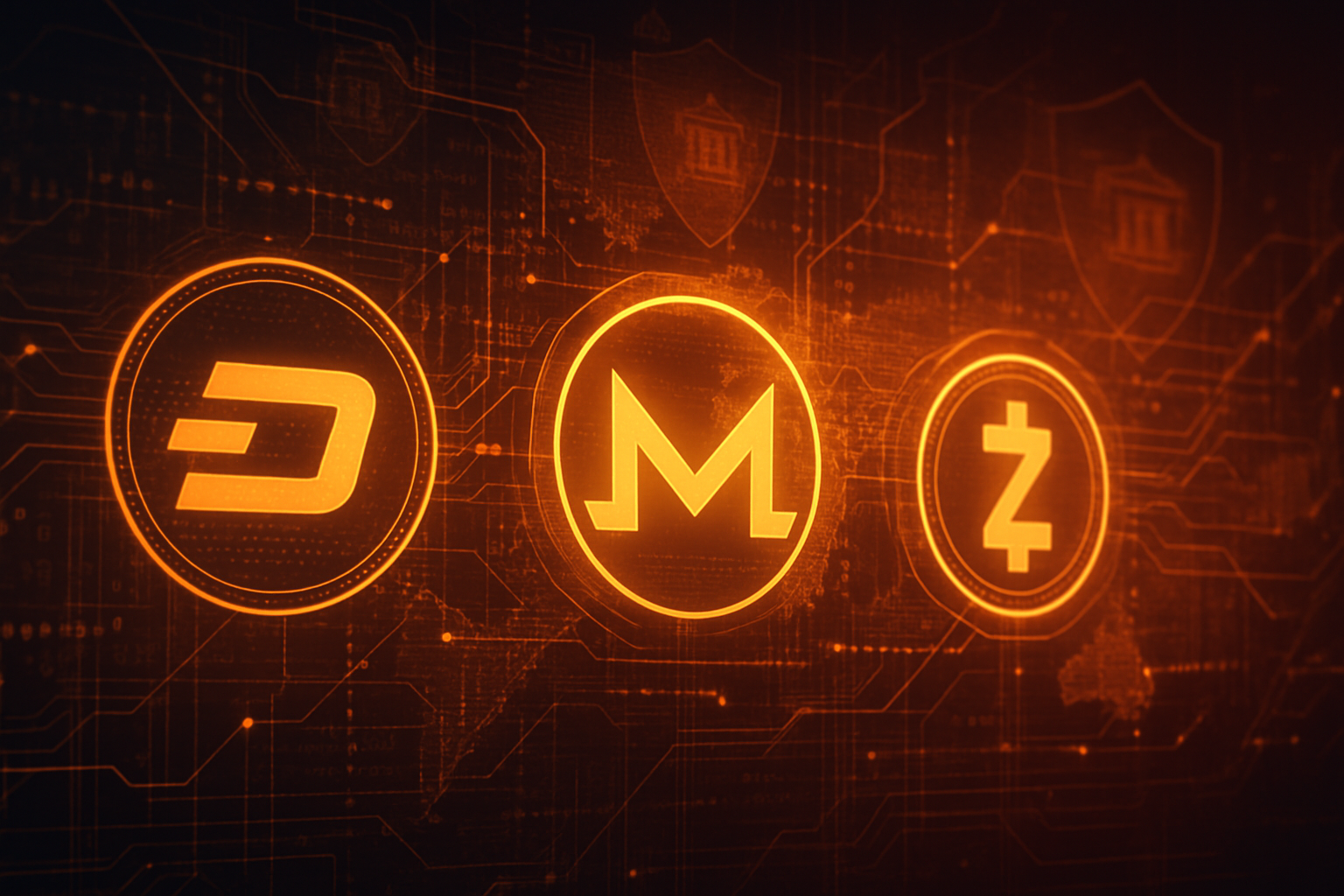
  • Privacy Under Pressure: DASH Surges Amidst Intensifying Regulatory Scrutiny on Privacy Coins

    Privacy Under Pressure: DASH Surges Amidst Intensifying Regulatory Scrutiny on Privacy Coins

    October 13, 2025 – In a surprising turn of events, privacy coin DASH has experienced a significant price surge, breaking a five-year downtrend and capturing the attention of the crypto market. This resurgence comes at a pivotal time for privacy-focused cryptocurrencies, which are facing unprecedented regulatory pressure globally. As of October 13, 2025, DASH's price has soared from approximately $20 in late September to over $56, igniting optimism among its proponents while simultaneously highlighting the ongoing battle between financial anonymity and governmental oversight.

    The renewed interest in DASH (DASH) is largely attributed to growing enthusiasm for its payment ecosystem, DASH Pay, which prioritizes usability and speed, alongside consistent activity from its masternode network. This rally, however, unfolds against a backdrop of increasing delistings from major exchanges and a global crackdown on privacy-enhancing digital assets, raising critical questions about the long-term viability and future trajectory of coins like DASH, Monero (XMR), and Zcash (ZEC) in an increasingly regulated Web3 landscape. The immediate market reaction has been a mix of excitement for DASH's performance and cautious apprehension regarding the broader implications of regulatory actions for the entire privacy coin sector. This dynamic underscores a fundamental tension within the crypto ecosystem: the desire for financial freedom and privacy versus the demands for transparency and compliance from traditional financial systems.

    Market Impact and Price Action

    The recent price action of DASH has been nothing short of remarkable. After languishing in a protracted bear market, DASH broke free from a five-year downtrend, surging from around $20 in late September 2025 to over $56 by mid-October. This bullish momentum has led some analysts to forecast potential targets between $70 and $100 if the uptrend continues, while others maintain a more conservative outlook, suggesting a possible correction. This significant upward movement is largely driven by renewed interest in DASH Pay's practical applications and the underlying strength of its masternode network, which underpins the network's security and governance. Trading volumes for DASH have seen a noticeable increase during this period, indicating heightened investor interest and liquidity.

    Other prominent privacy coins have also experienced notable, albeit varied, price movements. Monero (XMR), often considered the gold standard for privacy, has shown a 22.80% price change over the 30 days leading up to October 2025, with predictions for its 2025 price ranging from $296.79 to $443.98. Monero's consistent commitment to absolute privacy, however, has led to its delisting from several major exchanges, including Binance and Kraken (NASDAQ: KRKN) on their European and US platforms, due to compliance concerns.

    Zcash (ZEC) has seen an even more dramatic recovery, reclaiming the $200 mark and registering an astonishing 314.89% 30-day price change in October 2025. This rebound is linked to renewed interest in privacy amid regulatory scrutiny of on-chain transparency, accumulation by long-term holders, and an announcement from Grayscale Investments (OTCQX: GBTC) about launching a dedicated ZEC trust. However, Zcash's attempt to introduce an "audit-friendly" viewing key option in 2024 has seen low adoption, with only 12% of wallets utilizing the feature by March 2025, indicating a strong preference for full privacy among its user base. These divergent price actions highlight the market's complex reaction to both project-specific developments and the overarching regulatory climate.

    Community and Ecosystem Response

    The crypto community's response to the evolving privacy coin landscape is a mix of defiance, adaptation, and concern. Social media platforms like X (formerly Twitter) and Reddit are abuzz with discussions about DASH's recent surge, with many celebrating its resilience and renewed utility focus. However, these conversations are often tempered by the looming shadow of regulatory actions. Crypto influencers and thought leaders frequently debate the fundamental right to financial privacy versus the imperative for anti-money laundering (AML) and know-your-customer (KYC) compliance.

    Despite the numerous delistings from centralized exchanges, the demand for privacy features in the crypto space remains robust. Global transactions involving privacy coins surpassed $250 billion in 2025, a 17% increase from 2024, demonstrating continued, albeit often underground, usage. This indicates that a significant segment of the crypto user base prioritizes anonymity, often viewing it as a fundamental civil liberty. Projects like Monero continue to stand firm on their commitment to absolute privacy, even if it means sacrificing broader exchange accessibility. In contrast, Zcash's attempt to offer a compromise with viewing keys has seen limited uptake, suggesting that for many privacy coin users, partial privacy is not enough. The broader sentiment reflects a deep-seated belief in financial sovereignty, with many arguing that privacy coins are essential tools for protection against surveillance and censorship, particularly in authoritarian regimes.

    What's Next for Crypto

    The future of privacy coins and the broader crypto market will be heavily shaped by the ongoing tug-of-war between innovation and regulation. In the short term, the recent surges in DASH and Zcash could attract more speculative interest, but sustained growth will depend on their ability to navigate the complex regulatory environment without compromising their core value proposition. The European Union's Markets in Crypto-Assets (MiCA) framework, fully effective in late 2024, mandates enhanced disclosure for privacy coins, significantly reducing their offerings on European exchanges. Similarly, the U.S. Financial Crimes Enforcement Network (FinCEN) proposed a rule in January 2025 mandating record-keeping for private coin transactions exceeding $500, a move that could further restrict their use within the US.

    Long-term implications suggest a bifurcated future for privacy coins. Those that can integrate some form of selective transparency, like Zcash's viewing keys, might find a niche within regulated financial systems, albeit with the challenge of user adoption. Projects like Monero, which prioritize absolute privacy, may increasingly operate on decentralized exchanges (DEXs) or through peer-to-peer networks, catering to a user base willing to forgo centralized exchange access for enhanced anonymity. Potential catalysts for privacy coins could include further advancements in zero-knowledge proofs (ZKPs) that allow for verifiable privacy without revealing underlying data, or a global pushback against excessive financial surveillance. Investors and projects must strategically consider these regulatory headwinds, focusing on compliance where possible, or embracing decentralized alternatives for truly private transactions. The ongoing debate about whether privacy is a right or a privilege in the digital economy will continue to define this sector.

    Bottom Line

    The recent surge in DASH's price, alongside the volatile movements of other privacy coins like Monero and Zcash, underscores a critical juncture for financial privacy in the cryptocurrency world. While renewed interest in DASH's utility and payment solutions offers a glimmer of optimism, the overarching trend of increasing regulatory scrutiny from bodies like FATF, MiCA, and FinCEN cannot be ignored. The delisting of privacy coins from major centralized exchanges is a stark reminder of the challenges they face in achieving mainstream adoption within traditional financial frameworks.

    For crypto investors and enthusiasts, the key takeaway is the delicate balance between the desire for anonymity and the demands for transparency. Privacy coins offer undeniable benefits in terms of financial freedom, protection against surveillance, and enhanced fungibility, but these benefits come with significant regulatory risks. The long-term significance of this ongoing conflict will determine whether privacy remains a core tenet of the crypto ethos or becomes a niche feature confined to the fringes of the ecosystem. Investors should closely monitor regulatory developments, the adoption rates of privacy-enhancing technologies, and the strategic responses of privacy coin projects. Important metrics to watch include transaction volumes on DEXs, the development of new privacy solutions, and any shifts in governmental stances on digital asset anonymity. The period ahead will be crucial in defining the role of privacy coins in the future of finance.


    This article is for informational purposes only and does not constitute financial or investment advice. Cryptocurrency investments carry significant risk.

  • Kenya Ushers in New Era for Digital Assets with Landmark Crypto Regulation Law

    Nairobi, Kenya – October 13, 2025 – In a pivotal move set to redefine the landscape of digital assets across emerging economies, Kenya's Parliament officially passed the Virtual Asset Service Providers Bill, 2025, on October 7, 2025. This landmark legislation, approved by the National Assembly with broad bipartisan support, establishes a comprehensive regulatory framework for cryptocurrencies and other virtual assets within the East African nation. The bill now awaits President William Ruto's assent, a formality widely expected to solidify Kenya's position as a frontrunner in regulated crypto innovation.

    The passing of this bill is not merely a domestic policy shift; it signals a significant maturation of the crypto ecosystem in a region characterized by rapid digital adoption and a burgeoning unbanked population. Stakeholders have largely welcomed the development, viewing it as a crucial step towards fostering a secure and transparent environment for digital asset operations. This regulatory clarity is anticipated to not only protect consumers but also attract substantial foreign direct investment, paving the way for unprecedented growth and integration of blockchain technology into Kenya's financial fabric.

    Market Impact and Price Action

    The immediate aftermath of Kenya's parliamentary approval of the Virtual Asset Service Providers Bill, 2025, has been met with a nuanced, rather than explosive, market reaction. As of October 13, 2025, there haven't been dramatic, isolated price surges directly attributable to the Kenyan news across major cryptocurrencies like Bitcoin (BTC) or Ethereum (ETH). This is largely due to the global nature of these assets, where a single nation's regulatory move, while significant, typically contributes to a broader sentiment rather than triggering a standalone rally.

    However, the sentiment among regional crypto communities and platforms operating within Kenya has shown a positive shift. Local exchanges and service providers are anticipating increased investor confidence and a potential influx of institutional capital once the law is fully enacted. While specific price movements of local tokens or projects directly linked to Kenya's nascent crypto market are harder to isolate and analyze due to their smaller market capitalization and liquidity, the general outlook points towards stability and growth. The regulatory clarity is expected to reduce perceived risks, which could lead to a gradual increase in trading volumes and liquidity over the medium to long term, as more participants feel secure engaging with the market. This contrasts with past instances in other emerging markets where regulatory uncertainty led to significant price volatility and capital flight. Technical analysts are now watching key support levels for major cryptocurrencies, anticipating that positive regulatory news from growing markets like Kenya could act as a foundational catalyst, reinforcing bullish trends rather than initiating new ones.

    Community and Ecosystem Response

    The Kenyan crypto community has largely embraced the new regulatory framework with a palpable sense of optimism and relief. Discussions across social media platforms, particularly on local Twitter (now X) and Telegram groups, reflect a consensus that the law provides much-needed legitimacy and protection for participants. Crypto influencers and thought leaders within Kenya have lauded the government's proactive approach, emphasizing that the clear rules will weed out fraudulent schemes and foster a more trustworthy ecosystem. Many believe this will encourage broader mainstream adoption, as individuals and businesses can now engage with digital assets under a defined legal umbrella.

    Beyond social media, the implications for Kenya's burgeoning DeFi protocols, NFT projects, and Web3 applications are significant. The requirement for licensing and adherence to AML/CFT standards is seen as a double-edged sword: while it introduces compliance burdens, it also paves the way for greater integration with traditional financial systems and attracts more serious, long-term investors. Developers and entrepreneurs in the Web3 space are now evaluating how to best align their innovations with the new regulations, with many expressing enthusiasm for the potential for growth and collaboration that a regulated environment offers. The broader crypto Twitter and Reddit sentiment, while not solely focused on Kenya, views such comprehensive regulatory moves from emerging economies as a positive trend, indicating a global shift towards mainstream acceptance and institutionalization of digital assets.

    What's Next for Crypto

    The passing of Kenya's Virtual Asset Service Providers Bill, 2025, marks a significant inflection point for the global crypto market, particularly for emerging economies. In the short term, the immediate focus will be on the operationalization of the law, including the issuance of licenses by the Central Bank of Kenya (CBK) and the Capital Markets Authority (CMA). This period will be crucial for existing Virtual Asset Service Providers (VASPs) to adapt their operations to meet the new compliance requirements, including establishing physical offices and adhering to stringent AML/CFT protocols. We can anticipate a surge in demand for regulatory compliance services and legal expertise within the Kenyan crypto sector.

    Looking further ahead, the long-term implications are profoundly positive. This robust regulatory framework is expected to attract significant foreign direct investment into Kenya's crypto and blockchain space, as institutional investors often prioritize regulatory clarity and consumer protection. Potential catalysts to watch include the successful licensing of major international crypto exchanges within Kenya, which could further boost liquidity and market access. Moreover, the integrated regulatory approach, leveraging existing financial authorities, could become a blueprint for other African nations contemplating similar legislation. Strategic considerations for projects and investors will revolve around demonstrating compliance, fostering innovation within the regulatory boundaries, and leveraging Kenya's position as a gateway to the broader East African market. Possible scenarios range from a rapid acceleration of crypto adoption and innovation in Kenya, to a more measured growth as the market adjusts to the new rules, with the former being more likely given the government's clear intent to foster a secure and thriving digital asset ecosystem.

    Bottom Line

    Kenya's passing of the Virtual Asset Service Providers Bill, 2025, represents a monumental stride towards integrating digital assets into the mainstream financial system. For crypto investors and enthusiasts, the key takeaway is the increasing global trend towards regulatory clarity, which, while introducing compliance requirements, ultimately de-risks the market and paves the way for sustainable growth. This move by Kenya, a nation with a vibrant and rapidly expanding crypto user base, underscores the long-term significance of digital assets in emerging economies, where they offer unparalleled opportunities for financial inclusion and innovation.

    The long-term assessment points to a future where Kenya could become a regional hub for blockchain technology and virtual asset services. This legislation is a testament to the evolving understanding of digital assets by governments, moving from initial skepticism to proactive regulation. It signifies a crucial step towards mass adoption, as it builds trust and provides a secure environment for both consumers and businesses. Important dates to monitor include President Ruto's assent to the bill, expected soon, and the subsequent commencement of the licensing process by the CBK and CMA. Metrics to watch will include the number of licensed VASPs, growth in trading volumes, and the influx of foreign investment into Kenya's crypto sector, all of which will serve as indicators of the law's success in fostering a regulated and thriving digital asset economy.


    This article is for informational purposes only and does not constitute financial or investment advice. Cryptocurrency investments carry significant risk.

  • Dogecoin Roars onto Wall Street: ‘House of Doge’ Public Debut Signals New Era for Meme Coins

    October 13, 2025 – Today marks a pivotal moment in the evolution of meme coins as the "House of Doge," the official commercial and treasury arm of the Dogecoin Foundation, made its public debut on Nasdaq. The highly anticipated event, a culmination of months of strategic maneuvers, saw House of Doge commence trading following a reverse merger with Brag House Holdings (NASDAQ: TBH). This move is poised to fundamentally redefine Dogecoin's trajectory, aiming to transcend its meme-coin origins and establish it as a legitimate, institutional-grade digital asset for global commerce.

    The immediate market reaction to this landmark event has been a study in contrasts. While traditional equity markets saw significant volatility, with key partners experiencing sharp declines, Dogecoin's (DOGE) price demonstrated remarkable resilience, holding steady amidst the turbulence. This divergence underscores a growing maturity within the cryptocurrency market, where fundamental developments, even those impacting traditional financial partners, are increasingly assessed on their own merits rather than triggering a broad-based sell-off of the underlying digital asset. For the broader crypto ecosystem, the institutionalization of Dogecoin through House of Doge represents a bold experiment in mainstream adoption, potentially paving the way for other community-driven tokens to seek similar pathways to enhanced utility and credibility.

    Market Impact and Price Action

    The public debut of House of Doge on Nasdaq has sent ripples through both traditional equity markets and the cryptocurrency landscape, presenting a mixed bag of immediate reactions. While the event is designed to bolster Dogecoin's long-term utility and adoption, the short-term equity market response to its associated entities has been notably bearish. CleanCore Solutions (NYSE: ZONE), a critical partner in the establishment of the official Dogecoin treasury, experienced a dramatic downturn, with its share price plummeting over 50% in a single day. This sharp decline was reportedly triggered by negative investor sentiment surrounding a significant $175 million Private Investment in Public Equity (PIPE) deal, signaling concerns over potential shareholder dilution. The stock continued its downward trajectory in subsequent trading.

    Similarly, Brag House Holdings (NASDAQ: TBH), the company through which House of Doge executed its reverse merger, also faced immediate headwinds. Despite a substantial surge of over 43% in its stock price in the two weeks leading up to the merger announcement, its Nasdaq-listed shares were reported to be down 60% at the time of this publication. This indicates a strong negative immediate reaction from traditional equity traders, potentially reflecting skepticism about the merger's immediate financial implications or the perceived risk associated with a venture deeply tied to a cryptocurrency.

    In stark contrast to the volatility observed in these partner companies' stocks, Dogecoin's (DOGE) price displayed remarkable stability. Instead of crashing in tandem with the equity market declines, DOGE held its ground, maintaining its value. This resilience suggests a decoupling of Dogecoin's market sentiment from the immediate equity performance of its institutional partners, indicating that crypto investors may be evaluating the long-term potential of the House of Doge initiative independently. Trading volumes for DOGE saw an initial uptick around the debut, reflecting increased interest, but without the panic selling that often accompanies such significant corporate news in traditional markets. Technical analysis for DOGE shows it continues to hold key support levels, with resistance levels remaining largely unchanged in the immediate aftermath, suggesting a cautious but not overtly negative sentiment among cryptocurrency traders. This divergence highlights the unique dynamics of the crypto market, where community conviction and long-term vision can sometimes override short-term traditional market pressures.

    Community and Ecosystem Response

    The Dogecoin community, renowned for its unwavering loyalty and vibrant social media presence, has largely embraced the public debut of House of Doge with optimism. Social media platforms like X (formerly Twitter) and Reddit have buzzed with discussions, with many expressing excitement about Dogecoin's institutionalization and the potential for increased real-world utility. Crypto influencers and thought leaders, while acknowledging the initial stock market volatility of partner companies, have generally lauded the strategic vision behind House of Doge. They view it as a crucial step in Dogecoin shedding its "joke coin" moniker and evolving into a more serious contender in the digital payments space. The establishment of a formal treasury, the pursuit of regulated financial products like ETPs and a potential spot ETF, and strategic partnerships are seen as validating Dogecoin's long-term viability.

    Beyond Dogecoin itself, the broader meme coin ecosystem is closely watching the developments. The success or challenges faced by House of Doge could set a precedent for other community-driven tokens seeking similar pathways to mainstream adoption and institutional credibility. While direct effects on related DeFi protocols or NFT projects are not immediately apparent, the increased visibility and legitimacy brought by House of Doge could indirectly benefit the wider Web3 space by attracting more traditional investors and fostering greater trust in decentralized technologies. The sentiment across crypto Twitter and Reddit, while always diverse, leans towards a cautious optimism, recognizing the inherent risks but also the immense potential for Dogecoin to carve out a significant niche in the global financial landscape. The community's enduring support and high on-chain participation underscore a collective belief in Dogecoin's future as a global currency.

    What's Next for Crypto

    The public debut of House of Doge carries profound short and long-term implications for the entire crypto market, particularly for the burgeoning meme coin sector. In the short term, the mixed market reactions – traditional equities dipping while DOGE holds steady – highlight a growing sophistication in how different market segments interpret crypto-related institutional moves. This could lead to a more nuanced valuation of crypto assets, where underlying utility and community strength are increasingly weighed against the performance of associated traditional financial instruments. For meme coins, this event serves as a crucial test case: can a community-driven token successfully transition into a more formalized, institutionally backed entity without losing its core appeal or decentralization ethos?

    Looking further ahead, the long-term implications are potentially transformative. House of Doge's aggressive strategy to build a substantial Dogecoin reserve, develop global payment rails, and launch regulated financial products like Europe's first Dogecoin Exchange-Traded Product (ETP) with 21Shares and a proposed U.S. spot Dogecoin ETF, could significantly broaden Dogecoin's investor base. Its focus on integrating DOGE into everyday commerce and targeting Gen Z adoption through gaming via its merger with Brag House Holdings (NASDAQ: TBH) points to a future where Dogecoin is not just a speculative asset but a practical medium of exchange. Potential catalysts to watch include the approval of the U.S. spot Dogecoin ETF, the successful rollout of Dogecoin yield products with Robinhood (NASDAQ: HOOD), and the expansion of its large-scale mining operations aimed at enhancing network security. Strategic considerations for other projects and investors involve assessing the viability of similar institutionalization models and understanding the delicate balance between maintaining community spirit and achieving mainstream financial integration. The most likely scenario is a gradual, but significant, increase in Dogecoin's utility and adoption, with periods of market volatility as these ambitious initiatives unfold.

    Bottom Line

    The public debut of House of Doge on Nasdaq today, October 13, 2025, represents a watershed moment for Dogecoin and the broader cryptocurrency market. For crypto investors and enthusiasts, the key takeaway is the accelerating trend of institutionalization within the meme coin ecosystem. While the immediate equity market performance of partner companies like CleanCore Solutions (NYSE: ZONE) and Brag House Holdings (NASDAQ: TBH) experienced significant downturns, Dogecoin's (DOGE) own price stability suggests a robust underlying community and a growing recognition of its potential utility. This event underscores the market's evolving understanding of crypto assets, where fundamental developments and long-term vision can hold sway over short-term traditional market reactions.

    The long-term significance of House of Doge cannot be overstated. By establishing a formal treasury, pursuing regulated financial products, and actively working to integrate Dogecoin into global commerce and target new demographics like Gen Z through gaming, House of Doge is laying the groundwork for Dogecoin to evolve beyond its meme status. This initiative is a bold attempt to bridge the gap between decentralized, community-driven crypto and the structured world of traditional finance. What this means for crypto adoption is a potential paradigm shift: the successful institutionalization of Dogecoin could provide a blueprint for other tokens, accelerating the mainstream acceptance and practical use of digital currencies. Important dates, events, or metrics to monitor include the progress of the U.S. spot Dogecoin ETF application, the expansion of Dogecoin's payment rails, and the growth in its official reserve holdings. The journey of Dogecoin, now backed by the strategic vision and capital access of House of Doge, is a compelling narrative that will undoubtedly shape the future of crypto adoption.


    This article is for informational purposes only and does not constitute financial or investment advice. Cryptocurrency investments carry significant risk.

  • Bittensor (TAO) Soars Post-Coinbase Listing: Decentralized AI Gains Institutional Traction Amidst Major Token Unlock

    The decentralized artificial intelligence (AI) network Bittensor (TAO) has cemented its position in the crypto landscape with an official listing on Coinbase (NASDAQ: COIN) earlier this year. This pivotal development, which moved beyond mere speculation in February 2025, has significantly amplified TAO's visibility and accessibility, particularly for a broader base of investors, including institutional players in the United States. As of October 13, 2025, the market is navigating the aftermath of this listing alongside other critical developments, including a massive token unlock and strategic institutional moves.

    The "Coinbase Effect" was immediately evident, with TAO experiencing a substantial price surge and a dramatic increase in trading volume following the announcement. This listing not only validated Bittensor's innovative decentralized AI model but also highlighted the growing importance of AI-related crypto projects within the broader digital asset ecosystem. The current focus has shifted towards long-term implications, including efforts towards institutional adoption, the successful integration and expansion of Bittensor's decentralized subnets, and managing the dynamics of its supply.

    Market Impact and Price Action

    The official Coinbase listing announcement on February 19, 2025, acted as a powerful catalyst for TAO, triggering a notable price surge. The token jumped over 17%, with some reports indicating an impressive 20% spike that pushed its intraday highs to $420. This immediate reaction underscored the significant "Coinbase Effect" on crypto markets, where listings on major, regulated exchanges often precede substantial price appreciation due to increased liquidity and exposure.

    Trading volumes for TAO skyrocketed by an astonishing 350% within just three days of the listing announcement, surging from $72 million to $353 million. This dramatic increase in volume was a clear indicator of heightened investor interest and demand. Technically, the listing helped TAO break out from a 74-day descending parallel channel, signaling a potential end to a prolonged decline. Analysts at the time projected potential new highs, with targets between $450 and $520 if the token could reclaim the $450 resistance area.

    While TAO experienced some volatility after its initial post-listing rally, its underlying subnet ecosystem demonstrated impressive resilience and continued growth. Leading up to October 13, 2025, TAO has shown a remarkable recovery from a recent market downturn, rebounding by 35% and exhibiting strong buying interest, particularly from institutional investors. However, the current date also marks a significant event: the unlocking of over $1 billion worth of TAO tokens, representing approximately 25% of its $3.9 billion market capitalization. This historic supply release is now entering circulation, posing a crucial test for market stability and the token's ability to absorb such a large influx of supply without significant price depreciation.

    Community and Ecosystem Response

    The crypto community widely celebrated the Coinbase listing, with social media platforms buzzing with bullish sentiment. Crypto influencers and thought leaders quickly pointed to the listing as a major step towards accelerating adoption and expanding the real-world applications of Bittensor’s AI-driven technology. The listing served as a strong endorsement of Bittensor's legitimacy and its innovative decentralized AI model, which aims to democratize access to AI technologies and foster transparency, addressing concerns often associated with centralized AI projects.

    Beyond the immediate market excitement, the listing has had a profound effect on the broader Bittensor ecosystem. The number of active subnets—specialized, incentive-driven marketplaces for various AI services—nearly tripled in the year leading up to April 2025, and their combined market capitalization has grown significantly. This expansion validates Bittensor's unique "AI App Store" model, where subnets form a competitive, multi-faceted digital economy. Further bolstering this growth, Digital Currency Group (DCG) committed $10 million through Yuma Asset Management on October 10, 2025, specifically to fund Bittensor subnets, with plans for additional capital raising. This investment underscores the increasing institutional recognition of Bittensor's potential to revolutionize the AI landscape through decentralization.

    The listing also reinforced the overarching "crypto-AI" or "decentralized AI" narrative, which posits that AI is too powerful to be controlled by centralized entities. As more investors seek exposure to the burgeoning AI crypto space, TAO has become a key asset for those looking to invest in this innovative sector.

    What's Next for Crypto

    The future for Bittensor (TAO) and the decentralized AI sector appears dynamic, with several key developments and catalysts on the horizon. In the short term, the market will be closely watching the absorption of the significant token unlock that occurred on October 13, 2025. How TAO's price and liquidity react to this influx of supply will be a critical indicator of its market maturity and investor confidence. Simultaneously, the recent Grayscale Trust filing with the SEC (Form 10, filed around October 12-13, 2025) is a major development aimed at boosting TAO's institutional liquidity and making it an SEC-reporting asset, potentially reducing private placement lockups. Progress on this front will be a significant catalyst.

    Long-term implications include enhanced visibility and accessibility for institutional capital, further validating the decentralized AI model. The continued expansion and success of Bittensor's subnets are paramount; their ability to attract developers, users, and generate real-world utility will directly influence TAO's intrinsic value. Potential catalysts to watch include further regulatory clarity for crypto assets, broader adoption of decentralized AI solutions across industries, and additional institutional investments or partnerships.

    For projects and investors, strategic considerations should focus on the robustness of Bittensor's technology, the growth trajectory of its subnet ecosystem, and its ability to maintain decentralization while scaling. Possible scenarios range from continued steady growth driven by institutional adoption and subnet utility to potential volatility if the market struggles to absorb large token unlocks or if broader crypto market sentiment shifts. However, the strong institutional interest from Grayscale and DCG suggests a growing belief in Bittensor's long-term potential.

    Bottom Line

    Bittensor's journey from a promising decentralized AI project to an officially listed asset on Coinbase (NASDAQ: COIN) in February 2025 marks a pivotal moment for the AI crypto sector. The initial "Coinbase Effect" delivered a significant price surge and trading volume increase, validating the market's appetite for innovative decentralized AI solutions. As of October 13, 2025, the focus has broadened to include crucial developments such as the Grayscale Trust filing, which signals a serious push for institutional integration, and a substantial token unlock event that will test the market's resilience.

    The long-term significance of these events cannot be overstated. The Coinbase listing provides unprecedented visibility and accessibility, while the Grayscale filing aims to attract substantial institutional capital, potentially transforming TAO into a more widely recognized and compliant asset. The continued growth and success of Bittensor's subnets, fueled by investments like DCG's $10 million allocation, are fundamental to its value proposition, positioning it as a leading example of a decentralized "AI App Store."

    For crypto investors and enthusiasts, Bittensor represents a compelling case study in the convergence of AI and blockchain. Its ability to navigate market dynamics, integrate with traditional finance through vehicles like the Grayscale Trust, and foster a thriving decentralized ecosystem will be key indicators of its long-term success and its contribution to broader crypto adoption. Important metrics to monitor include the progress of the Grayscale Trust approval, the performance and expansion of new and existing subnets, and TAO's price action, particularly in the wake of significant supply unlocks. These elements will collectively paint a clearer picture of Bittensor's trajectory in the evolving digital economy.


    This article is for informational purposes only and does not constitute financial or investment advice. Cryptocurrency investments carry significant risk.

  • Crypto Market Braces for $446M Token Unlocks: Volatility Looms as Supply Surges

    The cryptocurrency market is on high alert this week, with a staggering $446 million worth of tokens poised to unlock and enter circulation between October 13 and October 20, 2025. This massive influx of previously locked digital assets has ignited discussions across the crypto community, signaling a potential period of heightened volatility and price turbulence across various altcoins. The impending release of these tokens, allocated to early investors, project teams, and ecosystem development, significantly increases the circulating supply, often leading to selling pressure as recipients realize profits or rebalance their portfolios.

    This week's unlocks are a critical event for the crypto ecosystem, serving as a real-time test of market demand and a project's fundamental strength. While some fear a broad market downturn, others view these unlocks as necessary mechanisms for project maturation and potential buying opportunities for long-term holders. The sheer volume of tokens hitting the market underscores the importance of understanding vesting schedules and their profound impact on tokenomics and price action.

    Market Impact and Price Action

    The impending $446 million token unlock event is expected to reverberate across various corners of the crypto market, with specific tokens facing unique pressures. Historically, token unlocks, particularly large "cliff unlocks" where a substantial percentage of supply is released at once, tend to exert downward pressure on prices due to an immediate increase in sell-side liquidity. Investors who acquired tokens at much lower private sale prices may opt to offload their holdings, leading to a supply shock that outpaces immediate demand.

    Among the most significant cliff unlocks scheduled this week is Fasttoken (FTN), which will see 20 million tokens (worth approximately $40.20 million) released on October 18, representing 4.62% of its total unlocked supply, reportedly allocated entirely to founders. Similarly, Connex (CONX) is set to unlock 2.32 million tokens (valued at about $32.93 million) on October 15, distributed to its foundation, ecosystem, and community treasury. Arbitrum (ARB), a prominent Layer 2 scaling solution, will release 92.65 million ARB tokens, worth around $30.69 million, on October 16, earmarked for team members, advisors, and investors. Other substantial cliff unlocks include DRB ($18.28 million), Starknet (STRK) ($16.49 million), Sei (SEI) ($12.66 million), zkSync (ZK) ($6.90 million), and ApeCoin (APE) ($6.75 million). These sudden injections of supply could lead to immediate price dips as the market struggles to absorb the new volume.

    In contrast, "linear unlocks" involve a gradual release of tokens over time, which generally mitigates extreme volatility. This week, Solana (SOL) leads the linear unlocks with approximately 499,470 SOL tokens, valued at $97.75 million, distributed daily. While a significant sum, this represents a mere 0.09% of its circulating supply, suggesting a more manageable impact. Other notable linear unlocks include Worldcoin (WLD) ($37.00 million), TRUMP ($30.42 million), Dogecoin (DOGE) ($20.31 million), ETHFI ($10.58 million), and Bittensor (TAO) ($10.14 million). For projects with strong fundamentals and robust demand, such as Solana, the market may absorb these gradual releases without severe price depreciation. However, tokens with smaller market caps or less established ecosystems could still experience pressure, even from linear unlocks, if the daily supply outstrips buying interest.

    Community and Ecosystem Response

    The crypto community's response to upcoming token unlocks is typically a mix of apprehension and strategic positioning. On platforms like X (formerly Twitter) and Reddit, discussions often revolve around the potential for "dumping" by early investors, especially for projects with significant cliff unlocks. Fear, Uncertainty, and Doubt (FUD) can spread rapidly, leading to pre-emptive selling by retail investors attempting to front-run anticipated price drops. Crypto influencers and thought leaders frequently weigh in, advising caution and emphasizing the importance of distinguishing between short-term price movements and a project's long-term viability.

    However, not all sentiment is negative. A segment of the community views unlocks as a natural part of a project's lifecycle, essential for decentralization and rewarding early contributors. For strong projects, some investors see post-unlock dips as opportune moments to accumulate tokens at a discount, betting on the project's long-term growth. The impact on related DeFi protocols, NFT projects, or Web3 applications can be indirect; a significant price drop in a foundational token could lead to reduced liquidity in associated decentralized exchanges or dampen investor sentiment across its ecosystem. The broader crypto Twitter and Reddit sentiment will likely remain cautious but observant, with eyes fixed on how well the market absorbs this fresh supply.

    What's Next for Crypto

    The upcoming $446 million token unlocks present both short-term challenges and long-term implications for the crypto market. In the immediate future, increased volatility is almost a certainty, especially for tokens experiencing large cliff unlocks. Investors should brace for potential price corrections and heightened trading activity. However, the market's ability to absorb this new supply will be a crucial indicator of its overall health and the underlying strength of the projects involved. Strong projects with active development, growing user bases, and clear roadmaps are more likely to weather the storm, as sustained demand can offset the increased supply.

    Looking further ahead, these unlocks reinforce the ongoing maturation of the crypto market. Transparent vesting schedules are a cornerstone of responsible tokenomics, designed to prevent immediate mass sell-offs and align the interests of founders and early investors with the long-term success of the project. Strategic considerations for projects include maintaining open communication with their communities, highlighting development milestones, and fostering utility to drive organic demand. For investors, this period necessitates thorough due diligence, focusing on a project's fundamentals rather than succumbing to short-term FUD. Potential catalysts to watch include major project announcements, new partnerships, or significant technological upgrades that could generate renewed buying interest and help absorb the unlocked supply. Possible scenarios range from temporary price dips followed by quick recoveries for robust projects to more prolonged stagnation for those lacking strong fundamentals.

    Bottom Line

    The $446 million worth of token unlocks between October 13 and October 20, 2025, serves as a significant event for the cryptocurrency market. For crypto investors and enthusiasts, the key takeaway is the importance of understanding the mechanics of token unlocks and their differentiated impact based on whether they are cliff or linear releases. While short-term price volatility is a strong possibility, especially for tokens with substantial one-time unlocks, the long-term significance lies in how well projects manage their tokenomics and how the market ultimately values their underlying technology and utility.

    This period underscores the need for diligent research into project fundamentals, vesting schedules, and team commitments. Investors should monitor trading volumes and liquidity closely, looking for signs of sustained buying pressure or exacerbated selling. Important dates to watch are the specific unlock days for tokens like Fasttoken (October 18), Connex (October 15), and Arbitrum (October 16). Ultimately, while token unlocks can create headwinds, they are a natural and often necessary component of a project's journey, contributing to its decentralization and long-term viability. For crypto adoption, these events highlight the market's evolving maturity and its capacity to absorb significant supply changes, albeit with potential periods of turbulence.


    This article is for informational purposes only and does not constitute financial or investment advice. Cryptocurrency investments carry significant risk.

  • Crypto Ecosystem Roars Back: Record $3.5 Billion Fundraising Signals New Era Amidst Market Volatility

    October 13, 2025 – The cryptocurrency world has just witnessed an unprecedented surge in capital injection, with a staggering $3.5 billion raised in a single week from October 6 to October 12, 2025. This record-breaking fundraising across 28 funding rounds marks a pivotal moment, signaling a sharp resurgence in investor confidence after seven consecutive weeks of sub-$1 billion activity. The influx of capital, heavily favoring blockchain services, DeFi, and Web3 infrastructure, underscores a maturing investment landscape focused on real-world utility and sustainable growth.

    However, this wave of optimism was quickly tempered by a dramatic market correction on October 10, 2025, just as the fundraising week concluded. Triggered by renewed trade tensions between the US and China and a reported pricing error on Binance, the crypto markets experienced a "massive liquidation event" that saw Bitcoin plummet from its freshly minted all-time high of $126,000. This confluence of record capital inflow and sudden volatility highlights the dynamic and often unpredictable nature of the nascent digital asset economy, presenting both immense opportunity and significant risk for participants.

    Market Impact and Price Action

    The period from October 6-12, 2025, was a rollercoaster for crypto markets. The week began with Bitcoin soaring to an all-time high of $126,000 on October 6, fueled by heavy inflows into Bitcoin Exchange-Traded Funds (ETFs), with BlackRock (NYSE: BLK)'s IBIT alone attracting $3.5 billion in weekly inflows. This initial surge was a direct reflection of heightened institutional interest and the optimism generated by the record fundraising figures.

    However, the euphoria was short-lived. By October 10, a "massive liquidation event" crashed crypto markets, leading to a 4.2% drop in Bitcoin's price from its record high. Reports cited a "brutal $16 Billion Crypto Market Crash" and even a "$19B crypto market crash," marking it as the "largest single-day liquidation event in crypto history." Leveraged liquidations alone amounted to $600 million in a 24-hour period, primarily attributed to a pricing error on Binance and escalating trade tensions between the US and China. This swift downturn demonstrated the market's sensitivity to macroeconomic shocks and internal vulnerabilities, especially when coupled with high leverage.

    Despite the broader market downturn, some altcoins showed remarkable resilience. There was a noticeable "capital rotation from BTC to alts," with BNB hitting a new all-time high after the market crash. This suggests that while Bitcoin absorbed the initial shock, investors quickly sought opportunities in potentially undervalued alternative assets. Interestingly, the market also saw "aggressive" post-crash buying, indicating that many investors viewed the downturn as a discount buying opportunity, suggesting underlying confidence in the long-term trajectory of digital assets.

    Community and Ecosystem Response

    The crypto community, particularly on platforms like Crypto Twitter and Reddit, was awash with a mixture of euphoria and cautious reactions during and immediately after the record fundraising week. Initially, social media was "awash with bullish predictions, celebratory memes, and discussions around Bitcoin's 'digital gold' narrative," with the Fear & Greed Index soaring to 71 ("Greed"). Discussions on Reddit reflected this excitement, with users celebrating the market's upward momentum.

    Crypto influencers and thought leaders largely echoed the prevailing bullish sentiment, emphasizing Bitcoin's long-term potential and its validation as a legitimate asset class. However, the market crash introduced a wave of urgent discussions around risk management and the dangers of leverage. There were also instances of "coordinated FUD campaign" targeting Binance and BNB, which some influencers dismissed as competitive tactics, further fueling community debate.

    The record capital injection had tangible effects across the broader crypto ecosystem. DeFi protocols, particularly those focusing on real-world assets (RWAs) and on-chain credit markets, garnered significant investment, signaling a maturation of blockchain investments beyond pure speculation. The BNB Chain, for example, saw its total value locked (TVL) across its DeFi protocols reach $9 billion, demonstrating robust economic activity. Innovation was also evident with the emergence of cross-chain token launch platforms, aiming to address market fragmentation.

    The NFT sector experienced a "revival," with DappRadar reporting a 28% quarter-on-quarter increase in active wallets and a substantial 158% increase in sales. Interest notably shifted towards game-based NFT items and established "blue-chip" collections like Pudgy Penguins. Meanwhile, Web3 applications continued to attract substantial venture capital, with a noticeable shift towards fewer, larger funding rounds for foundational infrastructure projects, underscoring a maturing market where investors prioritize long-term scalability and core technologies.

    What's Next for Crypto

    The record $3.5 billion fundraising week, followed by a sharp market correction, sets a complex stage for the crypto market's future. In the short term, increased volatility is expected as the market digests the recent events. The flash crash likely cleared out much of the accumulated leverage, potentially leading to a healthier, more deleveraged market. Investor sentiment may show temporary caution, with a flight to safer assets, but aggressive post-crash buying suggests a quick recovery by institutional and retail investors viewing the dip as a buying opportunity. New projects that secured funding will face immediate pressure to demonstrate resilience and prudent capital management.

    Long-term implications remain largely bullish. The substantial capital inflow, particularly into DeFi, Web3, and infrastructure, reinforces institutional confidence and is expected to fuel significant innovation and ecosystem growth. This trend supports the long-term outlook for blockchain technology and increased trust from institutional players and venture funds. Diversification of crypto investments into various sectors, including tokenized real-world assets (RWAs), is gaining traction, further integrating digital assets with traditional finance. The maturing regulatory landscape, with anticipated clearer frameworks in the U.S. and globally, is also expected to reduce uncertainty and foster further institutional engagement. Some experts predict a multi-year bull phase extending into 2026, punctuated by corrections, driven by a strengthening business cycle and technological advancements.

    Key catalysts and developments to watch include regulatory clarity, especially U.S. legislation for stablecoins and digital assets, and global standards for tokenization. Technological advancements in DeFi 2.0, blockchain interoperability, AI and blockchain integration, and RWA tokenization will be crucial. Continued institutional adoption, evidenced by spot ETF inflows and corporate treasury allocations, along with macroeconomic factors like interest rates, inflation, and global liquidity, will significantly influence market performance.

    For projects, strategic considerations involve a strong focus on utility, sustainable business models, and proactive regulatory compliance. Robust due diligence, risk management, and interoperability are paramount. Investors, conversely, must prioritize enhanced due diligence, risk management through diversification, and a long-term investment horizon. Monitoring macroeconomic and regulatory landscapes, while avoiding over-leveraging, will be critical for navigating the inherent market volatility.

    Bottom Line

    The record $3.5 billion crypto fundraising week is a powerful testament to the enduring confidence and innovative spirit within the digital asset ecosystem. Despite the immediate market correction that followed, this massive capital injection signals a maturing market where investment is increasingly directed towards foundational infrastructure, real-world utility, and sustainable business models. The confluence of institutional adoption, technological advancements in DeFi and Web3, and an evolving regulatory landscape points towards a future where digital assets are more deeply integrated into the global financial system.

    While the market remains susceptible to macroeconomic shocks and geopolitical tensions, the underlying trend is towards broader adoption and a more resilient ecosystem. Key takeaways for investors and enthusiasts include the importance of focusing on projects with tangible value, conducting thorough due diligence, and maintaining a diversified portfolio. The recent volatility underscores the critical need for disciplined risk management and a long-term perspective.

    As we move forward, important metrics to monitor include the progress of regulatory frameworks, particularly in major jurisdictions like the U.S., the continued growth of institutional inflows into regulated products like ETFs, and the development of innovative solutions in DeFi, RWA tokenization, and AI-blockchain synergy. The events of October 6-12, 2025, serve as a stark reminder that while the crypto market offers unparalleled opportunities, it demands vigilance, informed decision-making, and an understanding of its inherent complexities. The journey towards mainstream crypto adoption is accelerating, but it will undoubtedly be marked by both exhilarating highs and challenging corrections.


    This article is for informational purposes only and does not constitute financial or investment advice. Cryptocurrency investments carry significant risk.

  • Bitcoin and Ethereum Stage Dramatic Comeback Post-Crash: A Resounding Testament to Market Resilience?

    The cryptocurrency market, still reeling from a tumultuous week, is showing remarkable signs of resilience as Bitcoin and Ethereum lead a swift rebound following a significant flash crash that sent shockwaves across the global financial landscape. On October 10-11, 2025, an unexpected escalation in U.S.-China trade tensions triggered a widespread sell-off, wiping billions from the crypto market and liquidating over $19 billion in leveraged positions. However, as of October 13, 2025, a dramatic recovery is underway, fueled by a softening geopolitical stance and robust institutional inflows, signaling a potential "buy the dip" mentality among investors.

    This rapid turnaround, occurring just days before our current date, serves as a critical stress test for the burgeoning digital asset ecosystem. The ability of the market to absorb such a significant shock and bounce back with vigor speaks volumes about the underlying confidence in Bitcoin and Ethereum, and by extension, the broader Web3 space. It raises pertinent questions about investor conviction and the long-term trajectory of cryptocurrencies in an increasingly volatile global economy.

    Market Impact and Price Action

    The flash crash on October 10-11, 2025, was brutal and swift. Bitcoin (BTC), the market's flagship cryptocurrency, plunged from above $125,000 to briefly dip below $102,000, experiencing an intraday drop of approximately 16% on some exchanges. It later found stabilization around the $111,500 mark. Ethereum (ETH), the second-largest digital asset, suffered an even sharper percentage decline, plummeting from over $4,300 to roughly $3,373 at its nadir, an almost 18% intraday crash, before settling around $3,795. The total crypto market capitalization saw an estimated $800 billion erased in a single day.

    However, the market's response was equally dramatic. The rebound began to materialize on October 12, gaining significant momentum by October 13, 2025. Bitcoin swiftly reclaimed the $115,000 level, trading around $115,127.37, representing a nearly 3% surge in a single day post-crash. Ethereum staged an even more impressive comeback, rising over 8% to $4,154.14 and decisively regaining the critical $4,000 level. This recovery was underpinned by robust trading activity, with weekly trading volumes in digital asset Exchange-Traded Products (ETPs) surging to an unprecedented $53 billion, double the 2025 weekly average, and Friday alone witnessing a record $15.3 billion in volume.

    From a technical analysis perspective, Bitcoin's ability to hold key levels, such as the 200-day exponential moving average, was crucial for its recovery. Analysts widely characterized the event as a "leverage reset" or a "technical correction" rather than a fundamental flaw. The unwinding of over-leveraged positions, evidenced by funding rates dropping to their lowest levels since the 2022 bear market, is seen as a necessary cleansing event that could pave the way for a healthier and more sustainable market uptrend, much like similar corrections observed in previous bull cycles.

    Community and Ecosystem Response

    The immediate aftermath of the crash saw a palpable shift in social media sentiment, with initial panic and fear quickly giving way to a more "cautious optimism" as the rebound took hold. Crypto Twitter and Reddit buzzed with discussions ranging from despair during the dip to renewed conviction as prices recovered. Many within the community viewed the event as a testament to crypto's volatility but also its inherent strength and ability to bounce back.

    Crypto influencers and thought leaders played a significant role in shaping sentiment. Macro investor Raoul Pal, for instance, was quick to predict a "V-shaped recovery," asserting that such flash crashes often precede a swift reclamation of previous price ranges and potential new highs. This perspective resonated with many, reinforcing the "buy the dip" narrative. While direct impacts on specific DeFi protocols, NFT projects, or Web3 applications were varied, the overall market downturn undoubtedly affected liquidity and trading activity across these sectors. However, the rapid rebound suggests that underlying faith in these nascent ecosystems remains strong, with participants viewing the correction as a temporary setback rather than a systemic failure.

    What's Next for Crypto

    The swift recovery of Bitcoin and Ethereum post-crash carries significant implications for the short and long-term outlook of the crypto market. In the immediate future, continued geopolitical stability and sustained institutional interest will be critical in maintaining the current bullish momentum. The market has demonstrated its capacity to absorb shocks, suggesting a stronger foundation than many critics often assume.

    Potential catalysts to watch include further easing of global trade tensions, continued robust inflows into Bitcoin and Ethereum ETFs (such as those from BlackRock (NYSE: BLK)), and ongoing technological developments within the Ethereum ecosystem, particularly as it continues its scalability roadmap. For projects and investors, strategic considerations should focus on risk management, diversification, and a long-term perspective. The "leverage reset" has created a potentially healthier market environment, offering opportunities for strategic accumulation for those confident in crypto's future. While a V-shaped recovery appears to be unfolding, investors should remain vigilant for potential consolidation phases or further volatility.

    Bottom Line

    The recent flash crash and subsequent rapid rebound of Bitcoin and Ethereum serve as a powerful reminder of both the inherent volatility and the undeniable resilience of the cryptocurrency market. Key takeaways for crypto investors and enthusiasts include the market's capacity for swift recovery, the unwavering institutional confidence evidenced by significant ETF inflows (Bitcoin ETFs recorded $2.67 billion, and Ethereum ETFs saw $338 million in the week leading up to the crash, with BlackRock's (NYSE: BLK) IBIT and ETHA leading the charge), and a strong "buy the dip" mentality among both retail and institutional players.

    This event solidifies the long-term significance of digital assets as a permanent fixture in the global financial landscape. Far from signaling fundamental weakness, the correction appears to have been a necessary cleansing, unwinding excessive leverage and creating a more sustainable environment for future growth. For crypto adoption, the continued institutional embrace, despite market turbulence, is a crucial indicator. Investors should closely monitor geopolitical developments, ongoing ETF inflow trends, funding rates in perpetual futures markets, and key technical support and resistance levels for Bitcoin and Ethereum as the market navigates the coming weeks. The period around October 10-13, 2025, will likely be remembered as a pivotal moment that underscored crypto's enduring strength.


    This article is for informational purposes only and does not constitute financial or investment advice. Cryptocurrency investments carry significant risk.

  • XRP Defies Gravity: A Deep Dive into Its Rapid Rebound After a Massive Flash Crash and Liquidations

    October 13, 2025 – The cryptocurrency market witnessed a dramatic event in the past week, as XRP (XRP-USD) experienced a significant flash crash on October 10, 2025, followed by an equally impressive and rapid rebound. This period of intense volatility, primarily triggered by escalating global macroeconomic tensions, saw billions in leveraged positions liquidated across the crypto ecosystem, yet XRP emerged with renewed investor confidence, offering critical insights into market resilience and the evolving role of digital assets.

    The flash crash unfolded swiftly on October 10, 2025, sending XRP's price plummeting from highs of approximately $2.70-$2.81 to lows ranging from $0.77 on Binance to $1.5077 on Investing.com, representing a staggering drop of up to 42%. This precipitous decline was not isolated; it was part of a broader market-wide liquidation event that wiped out an estimated $19 billion in leveraged positions across various cryptocurrencies. Specifically, over $600 million in XRP long positions were liquidated, with more than $150 million in XRP futures positions also erased following an unexpected announcement by U.S. President Donald Trump of a 100% tariff on Chinese imports, which instantly fostered a "risk-off" sentiment across global financial markets.

    The immediate aftermath was characterized by widespread panic among some retail investors, but also by a swift and decisive "buy the dip" action from institutional investors and large holders. This rapid recovery, which saw XRP consolidate back into the $2.30-$2.40 range by the end of October 10 and further rebound to around $2.55 by October 13, underscores the increasing maturity and underlying strength of certain digital assets. This event matters significantly for the crypto ecosystem as it highlights the market's growing interconnectedness with traditional finance, the inherent risks of excessive leverage, and the powerful influence of regulatory clarity on investor sentiment.

    Market Impact and Price Action

    The flash crash on October 10, 2025, delivered a severe, albeit short-lived, blow to XRP's price. From its peak, XRP plunged dramatically, with intraday volatility reaching 41%. The price movements were stark: a collapse from $2.77 to $1.64 between October 10 and 11, with some exchanges reporting even lower troughs around $0.77. This sharp downturn triggered an explosive increase in trading activity, with volumes surging by 164% above the 30-day average, reaching $12.2 billion on CoinLore and $1.48 billion on Investing.com on the day of the crash. This indicated intense selling pressure quickly met by significant buying interest.

    The subsequent rebound was equally remarkable. After touching its lows, XRP quickly consolidated upward, closing October 10 in the $2.30–$2.40 range. By October 12, it had recovered to approximately $2.46, and by October 13, it was trading around $2.55, showcasing impressive resilience. This rapid recovery was largely attributed to institutional investors and large holders (often referred to as "whales") who actively stepped in to "buy the dip." On-chain data revealed that these entities purchased significant amounts of XRP during the downturn and moved them off exchanges, signaling strong confidence in a sustained recovery.

    Technically, the crash tested key support levels, which, despite the breach, ultimately proved to be accumulation zones. The swift bounce back prevented a prolonged breakdown, suggesting that the underlying demand for XRP remained robust. While a direct comparison to past events is challenging due to unique catalysts, this flash crash echoed similar "liquidation cascades" seen in previous market downturns, where over-leveraged positions amplify price movements. However, XRP's swift recovery, unlike some past events that led to prolonged bear markets for specific assets, indicated a healthier market structure and strong investor conviction, partly fueled by ongoing optimism surrounding the anticipated launch of XRP spot Exchange-Traded Funds (ETFs).

    Community and Ecosystem Response

    The XRP community and the broader crypto ecosystem reacted with a mix of alarm and eventual optimism to the flash crash and subsequent rebound. Initially, social media platforms like Crypto Twitter and Reddit buzzed with concerns over the sudden price drop and the massive liquidations. Many retail investors expressed frustration and fear, questioning the stability of the market. However, as the rebound took hold, sentiment quickly shifted towards renewed optimism.

    Crypto influencers and thought leaders largely attributed the flash crash not to fundamental flaws in XRP but to "macro-market conditions" and the "extreme replay of leverage mechanics in a stressed market." The direct link to geopolitical events, such as the U.S.-China trade tensions, helped contextualize the volatility, preventing a complete breakdown in confidence in XRP's underlying technology or use case. Discussions within the community intensified around the ongoing regulatory clarity for XRP, especially following its favorable court rulings against the U.S. Securities and Exchange Commission (SEC) in 2023 and 2024, which de-risked the asset.

    Furthermore, the anticipation of XRP spot ETF approvals significantly influenced sentiment, with many viewing the dip as a prime accumulation opportunity before potential institutional inflows. Regional traders, particularly in Asia, were noted for "aggressively" buying XRP during the downturns, contributing significantly to its swift recovery. While no immediate, direct negative effects on related DeFi protocols, NFT projects, or Web3 applications were widely reported, the event served as a stark reminder of the interconnectedness of the crypto market and the potential for systemic shocks to reverberate across the ecosystem. The overall sentiment, post-rebound, reinforced the belief in XRP's resilience and its growing legitimacy within the digital asset space.

    What's Next for Crypto

    The XRP flash crash and rapid rebound around October 10, 2025, carry significant short-term and long-term implications for the broader crypto market. In the short term, increased volatility is likely to persist as the market digests macroeconomic uncertainties and potential "sell-the-news" reactions to upcoming developments. However, the massive deleveraging event is viewed by many as a healthy market reset, potentially leading to a more stable environment by flushing out excessive risk. Bitcoin (BTC-USD) exhibited greater stability and a faster recovery, leading to an increase in its dominance as capital rotated into perceived safer assets.

    Long-term, this event underscores the crypto market's heightened awareness of macroeconomic and geopolitical risks. Investors and projects will increasingly monitor traditional financial news and global policy shifts. Crucially, the regulatory clarity for XRP, particularly after the SEC settled its lawsuit with Ripple (XRP-USD) in August 2025, affirming XRP is not a security in public sales, is a major factor in its resilience and continued institutional interest. This will reinforce the market's demand for clear regulatory frameworks across all digital assets.

    Potential catalysts to watch closely include the anticipated decisions on multiple spot XRP ETF applications between October 18 and 25, 2025. Bloomberg analysts estimate a 100% chance of at least one approval by late October, which could unlock substantial institutional capital. Ripple's annual Swell 2025 conference in November is also a historically significant event for XRP price momentum, often bringing announcements regarding XRPL upgrades and partnerships. Strategic considerations for investors include diversifying portfolios, implementing robust risk management (e.g., stop-loss orders, avoiding excessive leverage), and adopting a long-term perspective through dollar-cost averaging (DCA). Possible scenarios range from a gradual recovery and continued bullish trend (high-moderate likelihood), potentially leading to new all-time highs for XRP ($3.80-$4.00 by early 2026), to prolonged volatility and consolidation (moderate likelihood), with a deeper correction being less likely given the strong rebound.

    Bottom Line

    The XRP flash crash and subsequent robust rebound around October 10, 2025, offer critical takeaways for crypto investors and enthusiasts. It powerfully demonstrated the increasing sensitivity of the cryptocurrency market to global macroeconomic events, serving as a stark reminder that digital assets are not immune to traditional financial shocks. The massive liquidations highlighted the profound risks associated with over-leveraged positions, emphasizing the need for disciplined risk management. Conversely, XRP's swift recovery showcased the underlying resilience of mature digital assets and the strong "buy the dip" mentality among institutional players and long-term holders, particularly in assets with growing regulatory clarity.

    The long-term significance for crypto adoption is profound. This event acted as a stress test, revealing both vulnerabilities and strengths, ultimately contributing to a healthier, albeit still volatile, market. The recent regulatory clarity for XRP, coupled with the strong institutional interest evidenced by the rapid accumulation during the dip, positions XRP as a prime candidate for further institutional integration, especially through spot ETF approvals. This maturation process is crucial for broader mainstream acceptance and sustained growth in the digital asset space.

    For the broader crypto market, this incident confirms its interconnectedness with global economic forces. While volatility remains a characteristic, the "healthy reset" from liquidations may pave the way for a more stable growth phase, particularly as institutional frameworks like ETFs continue to develop.

    Important Dates, Events, and Metrics to Monitor:

    • October 18 – October 25, 2025: Critical window for potential SEC decisions on several spot XRP ETF applications.
    • Late October 2025: Expected outcome of Ripple's application for a national banking charter with the Office of the Comptroller of the Currency (OCC).
    • November 2025: Ripple's annual Swell event, which could bring significant announcements.
    • Key Price Levels: Monitor support around $2.30, $2.47, and resistance at $2.70-$2.96, and the psychological $3.00 barrier.
    • Macroeconomic Factors: Continued vigilance on US-China trade tensions, Federal Reserve policy, and inflation data.
    • On-chain Metrics: Watch whale activity, XRP Ledger transaction volume, and new strategic partnerships by Ripple (XRP-USD).

    This article is for informational purposes only and does not constitute financial or investment advice. Cryptocurrency investments carry significant risk.

  • AI Powerhouse OpenAI and Broadcom Forge Chip Alliance: A New Era for Computing, But What Does it Mean for Crypto?

    October 13, 2025 – In a move that sent ripples through the technology sector, chip giant Broadcom (NASDAQ: AVGO) and artificial intelligence leader OpenAI officially announced a strategic, multi-year partnership today. The groundbreaking collaboration centers on the co-development and deployment of custom AI accelerators, a critical step in building the immense computing infrastructure required to propel AI into its next frontier. The news, which had been anticipated following Broadcom's hints of a significant $10 billion customer partnership, immediately triggered an over 11% surge in Broadcom's stock, underscoring the market's bullish sentiment on the future of specialized AI hardware.

    While the deal's immediate focus is squarely on advancing AI capabilities, the broader implications of such a monumental investment in computing power naturally spark discussions across adjacent technological domains, including the rapidly evolving cryptocurrency ecosystem. As AI's influence expands, the potential for its convergence with blockchain and Web3 technologies becomes a recurring theme, prompting questions about how this intensified push for AI infrastructure might indirectly shape the future of decentralized networks, AI-driven dApps, and the broader digital asset landscape. However, it is crucial to note that current research indicates no direct implications or connections between this specific Broadcom-OpenAI deal and the crypto sector.

    Market Impact and Price Action

    The official unveiling of the Broadcom-OpenAI partnership on October 13, 2025, served as a significant catalyst for Broadcom's (NASDAQ: AVGO) market performance. Shares of the semiconductor giant experienced a robust surge, climbing over 11% in pre-market and morning trading. This substantial gain added billions to Broadcom's market capitalization, reflecting investor confidence in the company's pivotal role in the burgeoning AI infrastructure market, particularly in custom accelerators and advanced Ethernet networking solutions for AI data centers. The stock's immediate reaction positioned Broadcom as a top trending ticker across financial platforms, with retail investor sentiment overwhelmingly shifting into "bullish" territory.

    The deal formalizes a previously suggested $10 billion customer commitment, solidifying a significant revenue stream for Broadcom and is expected to accelerate its AI business growth. The market's enthusiastic response highlights the strategic importance of custom silicon in the AI race, signaling a broader industry trend among hyperscalers to prioritize specialized hardware over general-purpose GPUs to optimize performance and reduce costs for AI inference and training.

    In contrast, the cryptocurrency market showed no direct correlation or immediate price action directly attributable to the Broadcom-OpenAI announcement. Major cryptocurrencies largely continued their independent trajectories, influenced by their own market dynamics, macro-economic factors, and project-specific developments. Unlike events that directly impact blockchain infrastructure or regulatory landscapes, an AI chip manufacturing deal, while technologically significant, does not typically trigger specific price movements in affected tokens or alter trading volumes and liquidity within the crypto space.

    Community and Ecosystem Response

    Within the crypto community, the Broadcom-OpenAI AI chip deal garnered attention primarily as a significant development in the broader tech landscape, rather than a direct crypto-specific event. Social media sentiment on platforms like Crypto Twitter and Reddit acknowledged the scale of the AI investment and its potential to accelerate technological progress, but discussions largely focused on the indirect or future implications for crypto.

    Crypto influencers and thought leaders, while recognizing the profound impact on the AI sector, mostly refrained from making direct connections to immediate crypto price action or specific decentralized finance (DeFi) protocols, NFT projects, or Web3 applications. The consensus was that while advancements in AI can eventually intersect with blockchain technology—for instance, in decentralized AI applications, AI-powered smart contracts, or blockchain solutions for AI data integrity—this particular hardware deal was a foundational AI development with no immediate, tangible effects on the crypto ecosystem.

    The broader crypto community's reaction was one of observation, with many users speculating on how enhanced AI capabilities might, in the long term, contribute to more sophisticated oracle networks, more efficient blockchain scaling solutions, or even novel AI-driven tokenomics models. However, these were largely forward-looking discussions rather than reactions to current market shifts. There was no notable surge in discussions around specific tokens or projects directly linked to AI chip manufacturing, nor any significant shift in sentiment regarding existing crypto-AI convergence initiatives.

    What's Next for Crypto

    While the Broadcom-OpenAI deal does not carry direct short-term implications for the crypto market, its long-term significance lies in accelerating the broader AI revolution, which could eventually create new opportunities and challenges for the crypto sector. The deployment of 10 gigawatts of custom AI accelerators by the end of 2029 signifies an unprecedented commitment to building advanced AI infrastructure. This level of computing power could fuel the development of more complex and autonomous AI systems, which might then seek decentralized solutions for data management, secure computation, or distributed governance—areas where blockchain technology could play a crucial role.

    Potential catalysts to watch include the emergence of new decentralized AI protocols that leverage advanced AI models, or Web3 applications that require robust, verifiable AI processing. Strategic considerations for crypto projects and investors involve exploring how blockchain can provide trust, transparency, and decentralization to increasingly powerful AI systems. For instance, projects focusing on verifiable AI, decentralized machine learning, or blockchain-based data marketplaces for AI training could see increased relevance.

    Possible scenarios include a future where AI models are trained on decentralized networks, or where AI agents operate with transparent, auditable logic recorded on a blockchain. While the likelihood of direct integration with this specific Broadcom-OpenAI hardware remains low, the indirect pressure for decentralized and secure AI infrastructure could drive innovation within the crypto space. Investors should monitor developments in the intersection of AI and Web3, looking for projects that strategically position themselves to address the needs of an AI-dominated future.

    Bottom Line

    The Broadcom-OpenAI AI chip deal represents a pivotal moment for the artificial intelligence industry, marking a significant commitment to building the next generation of AI computing infrastructure. For crypto investors and enthusiasts, the key takeaway is that while this deal underscores the rapid advancement of AI, its direct impact on the cryptocurrency market is negligible in the short term. The partnership is focused on hardware development for AI, and current research does not indicate any immediate connections to blockchain technology or digital assets.

    However, the long-term significance lies in the broader trend of AI's accelerating capabilities. As AI becomes more sophisticated and pervasive, the crypto sector may find indirect opportunities to provide solutions for decentralization, data integrity, and verifiable computation. The deal highlights the strategic shift towards custom silicon in AI, a trend that could influence how future decentralized AI projects design their own hardware or leverage existing infrastructure.

    Final thoughts on what this means for crypto adoption should remain cautious but forward-looking. While not a direct driver, the AI revolution could create an environment where decentralized technologies become more attractive for specific AI use cases requiring trust, transparency, and censorship resistance. Important metrics to monitor include the growth of decentralized AI projects, the integration of AI with Web3 applications, and any future partnerships that explicitly bridge the gap between advanced AI hardware and blockchain infrastructure.


    This article is for informational purposes only and does not constitute financial or investment advice. Cryptocurrency investments carry significant risk.

  • Crypto Black Friday: Over $19 Billion Wiped Out as Geopolitical Tensions Trigger Market Meltdown and Liquidation Cascade

    Crypto Black Friday: Over $19 Billion Wiped Out as Geopolitical Tensions Trigger Market Meltdown and Liquidation Cascade

    October 13, 2025 – The cryptocurrency market has been reeling from a brutal downturn, dubbed "Crypto Black Friday," which commenced on Friday, October 10, 2025. This event saw an unprecedented cascade of liquidations, with over $19 billion in leveraged positions wiped out in a mere 24 to 72 hours, affecting approximately 1.6 million traders. The meltdown was primarily triggered by former U.S. President Donald Trump's unexpected announcement of a 100% tariff increase on Chinese imports, sending shockwaves through global risk assets.

    Adding fuel to the fire, Binance's (NASDAQ: BNBC) synthetic stablecoin, USDe, depegged dramatically, plummeting to as low as $0.65. This depegging, coupled with rapidly collapsing funding rates across derivatives exchanges, amplified market panic and triggered a domino effect of forced selling. The immediate market reaction was characterized by widespread panic selling, with "wails echoing endlessly" across social media platforms. This event serves as a stark reminder of the inherent volatility and interconnected risks within the crypto ecosystem, exposing vulnerabilities in highly leveraged markets and the stability mechanisms of certain synthetic assets. It underscores how quickly geopolitical shifts can translate into severe financial shocks in the digital asset space.

    Market Impact and Price Action

    The "Crypto Black Friday" delivered a severe blow to the valuations of major cryptocurrencies. Bitcoin (BTC) plummeted from highs above $117,000-$125,000 to below $105,000-$113,000, representing a significant double-digit percentage drop. Ethereum (ETH) experienced an even steeper decline, falling by 12-16% from above $4,300 to below $3,500-$3,700. Many altcoins suffered even more drastic losses, with some experiencing instant crashes of 80-90%. The global crypto market capitalization shed hundreds of billions, with estimates suggesting nearly $1 trillion was wiped out in hours, and Bitcoin alone losing approximately $380 billion.

    Trading volume surged dramatically during the meltdown as panic selling intensified, but market liquidity rapidly diminished. Buy orders evaporated, and selling pressure dominated, widening bid-ask spreads and accelerating price collapses. Open interest in perpetual futures contracts plunged, signaling a rapid deleveraging and a flight from speculative long positions. Funding rates across major crypto derivatives exchanges collapsed to their lowest levels since the 2022 bear market, indicating an extreme bearish sentiment and a "leverage reset" where short sellers were paying long holders to maintain their positions.

    From a technical analysis perspective, key support levels for Bitcoin and Ethereum were breached with significant force. For instance, Bitcoin's crucial support around the $110,000-$115,000 range, which had held firm during previous minor corrections, gave way, turning into a new resistance level. Similarly, Ethereum broke below its established support at $3,800, signaling further downside potential. The speed and depth of the declines were exacerbated by cascading liquidations, where forced selling triggered by margin calls pushed prices lower, leading to more liquidations in a vicious cycle.

    This event draws parallels to past market downturns, such as the "312" crash of March 2020 and the FTX (OTC: FTXCQ) collapse in November 2022. While the triggers varied—global pandemic fears in 2020 and centralized exchange fraud in 2022—the underlying mechanisms of cascading liquidations, evaporating liquidity, and extreme price volatility remain consistent. However, the sheer scale of the October 2025 liquidations, potentially exceeding $19 billion, marks it as one of the largest, if not the largest, single liquidation event in crypto history, underscoring the market's growing size and the amplified risks associated with increased leverage.

    Community and Ecosystem Response

    The crypto community's response to the "Crypto Black Friday" was a tumultuous mix of fear, despair, and a persistent undercurrent of resilience. On platforms like X (formerly Twitter) and Reddit, widespread Fear, Uncertainty, and Doubt (FUD) dominated discussions. Users shared stories of devastating liquidations, lamenting significant losses and expressing concerns about the market's future. The sudden depegging of USDe and the collapse of funding rates became central topics, highlighting the fragility of highly interconnected and leveraged systems.

    Amidst the panic, a segment of the community, often referred to as "degens" or long-term believers, emerged with a "buy the dip" mentality. They viewed the downturn as an opportunity to accumulate assets at lower prices, sharing optimistic analyses and memes to cope with the shared adversity. Crypto influencers and thought leaders offered varied reactions; many emphasized a long-term perspective, reminding followers of market cycles and urging patience, while others provided technical analysis and advice on de-leveraging and risk management. Some influencers who had promoted assets now in freefall faced scrutiny or went silent.

    The meltdown had profound effects across the broader crypto ecosystem. Decentralized Finance (DeFi) protocols saw a surge in liquidations as asset prices fell below collateralization ratios, leading to a significant decrease in Total Value Locked (TVL). The de-pegging of synthetic stablecoins like USDe demonstrated the inherent risks in certain stablecoin designs and their integration into highly leveraged "revolving loan" systems. NFT projects experienced a dramatic collapse in floor prices and trading volumes, particularly for speculative collections, with many smaller projects facing an existential crisis. Web3 applications and startups also faced severe funding challenges, with new investments slowing down and existing runways shortening. The event forced many projects to re-evaluate their focus, shifting from speculative token gains to delivering genuine utility and robust technology.

    What's Next for Crypto

    The "Crypto Black Friday" presents a complex outlook for the crypto market in both the short and long term. In the immediate aftermath, extreme volatility and negative sentiment are likely to persist as the market continues to deleverage. However, the purging of excessive speculative bets can also be seen as a necessary "neural reset," clearing the path for a healthier market structure.

    Looking ahead, several potential catalysts could influence market recovery. Easing geopolitical tensions, particularly regarding global trade, could restore broader investor confidence. Anticipated interest rate cuts by the U.S. Federal Reserve could inject more liquidity into financial markets, making riskier assets like cryptocurrencies more attractive. Within crypto, renewed institutional demand, evidenced by consistent inflows into Bitcoin and Ethereum ETFs, along with continued technological innovation in Layer-2 solutions and DeFi, could drive long-term value.

    For projects, the strategic considerations are clear: prioritize strengthening fundamentals, maintaining sustainable treasury reserves, fostering robust community engagement, and adapting to evolving market conditions. Investors, on the other hand, must focus on stringent risk management, avoiding excessive leverage, and embracing strategies like Dollar-Cost Averaging (DCA). A long-term perspective and emotional discipline are paramount to navigate the inherent volatility.

    Several scenarios are plausible for the market's future. A V-shaped recovery holds moderate to high likelihood, particularly if macroeconomic conditions improve and institutional interest remains strong. A prolonged consolidation or U-shaped recovery is also moderately likely, especially if macroeconomic headwinds or regulatory uncertainties persist. A deeper correction is less likely for established assets but remains a risk for highly speculative altcoins. Finally, increased regulatory integration and maturation is a high long-term likelihood, as regulators will inevitably respond to such major market events to ensure consumer protection and financial stability, ultimately paving the way for greater mainstream adoption.

    Bottom Line

    The "Crypto Black Friday" of October 2025 serves as a potent reminder of the inherent risks and rapid shifts possible within the cryptocurrency market. For investors and enthusiasts, the key takeaways are manifold: the perils of excessive leverage are undeniable, the interconnectedness of global finance and crypto means geopolitical events can have immediate and severe impacts, and the stability of even synthetic stablecoins can be tested under extreme duress. This event underscores the critical importance of robust risk management, diversification, and a deep understanding of the underlying mechanisms of the assets one holds.

    The long-term significance of such a meltdown for crypto adoption is a dual-edged sword. While it undoubtedly shakes confidence in the short term, flushing out speculative excess is a painful but necessary step towards market maturity. It forces a renewed focus on projects with strong fundamentals, real utility, and sustainable business models, which are ultimately the bedrock for long-term growth and mainstream acceptance. Increased regulatory scrutiny, while potentially challenging, could also lead to clearer frameworks that foster greater institutional participation and consumer protection, paving the way for more stable and widespread adoption.

    Moving forward, market participants should closely monitor global geopolitical developments, central bank monetary policies, and on-chain metrics such as funding rates, open interest, and stablecoin capitalization. Key dates or events to watch include any further announcements regarding international trade tariffs, upcoming Federal Reserve meetings, and significant technological upgrades or regulatory clarity within the crypto space. The market's ability to absorb such shocks and rebuild confidence will be a true test of its resilience and its path towards becoming a more integrated and mature part of the global financial landscape.


    This article is for informational purposes only and does not constitute financial or investment advice. Cryptocurrency investments carry significant risk.