Author: mdierolf

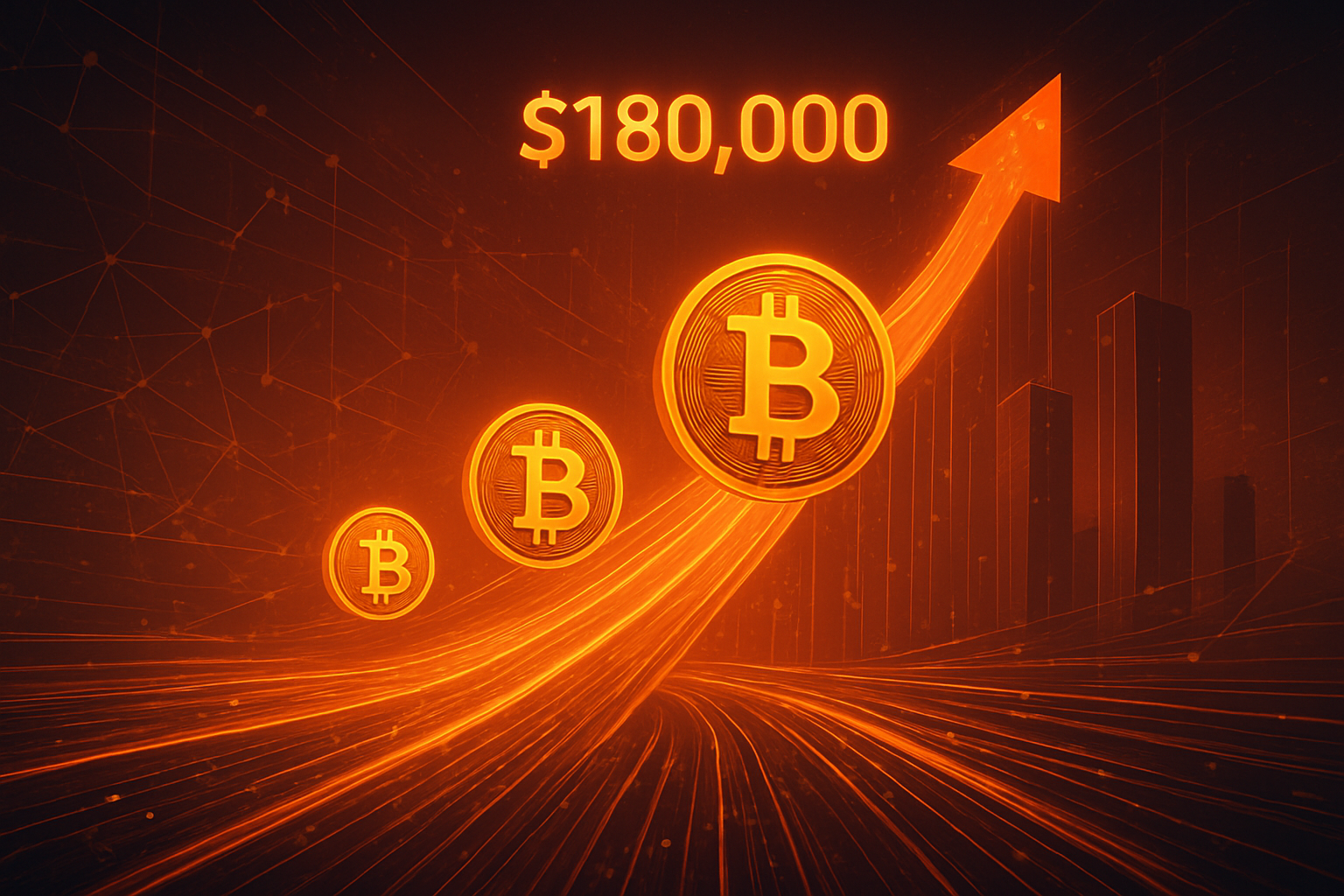
  • Ripple CEO Brad Garlinghouse Predicts Bitcoin to Soar to $180K Amidst Hopes for U.S. Regulatory Clarity

    Ripple CEO Brad Garlinghouse Predicts Bitcoin to Soar to $180K Amidst Hopes for U.S. Regulatory Clarity

    Dubai, UAE – December 5, 2025 – In a bold forecast that has sent ripples through the cryptocurrency market, Ripple (XRP) CEO Brad Garlinghouse declared earlier this week that Bitcoin (BTC) is poised to hit a staggering $180,000 by the close of 2026. Speaking at Binance Blockchain Week, held on December 3rd and 4th, 2025, Garlinghouse's optimistic prediction hinges significantly on the anticipated arrival of clear regulatory frameworks within the United States.

    Garlinghouse's pronouncement comes at a pivotal time for the crypto industry, which has long grappled with regulatory ambiguity, particularly in major economies like the U.S. His assertion that clearer rules will unlock substantial institutional capital has resonated deeply, offering a beacon of hope for sustained market growth beyond speculative cycles. With Bitcoin trading around $93,000-$94,000 at the time of his statement, the crypto community is keenly observing whether this ambitious target will materialize, potentially ushering in a new era of mainstream adoption and stability.

    Market Impact and Price Action

    Garlinghouse's "uber-bullish" forecast injected a palpable sense of optimism into a market already experiencing a resurgence. At the time of his statement on December 3rd-4th, 2025, Bitcoin (BTC) was trading robustly in the $93,000-$94,000 range, having recently rebounded from a dip below $84,000. This pre-existing bullish momentum, fueled by positive U.S. regulatory signals and expectations of interest rate cuts, provided fertile ground for Garlinghouse's prediction to take root.

    In the immediate aftermath, market sentiment leaned heavily bullish. Analysts had already identified the $97,000-$98,000 zone as the next significant liquidity target for Bitcoin if bulls could firmly reclaim the $93,000 resistance. Garlinghouse's confident projection could very well provide the necessary impetus for BTC to challenge and potentially breach these levels, attracting further capital from investors eyeing the long-term $180,000 target. Trading volumes, which had already seen a surge in Bitcoin ETF activity above $5.1 billion on December 3rd, indicating renewed institutional engagement, are expected to climb higher as both retail and institutional players react to the news.

    For XRP, the native token of Ripple, a bullish Bitcoin outlook from its CEO naturally sparked positive sentiment. While BTC typically leads market movements, a rising tide often lifts all boats. On December 5th, XRP was trading around $2.06, navigating some pressure despite recent ETF inflows. However, just days prior, on December 3rd, XRP had shown signs of a potential breakout towards $2.75, backed by significant whale accumulation. Garlinghouse's broader optimism for 2026, citing institutional access and regulatory progress relevant to Ripple’s business model, serves to reinforce a bullish outlook for XRP, potentially pushing it towards its immediate resistance at $2.75.

    Historically, high-profile bullish predictions, especially when coupled with tangible regulatory progress, have acted as powerful catalysts. The approval of Bitcoin Spot ETFs in January 2024, for instance, led to unprecedented inflows and new all-time highs for Bitcoin. Similarly, news of a crypto-friendly SEC Commissioner in December 2024 propelled Bitcoin above $100,000. While some suggest that the influence of individual crypto leaders might be diminishing as Bitcoin matures into a macro asset, endorsements from figures like Garlinghouse, particularly when tied to fundamental drivers like regulatory clarity, still carry substantial weight and can ignite sustained positive price action.

    Community and Ecosystem Response

    Brad Garlinghouse's audacious $180,000 Bitcoin prediction for late 2026, delivered during Binance Blockchain Week (December 3rd-4th, 2025), has ignited fervent discussions across the crypto community, particularly due to his emphasis on evolving U.S. regulatory clarity and institutional adoption. The sentiment, while generally optimistic, also reflects a nuanced perspective shaped by past market cycles and the specific dynamics of various crypto factions.

    Within the XRP community, Garlinghouse's statement has been met with a mix of excitement and cautious analysis. Many XRP holders interpret his remarks as a strong signal of positive underlying market developments, including increased institutional interest and liquidity. They actively debate how XRP’s price might react to a Bitcoin surge of this magnitude, with some analysts speculating that altcoins like XRP could experience amplified gains, potentially tripling or even five-folding their current values based on historical correlations. Conversely, a segment of the community remains skeptical, recalling previous predictions from Garlinghouse that did not fully materialize, urging a more measured approach to this new forecast.

    Broader crypto social media platforms and influencers are also buzzing with Garlinghouse's forecast. His aggressive target stands out compared to more conservative predictions from peers at the same event, such as Solana Foundation President Lily Liu, who foresaw Bitcoin "above $100,000" by the end of 2026. This boldness has amplified discussions, with news outlets widely reporting the prediction and highlighting the narrative of regulatory clarity and institutional influx. The prevailing sentiment appears to be one of cautious optimism, acknowledging the potential for significant upside while remaining mindful of market volatility.

    While the immediate, direct effects on specific DeFi protocols, NFT projects, or Web3 applications are still nascent given the recency of the statement, the underlying drivers cited by Garlinghouse—regulatory clarity and institutional adoption—are broadly positive catalysts for the entire ecosystem. Projects like "Bitcoin Hyper" ($HYPER), an SVM-powered Layer 2 solution aiming to integrate high-throughput smart contracts and DeFi into Bitcoin, have reportedly seen strong presale demand, indicating investor appetite for "high-beta infrastructure plays" that could benefit from a major Bitcoin rally. Furthermore, the XRP Ledger ecosystem has witnessed a resurgence in DeFi activity, with its Total Value Locked (TVL) increasing by approximately 7% in the week leading up to Garlinghouse's announcement, and Ripple's stablecoin, RLUSD, surpassing a $1 billion market cap the previous month, both pointing to growing utility and institutional engagement that indirectly support the broader Web3 space. The general bullish sentiment is expected to encourage more investment and development across all these sectors.

    What's Next for Crypto

    Brad Garlinghouse's $180,000 Bitcoin prediction for late 2026 paints a vivid picture of a crypto market on the cusp of significant transformation. The short-term outlook (December 2025 – mid-2026) suggests a market navigating a "risk-off" phase, yet buoyed by robust underlying structural adoption. The anticipated end of the Federal Reserve's Quantitative Tightening (QT) in December 2025 is expected to stabilize prices, while potential Fed rate cuts in late 2025 and early 2026 could further fuel investment in riskier assets like cryptocurrencies by reducing the cost of money and softening the U.S. dollar.

    Looking long-term (mid-2026 and beyond), Garlinghouse's vision implies a maturation of Bitcoin from a purely speculative asset to a foundational component of global financial infrastructure. This shift could lead to more sustained, gradual growth, potentially signaling an end to the extreme volatility of traditional four-year cycles. This era is expected to witness the widespread use of stablecoins for traditional financial transactions, the emergence of more sophisticated crypto financial products, and a dramatic surge in institutional capital inflows, all contributing to a market that prioritizes utility over pure speculation.

    Several key catalysts and developments will shape this trajectory:

    • Regulatory Developments: The most crucial factor remains U.S. regulatory clarity. The passage of the Guiding and Establishing National Innovation for U.S. Stablecoins (GENIUS) Act in July 2025 set a federal framework for stablecoins. Comprehensive market structure legislation, building on the CLARITY Act which classifies decentralized tokens like Bitcoin as commodities, is anticipated in early 2026. The Commodity Futures Trading Commission (CFTC) has also approved spot cryptocurrency trading on federally regulated exchanges in December 2025, collaborating with the SEC to create a unified regulatory front, moving away from "regulation by enforcement" towards clear, predictable rules. Globally, the EU's MiCA regulation continues its implementation, with Phase II focusing on DeFi and NFTs in Q2 2026, contributing to international regulatory harmonization.

    • Institutional Inflows and Adoption: The continued growth of Spot Bitcoin ETFs and the potential launch of Ethereum and XRP ETFs are pivotal for attracting substantial institutional capital. Garlinghouse believes crypto ETFs, currently a small fraction of the overall ETF market, will see their share surge. The tokenization of Real-World Assets (RWAs) is also gaining traction, with 76% of institutional investors planning to invest in tokenized assets by 2026. Furthermore, more publicly traded companies are adopting Bitcoin as a treasury asset, with over 1,000,000 BTC accumulated by Digital Asset Treasury Companies (DATs) expected by the end of 2026. Financial giants like BlackRock (NYSE: BLK), Vanguard, and Fidelity (NYSE: FNF) are actively developing Bitcoin-related products, signaling long-term structural participation.

    • Technological Advancements: Ethereum's Pectra upgrade in May 2025 improved network speed, boosting altcoin momentum. Layer 2 scaling solutions like Arbitrum and Bitcoin Hyper are enabling high-throughput smart contracts and DeFi on Bitcoin-secured stacks. The integration of AI and blockchain is poised to revolutionize finance, with AI-driven risk management enhancing on-chain security and smart contract resilience. Advancements in privacy (zero-knowledge proofs) and sustainability (Proof-of-Stake) will also become more prominent.

    For crypto projects, the strategic imperative is to focus on developing products with clear real-world utility, strong partnerships, and robust security. For investors, diversification, rigorous due diligence, and vigilance regarding regulatory developments are paramount.

    Three main scenarios for Bitcoin's future appear:

    1. Base Case: Stabilization Amid Rate-Cut Optimism (Likely): Bitcoin stabilizes in the $80,000–$90,000 range, supported by moderate inflation, a Federal Reserve pivot, and continued institutional adoption.
    2. Bull Case: Garlinghouse's Prediction ($180K and Beyond) (Plausible): Bitcoin reaches or exceeds $180,000 by late 2026, driven by comprehensive U.S. regulatory clarity, massive institutional inflows, and significant technological advancements.
    3. Bear Case: Prolonged Correction ($57.8K) (Less Likely): Bitcoin falls to $57,800 or lower due to unforeseen geopolitical tensions, severe regulatory crackdowns (contrary to current trends), or a resurgence of high inflation.

    While Garlinghouse's prediction is ambitious, it is grounded in tangible shifts towards regulatory clarity and growing institutional acceptance, setting the stage for a more mature and integrated crypto market.

    Bottom Line

    Ripple CEO Brad Garlinghouse's prediction of Bitcoin reaching $180,000 by late 2026 is more than just an ambitious price target; it's a powerful statement reflecting a profound shift in the cryptocurrency landscape. For crypto investors and enthusiasts, the key takeaway is that the market is moving beyond purely speculative cycles, driven instead by fundamental structural changes: robust U.S. regulatory clarity and an unprecedented surge in institutional adoption. Bitcoin is increasingly seen as "digital capital," a recognized asset class that traditional financial players are actively integrating into their portfolios.

    The long-term significance of this forecast lies in its implicit assertion that foundational regulatory challenges are being actively addressed, paving the way for crypto to become an integral component of global finance. This outlook suggests a more stable and liquid market, where institutional capital is not merely dabbling but committing to long-term participation. As hundreds of billions in institutional funds are projected to flow into Bitcoin by the end of 2026, its role as a strategic asset for corporations and even nation-states will be further solidified, reinforcing its growing importance in the global financial architecture.

    Ultimately, the trajectory towards Bitcoin at $180,000 hinges critically on sustained and accelerated crypto adoption, with U.S. regulatory clarity and institutional participation serving as the primary catalysts. The approval of spot Bitcoin Exchange-Traded Funds (ETFs) has been a watershed moment, creating regulated gateways for traditional finance and attracting significant capital. The increasing involvement of major asset managers like BlackRock (NYSE: BLK), Vanguard, and Fidelity (NYSE: FNF) signals a commitment to long-term engagement. Beyond investment vehicles, the industry is witnessing a crucial shift towards real-world utility, with expanding applications in tokenization, payments, and Web3 infrastructure, moving cryptocurrencies beyond mere speculation to solve practical problems. The ubiquity of stablecoins in traditional financial transactions is also anticipated by 2026, further cementing crypto's role in the broader economy.

    Between now and late 2026, several critical dates, events, and metrics will serve as vital indicators for the realization of Garlinghouse's prediction:

    • U.S. Regulatory Clarity: Monitor ongoing legislative progress, including the acceleration of bills like the GENIUS Act and the CLARITY Act, and the full impact of the CFTC's approval for federally regulated spot Bitcoin and crypto trading throughout H1 2026. The DC Blockchain Summit (March 17-18, 2026) will offer crucial insights into policy direction.
    • Institutional Adoption: Closely track ETF inflow data, announcements from corporations adding Bitcoin to their balance sheets, and new crypto product offerings from major financial institutions. Conferences like Consensus Hong Kong (February 10-12, 2026) and Consensus Miami (May 5-7, 2026) will highlight trends in institutional engagement.
    • Macroeconomic Factors: Keep a keen eye on Federal Reserve interest rate decisions, particularly the December 10th meeting and subsequent policy changes throughout 2026, as potential rate cuts could bolster alternative assets.
    • Crypto-Specific Developments: Observe the expansion of real-world applications in tokenization and Web3 infrastructure, and track innovations discussed at events like the Bitcoin Conference (April 27-29, 2026).

    These factors will collectively determine whether Garlinghouse's bold prediction becomes a reality, ushering in a new era of mainstream crypto adoption and financial integration.


    This article is for informational purposes only and does not constitute financial or investment advice. Cryptocurrency investments carry significant risk.

  • Paribu’s $240M CoinMENA Acquisition: A Game-Changer for MENA Crypto Markets

    Paribu’s $240M CoinMENA Acquisition: A Game-Changer for MENA Crypto Markets

    December 5, 2025 – In a monumental move set to redefine the cryptocurrency landscape of the Middle East and North Africa (MENA) region, Turkey's leading digital asset platform, Paribu, officially announced its acquisition of CoinMENA for a staggering sum of up to $240 million. This landmark transaction, recognized as Türkiye's largest fintech deal to date and its first cross-border acquisition of a digital asset platform, signals a strategic pivot for Paribu, aimed at expanding its regulatory presence and tapping into the rapidly burgeoning crypto markets of Bahrain and Dubai.

    The acquisition, finalized today, December 5, 2025, immediately positions Paribu as a multi-jurisdictional regulated operator, leveraging CoinMENA's existing operating licenses from Dubai's Virtual Assets Regulatory Authority (VARA) and the Central Bank of Bahrain. While specific immediate market reactions regarding token price movements were not explicitly detailed, the broader crypto community and industry observers are expected to view this consolidation as a strong positive, underscoring the increasing maturity and institutionalization of the regional crypto ecosystem. This move is poised to enhance trust, foster innovation, and intensify competition in a region already experiencing high rates of cryptocurrency adoption.

    Market Impact and Price Action

    Paribu's strategic acquisition of CoinMENA is set to significantly impact the broader cryptocurrency market in the MENA region, particularly within regulated hubs like Bahrain and Dubai. While the nature of this acquisition, involving private entities, means there are no direct token price movements to analyze, the deal's implications for market structure, liquidity, and investor sentiment are profound.

    The combined entity is expected to consolidate user bases and trading activities, leading to a projected increase in overall trading volume and improved market liquidity across the integrated platform. This enhanced regulatory standing, coupled with a wider geographic presence, is anticipated to attract a greater number of retail and institutional investors. Historically, major acquisitions in the crypto space, especially those driven by regulatory compliance, tend to bolster investor confidence, leading to increased participation and investment. The move aligns with the UAE's ambition to become a global fintech hub, potentially driving further innovation and investment in digital assets within these emirates.

    In Bahrain, known for its pioneering and business-friendly crypto regulatory framework, the acquisition further solidifies its role as a crypto hub by strengthening the operational capabilities of a licensed entity. Similarly, in Dubai, Paribu's entry via CoinMENA provides a crucial licensed foothold within the VARA regime, a jurisdiction increasingly seen as a gateway for institutional crypto adoption in the Gulf. This regulatory clarity and multi-jurisdictional licensing are critical for building investor confidence, signaling credibility and security in a market that has often grappled with regulatory uncertainty. The deal is a clear indicator of the broader consolidation trend in the digital asset industry, where established players seek scale, regulatory strength, and expanded market access.

    Community and Ecosystem Response

    The crypto community and ecosystem response to Paribu's acquisition of CoinMENA, while lacking immediate, specific social media sentiment or influencer reactions, is largely anticipated to be cautiously optimistic. This landmark deal, framed around regulatory strength and strategic expansion, resonates positively within a region increasingly prioritizing compliant and secure digital asset operations.

    Users of both Paribu and CoinMENA are likely to perceive the merger as a move that fosters greater trust. By gaining immediate access to critical regulatory licenses from Dubai's VARA and the Central Bank of Bahrain, Paribu establishes itself as a regulated, multi-jurisdiction operator. CoinMENA itself built a reputation on compliance and education, and this expanded regulatory footprint is highly likely to enhance security, adhere to international standards, and ensure more stable operations for users. Furthermore, the combined entity is expected to drive innovation, with CoinMENA's co-founders expressing optimism that the merger will "set new standards for access and innovation," leading to enhanced services, more diverse offerings, and technological advancements.

    For other exchanges and crypto projects in the MENA region, the acquisition undoubtedly intensifies competition. A larger, more diversified, and regulated entity like the combined Paribu-CoinMENA will compel competitors to seek their own avenues for scale, enhanced regulatory compliance, or specialized niches. Regulatory bodies in MENA, such as Dubai's VARA and the Central Bank of Bahrain, are likely to view this acquisition favorably. It aligns with their goals of bringing legitimacy and stability to the crypto market, as a consolidated entity with robust compliance infrastructure simplifies oversight and fosters a more secure financial ecosystem. While concerns about centralization might exist among some proponents of decentralization, the overarching narrative in MENA appears to prioritize regulated growth and market maturity.

    What's Next for Crypto

    The acquisition of CoinMENA by Paribu heralds a new era for the crypto market in the MENA region, with both short-term and long-term implications that will shape its future trajectory. In the immediate term, we can expect intensified competition among exchanges, as smaller platforms face pressure to innovate or consolidate. Paribu will focus on seamlessly integrating CoinMENA's trading platforms, user base, and asset listings, while also potentially expanding its existing services like Paribu Custody into the MENA region. CoinMENA's existing Sharia-compliant offerings will also be leveraged, enhancing Paribu's appeal to a significant segment of the regional market.

    Looking ahead, this deal is a powerful catalyst for accelerated market maturity and institutional adoption. The presence of a major, regulated player emphasizing compliance and institutional-grade services will foster greater trust and perceived legitimacy, paving the way for increased institutional engagement. This could trigger further industry consolidation as other regional players seek similar scale and regulatory robustness. The combined entity's multi-jurisdictional operations may also catalyze the further development and harmonization of crypto regulations across MENA, fostering a more integrated and sophisticated market. Investors and projects should closely monitor the success of the integration, new product and service launches, and any further regulatory developments from VARA or the Central Bank of Bahrain. Competitive responses from other major exchanges will also be a key indicator of the evolving market landscape.

    Strategically, other crypto projects and exchanges in the region must consider niche specialization or differentiation to compete with this new powerhouse. Pursuing strategic partnerships or their own consolidation efforts may become necessary to achieve economies of scale and regulatory advantages. For investors, the deal underscores the growing premium on regulated entities. Focus should shift towards platforms operating within strong regulatory frameworks, while also assessing potential future M&A targets and projects with clear growth strategies in the high-adoption MENA market. Diversification, risk management, and a close watch on post-acquisition performance and competitive shifts will be paramount.

    Bottom Line

    Paribu's acquisition of CoinMENA for up to $240 million is more than just a business transaction; it's a profound statement on the maturation and strategic direction of the global cryptocurrency market, with a particular spotlight on the MENA region. For crypto investors and enthusiasts, the key takeaway is a reinforced emphasis on regulatory assurance. The strategic pursuit of licenses from VARA and the Central Bank of Bahrain signals that compliance is becoming a non-negotiable cornerstone for significant players, promising a more secure and trustworthy environment. This consolidation will likely lead to expanded market access, deeper liquidity, and a push for innovation in product development, including the expansion of Sharia-compliant offerings, which are crucial for regional adoption.

    The long-term significance of this deal lies in its potential to accelerate crypto adoption in MENA by providing a robust, regulated, and technologically advanced platform. It sets a blueprint for cross-border expansion in crypto markets, demonstrating how established regional operators can achieve scale and broaden their regulatory reach. This move also paves the way for greater institutional interest, as regulatory clarity and a compliant operating environment are critical for attracting larger investors. Ultimately, this acquisition reflects a broader narrative of the cryptocurrency market's evolution towards greater maturity and institutionalization. We are witnessing the emergence of regional powerhouses engaging in cross-border mergers, leading to a more streamlined market structure with fewer, but more robust and specialized, exchanges.

    To monitor the impact of this pivotal event, investors and enthusiasts should keep a close eye on the integration progress between Paribu and CoinMENA, tracking user growth and trading volume across the combined entity. Important metrics include new product launches, particularly those targeting institutional clients or specific regional needs, and any further regulatory developments in Bahrain and Dubai. The competitive responses from other regional and global exchanges will also be crucial in understanding the evolving market dynamics. This acquisition marks a significant step towards a more stable, regulated, and sophisticated future for crypto adoption globally, with the MENA region at its forefront.


    This article is for informational purposes only and does not constitute financial or investment advice. Cryptocurrency investments carry significant risk.

  • Bitcoin’s Rollercoaster Ride: A Dive Below $90K Rattles Crypto Markets, Stocks

    Bitcoin’s Rollercoaster Ride: A Dive Below $90K Rattles Crypto Markets, Stocks

    December 5, 2025 – The cryptocurrency market has been gripped by a significant downturn in late November and early December 2025, as Bitcoin (BTC) dramatically plunged below the crucial $90,000 mark. This slide, which saw the flagship cryptocurrency erase all its 2025 gains and hit a seven-month low, sent shockwaves across the broader crypto ecosystem and triggered a notable slide in crypto-related stocks.

    The initial breach occurred on Monday, November 18, 2025, when Bitcoin dipped to $89,426, marking its lowest point in seven months. The situation intensified on Monday, December 1, 2025, with a more definitive plunge to $86,627, extending losses from a tumultuous November. Most recently, on December 5, 2025, Bitcoin briefly plummeted below $90,000 again, falling to $88,964 before showing signs of a tenuous rebound. This volatility underscores the inherent risks and psychological thresholds within the crypto market, with the $90,000 level serving as a critical litmus test for investor confidence and a structural pivot point. The immediate market reaction was characterized by widespread panic selling, massive liquidations, and a palpable shift towards a bearish outlook.

    Market Impact and Price Action

    Bitcoin's fall below $90,000 triggered a cascade of negative price movements across the digital asset landscape. Following its October 2025 peak near $126,000, Bitcoin experienced a sharp drawdown of approximately 30-32%, eventually hitting lows around $80,000-$84,000. This correction is within historical averages for pullbacks during bull markets, yet its speed and severity caught many off guard.

    The downturn was marked by substantial liquidations, with over $637 million in leveraged positions wiped out by December 1, 2025, and an additional $435.6 million liquidated within 24 hours on December 5, 2025, predominantly affecting long positions. Trading volumes surged during these sell-offs, indicating strong conviction among sellers and accelerating price depreciation. Market liquidity also tightened, making large trades more impactful on price.

    Other major cryptocurrencies mirrored Bitcoin's decline, often with amplified volatility. Ethereum (ETH), the second-largest cryptocurrency, dropped below $3,000 by November 18, 2025, and further to $2,840 by December 1, losing 22% in November alone. XRP, Binance's BNB, and Solana's SOL also experienced significant percentage declines. The overall cryptocurrency market capitalization shrank by over $1 trillion from its peak.

    Technically, the breach of the $90,000 level, which had previously acted as a strong support, signified a weakening market structure. The formation of a "death cross" pattern—a bearish signal where a short-term moving average crosses below a long-term moving average—further fueled technical selling. Analysts identified $88,000-$90,000 as a crucial range to hold, with potential deeper support levels around $80,000 and $75,000 if the current levels failed. In comparison to past significant drops, such as the May 2021 crash or the 2022 bear market, the current downturn shares characteristics of both catalyst-driven selling and broader macroeconomic pressures, leading to amplified altcoin losses and widespread deleveraging.

    The impact extended to publicly traded companies with significant crypto exposure. Shares of Coinbase (NASDAQ: COIN) were down 3-4% in premarket trading on December 1, 2025, reflecting the broader market downturn. The "Coinbase Premium Index," a metric for U.S. spot buying, remained deeply negative through November, indicating reduced appetite from regulated U.S. investors. MicroStrategy (NASDAQ: MSTR), the largest corporate holder of Bitcoin, saw its shares tumble over 8% on December 1, 2025, and approximately 40% in the preceding 30 days. CEO Phong Le even acknowledged the possibility of being forced to sell some Bitcoin holdings as a "last resort" if its valuation premium dropped below a critical level, highlighting the company's leveraged bet on the digital asset and the looming risk of exclusion from benchmark indices like MSCI.

    Community and Ecosystem Response

    The crypto community reacted to Bitcoin's downturn with a mix of apprehension, strategic positioning, and some unexpected resilience in niche sectors. Social media platforms like Reddit and X (formerly Twitter) saw a largely bearish sentiment, with Reddit users debating potential further crashes akin to 2020/2021, while others viewed the dip as a prime buying opportunity. Stocktwits' sentiment meter for Bitcoin registered "extremely bearish."

    Prominent crypto influencers offered varied perspectives. Cameron Winklevoss, co-founder of Gemini Space Station, maintained a bullish long-term outlook, proclaiming on X, "This is the last time you'll ever be able to buy bitcoin below $90k!" Conversely, gold advocate Peter Schiff reiterated his skepticism, arguing that Bitcoin's collapse against gold "exposes the digital-gold hype as a fraud." Mike McGlone, Senior Commodity Strategist at Bloomberg Intelligence, anticipated continued downward pressure, while Matt Hougan, Chief Investment Officer at Bitwise Asset Management, acknowledged negative retail sentiment but suggested the traditional "four-year cycle" for Bitcoin might be "dead" due to increasing institutional adoption.

    The decentralized finance (DeFi) ecosystem felt a direct impact. Bitcoin's fall triggered a DeFi liquidity crisis, leading to over $650 million in leveraged positions being liquidated across various protocols. In response, Wrapped Bitcoin (WBTC), a major tokenized BTC variant, integrated with the Hedera network to inject fresh liquidity. Despite the overall stress, some DeFi projects, such as Hyperion DeFi, reported continued growth, signaling confidence in their specific models.

    The NFT market experienced a substantial downturn, with its overall market capitalization plummeting by 46% in the 30 days leading up to early November 2025. Even "blue-chip" collections suffered significant declines; CryptoPunks saw a 40% drop in trading volume and its floor price decreased from roughly $214,000 to $117,000, while Moonbirds' floor price more than halved. BNB Chain and Polygon-based NFTs were hit hardest, with 82% and 86% drops, respectively. Interestingly, Bitcoin NFTs and Base NFTs demonstrated surprising resilience, recording gains of 9% and 24%, suggesting a shift in investor interest within the broader NFT space.

    Broader Web3 application activity also cooled, with decreased on-chain transactions observed on networks like BNB Chain (-32%) and Solana (year-low network fees). Memecoins were particularly hard hit, with many experiencing 60-80% valuation drops. Amidst the volatility, stablecoins showcased remarkable growth, comprising 30% of all on-chain crypto transaction volume and reaching over $4 trillion in annual volume, an 83% increase from 2024, highlighting a flight to safety. Positive technological developments, such as the successful activation of the Fusaka upgrade for Ethereum on December 3rd, are expected to lower transaction fees for layer-2 solutions by 30-60%, potentially impacting future Web3 development costs. Furthermore, emerging regulatory clarity, including the GENIUS Act for stablecoins and the anticipated CLARITY Act for broader crypto legislation, is seen as a long-term positive for fostering institutional adoption.

    What's Next for Crypto

    The short-term outlook for the crypto market, extending into early 2026, suggests continued volatility and cautious sentiment. Analysts anticipate elevated price swings, with Bitcoin potentially trading sideways in the $85,000-$95,000 range for the remainder of 2025 due to low liquidity. A stagnant Bitcoin could, however, shift market risk appetite towards altcoins, potentially paving the way for an altcoin recovery if Bitcoin dominance declines.

    Long-term, beyond 2026, the crypto market is expected to mature, transitioning from a highly speculative environment to a more regulated and integrated landscape. Increased institutional demand and deeper integration into traditional financial systems are anticipated to drive growth. Some experts believe the traditional four-year Bitcoin halving cycle may become less pronounced, leading to a more stable and incremental growth trajectory. DeFi is projected to expand significantly and integrate with mainstream finance, while stablecoins are expected to see increased adoption in traditional financial transactions.

    Potential catalysts for recovery include a shift towards easier monetary policy by the Federal Reserve, particularly interest rate cuts, which are already contributing to Bitcoin's stabilization. Regulatory clarity, sustained inflows into Bitcoin ETFs, improved market liquidity, and continued technological advancements in DeFi and Layer 2 solutions could also fuel a rebound. Conversely, persistent macroeconomic headwinds, geopolitical instability, overly restrictive regulatory policies, and disappointing ETF performance could trigger further declines.

    For investors, strategic considerations include robust risk management through diversification, employing Dollar-Cost Averaging (DCA), and maintaining a long-term perspective. Staying informed about macroeconomic trends, regulatory developments, and on-chain analytics is crucial. Exploring DeFi opportunities and utilizing technical and value analysis for informed decision-making are also recommended.

    Possible future market scenarios for late 2025 to early 2026 include:

    • Stabilization and Accumulation (Base Case): Bitcoin consolidates around $80,000-$90,000 as long-term investors accumulate and liquidity normalizes.
    • Choppy Recovery: Continued elevated volatility with alternating rallies and pullbacks, leading to a range-bound trading environment.
    • Bullish Revival: A significant positive catalyst could propel Bitcoin towards $100,000, potentially reaching $112,000-$170,000 by 2026, with aggressive predictions even suggesting $200,000 by early 2026.
    • Prolonged Correction/Bear Market: A deeper drawdown to $60,000-$75,000 or even $57,800 if macroeconomic headwinds intensify and institutional risk appetite contracts.

    Bottom Line

    Bitcoin's recent price action below $90,000 serves as a potent reminder of the inherent volatility and dynamic nature of the cryptocurrency markets. While the downturn triggered widespread liquidations and bearish sentiment, the subsequent rebound above $90,000, fueled by supportive industry news, highlights the market's resilience and the ongoing tug-of-war between fear and opportunity.

    Key takeaways for crypto investors and enthusiasts include the understanding that price corrections are an intrinsic part of the market cycle, often vital for re-establishing equilibrium. The current period of "maximum disagreement" among analysts, with divided predictions, has historically preceded significant price reversals. While institutional adoption continues to be a long-term driver, recent weak ETF inflows suggest a cautious approach from institutional players, though long-horizon buyers appear to be anchoring the market by accumulating at various price points. Macroeconomic headwinds, particularly global liquidity tightening and central bank policies, remain significant pressures. Technically, holding above the $88,000-$90,000 range is crucial to avert deeper corrections.

    Despite the near-term turbulence, the long-term significance for crypto adoption remains largely positive for 2026 and beyond. Bitcoin's increasing integration into mainstream finance through spot ETFs and institutional acceptance solidifies its position as a legitimate asset class. The underlying market structure appears more robust than in previous downturns, with long-term holders moving coins off exchanges and institutional capital largely remaining in Bitcoin ETFs, suggesting a maturing market where Bitcoin is increasingly viewed as a strategic allocation.

    Critical dates, events, and metrics to monitor in the coming weeks and months include:

    • US Federal Reserve Interest Rate Decision (December 10, 2025): Potential rate cuts could boost risk appetite.
    • US Inflation Data (December 18, 2025): Influences monetary policy and market sentiment.
    • Bitcoin MENA (December 8-9, 2025, Abu Dhabi): An event for the Bitcoin community and institutional discussions.
    • Solana Breakpoint 2025 (December 11-13, 2025, Abu Dhabi): Key for the Solana ecosystem and broader altcoin sentiment.
    • MSCI Ruling (January 2026): Could impact market structure for crypto-heavy firms.
    • ETF Flows: Continuous monitoring of spot Bitcoin ETF inflows/outflows for institutional demand.
    • Funding Rates and Fear & Greed Index: Real-time insights into trader sentiment.
    • Key Price Levels: Watching for Bitcoin to reclaim and hold above $93,000-$94,000 for upside momentum, or a break below $80,000-$85,000 for prolonged decline.
    • Macroeconomic Environment: Global economic indicators, central bank communications, and geopolitical developments.

    This article is for informational purposes only and does not constitute financial or investment advice. Cryptocurrency investments carry significant risk.
  • Solana Shines Amidst Crypto Downturn: DeFi Protocols, Led by Sanctum, Demonstrate Remarkable Resilience

    Solana Shines Amidst Crypto Downturn: DeFi Protocols, Led by Sanctum, Demonstrate Remarkable Resilience

    December 5, 2025 – As the broader cryptocurrency market grappled with a significant weeklong slump in late November and early December 2025, wiping out billions in market capitalization, the Solana ecosystem emerged as a beacon of resilience. While Bitcoin (BTC) and Ethereum (ETH) saw substantial corrections, Solana (SOL) tokens, particularly those within its burgeoning Decentralized Finance (DeFi) sector, not only held their ground but, in some cases, posted impressive gains. A standout performer in this period of market distress was Sanctum, a liquid staking protocol, whose token surged by a notable margin.

    This remarkable outperformance by Solana and its DeFi constituents during a widespread downturn underscores the network's growing maturity, robust institutional interest, and the increasing utility of its underlying technology. The event signals a potential shift in market dynamics, where fundamental strength and innovative DeFi solutions on high-throughput chains can decouple from general market sentiment, offering a compelling narrative for the future of the crypto ecosystem.

    Market Impact and Price Action

    The period spanning late November and early December 2025 witnessed a severe contraction across the cryptocurrency landscape. The global crypto market capitalization dipped back below the $3 trillion mark, reflecting a loss of over a trillion dollars from its recent peaks. Bitcoin (BTC) plummeted from above $120,000 to trade in the mid-$80,000s and low-$90,000s, marking a decline of approximately one-third from its all-time high and even briefly touching below $84,000. Ethereum (ETH) mirrored this trend, falling from the high-$3,000s to the mid-$2,000s. This widespread capitulation was exacerbated by a major liquidation event, which saw $19 billion wiped from over 1.6 million traders within a mere 24 hours, driving the Crypto Fear and Greed Index into "extreme fear" territory.

    In stark contrast, Solana (SOL) and its associated tokens displayed significant relative strength. While SOL initially experienced a 6.1% decline to $132 and traded as low as $123-$125, it demonstrated a strong recovery, climbing back to $198 after falling below $175, mitigating a substantial portion of its weekly losses. The "Solana Eco" index, a benchmark for the ecosystem's performance, recorded a positive gain of 1.8% on a day when Bitcoin retraced part of its rebound, highlighting a clear decoupling.

    Sanctum, a pivotal liquid staking protocol on Solana, was a particular highlight. Its token, CLOUD, surged by an impressive 13% in a single day, largely attributed to the launch of Forward Industries' Liquid Staking Token (LST), fwdSOL, powered by Sanctum. This individual protocol's success underscored the growing importance of liquid staking derivatives within the Solana DeFi landscape. Furthermore, Solana's weekly Decentralized Exchange (DEX) volume surged by 57% during the volatile week, indicating sustained user activity and liquidity. Although the Total Value Locked (TVL) across Solana DeFi experienced a 12% slide, it maintained a significant lead over many competitors, signaling underlying strength. Crucially, Solana's DeFi protocols managed liquidations smoothly, showcasing a maturing market capable of handling stress.

    The resilience was further bolstered by robust institutional interest. Solana investment products garnered $101.7 million in net inflows throughout November, and Solana ETFs have accumulated $618 million in net inflows since their inception in October, with a substantial $45.7 million inflow recorded on a recent Tuesday. The CME Group's launch of regulated options on Solana futures also provided institutional traders with new tools for risk management and exposure, solidifying Solana's position as an institutional-grade asset.

    Community and Ecosystem Response

    The outperformance of Solana and the notable gains by Sanctum during a period of widespread crypto market turmoil sparked a wave of positive sentiment and discussions across the Solana community. Social media platforms like X (formerly Twitter), Reddit, and Discord were abuzz with renewed enthusiasm, with many drawing parallels to past "Solana Summer" narratives, celebrating the network's technical prowess and resilience. Discussions frequently highlighted Solana's high transaction speed, low fees, and robust infrastructure as key differentiators that allowed it to weather the storm more effectively than other chains.

    Crypto influencers and thought leaders quickly amplified the positive news, with many issuing bullish endorsements and price predictions for SOL and key ecosystem tokens. Technical analysts pointed to strong support levels for SOL and increased trading volumes as evidence of underlying strength, while others provided deep dives into the mechanisms behind Sanctum's success, particularly its innovative liquid staking solutions. The launch of fwdSOL and its impact on the Liquid Staking Token (LST) landscape on Solana were frequently cited as prime examples of the ecosystem's ongoing innovation and utility.

    The positive ripple effects extended across the broader Solana ecosystem. DeFi protocols witnessed increased engagement, with the anticipation of higher Total Value Locked (TVL) as capital flowed into the resilient network. Protocols built around Liquid Staking Derivatives (LSDfi) were particularly energized, with Sanctum's unifying Infinity Pool seen as a critical piece of infrastructure enhancing capital efficiency. Even Solana's vibrant NFT market experienced a boost in confidence, with renewed interest in trading volumes and new projects, as the underlying blockchain's stability provided a more secure environment. Web3 applications, including gaming and social platforms, also benefited from increased user acquisition and engagement, underscoring the interconnected growth within the Solana sphere.

    What's Next for Crypto

    Solana's demonstrated resilience and the strong performance of its DeFi protocols like Sanctum during a market downturn carry significant implications for the short and long-term future of the crypto market. In the short term (late 2025 – early 2026), Solana is poised for continued growth, with analysts eyeing price targets that could see SOL approach $155-$165 by year-end 2025 and $143-$152 by early 2026. A major catalyst on the horizon is the potential approval of several spot Solana ETFs, with seven applications currently awaiting SEC approval, which could unlock substantial institutional capital. Upcoming blockchain upgrades, such as "Alpenglow" scheduled for early 2026, are also expected to further enhance Solana's speed and efficiency.

    For the broader crypto market, the immediate future will likely remain influenced by macroeconomic factors, but institutional investors are signaling a cautiously positive outlook for Bitcoin (BTC) heading into 2026, anticipating Federal Reserve interest rate cuts to boost risk assets. The market is increasingly characterized by institutional integration, advancements in Layer 2 scaling, cross-chain interoperability, and the mainstreaming of liquid staking protocols.

    Looking further ahead (2026 and beyond), the long-term outlook for Solana is bullish, with some analysts projecting SOL could approach $300 in 2026 and potentially reach $700-$1,000 by 2030. This growth will be fueled by sustained ecosystem expansion in DeFi, NFTs, and gaming, coupled with transformative technological advancements like the Firedancer upgrade. Solana aims to solidify its reputation as one of the most scalable blockchain platforms, attracting high-volume applications and potentially challenging Ethereum (ETH) in areas like high-frequency trading and consumer dApps. The broader crypto market is expected to mature, moving beyond speculative hype to focus on projects with strong fundamentals, real use cases, robust technology, and transparent governance. Institutional adoption, particularly via spot Bitcoin ETFs, is projected to reach substantial assets under management, and stablecoins are anticipated to become ubiquitous in traditional financial transactions.

    Potential catalysts for this continued growth include comprehensive regulatory clarity, especially in the U.S. with legislation like the Digital Asset Market Clarity Act, which could provide a massive boost to blockchain ecosystems. Technological advancements on Solana, such as Asynchronous Execution and increased block size, will further enhance throughput. Continued institutional adoption, DeFi innovation (e.g., Real-World Asset tokenization, AI-powered yield optimization), the evolution of blockchain gaming, and improved interoperability across chains are all critical drivers to watch.

    Strategic considerations for projects emphasize building robust technology with real utility, leveraging scalable infrastructure like Solana, embracing interoperability, and proactively engaging with regulators. For investors, diversification, stringent risk management, a long-term perspective focused on fundamentals, and staying informed about market trends are paramount. While volatility may persist, it also presents opportunities for astute traders. Possible scenarios range from a continued bullish trajectory driven by tech and institutional adoption to periods of increased volatility and consolidation where only the most resilient and innovative projects, like Sanctum on Solana, thrive.

    Bottom Line

    The recent performance of Solana (SOL) and its DeFi ecosystem, particularly Sanctum, during a challenging weeklong crypto slump offers crucial insights for investors and enthusiasts alike. The key takeaway is that fundamental strength, technological innovation, and robust institutional backing can allow certain assets and ecosystems to decouple from broader market downturns. Solana's high throughput, low fees, and expanding utility across DeFi, NFTs, and Web3 applications are proving to be powerful differentiators.

    The long-term significance of this event lies in the validation of Solana's architecture and its growing appeal to both retail and institutional participants. The success of protocols like Sanctum highlights the increasing demand for efficient and liquid staking solutions, which are becoming foundational elements of a healthy DeFi ecosystem. This resilience suggests a maturing market where projects with tangible utility and strong development can carve out sustained growth paths.

    For crypto adoption, Solana's ability to maintain functionality and even thrive amidst market stress reinforces its credibility as a reliable and scalable blockchain. The ongoing institutional interest, reflected in ETF inflows and regulated futures, signals a pathway towards greater mainstream acceptance and integration into traditional finance. Important metrics to monitor moving forward include Solana's Total Value Locked (TVL), network transaction volumes, developer activity, the progress of regulatory frameworks, and the performance of key DeFi protocols like Sanctum. The approval and performance of spot Solana ETFs in early 2026 will be particularly critical.


    This article is for informational purposes only and does not constitute financial or investment advice. Cryptocurrency investments carry significant risk.

  • Global Liquidity Tightens: Bank of Japan’s Rate Hikes Signal Headwinds for Bitcoin as Yen Carry Trade Unwinds

    Global Liquidity Tightens: Bank of Japan’s Rate Hikes Signal Headwinds for Bitcoin as Yen Carry Trade Unwinds

    The cryptocurrency market is bracing for significant shifts as the Bank of Japan (BoJ) continues its historic pivot away from decades of ultra-loose monetary policy. Beginning on March 19, 2024, the BoJ initiated a profound change by ending its eight-year negative interest rate policy and raising its short-term policy rate from -0.1% to a range of 0% to 0.1%. This initial move was followed by further rate hikes to 0.25% in July 2024 and 0.5% in January 2025, with strong market expectations for another increase to 0.75% at its upcoming December 2025 meeting. This aggressive normalization strategy, which also included the abolishment of its Yield Curve Control (YCC) policy, has sent ripple effects across global financial markets, immediately impacting currency valuations and risk assets.

    The immediate market reaction to these policy shifts has been characterized by significant volatility, particularly in the Japanese Yen (JPY), which initially weakened post-announcement before experiencing sharp appreciations after subsequent hikes. More critically for the broader financial landscape, these actions have triggered substantial sell-offs in global equity markets, exemplified by Japan's Nikkei 225 experiencing its worst daily drop since 1987 in August 2024. For the crypto ecosystem, this matters immensely because the unwinding of the multi-trillion-dollar yen carry trade – a strategy where investors borrowed cheap yen to invest in higher-yielding global assets – is now draining liquidity from global markets. This contraction of capital and forced deleveraging poses a direct threat to risk assets, with Bitcoin and other cryptocurrencies often feeling the brunt of such systemic shifts.

    Market Impact and Price Action

    The Bank of Japan's tightening cycle has already cast a long shadow over cryptocurrency markets, demonstrating a clear correlation between BoJ actions and Bitcoin's price movements. Following the March 2024 rate hike, Bitcoin formed a local top, indicating a cautious investor sentiment. The impact became more pronounced after the July 2024 rate increase, which was swiftly followed by a notable 20% drop in Bitcoin's value within a mere seven days. Similarly, the January 2025 hike contributed to a multi-month downtrend across both traditional stocks and the cryptocurrency sector, underscoring the interconnectedness of global liquidity and digital asset valuations.

    As of December 5, 2025, with another anticipated BoJ rate hike looming, the market has already shown signs of stress. A sharp sell-off in crypto, with Bitcoin falling over 6% in a single day, has been directly linked to the strengthening yen and the accelerated unwinding of carry trades. This deleveraging process involves investors selling off foreign assets, including cryptocurrencies, to repay their increasingly expensive yen-denominated loans. This dynamic creates significant selling pressure, leading to increased trading volume on the sell side and a potential decrease in overall market liquidity as capital is repatriated.

    Technical analysis reveals that key support levels for Bitcoin have been tested and, in some instances, breached during these periods of global liquidity tightening. While specific figures fluctuate, the general trend indicates a struggle for BTC to maintain upward momentum in the face of macro headwinds originating from Japan. Historically, similar global liquidity contractions, though not always directly tied to the yen carry trade, have often led to amplified volatility and significant drawdowns in risk assets. The current scenario mirrors aspects of past deleveraging events, where the sudden withdrawal of cheap capital from the system triggered broad asset sell-offs, with crypto markets often leading the downward movement due to their 24/7 nature and higher inherent leverage.

    Community and Ecosystem Response

    The ongoing shifts from the Bank of Japan have become a hot topic across crypto social media platforms and community discussions. Sentiment on Crypto Twitter and Reddit is largely cautious, with many users expressing concern over the potential for further liquidity drains. Discussions often revolve around the "macro" picture, with prominent crypto influencers and thought leaders dissecting the implications of rising global interest rates and a strengthening yen. While some see these events as short-term turbulence, others warn of a prolonged "crypto winter" if the unwinding of the yen carry trade accelerates.

    Reactions from prominent figures in the crypto space vary, but a common thread is the emphasis on understanding traditional finance's impact on digital assets. Analysts are closely monitoring JPY strength and Japanese bond yields as leading indicators for potential pressure on Bitcoin. Effects on related decentralized finance (DeFi) protocols have been observed, with some platforms experiencing reduced liquidity or increased volatility in stablecoin pairs and lending rates as investors seek safer havens or liquidate positions. While direct impacts on specific NFT projects or Web3 applications are less immediate, a broader downturn in crypto prices can reduce overall capital available for investment and engagement within these sectors, potentially slowing growth and innovation.

    What's Next for Crypto

    The short-term implications for the crypto market are likely to involve continued volatility and potential downward pressure on Bitcoin and altcoins, especially if the Bank of Japan proceeds with its anticipated December 2025 rate hike. The unwinding of the yen carry trade is not a one-time event but a gradual process that could persist, leading to sustained global liquidity contraction. Investors and projects should prepare for a period where traditional financial market dynamics exert a stronger influence on crypto valuations.

    Looking further ahead, the long-term implications are more nuanced. While immediate tightening presents challenges, a more normalized global interest rate environment could, in the very long run, lead to more stable and mature capital flows into crypto. However, before that equilibrium is reached, the market must navigate the current deleveraging phase. Potential catalysts to watch include any signals from the BoJ that suggest a pause or slowdown in their tightening cycle, or significant policy shifts from other major central banks (e.g., the U.S. Federal Reserve, NASDAQ:FED) that could alter global liquidity dynamics.

    Strategic considerations for projects and investors involve a renewed focus on fundamental value, robust tokenomics, and sustainable growth models. Projects reliant on speculative capital or excessive leverage may face increased scrutiny. For investors, a defensive posture, including diversification and a focus on risk management, will be crucial. Possible scenarios range from a "soft landing" where the yen carry trade unwinds gradually without major market shocks, to a "hard landing" involving more aggressive deleveraging and significant crypto market corrections. The likelihood of each scenario hinges heavily on the pace and magnitude of future BoJ policy adjustments and the resilience of global financial markets.

    Bottom Line

    The Bank of Japan's ongoing monetary policy normalization represents a pivotal moment for global finance, with profound implications for the cryptocurrency ecosystem. For crypto investors and enthusiasts, the key takeaway is that the era of ultra-cheap money, which significantly fueled risk asset appreciation, is drawing to a close. The unwinding of the yen carry trade is a powerful force that is actively tightening global liquidity, leading to forced deleveraging and selling pressure on assets like Bitcoin.

    The long-term significance of this development cannot be overstated. It signals a shift towards a more disciplined financial environment where capital is no longer as freely available. While challenging in the short term, this transition could ultimately contribute to a more mature and resilient crypto market, albeit one that is more closely tethered to global macroeconomic realities. For crypto adoption, a period of sustained market pressure might temper speculative enthusiasm but could also accelerate the focus on real-world utility and robust technological development.

    Important dates and metrics to monitor include future Bank of Japan policy meeting announcements, particularly the expected December 2025 rate decision. Additionally, keeping a close eye on the strength of the Japanese Yen (JPY) against major currencies and the yields on Japanese Government Bonds (JGBs) will provide crucial insights into the pace of the carry trade unwinding. Global liquidity indicators and overall risk sentiment in traditional markets will also serve as vital metrics for anticipating crypto market movements in this new, tightening financial landscape.


    This article is for informational purposes only and does not constitute financial or investment advice. Cryptocurrency investments carry significant risk.

  • UK Forges New Path: Digital Assets Granted Full Property Status, Reshaping Global Crypto Landscape

    UK Forges New Path: Digital Assets Granted Full Property Status, Reshaping Global Crypto Landscape

    London, UK – December 3, 2025 – In a landmark legislative move set to send ripples across the global digital economy, the United Kingdom has officially enacted the Property (Digital Assets etc.) Act 2025. This groundbreaking law, which received Royal Assent on Tuesday, December 2, 2025, formally grants cryptocurrencies and other digital assets full property status under English and Welsh law. The move is a monumental step towards providing legal certainty and robust protections for the burgeoning digital asset class, a development that has been met with widespread acclaim from both the crypto community and legal experts.

    This legislative milestone effectively categorizes digital assets as a distinct third form of personal property, moving beyond the traditional classifications of "things in possession" and "things in action." The Act's core provision explicitly states that a digital or electronic thing is not prevented from being an object of personal property rights merely because it doesn't fit into the old categories. This fundamental shift is poised to clarify ownership rights, streamline asset recovery in cases of theft or fraud, and provide a clear framework for handling digital assets in insolvency, inheritance, and dispute resolution. For an industry often grappling with regulatory ambiguity, the UK's proactive stance is seen as a powerful endorsement, signaling a commitment to fostering innovation within a secure and predictable legal environment.

    Market Impact and Price Action

    While direct, immediate price movements solely attributable to the UK's Property (Digital Assets etc.) Act 2025 are difficult to isolate given the broader market dynamics of the cryptocurrency space, the overarching sentiment surrounding regulatory clarity in a major global financial hub like the UK is undeniably positive. The market often reacts favorably to developments that reduce uncertainty and enhance investor protection, and this law delivers precisely that.

    The broader cryptocurrency market, including bellwether assets like Bitcoin (BTC-USD) and Ethereum (ETH-USD), has shown a general trend towards stability and gradual growth in late 2025, partly influenced by increasing institutional interest and a maturing regulatory environment worldwide. While no sudden spikes were observed immediately following the Royal Assent, the UK's decision is expected to contribute to a long-term bullish outlook by fostering greater institutional confidence and participation. Legal certainty is a crucial factor for large-scale investors and traditional financial institutions (TradFi) considering deeper integration of digital assets into their portfolios. This reduction in regulatory risk could lead to increased capital inflows into the UK's digital asset ecosystem and, by extension, the global market.

    Analysts are looking at this development as a foundational element that could underpin sustained trading volume and liquidity growth in the coming months. Clearer property rights can facilitate more sophisticated financial products, such as crypto-backed loans, structured products, and improved custody solutions, all of which require a solid legal basis. This could subtly influence key support levels for major cryptocurrencies, as the perceived risk premium associated with regulatory uncertainty diminishes. Comparison to past events, such as the increasing clarity around Bitcoin ETFs in the US, suggests that regulatory progress, even if not causing immediate dramatic price surges, builds a more robust foundation for future market expansion and investor trust. The UK's move further solidifies the narrative that digital assets are maturing beyond speculative instruments into legitimate, legally recognized forms of property, a shift that is inherently positive for their long-term value proposition.

    Community and Ecosystem Response

    The response from the global crypto community and ecosystem to the UK's Property (Digital Assets etc.) Act 2025 has been overwhelmingly positive, bordering on celebratory. Social media platforms, particularly Crypto Twitter and Reddit, buzzed with discussions highlighting the significance of the legislation. Influencers and thought leaders lauded the UK for taking a pragmatic and forward-thinking approach, contrasting it with jurisdictions that have adopted more restrictive or ambiguous stances.

    Organizations such as Bitcoin Policy UK and CryptoUK were quick to issue statements praising the Act. Susie Ward, CEO of Bitcoin Policy UK, called it "possibly the biggest change in English property law" in centuries, emphasizing the newfound legal protection for crypto holders. CryptoUK echoed this sentiment, stressing the enhanced clarity and protection for consumers and investors, which grants digital assets a "much clearer legal footing." Major industry players, including Coinbase (COIN-NASDAQ) and Ripple, have also interpreted the reform as a strong signal that the UK is actively seeking to attract and foster crypto innovation. This legal clarity is particularly crucial for decentralized finance (DeFi) protocols and Web3 applications, as it provides a statutory basis for smart contracts, tokenized assets, and other on-chain interactions, reducing legal exposure and encouraging further development within the UK. The broader sentiment across these platforms indicates a strong belief that this legislation will significantly de-risk institutional engagement and accelerate mainstream adoption, positioning the UK as a leader in the global digital asset race.

    What's Next for Crypto

    The UK's bold move in granting full property status to digital assets sets a compelling precedent that is likely to have significant short and long-term implications for the global crypto market. In the short term, the enhanced legal certainty is expected to bolster investor confidence, particularly among institutional players who have been hesitant due to regulatory ambiguity. This could lead to increased capital allocation into UK-based crypto ventures and services, potentially spurring innovation in areas like tokenized real-world assets, advanced DeFi applications, and compliant Web3 infrastructure. The immediate outlook suggests a more favorable environment for crypto businesses seeking to establish or expand operations within the UK.

    Looking further ahead, the UK's progressive stance could serve as a powerful catalyst for other major jurisdictions grappling with digital asset regulation. As one of the first major economies to formally enshrine these rights, the UK is effectively setting a benchmark. We can anticipate other nations, particularly those vying for a slice of the global digital finance pie, to review and potentially adapt similar frameworks. This could lead to a more harmonized global regulatory landscape for crypto, reducing fragmentation and fostering cross-border innovation. Key developments to watch include how the European Union, the United States, and Asian financial hubs respond to this UK initiative. Strategic considerations for projects and investors will revolve around leveraging this newfound clarity to build more robust, legally compliant products and services, and exploring opportunities in jurisdictions that adopt similar progressive frameworks. The most likely scenario is a gradual but accelerating global trend towards recognizing digital assets as legitimate property, which will underpin the industry's continued maturation and integration into the broader financial system.

    Bottom Line

    The UK's Property (Digital Assets etc.) Act 2025 marks a pivotal moment in the evolution of cryptocurrency and digital asset regulation. By formally recognizing digital assets as a distinct category of property, the UK has provided an unprecedented level of legal certainty that has been desperately sought by investors, businesses, and developers alike. For crypto investors and enthusiasts, the key takeaway is the significant de-risking of the asset class from a legal perspective, offering clearer ownership rights and stronger protections against theft and fraud. This move is a testament to the long-term significance of digital assets, signaling their transition from niche technological curiosities to integral components of the modern financial and legal landscape.

    This legislation is expected to accelerate crypto adoption by fostering greater institutional participation and enabling the development of more sophisticated and compliant financial products. It cements the UK's ambition to be a global leader in digital finance, potentially attracting substantial investment and talent to its shores. Moving forward, important metrics to monitor include the growth of institutional investment in the UK's crypto sector, the emergence of new legally compliant digital asset products, and the responses from other major global economies as they consider their own regulatory frameworks. The Act, effective December 2, 2025, is not just a win for the UK; it's a significant leap forward for the global crypto ecosystem, paving the way for a more secure, predictable, and ultimately, more integrated future for digital assets.


    This article is for informational purposes only and does not constitute financial or investment advice. Cryptocurrency investments carry significant risk.

  • Evaluating New Altcoin Projects and Early Token Sales: A Comprehensive Investor’s Guide

    Evaluating New Altcoin Projects and Early Token Sales: A Comprehensive Investor’s Guide

    The cryptocurrency landscape, ever-evolving and dynamic, continues to present a myriad of opportunities for investors willing to delve beyond the established giants like Bitcoin and Ethereum. As of late 2025, the proliferation of new altcoin projects and early token sales, commonly known as presales or initial coin offerings (ICOs), has reached a fever pitch, drawing both seasoned investors and curious newcomers. This surge is driven by continuous innovation in blockchain technology, the promise of decentralized applications (dApps), and the allure of exponential returns that early investments in successful projects can yield. Understanding the intricacies of this volatile yet potentially lucrative segment of the market is paramount for making informed decisions and navigating the inherent risks. This guide aims to equip investors with the knowledge and tools necessary to evaluate these nascent opportunities, distinguish between promising ventures and speculative traps, and strategically position themselves for potential growth in the rapidly expanding Web3 ecosystem.

    The current enthusiasm around early-stage projects reflects a broader market sentiment that values innovation and disruptive potential. While the immediate market reaction to individual presales can vary wildly, the overall community response to well-conceived projects with strong fundamentals tends to be positive, often leading to significant oversubscription. This phenomenon underscores the critical importance of due diligence, as the window for early participation can be brief and highly competitive. For the crypto ecosystem, the continuous influx of new altcoins and token sales is a double-edged sword: it fuels innovation and expands the utility of blockchain technology, but also introduces a higher degree of speculative risk. Navigating this environment requires a blend of analytical rigor, market awareness, and a healthy dose of caution to safeguard investments and capitalize on genuine opportunities.

    Market Impact and Price Action

    The market impact of new altcoin projects and early token sales is a complex interplay of speculative interest, technological promise, and community backing. Unlike established cryptocurrencies, nascent altcoins often experience extreme price volatility, particularly immediately following their public listing. Initial trading volumes can be high as early investors and speculators rush to either secure profits or acquire tokens they missed during the presale. However, liquidity can also be thin for less established projects, making large trades difficult without significantly impacting the price. Understanding these dynamics is crucial for investors.

    Analyzing the potential price action of a new altcoin involves more than just looking at the initial token price. Investors should closely examine the tokenomics – the supply, distribution, and utility of the token within its ecosystem. Projects with well-defined use cases, a clear vesting schedule for team and early investors (to prevent large sell-offs), and a mechanism for value accrual tend to exhibit more stable and sustainable growth. Technical analysis, while more challenging for newly launched tokens due to limited historical data, can still offer insights by observing initial support and resistance levels formed during the first few days or weeks of trading. Comparing a new project's launch to similar past events, such as the initial listings of successful DeFi protocols or gaming tokens, can provide a historical context, though it's important to remember that past performance is not indicative of future results. The overall market sentiment, particularly in relation to Bitcoin (BTC) (COINBASE: BTC) and Ethereum (ETH) (COINBASE: ETH), also plays a significant role, as a bullish broader market often provides a tailwind for new altcoin launches, while a bearish trend can amplify downward price pressure.

    Community and Ecosystem Response

    The success or failure of new altcoin projects and early token sales is heavily influenced by the vibrancy and engagement of their community and the broader crypto ecosystem's response. Social media platforms like X (formerly Twitter), Reddit, and Telegram are crucial battlegrounds where sentiment is forged and discussions unfold. A strong, active, and supportive community often signals a project's potential for longevity and adoption. Investors should pay close attention to the quality of discussions, the responsiveness of the project team, and the genuine interest expressed by potential users and developers.

    Reactions from influential crypto thought leaders and key opinion leaders (KOLs) can significantly sway public perception and investor interest. While endorsements from reputable figures can provide a boost, it's vital to differentiate genuine support from paid promotions. The effects on related decentralized finance (DeFi) protocols, non-fungible token (NFT) projects, or Web3 applications are also critical. Projects that seamlessly integrate into existing ecosystems or offer novel solutions that enhance the utility of other protocols tend to gain traction more rapidly. Broader crypto Twitter and Reddit sentiment, often characterized by memes, debates, and shared research, provides a real-time pulse of the market's collective opinion. A project that generates organic positive buzz and attracts a diverse range of participants – from developers to casual users – demonstrates a higher likelihood of sustained growth and ecosystem integration.

    What's Next for Crypto

    The trajectory for new altcoin projects and early token sales in the coming months and years is poised for continued innovation and increased scrutiny. In the short term, we can expect a sustained flow of new projects, particularly in emerging sectors like modular blockchains, decentralized artificial intelligence (AI), and real-world asset (RWA) tokenization. These areas represent significant technological advancements and address growing demands within the digital economy. However, this proliferation will also necessitate more sophisticated due diligence from investors, as the sheer volume of projects makes it harder to identify genuine opportunities amidst speculative ventures.

    Long-term implications for the crypto market suggest a maturing landscape where regulatory clarity will play an increasingly vital role. As governments globally grapple with how to classify and oversee digital assets, projects that proactively engage with regulatory frameworks and demonstrate compliance will likely gain a significant advantage. Potential catalysts to watch include major technological breakthroughs in scalability and interoperability, increased institutional adoption of digital assets, and the mainstream integration of Web3 technologies into everyday life. For projects, strategic considerations involve building robust technology, fostering strong communities, and demonstrating real-world utility. For investors, a long-term perspective, diversification, and continuous education will be key. Possible scenarios range from a continued bull market fueled by innovation and adoption to periods of consolidation and increased regulatory pressure. The likelihood of a more regulated yet ultimately more robust and integrated crypto market appears high, offering both challenges and unprecedented opportunities.

    Bottom Line

    Investing in new altcoin projects and early token sales presents a unique blend of high risk and high reward, demanding a disciplined and informed approach. The key takeaway for crypto investors and enthusiasts is the paramount importance of thorough due diligence. This includes meticulously researching the project's whitepaper, team, tokenomics, technology, community, and market potential. Understanding the inherent risks, such as rug pulls, technological failures, and market volatility, is crucial for capital preservation.

    The long-term significance of this segment of the crypto market lies in its role as an innovation incubator. Many of today's established blockchain protocols and decentralized applications began as early-stage projects. The continuous flow of new ideas and technologies from these ventures is fundamental to the evolution and expansion of the broader crypto ecosystem. For crypto adoption, successful altcoins and presales contribute by expanding the utility and accessibility of blockchain technology, attracting new users, and demonstrating the practical applications of decentralization. Important metrics to monitor include the project's development roadmap progress, community growth, partnerships, and evolving regulatory landscapes. As the digital economy continues to intertwine with traditional finance, strategic vigilance and a commitment to continuous learning will be the investor's most valuable assets in navigating the exciting, yet challenging, world of new altcoin projects.


    This article is for informational purposes only and does not constitute financial or investment advice. Cryptocurrency investments carry significant risk.

  • Bitcoin Roars Back Above $90,000: A Deep Dive into the Latest Rally

    Bitcoin Roars Back Above $90,000: A Deep Dive into the Latest Rally

    December 3, 2025 – Bitcoin (BTC) has once again captivated the financial world, surging past the $90,000 mark after a period of intense volatility and a recent dip. This latest rally, culminating in a robust recovery on December 3, 2025, sees the flagship cryptocurrency trading around $92,900 to $93,181, marking an appreciation of approximately 7% in the past 24 hours. The immediate market reaction has been a mix of cautious optimism and renewed bullish sentiment, with significant institutional capital flowing into the ecosystem, particularly through Bitcoin Exchange-Traded Funds (ETFs).

    This latest price action is more than just another milestone; it underscores Bitcoin's growing maturity as a financial asset and its increasing integration into traditional finance. The sustained interest from institutional players, coupled with evolving macroeconomic conditions and a shifting regulatory landscape, signals a transformative period for the entire crypto ecosystem. As Bitcoin solidifies its position, its movements continue to act as a bellwether for altcoins, DeFi protocols, NFT projects, and the broader Web3 space, making this surge a critical event for investors and enthusiasts alike.

    Market Impact and Price Action

    Bitcoin's journey above $90,000 has been marked by both exhilarating highs and sharp corrections. The cryptocurrency first breached this significant psychological barrier on November 12, 2024, continuing its ascent to an all-time high of over $126,270 on October 6, 2025. However, the market experienced a notable downturn in the preceding weeks, including a drop from $93,000 to below $84,000 during a liquidation event on December 1st, which erased over $200 billion in market value. The current recovery on December 3, 2025, demonstrates Bitcoin's resilience, as it decisively reclaimed the $92,000 level and broke through $91,000.

    The 24-hour trading volume for Bitcoin (BTC) has surged to approximately $81.27 billion USD, reflecting robust market participation. A major catalyst for this increased volume and price action was the recent decision by Vanguard (NYSE: VOO), a prominent investment management firm, to lift its ban on Bitcoin ETFs, leading to substantial institutional inflows. BlackRock's (NYSE: BLK) IBIT ETF alone recorded over $1.8 billion in trading volume within hours of this development. Overall spot trading volumes have reportedly increased by another 20%, indicating strong buying interest supporting the upward price movement.

    Liquidity in the Bitcoin market is also being influenced by several factors. The removal of Vanguard's Bitcoin ETF ban has directly injected fresh institutional capital, enhancing market liquidity and signaling renewed demand from major investors. Furthermore, expectations of Federal Reserve rate cuts, largely priced in for December 10th, and the potential appointment of a crypto-favorable Federal Reserve chair, are seen as injecting global liquidity, which historically benefits Bitcoin. Bitcoin's price has shown a strong positive correlation (0.94 between May 2013 and July 2024) with global liquidity, meaning capital tends to flow into scarce assets like BTC when liquidity increases.

    From a technical analysis perspective, Bitcoin is approaching a key resistance level between $93,000 and $95,000, a zone that previously acted as resistance in April. A decisive breakout above this range could pave the way for an attempt to breach the psychological $100,000 threshold. The 50-week simple moving average (SMA) at $102,000 is also identified as a critical level to monitor. The 4-hour timeframe for Bitcoin is showing a series of higher lows, a bullish indicator suggesting renewed buyer confidence. For short-term bullish continuation, a breakout above $93,500 is deemed essential; otherwise, Bitcoin might remain range-bound or potentially retest the $88,000 support level. The $90,000 to $93,000 range is now acting as a significant pivot or support level.

    Community and Ecosystem Response

    The crypto community's reaction to Bitcoin's surge above $90,000 and its recent recovery has been a blend of euphoria, renewed optimism, and strategic discussions. On social media platforms like X (formerly Twitter) and Reddit, discussions are predominantly bullish, filled with celebratory posts and ambitious price predictions. The "Fear of Missing Out" (FOMO) phenomenon is evident, with new investors and those who previously sold contemplating re-entry into the market. Technical analysts are actively sharing insights, identifying new support and resistance levels, and speculating on Bitcoin's next targets, such as $95,000, $98,500, or even $102,000.

    Crypto influencers and thought leaders have largely echoed this bullish sentiment. Many are making highly optimistic predictions, with some forecasting new all-time highs beyond $100,000 or even $200,000. They emphasize the growing maturity of the crypto ecosystem, improved infrastructure, and emerging practical use cases as reasons for sustained growth. For instance, former Binance CEO Changpeng Zhao (CZ) reportedly expressed optimism on December 3, 2025, stating he foresees "a lot more ATHs in the future," which generated a new wave of optimism and debate across social media.

    The ripple effect of Bitcoin's surge is significantly impacting related DeFi protocols, NFT projects, and Web3 applications. In the DeFi space, Bitcoin's price appreciation tends to lead to increased Total Value Locked (TVL) in Bitcoin-based DeFi protocols (BTCFi) as more users collateralize their BTC or bridge it to other chains. The DeFi sector recorded 5.35% growth on December 3, 2025, attaining $120.138 billion. Increased market activity around Bitcoin also translates to higher trading volumes and improved liquidity across decentralized exchanges (DEXs) and lending protocols. For NFTs, a bullish Bitcoin market often translates to increased sales volume and floor prices, as investors have more disposable income to allocate to digital collectibles. On December 3, 2025, NFT sales volume climbed by 18.33%. Similarly, Web3 applications benefit from increased investment and adoption, with the enthusiasm for Bitcoin fueling development in dApps and other Web3 technologies.

    What's Next for Crypto

    The future outlook for Bitcoin and the broader crypto market following this surge is characterized by continued institutional integration, technological evolution, and a potential sustained bullish trend, albeit with periodic corrections. In the short term, while profit-taking and volatility are expected to persist, the recent recovery, driven by the Federal Reserve's decision to halt its Quantitative Tightening (QT) program and inject market liquidity, provides a significant boost. The "Vanguard Effect," with Vanguard (NYSE: VOO) lifting its crypto ETF ban, has further solidified institutional interest, as evidenced by BlackRock's (NYSE: BLK) IBIT ETF recording substantial trading volumes.

    Long-term implications point towards a maturation of the crypto market. The approval of spot Bitcoin ETFs in early 2024 has established a permanent infrastructure for capital flows, leading to reduced volatility and a shift towards more stable, long-term capital. The traditional "four-year cycle" for Bitcoin may be evolving, with increased institutional participation pushing Bitcoin towards a more sustained, gradual growth trajectory. Stablecoins are projected to become ubiquitous by 2026, and the tokenization of real-world assets (RWAs) is gaining significant traction, with a projected growth to $3 trillion over the next five years.

    Several key catalysts are anticipated to drive the crypto market's future growth. Regulatory clarity and advancements, particularly concerning stablecoins and ETFs, are crucial for increasing investor confidence. Technological innovations, including ongoing Ethereum upgrades like the "Fusaka" hard fork in December 2025, and the increasing integration of AI and crypto, are expected to enhance scalability and efficiency. Global liquidity, influenced by anticipated interest rate cuts by the U.S. Federal Reserve in 2026, is also a significant factor, historically correlating with Bitcoin appreciation. Finally, continued mainstream and institutional adoption, beyond just ETFs, will further solidify crypto's position in the global financial landscape.

    For projects, strategic considerations include focusing on utility and scalability, ensuring regulatory compliance, and fostering strong community building. Investors should prioritize risk management and diversification, focusing on projects with strong fundamentals, and developing clear profit-taking and exit strategies. Possible scenarios include a choppy but constructive market, a continued bullish trend with Bitcoin potentially reaching $100,000 to $200,000 in 2026, or a significant correction, though the latter is seen as less probable due to increasing institutionalization.

    Bottom Line

    Bitcoin's recent surge above $90,000 and its resilient recovery on December 3, 2025, offer critical insights for crypto investors and enthusiasts. The market's inherent volatility remains, but it is now coupled with an undeniable underlying resilience and strong demand during dips. The increasing influence of institutional players, particularly through Bitcoin ETFs, is a dominant force, integrating Bitcoin further into traditional finance and attracting a broader range of investors. Bitcoin's price movements are also increasingly sensitive to macroeconomic indicators, tying its performance to global economic policies and central bank actions.

    In the long term, Bitcoin is solidifying its role as a maturing asset class, evolving into a more institutionally anchored investment. It is increasingly viewed as both a "risk-on" asset and a potential macro hedge against inflation, making it a valuable component for portfolio diversification. This structural shift in the market, characterized by deeper liquidity and broader institutional access, suggests a future of steadier, albeit still meaningful, appreciation.

    For broader crypto adoption, this price action signifies mainstream legitimacy, driven by regulatory acceptance and the bridging of traditional finance with crypto. Bitcoin's growth also correlates with an increase in cryptocurrency payments, highlighting its growing utility as a transactional tool. As the primary entry point for institutional capital into the crypto ecosystem, Bitcoin's performance often dictates the sentiment and capital flow for altcoins, making it a crucial bellwether for the entire market.

    Investors and enthusiasts should closely monitor several key factors. Federal Reserve monetary policy, including upcoming decisions on interest rates, will significantly influence market liquidity. Continuous monitoring of capital flows into and out of spot Bitcoin ETFs is crucial. On-chain metrics, such as whale activity and long-term holder behavior, offer insights into market sentiment. Regulatory developments, key price levels, and the evolving impact of Bitcoin halving cycles are also important to track.


    This article is for informational purposes only and does not constitute financial or investment advice. Cryptocurrency investments carry significant risk.

    Note: The current date is 12/3/2025. The research indicates that Bitcoin has previously surpassed $90,000 and reached an all-time high of over $126,270 on October 6, 2025. The article reflects a recent recovery on December 3, 2025, after a dip.

  • Risk-Off Winds Batter Public Companies’ Crypto Holdings: A Deep Dive into Corporate Digital Asset Strategies

    Risk-Off Winds Batter Public Companies’ Crypto Holdings: A Deep Dive into Corporate Digital Asset Strategies

    December 3, 2025 – The cryptocurrency market, along with its publicly traded proponents, is currently navigating a tempest of waning investor risk appetite and a prevailing "risk-off" sentiment. As global financial markets grapple with persistent inflationary pressures, evolving interest rate narratives from central banks, and a complex geopolitical landscape, the enthusiasm for speculative assets, including digital currencies, has notably cooled. This shift, exacerbated by recent security incidents within the Decentralized Finance (DeFi) sector, casts a long shadow over publicly traded companies that have strategically integrated significant cryptocurrency assets onto their balance sheets.

    These "Digital Asset Treasury companies" (DATCOs), which range from software firms like MicroStrategy (NASDAQ: MSTR) to mining giants such as Marathon Digital Holdings (NASDAQ: MARA) and Riot Platforms (NASDAQ: RIOT), are experiencing a direct and often amplified impact on their stock performance and overall financial health. The once-lauded strategy of holding Bitcoin (BTC) or other major cryptocurrencies as treasury assets, intended to hedge against inflation and offer diversification, is now being rigorously tested. This macro-level trend matters immensely for the broader crypto ecosystem, as it highlights the increasing interconnectedness between traditional finance and the volatile world of digital assets, demonstrating how broader economic headwinds can quickly translate into significant challenges for crypto adoption and corporate innovation in the Web3 space.

    Market Impact and Price Action

    The current "risk-off" environment has triggered notable price movements across the cryptocurrency market, directly influencing the valuations of publicly traded companies holding these assets. Major cryptocurrencies, particularly Bitcoin (BTC) and Ethereum (ETH), have experienced significant corrections from their previous highs, reflecting a broader investor retreat from perceived risky assets. For instance, following Bitcoin's peak of over $126,000 in October 2025, it saw a substantial decline to approximately $91,600 by November, a drop of nearly 27%. This volatility is a stark reminder of the inherent risks in the crypto market, even for established assets.

    This downturn has directly translated into sharp declines for crypto-tied equities. MicroStrategy (NASDAQ: MSTR), often seen as a leveraged proxy for Bitcoin, saw its stock price plummet by nearly 60% from its July highs, largely mirroring Bitcoin's descent. The premium investors once paid for MSTR as a unique avenue for crypto exposure has largely evaporated, with its market net asset value (mNAV) reportedly slipping to just below 1 (0.97), indicating that the stock trades only marginally lower than the value of its Bitcoin holdings. Similarly, other companies with significant crypto exposure, including mining operations like CleanSpark (NASDAQ: CLSK) and crypto exchanges such as Coinbase Global (NASDAQ: COIN), have also faced considerable declines, with Coinbase down 6% and MARA and RIOT experiencing 2-4% drops in early December 2025.

    The trading volumes for major cryptocurrencies have seen fluctuations, often spiking during periods of sharp price movements, indicating increased selling pressure or opportunistic buying at lower levels. Liquidity, while generally robust for top-tier assets, can become strained in rapid downturns, amplifying price swings. From a technical analysis perspective, key support levels for Bitcoin around the $90,000 mark are being closely watched, with a breach potentially signaling further downside. Resistance levels, particularly around the $100,000 psychological barrier, indicate significant selling interest. This current market dynamic draws parallels to past crypto bear markets, such as the downturns of 2018 and 2022, where macroeconomic uncertainties combined with internal crypto-specific events led to prolonged periods of price consolidation and investor caution.

    The introduction of spot Bitcoin ETFs in 2024 has provided alternative, regulated avenues for direct crypto exposure, somewhat altering the unique value proposition of companies like MicroStrategy. However, the strong correlation between their stock performance and Bitcoin's price path persists. Furthermore, concerns over potential share dilution stemming from capital raises aimed at acquiring more crypto assets have contributed to stock price divergence from Bitcoin in some instances, adding another layer of complexity for investors assessing these companies.

    Community and Ecosystem Response

    The prevailing "risk-off" sentiment and its tangible impact on publicly traded companies holding crypto assets have ignited a fervent debate across social media platforms and within the broader crypto community. On platforms like X (formerly Twitter) and Reddit, sentiment swings between cautious optimism regarding long-term value and deep concern over short-term volatility. Discussions often center on the sustainability of corporate treasury strategies focused on unhedged Bitcoin accumulation versus more diversified or yield-generating approaches. Many users express frustration at the amplified losses experienced by shares of DATCOs, questioning the wisdom of such aggressive crypto adoption during periods of market uncertainty.

    Crypto influencers and thought leaders have offered varied reactions. Some staunch Bitcoin maximalists continue to advocate for corporate accumulation, viewing current dips as buying opportunities and reiterating Bitcoin's role as a long-term store of value. Others, however, are more critical, highlighting the significant balance sheet risks and the potential for these companies to become overly exposed to market whims. There's a growing call for greater transparency and more robust risk management strategies from these firms. The debate also touches upon the role of regulatory bodies, with Nasdaq's increased scrutiny on U.S.-listed companies raising funds for crypto purchases becoming a frequent point of discussion, often met with mixed reactions ranging from calls for investor protection to concerns about stifling innovation.

    The ripple effects extend beyond individual companies to the broader crypto ecosystem. While direct impacts on specific DeFi protocols or NFT projects are less immediate, the overall downturn in market sentiment creates a less favorable environment for capital inflow and user adoption across Web3 applications. Lower asset prices can reduce total value locked (TVL) in DeFi, diminish trading volumes for NFTs, and slow down development funding for nascent Web3 projects. The general mood on Crypto Twitter and Reddit reflects a sense of retrenchment, with less speculative fervor and more focus on fundamental value and long-term utility, as the community grapples with the implications of traditional market forces dictating the fortunes of crypto-native ventures and their public market counterparts.

    What's Next for Crypto

    The current market landscape, characterized by waning risk appetite, presents both challenges and potential opportunities for the crypto market and the public companies intertwined with its fate. In the short term, continued macroeconomic uncertainty, including ongoing inflation debates and central bank policy decisions, is likely to maintain pressure on risk assets. This could lead to further price consolidation or even downward movement for major cryptocurrencies and, consequently, for the stocks of DATCOs. Companies with high leverage or aggressive, unhedged crypto strategies may face increased scrutiny and pressure on their balance sheets.

    Looking further ahead, the long-term implications are more nuanced. The new FASB accounting standard (ASU 2023-08), mandating fair value accounting for crypto assets effective for fiscal years beginning after December 15, 2024, will introduce greater transparency but also more volatility to corporate financial statements. This could either deter new corporate entrants or force existing ones to adopt more sophisticated risk management. Potential catalysts that could shift market sentiment include a clear resolution to global inflationary pressures, a more dovish stance from central banks, or significant technological breakthroughs within the crypto space that demonstrate real-world utility and adoption. Regulatory clarity, particularly around stablecoins and digital asset securities, could also provide a much-needed boost of confidence.

    For projects and investors, strategic considerations include a renewed focus on fundamentals, sustainable tokenomics, and actual product-market fit rather than purely speculative narratives. Diversification within crypto portfolios and a cautious approach to highly leveraged plays will be paramount. Companies holding crypto assets may need to re-evaluate their treasury strategies, potentially exploring hedging options or more conservative accumulation plans. Possible scenarios range from a prolonged "crypto winter" if macroeconomic headwinds intensify, leading to further corporate deleveraging and consolidation, to a gradual recovery driven by institutional adoption and a more favorable regulatory environment. The likelihood of a swift, dramatic bull run appears low in the immediate future, favoring a more protracted period of building and recalibration.

    Bottom Line

    The current "risk-off" environment underscores a crucial reality for crypto investors and enthusiasts: the increasing integration of digital assets into traditional finance means that broader macroeconomic trends and investor sentiment will inevitably influence the crypto market. The performance of publicly traded companies with significant crypto holdings serves as a powerful barometer of this interconnectedness. Key takeaways include the amplified volatility experienced by DATCOs, the critical role of the new fair value accounting standards in shaping financial transparency, and the ongoing debate surrounding optimal corporate crypto treasury strategies.

    The long-term significance of this period lies in its potential to mature the crypto market. While challenging, it forces a re-evaluation of speculative excesses and encourages a focus on sustainable growth and robust risk management. It also highlights the need for companies to clearly articulate their crypto strategies and for investors to understand the unique risks associated with crypto-exposed equities. Ultimately, what this means for crypto adoption is a maturation process: a shift from pure speculation to a more measured, institutionally integrated asset class, albeit one still prone to significant volatility.

    Important metrics to monitor include inflation data, central bank interest rate decisions, global GDP growth, and, of course, the price action and on-chain metrics of major cryptocurrencies like Bitcoin and Ethereum. Additionally, keep an eye on regulatory developments from bodies like the SEC and Nasdaq, and the financial reporting of key DATCOs as they implement the new FASB accounting standards. These elements will collectively paint a clearer picture of crypto's trajectory in the coming months.


    This article is for informational purposes only and does not constitute financial or investment advice. Cryptocurrency investments carry significant risk.

  • FBI Intensifies War on ‘Pig Butchering’ Crypto Scams, Billions at Stake in Investor Trust

    FBI Intensifies War on ‘Pig Butchering’ Crypto Scams, Billions at Stake in Investor Trust

    Washington D.C., December 3, 2025 – The Federal Bureau of Investigation (FBI) has dramatically escalated its offensive against "pig butchering" cryptocurrency investment scams, a sophisticated and devastating form of financial fraud that has siphoned billions from unsuspecting victims globally. Through a series of coordinated operations throughout late 2024 and 2025, including the proactive Operation Level Up, significant civil forfeiture actions, and the establishment of the U.S. Department of Justice's (DOJ) Crypto Fraud Strike Force, federal agencies have recovered hundreds of millions in stolen assets and notified thousands of potential victims. These aggressive actions signal a critical turning point in the fight against crypto-related crime, aiming to restore investor confidence and safeguard the integrity of the burgeoning digital asset ecosystem.

    The immediate aftermath of these intensified efforts has been a complex blend of relief for those spared from financial ruin and a heightened sense of urgency across the crypto community. While the direct market impact on specific tokens remains diffused, the broader implications for investor trust and regulatory oversight are profound. This concerted crackdown underscores the persistent threat posed by sophisticated fraudsters to the decentralized finance (DeFi) and Web3 landscape, making robust security measures and investor education more critical than ever for the sustainable growth and mainstream adoption of cryptocurrency.

    Market Impact and Price Action

    Unlike market-moving events such as a major hack on a centralized exchange or significant regulatory shifts affecting specific assets, the impact of "pig butchering" scams on the immediate price action of individual cryptocurrencies is typically indirect and nuanced. These scams primarily target individuals, often draining their personal portfolios rather than causing a systemic shock to the market through large-scale sell-offs of specific tokens. Therefore, direct observable price movements of affected tokens/coins are not typically a feature of these events.

    However, the sustained prevalence and high-profile nature of these scams, coupled with the FBI's intensified actions, contribute to a broader sentiment of caution and skepticism among potential new entrants and existing investors. This can manifest as a drag on overall market sentiment, particularly for less experienced investors who may perceive the entire crypto space as inherently risky due to the pervasive nature of such frauds. While not reflected in specific token charts, this erosion of trust can subtly impact overall trading volume and liquidity across the market, as some individuals may withdraw from crypto or delay new investments.

    Historically, widespread fraud and security concerns have acted as headwinds for the crypto market. Each major scam or regulatory intervention, even when targeting criminal activity, can temporarily dampen enthusiasm. The "pig butchering" phenomenon, with its psychological manipulation and significant financial losses, reinforces the need for robust investor protection frameworks and educational initiatives. The FBI's success in asset recovery and victim notification, while positive, also highlights the sheer scale of the problem, reminding the market that vigilance remains paramount.

    For technical analysts, the impact is less about immediate support or resistance levels for specific assets and more about the underlying health and perception of the market. A prolonged period of high-profile scams, even with law enforcement intervention, can contribute to a "risk-off" sentiment, potentially prolonging bearish trends or hindering bullish momentum by making investors more hesitant to deploy capital into perceived high-risk assets. The market's ability to absorb and respond to these security challenges through improved infrastructure and education will be a key indicator of its long-term resilience.

    Community and Ecosystem Response

    The crypto community's response to the FBI's intensified crackdown on "pig butchering" scams has been a complex blend of relief, renewed calls for vigilance, and a critical examination of industry responsibilities. On platforms like X (formerly Twitter) and Reddit, discussions are rife with cautionary tales from victims and shared strategies for identifying sophisticated scams. Crypto influencers and thought leaders have amplified these warnings, emphasizing the importance of due diligence and cold storage solutions. There's a palpable sense of urgency to educate newer participants, often seen as more susceptible to these elaborate, long-con schemes.

    The broader ecosystem, particularly digital asset platforms and decentralized finance (DeFi) protocols, is facing increased scrutiny. While "pig butchering" often originates outside the direct control of these platforms, the movement of illicit funds through them necessitates a stronger stance on Anti-Money Laundering (AML) and Know Your Customer (KYC) compliance. Exchanges like Kraken (KRAK) have already demonstrated proactive collaboration with law enforcement, as seen in their assistance with the seizure of approximately $225 million in March 2025. This sets a precedent for other platforms to enhance their fraud detection capabilities and engage more actively with investigative agencies.

    Beyond centralized entities, the decentralized nature of Web3 applications and NFT projects presents unique challenges. While the underlying blockchain technology offers transparency, the anonymity it affords can also be exploited by scammers. Community-driven initiatives within DeFi and NFT spaces are emerging, focusing on shared blacklists of known scam addresses, enhanced smart contract auditing, and peer-to-peer educational resources. The sentiment across crypto Twitter and Reddit largely reflects a consensus that while law enforcement plays a crucial role, the ultimate responsibility for security and education also lies within the community itself, fostering a culture of collective defense against evolving threats.

    What's Next for Crypto

    The FBI's aggressive stance on "pig butchering" scams carries significant short-term and long-term implications for the crypto market. In the short term, we can anticipate a continued focus from law enforcement on identifying and disrupting these sophisticated international fraud networks. This will likely lead to more domain seizures, asset forfeitures, and potentially high-profile arrests, further solidifying the perception that the crypto space is not a safe haven for illicit activities. For investors, this means a continued need for extreme caution and skepticism towards unsolicited investment opportunities, especially those promising unrealistic returns.

    Looking further ahead, these actions are likely to accelerate regulatory discussions and potentially lead to more stringent compliance requirements for digital asset service providers. The establishment of the DOJ's Crypto Fraud Strike Force in November 2025 signals a coordinated interagency approach, suggesting that future regulations might encompass broader aspects of crypto security and consumer protection. This could involve enhanced reporting requirements for suspicious transactions, mandatory educational resources for users, and greater accountability for platforms that fail to implement robust anti-fraud measures. While some in the crypto community may view increased regulation with apprehension, it could ultimately contribute to greater institutional adoption and mainstream trust by creating a safer investment environment.

    Strategic considerations for projects and investors will shift towards proactive security and education. Projects will need to prioritize transparent communication, clear disclaimers, and accessible support channels to help users identify and report scams. Investors, meanwhile, must become their own first line of defense, embracing critical thinking, verifying sources independently, and understanding the red flags of common crypto scams. Potential catalysts for positive development include the emergence of more sophisticated AI-driven fraud detection tools and industry-wide collaborations to share threat intelligence. Conversely, a failure to adapt to these evolving threats could lead to sustained reputational damage and hinder crypto's path to widespread adoption. The most likely scenario is a dual approach: continued law enforcement pressure alongside a growing emphasis on self-regulation and community-driven security initiatives.

    Bottom Line

    The FBI's intensified campaign against "pig butchering" crypto scams marks a pivotal moment in the ongoing battle for security and trust within the digital asset landscape. For crypto investors and enthusiasts, the key takeaway is clear: vigilance, education, and skepticism are your strongest defenses. Never succumb to pressure, always verify the legitimacy of investment opportunities independently, and be acutely aware of the red flags associated with these sophisticated social engineering schemes – particularly those involving unsolicited contact, promises of guaranteed high returns, and requests to move funds to unfamiliar platforms.

    The long-term significance of these federal actions extends beyond immediate asset recovery; it's about shaping the future perception and adoption of cryptocurrency. By actively pursuing and dismantling criminal networks, law enforcement is sending a strong message that the crypto space, despite its decentralized nature, is not beyond the reach of justice. This, coupled with growing industry efforts towards better security and user education, is crucial for fostering an environment where legitimate innovation can thrive and where new users feel safe participating.

    As we move forward, the trajectory of crypto adoption will be heavily influenced by the industry's collective ability to mitigate these pervasive threats. Important metrics to monitor include the rate of reported crypto fraud, the effectiveness of law enforcement in recovering stolen assets, and the development and adoption of enhanced security protocols by exchanges and DeFi platforms. Upcoming regulatory discussions and industry conferences focused on cybersecurity and consumer protection will be critical events to watch. Ultimately, the fight against "pig butchering" scams is a testament to the ongoing maturity of the crypto market, highlighting the necessary evolution towards a more secure, transparent, and trustworthy financial future.


    This article is for informational purposes only and does not constitute financial or investment advice. Cryptocurrency investments carry significant risk.